
Swahili tutors · Los Angeles · Since 2006
Swahili Tutors & Classes in Los Angeles. Jambo.
Private lessons with native-speaking instructors. Matched to your goals, your schedule, and your life. Start any time.


Your instructors
Swahili class instructors
I want to learn…
Every tutor, personally met. — founder-vetted since 2006, in Los Angeles and online worldwide.
Get a personalized plan
Pick your language — a language advisor will match you with the right tutor and map out your path.


Bachelors degree in Education · Certificate in primary teacher education
Learning Swahili language completes your success
Specialties
Also speaks: Academics
Bachelors degree in Education · Certificate in primary teacher education
Learning Swahili language completes your success
Specialties
I also speak: Academics
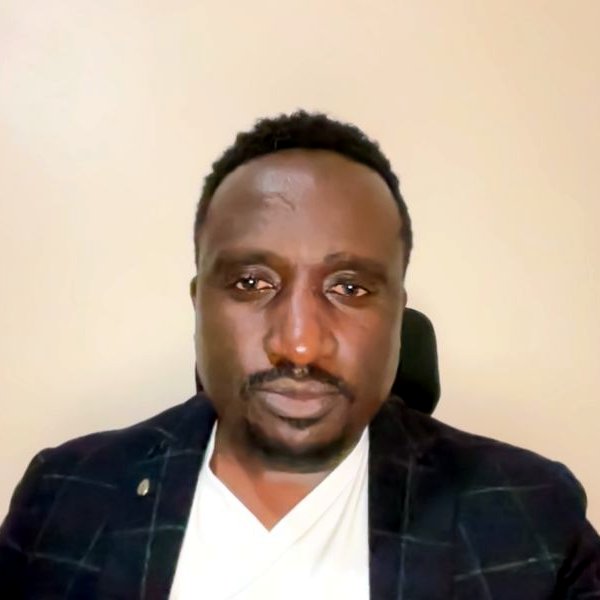

Bachelor of Arts in FrenchLicence en FLE- Ongoing · Pro FLEDALF C1TEF/TCF/DELF-DALF examiner certifications
French language expert I DELF/DALF/TCF/TEF Examiner I FOS/FLE
Personally vetted · Strommen’s note
Paul is a certified DELF/DALF/TCF/TEF examiner, not just a prep tutor. He teaches French and Swahili out of Nairobi, thirteen years in.
Specialties
Bachelor of Arts in FrenchLicence en FLE- Ongoing · Pro FLEDALF C1TEF/TCF/DELF-DALF examiner certifications
French language expert I DELF/DALF/TCF/TEF Examiner I FOS/FLE
Specialties
Personally vetted · Strommen’s note
Paul is a certified DELF/DALF/TCF/TEF examiner, not just a prep tutor. He teaches French and Swahili out of Nairobi, thirteen years in.


Diploma in Nutrition and dietetics · English as a foreign language German language
Making language learning simple and enjoyable
Specialties
Also speaks: German
Diploma in Nutrition and dietetics · English as a foreign language German language
Making language learning simple and enjoyable
Specialties
I also speak: German

Why Swahili?
Four reasons to take Swahili classes
Africa's Most Widely Spoken Language
Swahili is spoken by over 100 million people across East Africa — from Kenya and Tanzania to the Congo. It's the African Union's only adopted African language.
Surprisingly Easy to Learn
Swahili uses the Latin alphabet, has completely phonetic spelling, and no tones. Its Bantu grammar is systematic and logical once you learn the noun class system.
Transform Your East African Experience
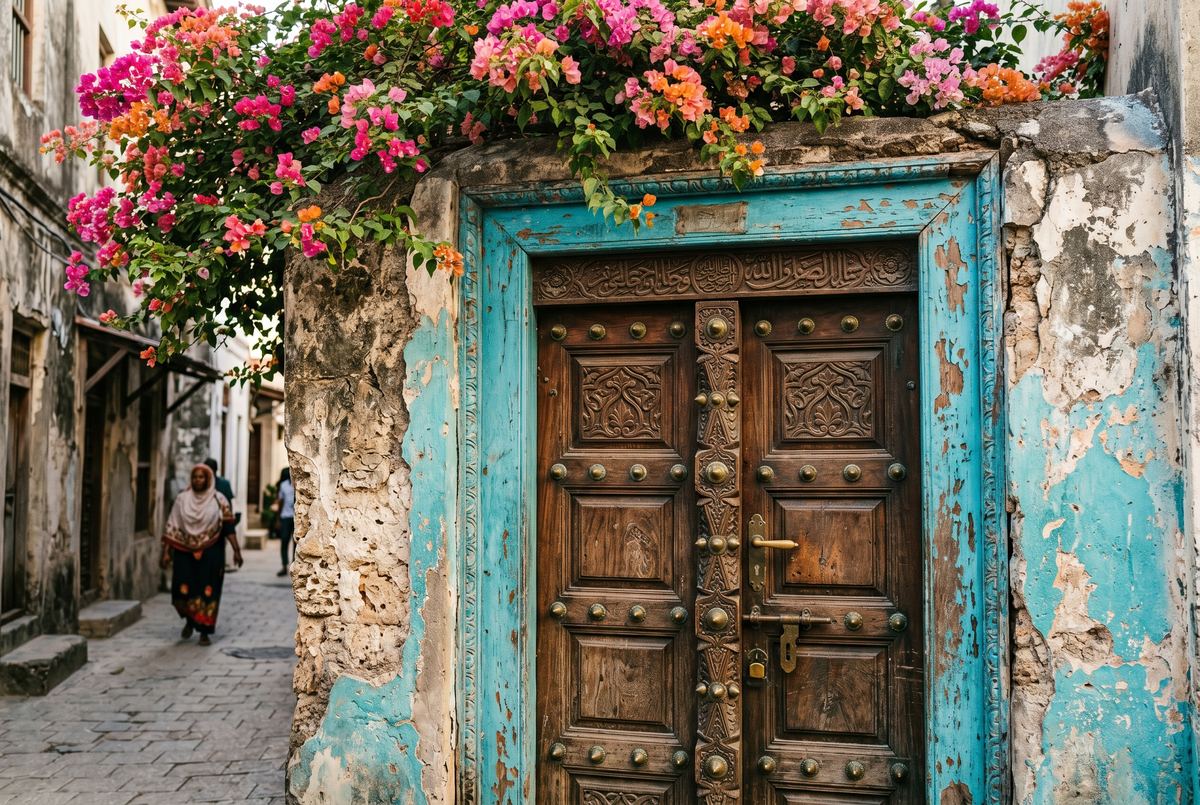
Whether you're on safari in the Serengeti or walking Stone Town's alleys in Zanzibar, speaking Swahili turns every interaction from a transaction into a connection.
Access Africa's Growing Economic Powerhouses
Kenya and Tanzania are among Africa's fastest-growing economies. Swahili is increasingly the language of East African tech, media, and commerce.
Since 2006
Swahili in Los Angeles
Swahili (Kiswahili, as its speakers call it) is one of the most widely spoken languages in Africa, with over 100 million speakers across East Africa. It is the national language of Tanzania, Kenya, and the Democratic Republic of Congo, and it functions as a lingua franca across much of the region. Swahili is a Bantu language that absorbed significant Arabic, Persian, and Portuguese vocabulary through centuries of Indian Ocean trade. Its noun class system is its most distinctive feature: instead of masculine and feminine like European languages, Swahili sorts nouns into around 15 classes that determine how adjectives, verbs, and pronouns behave. It sounds complicated, but the patterns are remarkably consistent.
LA’s East African community has grown steadily, with Kenyan, Tanzanian, and Congolese populations spread through neighborhoods in South LA, Inglewood, and the Mid-City area. But the majority of Swahili learners in LA are not heritage speakers. They are people planning safari trips to Kenya or Tanzania, Peace Corps volunteers heading to East Africa, NGO workers, academics in African studies, or professionals in international development. UCLA and USC both have strong African Studies programs that draw students to the language. There is also growing interest from people in the entertainment industry working on projects set in East Africa.
Strommen has been matching students with private Swahili tutors in Los Angeles since 2014. Our tutors are native speakers from East Africa. Swahili is often praised as one of the more accessible African languages for English speakers: the pronunciation is straightforward, the spelling is phonetic, and there are zero tones. But the noun class system and verb morphology are genuinely different from anything in English, so having a native tutor guide you through it makes the difference. Lessons are one on one, online or in person, and your tutor builds every session around your goals, whether that is travel prep, professional work, or long-term fluency.
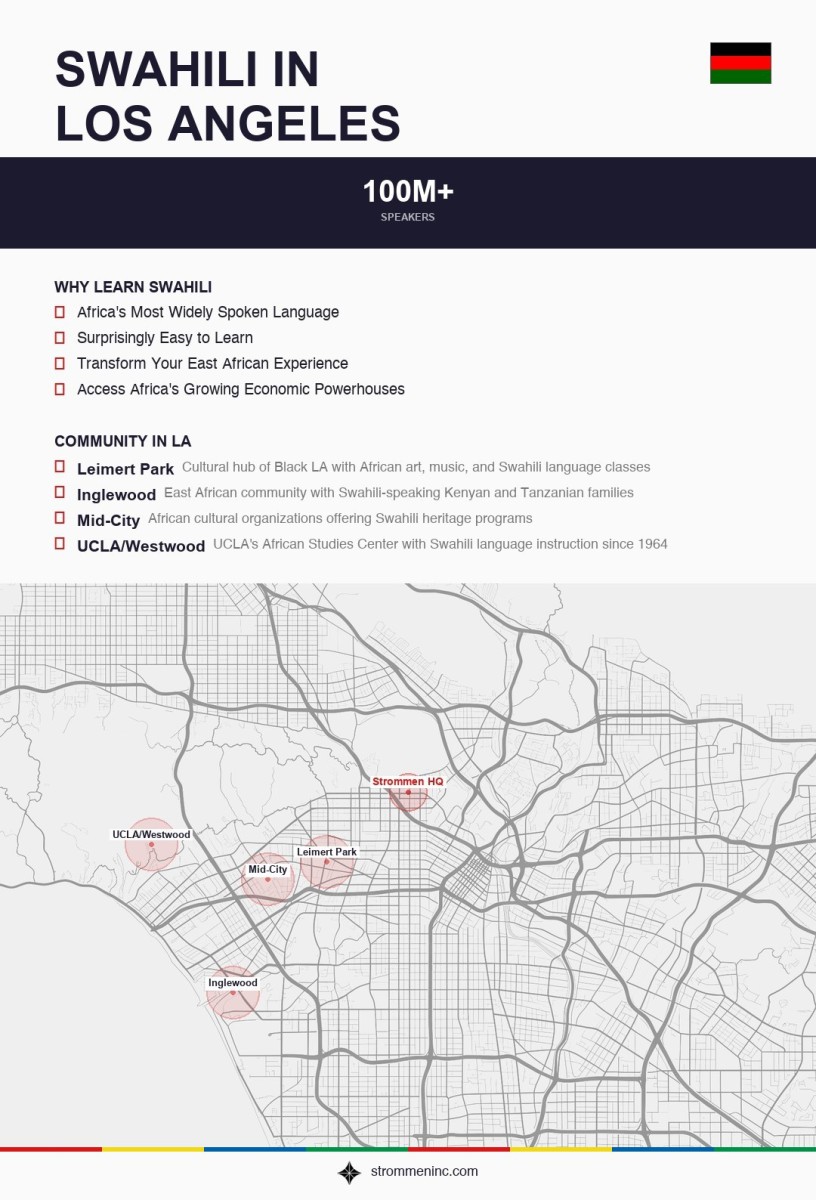
No public Swahili group classes right now — but we can set up a semi-private class for your family, friends, or company with as few as two people. Get in touch.
Swahili class FAQ
What is the best way to learn Swahili?
Start with a native-speaking tutor who can teach you the noun class system in context rather than as an abstract grammar exercise. Swahili's verb structure packs a lot of information into single words — subject, tense, object, and root all combine — so practicing with a real speaker helps you internalize these patterns naturally. Between lessons, Swahili-language media is increasingly available: Bongo Flava music from Tanzania, Kenyan news broadcasts, and podcasts designed for learners.
How long does it take to learn Swahili?
The Foreign Service rates Swahili as Category II — harder than Spanish but easier than Arabic or Mandarin. With consistent lessons, most students can handle basic conversations within 3 to 5 months. The pronunciation and spelling are straightforward, which speeds up the early stages. The noun class system takes longer to master, but it's highly systematic, so once you see the patterns, things click. Plan on about a year of regular study for solid intermediate proficiency.
Is Swahili hard for English speakers?
Moderately difficult. The pronunciation is easy — no tones, phonetic spelling, and the sounds mostly exist in English. What's unfamiliar is the grammar. The noun class system and the agglutinative verb structure (where you stack prefixes and suffixes onto a verb root) require a new way of thinking. But Swahili has a lot of loanwords from English and Arabic that ease the vocabulary burden, and its rules are very regular. Most students find it challenging but logical.
Can I take Swahili classes online?
Yes. All Swahili lessons are available online via video call. Since Swahili tutors are not common in LA, online lessons actually give you access to a better selection of qualified native speakers. The conversational focus works well over video — you'll be speaking Swahili from your first session.
Are you a Swahili teacher in Los Angeles? Join us →
Since 2006 · Los Angeles
Start Swahili classes this week.
Call 323-638-9787 or fill out our form. We match you with an instructor within 24 hours.
Get Started