



Personally vetted instructors
American Accent Training tutors, lessons & classes
Good afternoon. Where most American business calls actually open, before the first name lands.
Personally vetted American accent training tutors for fluent non-native English speakers. Diagnostic, IPA-grounded coaching that targets the specific sounds your first language transfers into English, calibrated to your professional context.
Your instructors
American Accent Training tutors for private lessons & classes
Strommen has been doing accent training since 2006, starting with actors and broadcast professionals and expanding into corporate executives, healthcare professionals, and fluent non-native speakers who want the accent to stop being the topic of every meeting. Our roster includes credentialed speech-language pathologists, certified accent reduction specialists, TESOL-trained pronunciation tutors, and longtime accent coaches who came through the actor-dialect side. Every tutor below was met and vetted by us in person or via thorough video interview. No marketplace. No automated profiles. Real tutors with real training in the diagnostic, IPA-grounded work that accent training actually requires.
Filter by location, age, or price. Then book a 30-minute free trial.
Below are the Strommen tutors who specialize in American accent training. Photos, ratings, and rates are real. Click any card to read their bio and book a free 30-minute trial.
I want to learn…
Every tutor, personally met. — founder-vetted since 2006, in Los Angeles and online worldwide.
Get a personalized plan
Pick your language — a language advisor will match you with the right tutor and map out your path.

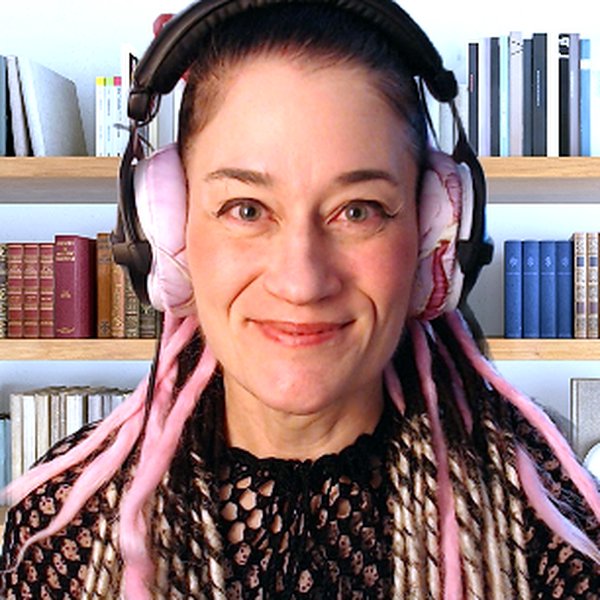

PhD (in progress), Educational Technology – Walden University, Winter 2026PhD, Public Policy & Administration – Walden University, Nov 2019M.S., Education (eLearning & Online Teaching) – University of Wisconsin-Stout, Aug 2019M.A., Political Science &...
Clear American English, Taught with Insight, Bridging Languages. Building Confidence!
Personally vetted · Strommen’s note
PhD-trained, Marshelle teaches English through psycholinguistics and Multiple Intelligences theory. Aviation English and speech therapy are both on the list.
Specialties
Also speaks: German, Russian
PhD (in progress), Educational Technology – Walden University, Winter 2026PhD, Public Policy & Administration – Walden University, Nov 2019M.S., Education (eLearning & Online Teaching) – University of Wisconsin-Stout, Aug 2019M.A., Political Science &...
Clear American English, Taught with Insight, Bridging Languages. Building Confidence!
Specialties
I also speak: German, Russian
Personally vetted · Strommen’s note
PhD-trained, Marshelle teaches English through psycholinguistics and Multiple Intelligences theory. Aviation English and speech therapy are both on the list.

B.A. in Philosophy (Pomona College),MBA (Pepperdine University)
Master American English with a Los Angeles Native: ESL Expert with Global Teaching Experience!
Personally vetted · Strommen’s note
Joanne is an adjunct professor at UWest who also teaches American English and ESL, and she's taught everyone from Japanese housewives to executives.
Specialties
B.A. in Philosophy (Pomona College),MBA (Pepperdine University)
Master American English with a Los Angeles Native: ESL Expert with Global Teaching Experience!
Specialties
Personally vetted · Strommen’s note
Joanne is an adjunct professor at UWest who also teaches American English and ESL, and she's taught everyone from Japanese housewives to executives.
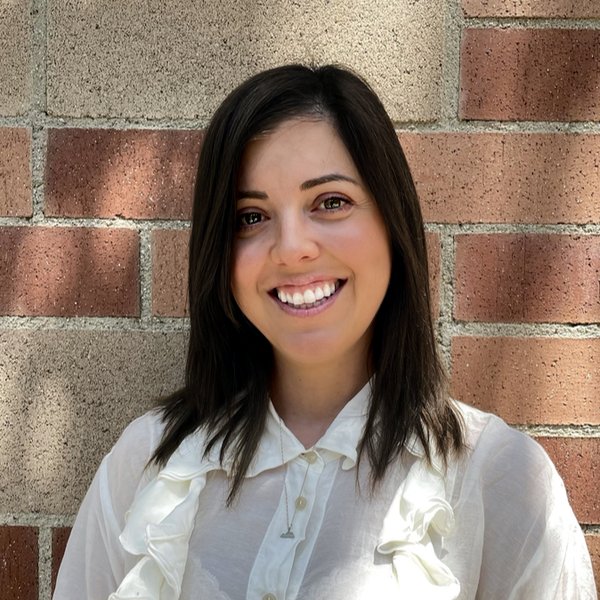

M.A. and Ph.D.
Former UCLA Italian Instructor with 16+ Years of Experience!
Personally vetted · Strommen’s note
A former UCLA Italian instructor with us since 2009, Marianna moves easily between Italian instruction and legal translation.
Specialties
M.A. and Ph.D.
Former UCLA Italian Instructor with 16+ Years of Experience!
Specialties
Personally vetted · Strommen’s note
A former UCLA Italian instructor with us since 2009, Marianna moves easily between Italian instruction and legal translation.
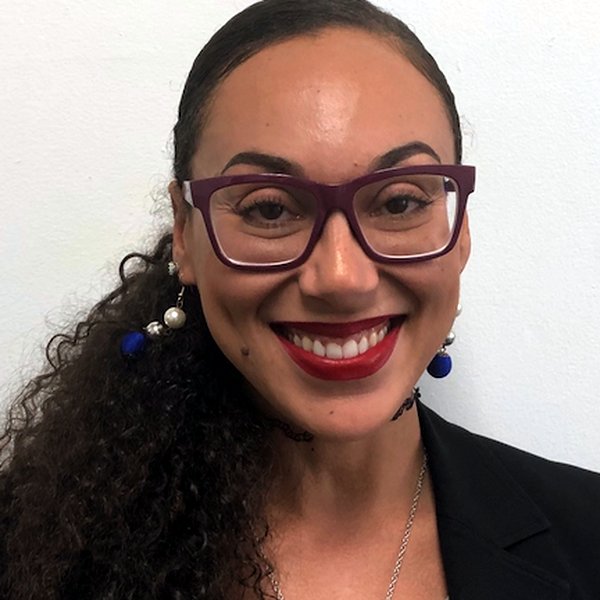

MBA and AS in Recording Arts
Multi-Culti Polyglot Linguist and Sound Engineer
Personally vetted · Strommen’s note
Vanessa speaks seven languages, has a sound-engineering background, and has spent two decades teaching. Her lessons range from accent coaching to art for kids.
Specialties
Also speaks: Chinese, Physics
MBA and AS in Recording Arts
Multi-Culti Polyglot Linguist and Sound Engineer
Specialties
I also speak: Chinese, Physics
Personally vetted · Strommen’s note
Vanessa speaks seven languages, has a sound-engineering background, and has spent two decades teaching. Her lessons range from accent coaching to art for kids.

Certified in Teaching English as a Foreign Language, International TEFL and TESOL Training (2021)BA, Honors Theatre Studies, University of Guelph (2021)
English, Italian and Spanish teacher, dialect coach and accent reduction coach
Personally vetted · Strommen’s note
Amy coaches Sicilian, Neapolitan, and Calabrese dialects alongside standard Italian and English. She's also taught Italian kids English from age three up.
Specialties
Certified in Teaching English as a Foreign Language, International TEFL and TESOL Training (2021)BA, Honors Theatre Studies, University of Guelph (2021)
English, Italian and Spanish teacher, dialect coach and accent reduction coach
Specialties
Personally vetted · Strommen’s note
Amy coaches Sicilian, Neapolitan, and Calabrese dialects alongside standard Italian and English. She's also taught Italian kids English from age three up.
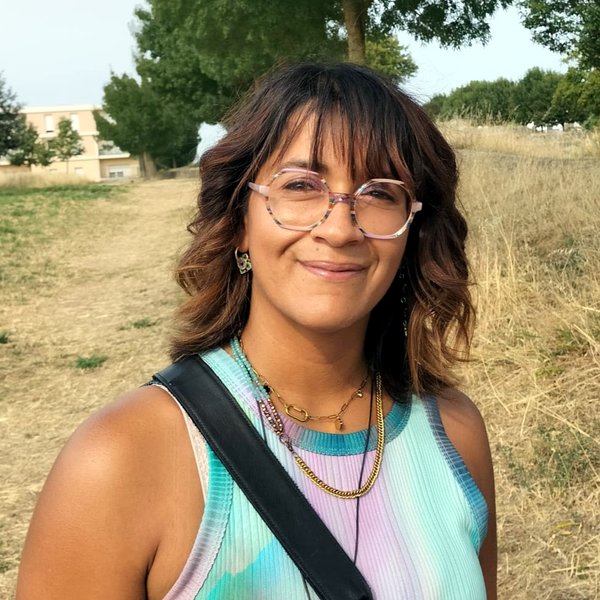

Master in Communication and ManagementBritish Bachelor in Journalism
Learn French with me and it will be a piece of cake !
Personally vetted · Strommen’s note
Babbel-trained, Farah teaches French out of Nantes with a specialty in opera-singer diction and accent work. Her tagline promises: 'piece of cake.'
Specialties
Master in Communication and ManagementBritish Bachelor in Journalism
Learn French with me and it will be a piece of cake !
Specialties
Personally vetted · Strommen’s note
Babbel-trained, Farah teaches French out of Nantes with a specialty in opera-singer diction and accent work. Her tagline promises: 'piece of cake.'

Bachelor's degree
Native Chinese Tutor in Tianjin with C1 English level
Personally vetted · Strommen’s note
A native Chinese speaker in Tianjin with C1 English herself, Xin opens every lesson by asking flatly what's been giving the student trouble.
Specialties
Bachelor's degree
Native Chinese Tutor in Tianjin with C1 English level
Specialties
Personally vetted · Strommen’s note
A native Chinese speaker in Tianjin with C1 English herself, Xin opens every lesson by asking flatly what's been giving the student trouble.
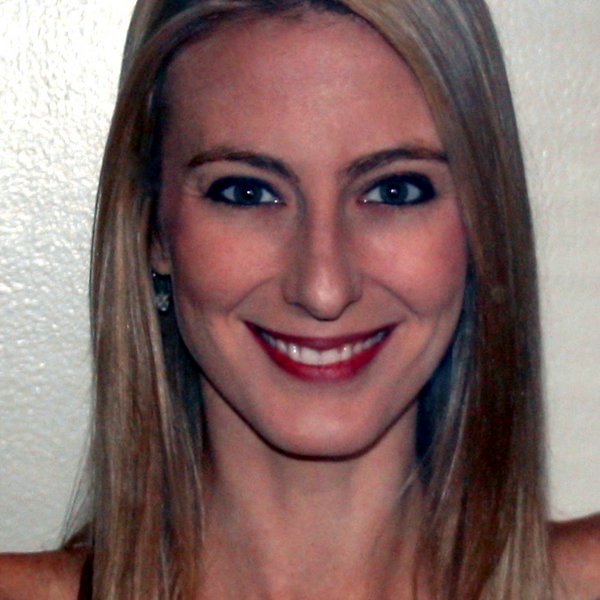
BSc Computer Science,MFA Theatre Arts and Stagecraft
Harvard-trained tutor for English literature, voice, and dialects
Personally vetted · Strommen’s note
Harvard-trained in literature, voice, and dialect work, Lize covers everything from a Boston accent to full accent modification.
Specialties
BSc Computer Science,MFA Theatre Arts and Stagecraft
Harvard-trained tutor for English literature, voice, and dialects
Specialties
Personally vetted · Strommen’s note
Harvard-trained in literature, voice, and dialect work, Lize covers everything from a Boston accent to full accent modification.


M.A. in Foreign Languages (English/French) from the University of Calabria (Italy)B.A. in Renaissance and Baroque singing from the Conservatory of Venice.
Italian language classes for Opera Singers - teacher specializing in helping Opera Singers with Pronunciation, Accent, Music and Meaning
Personally vetted · Strommen’s note
Simona has spent nineteen years specializing in Italian for opera singers and musicologists, pronunciation, diction, and the historical texts behind the music.
Specialties
Also speaks: English, French, Spanish
M.A. in Foreign Languages (English/French) from the University of Calabria (Italy)B.A. in Renaissance and Baroque singing from the Conservatory of Venice.
Italian language classes for Opera Singers - teacher specializing in helping Opera Singers with Pronunciation, Accent, Music and Meaning
Specialties
I also speak: English, French, Spanish
Personally vetted · Strommen’s note
Simona has spent nineteen years specializing in Italian for opera singers and musicologists, pronunciation, diction, and the historical texts behind the music.
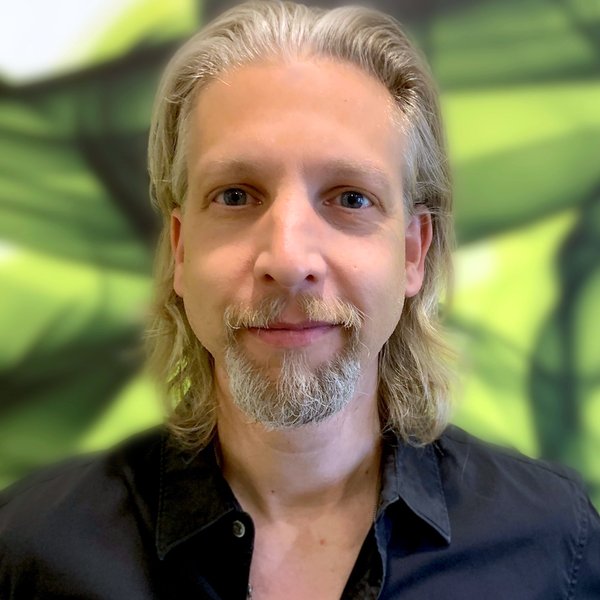
BFA, MFA
There is no index of character so sure as the voice.
Specialties
BFA, MFA
There is no index of character so sure as the voice.
Specialties

Phonetics — pedagogy & practice
5 things that actually shift an adult accent
Five working principles every effective American accent training tutor leans on. Screenshot to share with anyone who thinks accent reduction is about "trying harder."
-
01
The dark-L versus the clear-L
American English uses two different L sounds. The clear-L (a forward tongue position) appears at the start of syllables: light, love, lake. The dark-L (a tongue retracted toward the back) appears at the end of syllables and in syllable codas: bell, milk, full, cool. Most other languages have only the clear-L, so non-native speakers often produce a clear-L in bell, which lands as audibly foreign even when no other sound is wrong. Drilling the dark-L is one of the highest-leverage single targets in accent training.
e.g. Native: <em>full milk in the bell.</em> Clear-L: <em>fool milk in the bell.</em>
-
02
The flap-T (butter, water, better)
American English turns the T between vowels into a fast voiced tap, almost a D: butter as buh-der, water as wah-der, thirty as thir-dee. British and Australian English keep the T crisp. Most non-native learners default to the British crisp T because that is what textbooks teach, and the crisp T in butter is one of the loudest non-American tells for an otherwise fluent speaker. Adopting the flap is mechanical and fast to drill.
e.g. Crisp T: <em>I'll get a bottle of water.</em> Flapped: <em>I'll geh-uh bah-dol of wah-der.</em>
-
03
Diphthongs versus pure vowels (<em>house</em> versus <em>hau-s</em>)
American English has eight diphthongs (gliding vowels): house, boy, buy, day, go, bear, here, poor. Spanish, Italian, and several other languages use pure vowels in the same positions, so a Spanish speaker says house as something like ha-oos in two equal pure-vowel parts, where a native American speaker glides smoothly through one diphthong. The diphthong work is mostly mouth-shape coaching: the lips and tongue have to move during the vowel, not just before it.
e.g. Spanish-influenced: <em>I bought a ha-oos.</em> Native: <em>I bought a house.</em>
-
04
Stress-timed rhythm versus syllable-timed rhythm
English is stress-timed: stressed syllables fall at roughly equal intervals, and unstressed syllables compress and reduce to fit. Spanish, Italian, French, Mandarin, and Japanese (among others) are syllable-timed: every syllable gets roughly equal duration. The rhythmic reshape is the deepest single change in accent training and the one most students underestimate. Native American English sounds the way it does partly because so many vowels reduce to schwa under the rhythmic pressure of the stress timing.
e.g. Syllable-timed: <em>I-am-go-ing-to-the-store.</em> Stress-timed: <em>I'm GO-na the STORE.</em>
-
05
Record yourself, then record again in three months
The single most effective accent training practice is recording your own speech weekly. Read the same paragraph today, save it, record again in three months. The difference you hear is the difference your audience hears. Most students underestimate how much their own ear sharpens alongside their production, and recording captures both. Every Strommen accent training tutor builds the recording loop into the lesson workflow, because the lesson-over-lesson feedback is what proves to a student that the work is moving.
e.g. Read this paragraph aloud, save the audio, repeat the recording in 90 days.
About American Accent Training
American accent training, built around your first language
American accent training is what fluent English speakers come to when grammar, vocabulary, and business English are no longer the problem. The students who book this specialty already write at native or near-native level, hold complex professional conversations, lead teams, give presentations. What still gets in the way is the sound layer: the specific phonemes a Mandarin first language hands off into English, the syllable-timing a Spanish first language carries into English rhythm, the intonation contours a Russian first language defaults to at the end of a statement. The goal is not to erase the accent or pretend it never existed. The goal is professional clarity, fewer asks of "sorry, can you repeat that" on conference calls, and the ability to code-switch into a General American register when the meeting, the presentation, or the recording calls for it. The accent you came with stays available to you for the rest of your life.
The most useful frame for this work is contrastive: your accent is not random. Every first language transfers a specific set of substitutions into English, and those substitutions are predictable enough that a trained tutor can map them in the first session. Speakers of Mandarin Chinese typically work on R and L (which Mandarin does not distinguish in English-relevant positions), final consonants (Mandarin syllables rarely end in stops, so English-final T, D, K, P, B, G get dropped or softened), consonant clusters (Mandarin does not stack consonants at syllable edges, so strengths is a real challenge), and pitch-accent versus word-stress (Mandarin is tonal; English uses stress placement to convey meaning). Speakers of Spanish, Portuguese, and Italian typically work on the V versus B distinction (Spanish has no English-style V), the schwa (Spanish vowels do not reduce, so banana comes out with three full A's instead of one full A and two schwas), the SH versus CH distinction, vowel length contrasts (ship versus sheep, full versus fool), and the dark-L at the end of syllables. Russian and Polish speakers work on W versus V, sentence intonation (Slavic statements tend to fall flat at the end where English rises), the schwa, and the TH sounds. Korean and Japanese speakers work on R versus L, F and P and B distinctions, vowel insertion in consonant clusters, and the schwa. Arabic speakers work on P versus B, the short-I vowel, consonant clusters, and the V. Indian English speakers (already fully fluent) work on syllable stress, retroflex T and D, the rhythmic stress-timing that differs from Indian English's syllable-timing, and word-stress placement (PHOtograph versus phoTOGraph). The lesson plan is built around your specific pattern, not a generic curriculum.
The layers a complete American accent training program covers. Layer one is individual sounds, drilled in isolation, then in words, then in scripted sentences, then in spontaneous speech: the R and TH and schwa and dark-L and flap-T and the long-short vowel contrasts that the first session diagnostic identifies as your highest-impact targets. Layer two is syllable stress and word stress, which English uses to distinguish words (PROduce the noun versus proDUCE the verb, REcord the noun versus reCORD the verb) and to convey meaning ("I didn't say HE stole it" versus "I didn't say he STOLE it"). Most first languages either do not use word-stress this way or place it differently, and stress errors are one of the largest single sources of comprehension friction on English calls. Layer three is sentence-level rhythm: American English is stress-timed (stressed syllables fall at roughly equal intervals; unstressed syllables compress and reduce to schwa to fit the rhythm), where most other languages are syllable-timed (every syllable gets roughly equal duration). Reshaping your rhythm from syllable-timed to stress-timed is what gives American English its characteristic music. Layer four is connected speech: reductions (going to becomes gonna, want to becomes wanna, did you becomes didja), linking (an apple as an_napple, did you eat as di_jeet), and assimilation (don't you as don-cha). Speakers who pronounce every word separately sound choppy and visibly non-native even when the individual sounds are correct. Layer five is register and prosody: the casual-but-confident American business cadence, the rise-and-fall patterns that carry emphasis and emotion, the small-talk codes, the difference between the formal-presentation voice and the informal-meeting voice.
The diagnostic tools matter more than students expect. A complete first session includes a recorded reading passage (the Stella passage, the Rainbow passage, or a domain-specific paragraph the tutor selects), recorded spontaneous speech (a two-minute self-introduction, a description of your work, a question you respond to off the cuff), and a recorded conversation segment. The tutor listens with you, marks the specific sound substitutions, stress errors, intonation patterns, and connected-speech gaps, and shows you the IPA transcription of what you said versus what a native speaker would produce. The International Phonetic Alphabet is the tool that makes sound work precise, the way notation is for music: you do not need to learn all of IPA to use it, but a tutor who uses it can diagnose and prescribe in ways an untrained ear cannot. Recording your own speech week over week is the single most important homework practice in accent work. Most students underestimate how much their own ear improves alongside their production, and recording captures both.
The Strommen American accent training roster includes credentialed speech-language pathologists with clinical training, certified accent reduction specialists (the field has its own credentialing through organizations like the Corporate Speech Pathology Network and the Pronunciation Science Institute), TESOL-trained pronunciation specialists, and longtime accent coaches who came through the actor-dialect side and now work primarily with corporate students. Some of our coaches were themselves non-native English speakers who did accent training earlier in their careers and bring the inside view of what the work actually feels like from the student side. Each tutor's bio specifies background, training credentials, language specialties (some focus on Mandarin-L1, Spanish-L1, Russian-L1, Indian-L1 students; some are generalists), and which student profile they fit best (corporate executives, healthcare professionals, broadcast and presentation work, academic context, customer-facing roles).
A few honest observations on what trips up adult learners. The single most common mistake is assuming the work is about trying harder on the sounds you already produce. Real accent training requires producing sounds your first language does not include, with a tongue and mouth shape your speech apparatus has not used in 25 or 40 years. The schwa is a textbook example: most students hear banana said by a native speaker and assume their own pronunciation matches, when the recording shows three full vowels where a native speaker produces one full vowel and two schwas. The discovery that your own ear was not hearing the difference is humbling and is also the moment real progress starts. The second common pattern is overestimating short-term progress and underestimating long-term progress. Three weeks in, students often feel they have not changed; a comparison recording from week one usually surprises them. The third trap is doing the work in lessons but not between them. Accent change is a motor-skill rebuild; it requires daily reps of 15 to 30 minutes for the new patterns to set, and weekly lessons alone do not produce the change. The fourth pattern, especially among students with strong communicative confidence in English, is resisting the reductions (gonna, wanna, didja) because they sound "sloppy." In American business and casual contexts, not using them sounds overly formal and is itself a non-native marker. Adopting them, even at first reluctantly, is part of the work.
The time horizon is honest. Most adult learners who put in two weekly lessons plus daily home practice reach noticeable improvement within four to six weeks (close colleagues hear the difference), substantial improvement within three to four months (the accent has shifted enough that meetings stop being interrupted by clarification asks), and what most students consider their target outcome within six to twelve months (the accent is clearly American-shaped, the substitutions are gone in most contexts, and the speaker has full code-switching control between their original accent and the trained one). Pass-as-native is possible for a minority of adult learners with hundreds of hours of focused work, but it is not the typical goal and not what most students are paying for. Practical clarity, professional confidence, and code-switching ability are. Your original accent does not disappear; it becomes one register among several you can call up at will.
Between lessons, immersion is the multiplier. Pick American voices that sound the way you want to sound and listen daily. For broadcast-neutral General American, NPR and the major-network newscasters are the working standard. For business cadence, podcasts like Marketplace, Hidden Brain, and How I Built This carry the register. For casual American conversation, The Daily, Conan O'Brien Needs a Friend, and This American Life give you two-native-speaker unscripted talk. Shadow practice (listening to a clip, pausing, repeating to match) is the single most effective home exercise for accent work, and your tutor will build it into your homework explicitly. For grammar and lexical reference between sessions, the blog's 150 most common English prepositions and 50 most common English adjectives are useful supplements. For students preparing for exam contexts alongside accent work, the guide to TOEFL, IELTS, and Cambridge ESOL exams covers the testing landscape.
Lessons are one-on-one and calibrated to your context. A six-week pre-presentation sprint for an executive giving the company keynote at a major conference is a different curriculum from a six-month general accent training program for a fluent professional who wants the accent to stop being the topic of every performance review, which is different again from accent training for a physician preparing for patient-facing rounds in a US hospital. The trial is free, the coach runs the diagnostic with you, and the curriculum comes out of that. For related programs, our American Accent for actors page covers the script-led on-camera work, our Accent Modification page covers the speech-pathology and healthcare-professional context, and our Business English page covers broader corporate-communication coaching. Or just browse the full tutor list and book a trial. Existing fluency is the foundation; the accent training sits on top.
What you'll cover
Lessons & classes tailored to American Accent Training
Diagnostic + L1-specific sound work
First-session diagnostic with recorded reading, spontaneous speech, and conversation samples. IPA-marked breakdown of the specific sound substitutions, stress errors, and intonation patterns your first language transfers into English. Targeted drill on your 4-8 highest-impact phonemes (R, schwa, dark-L, flap-T, vowel-length contrasts, consonant clusters, depending on first language). Drilled in isolation, then words, then sentences, then spontaneous speech.
Stress, rhythm, and intonation reshape
Word-level stress (PROduce versus proDUCE), sentence-level rhythm work to reshape from syllable-timed to stress-timed (the foundational rhythmic shift for most non-native learners), intonation contours for statements, questions, and emphasis. The prosodic layer is what separates technically-correct English from natural-sounding American English; the curriculum treats it as a primary skill rather than a finishing touch.
Connected speech, reductions, business register
Linking between words, vowel reductions (gonna, wanna, gotta, didja), assimilation patterns (don't you as don-cha), and the casual-to-formal register switch. Calibrated to your working context: a healthcare professional preparing for patient rounds, a software engineer preparing for cross-team standups, a finance executive preparing for analyst calls, a researcher preparing for conference presentation.
Recording loop + measurable progress
Weekly recordings of the same passage and of spontaneous speech, reviewed in lessons and benchmarked against your starting baseline. Most accent training programs that fail do so because they skip this loop and rely on the student's own ear, which is the least reliable instrument for hearing one's own accent. Strommen tutors build the recording into the workflow from session one and use lesson-over-lesson comparison as the measure of progress, not student self-report.
FAQ
About American Accent Training lessons & classes
How long until I sound like a native American speaker?
Honest answer: most adult learners reach 70 to 85 percent of native-sounding within six to twelve months of focused weekly work plus daily practice. The remaining gap to fully indistinguishable is real, requires hundreds of additional hours, and is not the typical student goal. What most students are actually paying for is clarity, professional confidence, and the ability to code-switch into a General American register when needed. That practical target is reachable in three to six months of focused work for most fluent English speakers. The trial is where we set realistic expectations against your actual deadline.
Will I lose my original accent permanently?
No. Accent training adds a register; it does not delete one. Your original accent stays available to you for the rest of your life, and you keep speaking it with family, with friends from home, in your first language, and any time you choose. What changes is that you gain a second register (General American) that you can call up at will when the meeting or the presentation or the recording calls for it. Most graduates of accent training describe the result as code-switching, not erasure. The original accent is part of who you are; the trained accent is a tool you now also have.
What's the single most common American sound non-native speakers miss?
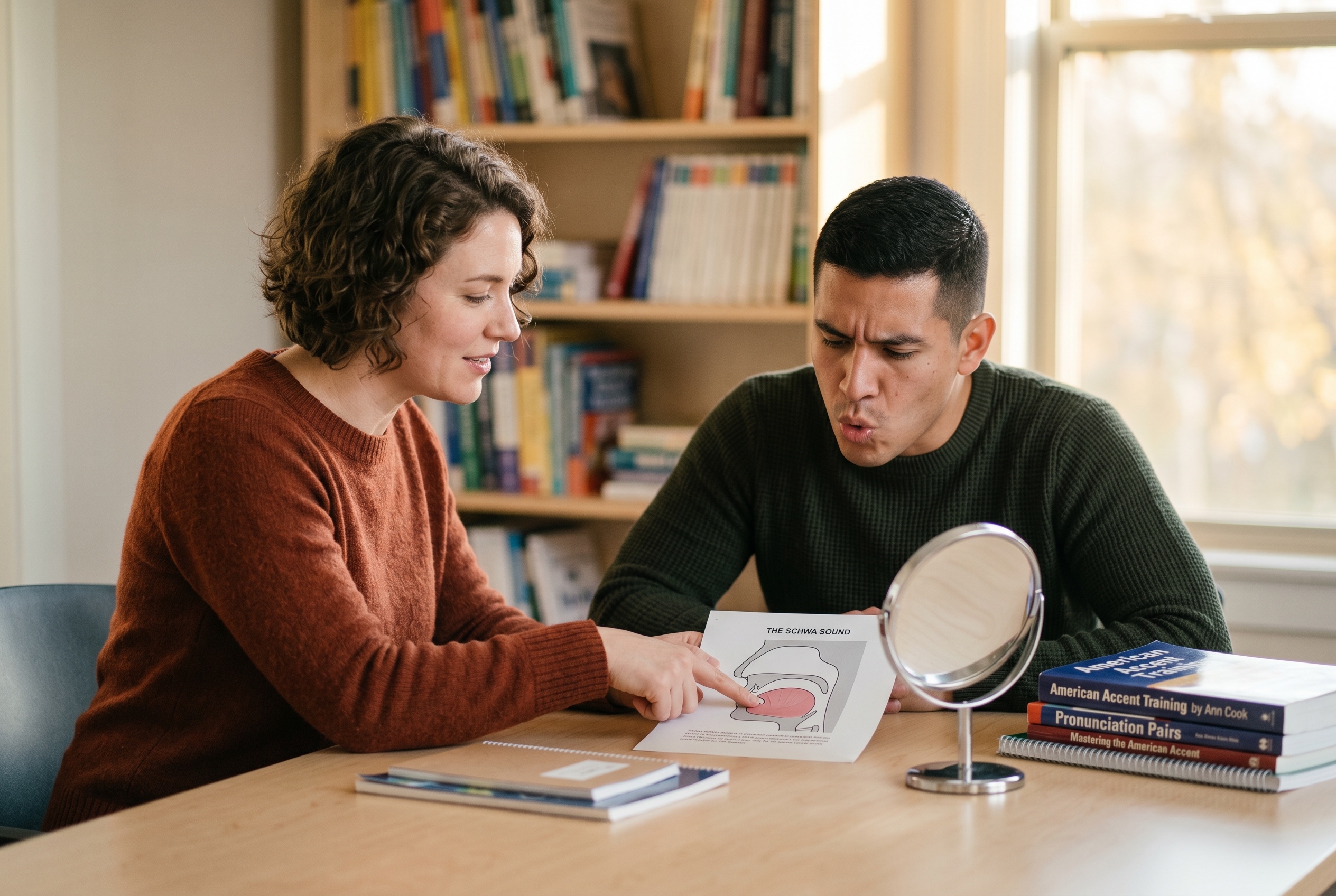
The schwa, almost always. The relaxed uh in unstressed syllables (the A in about, the second syllable of banana, the unstressed vowels in problem, sofa, possible) is the single most-used vowel in spoken American English and the one most learners either over-pronounce to their full vowel value or miss entirely. A native speaker hits dozens per minute. Reshaping the unstressed vowels into schwas is one of the highest-leverage single targets in accent training, and most students hear a noticeable change within four weeks of focused work on it.
Is American accent training the same as ESL or English lessons?
No. ESL teaches English to people who are still building proficiency: grammar, vocabulary, comprehension, conversational fluency. Accent training assumes proficiency is already in place and works only on the sound layer: phoneme production, stress, intonation, connected speech. Most of our accent training students write at native or near-native level and lead complex professional work in English; what they want changed is the accent, not the English. The trial is where the coach confirms accent training is the right fit, or recommends a different specialty if the foundation work is still incomplete.
Are your tutors speech-language pathologists or accent specialists?
Both, depending on the coach. Some of our tutors are credentialed SLPs with clinical training, particularly suited for medical-grade accent work or students with specific speech challenges. Others are certified accent reduction specialists (the field has its own credentialing) or TESOL-trained pronunciation tutors with deep experience in adult learner work. Several came through the actor-dialect side. Both approaches produce results; the right fit depends on your situation and your context. We match you in the trial.
How often should I have lessons?
Twice a week is the practical sweet spot for most students. Weekly is the floor and produces slower visible progress. Three times a week works for intensive sprints (pre-presentation, pre-conference, pre-clinical-rotation) but is hard to sustain over months. Between lessons, daily home practice of 15 to 30 minutes is the multiplier that determines whether weekly lessons compound or stall. Students who do the homework consistently progress faster than students who attend lessons twice as often without practicing between.
Can lessons be remote, and does that work for accent training?
Yes, and remote lessons actually have advantages. Recordings are easier to capture and share, audio quality through headphones often beats live room audio for hearing fine sound distinctions, and you can do lessons from wherever you happen to be. Strommen runs most accent training sessions via video, with in-person available in Los Angeles for students who prefer face-to-face. The work itself is equally effective in both formats; what matters is the diagnostic, the recording loop, and the consistency.
What does the trial cover?
30 minutes, free, with the tutor you select. The tutor will ask you to read a short passage and to talk for a few minutes off the cuff, both recorded. From the recordings, the tutor identifies the 3 to 5 highest-impact areas to work on first, walks you through the diagnostic, and proposes a curriculum and lesson cadence calibrated to your goal and timeline. Most students continue with their trial tutor; if not, swapping is easy.
Ready for American Accent Training lessons or classes?
Book a free 30-minute trial with one of our personally vetted tutors. Private lessons or small-group classes — your choice.