



Personally vetted instructors
Colombian Spanish tutors, lessons & classes
¿Qué más, parce? The way Bogotá and Medellín actually say "hi."
Personally vetted Colombian Spanish tutors. Lessons that respect the way Spanish is actually spoken in Bogotá, Medellín, Cartagena, Cali, and across the rest of Colombia.

Your instructors
Colombian Spanish tutors for private lessons & classes
Strommen has been teaching Spanish in this city since 2006. Colombian Spanish has always been a real demand: film and television training, business Spanish for Colombian-based teams, travel Spanish for Cartagena or Bogotá trips, and family-connection Spanish for second-generation Colombian-Americans. Every tutor below was met and vetted by us in person or via thorough video interview. No marketplace. No automated profile-creation. Real teachers with real backgrounds, which you can read about in their bios.
Filter by location, age, or price. Then book a 30-minute free trial.
Below are the Strommen tutors who specialize in Colombian Spanish. Photos, ratings, and rates are real. Click any card to read their bio and book a free 30-minute trial.
I want to learn…
Every tutor, personally met. — founder-vetted since 2006, in Los Angeles and online worldwide.
Get a personalized plan
Pick your language — a language advisor will match you with the right tutor and map out your path.

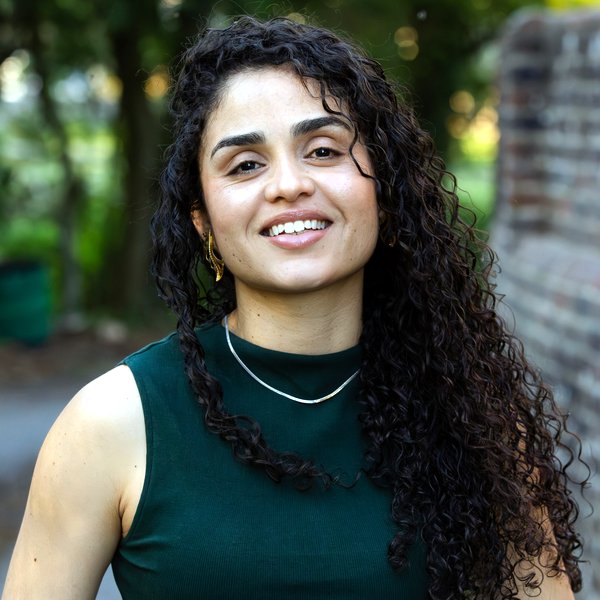

BS Agricultural Engineering, Profesora de Español ELE (Español como Lengua Extranjera) · Certificado Profesor ELE (Español como Lengua Extranjera)
Certified ELE Spanish teacher from Colombia. With 5+ years of diverse teaching experience
Personally vetted · Strommen’s note
Carolina is certified ELE-trained and specializes in Medical Spanish, on top of general instruction, out of Medellín.
Specialties
BS Agricultural Engineering, Profesora de Español ELE (Español como Lengua Extranjera) · Certificado Profesor ELE (Español como Lengua Extranjera)
Certified ELE Spanish teacher from Colombia. With 5+ years of diverse teaching experience
Specialties
Personally vetted · Strommen’s note
Carolina is certified ELE-trained and specializes in Medical Spanish, on top of general instruction, out of Medellín.
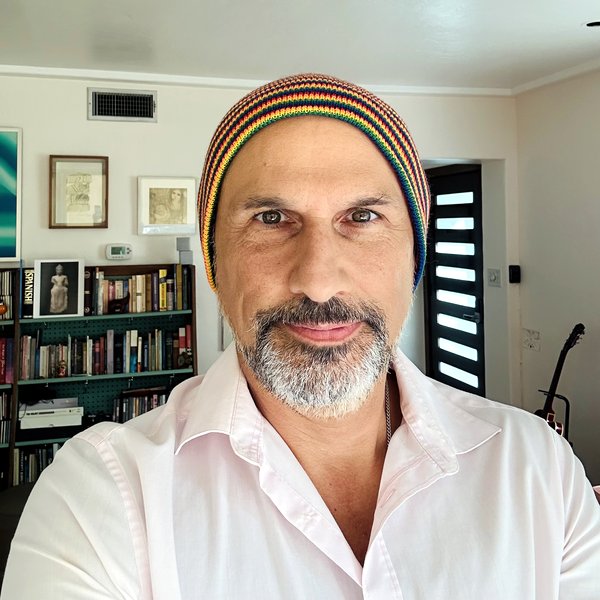
Spanish and Linguistic B.A from UCLA · Portuguese Minor
Let’s learn and have fun!
Personally vetted · Strommen’s note
Axel builds his Spanish lessons to become unnecessary. Teach the mechanics well enough, and students keep learning on their own after class ends.
Specialties
Spanish and Linguistic B.A from UCLA · Portuguese Minor
Let’s learn and have fun!
Specialties
Personally vetted · Strommen’s note
Axel builds his Spanish lessons to become unnecessary. Teach the mechanics well enough, and students keep learning on their own after class ends.



I have a degree in Modern Languages in English and French with a minor in business. · I am an English, French and Spanish tutor with more than seven years of experience both in person and online. I have a degree in Modern Languages in English and French with a minor in business.
Master Languages with Daniel: C2 English, DELF B2 French, and Native Spanish Tutor!
Personally vetted · Strommen’s note
Daniel is C2-certified in English, holds a DELF B2 in French, and is a native Spanish speaker. He teaches all three with real fluency benchmarks behind each one.
Specialties
Also speaks: Business & Management, Dialect Coaching, International Business, Public, Tests, Translation
I have a degree in Modern Languages in English and French with a minor in business. · I am an English, French and Spanish tutor with more than seven years of experience both in person and online. I have a degree in Modern Languages in English and French with a minor in business.
Master Languages with Daniel: C2 English, DELF B2 French, and Native Spanish Tutor!
Specialties
I also speak: Business & Management, Dialect Coaching, International Business, Public, Tests, Translation
Personally vetted · Strommen’s note
Daniel is C2-certified in English, holds a DELF B2 in French, and is a native Spanish speaker. He teaches all three with real fluency benchmarks behind each one.
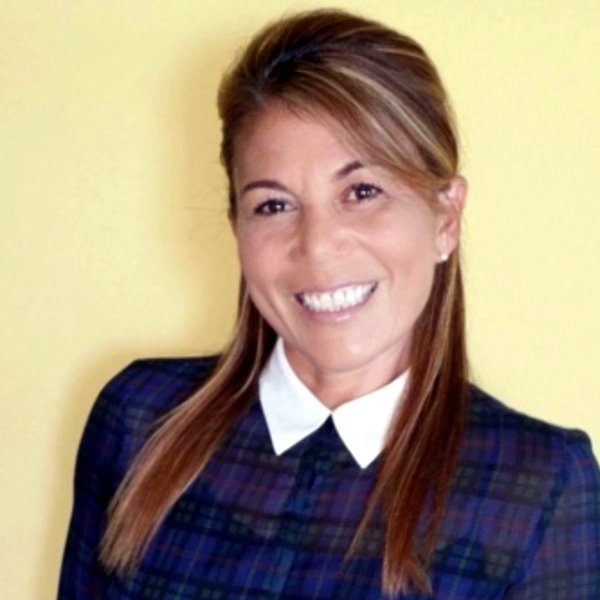
Masters of Arts in Spanish and Linguistics, Currently, a 3rd-year PhD student in the Spanish Program. · Spanish Interpreter Translator Certificate from Southern California School of Interpretation.
Speak Spanish with Confidence, Step by Step
Personally vetted · Strommen’s note
Elizabeth has taught Spanish for eighteen years, and her whole approach comes down to one rule: let students make mistakes and keep talking anyway.
Specialties
Masters of Arts in Spanish and Linguistics, Currently, a 3rd-year PhD student in the Spanish Program. · Spanish Interpreter Translator Certificate from Southern California School of Interpretation.
Speak Spanish with Confidence, Step by Step
Specialties
Personally vetted · Strommen’s note
Elizabeth has taught Spanish for eighteen years, and her whole approach comes down to one rule: let students make mistakes and keep talking anyway.
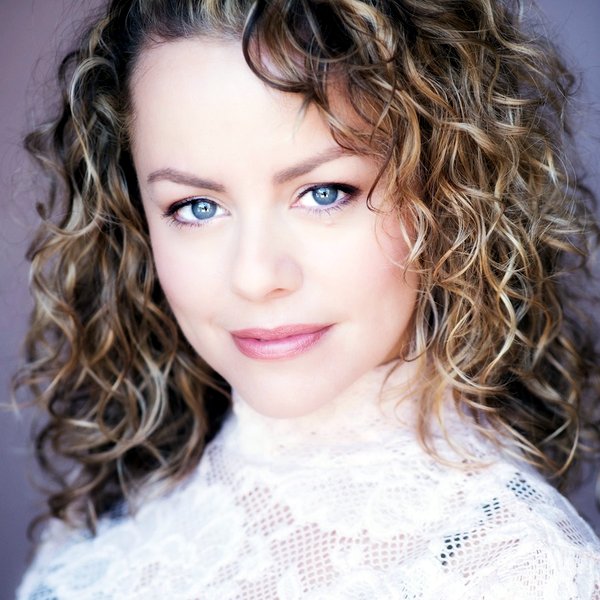
BA in Psychology and English from the University of Connecticut · BA in Psychology and English from the University of Connecticut
Colombian-born, 10+ years experience, offers personalized language instruction with creativity and flair
Personally vetted · Strommen’s note
Berlitz-certified and equally exacting with everyone she teaches, Andrea's client list has run from FBI agents to studio heads to kindergartners.
Specialties
BA in Psychology and English from the University of Connecticut · BA in Psychology and English from the University of Connecticut
Colombian-born, 10+ years experience, offers personalized language instruction with creativity and flair
Specialties
Personally vetted · Strommen’s note
Berlitz-certified and equally exacting with everyone she teaches, Andrea's client list has run from FBI agents to studio heads to kindergartners.
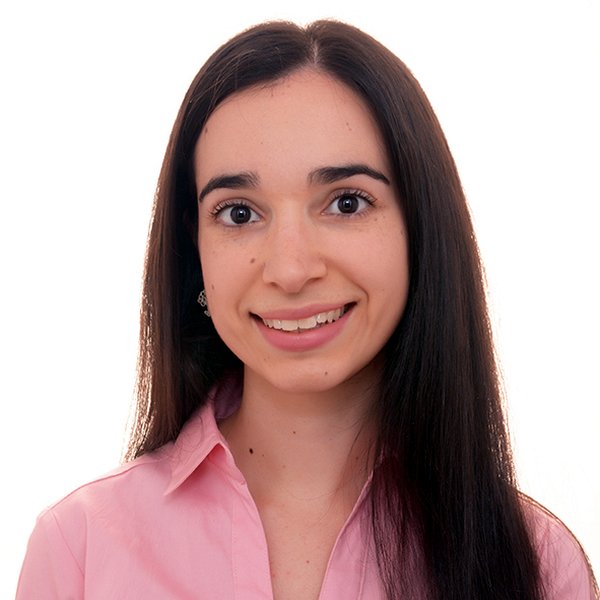

Hispanic Philology Bachelor Degree
A gentle way to learn
Personally vetted · Strommen’s note
Woodland Hills-based, Carolina teaches Portuguese and Spanish through the CEFR framework. Seven years in, she still starts absolute beginners at their own level.
Specialties
Also speaks: English
Hispanic Philology Bachelor Degree
A gentle way to learn
Specialties
I also speak: English
Personally vetted · Strommen’s note
Woodland Hills-based, Carolina teaches Portuguese and Spanish through the CEFR framework. Seven years in, she still starts absolute beginners at their own level.


Master in Intercultural CommunicationMaster in Applied Linguistics: Spanish as a foreign languageBachelor of Music · Test DaF (German): HV: 5, LV: 5, SA: 4, MA: 4, 2017Test DALF (French) : Level C1, 78.50/100, 2017
Spanish, English, French, and German teacher with eight years of experience
Personally vetted · Strommen’s note
Eight years in, Leonardo starts every course by pinning down why the student wants it. He teaches Spanish, English, French, and German out of Bogotá.
Specialties
Master in Intercultural CommunicationMaster in Applied Linguistics: Spanish as a foreign languageBachelor of Music · Test DaF (German): HV: 5, LV: 5, SA: 4, MA: 4, 2017Test DALF (French) : Level C1, 78.50/100, 2017
Spanish, English, French, and German teacher with eight years of experience
Specialties
Personally vetted · Strommen’s note
Eight years in, Leonardo starts every course by pinning down why the student wants it. He teaches Spanish, English, French, and German out of Bogotá.
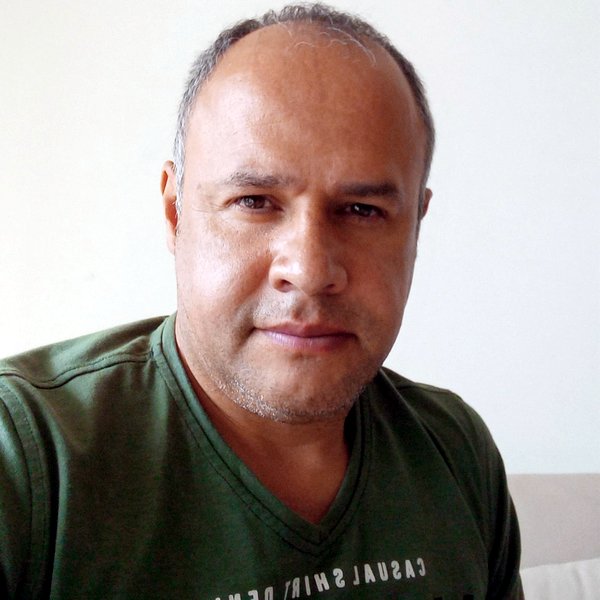
Bachelor degree in Philology and modern languages.Bachelor in Journalist and MediaMagister in Education
Study Spanish with a native speaker who has experience in many professional settings, including the medical field
Specialties
Bachelor degree in Philology and modern languages.Bachelor in Journalist and MediaMagister in Education
Study Spanish with a native speaker who has experience in many professional settings, including the medical field
Specialties

Bachelor of Arts with a master's degree in literature and its teaching. Diploma in higher education. · Examiner for the Diploma in Spanish as a Foreign Language. Instituto Cervantes
Spanish teacher, tutor, communicative skills, speaking, literature
Personally vetted · Strommen’s note
Marlon leans on literature as much as grammar out of Santiago, with real communication situations built into every lesson instead of just vocab drills.
Specialties
Also speaks: English
Bachelor of Arts with a master's degree in literature and its teaching. Diploma in higher education. · Examiner for the Diploma in Spanish as a Foreign Language. Instituto Cervantes
Spanish teacher, tutor, communicative skills, speaking, literature
Specialties
I also speak: English
Personally vetted · Strommen’s note
Marlon leans on literature as much as grammar out of Santiago, with real communication situations built into every lesson instead of just vocab drills.

1. BA in Political Studies and Conflict Resolution (Universidad del Valle, Colombia).2. BA in Business Administration (Instituto Tecnológico de Saltillo, Mexico). 3. Graduate Certificate in Government and Public Policy (Universidad del Cauca, Colombia)... · Spanish Teacher Training, Spanish as a Foreign Language, from Colegio de Español Tía Tula, a center accredited by the Instituto Cervantes.
Conversational Spanish for working adults: from "I understand but I can't speak" to speaking with confidence.
Specialties
Also speaks: English Second Language
1. BA in Political Studies and Conflict Resolution (Universidad del Valle, Colombia).2. BA in Business Administration (Instituto Tecnológico de Saltillo, Mexico). 3. Graduate Certificate in Government and Public Policy (Universidad del Cauca, Colombia)... · Spanish Teacher Training, Spanish as a Foreign Language, from Colegio de Español Tía Tula, a center accredited by the Instituto Cervantes.
Conversational Spanish for working adults: from "I understand but I can't speak" to speaking with confidence.
Specialties
I also speak: English Second Language

Bachelor's degree in Spanish and English.
From Colombia to you! Learn Spanish using authentic material from real-life situations.
Specialties
Bachelor's degree in Spanish and English.
From Colombia to you! Learn Spanish using authentic material from real-life situations.
Specialties
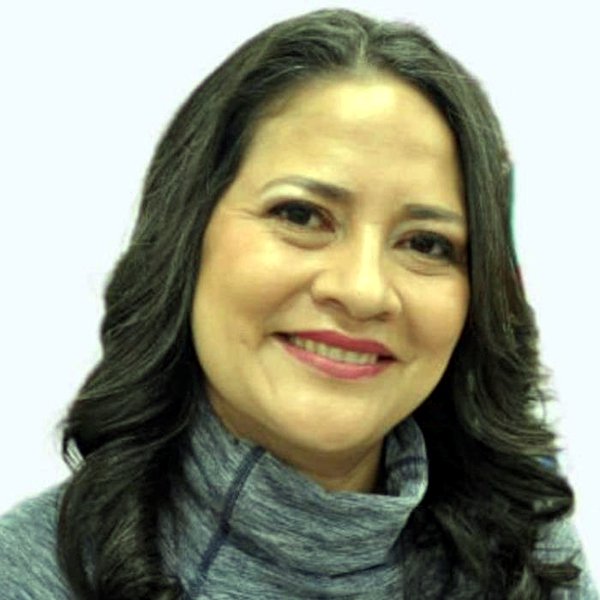

Finance and International Relations. · Bachelor in Finance and International Relations.
English and Spanish are fun!
Personally vetted · Strommen’s note
Fourteen years teaching English and Spanish, all ages and levels: Paola is a native Spanish speaker with full command of English too, based in Park City.
Specialties
Also speaks: French, Italian
Finance and International Relations. · Bachelor in Finance and International Relations.
English and Spanish are fun!
Specialties
I also speak: French, Italian
Personally vetted · Strommen’s note
Fourteen years teaching English and Spanish, all ages and levels: Paola is a native Spanish speaker with full command of English too, based in Park City.
Jerga colombiana — culture & slang
5 ways to sound like you actually speak Colombian Spanish
These aren't textbook expressions. They're the everyday words that separate tourists from people who've actually lived in Colombia. Screenshot the infographic, then book a tutor to learn the rest.
-
01
Parce / Parcero
The Colombian "dude" or "friend." Originated in Medellín's parlache slang, spread nationally, now used everywhere from Bogotá offices to Cartagena beaches. Used between friends and people on tu or vos terms. Don't try this with strangers or in formal contexts.
e.g. ¿Qué más, parce? ¿Todo bien?
-
02
Bacano
"Cool" or "awesome." Colombian-specific. Latin Americans elsewhere say chévere, padre, copado, or guay. Bacano lives across all of Colombia, used by all ages. Pairs naturally with most positive contexts.
e.g. Esa peli está bacana, parce.
-
03
¡Qué pena!
Multi-purpose Colombian polite apology. Literally "how embarrassing," but used constantly for small inconveniences, asking for help, or softening any request. Different from Mexican Spanish where pena can mean strong shame. In Colombia, it's the everyday lubricant for politeness.
e.g. ¡Qué pena, no te oí! ¿Me repites?
-
04
De una
"Right away," "for sure," "absolutely." Used to confirm enthusiastically or to commit to something immediately. Bogotá and the rest of Colombia use it constantly. Pairs with energetic agreement.
e.g. "¿Vamos a tomar tinto?" "De una."
-
05
Tinto
Small black coffee. In most Spanish-speaking countries, tinto means red wine. In Colombia, it means coffee specifically (the daily small cup, sipped between conversation blocks). The most reliable cultural-vocabulary marker that you've spent time in the country.
e.g. Vamos por un tinto antes de la reunión.
About Colombian Spanish
Welcome to cafetero Spanish
Colombian Spanish is the variant spoken by roughly 50 million people across Colombia and millions more in the Colombian diaspora. It carries a global reputation that few other Spanish dialects can match: many international Spanish speakers consider Colombian, especially the Bogotá variant, one of the clearest and most neutral-sounding versions of the language. That reputation is earned through clear consonants, controlled pace, and an avoidance of the strongest regional features that characterize Caribbean, Andalusian, or Argentinian Spanish. But Colombia is not one place, and Colombian Spanish is not one accent. The country contains roughly five major dialect zones, ranging from the formal Bogotá speech of the Andean highlands to the Caribbean Spanish of Cartagena and Barranquilla, the paisa speech of Medellín and the coffee region, the Pacific coast Spanish of Cali and the Chocó, and the southern speech around Pasto. If your goal is Spanish that's understood from Mexico City to Madrid to Buenos Aires while reflecting a specific cultural identity, Colombian is a strong choice.
The sound first. Bogotá Spanish, called rolo or cachaco, is the variety most often cited as "the most neutral Spanish in the world." The pace is measured, the consonants stay crisp, and the s sounds remain consistent (no Caribbean s-dropping, no /θ/ for c or z, no porteño sheísmo). The intonation is gentle and slightly formal. Paisa Spanish, in Medellín and the coffee region (Antioquia, Caldas, Risaralda, Quindío), has a famously sing-song cadence with rising-and-falling melodic patterns that locals describe as the city talking through its sentences. The j sound is softer than in Castilian. The s's are clear. Caribbean Spanish, on the coast (Cartagena, Barranquilla, Santa Marta), drops final s's, weakens consonants, and runs words together; it's much closer to Cuban or Puerto Rican Spanish than to Bogotá. Pacific coast Spanish carries Afro-Colombian influences in rhythm and vocabulary. Pasto Spanish has Andean intonations more like Ecuadorian Spanish. Lessons can match you to any of these regional varieties, or teach a Bogotá-baseline neutral Colombian.
Then comes the grammar. Most of Colombia uses tuteo (tú instead of vos) and standard Latin American conjugations. The exception is the paisa region, where voseo is the local norm in informal speech: vos sos, vos tenés, vos hacés, the same paradigm as Argentinian voseo, with regional pronunciation differences. Antioqueño voseo is a major identity marker in Medellín and the coffee region, used between friends and family but understood and accepted across all of Colombia. The other Colombian grammatical feature worth noting is the use of usted as a register of intimacy in some Andean regions: a grandmother might address her grandchild with usted, not as formal distance but as affection. This is unusual outside Colombia and worth knowing about. For students arriving with Mexican or Castilian Spanish, the main adjustment is recognizing where voseo applies (Medellín yes, Bogotá no, Cartagena no) and adjusting accordingly.
Colombian vocabulary is its own world. Parce or parcero is the most quintessentially Colombian filler, equivalent to "dude" or "friend," used between people on tu (or vos) terms. Originating in Medellín's parlache (paisa slang), it spread nationally and is now used everywhere from Bogotá offices to Cartagena beaches. Bacano means "cool" or "awesome." Chévere is the more pan-Latin American version, but it lives strongly in Colombian usage. De una means "right away" or "for sure." ¡Qué pena! is the Colombian polite-apology phrase, used constantly to soften any small inconvenience or to apologize for things that aren't really wrong. Camello means a job. Plata means money in casual speech. Berraco or berraquera describes a tough or determined person. Pa' contracts para in casual speech (pa' la casa for "to the house"). Beyond slang, ordinary daily-life vocabulary differs from other Spanish varieties: tinto means black coffee in Colombia (it means red wine elsewhere), pola means beer, buseta means small bus, arepa is the daily corn cake. For broad Spanish foundations our 1,000 most common Spanish words list is a useful supplement.
Cultural codes shape the dialect as much as grammar. ¡Qué pena! isn't just a phrase; it's a national habit of formal politeness that surprises Americans. Colombians use it to apologize for small things constantly: bumping into someone, asking for directions, taking too long at a checkout. The tinto ritual is real: small black coffee served everywhere, sipped multiple times a day, often as a social punctuation between conversation blocks. The cafetero identity (literally "coffee grower") is the cultural anchor of the paisa region and a major source of national pride; coffee is to Colombia what wine is to France. Vallenato, cumbia, and salsa are living music traditions, with Carlos Vives, Shakira, and Juanes carrying contemporary Colombian sound globally. Soccer is religion (James Rodríguez, Falcao, Camilo Vargas). Magical realism is the literary inheritance from Gabriel García Márquez (Gabo); his Caribbean coast childhood, growing up in Aracataca and writing in Cartagena and beyond, shapes how Colombians think of language, storytelling, and the relationship between the everyday and the strange. His prose remains the most-quoted Colombian source in academic Spanish departments worldwide, and reading him in the original is a goal many students of Colombian Spanish hold for themselves. Our blog post on Spanish dialect comparison sketches the broader landscape these dialects sit in.
Colombian Spanish carries an institutional pedigree that supports its global reputation. The Instituto Caro y Cuervo, founded in Bogotá in 1942, is one of the most respected Spanish-language linguistic research institutes in the world. It produces scholarly editions, dictionaries of Latin American Spanish, and academic publications that are referenced by linguists across the Spanish-speaking world. The Bogotá branch of the Academia Colombiana de la Lengua is the second-oldest of the language academies linked to the Real Academia Española in Madrid (founded in 1871, only behind Madrid itself). For decades, Bogotá's combination of strong educational institutions, formal linguistic culture, and a relatively conservative speech variety helped establish the city's Spanish as a reference point for the rest of Latin America. Colombian voiceover artists, news anchors, and Spanish-language television presenters work internationally precisely because the Bogotá accent travels well across markets. None of this means Colombian Spanish is somehow more correct than Mexican or Argentinian. "Neutral" is a relative judgment, and what sounds neutral to a Mexican speaker may not sound neutral to an Argentinian. But the institutional weight is real, and it shapes how the dialect is received globally.
A few specific things American students tend to get wrong with Colombian Spanish, and that lessons can fix in weeks rather than years if you're attentive. The first is treating all of Colombia as one accent. Bogotá and Medellín sound different enough that locals identify each other instantly within seconds; pretending they're the same dialect misses the point. The second is overusing voseo. Voseo is paisa-specific within Colombia; using it in Bogotá sounds like you learned Spanish in the wrong city. The third is missing the ¡qué pena! register. Apologizing too directly (with perdón or lo siento) for small things can feel cold to Colombians; the local ¡qué pena! softens the same situation in a more native way. The fourth is using Mexican or Castilian vocabulary in Colombian contexts: asking for a jugo in Bogotá works, but asking for a tinto instead of café shows you've spent time in the country. The fifth is rushing the cadence. Colombian Spanish, especially Bogotá's, rewards measured pace and clear pronunciation; speaking with Mexican or Caribbean speed sounds careful but not native. A tutor sitting across from you catches these in a few minutes; an app does not.
Between lessons, immerse with Colombian-made media. Narcos (Netflix) is the obvious entry point and was filmed in Bogotá and Medellín with mostly Colombian actors using their natural accents. El Robo del Siglo is a more recent Colombian heist drama. Operación Pacífico covers Pacific coast life. For film, El Abrazo de la Serpiente (Embrace of the Serpent) is a beautiful Amazonian Colombian film, and Ciro Guerra's Los Viajes del Viento covers Caribbean coast vallenato culture. For music, Carlos Vives, Shakira, Juanes, and J Balvin are the modern global Colombian sound, with Juanes specifically representing paisa culture, J Balvin representing Medellín reggaeton, and Carlos Vives carrying vallenato to the international audience. Vallenato itself, with Diomedes Díaz and Rafael Escalona, is the canonical Caribbean Colombian genre. For reading, Gabriel García Márquez (Cien años de soledad, El amor en los tiempos del cólera, El otoño del patriarca) is the entry to Colombian Spanish prose. Juan Gabriel Vásquez and Laura Restrepo are contemporary names worth time. The pattern is the same as for any specialty: pick something you'd watch, listen to, or read in English anyway, and do it in Colombian Spanish instead.
The Strommen Colombian Spanish roster includes native Colombians teaching from inside the country (Bogotá, Medellín, Pasto, and other regions) and longtime bilinguals based across Los Angeles. The Colombia-based teachers bring the day-to-day cadence of in-country Spanish, direct exposure to current slang, and a sense of which idioms are actually used in their cities this week. They can tune their own accent toward the Colombian region you care about, whether that's Bogotá's measured rolo, Medellín's paisa sing-song, the Caribbean coast's faster Spanish, or southern Pasto's Andean inflection. The LA-based teachers bring deep classroom experience and the patience to walk first-time learners through the regional differences without losing the thread. Each tutor's bio says where they're from, where they've taught, and which student profile they fit best. You can match yourself to a Colombia-resident teacher for cultural immersion, an LA-based teacher for in-person lessons at home or in your office, or anyone in between for online classes. For other dialect comparisons, our Mexican Spanish, Argentinian Spanish, and Castellano (Spain) specialty pages cover three other major Spanish varieties side by side with this one.
Lessons calibrate to your actual goal. Travel Spanish for a Bogotá or Cartagena trip is a different curriculum from professional Spanish for working with a Colombian-based team, which is different again from learning to read Gabriel García Márquez in the original or watch Narcos without subtitles. We don't run a generic Spanish course. Each lesson is one-on-one, your tutor plans it around your week, and the trial is free. Existing Spanish is a head start, not a liability. The most common adjustments for students arriving with Mexican or Castilian Spanish are recognizing the regional variety they're aiming for (Bogotá vs Medellín vs coastal), picking up Colombian-specific vocabulary (parce, bacano, ¡qué pena!), and adjusting to the slightly slower, more carefully-pronounced cadence of standard Bogotá speech. For a head-start before lessons begin, our 5 most common embarrassing mistakes in Spanish covers errors learners make across all dialects, and the broader Spanish course page shows the family of related programs. Or just browse the full tutor list and book a trial. Find a voice you want to imitate. Put in the hours. That covers most of what actually works.
What you'll cover
Lessons & classes tailored to Colombian Spanish
Colombian regional accents
Bogotá rolo (the textbook "neutral" Colombian standard), Medellín paisa (sing-song cadence with voseo), Caribbean coast (Cartagena, Barranquilla, dropping s's and more Caribbean), Pacific coast (Cali, Chocó, with Afro-Colombian rhythms), Pasto (Andean intonation closer to Ecuadorian). Lessons can match you to any of these or teach a Bogotá-baseline neutral Colombian. Shadowing exercises with regional audio help your ear adjust to whichever variant you're targeting.
Voseo in paisa, tuteo elsewhere
The paisa region of Colombia (Medellín, Antioquia, the coffee zone) uses voseo: vos sos, vos tenés, vos hacés. Bogotá, the Caribbean coast, and most of the rest of Colombia use tuteo (tú). For students transitioning from Mexican or Castilian Spanish, the key is knowing where voseo applies and where it doesn't. We drill both registers and teach you to read which is appropriate based on context.
Colombian slang and vocabulary
Parce, parcero, bacano, chévere, de una, ¡qué pena!, camello, plata, berraco, pa'. The discourse markers Colombians use that other Spanish speakers don't. Daily-life vocabulary differences: tinto for coffee, pola for beer, buseta for small bus, arepa as the corn-cake daily bread. We teach when each fits, who you can say it to, and how to read the room.
Cultural codes: cafetero identity, ¡qué pena! politeness
The cafetero coffee-growing identity as the cultural anchor of paisa Colombia. The national ¡qué pena! politeness register that surprises Americans. The tinto ritual as social punctuation. Vallenato, cumbia, and salsa as living music traditions. Magical realism as García Márquez's literary inheritance. Soccer fluency. Lessons cover these directly so you can navigate Colombia like someone who lives there.
FAQ
About Colombian Spanish lessons & classes
How is Colombian Spanish different from Mexican / Argentinian / Castilian?
All four are mutually intelligible, but the differences are immediate. Colombian Spanish (especially Bogotá) tends toward measured pace, clear consonants, and standard Latin American grammar (tuteo, ustedes, no /θ/). Mexican is faster with distinctive intonation. Argentinian uses voseo and sheísmo. Castilian uses vosotros and distinción (/θ/). If you're transitioning from any of these, expect to adjust pace and pick up Colombian-specific vocabulary like parce, bacano, and ¡qué pena!
Is Colombian Spanish really the "most neutral" Spanish?
It's a popular claim, especially for Bogotá rolo Spanish, and there's truth to it: Bogotá speech avoids the strongest regional features (no s-dropping, no /θ/, no voseo, measured pace, clear pronunciation), making it relatively easy for Spanish speakers from any country to follow. But "most neutral" is a comparative claim, not a universal one. Andean Ecuadorian Spanish, Costa Rican Spanish, and certain Mexican varieties make similar claims. Bogotá is one strong candidate among several.
What's the difference between paisa and Bogotá Spanish?
Paisa Spanish (Medellín, Antioquia, the coffee region) uses voseo, has a distinctive sing-song cadence, and carries strong regional pride and identity markers. Bogotá Spanish (rolo or cachaco) uses tuteo, has a more measured and slightly formal cadence, and is the variety most often cited as Colombia's "neutral" standard. Each is recognizable instantly by other Colombians. We can match you to a tutor in either tradition depending on which Colombian region you care about.
Are your tutors native Colombians?
Most are native Colombians, born and raised in Bogotá, Medellín, Cartagena, Cali, Pasto, or other regions. We also have longtime bilinguals based in Los Angeles, fully fluent in Colombian Spanish, who grew up between Colombia and the United States. Each tutor's bio specifies where they're from and where they've taught.
Can I take Colombian Spanish lessons online or only in person?
Both. Most of our Colombian Spanish tutors teach online via Zoom or Jitsi, available globally. Several also teach in person around Los Angeles. The booking widget on each tutor's profile shows their available formats and locations.
I already speak some Spanish. Should I start over?
No. Existing Spanish is a head start, not a liability. Most students begin with a 30-minute free trial where the tutor calibrates to where you actually are. From there you build toward the Colombian register: regional accent (Bogotá vs Medellín vs coastal), Colombian-specific vocabulary, and the ¡qué pena! politeness habits. You don't relearn the language; you adjust the texture.
What does a Colombian Spanish lesson actually look like?
Lessons are one-on-one and built around your goals. A typical hour might include 15 minutes of conversation in Spanish on a topic you chose, 15 minutes targeted on a regional pronunciation pattern or Colombian slang phrase that came up, 15 minutes on Colombia-specific vocabulary or cultural context, and 15 minutes of practice using what you learned. Your tutor plans around you. No two students get the same lesson.
How fast can I expect to progress?
Honest answer: depends on the time you put in between lessons, your starting level, and your specific goal. For students arriving with intermediate Mexican or Castilian Spanish, transitioning to Colombian (whether Bogotá-neutral or paisa) takes most students 4 to 8 weeks at one or two lessons a week. From-scratch beginners reach travel-conversational comfort in three to six months at the same pace. Comfort reading García Márquez in the original or watching Narcos without subtitles takes longer (twelve months and up).
Ready for Colombian Spanish lessons or classes?
Book a free 30-minute trial with one of our personally vetted tutors. Private lessons or small-group classes — your choice.