



Personally vetted instructors
Mexican Spanish tutors, lessons & classes
¡Hola, qué tal! The way Mexico actually says "hi."
Personally vetted Mexican Spanish tutors. Lessons that respect the way Spanish is actually spoken in Mexico City, Guadalajara, Monterrey, Oaxaca, and the rest of the country.

Your instructors
Mexican Spanish tutors for private lessons & classes
Strommen has been teaching Spanish in LA since 2006. Mexican Spanish has always been the variety students actually want here, because Mexican families, Mexican workplaces, and Mexican media are the everyday context in Los Angeles. Every tutor below was met and vetted by us in person. No marketplace. No automated profile-creation. Real teachers with real backgrounds, which you can read about in their bios.
Filter by location, age, or price. Then book a 30-minute free trial.
Below are the Strommen tutors who specialize in Mexican Spanish. Photos, ratings, and rates are real. Click any card to read their bio and book a free 30-minute trial.
I want to learn…
Every tutor, personally met. — founder-vetted since 2006, in Los Angeles and online worldwide.
Get a personalized plan
Pick your language — a language advisor will match you with the right tutor and map out your path.


Journalism/Spanish-Language Journalism
Highly Rated Spanish Tutor at Strommen | Born in Argentina, Raised in LA
Specialties
Also speaks: Armenian
Journalism/Spanish-Language Journalism
Highly Rated Spanish Tutor at Strommen | Born in Argentina, Raised in LA
Specialties
I also speak: Armenian

Masters Degree in Cognitive Science, specializing in Linguisitcs
Learn Spanish through the subjects that inspire imagination, awe and wonder to you
Personally vetted · Strommen’s note
Barcelona-based, Valeria teaches Spanish through whatever genuinely fascinates a student. The subject leads, the language follows.
Specialties
Masters Degree in Cognitive Science, specializing in Linguisitcs
Learn Spanish through the subjects that inspire imagination, awe and wonder to you
Specialties
Personally vetted · Strommen’s note
Barcelona-based, Valeria teaches Spanish through whatever genuinely fascinates a student. The subject leads, the language follows.
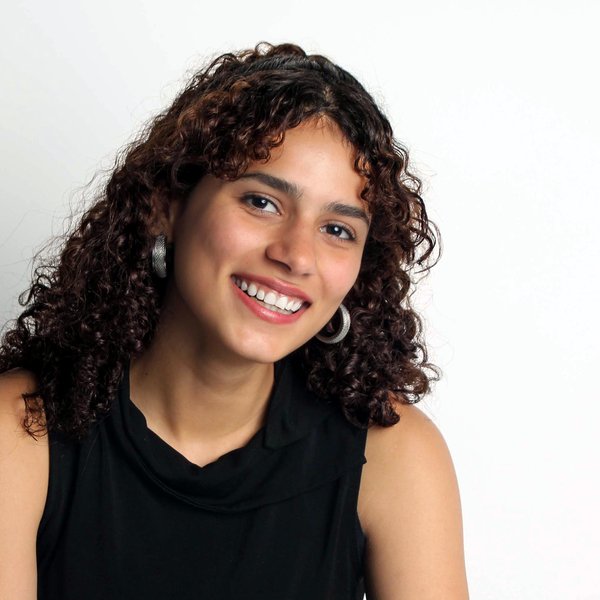
Bachelors Audio Engineering · Vocal Teaching Certificate
Learn Authentic Spanish from Guatemala: Dive into the language and culture with a native tutor!
Personally vetted · Strommen’s note
Melany has an audio-engineering degree and a past life teaching Chinese students 3D animation. She brings that same range to her Spanish lessons now.
Specialties
Bachelors Audio Engineering · Vocal Teaching Certificate
Learn Authentic Spanish from Guatemala: Dive into the language and culture with a native tutor!
Specialties
Personally vetted · Strommen’s note
Melany has an audio-engineering degree and a past life teaching Chinese students 3D animation. She brings that same range to her Spanish lessons now.
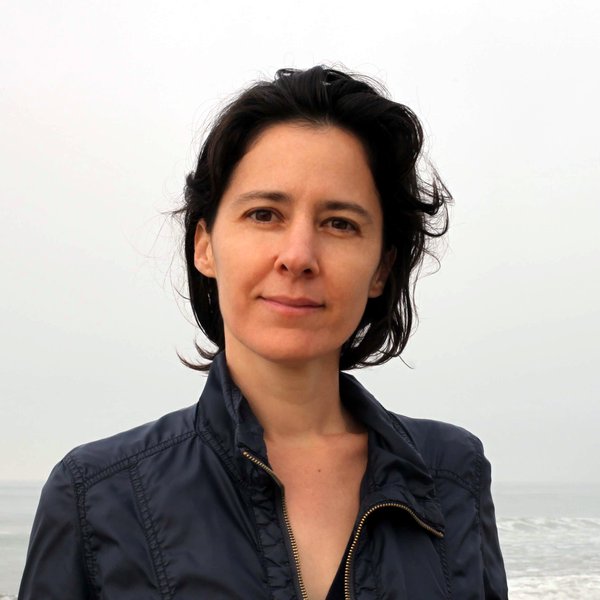

Bachelor of Arts
Master Spanish with Elise: Experienced Tutor Raised in Mexico, Living in LA!
Personally vetted · Strommen’s note
Raised in Mexico and based in LA, Elise teaches Spanish and Parisian French both, resetting her lesson plan for every student's actual level.
Specialties
Bachelor of Arts
Master Spanish with Elise: Experienced Tutor Raised in Mexico, Living in LA!
Specialties
Personally vetted · Strommen’s note
Raised in Mexico and based in LA, Elise teaches Spanish and Parisian French both, resetting her lesson plan for every student's actual level.
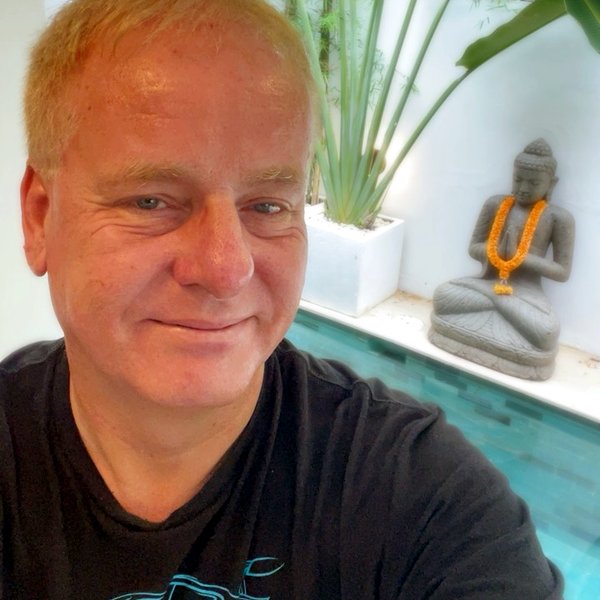

B.A. (MIT)
Native trilingual
Personally vetted · Strommen’s note
Trilingual since age seven and raised between Mexico City and Düsseldorf, Klaus coaches Spanish and German dialects the way he learned them: by talking.
Specialties
B.A. (MIT)
Native trilingual
Specialties
Personally vetted · Strommen’s note
Trilingual since age seven and raised between Mexico City and Düsseldorf, Klaus coaches Spanish and German dialects the way he learned them: by talking.
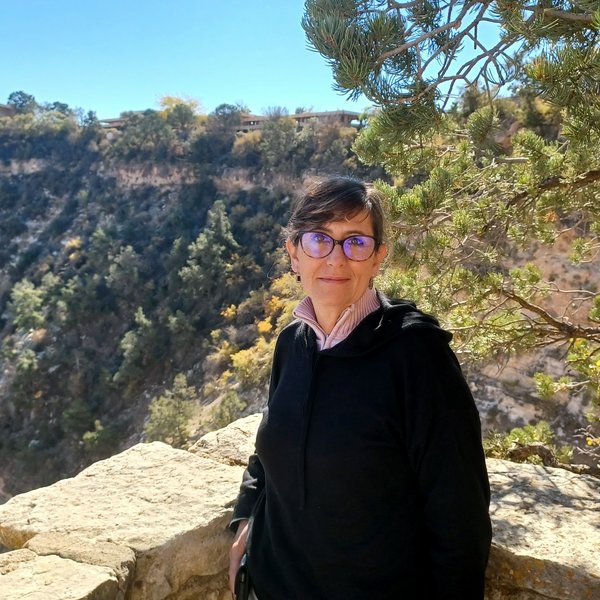

Graduate · Bachelor's degree in human communication.
The power of the word.
Personally vetted · Strommen’s note
Cynthia has spent thirty years teaching Spanish, and she still sums up her method in four words: 'the power of the word.'
Specialties
Also speaks: English
Graduate · Bachelor's degree in human communication.
The power of the word.
Specialties
I also speak: English
Personally vetted · Strommen’s note
Cynthia has spent thirty years teaching Spanish, and she still sums up her method in four words: 'the power of the word.'
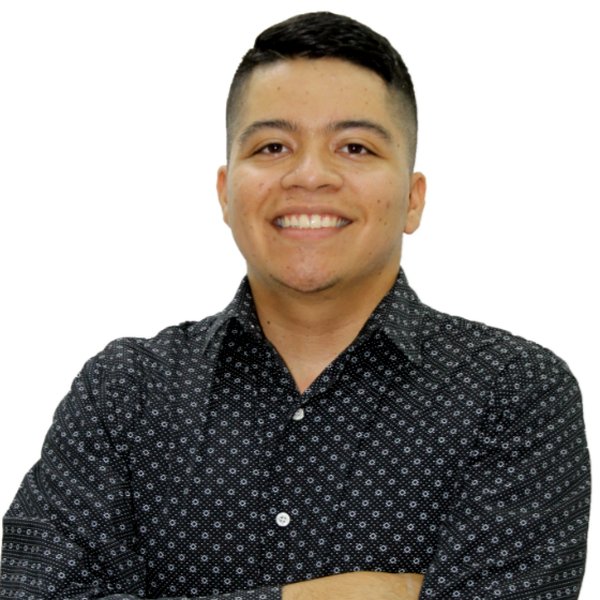
I have a degree in Modern Languages in English and French with a minor in business. · I am an English, French and Spanish tutor with more than seven years of experience both in person and online. I have a degree in Modern Languages in English and French with a minor in business.
Master Languages with Daniel: C2 English, DELF B2 French, and Native Spanish Tutor!
Personally vetted · Strommen’s note
Daniel is C2-certified in English, holds a DELF B2 in French, and is a native Spanish speaker. He teaches all three with real fluency benchmarks behind each one.
Specialties
Also speaks: Business & Management, Dialect Coaching, International Business, Public, Tests, Translation
I have a degree in Modern Languages in English and French with a minor in business. · I am an English, French and Spanish tutor with more than seven years of experience both in person and online. I have a degree in Modern Languages in English and French with a minor in business.
Master Languages with Daniel: C2 English, DELF B2 French, and Native Spanish Tutor!
Specialties
I also speak: Business & Management, Dialect Coaching, International Business, Public, Tests, Translation
Personally vetted · Strommen’s note
Daniel is C2-certified in English, holds a DELF B2 in French, and is a native Spanish speaker. He teaches all three with real fluency benchmarks behind each one.
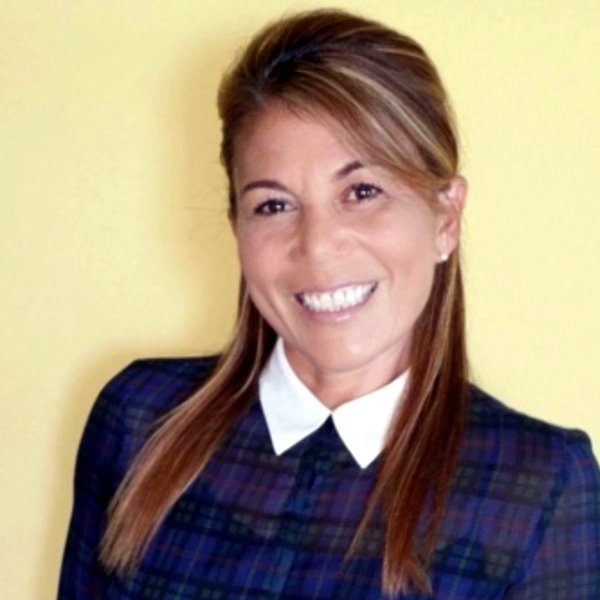
Masters of Arts in Spanish and Linguistics, Currently, a 3rd-year PhD student in the Spanish Program. · Spanish Interpreter Translator Certificate from Southern California School of Interpretation.
Speak Spanish with Confidence, Step by Step
Personally vetted · Strommen’s note
Elizabeth has taught Spanish for eighteen years, and her whole approach comes down to one rule: let students make mistakes and keep talking anyway.
Specialties
Masters of Arts in Spanish and Linguistics, Currently, a 3rd-year PhD student in the Spanish Program. · Spanish Interpreter Translator Certificate from Southern California School of Interpretation.
Speak Spanish with Confidence, Step by Step
Specialties
Personally vetted · Strommen’s note
Elizabeth has taught Spanish for eighteen years, and her whole approach comes down to one rule: let students make mistakes and keep talking anyway.
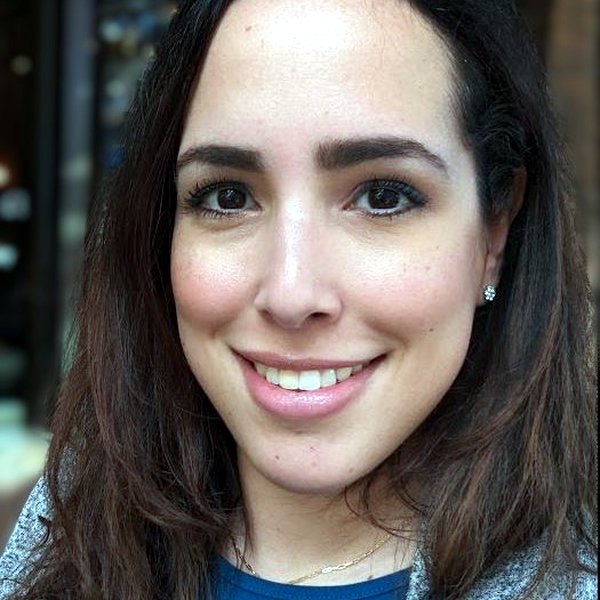
Please fill in
I'm Renata, your bilingual guide to Spanish adventure! Born in Mexico City, I bring tailored, enjoyable classes to you
Personally vetted · Strommen’s note
Mexico City-born and twelve years into teaching Spanish, Renata builds each lesson around whatever's actually happening in your life that week.
Specialties
Please fill in
I'm Renata, your bilingual guide to Spanish adventure! Born in Mexico City, I bring tailored, enjoyable classes to you
Specialties
Personally vetted · Strommen’s note
Mexico City-born and twelve years into teaching Spanish, Renata builds each lesson around whatever's actually happening in your life that week.

BA in Communication, MA in Higher Education
I offer English and Spanish classes
Personally vetted · Strommen’s note
Abraham spent years as a high school literature teacher before this, and he still adapts every program to what a student finds interesting. Mexico City-based, he teaches English and Spanish.
Specialties
BA in Communication, MA in Higher Education
I offer English and Spanish classes
Specialties
Personally vetted · Strommen’s note
Abraham spent years as a high school literature teacher before this, and he still adapts every program to what a student finds interesting. Mexico City-based, he teaches English and Spanish.

1. BA in Political Studies and Conflict Resolution (Universidad del Valle, Colombia).2. BA in Business Administration (Instituto Tecnológico de Saltillo, Mexico). 3. Graduate Certificate in Government and Public Policy (Universidad del Cauca, Colombia)... · Spanish Teacher Training, Spanish as a Foreign Language, from Colegio de Español Tía Tula, a center accredited by the Instituto Cervantes.
Conversational Spanish for working adults: from "I understand but I can't speak" to speaking with confidence.
Specialties
Also speaks: English Second Language
1. BA in Political Studies and Conflict Resolution (Universidad del Valle, Colombia).2. BA in Business Administration (Instituto Tecnológico de Saltillo, Mexico). 3. Graduate Certificate in Government and Public Policy (Universidad del Cauca, Colombia)... · Spanish Teacher Training, Spanish as a Foreign Language, from Colegio de Español Tía Tula, a center accredited by the Instituto Cervantes.
Conversational Spanish for working adults: from "I understand but I can't speak" to speaking with confidence.
Specialties
I also speak: English Second Language

Spanish Bachillerato of Social Science · Bachillerato de Humanidades y Ciencias Sociales C1, Advance English by Cambridge University
Passionate Spanish author who will make you love Spanish with more than just one to one classes. I do other activities like book clubs and more...
Personally vetted · Strommen’s note
A published Spanish-language author, Daniel runs book clubs alongside one-on-one lessons, deliberately grammar-first for the first few months.
Specialties
Spanish Bachillerato of Social Science · Bachillerato de Humanidades y Ciencias Sociales C1, Advance English by Cambridge University
Passionate Spanish author who will make you love Spanish with more than just one to one classes. I do other activities like book clubs and more...
Specialties
Personally vetted · Strommen’s note
A published Spanish-language author, Daniel runs book clubs alongside one-on-one lessons, deliberately grammar-first for the first few months.
Que onda — culture & slang
5 ways to sound like you actually speak Mexican Spanish
These aren't textbook expressions. They're the everyday phrases that separate tourists from people who've been around. Screenshot away. Then book a tutor to learn the rest.
-
01
¿Qué onda?
Casual greeting. "What's up?" Used between friends, never with strangers or older people. With anyone under 40 you actually like, drop the "hola, ¿cómo estás?" Pairs naturally with güey, the all-purpose Mexican "dude."
e.g. ¿Qué onda, güey? ¿Todo bien?
-
02
Ahorita
Literally "right now." In practice, anywhere from 5 minutes to never. Mexican Spanish's most useful and most confusing word. Context decides.
e.g. Ahorita te marco (could be in 10 min or tomorrow).
-
03
No manches
"No way / really?" Expression of surprise or playful protest. The polite version of "no mames," which is stronger and not for use until you really know your audience.
e.g. ¿Le ganaste? ¡No manches!
-
04
Mande
When someone says your name or asks you something, Mexicans answer with "mande" instead of "qué." It's polite, slightly old-fashioned, and very Mexican. Saying "qué" instead can come off as rude.
e.g. Someone calls out "Karen" and she answers "Mande."
-
05
Padrísimo / chido
"Awesome" or "cool." Padre/padrísimo is universal; chido is more Mexico-City. Both work. Spaniards would say guay, Argentinians copado, and the regional fingerprint matters.
e.g. El concierto estuvo padrísimo, neta.
About Mexican Spanish
More than a different accent
Mexican Spanish isn't just Spanish with a different accent. It's the variant spoken by more than 130 million people across Mexico and tens of millions more in the US, mostly in California, Texas, Arizona, Illinois, and New York. The vocabulary is its own thing. Chamba for work. Padrísimo for great. Órale, an all-purpose exclamation. The cadence is distinctly Mexican. So are the manners around how indirect or direct to be. And there's the layer of words from indigenous languages, especially Nahuatl, which gave the world chocolate, tomate, aguacate, chile, and coyote.
If you're learning Spanish for travel in Mexico, working with Mexican colleagues or family, or hoping to speak with the rhythm of the films and shows you watch, you probably don't want a tutor who'll only teach you Castilian Spanish from Spain. The two are mutually intelligible. Stylistically and culturally they're different beasts. You want a Mexico-grounded tutor, someone who knows when to soften with diminutives like ahorita, momentito, tantito, and when usted opens doors that tú closes.
The stakes go beyond grammar. Mexican Spanish carries social cues: when to be indirect, how to soften a request, how to read between lines instead of between words. Get it wrong and you sound foreign. Get it right and you connect.
Our Mexican Spanish tutors include native speakers from across the country: Mexico City, Guadalajara, Monterrey, Mérida, Oaxaca, Puebla. Plus longtime bilinguals who've taught the dialect for years. They calibrate to your actual goal. Casual con cuates? Conducting interviews? Watching Roma without subtitles? Different goals, different lessons.
What you'll cover
Lessons & classes tailored to Mexican Spanish
Mexican vocabulary that doesn't translate
Words and expressions you won't find in a Castilian textbook: ahorita (which doesn't mean "right now"), mande (the polite "what?"), qué onda, no manches, chido, fresa, naco, padre. We teach when each fits and how to read the room. Plus the Nahuatl-derived everyday vocabulary (papalote, cuate, chamaco, popote) that lives nowhere else in the Spanish-speaking world. If you want to dig deeper between lessons, our blog post on how Mexicans use "madre" is a starting point.
Pronunciation and cadence
Mexican Spanish has a distinctive intonation, a softer s, a faster syllable pace in some regions and slower in others. Lessons include listening drills with real Mexican audio (films, telenovelas, news, songs), direct pronunciation feedback, and shadowing exercises so you sound natural and not bookish. We also work on the very Mexican habit of softening with diminutives (ahorita, momentito, tantito), which is half the texture of how Mexicans actually speak.
Formal vs. informal registers
Knowing when to use usted vs. tú in Mexico is a culture-aware skill, different from how it works in Spain or Argentina. Mexicans use usted with elders, in service settings, and as a sign of respect even with people they like. We teach the social calibration alongside the grammar: how to switch registers, how to soften requests, how to be indirectly polite without sounding distant. These are the moves that mark you as someone who actually understands Mexican culture, not just Mexican grammar.
Regional differences within Mexico
Northern Mexican Spanish (Monterrey, Sonora, Chihuahua) sounds different from Yucateco (slower, more Mayan-inflected), Costeño (Caribbean coast, with its own slang), or chilango (CDMX, sing-songy and fast). Pick the region you care about, whether for family ties, work, or just love of a particular Mexican film, and your tutor will lean into that variant. We can also teach a more neutral pan-Mexican register that works anywhere in the country, similar to our neutral South American Spanish approach for students with cross-regional needs.
FAQ
About Mexican Spanish lessons & classes
How is Mexican Spanish different from Spanish from Spain?
The two are mutually intelligible (anyone fluent in one understands the other) but the differences are noticeable. Mexican Spanish drops vosotros entirely. You'd never use it; ustedes covers both formal and informal plural. Pronunciation is softer and more open. Vocabulary differs in everyday words: carro vs. coche, jugo vs. zumo, computadora vs. ordenador. And there's the layer of Nahuatl-derived words that Spain doesn't use. If your goal is Mexico, learning Castilian Spanish first is a detour. Some students compare to Argentinian Spanish (Castellano) too, and that one's even further from Mexican in pronunciation and vocabulary.
Are your tutors native speakers from Mexico?
Most are native speakers, born and raised in Mexico. A few are longtime bilinguals who grew up between Mexico and the US, fully fluent in the dialect and culturally calibrated. Each tutor's bio specifies where they're from and where they've taught. You can match yourself to a Mexico City accent, a coastal accent, a northern accent, or a more neutral pan-Mexican Spanish.
Can I take Mexican Spanish lessons online or only in person in LA?
Both. Many of our Mexican Spanish tutors teach online via Zoom or Jitsi, available globally. Several also teach in person around Los Angeles: East LA, Westside, Pasadena, the South Bay. The booking widget on each tutor's profile shows their available formats.
I already speak some Spanish. Should I start over?
No. Your existing Spanish is a head start, not a liability. Most students begin with a 30-minute free trial where the tutor calibrates to where you actually are. From there you build forward, adjusting vocabulary, expressions, and pronunciation toward the Mexican variant rather than relearning from scratch. If you want a head-start on what to fix first, our list of the 5 most common mistakes in Spanish is worth a read.
What does a Mexican Spanish lesson actually look like?
Lessons are one-on-one and built around your goals. A typical hour might include 15 minutes of conversation in Spanish on a topic you chose, 15 minutes targeted on a grammar or pronunciation point that came up, 15 minutes on Mexican-specific vocabulary or cultural context, and 15 minutes of practice using what you learned. No two students get the same lesson. Strommen tutors plan around you. Many students supplement with our 1,000 most common Spanish words list between lessons.
How fast can I expect to progress?
Honestly depends on three things: the time you put in between lessons, your starting level, and your specific goal. Conversational fluency for travel takes most students 3 to 6 months at one or two lessons a week with self-study in between. Reading-level comfort with Mexican literature or cinema takes longer (12+ months). Picking up enough to navigate a workplace or a family gathering, usually 2 to 4 months. Your tutor sets concrete weekly goals at the trial lesson and we adjust based on what's working. Realistic, not magical.
Is Mexican Spanish a useful starting point if I want to learn Spanish more broadly?
Yes, especially in the US. Mexican Spanish is the most widely heard variant in the country, so what you learn translates directly to most Spanish-speaking interactions outside of specific regional bubbles (Cuban Miami, Puerto Rican NYC, etc.). If you later want to focus on a different dialect, your tutor can help you transition. Common moves we see: students start with Mexican Spanish, then add general conversational Spanish for breadth, or pivot to business Spanish if work demands shift.
Ready for Mexican Spanish lessons or classes?
Book a free 30-minute trial with one of our personally vetted tutors. Private lessons or small-group classes — your choice.