



Personally vetted instructors
Conversational English tutors, lessons & classes
What's up? The way casual American English actually opens a conversation, not the "Hello" your textbook taught you.
Personally vetted conversational English tutors. Real-time speaking practice for adult ESL learners who can already read and write English but freeze up in actual conversation — the gap between textbook English and the way Americans actually talk.

Your instructors
Conversational English tutors for private lessons & classes
Strommen has been teaching conversational English to international students since 2006. Most of our conversational English students arrive at intermediate or upper-intermediate level on paper (B1-C1 by CEFR), already comfortable reading and writing, and stuck on the speaking side. We work with adult learners across every nationality, with concentrations from Latin America, East Asia, the Middle East, and Europe, plus a steady stream of heritage learners who grew up around English but never used it actively. Every tutor below was met and vetted by us in person or via thorough video interview. No marketplace. No automated profile-creation. Real teachers with real backgrounds in adult English acquisition.
Filter by location, age, or price. Then book a 30-minute free trial.
Below are the Strommen tutors who specialize in conversational English. Photos, ratings, and rates are real. Click any card to read their bio and book a free 30-minute trial.
I want to learn…
Every tutor, personally met. — founder-vetted since 2006, in Los Angeles and online worldwide.
Get a personalized plan
Pick your language — a language advisor will match you with the right tutor and map out your path.

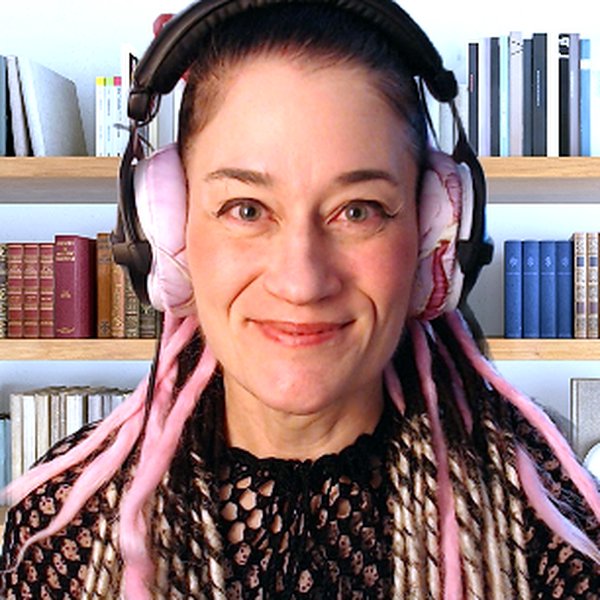

PhD (in progress), Educational Technology – Walden University, Winter 2026PhD, Public Policy & Administration – Walden University, Nov 2019M.S., Education (eLearning & Online Teaching) – University of Wisconsin-Stout, Aug 2019M.A., Political Science &... · • Adult Basic Education (ABE) Certification – Hamline University, 2023• Communication Sciences Disorders – UW-Eau Claire, 2020• Phonetic English as a Second Language (PESL) Certification – Institute of Language and Phonology, 2017• TESOL & Young Learne...
Clear American English, Taught with Insight, Bridging Languages. Building Confidence!
Personally vetted · Strommen’s note
PhD-trained, Marshelle teaches English through psycholinguistics and Multiple Intelligences theory. Aviation English and speech therapy are both on the list.
Specialties
Also speaks: German, Russian
PhD (in progress), Educational Technology – Walden University, Winter 2026PhD, Public Policy & Administration – Walden University, Nov 2019M.S., Education (eLearning & Online Teaching) – University of Wisconsin-Stout, Aug 2019M.A., Political Science &... · • Adult Basic Education (ABE) Certification – Hamline University, 2023• Communication Sciences Disorders – UW-Eau Claire, 2020• Phonetic English as a Second Language (PESL) Certification – Institute of Language and Phonology, 2017• TESOL & Young Learne...
Clear American English, Taught with Insight, Bridging Languages. Building Confidence!
Specialties
I also speak: German, Russian
Personally vetted · Strommen’s note
PhD-trained, Marshelle teaches English through psycholinguistics and Multiple Intelligences theory. Aviation English and speech therapy are both on the list.


Bachelor's · TEFL 120h (Graded A)
Damon, the ESL teacher
Personally vetted · Strommen’s note
Damon treats every student like someone he's building a long relationship with. He teaches Chinese, English, and Russian out of Bangkok.
Specialties
Bachelor's · TEFL 120h (Graded A)
Damon, the ESL teacher
Specialties
Personally vetted · Strommen’s note
Damon treats every student like someone he's building a long relationship with. He teaches Chinese, English, and Russian out of Bangkok.



I have a degree in Modern Languages in English and French with a minor in business. · I am an English, French and Spanish tutor with more than seven years of experience both in person and online. I have a degree in Modern Languages in English and French with a minor in business.
Master Languages with Daniel: C2 English, DELF B2 French, and Native Spanish Tutor!
Personally vetted · Strommen’s note
Daniel is C2-certified in English, holds a DELF B2 in French, and is a native Spanish speaker. He teaches all three with real fluency benchmarks behind each one.
Specialties
Also speaks: Business & Management, Dialect Coaching, International Business, Public, Tests, Translation
I have a degree in Modern Languages in English and French with a minor in business. · I am an English, French and Spanish tutor with more than seven years of experience both in person and online. I have a degree in Modern Languages in English and French with a minor in business.
Master Languages with Daniel: C2 English, DELF B2 French, and Native Spanish Tutor!
Specialties
I also speak: Business & Management, Dialect Coaching, International Business, Public, Tests, Translation
Personally vetted · Strommen’s note
Daniel is C2-certified in English, holds a DELF B2 in French, and is a native Spanish speaker. He teaches all three with real fluency benchmarks behind each one.
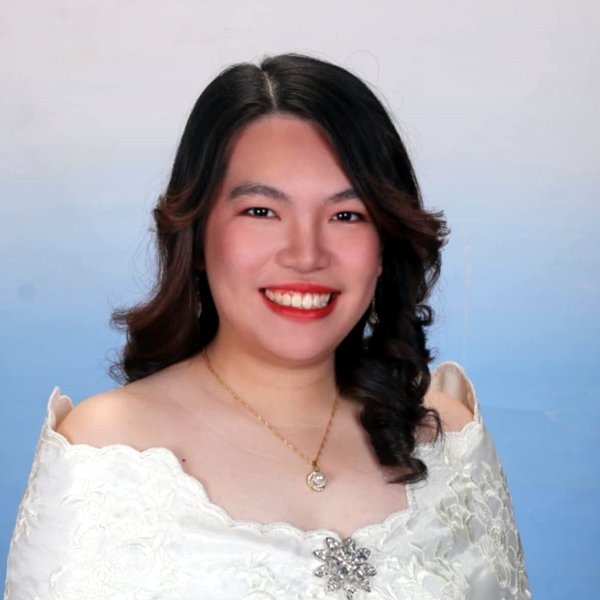
Bachelor's degree in secondary education, majoring in English. Masters degree in English language teaching. · multilingual classroom and TEFL
English and Tagalog Certified Teacher with Masters Degree in English
Personally vetted · Strommen’s note
Princess is a licensed secondary teacher with a Master's in English. She also teaches Tagalog, a genuinely rare pairing on our roster.
Specialties
Also speaks: Spanish
Bachelor's degree in secondary education, majoring in English. Masters degree in English language teaching. · multilingual classroom and TEFL
English and Tagalog Certified Teacher with Masters Degree in English
Specialties
I also speak: Spanish
Personally vetted · Strommen’s note
Princess is a licensed secondary teacher with a Master's in English. She also teaches Tagalog, a genuinely rare pairing on our roster.


Master of Arts (M.A.) in Education from the University of the People (US)Bachelor of Arts (BA) in Teaching Korean as a Second Language from the Korean Education Bank (Korea)Bachelor of Arts (BA) in International Commerce and Logistics from Seoul Cyber... · Level 2 Certificate of Korean Language Teaching
Multilingualism, Specialized Education, Extensive Experience, Target Audience, Practical Skills
Personally vetted · Strommen’s note
Sanghoon teaches Chinese, English, and Korean out of Hangzhou, pulling material from work with students across very different backgrounds.
Specialties
Master of Arts (M.A.) in Education from the University of the People (US)Bachelor of Arts (BA) in Teaching Korean as a Second Language from the Korean Education Bank (Korea)Bachelor of Arts (BA) in International Commerce and Logistics from Seoul Cyber... · Level 2 Certificate of Korean Language Teaching
Multilingualism, Specialized Education, Extensive Experience, Target Audience, Practical Skills
Specialties
Personally vetted · Strommen’s note
Sanghoon teaches Chinese, English, and Korean out of Hangzhou, pulling material from work with students across very different backgrounds.


BSc (Hons) Software Engineering – Cardiff Metropolitan UniversityBusiness Studies – SIST British Education Morocco · • TEFL Certification• Cambridge English Certification• Cardiff Metropolitan University Certification• UI/UX Design Certification• Preply Language Teaching Certification
Speak English Naturally. Build Confidence. Make Real Progress.
Specialties
Also speaks: Arabic, French
BSc (Hons) Software Engineering – Cardiff Metropolitan UniversityBusiness Studies – SIST British Education Morocco · • TEFL Certification• Cambridge English Certification• Cardiff Metropolitan University Certification• UI/UX Design Certification• Preply Language Teaching Certification
Speak English Naturally. Build Confidence. Make Real Progress.
Specialties
I also speak: Arabic, French

Diploma in Nutrition and dietetics · English as a foreign language German language
Making language learning simple and enjoyable
Specialties
Also speaks: German
Diploma in Nutrition and dietetics · English as a foreign language German language
Making language learning simple and enjoyable
Specialties
I also speak: German

Bachelor's Degree in Teaching English as a Foreign Language (TEFL) · C2 English Proficiency CertificateI - ELTS Speaking Teacher Training Certificate (IDP Education)
Business English & Conversation Coach | TEFL Certified
Specialties
Also speaks: Spanish
Bachelor's Degree in Teaching English as a Foreign Language (TEFL) · C2 English Proficiency CertificateI - ELTS Speaking Teacher Training Certificate (IDP Education)
Business English & Conversation Coach | TEFL Certified
Specialties
I also speak: Spanish


B.A. in Asian Studies (Minor in Humanities); M.A. in Teaching English as a Second Language (TESL) pending (May 2027) · Certificate in Teaching English as a Second Language (TESL)
Graduate student w/ 30 years of English (ESL) teaching & tutoring experience, fluent in Mandarin
Personally vetted · Strommen’s note
Robert has thirty years of ESL teaching experience and is fluent in Mandarin. Now a graduate student himself, he brings that full arc to English lessons.
Specialties
Also speaks: Armenian, French, Korean, Macedonian, Spanish
B.A. in Asian Studies (Minor in Humanities); M.A. in Teaching English as a Second Language (TESL) pending (May 2027) · Certificate in Teaching English as a Second Language (TESL)
Graduate student w/ 30 years of English (ESL) teaching & tutoring experience, fluent in Mandarin
Specialties
I also speak: Armenian, French, Korean, Macedonian, Spanish
Personally vetted · Strommen’s note
Robert has thirty years of ESL teaching experience and is fluent in Mandarin. Now a graduate student himself, he brings that full arc to English lessons.

MBA · TEFL
PROFESSOR
Personally vetted · Strommen’s note
Ewe, a West African language rarely offered anywhere, sits right alongside English and French on Komi's schedule, taught out of Ghana.
Specialties
Also speaks: German
MBA · TEFL
PROFESSOR
Specialties
I also speak: German
Personally vetted · Strommen’s note
Ewe, a West African language rarely offered anywhere, sits right alongside English and French on Komi's schedule, taught out of Ghana.

Bachelor English and Psychology · TEFL
language matters
Specialties
Jahmai I
Personally vettedBachelor English and Psychology · TEFL
language matters
Specialties

Real conversation — slang & rhythm
5 things that separate textbook English from the way Americans actually talk
These aren't grammar rules. They're the everyday habits of casual American English that classroom textbooks systematically skip, and that produce stiff-sounding learners at every fluency level. Screenshot to share.
-
01
What's up? / How's it going?
The actual casual openers in American English, not the textbook "Hello, how are you?" The expected response isn't a real answer; it's a return greeting. "What's up?" gets "Not much, you?" or just "What's up?" back. "How's it going?" gets "Good, you?" Treating these as real questions and launching into how your week has been is one of the clearest tells of a learner stuck in textbook mode.
e.g. "Hey, what's up?" "Not much, you?"
-
02
Like, you know, I mean, basically
The famous American filler stack. These aren't bad English. They're the discourse-marker grammar of casual speech, used by everyone from teenagers to executives. Like introduces an approximation or a quote ("and he was like, no way"). You know checks in with the listener. I mean walks back or clarifies. Basically signals a summary is coming. Skipping all of these makes you sound robotic; using them naturally is a fast track to sounding native.
e.g. "It was, like, basically the worst meeting ever, you know? I mean, nobody had any answers."
-
03
Gonna, wanna, gotta, kinda, sorta, dunno, lemme
Reductions. The unstressed words in fluent American English collapse: going to → gonna, want to → wanna, got to → gotta, kind of → kinda, sort of → sorta, don't know → dunno, let me → lemme. Native speakers write these out in their full forms but pronounce them reduced. Hearing them in real time is half of the listening battle; using them in your own speech without overdoing it is half of sounding fluent.
e.g. "I'm gonna grab coffee, you wanna come? I dunno, kinda need to head back soon."
-
04
Hang out, figure out, run into, pick up, deal with
Phrasal verbs are the working backbone of casual American English. Hang out = spend casual time with someone. Figure out = solve, understand. Run into = encounter unexpectedly. Pick up = fetch, learn, lift, increase (context-dependent). Deal with = handle, manage. The one-word formal synonyms (socialize, comprehend, encounter, fabricate, manage) all sound stiff in casual speech. Building active phrasal-verb fluency is the single biggest unlock for sounding conversational.
e.g. "I ran into Mark at the coffee shop, and we're gonna hang out Saturday and figure out the project."
-
05
Or whatever, or something, talk soon, catch you later
The casual hedges and closers. Or whatever and or something are casual approximators that signal you're not being precise ("we should grab a drink or something"). Talk soon and catch you later are the conversational equivalents of formal closings, used in person, on the phone, in text. American casual English rarely uses formal closings ("goodbye," "farewell") in friendly settings. Knowing the casual openers and closers locks in the register for the whole conversation.
e.g. "Let's grab lunch next week or something. Talk soon!"
About Conversational English
English the way people actually speak it
Conversational English is the most common request we get from international students, and the one most poorly served by the global ESL industry. Adult learners arrive saying some version of the same thing: "I can read English, I can write English, I passed my IELTS, but when I'm actually in a conversation I sound like a textbook and feel like one too." That gap between studied English and spoken English is real, it's well-documented, and it has more to do with register, rhythm, and listening than with grammar or vocabulary. Most learners trying to close that gap aren't missing knowledge; they're missing the casual mode that classroom English systematically leaves out.
The textbook-vs-real-English gap is wider in English than in most languages. Classroom English teaches the formal written register: full sentences, no contractions, careful subject-verb agreement, vocabulary chosen for clarity rather than naturalness. Real spoken American English does almost the opposite. Native speakers drop subjects ("Going to the store, want anything?"), reduce auxiliaries ("gonna," "wanna," "gotta," "shoulda"), pile fillers and discourse markers into every other sentence ("like," "you know," "I mean," "basically," "so," "anyway"), and break grammar rules constantly without anyone noticing. A learner who walks into a conversation expecting textbook English to apply will spend the entire conversation roughly two beats behind the speaker, and that lag is what makes fluent comprehension feel impossible even at high CEFR levels.
The casual register has its own working vocabulary, and most of it is built out of phrasal verbs. American conversational English runs on phrasal verbs the way Spanish runs on the subjunctive. They're everywhere, they're invisible to native speakers, and they're the single biggest blocker for adult learners. Pick up, drop off, get along with, run into, figure out, hang out, work out, come up with, deal with, look forward to, put up with, get over, mess up, screw up, hang on, hold on, take off, settle down, calm down, stand up, sit down, give up, get up, take in, bring up. These are the verbs Americans actually use in conversation, and the formal one-word synonyms (encounter, fabricate, terminate) sound stiff and overly literary when spoken. Building real phrasal-verb fluency takes deliberate work because the meanings rarely follow from the parts, and many phrasal verbs have multiple unrelated meanings depending on context. Pick up alone can mean fetch, learn, lift, increase, tidy, or flirt with. Lessons treat phrasal verbs as the conversational backbone they actually are.
The other thing classroom English skips is the rhythm. English is a stress-timed language, which means stressed syllables happen at roughly equal intervals regardless of how many unstressed syllables sit between them. Spanish, Japanese, French, Italian, and most Asian languages are syllable-timed (every syllable gets roughly equal weight). That's why ESL students from those backgrounds often sound robotic to American ears even when their grammar is impeccable: every syllable gets pronounced clearly instead of the lexically important words being stressed and everything else getting reduced to a schwa. The reduction is what gives English its characteristic rhythm: I have to go becomes I hafta go, going to becomes gonna, did you eat becomes dija eat. Fluent listening requires recognizing the reduced forms; fluent speaking requires producing them. Both are trainable, but neither happens by reading.
Which brings us to the listening gap, which is bigger than most learners realize. The standard ESL listening practice (slowed-down audio recorded in a studio by trained presenters) bears almost no resemblance to actual American conversation. Real speech happens at 150-180 words per minute, with reductions, false starts, overlapping turns, and constant context-switching. Most intermediate ESL learners listening to a real podcast or two Americans chatting in a coffee shop hear roughly 40-60% of what's being said, even when their reading comprehension of the same content would be 95%+. Closing that listening gap is the single biggest lever for conversational fluency, and it requires consistent exposure to unfiltered native speech: podcasts (recommended later in this article), unscripted YouTube, sitcoms with the subtitles off, real conversations between native speakers in any setting. Lessons help by acclimating you to natural-speed input and teaching you to parse reductions in real time.
A few honest observations on the patterns that trip up ESL learners going for conversational fluency. The biggest single block is overcorrecting for formality. Learners who studied British textbook English in school often produce English that sounds stiff and formal to Americans, even when it's grammatically perfect. The fix is permission, not correction. Permission to use contractions, to drop the subject when context is clear, to start sentences with so and and and but, to use like as a quotative ("and he was like, no way"). Closely related: the discourse-marker gap. Native conversational English is full of so, well, look, listen, I mean, you know, anyway, basically, actually, literally, and learners who omit these sound like they're reading from a script. Pronunciation deserves attention too, though usually less than learners assume. The th sounds (voiced /ð/ and unvoiced /θ/) are genuinely hard for speakers of languages without them, and they're worth working on. The schwa /ə/ (the most common vowel in English, and the one most syllable-timed languages don't have) is more important. Sentence-level stress and intonation patterns matter more than individual consonants. Getting the rhythm right makes an accent feel charming; getting the rhythm wrong makes any accent feel hard to follow. And finally: the fear factor. Adult learners who are fluent on paper but blocked in conversation almost always have a hidden component of speaking anxiety, and the way through it is volume of low-stakes speaking practice, not more study.
Register shifting is the last layer, and it's often the most useful for working professionals. Most adult ESL learners need to operate across registers: casual chat with friends or colleagues, semi-formal English in work meetings, formal English in writing or with clients, fully formal English when the situation calls for it. The casual register is what's missing most often; if you only have formal English, every situation feels formal, and you come across as cold or stiff in casual moments where Americans expect warmth. The other direction matters too: knowing when to drop the casual markers and shift up to a more formal register without losing your natural voice. Lessons work the casual register first because it's the bigger gap, then layer in conscious register-shifting once the casual mode feels reliable. For learners who specifically need Business English for professional contexts, that's a separate specialty with its own curriculum; conversational lessons are the foundation that Business English builds on top of.
How tutors actually structure conversational lessons varies by student. The most common format is roughly half free conversation and half targeted topic discussion, with corrections happening naturally rather than blocking the flow. The tutor takes notes on patterns rather than interrupting, then circles back to specific corrections at natural pauses. For beginners or anxious learners, lessons start more structured (topic prompts, role-play, controlled vocabulary expansion) and loosen toward free conversation as comfort builds. For advanced learners, lessons are mostly free conversation with the tutor periodically introducing higher-register vocabulary, idiomatic patterns, or cultural context that comes up naturally. Almost all conversational lessons should include some listening practice — short clips of real American speech, then comprehension questions, then discussion. And almost all should include written follow-up: 5-10 minutes spent capturing the new phrases and patterns from the session in a personal vocabulary log the student maintains between lessons.
Between lessons, immersion options for American conversational English have never been better. For unscripted conversational podcasts, start with This American Life for narrative pacing, Smartless for fast casual back-and-forth, and Armchair Expert for long-form interviews with natural reductions. For sitcom rhythm with the subtitles off, The Office (US) and Schitt's Creek are reliable. John Mulaney for stand-up at a learner-friendly clarity. NPR's Up First for news at conversational speed. YouTube vlogs and unscripted commentary channels work well too because they're closer to actual speech than scripted media. Reading helps too, but reading builds passive vocabulary; conversational fluency requires audio. Our complete guide to English greetings covers the formal-to-casual spectrum of openers in more depth. The rule is the same as for any conversational language work: pick content you'd consume anyway and substitute the unscripted-English version.
The Strommen Conversational English roster includes native American-English teachers from across the US, native British and Australian English teachers for learners targeting those varieties, and longtime ESL specialists with formal CELTA or TESOL credentials. Several of our tutors come from broadcasting, theater, or voice-acting backgrounds, which is useful for learners who want to refine accent and rhythm alongside fluency. Each tutor's bio specifies their teaching background, regional accent, and which student profile they fit best (beginners, plateau-breakers, advanced fluency refinement, accent reduction, professional ease). Pricing reflects experience. You can match yourself to a teacher whose accent matches your target (US, UK, Australian), whose teaching style matches your goal (free conversation, structured topic discussion, accent work), and whose schedule overlaps with yours. For related English specialties, our Business English and American accent pages cover adjacent needs, and our English / ESL classes page covers the broader program landscape.
Lessons calibrate to your actual goal. Survival conversational English for a learner who's about to move abroad is a different curriculum from intermediate-plateau work to break through to genuine fluency, which is different again from advanced refinement for a professional who wants to sound less stiff in casual contexts. We don't run a generic conversational English course. Each lesson is one-on-one, your tutor plans it around your week and your goal, and the trial is free. The most common adjustments across all levels are massive speaking volume, targeted work on phrasal verbs and discourse markers in context, deliberate exposure to natural-speed listening, and the immersion habit between lessons. Browse the full tutor list and book a trial. One thing our conversational tutors do almost without thinking: they wait a beat longer before correcting. The student fumbles, restarts, lands on something close to right, and the correction comes in at the next natural pause instead of mid-sentence. That pause is where conversational confidence actually grows.
What you'll cover
Lessons & classes tailored to Conversational English
Beginner conversational foundations (A2-B1)
For learners who can read and write basic English but freeze up in conversation. Lessons focus on functional speaking from session one: greetings and small talk, asking and answering questions, ordering food, navigating common situations. Speaking time dominates over explanation time; grammar gets clarified as it comes up in conversation. Target: comfortable functional conversation within 3-6 months of weekly committed lessons plus daily listening exposure.
Plateau-breaking (B1-B2)
The intermediate plateau in English looks like this: you can hold conversations but with significant hesitation, you understand most of what you read but miss spoken nuance, your vocabulary covers everyday topics but runs out fast on specifics, you sound stiff because you're missing the discourse markers and phrasal verbs that make casual English flow. Lessons target the specific blocks: phrasal-verb fluency, filler and discourse-marker comfort, reduction recognition, and massive volume of speaking practice with subtle correction.
Advanced fluency refinement (C1-C2)
For advanced learners whose grammar is solid and vocabulary is broad, but who want to sound less translated and more natural. Accent refinement, idiomatic naturalness, regional and register adaptation, cultural fluency around humor, sarcasm, and references. Lessons are conversation-heavy with specific corrections and recommendations, often paired with substantial listening and media work between sessions.
Listening + reduction training
Closing the listening gap between read English and spoken English. Lessons include real-speed audio clips (podcasts, interviews, unscripted YouTube) with comprehension work, reduction recognition (gonna, wanna, dunno, lemme, etc.), and acclimation to natural-pace native speech. Critical for learners whose reading comprehension is high but whose listening comprehension lags well behind, a common pattern in academic ESL backgrounds.
FAQ
About Conversational English lessons & classes
I can read and write English fine but I freeze up in conversation. What's wrong?
Nothing is wrong. This is the most common pattern for adult ESL learners, and it has more to do with the gap between studied English and spoken English than with any deficit. Classroom English systematically teaches the formal written register and skips the casual mode, the discourse markers, the phrasal verbs, and the reductions that make up actual conversation. Conversational lessons close that gap with sustained speaking practice plus targeted work on the specific casual-register patterns that classroom English left out.
Should I learn American English or British English?
Whichever fits your context. Tell your tutor in the trial ("I work mostly with US colleagues," or "I'm planning to move to London," or "my school taught British English but I now consume mostly American media"), and we'll match you to a teacher with the right accent and curriculum. American English is the larger global influence (movies, podcasts, tech) and the most-exposed variety for most international learners, which makes it a solid neutral default if you have no strong directional preference. British, Australian, and Canadian English are all taught at Strommen with native tutors of each.
How is conversational English different from Business English?
Business English focuses on professional contexts: meetings, presentations, negotiation, written correspondence, industry vocabulary, corporate register. Conversational English focuses on the casual mode that underlies all of those: small talk, discourse markers, phrasal verbs, listening to natural-speed speech. Most adult learners need both: conversational English is the foundation, and Business English layers on top once the casual register is comfortable. If you're stiff in casual contexts, working on Business English first usually doesn't help; the casual layer is what's missing. See our Business English page for the professional curriculum.
How long until I can hold a real conversation?
Depends on your starting point and your commitment. From upper-beginner (A2-B1), expect 4-6 months of weekly 60-minute lessons plus 30 minutes daily listening exposure to reach comfortable functional conversation. From intermediate (B1-B2), plateau-breaking work typically shows results in 3-4 months. Advanced refinement is ongoing; the curve flattens but never stops. The biggest variable is daily exposure between lessons; learners who listen to natural-speed English audio every day progress dramatically faster than those who don't.
What about my accent? Can you help me sound less foreign?
Yes, though we'd reframe the goal slightly. The point isn't to lose your accent. Accents are part of who you are, and most native speakers find them charming. The point is to make sure your accent doesn't get in the way of being understood, and to give you the rhythm and stress patterns that make any accent feel easy to follow. That's prosody work: sentence stress, intonation, rhythm, the schwa, the th sounds if they're an issue. For learners who specifically want focused accent work, we have a dedicated American accent specialty page with tutors who specialize in accent modification.
Will I be corrected constantly during the lesson?
No, and the right tutor knows when to correct and when to let you keep going. Constant correction blocks the flow of conversation and reinforces speaking anxiety. The standard pattern is that the tutor takes notes on patterns rather than interrupting, then circles back to specific corrections at natural pauses. For high-stakes practice (presentation prep, interview prep) the correction style shifts to more immediate; for free-conversation lessons, corrections happen at the end of conversational arcs. You can also tell your tutor your preference in the trial. Some learners want more correction, some want less.
Do you teach heritage learners (English at home, fluent on the surface)?
Yes. The heritage English pattern usually shows up as someone who grew up in a household where English was spoken but who feels like their English isn't "educated" or who has specific register or pronunciation gaps from incomplete schooling in English. The activation work is different from beginner work: you don't need vocabulary or pronunciation from scratch, you need to fill specific gaps and build register confidence. Tell us in the trial that you grew up around English, and we'll match you to a heritage-aware tutor.
What does the trial cover?
30 minutes, free, with the tutor you select. Bring your actual goal: "I want to feel less stiff at work," "I'm moving to the US in six months," "my listening is way behind my reading," "I've been stuck at intermediate for years." The tutor will hold a short conversation to assess your current level and identify the highest-impact areas to work on first, propose a study plan, and you decide whether to continue. Most students settle into a weekly rhythm with their trial tutor; if not, swap is easy.
Ready for Conversational English lessons or classes?
Book a free 30-minute trial with one of our personally vetted tutors. Private lessons or small-group classes — your choice.