



Personally vetted instructors
German for Kids tutors, lessons & classes
Hallo! The way German actually says "hi" to a kid.
Personally vetted German tutors who specialize in teaching kids. Patient, playful, native-level fluent, and calibrated to your child's age and attention span.
Your instructors
German for Kids tutors for private lessons & classes
Strommen has been teaching German since 2006. Every tutor below was met and vetted by us in person. No marketplace. No automated profile-creation. Real teachers with real backgrounds, which you can read about in their bios.
Filter by location, age, or price. Then book a 30-minute free trial.
Below are the Strommen tutors who specialize in teaching German to children. Photos, ratings, and rates are real. Click any card to read their bio and book a free 30-minute trial.
I want to learn…
Every tutor, personally met. — founder-vetted since 2006, in Los Angeles and online worldwide.
Get a personalized plan
Pick your language — a language advisor will match you with the right tutor and map out your path.




Bachelor of Business Administration (specialized in International Relations) · DELF Examiner, DALF C2, Goethe Zertifikat C1/B2, DELE B1
Join me on your language learning adventure!
Personally vetted · Strommen’s note
Bangalore-based, Yvanka teaches French and German after years at Alliance Française. She started, unusually, as an English teacher in France.
Specialties
Also speaks: English, Italian, Spanish
Bachelor of Business Administration (specialized in International Relations) · DELF Examiner, DALF C2, Goethe Zertifikat C1/B2, DELE B1
Join me on your language learning adventure!
Specialties
I also speak: English, Italian, Spanish
Personally vetted · Strommen’s note
Bangalore-based, Yvanka teaches French and German after years at Alliance Française. She started, unusually, as an English teacher in France.

MFA (Cal-Arts), Matura B (Literargymnasium Zürich Rämibühl)
Swiss German Tutor from Zurich with a Deep Appreciation for Germanic Literature!
Personally vetted · Strommen’s note
Zurich-trained with seven years of Latin behind him, Cyril splits every German lesson cleanly into two tracks: travel German or Goethe-reading German.
Specialties
MFA (Cal-Arts), Matura B (Literargymnasium Zürich Rämibühl)
Swiss German Tutor from Zurich with a Deep Appreciation for Germanic Literature!
Specialties
Personally vetted · Strommen’s note
Zurich-trained with seven years of Latin behind him, Cyril splits every German lesson cleanly into two tracks: travel German or Goethe-reading German.
B.A. (MIT)
Native trilingual
Personally vetted · Strommen’s note
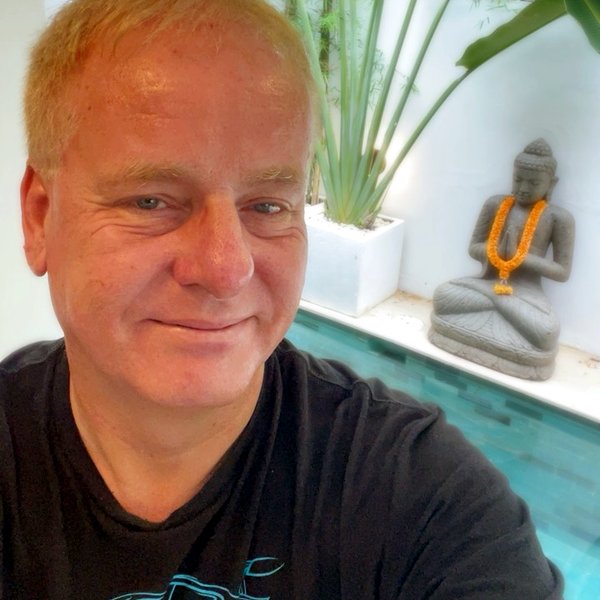
Trilingual since age seven and raised between Mexico City and Düsseldorf, Klaus coaches Spanish and German dialects the way he learned them: by talking.
Specialties
B.A. (MIT)
Native trilingual
Specialties
Personally vetted · Strommen’s note
Trilingual since age seven and raised between Mexico City and Düsseldorf, Klaus coaches Spanish and German dialects the way he learned them: by talking.
Bachelor
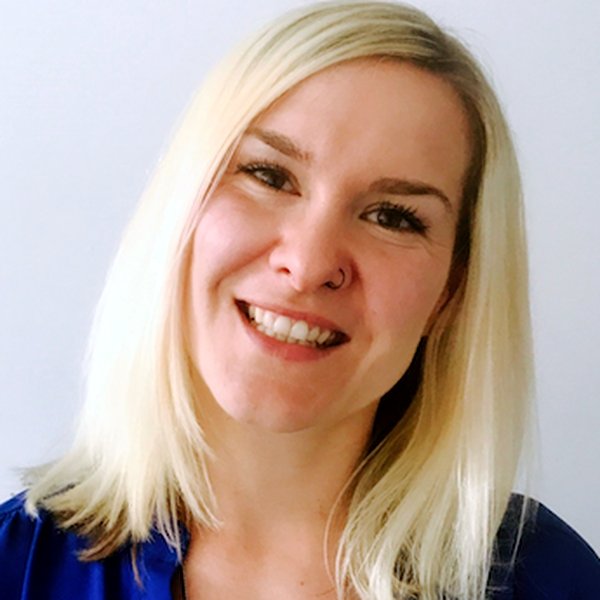
Stephanie from Austria: German Tutor with a Passion for Languages and Music!
Specialties
Bachelor
Stephanie from Austria: German Tutor with a Passion for Languages and Music!
Specialties

University of Toronto Bachelor's Diploma · Certificate in International Relations from the Political Science Institute of Paris
Your Multicultural Language Companion: Expert Guidance in English, French, German, and Spanish
Personally vetted · Strommen’s note
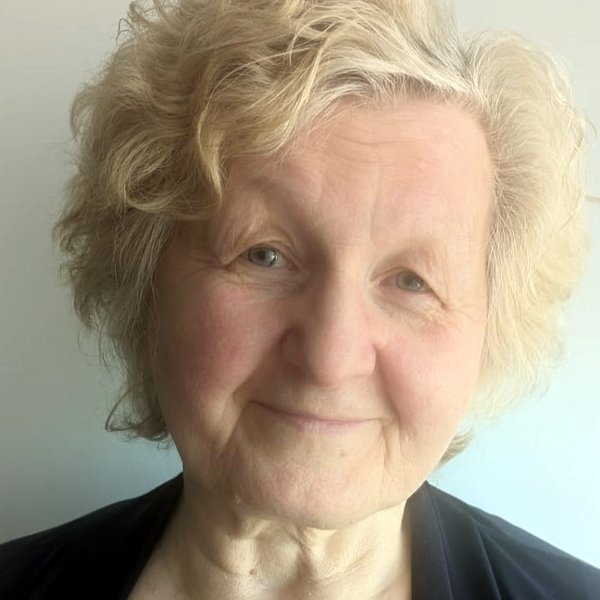
Maria has spent thirty years teaching across Czech, English, French, German, Polish, and Spanish, much of it inside government departments and international organizations.
Specialties
University of Toronto Bachelor's Diploma · Certificate in International Relations from the Political Science Institute of Paris
Your Multicultural Language Companion: Expert Guidance in English, French, German, and Spanish
Specialties
Personally vetted · Strommen’s note
Maria has spent thirty years teaching across Czech, English, French, German, Polish, and Spanish, much of it inside government departments and international organizations.

Bachelor English and Psychology · TEFL, Oxford Aviation Train-the-Trainer Certificate
Your cheat code for German
Specialties
Bachelor English and Psychology · TEFL, Oxford Aviation Train-the-Trainer Certificate
Your cheat code for German
Specialties

Spielerisch lernen — how kids learn
5 things parents should look for in a German-for-kids tutor
These are the small signals that separate a tutor who knows German from one who knows how to teach German to a child. Screenshot for the trial lesson.
-
01
Spielerisch lernen
"Learning through play." This is the Goethe-Institut's foundational principle for teaching kids, and it's the easiest tell that a tutor knows what they're doing. Watch for songs, picture cards, and small games in the trial. If the lesson opens with a worksheet, the tutor has miscalibrated for your child's age.
e.g. Wir lernen Deutsch spielerisch. (We learn German through play.)
-
02
Der, die, das
The three German articles. Every noun is masculine, feminine, or neuter, and there's no shortcut. Good kids tutors don't drill articles in isolation. They teach the article with the noun from day one (der Apfel, die Banane, das Brot) so your child memorizes them as a unit, the way German kids do. More on gender for the adult-learner perspective here.
e.g. Das ist der Hund, die Katze und das Pferd.
-
03
Märchen
Fairy tales. The Grimms (Hansel and Gretel, Rapunzel, Snow White, Rotkäppchen) are part of every German child's cultural vocabulary, and they're written at exactly the language level a beginner kid can grow into. A tutor who weaves Märchen into lessons is teaching language and culture at the same time.
e.g. Heute lesen wir Rotkäppchen. (Today we read Little Red Riding Hood.)
-
04
Sandmännchen and Deutsche Welle's Deutsch für Kinder
Sandmännchen is the bedtime cartoon every German kid has watched since 1959. Deutsche Welle's Deutsch Lernen platform has a Kinder section with songs and short videos at A1 level. A tutor who can point you to native media your child will actually watch is worth the booking. Deutsche Welle Deutsch Lernen.
e.g. Schau mal Sandmännchen! (Look, it's the Sandman!)
-
05
Erste Wörter — first words
Hallo, tschüss, bitte, danke, ja, nein, ich, du, Mama, Papa. A kid who walks out of the first month with these ten said correctly and unselfconsciously is ahead. Watch for tutors who prioritize fluency on a small core before adding new vocabulary. Duden, the authoritative German dictionary publisher, builds its kids' materials on the same idea.
e.g. Hallo Mama, danke! Tschüss!
About German for Kids
German for kids, taught by tutors who like kids
Most parents who reach out about German for kids fall into one of two camps. Either there's German in the family (a Berliner grandmother, a Swiss father, an Austrian au pair who used to babysit) and the goal is to keep that thread alive in a child who's growing up mostly in English. Or the family is preparing for a move to a German-speaking country, an international school admission, or the German International School in Tustin or Silicon Valley, and the child needs real preparation rather than an app.
Both are legitimate. Both need a different kind of tutor than an adult learner needs. A six-year-old will not sit through a grammar drill on der/die/das. A nine-year-old who's been told German is hard will close down within the first five minutes of a lesson that opens with verb conjugation tables. Kids learn German the way they learn anything: through repetition wrapped in something fun. Songs. Märchen, the Grimm fairy tales every German child grows up with. Picture books. Counting games. The Goethe-Institut's own pedagogy for kids, called Spielerisch lernen (learning through play), is built on this principle, and it's the principle our tutors use too.
A word on the bilingual-kids question, because parents always ask it. Decades of research from Ellen Bialystok and others at York University have established that growing up with two languages does not delay speech, confuse children, or harm school performance. The opposite, if anything: bilingual kids show stronger executive function (the brain's ability to switch tasks and filter distraction) by school age. If your child mixes German and English in the same sentence at age three, that's called code-switching and it's developmentally normal. They are not confused. They will sort it out.
Where a tutor adds value is in giving your child consistent, native-quality input outside the home. That input is what builds an accent that sounds German rather than American-doing-German. It builds vocabulary your child wouldn't get from one parent alone. And, especially for older kids, it builds the social context that makes German feel like a real living language rather than a homework assignment. Our German-for-kids tutors include native speakers from Berlin, Munich, Hamburg, and Vienna, plus longtime bilingual educators who've taught at international schools and Goethe-Institut programs.
What lessons actually look like depends on your child's age. With ages four to seven, expect a lot of show-and-tell with toys, picture cards, and short songs. Ages eight to eleven start moving into structured vocabulary, the first written sentences, and gentle introductions to grammar concepts like Nominativ vs. Akkusativ, framed as a game. Ages twelve and up can handle a more traditional lesson structure, often built around what they're watching on YouTube, the books they want to read, or preparing for the Goethe-Institut's Fit in Deutsch 1 or 2 exam if that's a goal. Your tutor calibrates at the trial lesson. You sit in if your child wants you there; you step out if they'd rather show off later.
What you'll cover
Lessons & classes tailored to German for Kids
Age-calibrated lesson plans
A six-year-old, a nine-year-old, and a thirteen-year-old need three completely different lessons even when the language goal is the same. Your tutor builds a plan around your child's age, attention span, and current level. Younger kids get song-and-picture-card structure with frequent activity changes. Older kids get sustained conversation, reading practice, and the first formal grammar introductions. We never run an adult lesson plan with a child.
Bilingual-family support
If German is already in the home through one parent or a grandparent, the tutor's job is reinforcement rather than introduction. We build on the vocabulary your child already passively understands, push toward active production, and give parents concrete prompts to use between lessons. The goal is your child speaking back in German, not just understanding when spoken to. For families further along, we can also map toward the Goethe-Institut Fit in Deutsch 1 or 2 youth certifications.
International school and relocation prep
Families moving to Germany, Austria, or Switzerland, or applying to the German International School Silicon Valley, the German School Washington D.C., or similar programs, need accelerated, structured preparation. Your tutor coordinates with the school's curriculum where possible, focuses on classroom-relevant vocabulary, and builds the listening confidence your child will need on day one. The small-group German classes are also an option for families wanting peer practice.
Pronunciation that sounds German, not American
Kids pick up pronunciation faster than adults; this is a real, well-documented window. A tutor who's native or near-native can give your child the umlauts (ä, ö, ü), the back-of-throat r, and the soft ch in ich versus the hard ch in Bach early, while their ears are still flexible. By age twelve those sounds get harder to acquire cleanly. Lessons include short listening-and-repeat drills with native audio, so your child hears German from more voices than just the tutor's. The pronunciation guide on our blog is a useful supplement.
FAQ
About German for Kids lessons & classes
How young can my child start German lessons with a Strommen tutor?
We've taught kids as young as four. Below that age, the practical issue is attention span rather than language readiness; a four-year-old can pick up German just fine, but they'll need a parent in the room and a tutor experienced with the toddler bracket. Most of our kid students start between ages five and ten. Lessons are 30 or 45 minutes for younger children rather than the standard hour.
Will learning German confuse my child if they already speak English at home?
No. This is one of the most common parent worries and the research is unambiguous. Studies by Ellen Bialystok at York University and many others have shown that growing up bilingual does not delay speech, harm school performance, or cause lasting confusion. If your child mixes German and English in one sentence at age three, that is called code-switching and it's developmentally normal. They will sort the two languages out as they get older.
My child is shy in lessons. Should I sit in?
Whatever helps your child feel safe is the right answer for the first few lessons. Many parents sit in for the trial and the first month, then quietly step out once their child has a comfort level with the tutor. Some kids prefer a parent in the room indefinitely and that's also fine. Tell your tutor at the trial and they'll adjust the lesson flow.
Are your German-for-kids tutors native speakers?
Most are native German speakers from Germany, Austria, or Switzerland. Some are longtime bilinguals who grew up in German-speaking households outside of Europe and have taught at international schools or Goethe-Institut programs. Each tutor's bio specifies their background. If your family speaks a specific dialect at home (Austrian, Swiss, Bavarian), let us know and we'll match accordingly.
Can lessons happen online, or only in person?
Both. The majority of our German-for-kids lessons happen online via Jitsi or Zoom, which works well with kids who are comfortable on a screen. We also have in-person tutors who travel within Los Angeles. The booking widget on each tutor's profile shows their available formats.
What does a typical German-for-kids lesson look like?
It depends entirely on your child's age. A five-year-old's 30-minute lesson might include a song, picture cards for ten new words, a short Märchen excerpt, and a quick game. A ten-year-old's hour might include conversation in German about their week, vocabulary review, a reading passage, and a small writing exercise. A teenager's lesson can look much closer to an adult lesson but stays connected to what they're actually interested in: YouTube, music, games, books.
Can my child prepare for the Goethe-Institut Fit in Deutsch exam?
Yes. Fit in Deutsch 1 (A1 level, for kids 10 and up) and Fit in Deutsch 2 (A2 level) are the standard youth German certifications recognized internationally. Several of our tutors have prepared students for both. The exam tests reading, listening, writing, and speaking, so prep covers all four. Plan on three to six months of consistent lessons before sitting the exam, depending on starting level.
How long until my child is conversational in German?
Honest answer: it depends on starting level, lesson frequency, and how much German they hear outside of lessons. A child with no German exposure, taking one 45-minute lesson a week, will be able to hold a simple conversation in six to nine months. A child with a German-speaking parent at home, who supplements lessons with daily exposure, can get there in three to four. Your tutor sets concrete short-term goals at the trial and updates them month to month.
Ready for German for Kids lessons or classes?
Book a free 30-minute trial with one of our personally vetted tutors. Private lessons or small-group classes — your choice.