



Personally vetted instructors
Hochdeutsch (Standard German) tutors, lessons & classes
Guten Tag The neutral formal greeting that works everywhere German is spoken.
Personally vetted Hochdeutsch tutors. Lessons in the standard German you'll need for business, media, academia, certifications, and daily life across Germany, Austria, Switzerland, and the German-speaking world.
Your instructors
Hochdeutsch (Standard German) tutors for private lessons & classes
Strommen has been teaching German since 2006. Hochdeutsch has always been the most-requested German specialty: Goethe certification prep, pre-move preparation for families relocating to Germany or Austria, academic German for graduate students working with German-language sources, and Business German for executives at German-headquartered firms in the United States. Every tutor below was met and vetted by us in person or via thorough video interview. No marketplace. No automated profile-creation. Real teachers with real backgrounds in German education and culture.
Filter by location, age, or price. Then book a 30-minute free trial.
Below are the Strommen tutors who specialize in Hochdeutsch. Photos, ratings, and rates are real. Click any card to read their bio and book a free 30-minute trial.
I want to learn…
Every tutor, personally met. — founder-vetted since 2006, in Los Angeles and online worldwide.
Get a personalized plan
Pick your language — a language advisor will match you with the right tutor and map out your path.

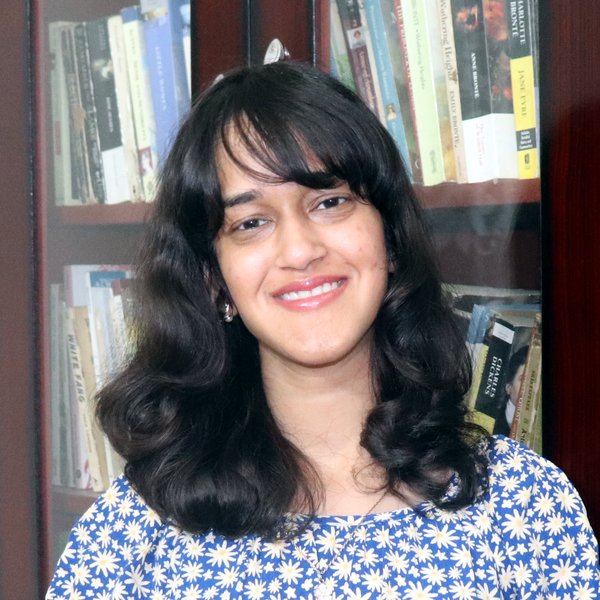


Bachelor of Business Administration (specialized in International Relations)
Join me on your language learning adventure!
Personally vetted · Strommen’s note
Bangalore-based, Yvanka teaches French and German after years at Alliance Française. She started, unusually, as an English teacher in France.
Specialties
Also speaks: English, Italian, Spanish
Bachelor of Business Administration (specialized in International Relations)
Join me on your language learning adventure!
Specialties
I also speak: English, Italian, Spanish
Personally vetted · Strommen’s note
Bangalore-based, Yvanka teaches French and German after years at Alliance Française. She started, unusually, as an English teacher in France.
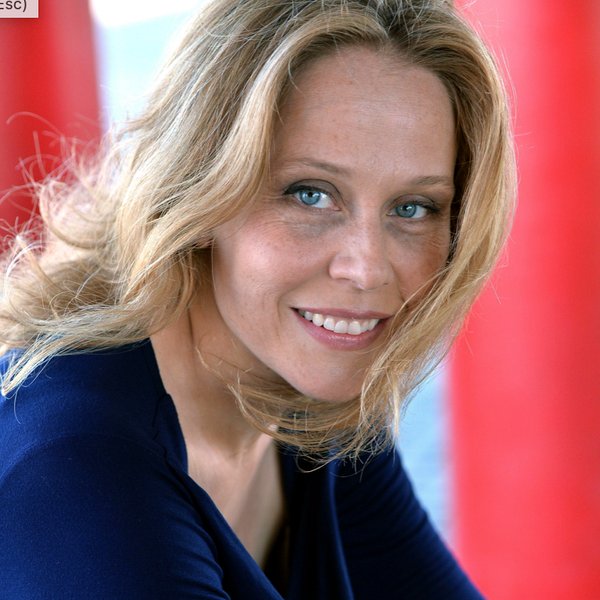
Diplom-Schauspielerin (BA in drama/acting) Germany
Dedicated German language tutor with over 15 years of expertise in teaching students of all ages. Proficient in preparing students for major German language certifications, SAT and AP German
Personally vetted · Strommen’s note
Fifteen-plus years teaching German, SAT and AP German certification prep included, and Patricia still keeps the structure interactive, not rigid.
Specialties
Also speaks: English
Diplom-Schauspielerin (BA in drama/acting) Germany
Dedicated German language tutor with over 15 years of expertise in teaching students of all ages. Proficient in preparing students for major German language certifications, SAT and AP German
Specialties
I also speak: English
Personally vetted · Strommen’s note
Fifteen-plus years teaching German, SAT and AP German certification prep included, and Patricia still keeps the structure interactive, not rigid.

MFA (Cal-Arts), Matura B (Literargymnasium Zürich Rämibühl)
Swiss German Tutor from Zurich with a Deep Appreciation for Germanic Literature!
Personally vetted · Strommen’s note
Zurich-trained with seven years of Latin behind him, Cyril splits every German lesson cleanly into two tracks: travel German or Goethe-reading German.
Specialties
MFA (Cal-Arts), Matura B (Literargymnasium Zürich Rämibühl)
Swiss German Tutor from Zurich with a Deep Appreciation for Germanic Literature!
Specialties
Personally vetted · Strommen’s note
Zurich-trained with seven years of Latin behind him, Cyril splits every German lesson cleanly into two tracks: travel German or Goethe-reading German.
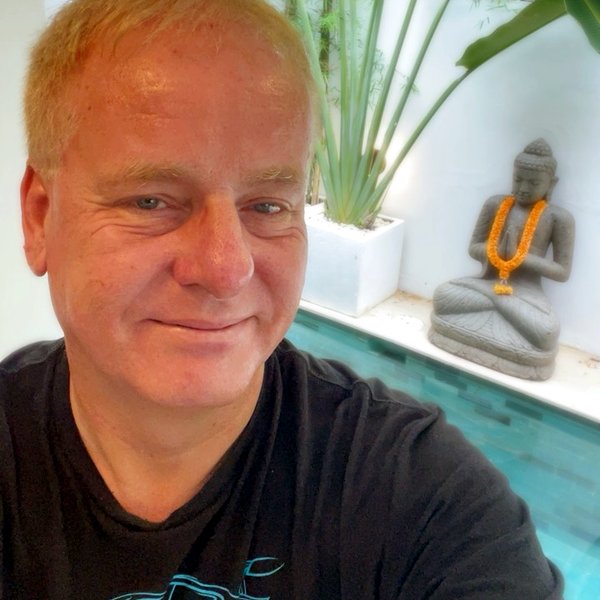
B.A. (MIT)
Native trilingual
Personally vetted · Strommen’s note
Trilingual since age seven and raised between Mexico City and Düsseldorf, Klaus coaches Spanish and German dialects the way he learned them: by talking.
Specialties
B.A. (MIT)
Native trilingual
Specialties
Personally vetted · Strommen’s note
Trilingual since age seven and raised between Mexico City and Düsseldorf, Klaus coaches Spanish and German dialects the way he learned them: by talking.
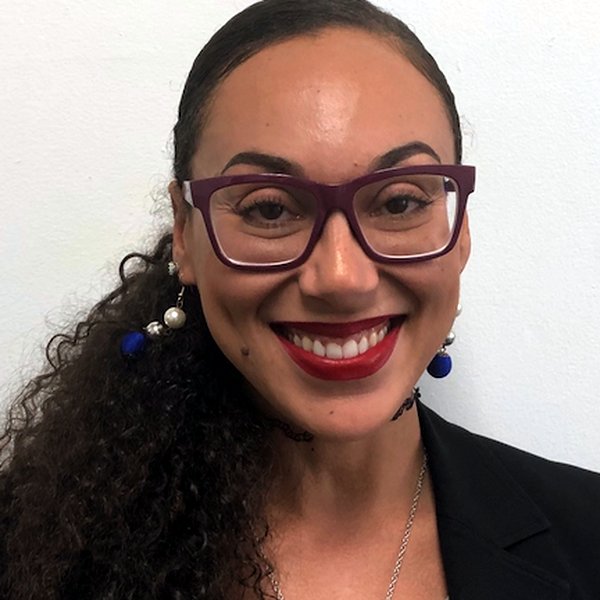

MBA and AS in Recording Arts
Multi-Culti Polyglot Linguist and Sound Engineer
Personally vetted · Strommen’s note
Vanessa speaks seven languages, has a sound-engineering background, and has spent two decades teaching. Her lessons range from accent coaching to art for kids.
Specialties
Also speaks: Chinese, Physics
MBA and AS in Recording Arts
Multi-Culti Polyglot Linguist and Sound Engineer
Specialties
I also speak: Chinese, Physics
Personally vetted · Strommen’s note
Vanessa speaks seven languages, has a sound-engineering background, and has spent two decades teaching. Her lessons range from accent coaching to art for kids.
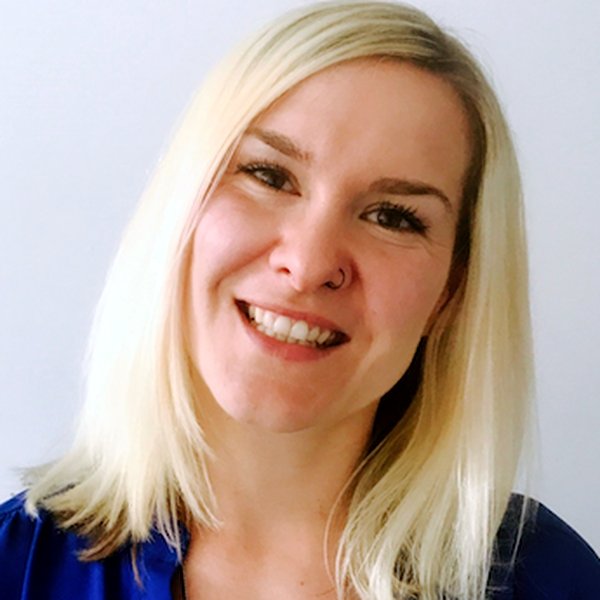
Bachelor
Stephanie from Austria: German Tutor with a Passion for Languages and Music!
Specialties
Bachelor
Stephanie from Austria: German Tutor with a Passion for Languages and Music!
Specialties
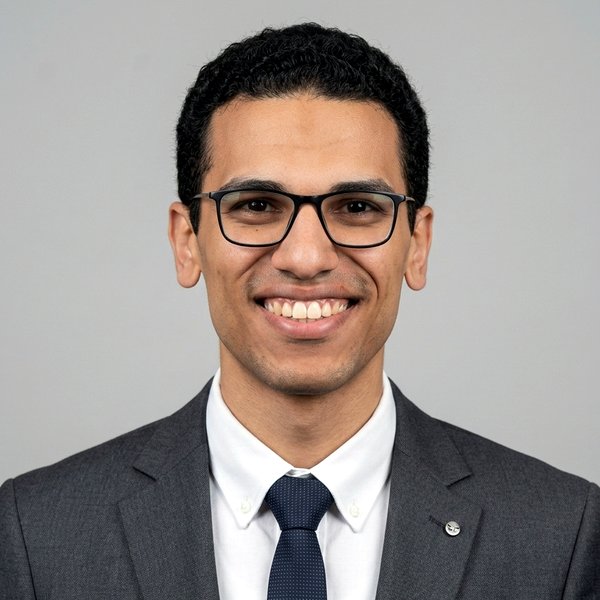

Bachelor of Education (B.Ed.) and pursuing a degree in Aerospace Engineering.
English, German, and Arabic classes
Personally vetted · Strommen’s note
Arabic, English, and German sit alongside AP Calculus and AP Physics on Omar's schedule, a genuinely rare tutor who crosses from language straight into STEM.
Specialties
Also speaks: French, Italian, Spanish
Bachelor of Education (B.Ed.) and pursuing a degree in Aerospace Engineering.
English, German, and Arabic classes
Specialties
I also speak: French, Italian, Spanish
Personally vetted · Strommen’s note
Arabic, English, and German sit alongside AP Calculus and AP Physics on Omar's schedule, a genuinely rare tutor who crosses from language straight into STEM.
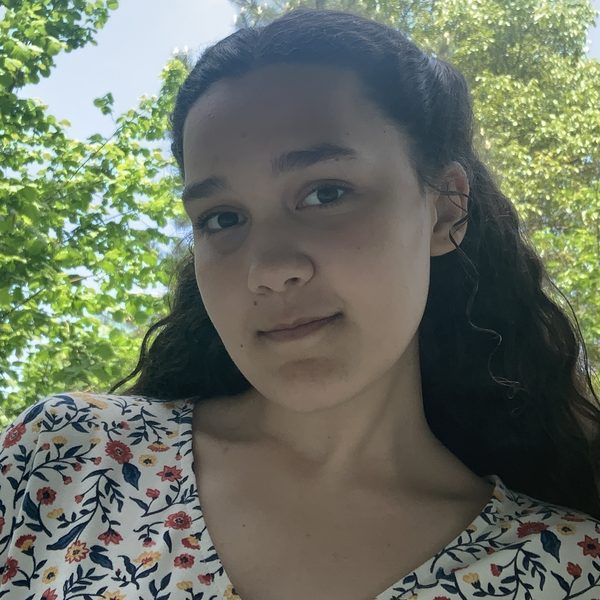
I am currently in my sixth semester of my Philosophy & Theater, Film, Media science Bachelor
German and Spanish Native Speaker
Personally vetted · Strommen’s note
A native German and Spanish speaker based in Vienna, Sophie mixes grammar, readings, and conversation deliberately, to keep lessons from repeating.
Specialties
I am currently in my sixth semester of my Philosophy & Theater, Film, Media science Bachelor
German and Spanish Native Speaker
Specialties
Personally vetted · Strommen’s note
A native German and Spanish speaker based in Vienna, Sophie mixes grammar, readings, and conversation deliberately, to keep lessons from repeating.

High School Graduation
German Poet available for conversational German classes
Specialties
High School Graduation
German Poet available for conversational German classes
Specialties
M.A. in TheologyCertificate of Philosophy
Native Bavarian Speaker and Experienced Tutor in German, English, and More!
Specialties
M.A. in TheologyCertificate of Philosophy
Native Bavarian Speaker and Experienced Tutor in German, English, and More!
Specialties
B.M. in Vocal Performance, Augsburg College, Minneapolis, MNM.M. in Classical Voice, Manhattan School of Music, New York, NY
Your anchor on the stormy seas of German learning.™
Personally vetted · Strommen’s note
Nicole calls herself, trademark and all, 'your anchor on the stormy seas of German learning.' Sixteen years teaching, Goethe exam prep included.
Specialties
B.M. in Vocal Performance, Augsburg College, Minneapolis, MNM.M. in Classical Voice, Manhattan School of Music, New York, NY
Your anchor on the stormy seas of German learning.™
Specialties
Personally vetted · Strommen’s note
Nicole calls herself, trademark and all, 'your anchor on the stormy seas of German learning.' Sixteen years teaching, Goethe exam prep included.

Sprachgefühl — culture & cadence
5 ways to sound like you actually speak Hochdeutsch
These aren't textbook expressions. They're the everyday words and habits that separate people who've spent real time in German-speaking countries from those who've just done classroom German. Screenshot to share.
-
01
Doch
The little word that has no clean English equivalent. Doch can mean "yes" (specifically as a positive response to a negative question), "after all", "however", or function as an intensifier, depending on context. Native German speakers use it constantly. Mastering doch is one of the small signals that someone has lived with German rather than studied it.
e.g. "Du kommst nicht?" "Doch, ich komme."
-
02
Mach mal Pause
"Take a break." A simple phrase that captures the German cultural priority around the Feierabend, the end-of-work transition into personal time. Germans take breaks seriously, work-life separation seriously, and protect their evenings and weekends in ways American workplaces don't. Hearing this from a colleague is genuine concern, not casual chitchat.
e.g. Du arbeitest schon vier Stunden, mach mal Pause.
-
03
Es ist mir wurscht
"It's all the same to me," literally "it's sausage to me." The casual everyday way of expressing indifference. The southern German variant wurscht (vs. standard wurst) carries a bit of warmth. Worth learning early because casual register matters and "es ist mir egal" is the textbook equivalent that everyone uses but sounds slightly more formal.
e.g. Pizza oder Pasta? Mir wurscht, such du aus.
-
04
Schwarzfahren
"Riding the train without a ticket." Literally "riding black." German public transit operates on the honor system (no turnstiles, no checks at every stop), but inspectors do random checks and the fine is steep (€60+). The word reveals something about German civic culture: there's a name for it because not paying is considered a real social failure, not just a small crime.
e.g. Ich hab' mein Ticket vergessen, ich bin schwarzgefahren.
-
05
Aller guten Dinge sind drei
"All good things come in threes." One of the most-used German proverbs in everyday speech. Germans love proverbs and use them regularly even in casual conversation. Knowing a handful (this one, Ende gut, alles gut, Was Hänschen nicht lernt, lernt Hans nimmermehr) signals comfort with the language beyond textbook level.
e.g. Du hast zwei richtige Antworten. Aller guten Dinge sind drei, versuch's nochmal.
About Hochdeutsch (Standard German)
Hochdeutsch that travels
Hochdeutsch, or Standard German, is the variety spoken in formal contexts, taught in schools, used in news broadcasts, and understood across the entire German-speaking world. Roughly 100 million people speak German as a first language, distributed across Germany (83 million), Austria (8.5 million), Switzerland (5 million German-speakers), Liechtenstein, eastern Belgium, northern Italy (South Tyrol), and Luxembourg. Add second-language speakers and you're well over 130 million. What unites all of them is Hochdeutsch, the formal register that travels. Dialects like Bavarian, Swiss German, Berlinerisch, and Saxon vary enormously, but Hochdeutsch is the lingua franca that everyone learns in school and switches into when speaking to outsiders. If your goal is to function in German across the entire region (for work, study, certifications, or travel), Hochdeutsch is what you learn.
The sound first. Hochdeutsch is precise, consonant-heavy, and grammatically dense compared to English. Vowels are pure (no diphthongization of "o" or "e" the way American English does). Consonants are crisp and not aspirated the way English ones are. The famous German precision in pronunciation is real, and it's part of why German sounds different from English even when the vocabulary overlaps. The umlauts (ä, ö, ü) and the eszett (ß) represent specific sounds Americans need to drill. Schön vs schon, für vs fur, Hose vs Höse aren't subtle distinctions in German, they're full vowel changes. The "ch" sound (as in ich and nicht) is one of the harder sounds for English speakers and gets focused attention in early lessons.
Grammar is where Hochdeutsch has its reputation for being hard, and the reputation is partly earned. German has four cases (Nominative, Accusative, Dative, Genitive), three genders (masculine, feminine, neuter, all assigned to every noun and not predictable from meaning), and articles, adjectives, and pronouns that all change form by case and gender. Verb conjugations are regular for most verbs but have several patterns. Word order is verb-second in main clauses and verb-final in subordinate clauses. Modal verbs and separable-prefix verbs add another layer of structure. For students arriving from English, the first 3-6 months of serious German lessons are mostly grammar absorption. The good news is that German grammar is highly logical once it clicks. There are rules, the rules generally hold, and once you internalize the case system most students find German easier than they expected.
Vocabulary in Hochdeutsch carries some specific features worth noting. German compound nouns are real and famous: Geschwindigkeitsbegrenzung (speed limit), Krankenversicherungsgesellschaft (health insurance company), Aufenthaltsgenehmigung (residence permit). They look intimidating but break down predictably once you know the parts. False friends with English are common (bekommen means to receive, not to become; Gift means poison; also means "so/therefore", not "also"). German loanwords go both ways: English took kindergarten, schadenfreude, zeitgeist; German took Computer, Manager, Coach. The Anglicization of business and tech German is real and accelerating (downloaden, updaten, checken) but Hochdeutsch lessons should ground you in the German-native equivalents first. For broad German foundations our 1,000 most common German words list is a useful supplement.
The regional landscape is what makes Hochdeutsch so useful. Spoken German across the region varies enormously. A Bavarian from rural Lower Bavaria can be hard to understand even for Germans from Hamburg. Swiss German (Schwiizerdütsch) is functionally a different language with separate vocabulary and grammar; Swiss Germans switch to Hochdeutsch when speaking to outsiders. Austrian German has its own vocabulary distinctions (Austrians say Jänner instead of Januar, heuer instead of dieses Jahr, Sackerl instead of Tüte, and Marille instead of Aprikose). Northern German is closer to Hochdeutsch as written; southern German varies more. Hochdeutsch sits above all of this as the formal-register lingua franca. Once you have it, you can navigate the entire region. Adapting to regional accents and slang is an additional layer that comes after solid Hochdeutsch foundations. Our blog post on German dialect varieties sketches the landscape.
A few specific things American students tend to underestimate when starting Hochdeutsch seriously. The first month often feels manageable because German cognates with English are plentiful, then around month two the case system shows up in earnest and progress feels like a wall. This is normal. The case system is the central challenge of German, and it takes consistent daily exposure to internalize. Adjective endings, in particular, look chaotic until they don't. Word order in subordinate clauses (verb at the end) breaks English-trained reading instincts; this also passes with exposure. Capitalization of nouns is a real rule (not optional), and getting it right matters for written German. The TV register vs. spoken register differs more than in English. German speakers shift markedly between formal and casual modes, and matching the register your conversation partner is using is part of the skill. Lessons drill all of these specifically.
Between lessons, German immersion options have gotten excellent. Deutsche Welle (DW) has the best free German-learning content for serious learners: Deutsch Aktuell, Nicos Weg, Slow German News. ARD and ZDF (the public broadcasters) stream news, drama, and documentary in standard Hochdeutsch online. Tatort, the Sunday-evening detective series running since 1970, is the canonical contemporary German drama. Every German watches it and it's available on ARD's streaming. Babylon Berlin for higher-end German prestige TV. Dark (Netflix) for younger viewers. Podcasts: Auf den Tag genau (daily history), Hotel Matze (long-form interviews), Lage der Nation (politics analysis). Reading: Die Zeit and Frankfurter Allgemeine Zeitung for elevated German; Spiegel Online for everyday-news German; Goethe-Institut graded readers for early-stage German. Music spans Rammstein and Tokio Hotel on one end to Helene Fischer and contemporary German indie on the other. The pattern is the same as for any language: pick content you'd consume in English anyway and substitute the German equivalent.
The Strommen Hochdeutsch roster includes native German teachers from Germany, Austria, and Switzerland, plus longtime German-American bilinguals based in the US. Several of our tutors hold German teaching credentials (Goethe-Institut certifications, German Lehramtsausbildung, university-level Germanistik) and some come from non-teaching professional backgrounds in Germany (law, engineering, finance) which they bring to specialty lessons. Each tutor's bio says where they're from (the regional accent they bring), their professional background, and which student profile they fit best. Pricing reflects experience. You can match yourself to a Berlin-based tutor for contemporary urban German, a Munich-based tutor if your goal is Bavaria, a Vienna-based tutor for Austrian German, or a Hamburg-based tutor for the most Hochdeutsch-aligned regional accent. For other German programs, our Goethe certification, Business German, and conversational German specialty pages cover related needs.
Lessons calibrate to your actual goal. Goethe-Zertifikat preparation (A2/B1/B2/C1) is a different curriculum from pre-immigration German for a family move to Berlin, which is different again from PhD-level academic German for someone reading 19th-century scientific literature, which is different from working German for an executive joining a German firm. We don't run a generic Hochdeutsch course. Each lesson is one-on-one, your tutor plans it around your week and your goal, and the trial is free. Existing German is a head start. The most common adjustments for students arriving with school or college German are the case-system internalization, expanding vocabulary into your specific domain, and accent-and-cadence refinement so you sound less like a textbook and more like a competent speaker. For a head-start before lessons begin, our German course page shows the family of related programs. Or just browse the full tutor list and book a trial. Find a tutor whose pace matches yours. Put in the daily reps. The case system clicks; it just takes time.
What you'll cover
Lessons & classes tailored to Hochdeutsch (Standard German)
Hochdeutsch foundations: phonology, cases, gender
The German sound system (umlauts, eszett, the ich-sound, vowel purity), the four-case system (Nominative/Accusative/Dative/Genitive), gender assignment (der/die/das), articles and adjective endings, verb conjugations and word order. Drilled with native-audio exercises, in-context exercises rather than rote tables, and progressive complexity calibrated to your level.
Goethe + TestDaF certification prep
Goethe-Zertifikat A1 through C2 preparation, plus TestDaF (the academic-German exam required for German university admission) and DSH (Deutsche Sprachprüfung für den Hochschulzugang). Sessions cover the four exam modules (Lesen, Hören, Schreiben, Sprechen) plus exam-specific strategy. Mock exams and timed practice included.
Business German, academic German, specialty registers
Industry-specific vocabulary calibrated to your sector: engineering, finance, law, medicine, academia. Email and contract German for business contexts. Academic German for graduate students reading German-language sources or writing papers in German. Conference-presentation prep, interview prep for German-language hiring, German-immersive office onboarding.
Regional accent adaptation, family-move prep, cultural fluency
Adapting to specific regional accents after Hochdeutsch foundations are solid: Bavarian, Berlinerisch, Hamburg, Vienna, Zurich. Pre-move prep for families relocating to Germany, Austria, or Switzerland (school vocabulary, healthcare, civil registration, housing rental). Cultural fluency: Feierabend, work-life codes, the formal-informal register switch, German communication style for Americans.
FAQ
About Hochdeutsch (Standard German) lessons & classes
What's the difference between Hochdeutsch and German?
Hochdeutsch is Standard German: the formal register taught in schools, used in news media, written in newspapers, spoken in formal business and government. "German" colloquially refers to the whole language family including all the regional dialects (Bavarian, Swiss German, Austrian German, Berlinerisch, Saxon, etc.) which can vary enormously. Hochdeutsch is the lingua franca everyone learns and switches into when speaking to outsiders. If you're learning German for serious use, Hochdeutsch is the foundation.
I've heard German is really hard. Is that fair?
Honestly, the first 3-6 months feel harder than other European languages because of the case system, gender assignment, and word order. After that, German becomes easier than many learners expect. The rules are highly logical, vocabulary is largely Germanic and predictable, and once the case system clicks the whole language opens up. Most students who stick through the initial grammar wall find German genuinely fun. Spanish-style "sounds great after three months" isn't German's profile; German is more of a long slope that levels out.
Do you prep for Goethe certifications?
Yes. All levels A1 through C2, plus TestDaF (academic German for university admission) and DSH. Several of our tutors hold Goethe teaching credentials and have specifically prepped students for these exams. Sessions cover the four exam modules (reading, listening, writing, speaking) plus exam-specific strategy. We can do mock exams in real-time conditions before your test date. Goethe certificates are recognized worldwide and required for many German university programs and some German employers.
Will I learn standard German or a specific regional accent?
Foundations are pure Hochdeutsch, the standard register everyone understands across the German-speaking region. Once your Hochdeutsch is solid you can layer on a specific regional accent if your goal is one (Bavaria, Austria, Switzerland, Berlin). Most students don't need this; Hochdeutsch is what natives speak in formal contexts everywhere. If you're moving to Vienna or Munich and want to assimilate, we can match you with a tutor from that region who'll layer in the regional vocabulary and pronunciation patterns.
Are your tutors based in Germany or in the United States?
Both. Our roster includes native German teachers based in Germany (Berlin, Munich, Hamburg, Cologne), Austria (Vienna, Salzburg), and German Switzerland (Zurich, Bern, Basel), all teaching via video. Plus longtime German-American bilinguals based in the US for in-person lessons in Los Angeles and via video everywhere. Time-zone-wise, Germany-based tutors typically have late-afternoon/evening availability that maps to US morning lessons; US-based tutors offer evening flexibility.
How fast can I get to conversational?
Honest answer: 12-18 months of weekly 60-minute lessons plus consistent daily exposure (30-60 minutes of German media, reading, or app practice) to reach comfortable B1-B2 conversational level. Intensive timelines compress this. With 2-3 lessons per week plus 90+ minutes daily exposure, serious students can reach B1 in 6-8 months. Anyone promising 3-month fluency is selling you something. German rewards consistency over intensity, and the case system in particular needs repeated daily exposure to internalize.
What does the trial look like?
30 minutes, free, with the tutor you select. Bring your actual goal: Goethe B2 in 6 months, pre-move prep for Berlin in fall, working German for a new role at a German firm, or just "I always wanted to learn German." The tutor will assess your current level (or starting point if you're at zero), map a curriculum, and you decide whether to continue. Most students continue with the tutor they trialed.
Ready for Hochdeutsch (Standard German) lessons or classes?
Book a free 30-minute trial with one of our personally vetted tutors. Private lessons or small-group classes — your choice.