



Personally vetted instructors
Goethe German Test Preparation tutors, lessons & classes
Guten Tag What German examiners say when they greet you on the morning of the exam.
Personally vetted Goethe-Zertifikat prep tutors. Lessons calibrated to the four-module rubric the Goethe-Institut actually scores against, from A1 through C2, with the diploma the German Ministry of Foreign Affairs recognizes worldwide.
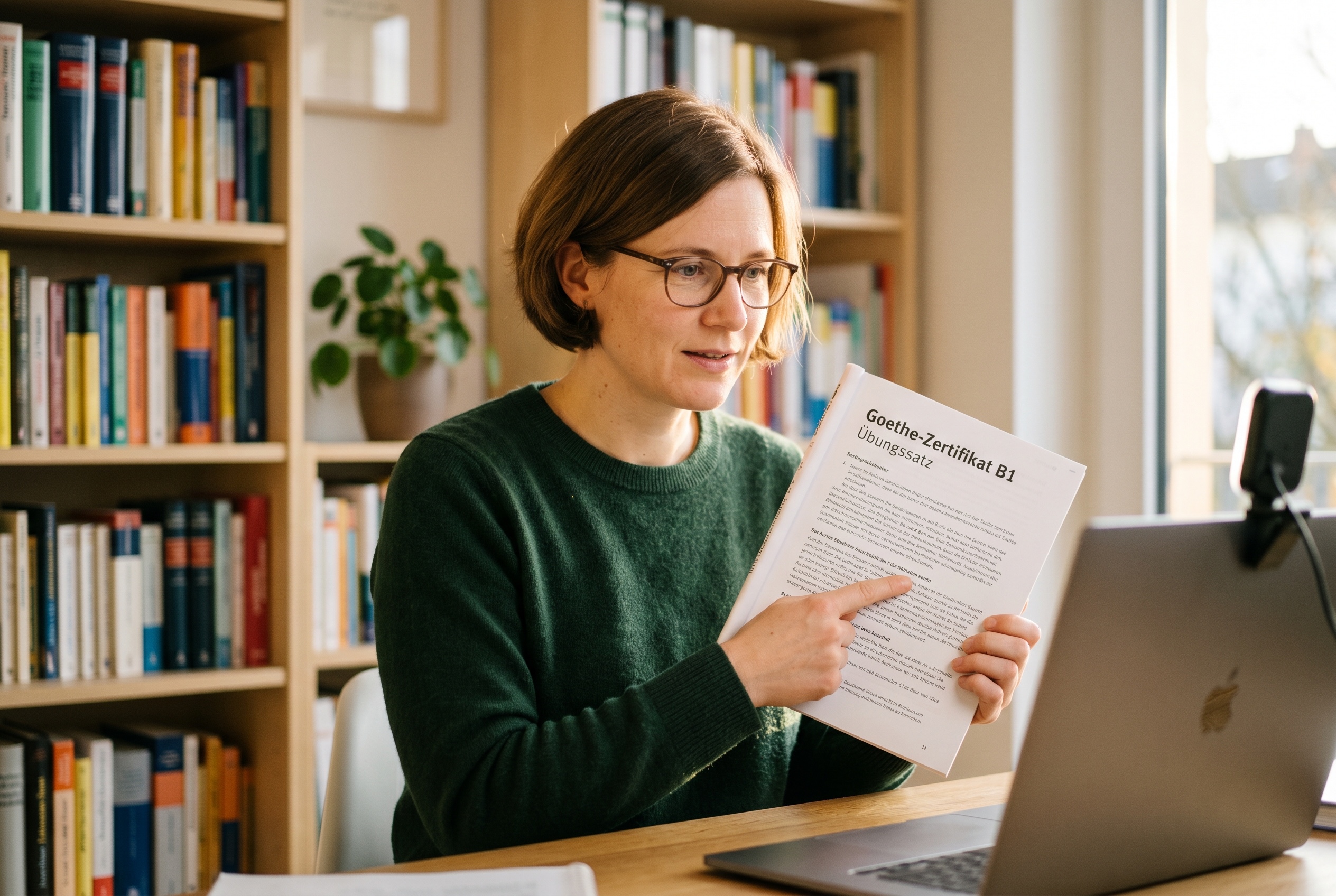
Your instructors
Goethe German Test Preparation tutors for private lessons & classes
Strommen has prepped Goethe-Zertifikat candidates since the diploma started showing up on American university applications and German residency files in serious numbers. Most students arrive with a target exam date, a target level (often B2 for university or A2 for the residency pathway), and an honest sense of one weaker module. Every tutor below was met and vetted by us in person or via thorough video interview. No marketplace. No automated profile-creation. Real teachers with real Goethe-Institut rubric experience.
Filter by location, age, or price. Then book a 30-minute free trial.
Below are the Strommen tutors who prep students for the Goethe-Zertifikat. Photos, ratings, and rates are real. Click any card to read their bio and book a free 30-minute trial.
I want to learn…
Every tutor, personally met. — founder-vetted since 2006, in Los Angeles and online worldwide.
Get a personalized plan
Pick your language — a language advisor will match you with the right tutor and map out your path.

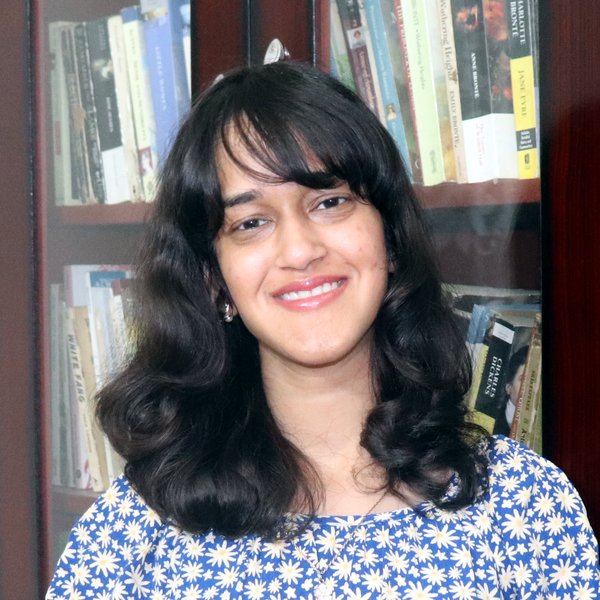


Bachelor of Business Administration (specialized in International Relations) · DELF Examiner, DALF C2, Goethe Zertifikat C1/B2, DELE B1
Join me on your language learning adventure!
Personally vetted · Strommen’s note
Bangalore-based, Yvanka teaches French and German after years at Alliance Française. She started, unusually, as an English teacher in France.
Specialties
Also speaks: English, Italian, Spanish
Bachelor of Business Administration (specialized in International Relations) · DELF Examiner, DALF C2, Goethe Zertifikat C1/B2, DELE B1
Join me on your language learning adventure!
Specialties
I also speak: English, Italian, Spanish
Personally vetted · Strommen’s note
Bangalore-based, Yvanka teaches French and German after years at Alliance Française. She started, unusually, as an English teacher in France.
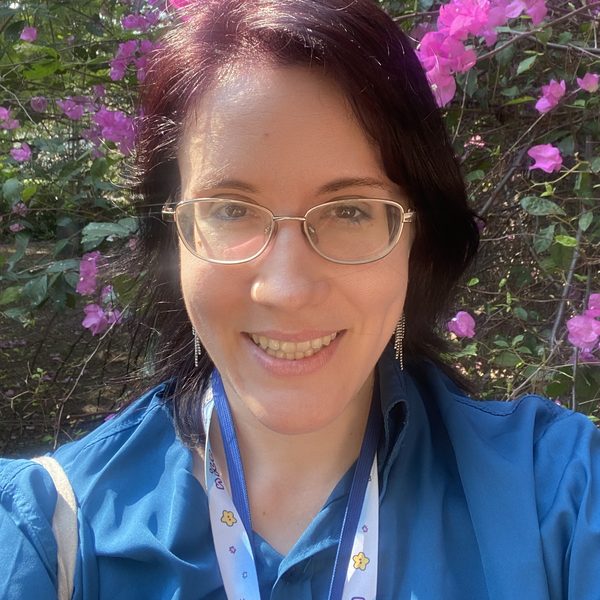
Bachelor of Arts (Teacher certificate from Zurich teachers College) · TESOL, teachers License as a primary educator
Trilingual German, ESL and French teacher with years of experience.
Personally vetted · Strommen’s note
Thirza teaches trilingual German, French, and ESL out of Zurich, with IELTS, TestDaF, and Goethe prep all part of the toolkit.
Specialties
Bachelor of Arts (Teacher certificate from Zurich teachers College) · TESOL, teachers License as a primary educator
Trilingual German, ESL and French teacher with years of experience.
Specialties
Personally vetted · Strommen’s note
Thirza teaches trilingual German, French, and ESL out of Zurich, with IELTS, TestDaF, and Goethe prep all part of the toolkit.
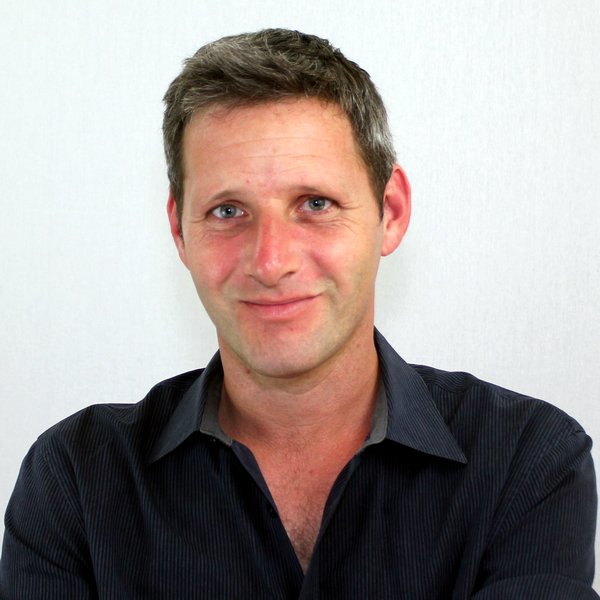
Master German with Emanuel: Published Author Fluent in German, French, and English with a Rich Cultural Background
Personally vetted · Strommen’s note
Emanuel is a published author fluent in three languages, and he's been teaching German with us since 2011.
Specialties
Master German with Emanuel: Published Author Fluent in German, French, and English with a Rich Cultural Background
Specialties
Personally vetted · Strommen’s note
Emanuel is a published author fluent in three languages, and he's been teaching German with us since 2011.
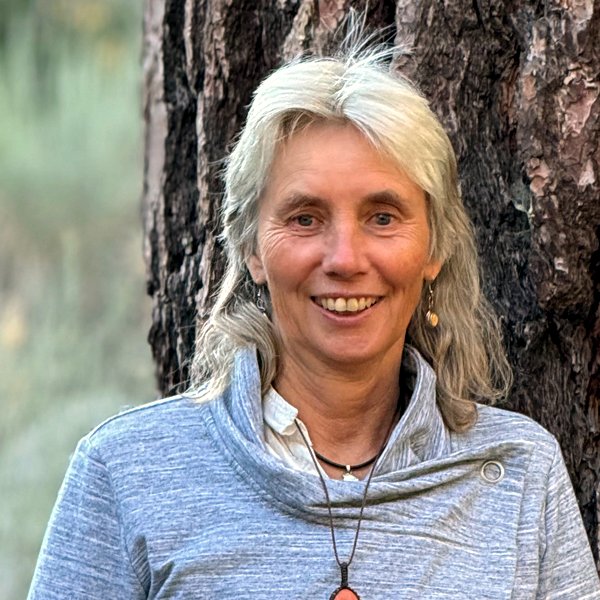

PhD, BSc
PHD with Degree in Swedish and German Linguistics - Arctic researcher, PHD in Biology offering fun and interactive Swedish and German lessons
Personally vetted · Strommen’s note
Carola is a PhD biologist and Arctic researcher with a separate degree in Swedish and German linguistics. She brings that same field rigor into lessons.
Specialties
PhD, BSc
PHD with Degree in Swedish and German Linguistics - Arctic researcher, PHD in Biology offering fun and interactive Swedish and German lessons
Specialties
Personally vetted · Strommen’s note
Carola is a PhD biologist and Arctic researcher with a separate degree in Swedish and German linguistics. She brings that same field rigor into lessons.
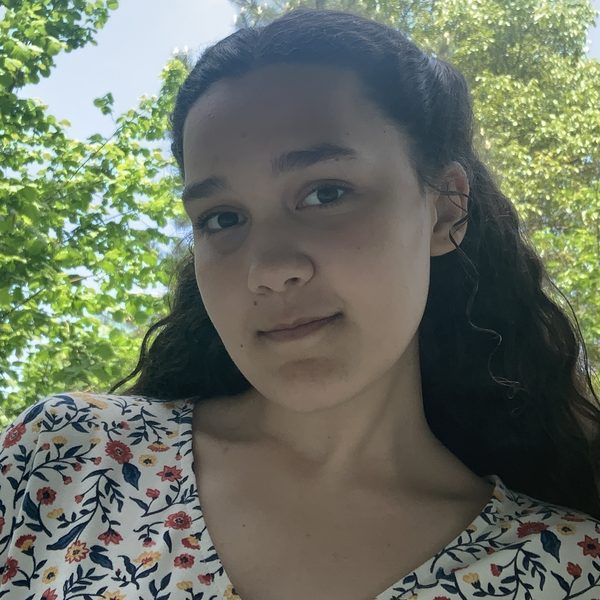
I am currently in my sixth semester of my Philosophy & Theater, Film, Media science Bachelor
German and Spanish Native Speaker
Personally vetted · Strommen’s note
A native German and Spanish speaker based in Vienna, Sophie mixes grammar, readings, and conversation deliberately, to keep lessons from repeating.
Specialties
I am currently in my sixth semester of my Philosophy & Theater, Film, Media science Bachelor
German and Spanish Native Speaker
Specialties
Personally vetted · Strommen’s note
A native German and Spanish speaker based in Vienna, Sophie mixes grammar, readings, and conversation deliberately, to keep lessons from repeating.
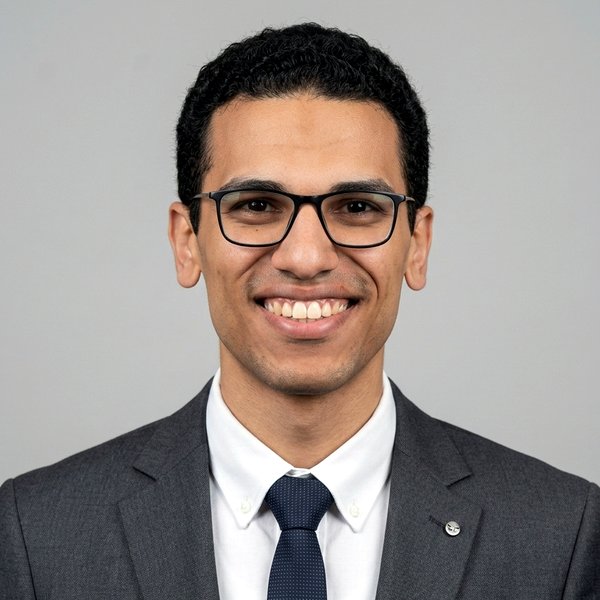

Bachelor of Education (B.Ed.) and pursuing a degree in Aerospace Engineering. · I have a TEFL certification | Certifications in Adobe Graphic Design (Level 1 & 2) for interactive presentations and educational materials.
English, German, and Arabic classes
Personally vetted · Strommen’s note
Arabic, English, and German sit alongside AP Calculus and AP Physics on Omar's schedule, a genuinely rare tutor who crosses from language straight into STEM.
Specialties
Also speaks: French, Italian, Spanish
Bachelor of Education (B.Ed.) and pursuing a degree in Aerospace Engineering. · I have a TEFL certification | Certifications in Adobe Graphic Design (Level 1 & 2) for interactive presentations and educational materials.
English, German, and Arabic classes
Specialties
I also speak: French, Italian, Spanish
Personally vetted · Strommen’s note
Arabic, English, and German sit alongside AP Calculus and AP Physics on Omar's schedule, a genuinely rare tutor who crosses from language straight into STEM.

Bachelor English and Psychology · TEFL, Oxford Aviation Train-the-Trainer Certificate
Your cheat code for German
Specialties
Bachelor English and Psychology · TEFL, Oxford Aviation Train-the-Trainer Certificate
Your cheat code for German
Specialties
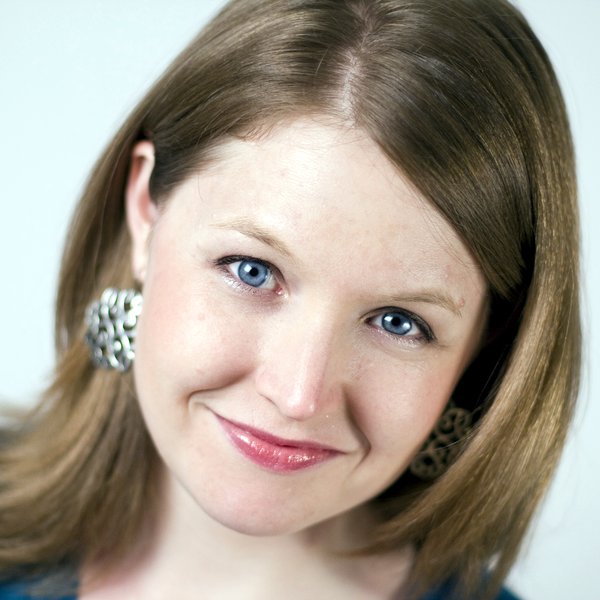
B.M. in Vocal Performance, Augsburg College, Minneapolis, MNM.M. in Classical Voice, Manhattan School of Music, New York, NY · CELTA Certification, Teaching English as a Foreign Language to Adults, University of Cambridge/Hamburg School of English, Hamburg, GermanyDaF Unterrichten, teaching German as a Foreign Language, Goethe-Institut, München, GermanyGoethe-Zertifikat C2 Gro...
Your anchor on the stormy seas of German learning.™
Personally vetted · Strommen’s note
Nicole calls herself, trademark and all, 'your anchor on the stormy seas of German learning.' Sixteen years teaching, Goethe exam prep included.
Specialties
B.M. in Vocal Performance, Augsburg College, Minneapolis, MNM.M. in Classical Voice, Manhattan School of Music, New York, NY · CELTA Certification, Teaching English as a Foreign Language to Adults, University of Cambridge/Hamburg School of English, Hamburg, GermanyDaF Unterrichten, teaching German as a Foreign Language, Goethe-Institut, München, GermanyGoethe-Zertifikat C2 Gro...
Your anchor on the stormy seas of German learning.™
Specialties
Personally vetted · Strommen’s note
Nicole calls herself, trademark and all, 'your anchor on the stormy seas of German learning.' Sixteen years teaching, Goethe exam prep included.

Bachelor’s degree in German as a Foreign/Second LanguageDiploma thesis in the field of German language teachingQualified DaF/DaZ teacher with BAMF certification · BAMF Certificate, ÖIF Certificate, Diploma in German Language Pedagogy
Certified German Tutor (A1–B2) | 26+ Yrs Exp. including multi-year work experience in Germany
Specialties
Bachelor’s degree in German as a Foreign/Second LanguageDiploma thesis in the field of German language teachingQualified DaF/DaZ teacher with BAMF certification · BAMF Certificate, ÖIF Certificate, Diploma in German Language Pedagogy
Certified German Tutor (A1–B2) | 26+ Yrs Exp. including multi-year work experience in Germany
Specialties

Prüfungsstrategie — exam playbook
5 Goethe moves American candidates wish they'd learned earlier
These aren't textbook tips. They're the rubric-aware habits that separate candidates who pass on the first sitting from those who retake a module. Screenshot the infographic, then book a tutor to drill the rest.
-
01
Modules certify independently from B1 up
From Goethe-Zertifikat B1 onward, the four modules (Lesen, Hören, Schreiben, Sprechen) are independently certifiable. You can retake one module on a later date without re-sitting the modules you already passed, then combine the four passes into the full diploma. That makes the weak module the first thing to drill, not the last.
e.g. Pass Lesen + Hören + Sprechen on the spring sitting, retake Schreiben in fall, walk away with the full B2.
-
02
Connectors are graded under Kohärenz
Darüber hinaus, andererseits, im Gegensatz dazu, folglich, dennoch, jedoch, zudem. These argumentative connectors are scored explicitly under Kohärenz on the rubric. A 150-word B2 opinion piece without three or four of them reads as a list of points, not a structured argument. Drill them until they come automatically.
e.g. Darüber hinaus ist der wirtschaftliche Aspekt nicht der einzige Faktor.
-
03
Hold Sie through both speaking parts
The B2 and C1 Sprechen sections use a paired-candidate format. You present, your partner reacts, and the examiner observes both of you. Formal Sie is expected throughout. Candidates who drilled conversational German with friends slip into du the moment the dialogue gets natural, and the register score drops. Practice the paired format specifically, with consistent Sie from greeting to closing.
e.g. Was halten Sie davon? Ich teile Ihre Einschätzung in einem Punkt, aber...
-
04
Case marking is graded under Strukturen
Article and adjective endings carry case (nominative, accusative, dative, genitive). American writers lock in nominative and accusative early but drop dative and genitive endings under time pressure. Strukturen scoring is unforgiving: a paragraph with three case-marking errors loses real points even if the vocabulary is otherwise solid. Build dative and genitive into your weekly writing drills, not just your reading.
e.g. Ich danke meinem Lehrer (dative). Trotz des Regens (genitive). Not meinen Lehrer / trotz dem Regen.
-
05
Drill the real timer from week one
Every past Goethe paper with audio is free on goethe.de. Don't save them for the final month. Sit one full mock under real exam-clock conditions in your second week of prep so you feel the time pressure on Lesen and Hören. Repeat monthly. The single biggest difference between first-sit passers and retakers is timer-aware practice from the start.
e.g. Eine echte Prüfung unter echten Bedingungen: echte Uhr, keine Pausen, kein Wörterbuch.
About Goethe German Test Preparation
Goethe, level by level
The Goethe-Zertifikat is Germany's official German-as-a-foreign-language proficiency exam, awarded by the Goethe-Institut, the cultural institute of the Federal Republic of Germany. It's the German credential recognized by the Federal Foreign Office (Auswärtiges Amt) for visa and naturalization purposes, by German universities for admission alongside or instead of the TestDaF and DSH, by the Federal Office for Migration and Refugees (BAMF) for residency permits, and by German and Austrian employers across regulated fields from medicine to law. One Goethe-Zertifikat diploma equals one CEFR level, and once you earn it the diploma is valid for life with no expiration date. The Goethe family is one of three recognized German proficiency credential families (alongside TestDaF and the Austrian ÖSD); pick the one your destination institution names by name, since they're not always interchangeable for specific use cases. Students looking for the broader German program our tutors teach can start at our main German page.
The exam comes in six CEFR-aligned levels (A1, A2, B1, B2, C1, C2 Großes Deutsches Sprachdiplom), each a separate diploma with its own exam fee, its own registration, and its own four-module battery. Alongside the standard adult versions, the Goethe-Institut also offers age-specific tracks. Goethe-Zertifikat A1: Fit in Deutsch 1 and A2 Fit in Deutsch target school-age candidates roughly 10-16 with age-appropriate prompts, and Goethe-Zertifikat B1 has a parallel youth version. The diploma weight is identical across tracks; the only difference is the topical world the prompts pull from. Pick the track that matches your context rather than the one that feels easier, because the level rubric doesn't change between adult and youth versions.
Each Goethe level tests the same four modules: Lesen (reading), Hören (listening), Schreiben (writing), and Sprechen (speaking). From Goethe-Zertifikat B1 onward, a feature worth understanding shapes how serious candidates prep. The four modules are independently certifiable. You can sit, retake, and pass each module separately, and combining four module passes at the same level produces the full diploma. That changes the prep calculus entirely. A B2 candidate who is rock-solid on Lesen and Hören but weak on Schreiben can drill the weak module, sit only that module on the next exam date, and still walk away with the full B2 certificate. Candidates regularly use this to chip away at the toughest module without retaking the modules they already passed. At A1 and A2 the modules are bundled and sit as one session, but from B1 up the modular structure is the rule, not the exception.
Scoring at each level. Every module is scored out of 100 points. The pass threshold at most levels is 60 out of 100 per module, and the overall diploma requires all four module scores to clear that threshold. The cutoff catches candidates the same way the per-skill floors catch DELF and DELE candidates: a 95 on Lesen cannot rescue a 55 on Schreiben. That arithmetic is the reason serious prep starts with a diagnostic of your weakest module rather than a uniform sweep across all four. Within the diploma you also see a graded designation: gut (good, roughly 80-89), sehr gut (very good, 90-100), and just bestanden (passed) for scores in the 60-79 band. Some institutions ask for gut or sehr gut rather than the bare pass, particularly for selective university programs.
What each level actually asks for. A1 confirms survival-level German: introduce yourself, fill out simple forms, understand short announcements, write a personal note, hold a guided face-to-face exchange. A2 raises the bar to everyday transactions including the kinds of tasks the residency pathway expects: read short articles and notices, write a personal message, hold a roleplay around asking for directions or making an appointment. B1 is where many candidates plateau and the prep curve steepens. The candidate handles longer audio with note-taking, reads multi-paragraph texts requiring inference, writes a structured email of roughly 80 words plus a personal opinion piece, and delivers a presentation followed by interaction. B2, the university-entry threshold for many programs, assesses argumentative competence in German directly. Schreiben at B2 asks for a 150-word structured opinion piece plus a formal letter or complaint, both held to formal register and tight argumentative structure. Sprechen is a paired-candidate format where two test-takers discuss a topic with the examiner observing and scoring both. C1 expands the demands considerably: longer authentic audio at native pace from radio and lectures, multi-source reading tasks where you synthesize across articles, a 200-word opinion essay with explicit thesis development, and a paired oral exam where you present a topic, react to your partner's points, and sustain academic register through the interaction. C2 (Großes Deutsches Sprachdiplom) sits at near-native level, demands fully nuanced register control across spoken and written German, and is typically pursued only by candidates with a specific academic or professional need — teachers of German, interpreters, translators, or those preparing for a German doctoral program.
Time per sitting scales with level. The full A1 exam runs roughly 65 minutes plus a 15-minute oral. A2 is around 70 minutes plus 15 minutes oral. B1 stretches to 165 minutes across modules plus 15 minutes oral (split as a paired exam). B2 totals roughly 190 minutes across the four modules. C1 stretches to about 195 minutes across modules. C2 runs longest at roughly 230 minutes plus the oral exam. The listening sections are non-stoppable. Recordings play once or twice depending on level, and candidates take notes while listening. Reading sections at B2 and above are deceptively timed; candidates routinely run out of time on the reading because they've never practiced under exam clock. Practice with the real timer is not optional.
How our tutors prep candidates. Most lessons start with a placement diagnostic. The tutor administers a past Goethe sample paper from goethe.de at the level you're aiming for (or one level below, if you're not sure). The diagnostic produces a per-module score and surfaces the weakest module, almost always one of the two production sections for American candidates, occasionally the Hören for students whose German was textbook-only. From there, lessons rebalance toward the weak module while keeping the strong modules sharp. Schreiben is drilled with real timed compositions graded against the official rubric (Erfüllung, Kohärenz, Wortschatz, Strukturen). Sprechen is rehearsed as full mock interviews recorded and reviewed, including the paired-candidate format at B2 and above so that interaction patterns become familiar. Listening practice uses authentic German audio (Deutsche Welle, Tagesschau, ARD radio) at level-appropriate pace. Reading practice uses real exam-style documents (press articles, op-eds, advertising, administrative forms) with the same question types the rubric uses. Closer to your exam date, lessons shift to full timed mock papers. A reasonable prep arc is 3-4 months for an A2-to-B1 jump at one or two lessons per week with consistent self-study; B1-to-B2 typically asks for 5-6 months because the argumentative production skills and the formal-register grammar genuinely take longer to build. The modular certification structure from B1 up means you can target the weakest module first instead of trying to bring four modules to passing standard simultaneously.
American candidates share a fairly predictable set of stumble points on the Goethe, and surfacing them early changes the prep arc. The most common one is German word order under time pressure: the verb-second rule in main clauses and the verb-final rule in subordinate clauses get violated as soon as the candidate is writing fast, and the Strukturen score drops. Case marking on articles and adjectives is the next trap. American writers know nominative and accusative but slip on dative and genitive in Schreiben tasks, and consistent case errors pull Wortschatz and Strukturen down even when the vocabulary is otherwise solid. Register slides too informally on the speaking section: sustained Sie is expected through the written and oral exams at B1 and above, and candidates who drilled conversational German with friends often drop into du the moment the dialogue gets natural. A thinner connector layer than examiners expect is another familiar miss. A 150-word B2 opinion piece without darüber hinaus, andererseits, im Gegensatz dazu, or folglich reads as a list of points rather than a structured argument, and the Kohärenz rubric scores down accordingly. And one more thing that surprises candidates: modal particles. Words like doch, mal, eben, halt, schon carry pragmatic weight in spoken German, and absent them, the speaking section sounds robotic to a German examiner used to natural cadence. We drill the whole set through timed writing, recorded speaking, and rubric-aligned grading. The blog post on German gender rules is a useful between-lessons reference for the case-marking work; the pronunciation guide supports the speaking-section drilling.
Between lessons, immerse with German-language media. For listening, Deutsche Welle (DW) runs free leveled news bulletins at slow, medium, and native pace — the slow news (Langsam gesprochene Nachrichten) is purpose-built for B1-level Hören drilling. Tagesschau (ARD) is the gold-standard evening news at native pace for B2 and above. For deeper listening, ARD Audiothek hosts podcasts, radio plays, and documentaries free of charge. The official Hören archive at goethe.de has past exam audio with transcripts; drill these directly. For reading, Die Zeit, Der Spiegel, Süddeutsche Zeitung, and Frankfurter Allgemeine carry argumentative writing at the register the exam rewards. Our 1,000 most common German words list is a vocabulary floor for A2/B1 candidates; B2 and above candidates will need a larger bank including the academic and argumentative register the rubric scores. If you're unsure which CEFR level matches your current German, our CEFR levels explained post walks through what each level means in practice. The post on German learning podcasts is a useful between-lessons listening menu.
The Strommen Goethe roster includes native German teachers trained as Goethe-Institut examiners, Germany-based teachers familiar with the rubric from inside the test-administration system, Austrian and Swiss-based teachers fluent in the High German register the Goethe rubric expects, and longtime US-based teachers with classroom Goethe prep experience drilling American candidates specifically. Several of our Goethe tutors have graded mock papers for years and can tell within a paragraph which rubric category is dragging your score. Each tutor's bio says where they're from, what levels they prep, and what kind of candidate they fit best (school-age Fit in Deutsch, working adult B2 for university or visa, residency-track A2, professional C1 or C2 for academic and licensing contexts). Match yourself to a Germany-resident tutor for immersive audio exposure and rubric familiarity, or to a US-based tutor for in-person weekly lessons and the experience of someone who's watched many American mouths build German production skills from a standing start. For broader German foundations alongside Goethe prep, our Hochdeutsch (standard German) and general German specialty pages cover related programs.
Lessons are one-on-one and calibrated to your actual exam date, target level, and weak module. A Goethe B2 candidate four months out is on a different curriculum from an A1 candidate eight weeks out, and both are different again from a C1 candidate building toward a German master's program. The trial is free, the tutor diagnoses where you actually stand, and from there you decide whether to continue. Candidates who pass on the first sitting share two habits: they drill the official sample papers under real timer pressure from week one rather than waiting until the final month, and they get their writing and speaking graded by someone who knows the rubric, not just by themselves. Browse the tutor list, find a bio that matches your situation, and book the trial.
What you'll cover
Lessons & classes tailored to Goethe German Test Preparation
Diagnostic + Goethe rubric alignment
Your first lesson is usually a diagnostic against a past Goethe sample paper at your target level. The tutor scores all four modules (Lesen, Hören, Schreiben, Sprechen) on the real Goethe-Institut rubric (Erfüllung, Kohärenz, Wortschatz, Strukturen) and identifies your weakest module. Subsequent lessons rebalance toward that weak spot while keeping the strong modules sharp. From B1 up, the modular certification structure lets you target one module at a time if your timeline is tight.
Schreiben drills (the gating step)
Writing is where most American B1 and B2 candidates lose points. Lessons drill structured argumentation (thesis, developed body, synthesis), the connector layer (darüber hinaus, andererseits, im Gegensatz dazu, folglich), case-marking discipline on articles and adjectives, verb-second versus verb-final word order, and the formal-register vocabulary the rubric rewards. Real timed compositions each week, graded against the rubric, with rewrite cycles. Our blog post on German gender and case rules supports this work between lessons.
Sprechen (presentation + paired interaction)
B2 and C1 Sprechen sections use a paired-candidate format: you present a position, your partner reacts, the examiner observes and scores both of you. Lessons rehearse both halves under real prep-time constraints, with the tutor playing the paired-candidate role. Recorded and reviewed for register (sustained Sie), pacing, modal-particle use (doch, mal, eben, halt) that signals natural cadence, and recovery from a stumbled phrase. The pronunciation work runs in parallel; see our German pronunciation guide for the foundations.
Hören, Lesen, and full mock exams
Authentic German audio (Deutsche Welle Langsam gesprochene Nachrichten for B1, Tagesschau and ARD Audiothek at native pace for B2 and above) at level-appropriate speed. Real exam-style reading documents (press articles, opinion pieces, administrative texts, advertising) with the same question patterns the rubric uses. Close to exam date, lessons shift to full timed mock papers using past Goethe papers from the official archive. The single biggest predictor of first-sit pass: timer-aware practice from week one.
FAQ
About Goethe German Test Preparation lessons & classes
Which Goethe level should I sit?
Match the level to your goal, not your comfort. For admission to a German university, B2 is the common threshold and many programs require C1 in the major language of instruction. For the German residency permit pathway, A1 is typically the entry minimum for a spouse visa and B1 is required for naturalization. For visa purposes, the German consulate or your destination institution names the level by name; verify the current rule with the consulate or admissions office before registering. For personal satisfaction without an external requirement, sit the level that feels honestly achievable in 3-6 months of weekly lessons plus self-study; passing one level above where you currently sit is realistic, two levels above is rarely worth the stress. The free trial includes a placement diagnostic so the tutor can recommend the right level for your timeline.
What's the difference between Goethe-Zertifikat, TestDaF, and ÖSD?
All three are CEFR-aligned German proficiency exams. The Goethe-Zertifikat is the Goethe-Institut credential, awarded across all six CEFR levels (A1 to C2), with lifetime validity. TestDaF is the academic German exam from g.a.s.t. e.V., scored on its own TDN scale (TDN 3 to TDN 5), accepted by German universities specifically and not commonly used outside the academic context. The ÖSD is the Austrian counterpart, awarded by the ÖSD organization in Vienna, also CEFR-aligned and broadly accepted by German-speaking institutions. Pick the credential your destination institution names by name. For visa, residency, and most non-academic credentialing, Goethe is the standard. For German university admission specifically, either Goethe or TestDaF works for most programs; verify with the admissions office.
Can I sit and pass one module at a time?
Yes, from Goethe-Zertifikat B1 onward. The four modules (Lesen, Hören, Schreiben, Sprechen) are independently certifiable. You can sit only the modules you need, retake a single weak module after a fail, and combine four module passes at the same level into the full diploma. That's a meaningful prep advantage: a candidate strong in three modules can focus all prep hours on the fourth instead of bringing four modules to passing standard simultaneously. At A1 and A2 the modules are bundled and sit as one combined session, so the single-module-retake option starts at B1.
How long does Goethe prep take?
Depends on your starting level and target level. An A2-to-B1 jump typically takes 3-4 months at one or two weekly lessons plus consistent self-study. B1-to-B2 usually takes 5-6 months because the argumentative production skills and the formal-register grammar genuinely take longer to build. There's no shortcut around writing a lot of structured German prose, getting it graded, and rewriting under feedback. B2-to-C1 is 6-9 months for most candidates. C1-to-C2 typically takes a year or more and is usually only pursued by candidates with a specific academic or professional need. Intensive daily lessons can compress these timelines but the writing development is the gating factor.
What's the pass threshold?
At most levels, 60 out of 100 points per module, with the full diploma requiring every module to clear that threshold. A 95 on Lesen cannot rescue a 55 on Schreiben; the module floor is the binding constraint. Above that floor, scores translate into the descriptor on the diploma: roughly 60-79 is just bestanden (passed), 80-89 is gut (good), and 90-100 is sehr gut (very good). Some selective university programs ask for gut or higher rather than the bare pass, so confirm your target with the admissions office before registering.
Where do I actually sit the Goethe exam?
The Goethe-Institut runs the exam through a global network of authorized test centers. In the United States, the Goethe-Institut maintains centers in New York, Washington DC, Chicago, San Francisco, Los Angeles, and Boston, plus a wide network of authorized partner schools and universities in other cities. Sessions typically run several times per year per center. Registration deadlines are usually 4-6 weeks before each session. Check goethe.de for the current center list and session calendar. Outside the US, the network extends across Europe, Latin America, Asia, and Africa, with Goethe-Instituts in nearly every major city.
Can I take Goethe prep lessons online?
Yes, and most candidates do. Most of our Goethe tutors prep students entirely online via Zoom or Jitsi, which works well because the exam-prep workflow is suited to video: timed essay drills with shared screens, recorded speaking practice with playback, sample paper review with annotated notes. The paired-candidate format at B2 and above is also drillable online; the tutor plays the paired-candidate role and adjusts the difficulty as needed. Several tutors also offer in-person lessons for candidates who prefer face-to-face work. The booking widget on each tutor's profile shows available formats and locations.
Is the Goethe-Zertifikat valid for life?
Yes. Once you pass a Goethe-Zertifikat at a given level, the diploma is valid for life with no expiration date. That makes the prep one of the highest-leverage uses of structured tutoring hours available in adult German learning. Some institutions, particularly German universities and certain visa categories, may ask for a diploma issued within the last two years even though the credential itself doesn't expire; that's an institutional preference rather than a Goethe-Institut policy. If you sat the exam more than two years before applying somewhere selective, ask the admissions or consular office whether they'll accept the older diploma before assuming you need to retake.
Ready for Goethe German Test Preparation lessons or classes?
Book a free 30-minute trial with one of our personally vetted tutors. Private lessons or small-group classes — your choice.