



Personally vetted instructors
HSK tutors, lessons & classes
你好 nǐ hǎo The first word on the HSK 1 vocabulary list.
Personally vetted HSK tutors. Prep built around the level you actually need, the official exam format, and a tutor who knows which standard the test is using.

Your instructors
HSK tutors for private lessons & classes
Strommen has been teaching Chinese since 2006, and HSK prep has always been a particular request from students with a deadline, a university application, a visa requirement, or an employer's score threshold to clear. Every tutor below was met and vetted by us in person. No marketplace. No automated profile-creation. Real teachers with real backgrounds, which you can read about in their bios.
Filter by location, age, or price. Then book a 30-minute free trial and tell the tutor which HSK level and which standard you are aiming for.
Below are the Strommen tutors who specialize in HSK preparation. Photos, ratings, and rates are real. Click any card to read their bio and book a free 30-minute trial.
I want to learn…
Every tutor, personally met. — founder-vetted since 2006, in Los Angeles and online worldwide.
Get a personalized plan
Pick your language — a language advisor will match you with the right tutor and map out your path.

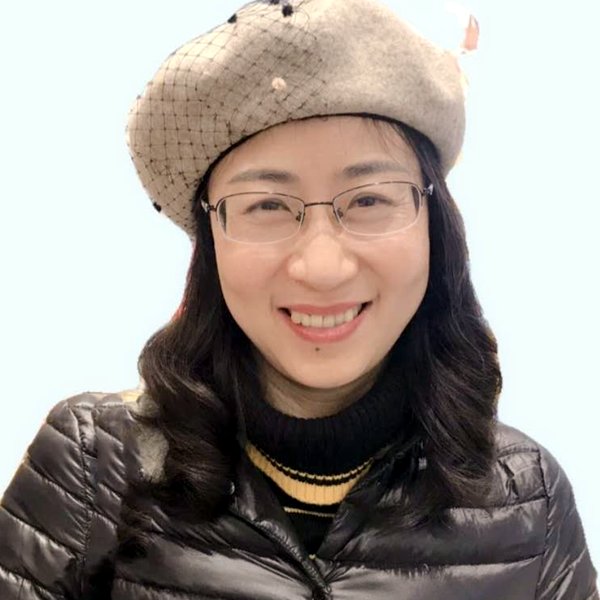
Masters degree
Expert University Teaching with a Friendly Touch: Professional, Engaging, Effective . #1 Mandarin Tutor at Strommen working with Corporate Clients, Kids + Individuals.
Personally vetted · Strommen’s note
Before joining Strommen, Linna spent twenty-five years teaching Chinese language and literature at a university in China.
Specialties
Masters degree
Expert University Teaching with a Friendly Touch: Professional, Engaging, Effective . #1 Mandarin Tutor at Strommen working with Corporate Clients, Kids + Individuals.
Specialties
Personally vetted · Strommen’s note
Before joining Strommen, Linna spent twenty-five years teaching Chinese language and literature at a university in China.
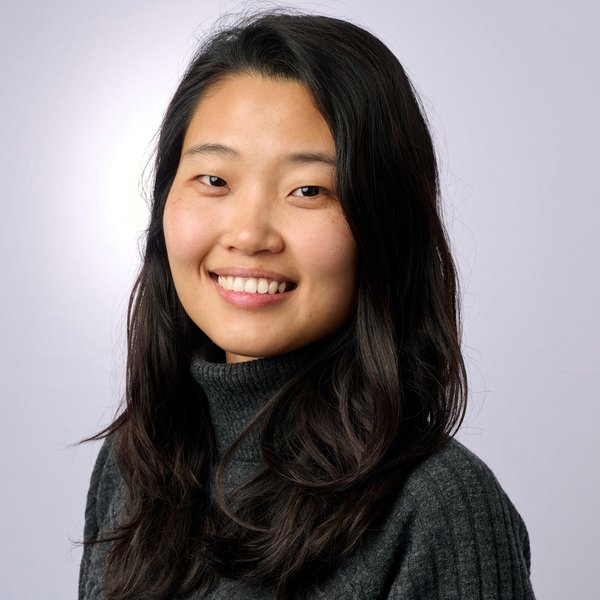

Masters in education
Looking forward to sharing Chinese language and culture with you.
Personally vetted · Strommen’s note
Simone's Chinese lessons stay interactive by design, heavy on student practice time, light on lecture.
Specialties
Masters in education
Looking forward to sharing Chinese language and culture with you.
Specialties
Personally vetted · Strommen’s note
Simone's Chinese lessons stay interactive by design, heavy on student practice time, light on lecture.
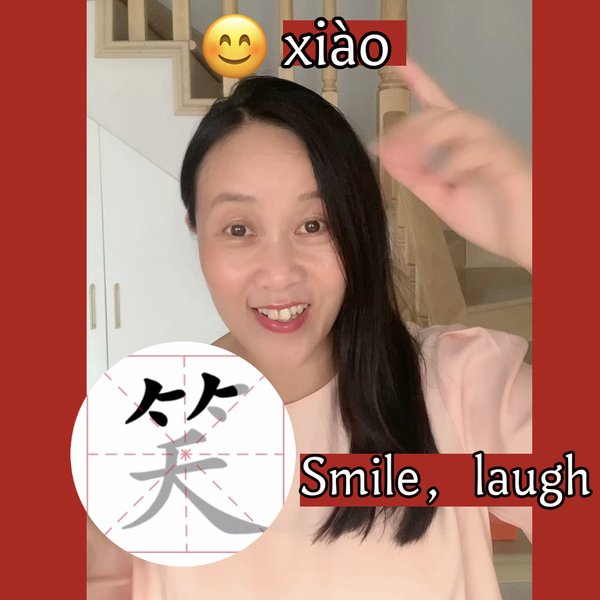
• BA major in History & Cultural comparison •
Practical & Interactive Chinese Classes From an Experienced Trainer
Personally vetted · Strommen’s note
Cathy went from Whitman College exchange instructor to Shanghai corporate Chinese trainer, and she teaches practical, business-ready Mandarin now.
Specialties
• BA major in History & Cultural comparison •
Practical & Interactive Chinese Classes From an Experienced Trainer
Specialties
Personally vetted · Strommen’s note
Cathy went from Whitman College exchange instructor to Shanghai corporate Chinese trainer, and she teaches practical, business-ready Mandarin now.
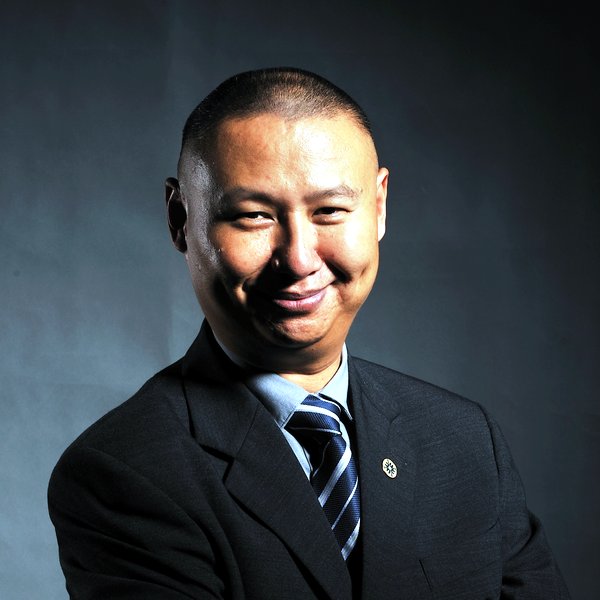
Master of Science
Learn the language, live the culture
Personally vetted · Strommen’s note
Bill's whole premise is that language and culture can't really be separated. His lessons are built around both together.
Specialties
Master of Science
Learn the language, live the culture
Specialties
Personally vetted · Strommen’s note
Bill's whole premise is that language and culture can't really be separated. His lessons are built around both together.
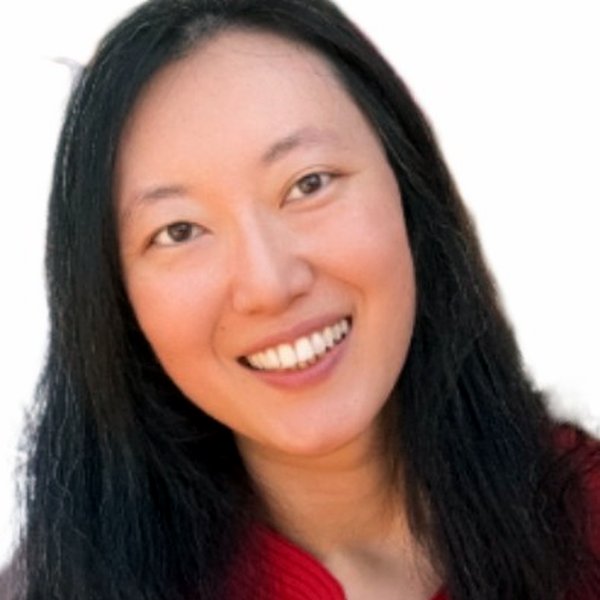
Bachelor's degree
Native Chinese Tutor in Tianjin with C1 English level
Personally vetted · Strommen’s note
A native Chinese speaker in Tianjin with C1 English herself, Xin opens every lesson by asking flatly what's been giving the student trouble.
Specialties
Bachelor's degree
Native Chinese Tutor in Tianjin with C1 English level
Specialties
Personally vetted · Strommen’s note
A native Chinese speaker in Tianjin with C1 English herself, Xin opens every lesson by asking flatly what's been giving the student trouble.
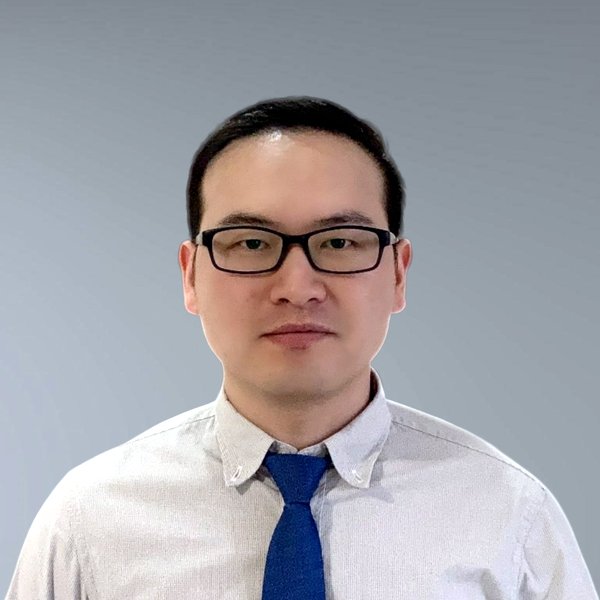

Bachelor’s degree
Making Chinese learning fun and easy.
Personally vetted · Strommen’s note
Wenlong opens every Chinese lesson with a four-skills check, listening, speaking, reading, writing, before deciding where to focus.
Specialties
Also speaks: English, German
Bachelor’s degree
Making Chinese learning fun and easy.
Specialties
I also speak: English, German
Personally vetted · Strommen’s note
Wenlong opens every Chinese lesson with a four-skills check, listening, speaking, reading, writing, before deciding where to focus.
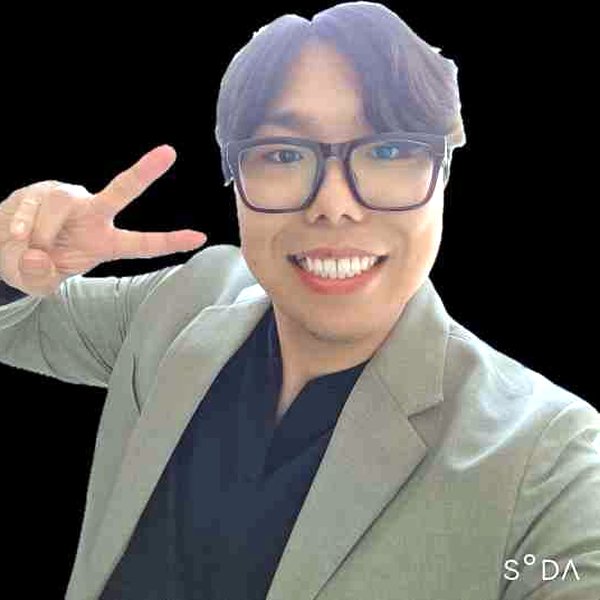


Bachelor's degree
Light, Learning, Growth your languages.
Personally vetted · Strommen’s note
Jihoon starts with pronunciation basics, tongue position included, before moving into grammar. He teaches Chinese and Korean both, out of Bogotá.
Specialties
Also speaks: Japanese
Bachelor's degree
Light, Learning, Growth your languages.
Specialties
I also speak: Japanese
Personally vetted · Strommen’s note
Jihoon starts with pronunciation basics, tongue position included, before moving into grammar. He teaches Chinese and Korean both, out of Bogotá.
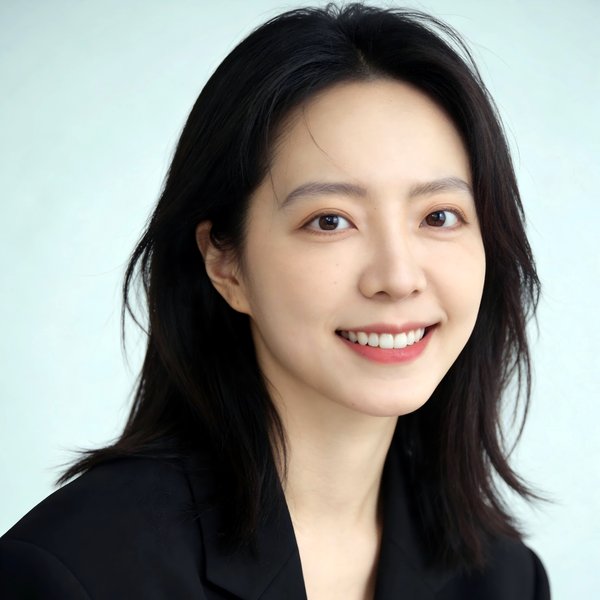
Master
🏆Certified Pro(10Y+) | 🚀Fix Your Speaking Fast (HSK & Business Expert) | 🗣️Real Life Conversation | 💬Fluency & Pronunciation
Personally vetted · Strommen’s note
Before Strommen, Misty taught Chinese to students from more than thirty countries. Now she curates a plan instead of a textbook.
Specialties
Also speaks: English, Korean
Master
🏆Certified Pro(10Y+) | 🚀Fix Your Speaking Fast (HSK & Business Expert) | 🗣️Real Life Conversation | 💬Fluency & Pronunciation
Specialties
I also speak: English, Korean
Personally vetted · Strommen’s note
Before Strommen, Misty taught Chinese to students from more than thirty countries. Now she curates a plan instead of a textbook.
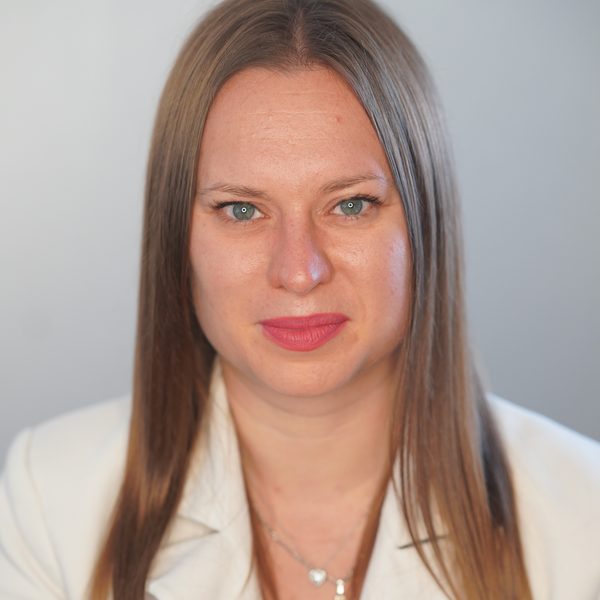
Specialization (5 years) at Blagoveshchensk State Pedagogical University Major - Chinese language teacher with an additional specialty as an English language teacher.Postgraduate studies at the Moscow State University of Management, Faculty of Philoso...
Chinese language, Mandarin, Chinese tutor, Mandarin tutor,
Specialties
Specialization (5 years) at Blagoveshchensk State Pedagogical University Major - Chinese language teacher with an additional specialty as an English language teacher.Postgraduate studies at the Moscow State University of Management, Faculty of Philoso...
Chinese language, Mandarin, Chinese tutor, Mandarin tutor,
Specialties

加油 — phrases & culture
5 phrases that carry you through HSK prep
These are the everyday Mandarin expressions that come up in lessons, in study groups, and in the exam room itself. Screenshot them. Then book a tutor to learn the rest.
-
01
加油 (jiā yóu)
Literally "add oil." The all-purpose Mandarin cheer of encouragement: "go," "you can do it," "keep going." It is what classmates say to each other before an exam and what a tutor says to a student facing the next level up. You will hear it constantly during HSK prep.
e.g. 加油,你一定可以的!(Jiā yóu, nǐ yídìng kěyǐ de!): "Go for it, you can definitely do this!"
-
02
厉害 (lìhai)
"Impressive," "skilled," "formidable." Used to express genuine admiration for someone's ability. It carries a slight edge: calling someone 厉害 implies they are not just good but almost intimidating in their goodness. A tutor saying your Chinese is 厉害 is real praise.
e.g. 你的中文真厉害!(Nǐ de Zhōngwén zhēn lìhai!): "Your Chinese is really impressive!"
-
03
慢慢来 (màn man lái)
"Take it slow," "no rush." The reassuring phrase a tutor uses to calm a student who is anxious or hurrying. It reflects a cultural value of patience and not forcing things, which matters when HSK 4 looks like a wall after the quick wins of HSK 1-2.
e.g. 别紧张,慢慢来。(Bié jǐnzhāng, màn man lái.): "Don't be nervous, take it slow."
-
04
给力 (gěi lì)
"Awesome," "powerful," "comes through." Internet-origin slang that went mainstream around 2010 and is now broadly accepted, even on state media. Used to praise something that delivers: a study method that works, a practice set that hits, a teammate who came through.
e.g. 这个练习真给力!(Zhège liànxí zhēn gěilì!): "This practice set really delivers!"
-
05
真的假的 (zhēn de jiǎ de)
"For real?" "Are you serious?" An expression of surprise or mild disbelief, the polite version of "no way." It pairs naturally with 不会吧 (bù huì ba). The phrase study partners use when someone passes a level faster than expected.
e.g. One friend says 我过了HSK五级!(Wǒ guò le HSK wǔ jí!), "I passed HSK 5!" The other answers 真的假的?(Zhēn de jiǎ de?), "For real?"
About HSK
Prep for the real exam
The mistake that costs HSK students the most time is studying for the wrong exam. There are two HSK standards in active use right now. The older HSK 1-6, introduced in 2010, is still the test most candidates sit, and most testing infrastructure outside mainland China runs on it. The newer HSK 3.0, introduced in 2021, expands to nine levels and is what mainland universities increasingly reference. Both are accepted. They are not interchangeable. A student who drills the old 5,000-word HSK 6 list, then walks into a 3.0 exam, has prepared for a different test. The first job of a good HSK tutor is to ask which version your university or employer actually wants, and to build the prep around that answer.
HSK is the official proficiency exam administered by Chinese Testing International, the body that took over from Hanban after its 2020 reorganization. It is a vocabulary-and-character ladder. HSK 1 asks for 150 words and survival-level self-introduction. HSK 2 doubles that to 300. By HSK 4 you are at 1,200 words and roughly 1,000 characters, able to discuss broader topics in some detail. HSK 5 and 6 reach 2,500 and 5,000-plus words, the range where you can read a Chinese newspaper or sit through a lecture. Each rung up the ladder is a real jump in study hours.
The exam is not just a vocabulary quiz, which is where self-study students tend to lose points. HSK 1-2 has two sections, Listening and Reading, with pinyin printed above the characters early on and phased out by HSK 3. From HSK 3 up there are three sections, Listening, Reading, and Writing. The writing section starts with rearranging given words into a grammatical sentence and grows into short essays of 80 characters and more at the top levels. Knowing the task types matters as much as knowing the words. A student who can read a passage but has never practiced the timed true-or-false listening format will lose points to the clock, not to comprehension.
Scoring is its own thing to understand. HSK 1-2 is 200 points, 120 to pass. HSK 3-6 is 300 points, 180 to pass. But for HSK 5 and 6, many programs do not ask for a pass at all. They ask for a specific score, and a tutor who knows that will plan toward the number your institution named rather than toward a generic pass line. The two-standard problem and the score-target problem are exactly the things a Strommen tutor sorts out in the first lesson.
The HSK tutors below have walked students through the listening drills, the character writing, and the timed practice sets that the exam rewards. Some are native speakers who took or now administer the test. Others are longtime teachers who have prepped HSK candidates for years and know where students stall. Each tutor's bio says what they prep for and which standard they are current on, because not every HSK tutor has fully moved over to 3.0, and you should know that before you book. If you are weighing how an HSK level lines up with the European framework you may already know, our blog post on HSK versus CEFR is a useful starting point between lessons.
What you'll cover
Lessons & classes tailored to HSK
Which standard, which level
The first thing lessons sort out is which exam you are actually preparing for. We map your goal, whether it is a mainland university that references HSK 3.0, an overseas program asking for HSK 1-6, or an employer naming a specific score, against the right standard and the right level. From there your tutor builds a study plan to the vocabulary and character targets that level requires, so you are not over-preparing or aiming at the wrong list. The blog post on HSK versus CEFR helps if you are translating between frameworks.
The four exam sections, drilled
HSK rewards format familiarity as much as vocabulary. Lessons drill the Listening section with timed audio in the multiple-choice and true-or-false formats the test uses, the Reading section with character-matching and passage questions, and from HSK 3 up the Writing section, which moves from rearranging given words into a grammatical sentence to writing essays of 80 characters and more. The speaking component at higher levels of the new standard is practiced too. You walk into the exam room having already seen every task type.
Vocabulary and characters at level
Each HSK rung is a defined vocabulary and character load: 150 words at HSK 1, 1,200 by HSK 4, 5,000-plus by HSK 6. Lessons work the level-specific lists with spaced review, plus character writing, since the newer standard puts more weight on handwriting than the old test did. We pair list work with reading practice so words are learned in context, not as flashcard isolates. Our list of the top 100 basic Chinese words is a useful warm-up for HSK 1-2 candidates.
Timed practice and score targets
Knowing the material is not the same as scoring well under a clock. Lessons include full timed practice sets so pacing becomes automatic, with your tutor reviewing where points were lost and why. Because HSK 5 and 6 are often graded on a specific score rather than a simple pass, we plan toward the number your institution named. Your tutor sets concrete weekly targets at the trial lesson and adjusts as practice scores come in. Realistic, not magical.
FAQ
About HSK lessons & classes
What is the HSK exam?
HSK is the official standardized Mandarin proficiency exam, administered by Chinese Testing International (the body that took over from Hanban after its 2020 reorganization). It measures vocabulary, character knowledge, listening, reading, and at higher levels writing and speaking. Universities and employers use HSK scores to verify a candidate's Chinese ability.
What is the difference between HSK 1-6 and HSK 3.0?
There are two HSK standards in active use. HSK 1-6, introduced in 2010, has six levels and is still the version most candidates take, with the bulk of testing infrastructure outside mainland China. HSK 3.0, introduced in 2021, expands to nine levels and is increasingly referenced by mainland universities. Both are currently accepted. Before you start studying, confirm with your university or employer which standard they want, because the vocabulary lists and structure differ.
Which HSK level do I need?
It depends entirely on why you are taking it. Many undergraduate programs in China ask for HSK 4 or 5. Graduate programs often want HSK 5 or 6. Some employers name a specific score rather than a level. HSK 1 covers 150 words and survival phrases, HSK 4 reaches 1,200 words, and HSK 6 reaches 5,000-plus. Bring the exact requirement to your trial lesson and your tutor will build the plan around it.
How long does it take to prepare for an HSK level?
For a motivated adult with no Mandarin background, conservative estimates run roughly 2 to 3 months for HSK 1, 6 to 9 months for HSK 3, 12 to 18 months for HSK 4, and several years for HSK 5 and 6. Students who study only during lessons take roughly double those timelines. Heritage learners with passive Mandarin exposure typically move faster through the early levels but converge with everyone else around HSK 4 to 5. Your tutor will give you a realistic timeline at the trial.
How is the HSK exam scored?
HSK 1-2 is scored out of 200 points, with 120 needed to pass. HSK 3-6 is scored out of 300 points, with 180 to pass. One thing to know: for HSK 5 and 6, many programs do not require a pass at all. They ask for a specific score. If that is your situation, tell your tutor the target number so the prep is planned toward it rather than toward a generic pass line.
Can I take HSK lessons online or only in person?
Both. Many of our HSK tutors teach online via Zoom or Jitsi and are available globally, which suits students preparing for the exam on a deadline from anywhere. Several also teach in person. The booking widget on each tutor's profile shows their available formats. You can also take HSK-focused sessions as part of our broader Chinese classes.
Are your HSK tutors current on the new standard?
Not every HSK tutor has fully moved to HSK 3.0 yet, which is why each tutor's bio specifies which standard they prep for. When you book, tell the tutor which version you need. If you are aiming at the new standard's advanced HSK 7-9 tier specifically, ask the tutor directly about their experience at that level, since the advanced exam is still rolling out and is the area where prep experience varies most.
I already know some Mandarin. Where do I start?
Your existing Mandarin is a head start. Most students begin with a 30-minute free trial where the tutor assesses your current level against the HSK ladder and identifies the gap to your target. From there you build forward toward the specific vocabulary, character, and section-format targets your level requires, rather than relearning from scratch.
Ready for HSK lessons or classes?
Book a free 30-minute trial with one of our personally vetted tutors. Private lessons or small-group classes — your choice.