



Personally vetted instructors
Conversational French tutors, lessons & classes
Salut ! The casual French "hi" you'll use with anyone you'd switch to <em>tu</em> with.
Personally vetted Conversational French tutors. Lessons that drop the textbook stiffness and rebuild your French around how French people actually speak — clipped, casual, filler-laden, and full of the small registers your classroom French never covered.

Your instructors
Conversational French tutors for private lessons & classes
Strommen has been teaching conversational French since 2006. Most of our French students arrive somewhere between high school French muscle memory and a year abroad twenty years ago, and what they actually want is to feel natural again, not to relearn the conditional. Every tutor below was met and vetted by us in person or via thorough video interview. No marketplace. No automated profile-creation. Real teachers with real backgrounds in conversational French instruction.
Filter by location, age, or price. Then book a 30-minute free trial.
Below are the Strommen tutors who specialize in conversational French. Photos, ratings, and rates are real. Click any card to read their bio and book a free 30-minute trial.
I want to learn…
Every tutor, personally met. — founder-vetted since 2006, in Los Angeles and online worldwide.
Get a personalized plan
Pick your language — a language advisor will match you with the right tutor and map out your path.




Bachelor of Business Administration (specialized in International Relations) · DELF Examiner, DALF C2, Goethe Zertifikat C1/B2, DELE B1
Join me on your language learning adventure!
Personally vetted · Strommen’s note
Bangalore-based, Yvanka teaches French and German after years at Alliance Française. She started, unusually, as an English teacher in France.
Specialties
Also speaks: English, Italian, Spanish
Bachelor of Business Administration (specialized in International Relations) · DELF Examiner, DALF C2, Goethe Zertifikat C1/B2, DELE B1
Join me on your language learning adventure!
Specialties
I also speak: English, Italian, Spanish
Personally vetted · Strommen’s note
Bangalore-based, Yvanka teaches French and German after years at Alliance Française. She started, unusually, as an English teacher in France.

Bachelor of Arts (Teacher certificate from Zurich teachers College) · TESOL, teachers License as a primary educator
Trilingual German, ESL and French teacher with years of experience.
Personally vetted · Strommen’s note
Thirza teaches trilingual German, French, and ESL out of Zurich, with IELTS, TestDaF, and Goethe prep all part of the toolkit.
Specialties
Bachelor of Arts (Teacher certificate from Zurich teachers College) · TESOL, teachers License as a primary educator
Trilingual German, ESL and French teacher with years of experience.
Specialties
Personally vetted · Strommen’s note
Thirza teaches trilingual German, French, and ESL out of Zurich, with IELTS, TestDaF, and Goethe prep all part of the toolkit.

B.A. in IT and Languages
Native Parisian French Teacher
Personally vetted · Strommen’s note
Parisian-born with a background in IT and languages, Sadigatou keeps travel French and business French as cleanly separate tracks.
Specialties
Also speaks: Chinese, English, Spanish
B.A. in IT and Languages
Native Parisian French Teacher
Specialties
I also speak: Chinese, English, Spanish
Personally vetted · Strommen’s note
Parisian-born with a background in IT and languages, Sadigatou keeps travel French and business French as cleanly separate tracks.

Bachelor of Fine Arts, Master of Fine Arts and Research
French and English teacher with University level teaching Experience - Top Rated Instructor
Personally vetted · Strommen’s note
Erin teaches French and English with university-level credentials, and her specialties stretch from accent work to art history to college prep.
Specialties
Bachelor of Fine Arts, Master of Fine Arts and Research
French and English teacher with University level teaching Experience - Top Rated Instructor
Specialties
Personally vetted · Strommen’s note
Erin teaches French and English with university-level credentials, and her specialties stretch from accent work to art history to college prep.
Master's Degree In Business Administration. Private Pilote LicenceI have studied in France/Argentina/Mexico · Master's Degree In Business Administration. Private Pilote LicenceI have studied in France/Argentina/Mexico
Achieve Fluency with a Parisian Tutor: Rigorous Training and Fun Lessons!
Personally vetted · Strommen’s note
MBA-trained, Othman teaches Parisian French with real rigor. Lessons stay structured without losing the fun.
Specialties
Master's Degree In Business Administration. Private Pilote LicenceI have studied in France/Argentina/Mexico · Master's Degree In Business Administration. Private Pilote LicenceI have studied in France/Argentina/Mexico
Achieve Fluency with a Parisian Tutor: Rigorous Training and Fun Lessons!
Specialties
Personally vetted · Strommen’s note
MBA-trained, Othman teaches Parisian French with real rigor. Lessons stay structured without losing the fun.

Bachelor of Arts
Master Spanish with Elise: Experienced Tutor Raised in Mexico, Living in LA!
Personally vetted · Strommen’s note
Raised in Mexico and based in LA, Elise teaches Spanish and Parisian French both, resetting her lesson plan for every student's actual level.
Specialties
Bachelor of Arts
Master Spanish with Elise: Experienced Tutor Raised in Mexico, Living in LA!
Specialties
Personally vetted · Strommen’s note
Raised in Mexico and based in LA, Elise teaches Spanish and Parisian French both, resetting her lesson plan for every student's actual level.

Bachelor degree · French literature / philosophy and foreign lanaguages
Bonjour! Experienced French tutor offering dynamic lessons tailored to your needs. Let's unlock French fluency together
Personally vetted · Strommen’s note
Twenty years into teaching French, Stephanie still runs lessons a la carte: fast, simple, built around exactly what you need.
Specialties
Bachelor degree · French literature / philosophy and foreign lanaguages
Bonjour! Experienced French tutor offering dynamic lessons tailored to your needs. Let's unlock French fluency together
Specialties
Personally vetted · Strommen’s note
Twenty years into teaching French, Stephanie still runs lessons a la carte: fast, simple, built around exactly what you need.

Masters of Fine Art, Bachelor in Foreign Language and Literature. · Over 2,000 hours of one‑on‑one teaching experience. Published literary translator, with work reviewed in Kirkus Reviews, Times Literary Supplement, Art Book D.A.P., and multiple international journals.
Master English, French & Italian with a Published Literary Translator
Personally vetted · Strommen’s note
A published literary translator, Colombina teaches English, French, and Italian, plus SAT prep, college essay coaching, and learning-disability support.
Specialties
Masters of Fine Art, Bachelor in Foreign Language and Literature. · Over 2,000 hours of one‑on‑one teaching experience. Published literary translator, with work reviewed in Kirkus Reviews, Times Literary Supplement, Art Book D.A.P., and multiple international journals.
Master English, French & Italian with a Published Literary Translator
Specialties
Personally vetted · Strommen’s note
A published literary translator, Colombina teaches English, French, and Italian, plus SAT prep, college essay coaching, and learning-disability support.

MBA and AS in Recording Arts · DALI, DELF, First Cert, SIZ Computer Science, Pro Tools, Dante
Multi-Culti Polyglot Linguist and Sound Engineer
Personally vetted · Strommen’s note
Vanessa speaks seven languages, has a sound-engineering background, and has spent two decades teaching. Her lessons range from accent coaching to art for kids.
Specialties
Also speaks: ASL American Sign Language, Chinese, Physics
MBA and AS in Recording Arts · DALI, DELF, First Cert, SIZ Computer Science, Pro Tools, Dante
Multi-Culti Polyglot Linguist and Sound Engineer
Specialties
I also speak: ASL American Sign Language, Chinese, Physics
Personally vetted · Strommen’s note
Vanessa speaks seven languages, has a sound-engineering background, and has spent two decades teaching. Her lessons range from accent coaching to art for kids.

I have a degree in Modern Languages in English and French with a minor in business. · I am an English, French and Spanish tutor with more than seven years of experience both in person and online. I have a degree in Modern Languages in English and French with a minor in business.
Master Languages with Daniel: C2 English, DELF B2 French, and Native Spanish Tutor!
Personally vetted · Strommen’s note
Daniel is C2-certified in English, holds a DELF B2 in French, and is a native Spanish speaker. He teaches all three with real fluency benchmarks behind each one.
Specialties
Also speaks: Business & Management, Dialect Coaching, International Business, Public, Tests, Translation
I have a degree in Modern Languages in English and French with a minor in business. · I am an English, French and Spanish tutor with more than seven years of experience both in person and online. I have a degree in Modern Languages in English and French with a minor in business.
Master Languages with Daniel: C2 English, DELF B2 French, and Native Spanish Tutor!
Specialties
I also speak: Business & Management, Dialect Coaching, International Business, Public, Tests, Translation
Personally vetted · Strommen’s note
Daniel is C2-certified in English, holds a DELF B2 in French, and is a native Spanish speaker. He teaches all three with real fluency benchmarks behind each one.

Associates in three different majors
Learn with Me: Where Language Meets Culture, Creativity, and Conversation!
Personally vetted · Strommen’s note
Sheida spent over fifteen years working with kids before she ever tutored one, and she's taught Farsi and French for eleven years since.
Specialties
Associates in three different majors
Learn with Me: Where Language Meets Culture, Creativity, and Conversation!
Specialties
Personally vetted · Strommen’s note
Sheida spent over fifteen years working with kids before she ever tutored one, and she's taught Farsi and French for eleven years since.
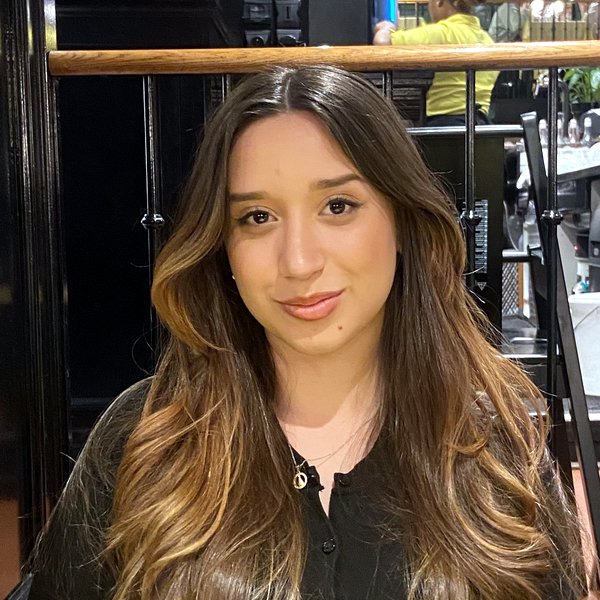
I have a business degree
Build confidence in French and Spanish, tailored to you!
Personally vetted · Strommen’s note
Caracas-born, Sandra teaches French and Spanish both, keeping lessons relaxed and practical, built around travel, work, or just fun.
Specialties
I have a business degree
Build confidence in French and Spanish, tailored to you!
Specialties
Personally vetted · Strommen’s note
Caracas-born, Sandra teaches French and Spanish both, keeping lessons relaxed and practical, built around travel, work, or just fun.

Argot — culture & slang
5 conversational French habits that mark you as someone who actually speaks the language
These aren't textbook expressions. They're the daily rhythms that separate a fluent classroom French from a fluent French French. Screenshot the infographic, then book a tutor to drill them.
-
01
J'sais pas
The casual contraction of je ne sais pas. The full form gets written down; the spoken version drops both the ne and the je down to a single quick chais pas. Saying the full version aloud in casual conversation sounds textbook-stiff. Most native speakers under 50 contract by default.
e.g. « Tu viens ce soir ? » « J'sais pas, j'verrai. »
-
02
Du coup
The everyday Parisian filler that threads cause and effect through casual narration, working roughly like English so. Used by absolutely everyone, sometimes accused of being overused, impossible to avoid. Pairs well with en fait and franchement in any spontaneous sentence.
e.g. Il pleuvait, du coup on est rentrés tôt.
-
03
Ouais
The conversational oui. Used between friends, with anyone you'd say tu to, and in any casual context. Saying oui with a hard final syllable in a casual conversation sounds slightly stiff; ouais sounds normal. Don't use it with strangers, in shops, or in any formal context where oui is still the right answer.
e.g. « Ça te va ? » « Ouais, carrément. »
-
04
Verlan: meuf, mec, ouf
Verlan inverts syllables. Femme becomes meuf. Mec stays put as the casual guy. Fou becomes ouf for crazy / wild. These came up from the banlieues and now live in offices, on TV, and in the speech of bankers in the 7th. Knowing a handful is what casual conversational fluency sounds like.
e.g. T'as vu cette meuf ? Sa réaction, c'était trop ouf.
-
05
Bah, quoi, tu vois
The conversational scaffolding that holds French sentences together. Bah opens almost any casual reply. Quoi closes a sentence like English you know. Tu vois is the spoken equivalent of you see what I mean. Drop them into your sentences and your French rhythm shifts from textbook to real overnight.
e.g. Bah, c'est compliqué, quoi. Tu vois ce que je veux dire ?
About Conversational French
French that sounds like French
Conversational French is the variety of French no textbook teaches and almost every native speaker uses. It is the register friends use over coffee, colleagues use in the elevator, family members use at dinner, and shopkeepers slip into the second they decide they like you. The classroom version of French (the one with full ne negations, careful liaisons, complete pronoun stacks, and the present subjunctive after every conjunction) is technically correct and almost never spoken aloud. Real French is faster, looser, and built around a small kit of fillers, contractions, and discourse markers that punctuate every sentence. Most American students who arrive in Paris with five years of school French discover the same gap on day one: they understand the news anchor, they cannot follow the people in line behind them at the boulangerie.
The biggest single difference is the dropped ne. In casual spoken French the negative ne almost disappears: je sais pas instead of je ne sais pas, j'ai pas faim instead of je n'ai pas faim, c'est pas grave instead of ce n'est pas grave. Writing it out still happens. Saying it out loud does not, not between friends and not in any low-stakes interaction. American students who insist on the full ne pas sound textbook-stiff in the same way that a French exchange student in Los Angeles who says I do not know instead of I dunno sounds awkwardly formal. The fix is hours of focused listening, not more grammar drilling.
Layered on top of that is the contraction habit. Je ne sais pas becomes j'sais pas and then chais pas at speed. Tu as becomes t'as. Tu es becomes t'es. Il y a becomes y'a. Il faut becomes faut. Qu'est-ce que tu fais becomes tu fais quoi. Je ne sais pas ce que c'est turns into chais pas c'que c'est with most of the unstressed syllables eaten. None of this is sloppy French; it is the actual rhythm of conversational French and ignoring it is the largest single reason American students plateau. A tutor sitting across from you can drill the cadence in weeks. An app cannot.
Then there is the deep bench of discourse markers and fillers. Genre works like English like, a hedge, a filler, an approximation. Du coup threads cause and effect through casual narration the way English uses so. Bah opens almost any casual reply. Quoi closes a sentence with the rough function of English you know. En fait introduces an actual-fact clarification. Franchement introduces honesty. Carrément is strong agreement, plutôt is mild reservation, tu vois is you see, j'avoue is I confess / I'll admit it. A French conversation is held together by these as much as by verbs. Lessons drill them directly, with role-play and shadowing, until they show up automatically in your speech rather than as conscious imports. Our blog post on sounding more casual in French covers the foundation; lessons handle the calibration.
Vocabulary is its own world. Ouais is the conversational oui. Mec is the casual guy, meuf the casual woman, both crossing into mainstream Paris speech via verlan. Bouffer is to eat (casual), bosser is to work (casual), chiant is annoying (casual), nickel is great. Truc and machin are the workhorse thing/whatchamacallit placeholders that real conversation leans on heavily. Putain is the most common casual exclamation in France, used by everyone from teenagers to bankers, somewhere between English damn and a milder expletive depending on context. Knowing the social register of each (which words travel into a professional context, which stay inside friend groups, which are regional) is half the skill of conversational French. The tutor calibrates as you go.
The Paris-versus-regional split is real and worth knowing about even if your goal is mainstream Parisian. Parisian conversational French is fast, clipped, and verlan-flavored, with the Maghrebi and sub-Saharan African influences from the banlieues fully absorbed into everyday office speech in the 11th arrondissement. Marseille and the Provençal south speak a noticeably warmer, slower, more melodic French, with a different accent (the famous southern twang) and a different vocabulary (peuchère, fada, cagole). Lyon sits somewhere in the middle. Bordeaux has its own slight cadence. Lille and the north drop different syllables than Paris does. None of this blocks comprehension; they all watch the same television and absorb the same Parisian register passively. But your tutor will mention regional flavors as cultural color and, if your goal is one specific region, can calibrate toward it. For students with a Marseille connection, our Marseille French specialty page goes deeper.
A few specific habits trip American students up more than any others. Treating tu and vous as a simple formality slider is the most common one, when in real French it is a relational signal that shifts and resets across an interaction. Friends use tu. Colleagues default to vous in many French firms even after years of working together. Service workers get vous. Children get tu. The shift from vous to tu is a real social moment, often announced with on peut se tutoyer ?, and initiating it yourself can read as presumptuous. Then there is the missing-greeting habit. Bonjour at the start of any shop or service interaction is not optional French politeness; skipping it reads as actively rude and closes doors instantly. Rushing the small talk is its own trap. French conversation has its own opening rhythm (ça va ? ouais et toi ? ça va ouais) that is not asking for information; it is a phatic exchange that has to happen before the real conversation starts. Skipping it lands as American-blunt. The impulse to fill silences is another, less obvious habit: French speakers tolerate silence in conversation more than American speakers do, and the rush to fill it with words often produces over-explanation that sounds anxious. And one more, the biggest in long-term effect: treating slang as something for the end of the learning curve. Slang is conversational French. Leaving it for later means leaving conversational French for later.
Between lessons, the best path into real conversational French is immersion in media built for native ears. Call My Agent (Dix Pour Cent) for fast modern Paris dialogue. Family Business for casual French across generations. Lupin for clean, recent Parisian speech. Plus belle la vie for daily-soap Marseille register if you want southern exposure. The podcast Transfert from Slate.fr is a series of personal monologues at natural conversational pace, ideal for ear training. InnerFrench is a podcast specifically pitched at intermediate learners ready to leave classroom French behind. French rap and hip-hop (Aya Nakamura, Damso, PNL, Niska) carry the verlan and street rhythm that mainstream radio absorbs years later. French YouTube creators like Cyprien, McFly et Carlito, Squeezie, and Léna Situations speak fast contemporary Parisian directly into the camera. Daily French Pod and News in Slow French sit at the easier end for newer intermediates. Pair listening with the 100 most frequently used French words list to anchor vocabulary.
The Strommen Conversational French roster includes native Parisian teachers based inside the city, native French teachers based across France (Lyon, Marseille, Bordeaux, the Riviera, the southwest), francophone tutors from Belgium, Switzerland, and Quebec, and longtime French-American bilinguals based in the United States. Conversational French is one of the specialties where teacher style matters as much as credentials; some tutors lean toward structured shadowing drills, others toward free-flowing conversation with gentle corrections, others toward immersive role-play. Each tutor's bio names their region, their teaching style, and which student profile fits best. Pricing reflects experience. For a head-start on related French specialties, our Parisian French, Business French, and French classes pages cover the broader family. You can also browse the full tutor list and filter by location, age, and price.
Lessons calibrate to where you actually are. A high-A2 student who can read but freezes in conversation needs different lessons from a B1 who has plateaued and wants to lose the textbook accent, who needs different lessons again from a returning C1 who studied French in college twenty years ago and wants to rebuild speaking confidence before a Paris trip. The trial conversation maps your current level and your target. From there your tutor builds a curriculum of conversational drills, shadowing, vocabulary calibration, and the specific cultural codes you keep tripping on. Most students see the textbook stiffness fall away inside the first month if they show up consistently and let the tutor push them past comfortable phrasing. The students who progress fastest treat the lesson as the place to surface confusions collected during the week. The ones who plateau treat it like a vocabulary refresh. Be the first kind. Book the free trial and ask the tutor to start in French from minute one.
What you'll cover
Lessons & classes tailored to Conversational French
Dropped ne, contractions, and the spoken rhythm
The cadence of casual French is built on the dropped ne and a deep contraction habit: j'sais pas, chais pas, t'as, t'es, y'a, faut. Lessons drill the rhythm through shadowing real Parisian audio (films, podcasts, news interviews) so the contractions arrive automatically rather than as conscious imports. This is the single fastest way to leave textbook French behind.
Discourse markers and fillers
Genre, du coup, bah, quoi, en fait, franchement, carrément, tu vois, j'avoue. The connective tissue of every casual French conversation. We teach when each fits and how to deploy them without sounding like you're checking off a slang list. Worth pairing with the 7 tips for casual French blog post.
Tu vs vous and the social calibration around it
Knowing when to use vous and when the shift to tu opens. Lessons drill the surface forms (verb conjugations, possessive pronouns) but more importantly the social readings: how to spot the invitation, how to maintain warmth while still on vous, and why initiating the shift yourself often lands as presumptuous in French professional culture.
Conversation-first instruction
Lessons run almost entirely in French from minute one, with the tutor adjusting register and speed to your level rather than retreating into English. Role-play, current-events discussion, film and podcast clips, and the kind of guided conversation that surfaces your actual gaps. No grammar lectures unless a specific gap demands one. The conversational instinct comes from conversational reps.
FAQ
About Conversational French lessons & classes
I can read French well but freeze when I have to speak. Will conversational lessons fix that?
Yes, and this is the most common profile we see. Reading and listening (passive skills) get a lot of attention in classrooms; speaking (an active skill) needs reps that classrooms rarely give. Lessons run in French from the start, with the tutor adjusting speed to your level rather than retreating into English when you stumble. Most students notice the freeze easing inside the first month and lose it entirely inside three, provided they keep showing up and let the tutor push them past comfortable phrasing.
How much will my accent improve in conversational lessons?
Meaningfully if you do the shadowing work, modestly if you only do conversation. Accent improvement comes from focused imitation of real speakers, not from spontaneous speaking. The fastest path is short daily shadowing sessions (3 to 5 minutes of repeating a Parisian podcast clip out loud) plus weekly lessons where the tutor catches specific sounds you're missing. The Parisian R, the front rounded vowels (tu versus tout), and the nasal vowel set (vin, vent, vont) are the usual targets. Some improvement is fast. Native-level accent is a years-long project.
Should I start with conversational French or with grammar?
Depends on your starting level. If you have zero French, a structured foundation first (alphabet, present tense, basic vocabulary) is the right call before you can hold a conversation. If you already have textbook French and a years-old grammar foundation, conversational lessons are the right entry point because the gap is in speaking, not in grammar. The trial conversation will tell you where you are and your tutor will recommend honestly.
Will I learn Parisian French or a more neutral conversational French?
Most of our conversational French tutors default to the Parisian register because it is what French media, French films, and most French education converge on. We also have tutors from Marseille, Lyon, Bordeaux, Belgium, Switzerland, and Quebec who can teach the conversational register of their region. Tell the tutor at the trial which French you want as your default. For students with a specific regional connection, our Parisian French and Marseille French specialty pages drill in deeper.
How is conversational French different from business French?
Different register, different vocabulary, different cultural codes. Conversational French defaults to tu with friends, drops the ne, contracts aggressively, and runs on casual slang. Business French defaults to vous, keeps formal closings in writing, uses conditional and subjunctive for politeness, and runs on a vocabulary built from French legal and administrative tradition. Most fluent French speakers code-switch fluently between the two; the trial lesson will help you decide which register is the bigger gap. Our Business French specialty page covers the professional version.
Can I take conversational French lessons online or only in person in LA?
Both. Most of our conversational French tutors teach online via Zoom or Jitsi, available worldwide. Several also teach in person across Los Angeles: the Westside, Hollywood, Pasadena, the Valley, the South Bay. The booking widget on each tutor's profile shows their available formats and locations.
How fast can I expect conversational comfort?
Depends on your starting level, the time you put in between lessons, and how much exposure you get to real French outside the lesson. For a solid intermediate (B1) targeting comfortable casual conversation, weekly hour-long lessons plus 20 to 30 minutes of daily French media exposure typically delivers the shift inside two to four months. For a returning student rebuilding a years-old foundation, expect a similar timeline once the foundation is re-anchored. For complete beginners, conversational comfort is realistically a 12-month project at one or two lessons a week.
Ready for Conversational French lessons or classes?
Book a free 30-minute trial with one of our personally vetted tutors. Private lessons or small-group classes — your choice.