



Personally vetted instructors
Parisian French tutors, lessons & classes
Quoi de neuf? The way Paris actually says "hi."
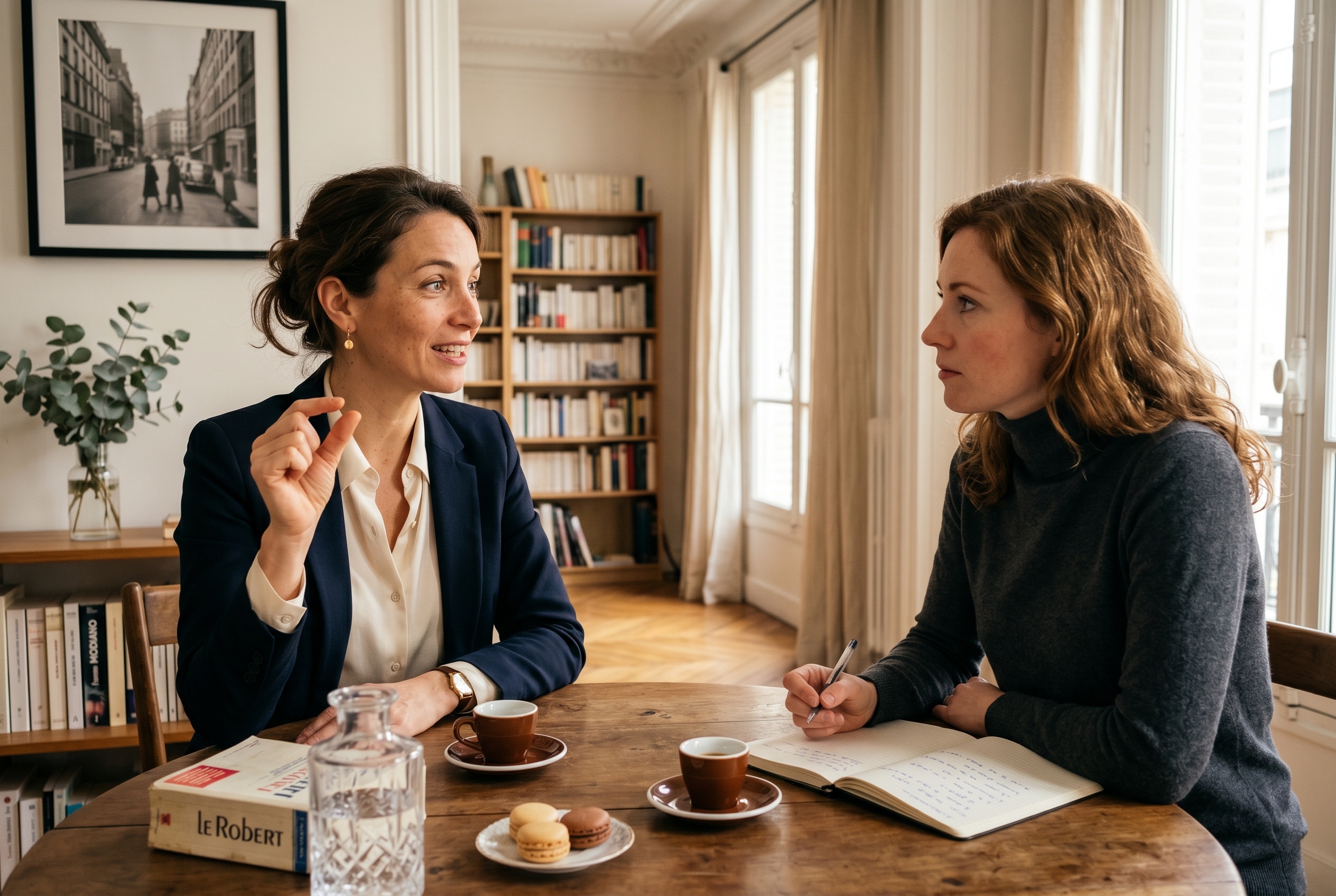
Personally vetted Parisian French tutors. Lessons that respect the way French is actually spoken in Paris — the accent, the slang, the social codes that travel guides skip.
Your instructors
Parisian French tutors for private lessons & classes
Strommen has been teaching French in this city since 2006. Parisian French has always been the dialect students ask for first: film and television training, business French for European companies, travel French for the Paris trip people have been planning for years. Every tutor below was met and vetted by us in person or via thorough video interview. No marketplace. No automated profile-creation. Real teachers with real backgrounds, which you can read about in their bios.
Filter by location, age, or price. Then book a 30-minute free trial.
Below are the Strommen tutors who specialize in Parisian French. Photos, ratings, and rates are real. Click any card to read their bio and book a free 30-minute trial.
I want to learn…
Every tutor, personally met. — founder-vetted since 2006, in Los Angeles and online worldwide.
Get a personalized plan
Pick your language — a language advisor will match you with the right tutor and map out your path.




Bachelor of Business Administration (specialized in International Relations) · DELF Examiner, DALF C2, Goethe Zertifikat C1/B2, DELE B1
Join me on your language learning adventure!
Personally vetted · Strommen’s note
Bangalore-based, Yvanka teaches French and German after years at Alliance Française. She started, unusually, as an English teacher in France.
Specialties
Also speaks: English, Italian, Spanish
Bachelor of Business Administration (specialized in International Relations) · DELF Examiner, DALF C2, Goethe Zertifikat C1/B2, DELE B1
Join me on your language learning adventure!
Specialties
I also speak: English, Italian, Spanish
Personally vetted · Strommen’s note
Bangalore-based, Yvanka teaches French and German after years at Alliance Française. She started, unusually, as an English teacher in France.

B.A. in IT and Languages
Native Parisian French Teacher
Personally vetted · Strommen’s note
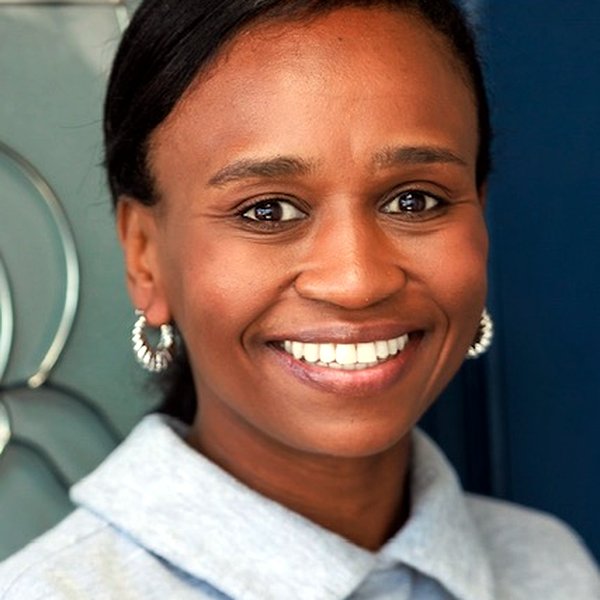
Parisian-born with a background in IT and languages, Sadigatou keeps travel French and business French as cleanly separate tracks.
Specialties
Also speaks: Chinese, English, Spanish
B.A. in IT and Languages
Native Parisian French Teacher
Specialties
I also speak: Chinese, English, Spanish
Personally vetted · Strommen’s note
Parisian-born with a background in IT and languages, Sadigatou keeps travel French and business French as cleanly separate tracks.

Bachelor of Fine Arts, Master of Fine Arts and Research
French and English teacher with University level teaching Experience - Top Rated Instructor
Personally vetted · Strommen’s note
Erin teaches French and English with university-level credentials, and her specialties stretch from accent work to art history to college prep.
Specialties
Bachelor of Fine Arts, Master of Fine Arts and Research
French and English teacher with University level teaching Experience - Top Rated Instructor
Specialties
Personally vetted · Strommen’s note
Erin teaches French and English with university-level credentials, and her specialties stretch from accent work to art history to college prep.

Master's Degree In Business Administration. Private Pilote LicenceI have studied in France/Argentina/Mexico · Master's Degree In Business Administration. Private Pilote LicenceI have studied in France/Argentina/Mexico
Achieve Fluency with a Parisian Tutor: Rigorous Training and Fun Lessons!
Personally vetted · Strommen’s note
MBA-trained, Othman teaches Parisian French with real rigor. Lessons stay structured without losing the fun.
Specialties
Master's Degree In Business Administration. Private Pilote LicenceI have studied in France/Argentina/Mexico · Master's Degree In Business Administration. Private Pilote LicenceI have studied in France/Argentina/Mexico
Achieve Fluency with a Parisian Tutor: Rigorous Training and Fun Lessons!
Specialties
Personally vetted · Strommen’s note
MBA-trained, Othman teaches Parisian French with real rigor. Lessons stay structured without losing the fun.

Bachelor of Arts
Master Spanish with Elise: Experienced Tutor Raised in Mexico, Living in LA!
Personally vetted · Strommen’s note
Raised in Mexico and based in LA, Elise teaches Spanish and Parisian French both, resetting her lesson plan for every student's actual level.
Specialties
Bachelor of Arts
Master Spanish with Elise: Experienced Tutor Raised in Mexico, Living in LA!
Specialties
Personally vetted · Strommen’s note
Raised in Mexico and based in LA, Elise teaches Spanish and Parisian French both, resetting her lesson plan for every student's actual level.

Bachelor degree · French literature / philosophy and foreign lanaguages
Bonjour! Experienced French tutor offering dynamic lessons tailored to your needs. Let's unlock French fluency together
Personally vetted · Strommen’s note
Twenty years into teaching French, Stephanie still runs lessons a la carte: fast, simple, built around exactly what you need.
Specialties
Bachelor degree · French literature / philosophy and foreign lanaguages
Bonjour! Experienced French tutor offering dynamic lessons tailored to your needs. Let's unlock French fluency together
Specialties
Personally vetted · Strommen’s note
Twenty years into teaching French, Stephanie still runs lessons a la carte: fast, simple, built around exactly what you need.

I have a degree in Modern Languages in English and French with a minor in business. · I am an English, French and Spanish tutor with more than seven years of experience both in person and online. I have a degree in Modern Languages in English and French with a minor in business.
Master Languages with Daniel: C2 English, DELF B2 French, and Native Spanish Tutor!
Personally vetted · Strommen’s note
Daniel is C2-certified in English, holds a DELF B2 in French, and is a native Spanish speaker. He teaches all three with real fluency benchmarks behind each one.
Specialties
Also speaks: Business & Management, Dialect Coaching, International Business, Public, Tests, Translation
I have a degree in Modern Languages in English and French with a minor in business. · I am an English, French and Spanish tutor with more than seven years of experience both in person and online. I have a degree in Modern Languages in English and French with a minor in business.
Master Languages with Daniel: C2 English, DELF B2 French, and Native Spanish Tutor!
Specialties
I also speak: Business & Management, Dialect Coaching, International Business, Public, Tests, Translation
Personally vetted · Strommen’s note
Daniel is C2-certified in English, holds a DELF B2 in French, and is a native Spanish speaker. He teaches all three with real fluency benchmarks behind each one.

Licence LEA Anglais Allemand · Licence LEA Anglais Allemand
Enjoy French !
Personally vetted · Strommen’s note
Isabelle has spent ten-plus years teaching French to everyone from opera singers to corporate teams. Her approach is built on making grammar understood, not just memorized.
Specialties
Licence LEA Anglais Allemand · Licence LEA Anglais Allemand
Enjoy French !
Specialties
Personally vetted · Strommen’s note
Isabelle has spent ten-plus years teaching French to everyone from opera singers to corporate teams. Her approach is built on making grammar understood, not just memorized.

A Master's degree in French language and literature + A Screenwriter degree
Native French teacher
Personally vetted · Strommen’s note
A native French teacher who also teaches drawing, Marie balances precise grammar work with lessons loose enough to never get boring.
Specialties
A Master's degree in French language and literature + A Screenwriter degree
Native French teacher
Specialties
Personally vetted · Strommen’s note
A native French teacher who also teaches drawing, Marie balances precise grammar work with lessons loose enough to never get boring.

Praxis 2, Berlitz Certification
Native French tutor passionate about grammar, literature, and culture
Personally vetted · Strommen’s note
A native French tutor drawn to literature and Meridional dialect work, Marie moves easily between grammar drills and full culture immersion.
Specialties
Praxis 2, Berlitz Certification
Native French tutor passionate about grammar, literature, and culture
Specialties
Personally vetted · Strommen’s note
A native French tutor drawn to literature and Meridional dialect work, Marie moves easily between grammar drills and full culture immersion.

Bachelor's in French, Master's in Education
Learner-friendly French and ESL
Specialties
Also speaks: Spanish
Bachelor's in French, Master's in Education
Learner-friendly French and ESL
Specialties
I also speak: Spanish
Bachelor's Degree in History, Panthéon-Sorbonne University, Paris- Bachelor's Degree in Information and Communication Sciences, Sorbonne Nouvelle University, Paris- Master's Degree in Cultural Journalism, Sorbonne Nouvelle University, Paris.
French Tutor in Paris!
Personally vetted · Strommen’s note
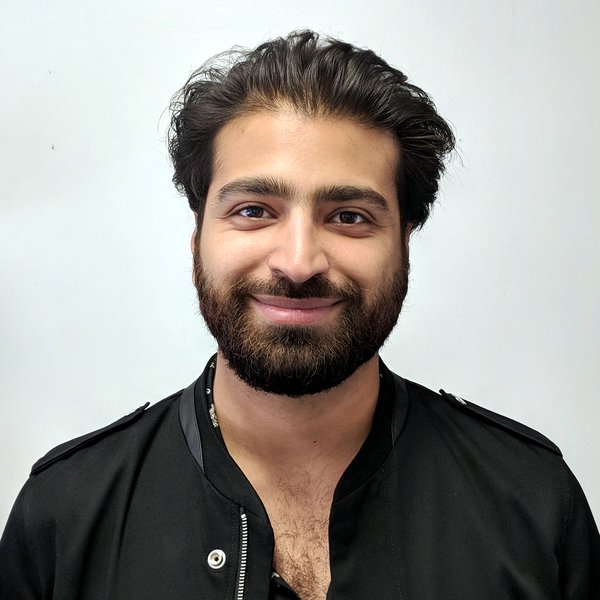
Paris-based and thoroughly conversation-driven, Nima keeps French lessons lively enough that staying focused for the full hour isn't a struggle.
Specialties
Bachelor's Degree in History, Panthéon-Sorbonne University, Paris- Bachelor's Degree in Information and Communication Sciences, Sorbonne Nouvelle University, Paris- Master's Degree in Cultural Journalism, Sorbonne Nouvelle University, Paris.
French Tutor in Paris!
Specialties
Personally vetted · Strommen’s note
Paris-based and thoroughly conversation-driven, Nima keeps French lessons lively enough that staying focused for the full hour isn't a struggle.

Argot — culture & slang
5 ways to sound like you actually speak Parisian French
These aren't textbook expressions. They're the everyday phrases that separate tourists from people who've actually spent time in the city. Screenshot the infographic, then book a tutor to learn the rest.
-
01
T'inquiète
Short for ne t'inquiète pas, meaning "don't worry" or "no worries." Parisians drop the negative ne in casual speech and clip the rest. Used between friends, with anyone you'd say tu to. Don't use with strangers or in shops.
e.g. « Désolé, je suis en retard. » « T'inquiète, on a le temps. »
-
02
Genre
Literally "genre" or "type," but in everyday Parisian it works exactly like English "like": a filler word, a hedge, an approximation. Some Parisians use it constantly. Others find it annoying. Either way you'll hear it every five seconds.
e.g. Genre, j'sais pas, peut-être vingt minutes? Genre.
-
03
Carrément
"Totally" or "absolutely." Strong agreement. Pairs well with raised eyebrows. Replaces a more formal tout à fait in casual speech.
e.g. « Tu crois qu'il était fâché ? » « Carrément. »
-
04
Verlan: ouf, meuf, chelou
Verlan inverts syllables. Fou (crazy) becomes ouf. Femme (woman) becomes meuf. Louche (sketchy) becomes chelou. Started in the banlieues, now lives in offices and on TV. Master a few and you sound 100x more Parisian.
e.g. Cette histoire, c'est trop chelou. La meuf m'a regardé ouf.
-
05
C'est pas grave
"It's not a big deal," the Parisian rejection of fuss. Used when an American would say "oh that's totally fine, no worries at all, please don't apologize, really it's nothing." The French version is three words and a shrug.
e.g. « Pardon, j'ai oublié. » « C'est pas grave. »
About Parisian French
More than l'accent parigot
Parisian French is the variant spoken by roughly twelve million people in and around the French capital. It's also the version of French most students mean when they say they want to learn French. Films, television, music, podcasts, news radio, the audio in language apps, the voice in your GPS. They all gravitate to Parisian. So do the dictionaries and most of the teaching materials produced anywhere in the world. There are good historical reasons for this. The Académie française has been based in Paris since 1635, and the version of French it codified was the one spoken in the educated salons of the capital. Once mandatory schooling spread that variant nationally in the late nineteenth century, regional dialects (Picard, Norman, Provençal, Gascon) lost ground decade by decade. Today most French citizens grow up with at least passive familiarity with Parisian French even if their family speaks something different at home. If your goal is to be understood by the broadest possible French-speaking audience, Parisian is the version most likely to get you there. Students who want a broader overview before specializing can start with our general French page.
It isn't just an accent. The Parisian R is one of the most recognizable sounds in any European language, a uvular sound made at the back of the throat, dryer than the rolled R most beginners are first taught. The pace is fast. Parisians eat their unstressed e's. Je ne sais pas turns into j'sais pas, tu es becomes t'es, and entire syllables get swallowed when speakers are comfortable. The mouth stays forward. The vowels are nasalized in places American English doesn't have analogues for, which is why most learners struggle for months with sounds like the difference between vin, vent, and vont. None of this is unique to Paris alone, but the combination of fast pace, front-of-mouth articulation, dry R, dropped e's, and crisp nasal vowels is what people abroad mean by "French accent." Mastering it is a matter of hours of focused listening and shadowing, not innate talent. Our blog post on essential French pronunciation tips covers the foundations our tutors then build on in lessons.
Vocabulary is its own world. Paris runs on verlan, a slang system that inverts syllables. Femme becomes meuf, fou becomes ouf, louche becomes chelou, flic becomes keuf, bizarre becomes zarbi. Verlan started in the working-class banlieues, drew heavily from Maghrebi and sub-Saharan African communities, and now lives in the everyday speech of office workers in the 11th arrondissement. Layered on top is a deep bench of discourse markers and fillers, including genre (like, kinda), du coup (so, then), bah (well, uh), quoi (you know), en fait (actually), and franchement (honestly). They punctuate sentences in ways no textbook teaches but every Parisian uses dozens of times a day. Parisian French is also famously full of English loanwords used in distinctly French ways. Le weekend, le shopping, le brunch, le job, le crash, le burnout. Don't let any of this discourage you. It's learnable, and our tutors teach it directly. Our blog post on how to use "tiens" is a small example of what real lessons cover.
A helpful mental model: French has multiple registers, and Parisians switch between them constantly. Soutenu is the literary register of novels, government, and formal speeches. Standard is the neutral register of news and educated conversation. Familier is the casual register of friends and family. Argot and verlan sit below that. Most learners absorb only standard French in the classroom and arrive in Paris confused that everyone is speaking what feels like a different language. Parisians don't normally speak in the standard register among themselves. They drop into familier, sprinkle argot, and reach back up to standard only when the situation calls for it (a job interview, a doctor's office, a customer service complaint). Lessons teach you to hear which register a speaker is using and to respond in kind. That's the difference between sounding like a textbook and sounding like a person.
The tu versus vous question is sharper in Paris than most learners expect. Default to vous with strangers, in shops, with anyone older, with anyone in a service role you're being served by, and at any first professional meeting. The shift to tu is meaningful, not casual. When a French colleague says on peut se tutoyer, that's the door opening. American politeness defaults of being warm and informal with everyone read as careless in Paris, and worse, as a kind of forced intimacy that hasn't been earned. The flip side is generous: once you're in, you're in. Parisians who know you are warmer and more loyal than the brusque shopkeeper stereotype suggests. Getting tu and vous right isn't grammar. It's social calibration. Lessons drill the surface forms (verb conjugations, possessive pronouns) but more importantly the social readings.
Then there are the cultural codes that feel small but aren't. Bonjour is mandatory when you walk into a shop. Skipping it isn't just rude; it's read as foreign in a way that closes doors instantly. Merci at the end of a transaction. Au revoir on the way out, even if you bought nothing. The American instinct to small-talk with the cashier doesn't exist in Paris, and brevity is read as a sign of respect for the staff's time. Queueing has rules. Café service has rules. Boulangeries have rules. None of these are written down anywhere, and most learners pick them up the slow way, by being mildly corrected for years. Our lessons cover them directly. It's the difference between sounding like a tourist and sounding like someone who actually lives there. The food blog on our site, including the post about French food vocabulary, supplements the café and restaurant scenarios we drill in lessons.
A few specific things American students tend to get wrong, and that lessons can fix in weeks rather than years if you're attentive. The French R is the obvious one, and most learners arrive trying to roll it like Spanish. Don't. The Parisian R sits at the back of the throat, almost a soft gargle, drier than the Spanish R and softer than the Hebrew R. The second mistake is treating the U sound like the OU sound. Tu and tout are not the same word, and Parisians notice instantly when you say one and mean the other. The third is sentence stress. English stresses the lexically important word in a sentence; French stresses the last syllable of each rhythmic group, and the rhythmic groups are often shorter than English speakers expect. The fourth is the nasals. Vin, vent, and vont are three different sounds. A tutor sitting across from you will catch these in a few minutes; an app will not. The fifth is what we call "reading aloud" stiffness, the tendency for intermediate learners to speak in slow, even-pitched, fully-articulated sentences that no Parisian would ever produce. Lessons drill the rhythm of casual speech: dropped e's, run-together pronouns, the parlé register that natives actually use.
Between lessons, immerse with Paris-made media that match where you are. For beginners, the Disney-dubbed films you already know in English are surprisingly useful because the visual context fills gaps. Step up to Amélie for the visual storytelling and the Montmartre setting, then The Class (Entre les murs) for a real-time portrait of Parisian classroom French. Call My Agent (Dix Pour Cent) is the modern industry standard for quick, contemporary Parisian dialogue. Lupin if you like high-concept TV. For audio, the podcast Transfert from Slate.fr is a series of personal monologues at conversational pace, perfect for ear training. French rap and hip-hop (Aya Nakamura, Booba, PNL, Niska, all Paris-region) give you the rhythm of street Parisian and the verlan that's actually current. Chanson française (Brel, Brassens, Gainsbourg, more recently Christine and the Queens, Pomme) gives you the literary register sung. Read the news at France Info or Le Monde. Read a novel by Modiano (slim and atmospheric and Paris-saturated) or, if you want something easier, Anna Gavalda. The pattern is the same: pick something you'd watch, listen to, or read in English anyway, then do it in French.
The Strommen Parisian French roster includes native Parisians teaching from inside the city, native French teachers based in other regions of France (the Riviera, Provence, the southwest), and longtime bilinguals based across the United States. Paris-resident teachers bring the everyday cadence of the métro, the verlan you'll hear in cafés, and direct knowledge of what's culturally current on French television and radio this week. Teachers based outside Paris bring the broader French of someone who's lived across the country and can shift between regional registers as the lesson asks for it. LA-based teachers bring deep classroom experience and the kind of feedback you only get from someone who's heard hundreds of American mouths struggle with the French R. Each tutor's bio says where they're from, where they've taught, what age groups they fit best, and what kind of student they're built for. You can match yourself to a Paris-resident teacher for cultural immersion, a France-based teacher elsewhere for daily-life exposure, or an LA-based teacher for weekly in-person lessons at home or in your office.
Lessons calibrate to your actual goal. Travel French for a Paris trip is a different curriculum from professional French for working with a Paris-based team, which is different again from learning to watch Call My Agent without subtitles or to read Modiano in the original. We don't run a generic French course. Each lesson is one-on-one, your tutor plans it around your week and your week's stumbles, and the trial is free. If your French is non-existent today, you'll be ordering coffee competently in three months at one or two lessons a week with consistent self-study between. If you already have intermediate French and want to lose the textbook stiffness, you'll be at it for longer but the gains are obvious by the second month. The students who progress fastest treat lessons as the place to surface confusions they've collected during the week, not as the only time French enters their life. The students who progress slowest treat lessons like a gym membership: they pay, they show up, they expect change to happen on its own. Don't be the second kind. For a head-start between lessons, our 100 most frequently used French words list and our business French specialty page are both worth bookmarking. Or just browse the full tutor list, find a voice you want to imitate, and book a trial. Twenty years of teaching French in this city has taught us what actually works: pick a tutor whose voice you want to imitate, decide whether your goal is Paris specifically or French more broadly, and then put in the hours. The accent shows up later. So do the cultural codes and the slang. What can't be skipped is the consistency, and the right person on the other end of the call.
What you'll cover
Lessons & classes tailored to Parisian French
The Parisian accent and pace
The uvular R, the swallowed e's, the front-of-mouth articulation, the speed. Lessons include shadowing exercises with real Parisian audio (films, podcasts, news radio) and direct pronunciation feedback so you sound natural rather than textbook-careful. We also drill the cadence: where Parisians stress, where they don't, and how sentence rhythm differs from the more even-paced French taught in American classrooms. Read more about pronunciation fundamentals on our main French page.
Verlan, slang, and Parisian fillers
Genre, du coup, quoi, bah, en fait: the discourse markers that punctuate every Parisian sentence. Plus verlan inversions (ouf, meuf, chelou, relou), café-French, and the layer of English loanwords used in French ways. We teach when each fits and how to read the room. Worth pairing with a flick through our blog on French slang basics.
Tu vs vous in Paris specifically
Parisians use vous more rigorously than Marseille or Lyon does, and switching to tu matters as a relational signal. We teach the social calibration alongside the grammar: how to read whether your French colleague has invited the switch, how to soften with diminutives, how to maintain warmth while still using vous. Misreading this layer is the most common reason American students sound either rude or weirdly stiff in Paris.
Cultural codes that aren't in the textbook
Bonjour on entry. Merci, au revoir on exit. Don't small-talk the cashier. Don't tip aggressively. Don't switch to English without trying French first. Queue rules, café service rules, boulangerie etiquette. None of this is written down. Lessons make it explicit so you can navigate Paris like someone who lives there. Our food blog post on French food vocabulary is a fun supplement for café and restaurant scenarios.
FAQ
About Parisian French lessons & classes
How is Parisian French different from Quebec or Belgian French?
Mutually intelligible, but the differences are noticeable. Quebec French has a more nasal twang, archaic vocabulary, and English-influenced syntax in some regions. Belgian French is closer to Parisian but with regional vocabulary (septante for seventy, nonante for ninety) and a softer accent. Parisian French is the version most international students aim for because it's what films, news, and most teaching materials use. If your goal is Paris specifically, or France generally, Parisian is the right starting point.
Will I be understood elsewhere in France?
Yes. Parisian French is the de facto national standard, used in news, government, and education across France. You'll be understood in Lyon, Marseille, Bordeaux, Strasbourg, anywhere in France. Some regions will sound a little different to you (the southern accent has a more melodic intonation, the north drops different syllables), but you'll have no trouble making yourself understood once you have the Parisian foundation.
Are your tutors native Parisians?
Some are. We have native Parisians teaching online from the city itself, France-based teachers in other regions, and longtime bilinguals based in Los Angeles. Each tutor's bio says where they're from, where they've taught, and what kind of student fits best. You can match yourself to a Paris-resident teacher for cultural immersion, a France-based teacher for everyday exposure, or an LA-based teacher for in-person lessons.
Can I take Parisian French lessons online or only in person in LA?
Both. Most of our Parisian French tutors teach online via Zoom or Jitsi, available globally. Several also teach in person around Los Angeles: the Westside, Hollywood, Pasadena, the Valley. The booking widget on each tutor's profile shows their available formats and locations.
I already speak some French. Should I start over?
No. Your existing French is a head start. Most students begin with a 30-minute free trial where the tutor calibrates to where you actually are. From there you build toward the Parisian register: pronunciation refinement, slang and discourse markers, the social codes. You don't relearn the grammar; you adjust the texture.
What does a Parisian French lesson actually look like?
Lessons are one-on-one and built around your goals. A typical hour might include 15 minutes of conversation in French on a topic you chose, 15 minutes targeted on a pronunciation point or slang expression that came up, 15 minutes on Parisian-specific vocabulary or cultural context, and 15 minutes of practice using what you learned. Your tutor plans around you. No two students get the same lesson.
How fast can I expect to progress?
Honest answer: depends on the time you put in between lessons, your starting level, and your specific goal. Conversational fluency for a Paris trip takes most students three to six months at one or two lessons a week with self-study in between. Comfort watching French film or reading French novels takes longer (twelve months and up). Picking up the cultural codes (the bonjour rule, the queueing rules, when to switch to tu) happens fast, often in the first month, because they're concrete behaviors not vocabulary.
Will Parisians actually accept my accent or correct it?
Both. Parisians are direct. If your French is good and you've made the effort, they'll engage. If your French is shaky, they may switch to English to be helpful, which is sometimes frustrating for learners who want to practice. The way through is to keep going in French, politely insisting with je préfère continuer en français. Most Parisians respect the effort and will switch back. Our business French specialty covers the professional version of this same negotiation.
Ready for Parisian French lessons or classes?
Book a free 30-minute trial with one of our personally vetted tutors. Private lessons or small-group classes — your choice.