



Personally vetted instructors
Business French tutors, lessons & classes
Bonjour Never skipped, never shortened, the load-bearing opener of every French professional exchange.
Personally vetted Business French tutors. Lessons in the formal French actually used inside Paris boardrooms, Geneva banking offices, Brussels EU institutions, Montreal corporate towers, and the francophone West African B2B market.
Your instructors
Business French tutors for private lessons & classes
Strommen has been teaching French to international professionals since 2006. Business French has always been a real demand here: pre-deal preparation for executives heading to Paris or Geneva negotiations, contract reading for attorneys working with French and francophone counsel, presentation prep for designers and architects pitching French firms, EU-institutional French for international policy professionals in Brussels rotations, Quebec corporate French for executives expanding into Canada, and African francophone French for US firms entering Abidjan, Dakar, or Casablanca. Every tutor below was met and vetted by us in person or via thorough video interview. No marketplace. No automated profile-creation. Real teachers with real backgrounds in French and francophone business culture.
Filter by location, age, or price. Then book a 30-minute free trial.
Below are the Strommen tutors who specialize in Business French. Photos, ratings, and rates are real. Click any card to read their bio and book a free 30-minute trial.
I want to learn…
Every tutor, personally met. — founder-vetted since 2006, in Los Angeles and online worldwide.
Get a personalized plan
Pick your language — a language advisor will match you with the right tutor and map out your path.




Bachelor of Business Administration (specialized in International Relations) · DELF Examiner, DALF C2, Goethe Zertifikat C1/B2, DELE B1
Join me on your language learning adventure!
Personally vetted · Strommen’s note
Bangalore-based, Yvanka teaches French and German after years at Alliance Française. She started, unusually, as an English teacher in France.
Specialties
Also speaks: English, Italian, Spanish
Bachelor of Business Administration (specialized in International Relations) · DELF Examiner, DALF C2, Goethe Zertifikat C1/B2, DELE B1
Join me on your language learning adventure!
Specialties
I also speak: English, Italian, Spanish
Personally vetted · Strommen’s note
Bangalore-based, Yvanka teaches French and German after years at Alliance Française. She started, unusually, as an English teacher in France.
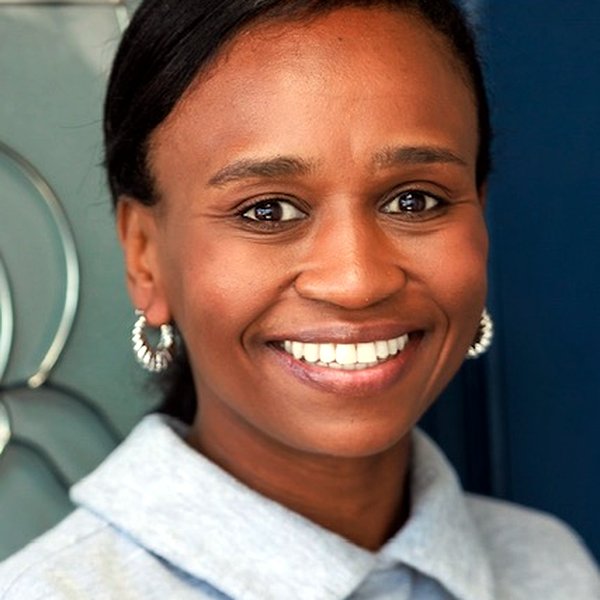

B.A. in IT and Languages
Native Parisian French Teacher
Personally vetted · Strommen’s note
Parisian-born with a background in IT and languages, Sadigatou keeps travel French and business French as cleanly separate tracks.
Specialties
Also speaks: Chinese, English, Spanish
B.A. in IT and Languages
Native Parisian French Teacher
Specialties
I also speak: Chinese, English, Spanish
Personally vetted · Strommen’s note
Parisian-born with a background in IT and languages, Sadigatou keeps travel French and business French as cleanly separate tracks.
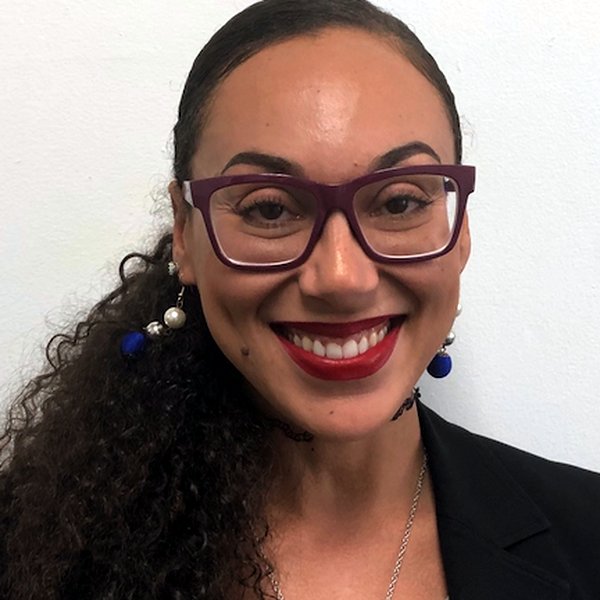
MBA and AS in Recording Arts · DALI, DELF, First Cert, SIZ Computer Science, Pro Tools, Dante
Multi-Culti Polyglot Linguist and Sound Engineer
Personally vetted · Strommen’s note
Vanessa speaks seven languages, has a sound-engineering background, and has spent two decades teaching. Her lessons range from accent coaching to art for kids.
Specialties
Also speaks: ASL American Sign Language, Chinese, Physics
MBA and AS in Recording Arts · DALI, DELF, First Cert, SIZ Computer Science, Pro Tools, Dante
Multi-Culti Polyglot Linguist and Sound Engineer
Specialties
I also speak: ASL American Sign Language, Chinese, Physics
Personally vetted · Strommen’s note
Vanessa speaks seven languages, has a sound-engineering background, and has spent two decades teaching. Her lessons range from accent coaching to art for kids.

A Master's degree in French language and literature + A Screenwriter degree
Native French teacher
Personally vetted · Strommen’s note
A native French teacher who also teaches drawing, Marie balances precise grammar work with lessons loose enough to never get boring.
Specialties
A Master's degree in French language and literature + A Screenwriter degree
Native French teacher
Specialties
Personally vetted · Strommen’s note
A native French teacher who also teaches drawing, Marie balances precise grammar work with lessons loose enough to never get boring.

Bachelor's Degree in History, Panthéon-Sorbonne University, Paris- Bachelor's Degree in Information and Communication Sciences, Sorbonne Nouvelle University, Paris- Master's Degree in Cultural Journalism, Sorbonne Nouvelle University, Paris.
French Tutor in Paris!
Personally vetted · Strommen’s note
Paris-based and thoroughly conversation-driven, Nima keeps French lessons lively enough that staying focused for the full hour isn't a struggle.
Specialties
Bachelor's Degree in History, Panthéon-Sorbonne University, Paris- Bachelor's Degree in Information and Communication Sciences, Sorbonne Nouvelle University, Paris- Master's Degree in Cultural Journalism, Sorbonne Nouvelle University, Paris.
French Tutor in Paris!
Specialties
Personally vetted · Strommen’s note
Paris-based and thoroughly conversation-driven, Nima keeps French lessons lively enough that staying focused for the full hour isn't a struggle.

Foreign Languages bachelor degree (3 years university degree in France)
University of Bordeaux graduate teaching French in Hollywood
Personally vetted · Strommen’s note
University of Bordeaux-trained and teaching out of Hollywood, Marie mixes grammar and reading, then keeps it loose enough to not feel like homework.
Specialties
Also speaks: English
Foreign Languages bachelor degree (3 years university degree in France)
University of Bordeaux graduate teaching French in Hollywood
Specialties
I also speak: English
Personally vetted · Strommen’s note
University of Bordeaux-trained and teaching out of Hollywood, Marie mixes grammar and reading, then keeps it loose enough to not feel like homework.

Bachelors degree in business Masters in logistics · TEFL Translation
Certified French & Spanish Language Coach | Business, Exams, & Conversational Mastery
Personally vetted · Strommen’s note
A Berlitz-trained language consultant, marielyne teaches English, French, and Spanish, built for business communication and exam prep specifically.
Specialties
Bachelors degree in business Masters in logistics · TEFL Translation
Certified French & Spanish Language Coach | Business, Exams, & Conversational Mastery
Specialties
Personally vetted · Strommen’s note
A Berlitz-trained language consultant, marielyne teaches English, French, and Spanish, built for business communication and exam prep specifically.

Bachelor of Arts in FrenchLicence en FLE- Ongoing · Pro FLEDALF C1TEF/TCF/DELF-DALF examiner certifications
French language expert I DELF/DALF/TCF/TEF Examiner I FOS/FLE
Personally vetted · Strommen’s note
Paul is a certified DELF/DALF/TCF/TEF examiner, not just a prep tutor. He teaches French and Swahili out of Nairobi, thirteen years in.
Specialties
Bachelor of Arts in FrenchLicence en FLE- Ongoing · Pro FLEDALF C1TEF/TCF/DELF-DALF examiner certifications
French language expert I DELF/DALF/TCF/TEF Examiner I FOS/FLE
Specialties
Personally vetted · Strommen’s note
Paul is a certified DELF/DALF/TCF/TEF examiner, not just a prep tutor. He teaches French and Swahili out of Nairobi, thirteen years in.

Master's of French as a Foreign Language, Bachelor’s Degree in Language Sciences (FLE), Graduate Diploma in Applied Pedagogy for Teaching French as a Second Language (FLS)
Learn French with Confidence and Enjoy the Journey
Personally vetted · Strommen’s note
New Delhi-based, Louis has taught French inside actual Alliance Française classrooms and universities across several countries.
Specialties
Also speaks: English, Swahili
Master's of French as a Foreign Language, Bachelor’s Degree in Language Sciences (FLE), Graduate Diploma in Applied Pedagogy for Teaching French as a Second Language (FLS)
Learn French with Confidence and Enjoy the Journey
Specialties
I also speak: English, Swahili
Personally vetted · Strommen’s note
New Delhi-based, Louis has taught French inside actual Alliance Française classrooms and universities across several countries.
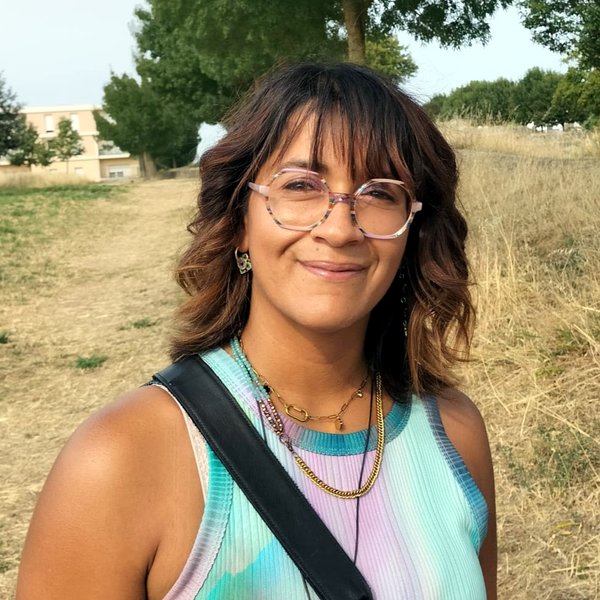
Master in Communication and ManagementBritish Bachelor in Journalism · English testing exams (IELTS, TOEIC)
Learn French with me and it will be a piece of cake !
Personally vetted · Strommen’s note
Babbel-trained, Farah teaches French out of Nantes with a specialty in opera-singer diction and accent work. Her tagline promises: 'piece of cake.'
Specialties
Master in Communication and ManagementBritish Bachelor in Journalism · English testing exams (IELTS, TOEIC)
Learn French with me and it will be a piece of cake !
Specialties
Personally vetted · Strommen’s note
Babbel-trained, Farah teaches French out of Nantes with a specialty in opera-singer diction and accent work. Her tagline promises: 'piece of cake.'

MBA · TEFL
PROFESSOR
Personally vetted · Strommen’s note
Ewe, a West African language rarely offered anywhere, sits right alongside English and French on Komi's schedule, taught out of Ghana.
Specialties
Also speaks: German
MBA · TEFL
PROFESSOR
Specialties
I also speak: German
Personally vetted · Strommen’s note
Ewe, a West African language rarely offered anywhere, sits right alongside English and French on Komi's schedule, taught out of Ghana.

Le français des affaires — register & codes
5 register markers that signal you actually work in francophone business
These aren't textbook expressions. They are the daily habits that mark an executive who has worked with French and francophone partners as distinct from one who has only studied French. Screenshot the infographic, then book a tutor to learn the rest.
-
01
Le pot de départ
The farewell drink for a colleague leaving a French company, organized inside the office and attended by anyone above the most distant working relationship. Skipping it without a real reason signals you do not understand the relationship layer of French B2B. The companion ritual is le pot more broadly: drinks after a project closes, after a deal signs, or at year-end. Going matters more than what you drink.
e.g. Le pot de départ de Sylvie est jeudi à 18h, tu passes ?
-
02
Le cadre RH
The HR framework, the catchall for the formal rules that govern a French employment relationship inside a given company: convention collective, internal policy, works-council agreements, hierarchy of roles. American managers regularly underestimate how prescriptive French HR is and how much sits inside le cadre RH rather than inside individual manager discretion. Asking qu'est-ce que dit le cadre RH before promising anything to a French employee is a competence signal.
e.g. Avant de proposer la prime, on vérifie ce que dit le cadre RH.
-
03
Le 35-heures
The legal 35-hour working week, real cultural fact rather than just a statistic. Shapes when French business happens (lunch is sacred, evenings are protected, weekends are not work email), generates the RTT compensatory-time system that French employees use as extra vacation, and produces a calendar Americans routinely misread. Working through a French summer afternoon and expecting a same-day reply is the canonical import-error.
e.g. Je récupère vendredi, c'est un jour de RTT au titre du 35-heures.
-
04
La signature électronique
The eIDAS-compliant electronic signature, the standard close of French B2B contracting since the 2016 reforms. DocuSign, Universign, Yousign, and the EU-qualified providers each carry slightly different legal weights. French legal departments care about which platform is used. The American assumption that any e-signature is fine produces real friction; learning the vocabulary (signature qualifiée, signature avancée, cachet électronique) is part of the deal.
e.g. On peut clôturer dès que la signature électronique est revenue côté juridique.
-
05
Je reste à votre disposition
The professional sign-off that signals continued availability without sounding eager. Used at the close of formal French emails before Cordialement or Sincères salutations. American closings ("thanks!", "looking forward") translate badly; Je reste à votre disposition pour tout complément d'information is the safe, native-sounding alternative for first-contact and senior correspondence.
e.g. Je reste à votre disposition pour tout complément d'information. Cordialement, Camille.
About Business French
Du vous, du conditionnel, et le reste
Business French is the formal working register of the francophone economic world, and it does not behave like conversational French. France is the world's seventh-largest economy and the cultural anchor of a francophone bloc that includes Belgium, Switzerland, Luxembourg, Quebec, Haiti, the French Caribbean, Pacific France, and most of North and West Africa. French remains a working language of the EU, the UN, the OECD, NATO, and the Olympic movement. For executives, attorneys, designers, and policy professionals working with French and francophone counterparts, the gap between fluent French and Business French is wider than learners expect, and the cost of misreading the register is paid in trust, not in grammar marks.
Start with vous. Business French defaults to the formal pronoun, and the shift to tu is a real social event that has to be explicitly invited (on peut se tutoyer). Even after years of collaboration, many French colleagues remain on vous, and initiating the switch yourself reads as American-presumptuous in the same way it does in Italian or Spanish business cultures. Titles are not optional address forms: Monsieur le Directeur, Madame la Présidente, Maître for lawyers and notaries, Docteur for medical doctors and PhDs in many contexts. Written French is more elaborate than English business writing on every axis, with closing formulas that have no English equivalent (Je vous prie d'agréer, Madame, l'expression de mes salutations distinguées still appears in legal and senior correspondence). Conditional and subjunctive moods (je voudrais, pourriez-vous, il serait préférable, il faudrait que) carry the politeness load that English handles with could and would, and using indicative everywhere lands as blunt.
Vocabulary is built on French legal and administrative tradition, which means it does not map cleanly to American MBA-speak. Chiffre d'affaires is revenue. Bénéfice is profit; perte is loss; marge brute is gross margin. Bilan is the balance sheet and also the annual financial report. Comptes consolidés is consolidated accounts. PDG (Président-Directeur Général) is roughly CEO, but the role differs structurally from American CEO because French corporate governance distinguishes the board chairmanship from the executive function. RSE (Responsabilité Sociétale des Entreprises) is the French version of CSR. Comité Social et Économique is the mandatory works council in French firms above a certain size, with no American equivalent. SIRET, SIREN, RCS, TVA intracommunautaire are administrative identifiers every French business carries. Convention collective is the sector-wide collective bargaining agreement governing most French employment relationships. Droit du travail, licenciement économique, plan de sauvegarde de l'emploi: French labor law has its own vocabulary that anyone managing French staff has to learn. None of this is taught in conversational French. All of it shows up in your first month of French professional work.
French business culture shapes the language. Hierarchy matters more than in American firms, particularly in established industries (banking, aerospace, luxury, energy) and family businesses. The relationship between titles and authority is more rigid; the PDG is expected to make decisions, not to facilitate consensus. Meetings are often more structured and presentation-driven than American meetings, with less spontaneous interruption and a greater appetite for rhetorical craft in the argument itself. The déjeuner d'affaires remains a real working medium and an extended business lunch in Paris is normal, not a courtesy. The French non is more direct than the American that might be a challenge; learning to say non without it landing as rude is part of the cultural skill. French meetings often contain heated debate that would feel uncomfortable in American contexts but is treated as professional engagement, and not engaging is the misstep. The énarques (graduates of the former ENA, now the INSP) populate senior positions across both public and private sectors, and the public-private revolving door produces a small elite shaped by the same institutions; understanding that ecosystem helps you read the room.
The regional variation inside the francophone world matters as much as the variation across Spanish-speaking countries. Parisian business French is the European anchor and the default register in Paris-headquartered firms. Belgian business French (Brussels) lives inside the EU regulatory ecosystem and uses a register that absorbs some Flemish loanwords and a different rhythm. Swiss business French (Geneva, Lausanne) runs on a more reserved, banking-influenced cadence. Quebec business French is its own register, particularly in Montreal corporate, with vocabulary differences (magasiner for shopping, fin de semaine for weekend, courriel for email, clavardage for chat) and a different relationship to English loanwords (Quebec resists them more actively than France does). Francophone Africa is the fastest-growing francophone market by population, with Abidjan, Dakar, Casablanca, Kinshasa, and Algiers each carrying their own business cultures, regulatory environments, and registers. African francophone French keeps more formal address conventions in many contexts and overlays them with local-language influence, which our blog post on African French versus European French walks through in more depth. Lessons calibrate to the regional francophone context where you actually need to operate.
A few specific habits trip up American executives more often than any others when they cross into Business French. The salutation matters: Bonjour Monsieur Martin or Madame Dupont, not Cher Pierre, on first contact. Closings carry weight: Cordialement is the safe default, Bien cordialement warmer, Sincères salutations more formal, Je vous prie d'agréer, Monsieur, l'expression de mes sentiments distingués for the most formal contexts. Pushing past the relationship layer too quickly reads as rude; the opening pleasantries are part of the meeting, not preamble to it. August is not a working month in France. Les grandes vacances empties Paris, slows manufacturing, and pauses much government activity, and American executives scheduling July or August projects in France routinely lose two to three weeks they did not account for. Translating English business idioms literally produces awkwardness: toucher base means nothing in French, au radar sounds translated, and the right move is the concrete action verb rather than the abstract metaphor. The 35-heures and the protected evening are real cultural facts that shape when French business gets done; expecting a Friday-evening reply to a non-urgent email is an American import that does not survive contact with the French calendar.
Between lessons, the francophone business media stack is deep. Les Échos is the canonical French business daily, the equivalent of the Wall Street Journal or Il Sole 24 Ore. Le Figaro Économie, La Tribune, Capital, and L'Expansion cover business at varying registers. Le Monde and Le Figaro carry business inside broader news. BFM Business is the financial TV channel; France 24 in French covers international business. For podcasts, La Story (Les Échos), Sismique, Génération Do It Yourself, and Le Code (Bloomberg) are widely consumed in Paris. Authors worth reading in the original: Erik Orsenna on global economy, Thomas Piketty on political economy, and Patrick Modiano for the cultural and literary register of contemporary France. For Quebec business, Les Affaires and La Presse. For francophone Africa, Jeune Afrique and Financial Afrik. Pair daily reading with our curated French podcast list for listening reps, and lean on our French pronunciation primer for the delivery side.
The Strommen Business French roster covers the francophone economic geography our students actually work in. Native French teachers based in Paris, Lyon, Marseille, and Lille. Geneva and Lausanne-based tutors who know Swiss banking French. Brussels-based tutors familiar with EU institutional register and Belgian B2B. Montreal and Quebec City tutors covering Quebec corporate French. Casablanca and Dakar-based tutors familiar with francophone African business culture. Several Strommen Business French tutors come from non-teaching professional backgrounds: French corporate finance, EU policy, French legal practice, Paris luxury marketing, and bring direct field experience alongside teaching credentials. Each tutor's bio names where they are from, their professional background, and which student profile they fit best (executive coaching, contract reading, EU policy French, Quebec corporate, African B2B). Pricing reflects experience. For students whose work crosses multiple francophone regions, we can pair you with a tutor for the primary region and a second tutor for a secondary one on alternating weeks. Our Parisian French, DELF test preparation, and French classes specialty pages cover related programs, and you can also browse the full tutor list to filter by location, price, and availability.
Lessons calibrate to your actual goal. Pre-deal Business French for an upcoming negotiation with Paris counterparts is a different curriculum from monthly maintenance for an executive whose French colleagues insist on French at meetings, which is different again from DELF Pro or DALF certification preparation for HR-required proficiency proof, and different again from EU-institutional French for a policy professional preparing for Brussels rotations. We do not run a generic Business French course. Each lesson is one-on-one, your tutor plans it around your week and your region, and the trial is free. Existing French is a head start. The most common adjustments for fluent speakers are register elevation (consistent vous, fluent conditional and subjunctive, formal email closings), regional vocabulary calibration (Quebec courriel vs French email, African business salutation conventions, EU institutional vocabulary), industry deepening from real source documents, and cultural calibration for the francophone region you actually operate in. Tell us which francophone market you need to navigate. The curriculum follows from there.
What you'll cover
Lessons & classes tailored to Business French
Formal register, email French, and the conditional mood
The vous form as default, conditional and subjunctive moods for politeness, formal letter conventions, and email salutation and closing formulas across registers. Drills include real French business correspondence (first contact, follow-up, negotiation, escalation, internal team) read and rewritten until the register sounds like a native French professional. Common gaps we close: indicative-everywhere phrasing that lands as blunt, missing the vous/tu switch invitation, weak closings, and translated English idioms that read as obviously American.
Finance, legal, and labor-law vocabulary
Chiffre d'affaires, bilan, bénéfice, comptes consolidés, PDG, convention collective, Comité Social et Économique, RSE, RCS, TVA intracommunautaire, droit du travail. Industry-specific vocabulary calibrated to your sector (corporate finance, legal practice, luxury marketing, design, manufacturing, EU policy) with real French source documents. Mock contract review and earnings-report reading sessions for finance and legal students.
Meeting dynamics, presentation prep, and francophone regional variation
How French business meetings actually run: structured, presentation-driven, hierarchical, with extended opening pleasantries and a real appetite for rhetorical craft in the argument. Presentation French: slide language, transition phrases, fielding Q&A, handling interruption with poise. Regional francophone variation: Parisian register, Geneva banking French, Brussels EU institutional, Quebec corporate, and African francophone B2B from Casablanca to Abidjan.
Certifications, deal prep, and policy French
DELF Pro B2 and DALF C1/C2 certification preparation for HR-required proof of proficiency, with mock exams and module-specific strategy. Pre-deal French for upcoming negotiations: sector vocabulary, counterpart-specific prep, cultural calibration for the team you will face. EU-institutional French for policy professionals working in Brussels, Strasbourg, or Geneva, including the specific jargon of EU directives, regulations, and the inter-institutional process.
FAQ
About Business French lessons & classes
Do you teach Parisian Business French or also the African francophone register?
Both. Most of our students need the Parisian register because their counterparts are in Paris, Lyon, or Geneva, and we teach that as the default. For students whose work is in francophone Africa (Abidjan, Dakar, Casablanca, Kinshasa, Algiers), we match you with a tutor who actually knows that market, because African francophone B2B carries different formal-address conventions, local-language influence, and a different reading of hierarchy. The differences are real enough that a Paris-trained tutor will not get you fluent in Ivorian corporate culture, even if their French is impeccable.
Can you help me draft a French CV and write a covering letter for a French firm?
Yes. The French CV format differs from the American résumé in nearly every detail: photo expected, date of birth typical, two pages acceptable, education listed before experience for early-career professionals, les centres d'intérêt as a real signal of cultural fit. The lettre de motivation is its own genre, more formal than an American cover letter, with a three-part structure (vous, moi, nous) and conditional-mood phrasing throughout. We rewrite your real documents against the French format and walk you through the interview-stage French (the entretien with HR, then the technical or senior round) so you read as a fluent professional rather than a translated American.
Is European Business French different from Québécois?
Yes, and meaningfully so for business contexts. Quebec business French uses different vocabulary in everyday office life (courriel for email, clavardage for chat, magasiner for shopping, fin de semaine for weekend, cellulaire for cell phone), resists English loanwords more actively than France does (traversier for ferry, babillard for bulletin board), and runs on a slightly more direct register in meetings than Parisian French. The grammar is mostly the same; the cultural reading is different. If your counterparts are in Quebec, a Quebec-based tutor is the right match. Most fluent professionals can navigate both with brief calibration, and if your business spans both we can pair you with one tutor of each.
Do you prep for DELF Pro or DALF certifications?
Yes. DELF Pro B2 is the business-French-specific certification, recognized by many French firms as proof of working proficiency. DALF C1 and C2 are the highest French proficiency credentials, required for some university admissions and senior professional roles. Sessions cover the four exam modules (listening, reading, writing, speaking) plus the strategy specific to each test, with mock exams included. HR departments at French-headquartered firms sometimes require these credentials; the trial conversation can confirm which level matches your goal.
Can lessons be calibrated to my specific industry?
Yes, and they should be. Business French varies meaningfully by sector. Corporate finance French draws on Les Échos and English loanwords. Legal French is grounded in Napoleonic civil code tradition and has its own vocabulary distinct from common-law English. Paris luxury and fashion French carries brand-specific terminology and a particular register. EU institutional French has yet another shape, formed by the Brussels-Strasbourg-Luxembourg ecosystem and the inter-institutional process. Tell your tutor your industry in the first lesson and they build the curriculum from real French source documents in your field.
Are tutors based in France, Quebec, or in the United States?
All three. Our roster includes native French teachers based in Paris, Lyon, Marseille, Lille, Geneva, Brussels, Casablanca, and Montreal, teaching via video, plus longtime French-American bilinguals based in the US who can teach in person across Los Angeles and several other US metros. Time-zone-wise, France-based tutors typically have morning and early-afternoon availability that maps to late US morning hours, while Quebec-based tutors share working hours with most US time zones.
I already speak conversational French. How quickly can I cover Business French?
If you are solid at B1+ conversational level, expect 8 to 12 weeks of focused weekly lessons (60 to 90 minutes each) to feel competent reading French business correspondence, presenting in front of a French team, and handling a first negotiation in French. Faster if your goal is narrower (just contract reading, just one upcoming negotiation), slower if you are starting closer to A2. Plateau-level conversational French speakers tend to gain the most. The language is already in place; what is missing is register, regional calibration, vocabulary depth, and the cultural codes that turn fluent French into convincing Business French.
What does the trial actually cover?
30 minutes, free, with the tutor you select. Bring your real goal: "I have a negotiation in Paris in eight weeks," "I am reading French contracts and want to feel less lost," "I am relocating to Montreal next quarter," "my new role is Brussels-based and EU-institutional." The tutor assesses your current level, maps a curriculum focused on the three to five highest-impact areas for your specific situation, and you decide whether to continue. Most students continue with the trial tutor. Switching is easy if not, and we will match you to a better fit.
Ready for Business French lessons or classes?
Book a free 30-minute trial with one of our personally vetted tutors. Private lessons or small-group classes — your choice.