



Personally vetted instructors
Italian for Beginners tutors, lessons & classes
Salve The universal polite hello, safer than ciao and warmer than buongiorno — the first greeting Italian beginners learn.
Personally vetted Italian tutors who specialize in absolute beginners. Patient, methodical, and built around getting you speaking real Italian sentences in your very first lessons.
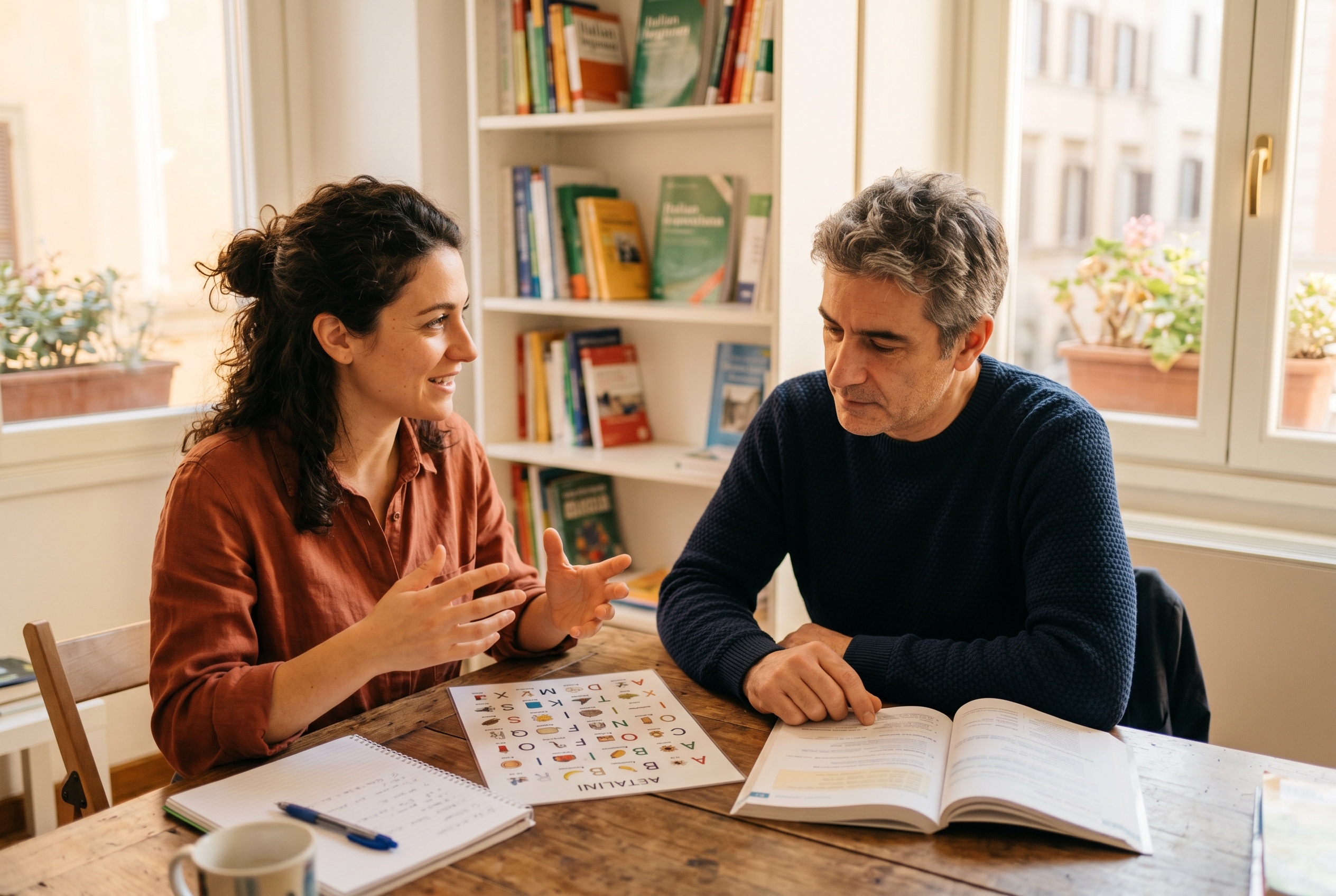
Your instructors
Italian for Beginners tutors for private lessons & classes
Strommen has Italian tutors who specialize in teaching absolute beginners. Patience, pronunciation modeling, and steady vocabulary building matter more in the first three months than anything else, and our beginner-specialist tutors are calibrated for exactly that. Every tutor below was met and vetted by us in person or via thorough video interview. No marketplace. No automated profile-creation.
Filter by location, age, or price. Then book a 30-minute free trial.
Below are the Strommen tutors who specialize in teaching Italian to absolute beginners. Photos, ratings, and rates are real. Click any card to read their bio and book a free 30-minute trial.
I want to learn…
Every tutor, personally met. — founder-vetted since 2006, in Los Angeles and online worldwide.
Get a personalized plan
Pick your language — a language advisor will match you with the right tutor and map out your path.


BA
Discover Italian Charm with Elisa: Lake Como Born, TV Writer Turned Passionate Italian Tutor & Dialogue Coach!
Personally vetted · Strommen’s note
A former TV writer, Elisa now coaches Italian dialogue with the same instinct for what actually lands on screen.
Specialties
BA
Discover Italian Charm with Elisa: Lake Como Born, TV Writer Turned Passionate Italian Tutor & Dialogue Coach!
Specialties
Personally vetted · Strommen’s note
A former TV writer, Elisa now coaches Italian dialogue with the same instinct for what actually lands on screen.
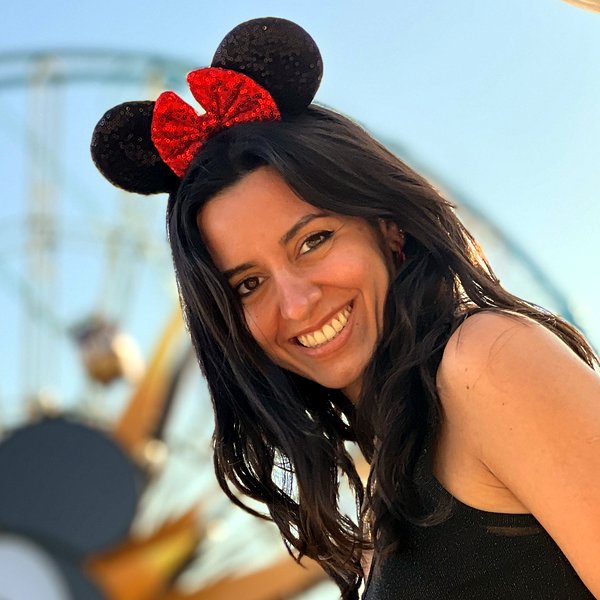

Law · Latin American Spanish Dubbing and VO
Learn Italian & Spanish fast and fun!
Personally vetted · Strommen’s note
Italian and Spanish translation both fall under Ruth's teaching, grammar explained through color-coded tables and games.
Specialties
Law · Latin American Spanish Dubbing and VO
Learn Italian & Spanish fast and fun!
Specialties
Personally vetted · Strommen’s note
Italian and Spanish translation both fall under Ruth's teaching, grammar explained through color-coded tables and games.


M.A. and Ph.D.
Former UCLA Italian Instructor with 16+ Years of Experience!
Personally vetted · Strommen’s note
A former UCLA Italian instructor with us since 2009, Marianna moves easily between Italian instruction and legal translation.
Specialties
M.A. and Ph.D.
Former UCLA Italian Instructor with 16+ Years of Experience!
Specialties
Personally vetted · Strommen’s note
A former UCLA Italian instructor with us since 2009, Marianna moves easily between Italian instruction and legal translation.

Masters of Fine Art, Bachelor in Foreign Language and Literature. · Over 2,000 hours of one‑on‑one teaching experience. Published literary translator, with work reviewed in Kirkus Reviews, Times Literary Supplement, Art Book D.A.P., and multiple international journals.
Master English, French & Italian with a Published Literary Translator
Personally vetted · Strommen’s note
A published literary translator, Colombina teaches English, French, and Italian, plus SAT prep, college essay coaching, and learning-disability support.
Specialties
Masters of Fine Art, Bachelor in Foreign Language and Literature. · Over 2,000 hours of one‑on‑one teaching experience. Published literary translator, with work reviewed in Kirkus Reviews, Times Literary Supplement, Art Book D.A.P., and multiple international journals.
Master English, French & Italian with a Published Literary Translator
Specialties
Personally vetted · Strommen’s note
A published literary translator, Colombina teaches English, French, and Italian, plus SAT prep, college essay coaching, and learning-disability support.

University
Master Italian with a Milan Native: 13+ Years Teaching Experience, Customized Lessons for All Levels & Needs
Personally vetted · Strommen’s note
Milan-trained and sixteen years into teaching Italian, Sara keeps formal grammar sounding like conversation instead of a lecture.
Specialties
University
Master Italian with a Milan Native: 13+ Years Teaching Experience, Customized Lessons for All Levels & Needs
Specialties
Personally vetted · Strommen’s note
Milan-trained and sixteen years into teaching Italian, Sara keeps formal grammar sounding like conversation instead of a lecture.


Bachelor
Marco's Artistic Insights from Florence, Your Gateway to Language Mastery!
Personally vetted · Strommen’s note
Marco pairs Italian and Latin in the same lesson, working out of Florence with equal footing in grammar, pronunciation, and regional dialects for both.
Specialties
Bachelor
Marco's Artistic Insights from Florence, Your Gateway to Language Mastery!
Specialties
Personally vetted · Strommen’s note
Marco pairs Italian and Latin in the same lesson, working out of Florence with equal footing in grammar, pronunciation, and regional dialects for both.


Master's Degree in Modern Philology · Post-graduate course in Teaching Italian L2/LS
La grande bellezza dell'italiano
Personally vetted · Strommen’s note
Giuseppe teaches four rare southern Italian dialects, Napoletano, Dialetto Campano, Sabino, and Barese, alongside standard Italian and academic writing.
Specialties
Also speaks: English, French, Spanish
Master's Degree in Modern Philology · Post-graduate course in Teaching Italian L2/LS
La grande bellezza dell'italiano
Specialties
I also speak: English, French, Spanish
Personally vetted · Strommen’s note
Giuseppe teaches four rare southern Italian dialects, Napoletano, Dialetto Campano, Sabino, and Barese, alongside standard Italian and academic writing.
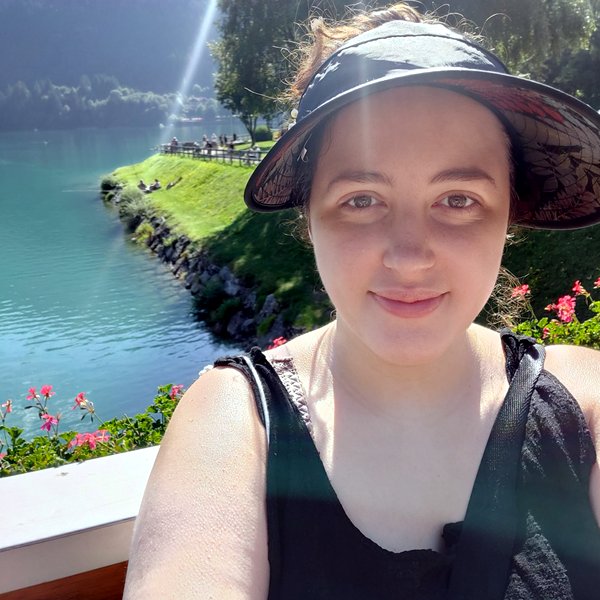
Master's Degree in Teaching Italian to foreigners, 2020 - 2021, University of Turin.
Your Italian Journey Awaits! Tailored Lessons with Chantal, Your Native Guide.
Personally vetted · Strommen’s note
Piedmontese sits alongside standard Italian in Chantal's lessons, backed by a career spanning university lecture halls, public schools, and private companies.
Specialties
Master's Degree in Teaching Italian to foreigners, 2020 - 2021, University of Turin.
Your Italian Journey Awaits! Tailored Lessons with Chantal, Your Native Guide.
Specialties
Personally vetted · Strommen’s note
Piedmontese sits alongside standard Italian in Chantal's lessons, backed by a career spanning university lecture halls, public schools, and private companies.

TESOL · CILS, CELI
Where every mistake becomes a step toward fluency
Personally vetted · Strommen’s note
Cynthia has taught Italian for twenty-five years, including a semester at the University of South Florida. Her tagline: every mistake is a step toward fluency.
Specialties
TESOL · CILS, CELI
Where every mistake becomes a step toward fluency
Specialties
Personally vetted · Strommen’s note
Cynthia has taught Italian for twenty-five years, including a semester at the University of South Florida. Her tagline: every mistake is a step toward fluency.

Bachelor and Master in Language and History of art · Ditals
Italian teacher - Learn Napoletano with me!
Personally vetted · Strommen’s note
Vincenzo teaches three southern Italian dialects out of Salerno, Napoletano, Abruzzese, and Salentino, alongside standard Italian.
Specialties
Bachelor and Master in Language and History of art · Ditals
Italian teacher - Learn Napoletano with me!
Specialties
Personally vetted · Strommen’s note
Vincenzo teaches three southern Italian dialects out of Salerno, Napoletano, Abruzzese, and Salentino, alongside standard Italian.

Certified in Teaching English as a Foreign Language, International TEFL and TESOL Training (2021)BA, Honors Theatre Studies, University of Guelph (2021) · Teaching English as a Foreign Language (TEFL)
English, Italian and Spanish teacher, dialect coach and accent reduction coach
Personally vetted · Strommen’s note
Amy coaches Sicilian, Neapolitan, and Calabrese dialects alongside standard Italian and English. She's also taught Italian kids English from age three up.
Specialties
Certified in Teaching English as a Foreign Language, International TEFL and TESOL Training (2021)BA, Honors Theatre Studies, University of Guelph (2021) · Teaching English as a Foreign Language (TEFL)
English, Italian and Spanish teacher, dialect coach and accent reduction coach
Specialties
Personally vetted · Strommen’s note
Amy coaches Sicilian, Neapolitan, and Calabrese dialects alongside standard Italian and English. She's also taught Italian kids English from age three up.

Bachelor in Drama · TEFL 120 hours ESL Teacher Training
Whether you're learning Italian from scratch or polishing your accent for an audition, I can help!
Personally vetted · Strommen’s note
Whether it's Italian from scratch or accent polish for an audition, Giovanni leans on a background in film, music, and theatre to keep lessons current.
Specialties
Bachelor in Drama · TEFL 120 hours ESL Teacher Training
Whether you're learning Italian from scratch or polishing your accent for an audition, I can help!
Specialties
Personally vetted · Strommen’s note
Whether it's Italian from scratch or accent polish for an audition, Giovanni leans on a background in film, music, and theatre to keep lessons current.

Primi passi — beginner foundations
5 Italian foundations every beginner needs in the first month
These are the early building blocks that separate beginners making real progress from those getting stuck in a Duolingo loop. Save the infographic and bring it to your trial lesson.
-
01
Il and la (gendered articles)
Every Italian noun is masculine or feminine, and the article changes accordingly. Il libro (the book, masculine), la casa (the house, feminine). Plural becomes i libri and le case. Beginners learn the article and the noun together from day one, never one without the other. The system feels heavy at first and becomes intuitive within about two months.
e.g. Il caffè è caldo, la pizza è buona.
-
02
Doubled consonants
Italian consonants written double are pronounced double, with audible lengthening of the sound. Pizza, spaghetti, cappuccino, donna, nonna. Skipping the doubling is the most common American mistake and the fastest single fix for sounding more natural. Try saying pi-tssa with a held-T moment, not pee-zah.
e.g. Vorrei una pizza con doppia mozzarella, grazie.
-
03
Silent H in loanwords
Italian doesn't really use H as its own sound; the letter exists mainly to harden C and G before E and I (chiesa, spaghetti) or appears in foreign loanwords where it stays silent (hotel is pronounced otel, hamburger is amburger). Italians know the H is there but don't pronounce it. American beginners often over-pronounce it, which marks them as foreign.
e.g. Andiamo all'hotel? — Sì, andiamo (no H sound).
-
04
Lei versus tu
Italian distinguishes polite (Lei) and casual (tu) address. Tu is for friends, family, peers, and casual contexts. Lei is for strangers, shopkeepers, older people, and formal first contacts. Lei takes the third-person-singular verb form (Lei è, Lei ha). When in doubt, default to Lei; switch to tu when invited.
e.g. Lei come si chiama? (formal) versus Tu come ti chiami? (casual).
-
05
False friends to watch
Some Italian words look like English cognates but mean something different. Parente means relative, not parent. Libreria means bookshop, not library (a library is biblioteca). Simpatico means likable, not sympathetic. Caldo means hot, not cold. Beginners build a small mental list of these and stop tripping on them within the first couple of months.
e.g. Mio parente lavora in libreria, non in biblioteca.
About Italian for Beginners
From the alphabet to your first real sentence
Italian is one of the more rewarding languages for an English speaker to start. The sounds are clean and consistent (Italian spelling is almost perfectly phonetic, so what you see is essentially what you say), the cognate vocabulary with English is rich because so much of formal English came through Latin and then through Italian, and the cultural payoff of even modest Italian (real food vocabulary, real interaction in any Italian city, real connection with Italian family) lands quickly. A committed beginner can be ordering correctly at a Roman trattoria, asking real directions in Florence, and following a slow Italian podcast within three to four months.
Where the difficulty starts is in three places: the gendered noun system (every Italian noun is masculine or feminine, and the article changes accordingly), the polite-versus-casual address (Lei versus tu, with social rules that don't fully match English or even other Romance languages), and the verb conjugation, which is more elaborate than English but follows reliable patterns once you learn them. None of these are insurmountable, and getting good guidance on them in the first three months is the difference between solid foundations and habits you'll have to unlearn at intermediate level.
A first lesson typically starts with the alphabet and pronunciation. Italian uses 21 letters of the standard 26 (J, K, W, X, Y appear only in loanwords), and pronunciation is highly regular. C and G are the only two letters that work hard: hard before A, O, U (casa, gatto) and soft before E and I (cena, gente). Doubled consonants are pronounced doubled, with audible lengthening: pizza, spaghetti, cappuccino, donna. Skipping doubled consonants is the most common American pronunciation mistake and the single fastest thing to fix. Italian vowels are pure and short: A is always ah, E is always eh, I is always ee, O is always oh, U is always oo. No diphthongs hiding inside written vowels (the way English I in price is actually a diphthong). This phonetic regularity makes Italian one of the easiest major European languages to read aloud once you've spent thirty minutes with the rules.
Gendered nouns are the next foundation. Italian splits all nouns into two grammatical genders. Most nouns ending in -o are masculine (il libro, il treno, il bambino), most nouns ending in -a are feminine (la casa, la pizza, la bambina), and most nouns ending in -e can be either (il fiore masculine, la chiave feminine, with no reliable pattern). The article (il, la, lo, l', i, le, gli) agrees with the noun's gender and number, and Italian beginners are taught from the very first lesson to learn the article and the noun together, never one without the other. Adjectives also agree: una pizza buona, un libro buono, le pizze buone, i libri buoni. The system seems heavy at first and becomes intuitive within about two months of consistent exposure.
Lei versus tu is the third early foundation, and one Italians take seriously. Tu is the casual address used with friends, family, children, and (in most contemporary Italian workplaces) colleagues you're on first-name terms with. Lei is the polite form, used with strangers, shopkeepers, older people, professionals you're meeting for the first time, and anyone in a formal first-contact setting. Grammatically, Lei takes the third-person-singular verb form (Lei è, Lei ha, Lei prende), which Italian beginners have to add to their list of conjugations. The cultural rule is simple: when in doubt, default to Lei, and switch to tu when invited or when the other person uses tu first. Defaulting to tu with an older Italian or in a first-contact business email reads as American-presumptuous in exactly the way it does in French, Spanish, or German.
Verb conjugation in Italian is more elaborate than English (you'll conjugate for six persons in the present tense, plus learn auxiliaries and a handful of common irregular verbs), but it follows reliable patterns. There are three regular conjugation classes (-are, -ere, -ire) and the verbs essere (to be) and avere (to have) are foundational and worth memorizing in the first month. Io sono, tu sei, lui/lei è, noi siamo, voi siete, loro sono. Io ho, tu hai, lui/lei ha, noi abbiamo, voi avete, loro hanno. Once these two are automatic, regular present-tense verbs slot in beside them with very little additional cognitive load.
The first 200 words of Italian carry an enormous share of everyday communication. A solid beginner first-month vocabulary covers greetings and farewells, numbers 1 to 100, days of the week and months, family vocabulary (padre, madre, fratello, sorella, figlio, figlia, nonno, nonna), food vocabulary (which doubles as cultural vocabulary in Italian, since food is load-bearing in Italian culture), the verbs of being, having, going, coming, eating, drinking, and the basic prepositions. With those 200 words and the present tense of about 20 high-frequency verbs, you can hold real beginner conversations on most everyday topics.
Cognates between English and Italian are abundant once you know what to look for. English words ending in -tion very often map onto Italian words ending in -zione: nazione, stazione, condizione, conversazione, educazione. English words ending in -ty map onto Italian -tà: città, università, realtà, libertà. English words ending in -ist map onto Italian -ista: artista, turista, pianista, dentista. There are also false friends to watch for (parente means relative, not parent; libreria means bookshop, not library; simpatico means likable, not sympathetic; caldo means hot, not cold), and a beginner's tutor will flag the most common ones in your first month.
Ciao is the universal Italian greeting in casual contexts and one of the most-recognized Italian words globally, used for both hello and goodbye. As an Italian beginner you'll be tempted to use it everywhere; resist that instinct in formal first-contact settings (buongiorno or salve are safer there). With Italian friends, family, peers, or anyone you've already met informally, ciao is correct and natural. Many beginners are surprised to learn that Italians often use ciao twice in one farewell (ciao ciao!), which is friendlier and slightly more emphatic.
Between lessons, beginner Italian resources are abundant. Duolingo Italian is a fine warm-up. News in Slow Italian is the canonical slow-podcast for intermediate beginners. The Coffee Break Italian podcast covers absolute-beginner ground patiently. Italiano Automatico on YouTube is more advanced but useful for ear training. For broader Italian context, our curated Italian podcast list, our Italian pronunciation primer, and the guide to Italian regional dialects are good starting points.
The Strommen Italian for Beginners roster includes native Italian teachers from Rome, Milan, Florence, Naples, and beyond, plus longtime Italian-American bilinguals based in the United States who specialize in adult beginner instruction. Teaching absolute beginners is a specific skill: the patience to repeat the gender of libro for the tenth time, the ear for which pronunciation point a particular student needs work on, the instinct for when to push new vocabulary versus consolidate what's already in place. Each tutor's bio specifies their background and which student profile they fit best. For other Italian specialties as you progress, our Conversational Italian, Italian for Travel, and Italian Grammar specialty pages cover related programs, and the Italian classes page shows the full Italian family.
Lessons calibrate to your specific situation. A leisurely beginner pace for someone exploring Italian heritage looks different from an accelerated beginner sprint for someone moving to Italy in three months, which looks different again from preparation for an upcoming trip. Each lesson is one-on-one, your tutor plans around your week, and the trial is free. Browse the full tutor list, pick a tutor whose teaching style feels approachable, and book a 30-minute trial. Spending half an hour with a real Italian teacher is the fastest way to find out whether Italian will click for you.
What you'll cover
Lessons & classes tailored to Italian for Beginners
Pronunciation and the Italian alphabet from day one
The five pure Italian vowels, the hard-versus-soft C and G rules, doubled consonants, silent H, the rolled R, the famous gli and gn clusters. Lessons include short listening-and-repeat drills with native audio so your ear builds alongside your speaking. Italian is highly phonetic, which means a beginner can learn to read any Italian word aloud within the first month, even before knowing what it means.
Gendered nouns, articles, and your first 200 words
Every noun introduced with its article, every adjective drilled with agreement. Patterns where they exist (-o masculine, -a feminine, -zione always feminine, -ore usually masculine) get explained and reinforced. The exceptions get folded into your active vocabulary through repetition. Most beginners reach reliable gender instinct by the end of the second month.
Essere, avere, and the present tense
The two foundational verbs (essere to be, avere to have) plus the three regular conjugation classes (-are, -ere, -ire) in the present tense. Once these are automatic, you can construct an enormous percentage of basic Italian sentences: introductions, descriptions, possessions, ages, professions, daily routines. We drill them in context, not in conjugation tables, so they stick.
Beginner-friendly between-lesson resources
Your tutor will recommend specific resources calibrated to your level: Duolingo Italian for warm-up reps, News in Slow Italian for the slow-podcast format, Coffee Break Italian for absolute-beginner ground, short clips from Italian children's TV (L'Albero Azzurro, La Posta di Yoyo) for kid-level immersion. Twenty to thirty minutes of daily Italian exposure outside lessons is the single biggest accelerator.
FAQ
About Italian for Beginners lessons & classes
How do I learn the gender of every Italian noun?
You don't memorize a list. You learn each noun together with its article from day one, never one without the other. Il libro, not just libro. La casa, not just casa. The pattern most beginners follow is: nouns ending in -o are usually masculine, nouns ending in -a are usually feminine, nouns ending in -e can be either and have to be learned individually. Within two months of consistent practice, gender starts feeling intuitive for the most common 500 words.
When do I use ciao versus buongiorno versus salve?
Ciao is casual: with friends, family, peers, anyone you're on first-name terms with. Buongiorno is the daytime formal greeting (good morning, good day), used until late afternoon. Buonasera takes over from late afternoon through evening. Salve is the universal polite option when you're not sure whether to be casual or formal; it works at any time of day with anyone, which makes it the safest first-month default for beginners.
Is Italian easier than Spanish or French for English speakers?
Italian and Spanish are roughly equivalent in difficulty for English speakers; both are highly phonetic, share a lot of cognate vocabulary, and have manageable verb systems. French has trickier pronunciation (especially the nasal vowels and the silent letters) and a more rigid formal register, which makes Italian slightly more approachable at the beginner level. The bigger factor is motivation: students who genuinely love Italian culture (food, film, music, art) progress faster than students learning the technically easier language without the cultural pull.
How long until I can hold a basic conversation in Italian?
From zero, weekly hour-long lessons plus 20 to 30 minutes of daily Italian exposure (podcasts, music, slow Italian news) typically produces functional A2 conversation within 4 to 6 months. That means introducing yourself, ordering food, asking for directions, talking about your day and your family in present tense. Conversational comfort at B1 (the level where you can really have free-form conversations) usually takes another 6 to 9 months at the same pace.
What does a typical beginner Italian lesson look like?
A first-month lesson runs about an hour and typically includes 10 minutes of warm-up greeting and review in Italian, 15 minutes of new vocabulary with pronunciation drill, 15 minutes of grammar in context (one new point introduced through example sentences), 10 minutes of listening practice with a short audio clip, and 10 minutes of structured role-play. Homework is light and primarily listening-focused. Your tutor calibrates based on what's clicking and what isn't.
Do I need to learn any Italian dialect, or is standard Italian enough?
Standard Italian (based historically on the Tuscan dialect and codified through national television and education) is what every Italian understands, and it's the right beginner target. Once you're solid at the standard, you can layer in exposure to regional dialects like Roman, Neapolitan, Milanese, or Sicilian if your specific interests pull you that way. Beginners who try to learn standard Italian and a dialect simultaneously tend to get confused. Start with one solid foundation.
I have Italian heritage but didn't grow up speaking it. Where do I start?
Heritage learners typically have stronger passive comprehension than they realize, from family exposure even without active speaking. The trial lesson assesses this and the tutor often adjusts the starting point upward from absolute zero. If your family speaks a regional dialect (Sicilian, Neapolitan, Calabrese), the tutor can acknowledge that exposure while building you up in standard Italian, which is what you'll need for travel, work, or any context outside your family's specific town.
What's the trial lesson like for a complete beginner?
30 minutes, free, with the tutor you select. The trial is half assessment and half preview: the tutor will introduce themselves in Italian and English, gauge what you already passively know (even recognizing food and music vocabulary counts), explain the typical first-month roadmap, and answer your questions about lesson cadence and goals. You'll leave with a sense of whether this specific tutor's approach fits you. Swap is easy if not.
Ready for Italian for Beginners lessons or classes?
Book a free 30-minute trial with one of our personally vetted tutors. Private lessons or small-group classes — your choice.