



Personally vetted instructors
Conversational Italian tutors, lessons & classes
Ciao The universal casual hello you'll trade dozens of times a day in any Italian street.
Personally vetted Conversational Italian tutors. Lessons focused on how Italians actually speak with each other day to day, with attention to regional registers and the slang you only learn from a native.

Your instructors
Conversational Italian tutors for private lessons & classes
Strommen has been teaching Italian since 2006. Conversational Italian is the most-requested format in our Italian program: students who already have a base from school or self-study and want to move from textbook competence to natural spoken fluency, students preparing for trips or family visits, expats heading to Italy for a season, and longtime learners maintaining their Italian. Every tutor below was met and vetted by us in person or via thorough video interview. No marketplace. No automated profile-creation.
Filter by location, age, or price. Then book a 30-minute free trial.
Below are the Strommen tutors who specialize in Conversational Italian. Photos, ratings, and rates are real. Click any card to read their bio and book a free 30-minute trial.
I want to learn…
Every tutor, personally met. — founder-vetted since 2006, in Los Angeles and online worldwide.
Get a personalized plan
Pick your language — a language advisor will match you with the right tutor and map out your path.


BA
Discover Italian Charm with Elisa: Lake Como Born, TV Writer Turned Passionate Italian Tutor & Dialogue Coach!
Personally vetted · Strommen’s note
A former TV writer, Elisa now coaches Italian dialogue with the same instinct for what actually lands on screen.
Specialties
BA
Discover Italian Charm with Elisa: Lake Como Born, TV Writer Turned Passionate Italian Tutor & Dialogue Coach!
Specialties
Personally vetted · Strommen’s note
A former TV writer, Elisa now coaches Italian dialogue with the same instinct for what actually lands on screen.
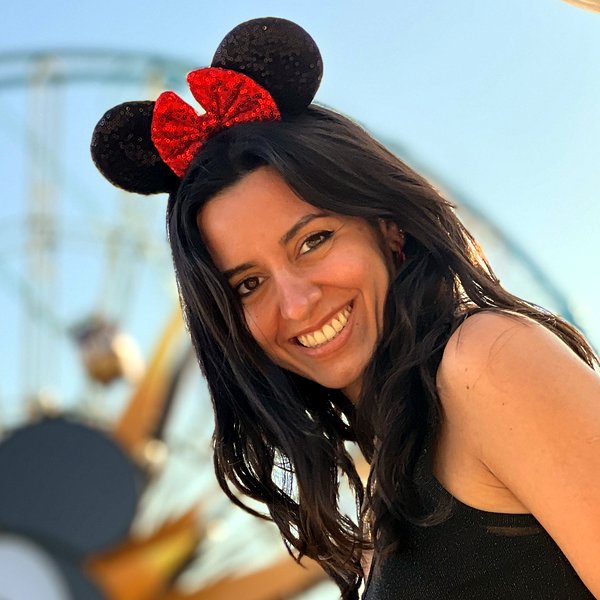

Law · Latin American Spanish Dubbing and VO
Learn Italian & Spanish fast and fun!
Personally vetted · Strommen’s note
Italian and Spanish translation both fall under Ruth's teaching, grammar explained through color-coded tables and games.
Specialties
Law · Latin American Spanish Dubbing and VO
Learn Italian & Spanish fast and fun!
Specialties
Personally vetted · Strommen’s note
Italian and Spanish translation both fall under Ruth's teaching, grammar explained through color-coded tables and games.
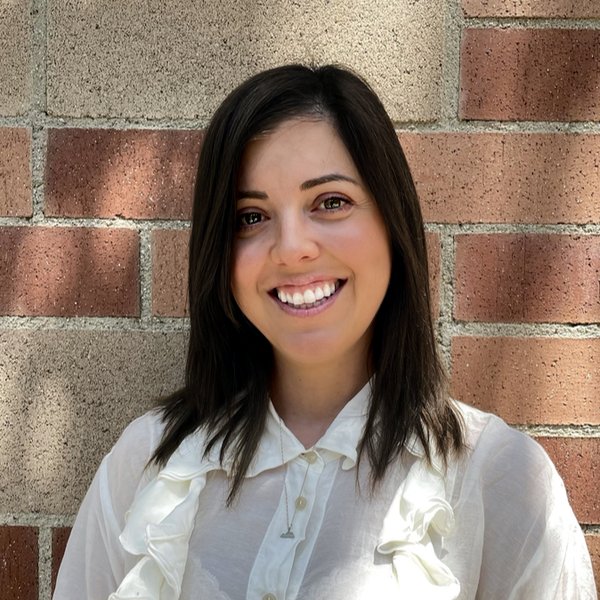

M.A. and Ph.D.
Former UCLA Italian Instructor with 16+ Years of Experience!
Personally vetted · Strommen’s note
A former UCLA Italian instructor with us since 2009, Marianna moves easily between Italian instruction and legal translation.
Specialties
M.A. and Ph.D.
Former UCLA Italian Instructor with 16+ Years of Experience!
Specialties
Personally vetted · Strommen’s note
A former UCLA Italian instructor with us since 2009, Marianna moves easily between Italian instruction and legal translation.

Masters of Fine Art, Bachelor in Foreign Language and Literature. · Over 2,000 hours of one‑on‑one teaching experience. Published literary translator, with work reviewed in Kirkus Reviews, Times Literary Supplement, Art Book D.A.P., and multiple international journals.
Master English, French & Italian with a Published Literary Translator
Personally vetted · Strommen’s note
A published literary translator, Colombina teaches English, French, and Italian, plus SAT prep, college essay coaching, and learning-disability support.
Specialties
Masters of Fine Art, Bachelor in Foreign Language and Literature. · Over 2,000 hours of one‑on‑one teaching experience. Published literary translator, with work reviewed in Kirkus Reviews, Times Literary Supplement, Art Book D.A.P., and multiple international journals.
Master English, French & Italian with a Published Literary Translator
Specialties
Personally vetted · Strommen’s note
A published literary translator, Colombina teaches English, French, and Italian, plus SAT prep, college essay coaching, and learning-disability support.



UCLA Bachelor degree
Roman Native Italian Tutor with 20 years Experience, lets speak Italian!
Personally vetted · Strommen’s note
A Rome native who has taught Italian for twenty years, Garrett still takes on a handful of students personally when his schedule allows.
Specialties
Also speaks: French, Japanese, Spanish
UCLA Bachelor degree
Roman Native Italian Tutor with 20 years Experience, lets speak Italian!
Specialties
I also speak: French, Japanese, Spanish
Personally vetted · Strommen’s note
A Rome native who has taught Italian for twenty years, Garrett still takes on a handful of students personally when his schedule allows.
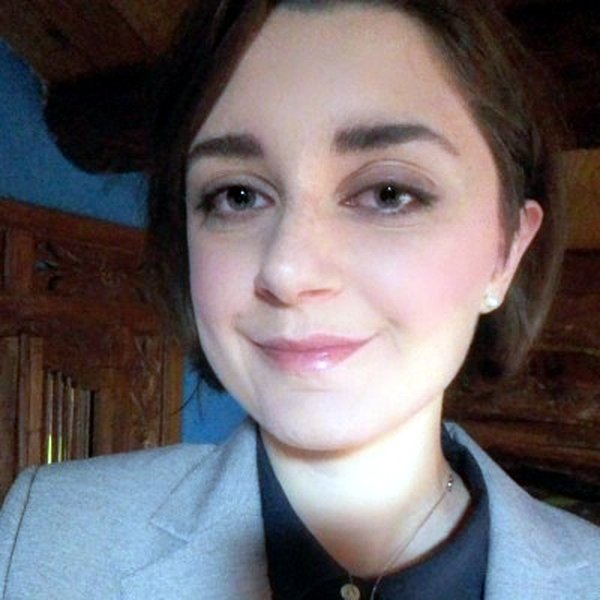
Bachelors degree in Teaching Italian as a Second Language and Translation
Learn Italian, Feel at Home
Personally vetted · Strommen’s note
Venice-based and fluent in five languages, Fabiana teaches two rare Italian threads, Sicilian dialect and Ladin, alongside standard Italian.
Specialties
Bachelors degree in Teaching Italian as a Second Language and Translation
Learn Italian, Feel at Home
Specialties
Personally vetted · Strommen’s note
Venice-based and fluent in five languages, Fabiana teaches two rare Italian threads, Sicilian dialect and Ladin, alongside standard Italian.
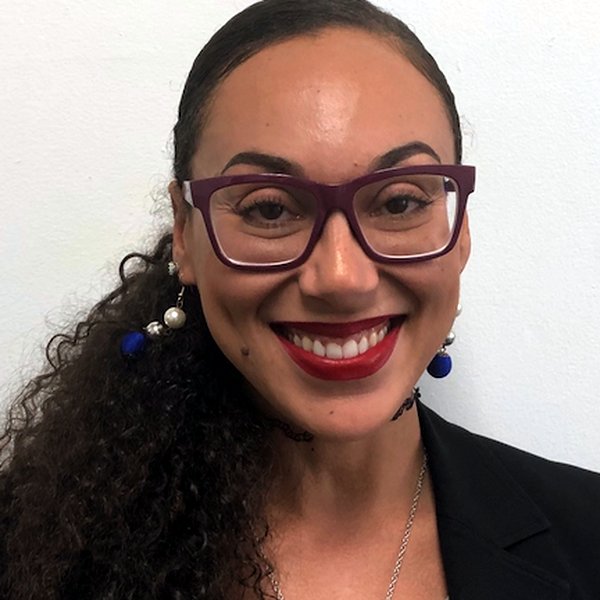


MBA and AS in Recording Arts · DALI, DELF, First Cert, SIZ Computer Science, Pro Tools, Dante
Multi-Culti Polyglot Linguist and Sound Engineer
Personally vetted · Strommen’s note
Vanessa speaks seven languages, has a sound-engineering background, and has spent two decades teaching. Her lessons range from accent coaching to art for kids.
Specialties
Also speaks: ASL American Sign Language, Chinese, Physics
MBA and AS in Recording Arts · DALI, DELF, First Cert, SIZ Computer Science, Pro Tools, Dante
Multi-Culti Polyglot Linguist and Sound Engineer
Specialties
I also speak: ASL American Sign Language, Chinese, Physics
Personally vetted · Strommen’s note
Vanessa speaks seven languages, has a sound-engineering background, and has spent two decades teaching. Her lessons range from accent coaching to art for kids.

University
Master Italian with a Milan Native: 13+ Years Teaching Experience, Customized Lessons for All Levels & Needs
Personally vetted · Strommen’s note
Milan-trained and sixteen years into teaching Italian, Sara keeps formal grammar sounding like conversation instead of a lecture.
Specialties
University
Master Italian with a Milan Native: 13+ Years Teaching Experience, Customized Lessons for All Levels & Needs
Specialties
Personally vetted · Strommen’s note
Milan-trained and sixteen years into teaching Italian, Sara keeps formal grammar sounding like conversation instead of a lecture.


Bachelor
Marco's Artistic Insights from Florence, Your Gateway to Language Mastery!
Personally vetted · Strommen’s note
Marco pairs Italian and Latin in the same lesson, working out of Florence with equal footing in grammar, pronunciation, and regional dialects for both.
Specialties
Bachelor
Marco's Artistic Insights from Florence, Your Gateway to Language Mastery!
Specialties
Personally vetted · Strommen’s note
Marco pairs Italian and Latin in the same lesson, working out of Florence with equal footing in grammar, pronunciation, and regional dialects for both.
Lingue e culture straniere and insegnamento dell italiano agli stranieri L2 · Teaching Certificate
Masters Degree in Teaching Italian - Local Roman Italian Teacher - Currently living in Rome - Roma3 graduate
Personally vetted · Strommen’s note
Simona holds a Master's in Teaching Italian from Roma Tre and is based in Rome itself. She rebuilds her lesson plan for literally every new student.
Specialties
Lingue e culture straniere and insegnamento dell italiano agli stranieri L2 · Teaching Certificate
Masters Degree in Teaching Italian - Local Roman Italian Teacher - Currently living in Rome - Roma3 graduate
Specialties
Personally vetted · Strommen’s note
Simona holds a Master's in Teaching Italian from Roma Tre and is based in Rome itself. She rebuilds her lesson plan for literally every new student.

Master's Degree in Foreign Languages and Literature · CEDILD
"A humanistic explorer"
Personally vetted · Strommen’s note
Milan-based and self-described as 'a humanistic explorer,' Emanuela keeps her approach to Italian communicative and empathetic above all.
Specialties
Also speaks: English, Spanish
Master's Degree in Foreign Languages and Literature · CEDILD
"A humanistic explorer"
Specialties
I also speak: English, Spanish
Personally vetted · Strommen’s note
Milan-based and self-described as 'a humanistic explorer,' Emanuela keeps her approach to Italian communicative and empathetic above all.

Master's Degree in Modern Philology · Post-graduate course in Teaching Italian L2/LS
La grande bellezza dell'italiano
Personally vetted · Strommen’s note
Giuseppe teaches four rare southern Italian dialects, Napoletano, Dialetto Campano, Sabino, and Barese, alongside standard Italian and academic writing.
Specialties
Also speaks: English, French, Spanish
Master's Degree in Modern Philology · Post-graduate course in Teaching Italian L2/LS
La grande bellezza dell'italiano
Specialties
I also speak: English, French, Spanish
Personally vetted · Strommen’s note
Giuseppe teaches four rare southern Italian dialects, Napoletano, Dialetto Campano, Sabino, and Barese, alongside standard Italian and academic writing.

Lingua parlata — register & slang
5 conversational Italian habits that mark you as a real speaker
These are the discourse moves, fillers, and regional markers that separate textbook Italian from how Italians actually talk. Screenshot and bring them to your first trial lesson.
-
01
Ciao
The universal casual greeting. Ciao means both hi and bye in casual contexts. With shopkeepers, older strangers, or in formal first contacts, default to salve or buongiorno instead; ciao there reads as warm but slightly under-leveled. Italians use ciao hundreds of times a day with anyone they're on first-name terms with.
e.g. Ciao, come stai? — Tutto bene, ciao!
-
02
Boh
The Italian shrug-word, used to mean I don't know, who knows, or I don't care enough to find out. One of the most-used words in casual conversation, and almost never taught in textbooks. Pair it with a small shoulder-lift and you sound instantly more native.
e.g. Sai dov'è andato? — Boh, non l'ho visto.
-
03
Magari
A small word packing several meanings. Literally maybe, but it more often translates as I wish, that would be nice, or if only. Context decides. A wistful magari on its own is a complete answer to an invitation you'd accept if life were easier.
e.g. Vieni in vacanza con noi? — Magari!
-
04
Dai
Multi-purpose. Dai opens encouragement (dai, andiamo), expresses disbelief (ma dai!), carries mild irritation (oh, dai!), and can soften a request (dai, ti prego). Tone does the disambiguation. Italians use it constantly in casual speech and almost never in writing.
e.g. Ma dai, davvero? Non ci credo!
-
05
Allora
The Italian sentence-opener par excellence. Allora roughly translates to so, well, or okay then, and Italian speakers use it to gather their thoughts, change the subject, or signal that they're about to say something. Listen to any Italian podcast and count alloras; you'll lose track within the first minute.
e.g. Allora, dove eravamo rimasti?
About Conversational Italian
How Italians actually talk
Conversational Italian is the version of the language you almost never get from a textbook. Italian classrooms outside Italy tend to teach a clean, neutral, slightly old-fashioned register suited to standardized tests and to printed prose, and that register is roughly nobody's spoken Italian. Actual conversational Italian is faster, looser, peppered with sentence-opening fillers like allora, boh, dai, magari, and insomma, full of half-sentences that get finished by gesture, and shaped at every level by the region the speaker grew up in. A Milan twenty-something and a Naples sixty-year-old will both tell you they speak Italian, and the gap between how they sound is real.
The most useful thing a beginner-to-intermediate Italian student can do is shift their target from textbook Italian to conversational Italian as early as possible. Hearing fluent native speech, building the discourse markers that actually open and close Italian sentences, and getting comfortable with the rhythmic, gestural, interrupting style of real Italian conversation matters more than memorizing one more verb conjugation. Ciao opens almost every casual exchange in Italy and closes almost every one too; the same word does the work English splits between hi and bye. Salve is the safer polite alternative when you're not sure how casual to be; buongiorno and buonasera open more formal encounters, and an Italian shopkeeper or a hotel concierge will hear ciao from a foreigner as warm but slightly under-leveled. Reading that calibration in real time is conversational fluency.
The regional layer matters more in Italian than in almost any other major European language. Italy unified only in 1861, and the dialect-versus-standard tension has been politically and culturally live ever since. Roman Italian, the variety you hear in most national TV and film and the de facto spoken standard, has its own distinctive features: the doubled consonants pronounced extra-doubled, the swallowed-G in perché (often heard as pe'che'), the relaxed final vowels, and a vocabulary of Romanesco that bleeds into national slang (daje, aò, mortacci tua). Northern Italian, particularly Milanese and the broader Lombard-Venetian-Piedmontese cluster, runs faster, with cleaner vowels, less melodrama in intonation, and a vocabulary that absorbs more English business loanwords. Tuscan Italian, the historic basis of the literary standard, retains the famous gorgia toscana (the soft aspiration of hard C between vowels: la hoha hola for la coca cola). Southern Italian is its own large universe, with Neapolitan, Sicilian, Calabrese, and the rest functioning closer to sister languages than to dialects.
For Conversational Italian, we recommend committing to one regional target as your default and absorbing the others through exposure. Roman Italian is the safest default: it's what national media uses, it's intelligible to all Italians, and learning materials are abundant. Milanese-Northern is the right default if you're heading to Milan, Turin, or the Veneto for work or family. Tuscan is the natural pick for students drawn to Florence or to the literary tradition. Whatever the regional default, the tutor's job is to calibrate your ear to one variety while keeping you flexible enough to follow others.
The slang inventory of conversational Italian rewards even small investments. Boh means I don't know and is one of the most-used words in casual Italian; it carries a slight shrug and is the right answer when you genuinely don't know or don't care. Magari is dense with meaning: literally maybe, but used to mean I wish, that would be nice, if only, and sometimes plain maybe. Dai opens encouragement (dai, vieni, come on, come), expresses disbelief (ma dai, get out of here), and sometimes carries mild irritation. Allora opens roughly half of all spoken Italian utterances and translates loosely as so, well, or okay then. Insomma hedges (insomma, così così, well, so-so). Mica intensifies negation (non è mica facile, it's not exactly easy). None of these get serious airtime in textbooks; all of them are dense in any real Italian conversation.
Gestures are not optional in conversational Italian, and the famous Italian gesture vocabulary is real, not a stereotype. The pinched-fingers che vuoi, the chin-flick that signals not interested, the temple-tap for are you crazy, the cheek-screw for delicious. Italians use them in conversation the way English speakers use intonation and emphasis, and reading them is part of understanding what someone is actually saying. A good conversational Italian tutor will mention this, point you toward a good visual reference (Bruno Munari's Speak Italian: The Fine Art of the Gesture is the classic), and let you absorb the rest through Italian film and TV.
The ear is the part of the language that needs the most work for English speakers, and the only reliable way to train it is real Italian audio at native speed. Skam Italia, Mare Fuori, L'Amica Geniale, Boris, Generazione Z, the entire Sorrentino filmography, and almost anything by the Manetti brothers will train your ear to conversational rhythms while exposing you to Roman, Milanese, Neapolitan, and other regional Italians side by side. Podcasts are abundant: Tienimi Bordone for daily Italian, Will for current affairs in clear modern Italian, Globo for international news, Storie di Brand for business Italian for advanced students. For listening at slower pace, News in Slow Italian and the RAI Radio Italiana learning broadcasts are useful intermediates. For broader Italian-language ecosystem context, our curated Italian podcast guide and overview of Italian regional dialects are good starting points.
The Strommen Conversational Italian roster covers the regional ranges students most often ask for. Rome-based tutors and tutors grounded in the Roman-national-standard register make up the largest share. Northern tutors from Milan, Turin, and the Veneto cover that cleaner, faster register. Florence-trained tutors bring the literary-Tuscan ear plus the local gorgia. Southern tutors from Naples, Bari, and Sicily bring their regional flavors when students want exposure to those varieties. Several tutors hold CILS or CELI examiner training and can pivot toward certification work when that becomes the goal. Each tutor's bio specifies where they're from and where they've taught.
Lessons calibrate to your conversation goals. Students working toward casual fluency for trips, expat life, family connection, or just the pleasure of speaking another language well get a different curriculum from those preparing for a specific situation (a wedding, an interview, a sustained business stretch). The trial is free, and the easiest way to find out whether a tutor's accent and energy fit you is to spend half an hour with them. Browse the full tutor list or check our Italian classes page for the broader Italian program.
What you'll cover
Lessons & classes tailored to Conversational Italian
Discourse markers and sentence-openers
Allora, insomma, magari, boh, dai, tipo, cioè, diciamo, guarda, senti. These are the words that open, hedge, soften, and connect real Italian utterances, and they're missing from almost every textbook. Lessons drill them in context until they come automatically, which is the single biggest jump in sounding native.
Regional ear training
Lessons calibrate to a primary regional target (Roman-national-standard, Northern-Milanese, Tuscan, or Southern depending on your goal) while building enough flexibility to follow other regional varieties. We use real Italian audio at native speed: clips from Skam Italia, Mare Fuori, Sorrentino films, regional podcasts, and YouTube interviews so your ear acclimates to actual conversational rhythms.
Slang, gestures, and cultural reading
The slang vocabulary that lives nowhere in textbooks: regional words, generational shifts, the working slang of Italian street life. Plus the Italian gesture vocabulary, which is functional communication rather than decoration. Italians use gestures the way English uses intonation, and reading them is part of conversational comprehension.
Speaking practice with calibrated correction
Most of every lesson is you talking. Your tutor corrects only what matters for the level you're at (gross errors first, register and naturalness next, fine grammar last), which keeps you confident and unblocked. Role-play, current-events discussion, free conversation on whatever's on your mind that week. The point is to build the speaking muscle, not the writing one.
FAQ
About Conversational Italian lessons & classes
What's the difference between Conversational Italian and the Italian I learned in school?
School Italian and textbook Italian tend to teach a clean, neutral, slightly formal register that almost no Italian uses in everyday speech. Conversational Italian focuses on the discourse markers, slang, contractions, and regional features that actually populate real Italian conversation. Students who already have a school base often find Conversational Italian unblocks them quickly: the grammar is mostly there, what was missing was the spoken-register layer.
Should I learn Roman Italian or Northern Italian?
Both are good defaults; pick based on your goals. Roman Italian is what national television and film use, and it's the closest thing to a spoken standard. Most learners do well to default Roman. Northern Italian (Milanese, Turinese, Veneto) is the right pick if you're heading to Milan, Turin, or the Veneto for work or family. Whatever you pick, you'll need flexibility to follow the other; we keep your ear trained on multiple regional varieties even when you have a primary target.
How long until I can hold a real conversation in Italian?
From an A2 starting point (some school Italian or comparable self-study), weekly lessons plus 20 to 30 minutes of daily Italian audio exposure typically produces functional conversational ability within 4 to 6 months. From zero, more like 9 to 12 months. The biggest variable isn't natural talent; it's daily exposure to native audio outside lessons. Students who watch Italian shows with Italian subtitles for half an hour a day progress noticeably faster than students who only show up for lessons.
Can my tutor help me understand Italian movies and TV without subtitles?
Yes, and this is one of the most common conversational goals. Lessons can include guided viewing of clips, with stops to unpack regional features, slang, and discourse moves. Skam Italia is a popular target for teen and twenty-something slang; Mare Fuori for Neapolitan exposure; Sorrentino's films for elevated Roman; Boris for sharp, fast media-industry Italian. Picking shows you actually enjoy is half the work; the tutor's role is to translate cultural and linguistic context you'd otherwise miss.
Do I need to learn Italian gestures?
You don't need to use them to be understood, but you should learn to read them, because Italians do. The pinched-fingers che vuoi, the chin-flick not interested, the temple-tap are you crazy, the cheek-screw delicious: these are part of how Italians communicate. A good tutor will mention the most useful ones, and you'll pick up the rest naturally by watching enough Italian video.
I'm a heritage speaker. Will Conversational Italian lessons help me?
Often more than other learners, yes. Heritage speakers usually have strong listening comprehension and a passive vocabulary, with the gap being speaking confidence, register, and the formal grammar that family-only exposure didn't include. Conversational Italian lessons can be structured to lean on your existing strengths and fill those specific gaps. Tell the trial tutor about your family's region and the variety of Italian you grew up around; they'll calibrate accordingly.
What does a Conversational Italian lesson actually look like?
Typically 60 to 90 minutes, mostly in Italian once you're past the very beginning. A common structure: 10 minutes of warm-up conversation in Italian, 15 to 20 minutes of new vocabulary or discourse markers in context, 20 to 30 minutes of guided conversation or role-play on a topic the tutor picks based on your goals, 10 minutes of listening with a real Italian clip, 5 minutes of homework framing. No two lessons are identical; the tutor adapts based on what's working that week.
Ready for Conversational Italian lessons or classes?
Book a free 30-minute trial with one of our personally vetted tutors. Private lessons or small-group classes — your choice.