



Personally vetted instructors
Italian for Travel tutors, lessons & classes
Buongiorno The essential traveler's greeting — in Italy, not saying it when you walk into a shop or cafe reads as rude.
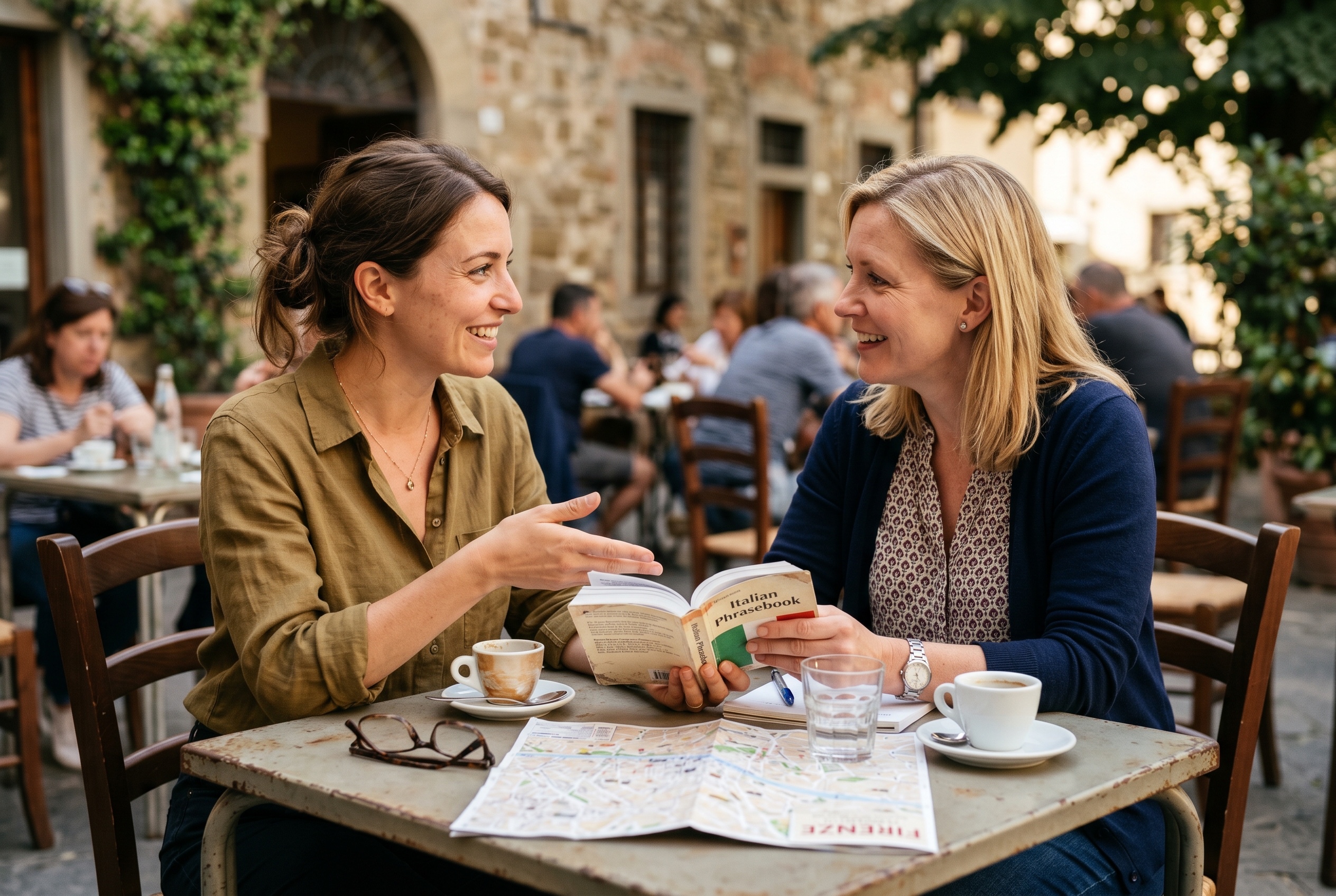
Personally vetted Italian tutors who prepare travelers for real trips to Rome, Florence, Venice, Milan, the Amalfi Coast, and beyond. Practical Italian for restaurants, trains, hotels, museums, and the regional etiquette that turns tourists into welcome guests.
Your instructors
Italian for Travel tutors for private lessons & classes
Strommen has been teaching Italian since 2006. Italian for Travel is one of our most-requested formats: time-bounded preparation for an upcoming Italian trip, focused on the cities and situations you'll actually be in. Every tutor below was met and vetted by us in person or via thorough video interview. No marketplace. No automated profile-creation.
Filter by location, age, or price. Then book a 30-minute free trial.
Below are the Strommen tutors who specialize in Italian for Travel. Photos, ratings, and rates are real. Click any card to read their bio and book a free 30-minute trial.
I want to learn…
Every tutor, personally met. — founder-vetted since 2006, in Los Angeles and online worldwide.
Get a personalized plan
Pick your language — a language advisor will match you with the right tutor and map out your path.


BA
Discover Italian Charm with Elisa: Lake Como Born, TV Writer Turned Passionate Italian Tutor & Dialogue Coach!
Personally vetted · Strommen’s note
A former TV writer, Elisa now coaches Italian dialogue with the same instinct for what actually lands on screen.
Specialties
BA
Discover Italian Charm with Elisa: Lake Como Born, TV Writer Turned Passionate Italian Tutor & Dialogue Coach!
Specialties
Personally vetted · Strommen’s note
A former TV writer, Elisa now coaches Italian dialogue with the same instinct for what actually lands on screen.

Law · Latin American Spanish Dubbing and VO
Learn Italian & Spanish fast and fun!
Personally vetted · Strommen’s note
Italian and Spanish translation both fall under Ruth's teaching, grammar explained through color-coded tables and games.
Specialties
Law · Latin American Spanish Dubbing and VO
Learn Italian & Spanish fast and fun!
Specialties
Personally vetted · Strommen’s note
Italian and Spanish translation both fall under Ruth's teaching, grammar explained through color-coded tables and games.



BA in International Relations & Journalism, BA in French, BA in Italian Language Teaching, Master in International Cooperation · Diploma Course in Spanish as a Foreign Language, Seminar on Professional Challenges in Reading, Translating and Editing in Digital Age (Litprax Erasmus European Union and University of Novi Sad, Serbia), Workshop on Translation and Literature, Seminar...
French, Italian, Spanish & German native speaker & expert. Elite Native-Fluent ESL tutor. Graduate of Université Paris-Sorbonne & Università di Bologna.
Personally vetted · Strommen’s note
Serge's specialties run from Wallon to Ukrainian to actor dialect coaching, arguably the widest range of any tutor on our roster.
Specialties
Also speaks: Dutch, Galician, Ukrainian
BA in International Relations & Journalism, BA in French, BA in Italian Language Teaching, Master in International Cooperation · Diploma Course in Spanish as a Foreign Language, Seminar on Professional Challenges in Reading, Translating and Editing in Digital Age (Litprax Erasmus European Union and University of Novi Sad, Serbia), Workshop on Translation and Literature, Seminar...
French, Italian, Spanish & German native speaker & expert. Elite Native-Fluent ESL tutor. Graduate of Université Paris-Sorbonne & Università di Bologna.
Specialties
I also speak: Dutch, Galician, Ukrainian
Personally vetted · Strommen’s note
Serge's specialties run from Wallon to Ukrainian to actor dialect coaching, arguably the widest range of any tutor on our roster.

M.A. and Ph.D.
Former UCLA Italian Instructor with 16+ Years of Experience!
Personally vetted · Strommen’s note
A former UCLA Italian instructor with us since 2009, Marianna moves easily between Italian instruction and legal translation.
Specialties
M.A. and Ph.D.
Former UCLA Italian Instructor with 16+ Years of Experience!
Specialties
Personally vetted · Strommen’s note
A former UCLA Italian instructor with us since 2009, Marianna moves easily between Italian instruction and legal translation.

Masters of Fine Art, Bachelor in Foreign Language and Literature. · Over 2,000 hours of one‑on‑one teaching experience. Published literary translator, with work reviewed in Kirkus Reviews, Times Literary Supplement, Art Book D.A.P., and multiple international journals.
Master English, French & Italian with a Published Literary Translator
Personally vetted · Strommen’s note
A published literary translator, Colombina teaches English, French, and Italian, plus SAT prep, college essay coaching, and learning-disability support.
Specialties
Masters of Fine Art, Bachelor in Foreign Language and Literature. · Over 2,000 hours of one‑on‑one teaching experience. Published literary translator, with work reviewed in Kirkus Reviews, Times Literary Supplement, Art Book D.A.P., and multiple international journals.
Master English, French & Italian with a Published Literary Translator
Specialties
Personally vetted · Strommen’s note
A published literary translator, Colombina teaches English, French, and Italian, plus SAT prep, college essay coaching, and learning-disability support.



UCLA Bachelor degree
Roman Native Italian Tutor with 20 years Experience, lets speak Italian!
Personally vetted · Strommen’s note
A Rome native who has taught Italian for twenty years, Garrett still takes on a handful of students personally when his schedule allows.
Specialties
Also speaks: French, Japanese, Spanish
UCLA Bachelor degree
Roman Native Italian Tutor with 20 years Experience, lets speak Italian!
Specialties
I also speak: French, Japanese, Spanish
Personally vetted · Strommen’s note
A Rome native who has taught Italian for twenty years, Garrett still takes on a handful of students personally when his schedule allows.
Bachelors degree in Teaching Italian as a Second Language and Translation
Learn Italian, Feel at Home
Personally vetted · Strommen’s note
Venice-based and fluent in five languages, Fabiana teaches two rare Italian threads, Sicilian dialect and Ladin, alongside standard Italian.
Specialties
Bachelors degree in Teaching Italian as a Second Language and Translation
Learn Italian, Feel at Home
Specialties
Personally vetted · Strommen’s note
Venice-based and fluent in five languages, Fabiana teaches two rare Italian threads, Sicilian dialect and Ladin, alongside standard Italian.
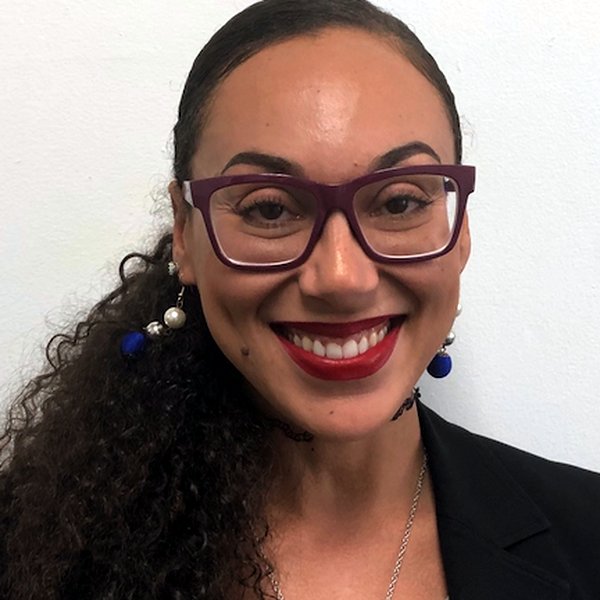


MBA and AS in Recording Arts · DALI, DELF, First Cert, SIZ Computer Science, Pro Tools, Dante
Multi-Culti Polyglot Linguist and Sound Engineer
Personally vetted · Strommen’s note
Vanessa speaks seven languages, has a sound-engineering background, and has spent two decades teaching. Her lessons range from accent coaching to art for kids.
Specialties
Also speaks: ASL American Sign Language, Chinese, Physics
MBA and AS in Recording Arts · DALI, DELF, First Cert, SIZ Computer Science, Pro Tools, Dante
Multi-Culti Polyglot Linguist and Sound Engineer
Specialties
I also speak: ASL American Sign Language, Chinese, Physics
Personally vetted · Strommen’s note
Vanessa speaks seven languages, has a sound-engineering background, and has spent two decades teaching. Her lessons range from accent coaching to art for kids.

University
Master Italian with a Milan Native: 13+ Years Teaching Experience, Customized Lessons for All Levels & Needs
Personally vetted · Strommen’s note
Milan-trained and sixteen years into teaching Italian, Sara keeps formal grammar sounding like conversation instead of a lecture.
Specialties
University
Master Italian with a Milan Native: 13+ Years Teaching Experience, Customized Lessons for All Levels & Needs
Specialties
Personally vetted · Strommen’s note
Milan-trained and sixteen years into teaching Italian, Sara keeps formal grammar sounding like conversation instead of a lecture.


Bachelor
Marco's Artistic Insights from Florence, Your Gateway to Language Mastery!
Personally vetted · Strommen’s note
Marco pairs Italian and Latin in the same lesson, working out of Florence with equal footing in grammar, pronunciation, and regional dialects for both.
Specialties
Bachelor
Marco's Artistic Insights from Florence, Your Gateway to Language Mastery!
Specialties
Personally vetted · Strommen’s note
Marco pairs Italian and Latin in the same lesson, working out of Florence with equal footing in grammar, pronunciation, and regional dialects for both.
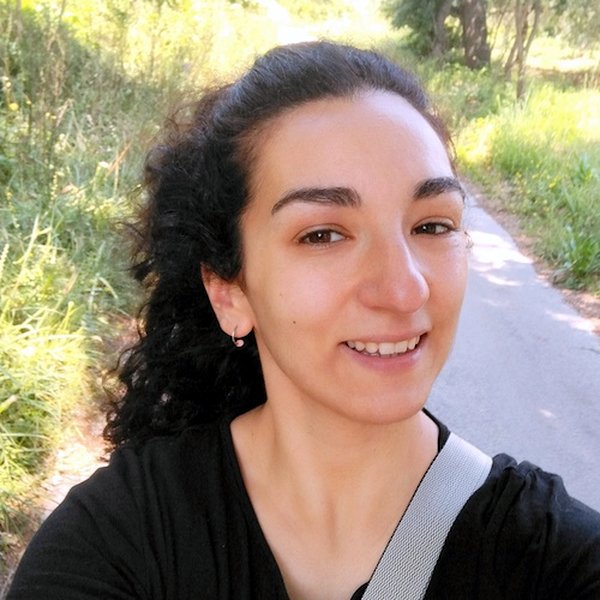
Lingue e culture straniere and insegnamento dell italiano agli stranieri L2 · Teaching Certificate
Masters Degree in Teaching Italian - Local Roman Italian Teacher - Currently living in Rome - Roma3 graduate
Personally vetted · Strommen’s note
Simona holds a Master's in Teaching Italian from Roma Tre and is based in Rome itself. She rebuilds her lesson plan for literally every new student.
Specialties
Lingue e culture straniere and insegnamento dell italiano agli stranieri L2 · Teaching Certificate
Masters Degree in Teaching Italian - Local Roman Italian Teacher - Currently living in Rome - Roma3 graduate
Specialties
Personally vetted · Strommen’s note
Simona holds a Master's in Teaching Italian from Roma Tre and is based in Rome itself. She rebuilds her lesson plan for literally every new student.

Master's Degree in Foreign Languages and Literature · CEDILD
"A humanistic explorer"
Personally vetted · Strommen’s note
Milan-based and self-described as 'a humanistic explorer,' Emanuela keeps her approach to Italian communicative and empathetic above all.
Specialties
Also speaks: English, Spanish
Master's Degree in Foreign Languages and Literature · CEDILD
"A humanistic explorer"
Specialties
I also speak: English, Spanish
Personally vetted · Strommen’s note
Milan-based and self-described as 'a humanistic explorer,' Emanuela keeps her approach to Italian communicative and empathetic above all.

In viaggio — etiquette & survival
5 traveler moves that separate welcome guests from cold-shouldered tourists
These are the small habits that make Italian shopkeepers, waiters, and locals visibly warmer. Save the infographic and bring it on your trip.
-
01
Buongiorno entering, arrivederci leaving
Every entry into a small Italian shop, cafe, or hotel lobby deserves a buongiorno (or buonasera after late afternoon). Every exit deserves an arrivederci or buona giornata. Skipping these reads as rude. Saying them in passable Italian, even with a strong American accent, immediately warms up your interactions. The vocabulary is tiny; the cultural payoff is large.
e.g. Buongiorno! Vorrei un cappuccino. — Subito! ... Arrivederci, grazie!
-
02
No cappuccino after 11am
Cappuccino is a morning drink in Italy, full stop. Order it after 11am and you're marked as a foreigner. Italians drink espresso (or caffè as they call it) throughout the day, often standing at the bar in 30 seconds flat. After lunch, espresso. After dinner, espresso. Cappuccino only with breakfast.
e.g. Un cappuccino al mattino, un caffè dopo pranzo.
-
03
Espresso al banco vs al tavolo
The same espresso costs dramatically different prices depending on where you drink it. Al banco (standing at the bar) is the Italian default and costs about 1.20 euros. Al tavolo (sitting at a table) costs 3 to 5 euros for the same drink. Both are posted, both are legal. Knowing the difference saves you from over-tipping and signals you know how Italian cafes actually work.
e.g. Un caffè al banco, per favore — 1.20 euro, perfetto.
-
04
Validate regional train tickets
Tickets for regionale trains in Italy must be validated at the yellow machine on the platform before boarding. High-speed Frecciarossa and Italo tickets don't need it (they're tied to a specific train). If you board a regional train with an unvalidated ticket, the inspector treats it as travelling without a ticket and fines you 50 to 100 euros on the spot. Validate before you step on.
e.g. Ho obliterato il biglietto? Sì, prima di salire.
-
05
Scusi before any request
Opening any request to an Italian stranger with scusi (or the casual scusa with peers) is the basic politeness move. Scusi, dov'è la stazione? Excuse me, where's the station? Scusi, parla inglese? Excuse me, do you speak English? Skipping it and jumping straight to the question reads as abrupt. The same word also covers apology (excuse me, sorry).
e.g. Scusi, posso chiederle un'informazione?
About Italian for Travel
Italian for the trip you're actually taking
Most American travelers planning an Italian trip arrive at Italian lessons with a specific countdown in mind: six weeks before Rome, four months before a Tuscany wedding, eight weeks before a Venice cruise stop, twelve weeks before a three-week family loop through Sicily. Italian for Travel is built around exactly that countdown. Lessons are practical, situation-anchored, and front-load the vocabulary and cultural moves you'll actually use, leaving advanced grammar and full conjugation tables for after the trip if you decide to keep going.
The single highest-impact thing an American traveler can learn before an Italian trip isn't a verb tense; it's the greeting protocol. Italians notice when you say buongiorno walking into a shop, a cafe, a hotel lobby, or a train compartment. They notice harder when you don't. The unspoken rule is that every entry into a small commercial or social space deserves an acknowledgement; skipping it reads as rude in a way many American travelers don't realize until they've spent a week getting noticeably cooler service than the European travelers around them. Same on exit: arrivederci, buona giornata, or at minimum grazie. Add per favore before any request and scusi before any interruption, and you've cleared the bar for basic Italian politeness. The vocabulary is small. The cultural payoff is large.
Restaurant Italian is the next most useful layer. Italian restaurants run on a stricter format than American ones, and traveling Americans regularly trip on the unwritten rules. Cappuccino is a morning drink; ordering it after 11am marks you as a foreigner. Espresso is what Italians actually drink, standing at the bar, often in 30 seconds flat. The price difference between al banco (standing at the bar) and al tavolo (sitting at a table) is real and posted: the same espresso might be 1.20 euros standing or 4 euros sitting. Restaurants charge a coperto (cover charge per person, typically 2 to 4 euros) that covers the table setting and bread; it's a normal line on the check, not a scam. Tipping is modest by American standards: rounding up the check or leaving a euro or two is generous, and the 20 percent American tip is genuinely unexpected. Il conto, per favore is how you ask for the bill, and you almost always have to ask — the waiter won't bring it preemptively because lingering after the meal is what Italians actually do at dinner.
Menu vocabulary is dense and Italy-specific. The antipasti are the appetizers, the primi are the pasta and rice courses, the secondi are the meat and fish, the contorni are the side dishes ordered separately, the dolci are the desserts. A traditional Italian meal moves through all five, though most Italians today don't eat that way every day and skipping a course is normal. Regional specialties dominate menus: cacio e pepe and amatriciana in Rome, ribollita and bistecca alla fiorentina in Florence, risotto and ossobuco in Milan, sarde in saor and risi e bisi in Venice, pizza margherita and parmigiana in Naples, arancini and pasta alla norma in Sicily. Knowing what the local specialty is before you sit down is half of dining well in Italy.
Train travel is the other workhorse of Italian travel Italian. Italy has an excellent rail network with three layers that travelers should distinguish. Trenitalia Frecciarossa and Frecciargento are the high-speed trains connecting major cities (Rome-Florence-Milan in three hours, Rome-Naples in just over an hour). Italo is the private high-speed competitor, often slightly cheaper and just as fast. Regionale trains are the local and regional services, slower, cheaper, and unreserved — useful for getting between smaller towns and from major cities to nearby destinations like the Tuscan hill towns or the Amalfi Coast. The vocabulary you need is small but specific: biglietto (ticket), andata (one-way), andata e ritorno (round trip), binario (platform), coincidenza (connection), obliterare (to validate, which you must do at the yellow machine before boarding regional trains or face a fine), prossima fermata (next stop). Italian train stations are also where some of the most common pickpocket and pseudo-helper scams operate, so a tutor walking you through what's normal and what isn't is worth the time.
Hotel and accommodation Italian is straightforward. Una camera singola, una camera doppia (with two single beds, often the default in Italian doubles), una camera matrimoniale (with one large bed for couples), con bagno (with bathroom), colazione inclusa (breakfast included). The tassa di soggiorno (tourist tax) is a real per-night charge that almost every Italian city now levies; it's usually paid in cash at checkout and ranges from 1 to 7 euros per person per night depending on the city and the hotel rating. Check-in and check-out are imported English words.
Museum, sight, and ticket Italian is its own small vocabulary. Biglietto covers any kind of ticket. Ingresso is the entry. Prenotazione is a reservation, often required for major attractions (the Uffizi, the Vatican Museums, the Borghese Gallery in Rome, the Last Supper in Milan, the Doge's Palace in Venice). Salta la fila is skip-the-line. Audioguida is the audio guide. Aperto and chiuso are open and closed; many Italian museums close on Mondays or on a specific day of the week, and checking before you go saves a wasted morning. Orario continuato means open through lunchtime (not all places are), orario spezzato means closed for lunch typically 13:00 to 16:00 (common for smaller establishments and most things in Southern Italy).
Regional etiquette varies more than travelers expect. Roman waiters and shopkeepers are direct and quick; lingering or hesitating reads as inefficiency. Florentines tend toward a slightly more reserved, almost Tuscan-proud register. Venetians, swimming in tourists, are friendly but quick to spot pretension; speaking even a few words of Italian unlocks meaningfully warmer interactions. Milanese pace is fast and direct, similar to other northern European cities. Neapolitans are famously warm, fast, and expressive; the city operates at higher emotional volume than the rest of Italy and travelers either love it or find it overwhelming. Sicily and the deep South run on more elastic schedules and prioritize the relationship layer in every interaction.
A few small habits separate prepared travelers from unprepared ones. Bring cash in small denominations for cafe espressos, taxi tips, and small purchases; many small Italian businesses still prefer cash for amounts under 10 euros. Carry your passport (or a high-quality copy) when traveling between cities by train; police checks on trains happen occasionally. Acqua frizzante is sparkling water and acqua naturale is still; one of these will be asked of you the moment you sit down. Italian dinners start late by American standards (8pm at the earliest, 9pm typical), and showing up at 6:30 for a hot meal often means a closed kitchen. Driving in central historic city zones (the ZTL, zona a traffico limitato) is prohibited and aggressively enforced by camera; the fines arrive in your home mailbox six months later. Park outside the ZTL and walk in.
For broader Italian-language ecosystem context, our curated Italian podcast list and the guide to Italian regional dialects are useful for travelers heading to specific regions. Our Italian pronunciation primer is the right warm-up for a six-week trip prep.
The Strommen Italian for Travel roster includes native Italian teachers from across the country who specialize in trip-anchored, time-bounded preparation. Each tutor's bio specifies where they're from and where they've lived in Italy, which matters when you're heading to a specific region. For students whose trip covers multiple regions (a typical Rome-Florence-Venice loop, or a Sicily-plus-Naples mix), we often suggest one tutor for the primary region and a second exposure session with another tutor for regional ear training. For other Italian specialties, our Conversational Italian, Italian for Beginners, and Italian classes page cover related programs.
Lessons calibrate to your trip. Tell your trial tutor the cities, the dates, the kind of trip (food-focused, culture-focused, family visit, business mixed with leisure, honeymoon), and the curriculum follows from there. The trial is free, and a focused four-to-eight-week prep arc before an Italian trip pays back in real currency: warmer interactions, better meals, smoother logistics, and a much better story when you get home.
What you'll cover
Lessons & classes tailored to Italian for Travel
Restaurant Italian and dining etiquette
Menu vocabulary across the five courses, regional specialty awareness, the cappuccino-vs-espresso rules, the coperto and tipping conventions, asking for the bill, ordering wine confidently, and the cultural rhythm of Italian meals (later dinners, longer lingering, the post-meal espresso). We rehearse real restaurant scenarios so you can order, modify, and complain in Italian with the right register.
Train, taxi, and intercity travel
Trenitalia vs Italo vs regionale distinctions, ticket vocabulary, platform navigation, the obliteration requirement for regional trains, common-station scam awareness, asking for connections, reading Italian departure boards. Plus taxi conventions (always metered, modest tipping), and the all-important ZTL rules for travelers who plan to rent a car.
Hotel, museum, and reservation Italian
Booking and checking into Italian accommodations, asking about facilities, requesting changes. Museum and attraction vocabulary, reservations for major sights that require them (Uffizi, Vatican, Last Supper, Borghese), understanding Italian opening hours (orario continuato vs orario spezzato), and the small but cultural-loaded vocabulary around checking out, asking for help, and handling small problems.
Regional etiquette and city-specific prep
Rome's quick directness, Florence's reserved Tuscan pride, Venice's tourist fatigue tempered by Italian warmth, Milan's faster northern pace, Naples's emotional volume, Sicily's elastic schedules. Each city has its own register and pace, and a tutor familiar with the cities you're visiting can prep you for the specific cultural calibration that turns interactions warmer.
FAQ
About Italian for Travel lessons & classes
How much Italian can I realistically learn before my trip?
Plenty for survival and meaningfully warmer interactions, even with just 6 to 8 weeks of focused weekly lessons. Realistic goals: greeting protocol, restaurant Italian, train and taxi vocabulary, basic small talk, asking for directions, handling simple problems. You won't be holding deep conversations, but you'll be able to navigate every common travel situation in Italian and unlock the difference between tourist-level and welcome-guest treatment. The cultural moves (buongiorno on entry, scusi before requests, knowing the cappuccino rule) often matter more than the vocabulary itself.
Should I focus on the region I'm visiting or learn general Italian?
General standard Italian for the vocabulary and grammar foundation, with regional ear-training and etiquette specific to your destinations layered on top. Standard Italian is understood everywhere; you don't need to learn Roman dialect or Sicilian to get by in Rome or Palermo. What helps is knowing the specific cultural quirks of your destination cities: Roman speed, Florentine reserve, Venetian tourist-fatigue, Neapolitan warmth. A tutor familiar with your specific regions can prep you for those.
Do I really need to say buongiorno every time I walk into a shop?
Yes, and skipping it is the single most common mistake American travelers make in Italy. Italians notice the entry greeting and notice harder when it's absent. The cultural cost is real: noticeably cooler service, less help with menu questions, less patience with your halting Italian. The fix is trivial: buongiorno entering, arrivederci leaving. Same words, used hundreds of times across a two-week trip.
What do I actually need to know about Italian trains?
Three layers: Frecciarossa and Frecciargento (Trenitalia high-speed, fast, reserved seats, no validation needed), Italo (private high-speed competitor, often cheaper, same speed), Regionale (slow, cheap, unreserved, validate ticket at the yellow machine before boarding or face a fine). Buy in advance for high-speed for the best fares. Major stations (Roma Termini, Milano Centrale, Firenze SMN, Venezia SL) have abundant pickpocket and pseudo-helper activity, so keep your bags close and politely decline strangers offering to carry them.
What's the deal with tipping in Italian restaurants?
Modest by American standards. The American 20 percent tip is genuinely unexpected and not the norm. Italians round up the check or leave a euro or two on a meal for one or two people, and slightly more on a large group meal. Some restaurants in tourist-heavy areas now add a service charge automatically; check the bill for servizio incluso. The coperto (cover charge per person) is not a tip; it covers the table setting and bread.
Are there scams I should watch out for?
Common ones: the bracelet-tier-around-your-wrist scam at major Roman piazzas, the rose-handed-to-your-partner scam, the cardboard-folded-and-shoved-in-your-face distraction-pickpocket combo, fake police asking to inspect your wallet, taxi drivers refusing the meter from Termini or Fiumicino (always insist on the meter or the airport flat-rate). At train stations, pseudo-helpers offering to show you how to use the ticket machine sometimes lift cards or cash; politely refuse all help from strangers and use staffed counters or your phone instead. A tutor familiar with the cities you're visiting can flag the specific scams active there.
Can my tutor help me with the specific cities on my itinerary?
Yes. Send your itinerary in advance (cities, dates, kind of trip, any specific reservations you've already made) and your tutor will build the curriculum around it. Restaurant prep for Rome, museum reservation Italian for Florence, water-taxi vocabulary for Venice, regional dialect awareness for Naples or Sicily. Trip-specific prep is the format Italian for Travel is designed for, and the more concrete you are about your itinerary, the more useful the lessons will be.
Ready for Italian for Travel lessons or classes?
Book a free 30-minute trial with one of our personally vetted tutors. Private lessons or small-group classes — your choice.