



Personally vetted instructors
French for Kids tutors, lessons & classes
Coucou ! How French families greet kids, warmer than "bonjour".
Personally vetted French tutors for kids. Engaging, patient, age-appropriate lessons for ages 5-14, calibrated to your child's level, interests, and pace — whether they're starting from scratch, in French immersion school, or growing up in a bilingual home.
Your instructors
French for Kids tutors for private lessons & classes
Strommen has been teaching French to families since 2006. French for kids has always been the most relationship-driven specialty on our roster. What makes a kids' tutor work isn't just the French, it's the warmth, patience, and ability to make a child look forward to the lesson. Every tutor below was met and vetted by us in person or via thorough video interview, screened specifically for working with children. No marketplace. No automated profile-creation. Real teachers with real backgrounds in kids' French education.
Filter by location, age, or price. Then book a 30-minute free trial, including a quick parent chat about your child's level and goals.
Below are the Strommen tutors who specialize in French for kids. Photos, ratings, and rates are real. Click any card to read their bio and book a free 30-minute trial — including a quick chat with you, the parent, about your child's goals.
I want to learn…
Every tutor, personally met. — founder-vetted since 2006, in Los Angeles and online worldwide.
Get a personalized plan
Pick your language — a language advisor will match you with the right tutor and map out your path.




Bachelor of Business Administration (specialized in International Relations) · DELF Examiner, DALF C2, Goethe Zertifikat C1/B2, DELE B1
Join me on your language learning adventure!
Personally vetted · Strommen’s note
Bangalore-based, Yvanka teaches French and German after years at Alliance Française. She started, unusually, as an English teacher in France.
Specialties
Also speaks: English, Italian, Spanish
Bachelor of Business Administration (specialized in International Relations) · DELF Examiner, DALF C2, Goethe Zertifikat C1/B2, DELE B1
Join me on your language learning adventure!
Specialties
I also speak: English, Italian, Spanish
Personally vetted · Strommen’s note
Bangalore-based, Yvanka teaches French and German after years at Alliance Française. She started, unusually, as an English teacher in France.

B.A. in IT and Languages
Native Parisian French Teacher
Personally vetted · Strommen’s note
Parisian-born with a background in IT and languages, Sadigatou keeps travel French and business French as cleanly separate tracks.
Specialties
Also speaks: Chinese, English, Spanish
B.A. in IT and Languages
Native Parisian French Teacher
Specialties
I also speak: Chinese, English, Spanish
Personally vetted · Strommen’s note
Parisian-born with a background in IT and languages, Sadigatou keeps travel French and business French as cleanly separate tracks.

Bachelor degree · French literature / philosophy and foreign lanaguages
Bonjour! Experienced French tutor offering dynamic lessons tailored to your needs. Let's unlock French fluency together
Personally vetted · Strommen’s note
Twenty years into teaching French, Stephanie still runs lessons a la carte: fast, simple, built around exactly what you need.
Specialties
Bachelor degree · French literature / philosophy and foreign lanaguages
Bonjour! Experienced French tutor offering dynamic lessons tailored to your needs. Let's unlock French fluency together
Specialties
Personally vetted · Strommen’s note
Twenty years into teaching French, Stephanie still runs lessons a la carte: fast, simple, built around exactly what you need.
A Master's degree in French language and literature + A Screenwriter degree
Native French teacher
Personally vetted · Strommen’s note
A native French teacher who also teaches drawing, Marie balances precise grammar work with lessons loose enough to never get boring.
Specialties
A Master's degree in French language and literature + A Screenwriter degree
Native French teacher
Specialties
Personally vetted · Strommen’s note
A native French teacher who also teaches drawing, Marie balances precise grammar work with lessons loose enough to never get boring.

Bachelor's in French, Master's in Education
Learner-friendly French and ESL
Specialties
Also speaks: Spanish
Bachelor's in French, Master's in Education
Learner-friendly French and ESL
Specialties
I also speak: Spanish
University of Toronto Bachelor's Diploma · Certificate in International Relations from the Political Science Institute of Paris
Your Multicultural Language Companion: Expert Guidance in English, French, German, and Spanish
Personally vetted · Strommen’s note
Maria has spent thirty years teaching across Czech, English, French, German, Polish, and Spanish, much of it inside government departments and international organizations.
Specialties
University of Toronto Bachelor's Diploma · Certificate in International Relations from the Political Science Institute of Paris
Your Multicultural Language Companion: Expert Guidance in English, French, German, and Spanish
Specialties
Personally vetted · Strommen’s note
Maria has spent thirty years teaching across Czech, English, French, German, Polish, and Spanish, much of it inside government departments and international organizations.
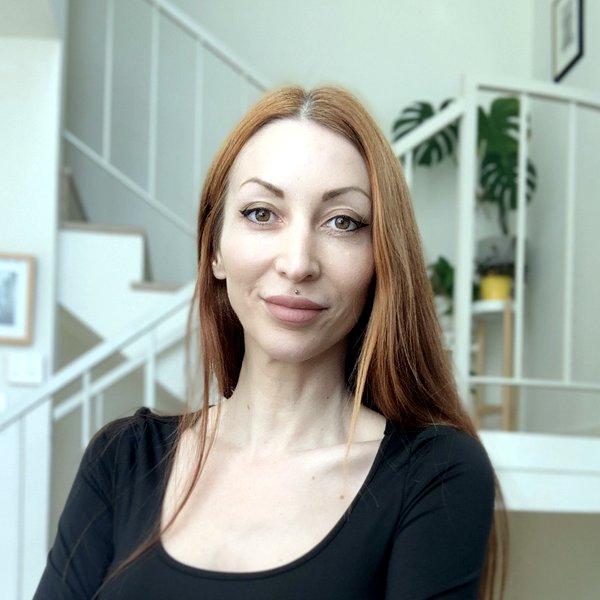
Foreign Languages bachelor degree (3 years university degree in France)
University of Bordeaux graduate teaching French in Hollywood
Personally vetted · Strommen’s note
University of Bordeaux-trained and teaching out of Hollywood, Marie mixes grammar and reading, then keeps it loose enough to not feel like homework.
Specialties
Also speaks: English
Foreign Languages bachelor degree (3 years university degree in France)
University of Bordeaux graduate teaching French in Hollywood
Specialties
I also speak: English
Personally vetted · Strommen’s note
University of Bordeaux-trained and teaching out of Hollywood, Marie mixes grammar and reading, then keeps it loose enough to not feel like homework.
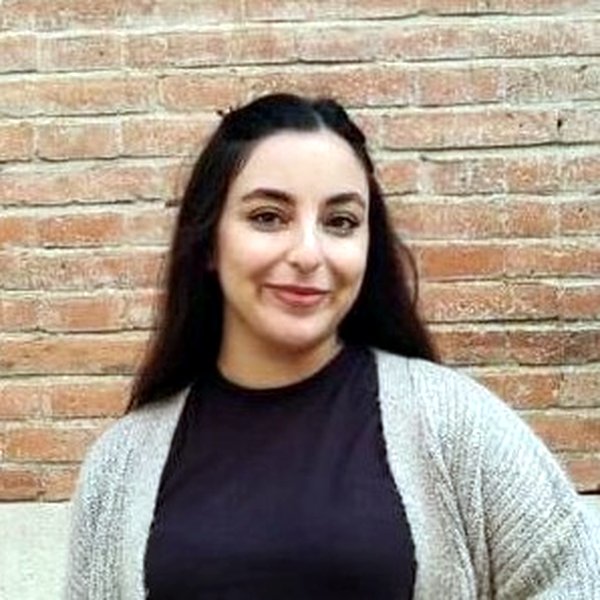
Bachelors degree in business Masters in logistics · TEFL Translation
Certified French & Spanish Language Coach | Business, Exams, & Conversational Mastery
Personally vetted · Strommen’s note
A Berlitz-trained language consultant, marielyne teaches English, French, and Spanish, built for business communication and exam prep specifically.
Specialties
Bachelors degree in business Masters in logistics · TEFL Translation
Certified French & Spanish Language Coach | Business, Exams, & Conversational Mastery
Specialties
Personally vetted · Strommen’s note
A Berlitz-trained language consultant, marielyne teaches English, French, and Spanish, built for business communication and exam prep specifically.
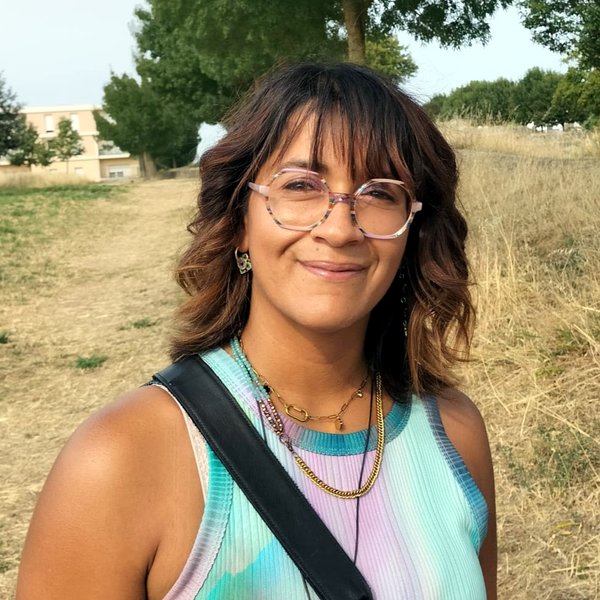
Master in Communication and ManagementBritish Bachelor in Journalism · English testing exams (IELTS, TOEIC)
Learn French with me and it will be a piece of cake !
Personally vetted · Strommen’s note
Babbel-trained, Farah teaches French out of Nantes with a specialty in opera-singer diction and accent work. Her tagline promises: 'piece of cake.'
Specialties
Master in Communication and ManagementBritish Bachelor in Journalism · English testing exams (IELTS, TOEIC)
Learn French with me and it will be a piece of cake !
Specialties
Personally vetted · Strommen’s note
Babbel-trained, Farah teaches French out of Nantes with a specialty in opera-singer diction and accent work. Her tagline promises: 'piece of cake.'
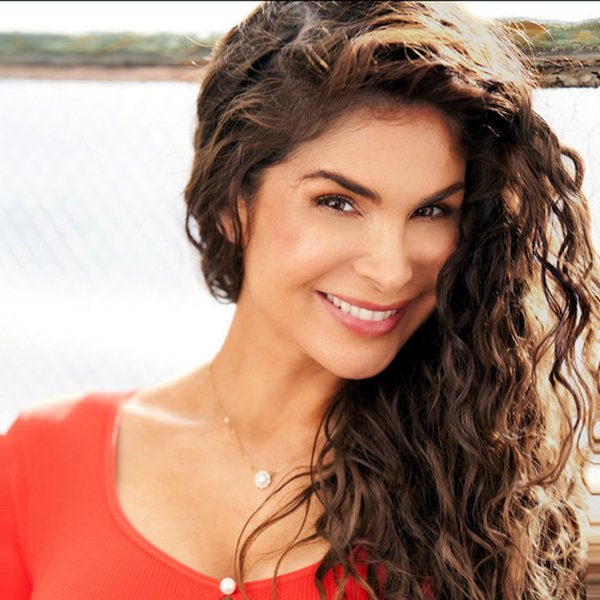


Associate's degree
Native French Speaker with 10 + years of experience teaching. All levels & All ages
Specialties
Also speaks: Arabic, Dutch, English, Portuguese, Spanish
Associate's degree
Native French Speaker with 10 + years of experience teaching. All levels & All ages
Specialties
I also speak: Arabic, Dutch, English, Portuguese, Spanish
Master · bachelor's degree
Pédagogie personnalisée
Personally vetted · Strommen’s note
Seven years teaching French sit behind Boubacar's practice out of Settat: TEF, TCF, and DELF exam coaching, Belgian French included as a specialty.
Specialties
Also speaks: English
Master · bachelor's degree
Pédagogie personnalisée
Specialties
I also speak: English
Personally vetted · Strommen’s note
Seven years teaching French sit behind Boubacar's practice out of Settat: TEF, TCF, and DELF exam coaching, Belgian French included as a specialty.

Masters in Linguistics · Masters in Linguistics, PFUR, Moscow, Russia, 2001
Native Russian Tutor with Over 20 Years of Experience
Personally vetted · Strommen’s note
A Russian native with a linguistics master's and more than twenty years teaching, Katya won't rush a student past where they're actually ready.
Specialties
Masters in Linguistics · Masters in Linguistics, PFUR, Moscow, Russia, 2001
Native Russian Tutor with Over 20 Years of Experience
Specialties
Personally vetted · Strommen’s note
A Russian native with a linguistics master's and more than twenty years teaching, Katya won't rush a student past where they're actually ready.

Pour les enfants — kids' French
5 things that make kids' French lessons actually work
Lessons that engage children work differently than adult lessons. These are the principles every great French-for-kids tutor leans on. Screenshot to share with your child's other parent.
-
01
Coucou !
The warm, kid-friendly French greeting. Adults open with bonjour; families open with coucou. Hearing it from a tutor in the first lesson signals to a child that this is going to feel different from school French: softer, friendlier, more like a family interaction.
e.g. Coucou Léa ! Tu vas bien aujourd'hui ?
-
02
Jacques a dit
The French version of Simon Says. The classic kids' French classroom game — covers body parts, action verbs, and the imperative mood without anyone realizing they're doing grammar. Every Strommen French-for-Kids tutor has a dozen variations of this in their toolkit.
e.g. Jacques a dit : touchez votre nez.
-
03
C'est trop bien !
"It's really cool!" The everyday positive expression French kids use constantly. Worth teaching early because kids notice authentic vocabulary; saying très bien all the time sounds textbook-y, but trop bien sounds like real French kids talk to each other. Trop in this register means "very/really", not "too much".
e.g. Le foot, c'est trop bien !
-
04
Ratatatam, on lit !
The kind of rhythmic kid-call a French teacher uses to grab a child's attention before storytime. Real French elementary teachers use chants, rhymes, and rhythmic transitions constantly. They make the lesson feel like a game rather than a class, which is exactly what kids respond to.
e.g. Ratatatam, ratatatam, on lit, on lit !
-
05
Le Petit Nicolas
The classic French children's book series by René Goscinny (also the creator of Astérix) and Sempé. Short stories about a 7-year-old's adventures, written in beautifully accessible French. The go-to reading material for French kids ages 8-12 and one of the best entry-points to French literary culture for any kid learning the language.
e.g. Aujourd'hui on lit Le Petit Nicolas.
About French for Kids
French your kid actually wants to learn
Teaching French to children works on entirely different principles than teaching adults. Kids learn through play, story, song, and repetition, not through grammar drills. A great kids' French tutor brings energy, warmth, patience, and a real love of working with children, alongside native or near-native French. The Strommen French-for-Kids roster filters for exactly that profile. Every tutor here has been screened for both teaching credentials and the harder-to-measure qualities (warmth, patience, age-appropriate creativity, classroom management) that decide whether a 7-year-old will look forward to or dread their French lessons.
Lessons start with where your child actually is. A 5-year-old whose grandparents are French and who hears French at home needs different lessons than a 10-year-old in a French immersion school who's struggling with written grammar, who needs different lessons again from a 12-year-old starting from zero for a family move to Paris. The first lesson is mostly an assessment session. The tutor figures out your child's level, interests, attention span, and what motivates them. Then the curriculum gets built around that. Kids who love soccer learn through soccer vocabulary and Ligue 1 highlights. Kids who love Disney learn through French Disney songs and dubbing. Kids who love cooking learn through Marmiton recipes and the French Bake Off. The point is to make French feel like a doorway to things they already love, not another assignment.
What lessons look like in practice depends on the age. Ages 5-7 lessons are short (20-30 min), play-heavy, song-driven, picture-book based. Storytime with Petit Ours Brun or T'choupi. French animal sounds, colors, numbers, family vocabulary through games. Singing along to Frère Jacques, Au clair de la lune, and contemporary kids' songs from Henri Dès, Aldebert, or French-Canadian artists. Movement and physical play (Simon Says becomes Jacques a dit). The tutor will not be writing grammar on a board with a 6-year-old; they'll be running through 10 different mini-activities in 30 minutes. Ages 8-11 lessons are 45-60 minutes and start incorporating light reading and writing. Comic books (Tintin, Astérix, Le Petit Nicolas) become legitimate teaching materials. French YouTube channels for kids, Les Petits Plats de Bébé, Mini TFO, 1jour1question — give them content they'd watch anyway. Game-based vocabulary work (Kahoot, Quizlet, online French scrabble) keeps the screen time productive. Ages 12-14 lessons feel more like adult lessons but still scaffolded, full conversation, age-appropriate French films and series (Lupin, Astérix films, Plus belle la vie), French YouTubers and podcasters they actually find interesting. Light grammar work is appropriate at this age but never the center of the lesson. For broader French foundations our 1,000 most common French words list is a useful supplement for parents who want to check progress.
For kids in French immersion schools, lessons are an entirely different game. Immersion students typically have strong oral comprehension but weak written French. They've been hearing it for years but haven't done the grammar work. Lessons fill that gap: subject pronouns, verb conjugations, agreement rules, written accents, spelling patterns. The tutor coordinates with what the school is covering so lessons reinforce, not duplicate. Common immersion schools where Strommen students attend include Lycée Français de Los Angeles, International School of Los Angeles, French American Academy, plus the LAUSD French immersion programs. We've worked with families across all of them and our tutors know the curriculum gaps each school's program tends to leave. Our blog post on French immersion schools in LA covers the school landscape; lessons handle the per-child academic gap.
For heritage learners, kids growing up with one French-speaking parent or grandparent, the goal is different again. These kids often understand French perfectly but answer in English (the "passive bilingual" pattern). Lessons focus on activating production: making the French-speaking response automatic rather than effortful. Specific vocabulary your child uses in family contexts (food, holidays, family in-jokes) gets reinforced. Reading and writing in French, the parts heritage learners typically skip, get scaffolded carefully so the child doesn't feel like they're behind. Many heritage families also want their child to be functional with cousins in France during summer visits; lessons calibrate toward that very specific goal in the months leading up.
A few specific things parents tend to ask about that are worth knowing upfront. Yes, lessons can happen via video and they work, kids adjust to video lessons faster than adults do, especially after the first session with a tutor they connect with. No, you don't need to be in the room (though for ages 5-7 it helps for the first session or two until your child and the tutor establish rapport). Yes, we can match a tutor by personality and energy. If your kid responds better to a more structured teacher or a goofier one, tell us, we'll match. Yes, the same tutor over weeks and months is the right cadence; kids' learning is relationship-driven, and a consistent tutor produces dramatically better results than rotating. Pricing varies by tutor experience but most Strommen kids' French lessons run in line with adult lessons since the credentialing standards are the same. The tutor profile pages list ages they teach, languages, and rates.
For immersion outside the lesson, French kids' media has gotten genuinely great. Mini Espions, Les Sisters, Foot 2 Rue, Trotro for younger kids, all available on French streaming via DPI/CBC Gem (Canadian), TV5MONDE+, or France.tv internationally. Astérix et Obélix films are kid-appropriate and culturally formative. French dub of Pokémon and Disney films are everywhere and pitched right for ages 6-10. French children's music: Aldebert (album Enfantillages is a modern classic), Henri Dès for younger kids, Stromae's family-appropriate hits for older kids. Books: Disney French translations are the entry point; Le Petit Prince for early readers; Roald Dahl in French translation (Charlie et la chocolaterie) for 8-12 year olds; Le Petit Nicolas series at the same age. The pattern is the same as for any kid's language learning: pick the content your child would consume in English anyway, and substitute the French version.
The Strommen French-for-Kids roster includes native French teachers based in France and French-speaking countries (Canada, Belgium, Switzerland, francophone Africa), longtime French-American bilinguals based in the US, and credentialed elementary teachers who specifically work with children. Several of our tutors have backgrounds in French immersion teaching or were teachers in France before relocating. Each tutor's bio lists ages they teach, teaching philosophy, and which student profile fits best (heritage learner, immersion-school support, fresh-start, exam prep). Pricing reflects experience. You can match to a more structured tutor for an academically-focused kid, a more playful tutor for younger or reluctant learners, or a heritage-specialist tutor if your child speaks French at home. For other French specialties, our Parisian French, conversational French, and French for opera singers specialty pages cover related programs.
Lessons calibrate to your child's actual situation. Immersion-school support is a different curriculum from family-prep for a summer in France, which is different again from heritage-language activation for a passive bilingual, which is different from a parent-driven "we want our kid to have French" general intro. Tell the tutor your goal in the first session, and they'll build around it. Each lesson is one-on-one, the tutor plans around your child's interests and your family's schedule, and the trial is free. For a head-start before lessons begin, our French course page shows the family of related programs. Or just browse the full tutor list and book a trial. Pick a tutor your kid will actually look forward to seeing. Stay consistent week to week. The rest takes care of itself.
What you'll cover
Lessons & classes tailored to French for Kids
Age-appropriate curriculum design
Lessons for ages 5-7 are short, song- and play-driven. Ages 8-11 incorporate light reading and writing through comics and kids' YouTube. Ages 12-14 move toward fuller conversation and age-appropriate media. The tutor builds the curriculum around your child's interests (sports, music, cooking, video games, whatever motivates them) so French becomes a doorway, not a chore.
French immersion school support
Targeted reinforcement for kids attending Lycée Français de Los Angeles, ISLA, French American Academy, LAUSD French immersion programs, and other immersion schools. Lessons fill the written-French gap that immersion programs often leave (grammar, spelling, agreement, written accents) without duplicating school work. Tutors coordinate with what the school is covering.
Heritage learner activation
For kids who understand French (one French-speaking parent, French grandparents, summers in France) but answer in English. Lessons focus on activating production — making French responses automatic. Family vocabulary, reading and writing scaffolds, summer-in-France prep. The goal isn't to teach French from scratch but to unlock what's already there.
Family-move prep, exam prep, conversational maintenance
Family relocating to France: targeted curriculum for the months leading up, including school vocabulary, social register for the child's age group, cultural orientation. Exam prep for AP French (ages 14+), Brevet, DELF Junior. General conversational maintenance for kids whose French education is between schools. Calibrated to your child's specific goal and timeline.
FAQ
About French for Kids lessons & classes
How young is too young for French lessons?
Age 4-5 is the youngest we'd recommend formal lessons, and even then they need to be very short (15-25 min), play-heavy, and built around an immediate caregiver presence. Younger than 4 is better served by French-language daycare, playgroups, or exposure through family. For ages 5+, lessons work well. Kids this age learn through repetition, song, and play, and a great tutor leans into that. Most of our French-for-Kids lessons are for ages 6-14.
Does video work for kids, or do they need in-person?
Video works well from about age 6 onward, especially after the first session or two where the child and tutor establish rapport. Younger kids (5-6) benefit from a parent's presence in the room for the first few lessons to bridge attention. The advantage of video for kids is the same as for adults: best-fit tutor regardless of location, and consistency week to week. In-person works too if the tutor is local and the schedule aligns. We have both options in LA and via video everywhere.
My kid attends a French immersion school. Do they really need lessons?
Many do, especially in elementary years 3-6 when written French expectations ramp up and immersion programs often leave gaps in grammar, spelling, and agreement work. Lessons aren't to teach French from scratch (your child has plenty) but to fill the specific written-language gaps and reinforce material the school is covering too fast. Coordinate with the school's curriculum, and your tutor can read your child's report cards and assignments to identify where to focus.
We speak French at home. Why would we need a tutor?
Heritage learners are one of the trickiest profiles to teach because the child has strong listening comprehension but weak production and almost no formal grammar. A good tutor activates the latent French, making it the language of response, not just comprehension. They also bring reading and writing into focus, which heritage families often skip. The most common request from heritage families: "Our kid understands everything but answers in English, and we want that to change before they spend a month with cousins in France."
How do you match the right tutor to my child?
We talk to you first about your child's age, current level, school situation, interests, personality, and what's worked and not worked with prior teachers if any. Then we propose 1-2 tutors who fit. If the first tutor isn't a fit after the trial, switching is easy. Personality fit is at least as important as French credentials for kids; we factor both. Some kids click better with a more structured teacher, others with a more playful one. We've been doing this since 2006 and the matching gets right faster than people expect.
What's the right lesson cadence?
Weekly is the sweet spot. Twice a week works for kids prepping for an exam, a move, or a specific deadline. Less than weekly (every other week, monthly) doesn't build momentum in kids and we'd recommend daily Duolingo or French media exposure in between if you can only afford less frequent lessons. Consistency beats intensity: 30 minutes weekly for a year produces dramatically more French than 4 hours sporadically. Holiday and summer schedules can flex; the tutor builds plans around your family's calendar.
What does the trial include?
30 minutes, free, with the tutor you select. The first 5-10 minutes are typically a quick conversation with you (the parent) about your child's level, goals, school situation, and any specific concerns. The remaining 20 minutes the tutor spends one-on-one with your child to assess their level and find rapport. After the trial you decide whether to continue, and the tutor will share their read on your child's level and a proposed curriculum direction. Most families continue with the trial tutor; if not, swapping is easy.
Ready for French for Kids lessons or classes?
Book a free 30-minute trial with one of our personally vetted tutors. Private lessons or small-group classes — your choice.