



Personally vetted instructors
French for Opera Singers tutors, lessons & classes
Bonjour, Maître How young singers traditionally address their voice teachers and coaches in francophone conservatories.
Personally vetted French diction and language coaches for opera singers. Repertoire-focused lessons in IPA-precise French, role preparation, libretto translation, French art song interpretation, and the unique vowel and consonant standards of operatic French.
Your instructors
French for Opera Singers tutors for private lessons & classes
Strommen has been coaching opera singers since 2006. French for opera singers has always been one of our deepest specialties. The LA opera scene runs through LA Opera, Long Beach Opera, Pacific Opera Project, and the major conservatories (USC Thornton, Colburn, Cal State LA), and Strommen has worked with singers from all of them. Our French diction coaches range from native French speakers with conservatory backgrounds to North American opera coaches with extensive French repertoire experience. Every tutor below was met and vetted by us in person or via thorough video interview. No marketplace. No automated profile-creation. Real coaches with real backgrounds in operatic French.
Filter by location, age, or price. Then book a 30-minute free trial.
Below are the Strommen tutors who specialize in French for opera singers. Photos, ratings, and rates are real. Click any card to read their bio and book a free 30-minute trial.
I want to learn…
Every tutor, personally met. — founder-vetted since 2006, in Los Angeles and online worldwide.
Get a personalized plan
Pick your language — a language advisor will match you with the right tutor and map out your path.

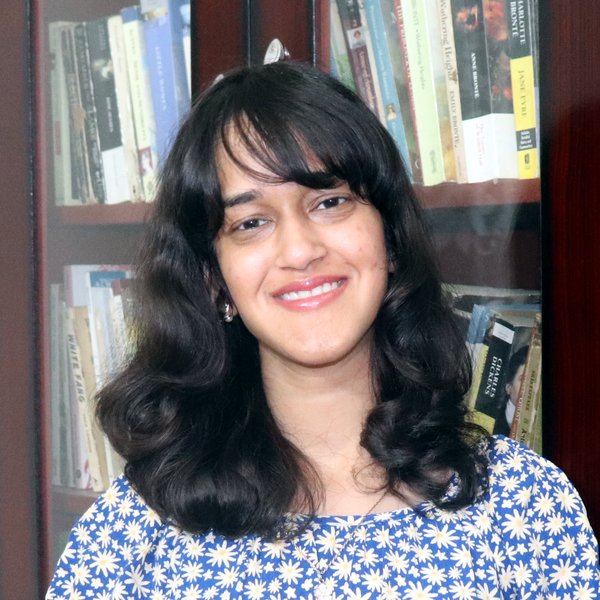


Bachelor of Business Administration (specialized in International Relations) · DELF Examiner, DALF C2, Goethe Zertifikat C1/B2, DELE B1
Join me on your language learning adventure!
Personally vetted · Strommen’s note
Bangalore-based, Yvanka teaches French and German after years at Alliance Française. She started, unusually, as an English teacher in France.
Specialties
Also speaks: English, Italian, Spanish
Bachelor of Business Administration (specialized in International Relations) · DELF Examiner, DALF C2, Goethe Zertifikat C1/B2, DELE B1
Join me on your language learning adventure!
Specialties
I also speak: English, Italian, Spanish
Personally vetted · Strommen’s note
Bangalore-based, Yvanka teaches French and German after years at Alliance Française. She started, unusually, as an English teacher in France.
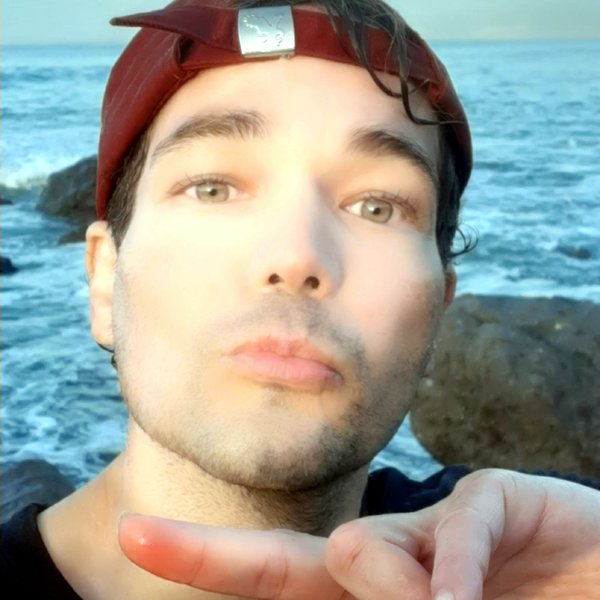

BA in International Relations & Journalism, BA in French, BA in Italian Language Teaching, Master in International Cooperation · Diploma Course in Spanish as a Foreign Language, Seminar on Professional Challenges in Reading, Translating and Editing in Digital Age (Litprax Erasmus European Union and University of Novi Sad, Serbia), Workshop on Translation and Literature, Seminar...
French, Italian, Spanish & German native speaker & expert. Elite Native-Fluent ESL tutor. Graduate of Université Paris-Sorbonne & Università di Bologna.
Personally vetted · Strommen’s note
Serge's specialties run from Wallon to Ukrainian to actor dialect coaching, arguably the widest range of any tutor on our roster.
Specialties
Also speaks: Dutch, Galician, Ukrainian
BA in International Relations & Journalism, BA in French, BA in Italian Language Teaching, Master in International Cooperation · Diploma Course in Spanish as a Foreign Language, Seminar on Professional Challenges in Reading, Translating and Editing in Digital Age (Litprax Erasmus European Union and University of Novi Sad, Serbia), Workshop on Translation and Literature, Seminar...
French, Italian, Spanish & German native speaker & expert. Elite Native-Fluent ESL tutor. Graduate of Université Paris-Sorbonne & Università di Bologna.
Specialties
I also speak: Dutch, Galician, Ukrainian
Personally vetted · Strommen’s note
Serge's specialties run from Wallon to Ukrainian to actor dialect coaching, arguably the widest range of any tutor on our roster.
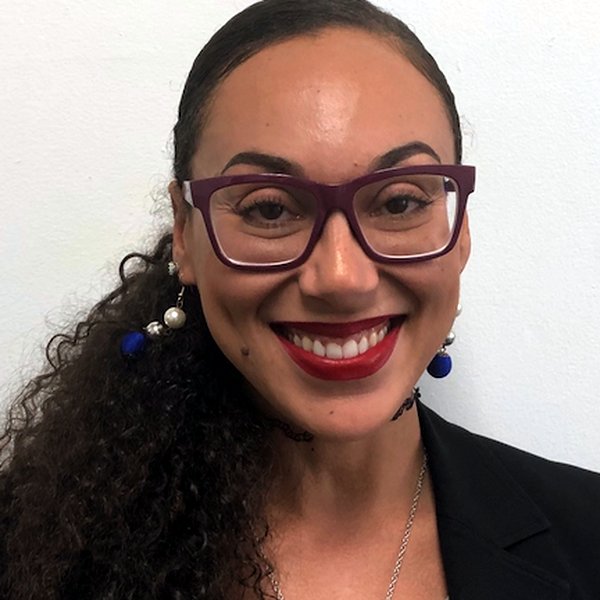

MBA and AS in Recording Arts · DALI, DELF, First Cert, SIZ Computer Science, Pro Tools, Dante
Multi-Culti Polyglot Linguist and Sound Engineer
Personally vetted · Strommen’s note
Vanessa speaks seven languages, has a sound-engineering background, and has spent two decades teaching. Her lessons range from accent coaching to art for kids.
Specialties
Also speaks: ASL American Sign Language, Chinese, Physics
MBA and AS in Recording Arts · DALI, DELF, First Cert, SIZ Computer Science, Pro Tools, Dante
Multi-Culti Polyglot Linguist and Sound Engineer
Specialties
I also speak: ASL American Sign Language, Chinese, Physics
Personally vetted · Strommen’s note
Vanessa speaks seven languages, has a sound-engineering background, and has spent two decades teaching. Her lessons range from accent coaching to art for kids.
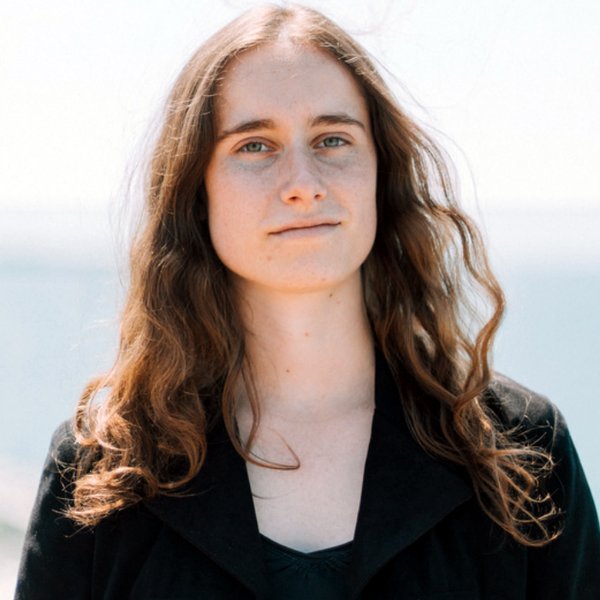
A Master's degree in French language and literature + A Screenwriter degree
Native French teacher
Personally vetted · Strommen’s note
A native French teacher who also teaches drawing, Marie balances precise grammar work with lessons loose enough to never get boring.
Specialties
A Master's degree in French language and literature + A Screenwriter degree
Native French teacher
Specialties
Personally vetted · Strommen’s note
A native French teacher who also teaches drawing, Marie balances precise grammar work with lessons loose enough to never get boring.
Licence LEA Anglais Allemand · Licence LEA Anglais Allemand
Enjoy French !
Personally vetted · Strommen’s note
Isabelle has spent ten-plus years teaching French to everyone from opera singers to corporate teams. Her approach is built on making grammar understood, not just memorized.
Specialties
Licence LEA Anglais Allemand · Licence LEA Anglais Allemand
Enjoy French !
Specialties
Personally vetted · Strommen’s note
Isabelle has spent ten-plus years teaching French to everyone from opera singers to corporate teams. Her approach is built on making grammar understood, not just memorized.
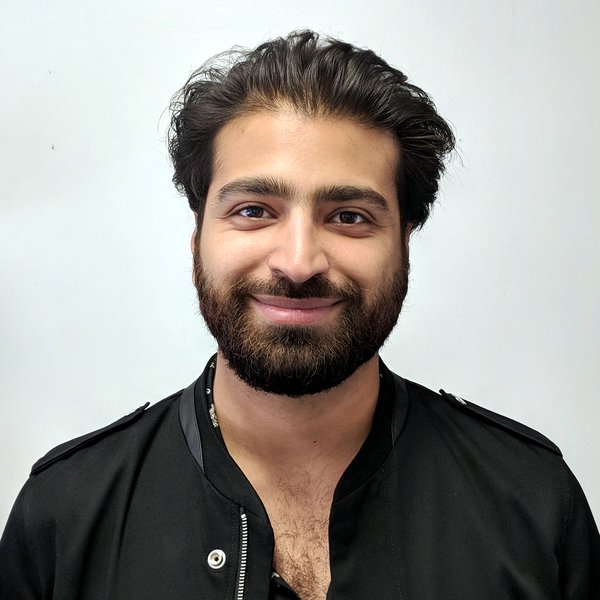
Bachelor's Degree in History, Panthéon-Sorbonne University, Paris- Bachelor's Degree in Information and Communication Sciences, Sorbonne Nouvelle University, Paris- Master's Degree in Cultural Journalism, Sorbonne Nouvelle University, Paris.
French Tutor in Paris!
Personally vetted · Strommen’s note
Paris-based and thoroughly conversation-driven, Nima keeps French lessons lively enough that staying focused for the full hour isn't a struggle.
Specialties
Bachelor's Degree in History, Panthéon-Sorbonne University, Paris- Bachelor's Degree in Information and Communication Sciences, Sorbonne Nouvelle University, Paris- Master's Degree in Cultural Journalism, Sorbonne Nouvelle University, Paris.
French Tutor in Paris!
Specialties
Personally vetted · Strommen’s note
Paris-based and thoroughly conversation-driven, Nima keeps French lessons lively enough that staying focused for the full hour isn't a struggle.
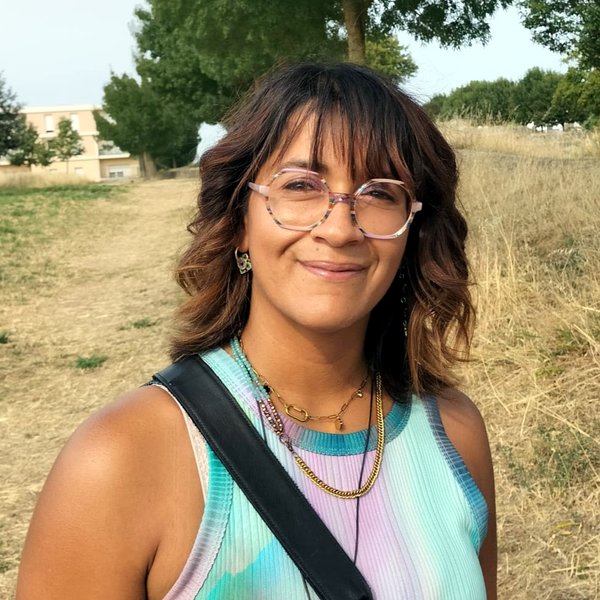
Master in Communication and ManagementBritish Bachelor in Journalism · English testing exams (IELTS, TOEIC)
Learn French with me and it will be a piece of cake !
Personally vetted · Strommen’s note
Babbel-trained, Farah teaches French out of Nantes with a specialty in opera-singer diction and accent work. Her tagline promises: 'piece of cake.'
Specialties
Master in Communication and ManagementBritish Bachelor in Journalism · English testing exams (IELTS, TOEIC)
Learn French with me and it will be a piece of cake !
Specialties
Personally vetted · Strommen’s note
Babbel-trained, Farah teaches French out of Nantes with a specialty in opera-singer diction and accent work. Her tagline promises: 'piece of cake.'


Bachelor degree in french studiesMaster's degree in french studies · DALF C2
Online certified french tutor delf/DALF/ TEF/TCF Preparation
Personally vetted · Strommen’s note
Hela has taught French and Arabic for thirteen years, DELF, DALF, TEF, and TCF certification prep included, plus four different Maghreb Arabic dialects.
Specialties
Bachelor degree in french studiesMaster's degree in french studies · DALF C2
Online certified french tutor delf/DALF/ TEF/TCF Preparation
Specialties
Personally vetted · Strommen’s note
Hela has taught French and Arabic for thirteen years, DELF, DALF, TEF, and TCF certification prep included, plus four different Maghreb Arabic dialects.
DAEFLE - Diploma in Teaching French as a Foreign Language
Native French teacher for all levels
Specialties
DAEFLE - Diploma in Teaching French as a Foreign Language
Native French teacher for all levels
Specialties

Diction lyrique — sung French
5 things every singer should know about French operatic diction
These aren't standard French rules — they're the specifically operatic conventions that distinguish sung French from spoken. Screenshot and bring to your next coaching session.
-
01
Le e muet
The silent e: what's silent in spoken French often becomes audible (and given a full syllable of duration) in sung French. "Belle nuit" sung is roughly "bel-leu nuit", with the e voiced. The rules for when to voice the e are complex and vary by stylistic period; lessons drill this systematically. Mishandling the e muet is one of the most common errors non-native French singers make.
e.g. "La belle nuit": the second "e" of "belle" is voiced in song.
-
02
The flipped R
Traditional operatic French uses a flipped or rolled R rather than the uvular R of modern spoken Parisian. This convention dates to Bel Canto pedagogy and remains the standard in classical singing, even when the same singer would use the uvular R in conversation. The flipped R projects better and integrates more cleanly with the vocal line in repertoire from Lully through Poulenc.
e.g. Rolling the R in "Roméo": flipped, not uvular.
-
03
Nasal vowels: /ɑ̃/, /ɛ̃/, /ɔ̃/, /œ̃/
The four French nasal vowels, each with its own resonance challenge in operatic singing. They need to stay open enough for projection while preserving the nasality. The four are distinct in operatic French (some modern speech collapses /œ̃/ into /ɛ̃/, but lyric tradition keeps them separate). Coaching focuses on the precise placement of each.
e.g. <em>Quand</em> /kɑ̃/, <em>bain</em> /bɛ̃/, <em>bon</em> /bɔ̃/, <em>un</em> /œ̃/.
-
04
Liaison
The pronunciation of normally-silent final consonants when followed by a vowel-initial word, where the operatic conventions differ from spoken French. Some liaisons that are optional in speech are obligatory in song; some forbidden liaisons in spoken French appear in older operatic repertoire. The rules vary by stylistic period and require period-specific knowledge.
e.g. <em>Les amis</em> /lez‿ami/: the "s" connects to the next vowel.
-
05
IPA on your score
Operatic French preparation runs on IPA notation marked directly on the score. Every Strommen French-for-Opera coach can produce IPA transcriptions of any libretto on request and will mark up the singer's score directly during sessions. Reference texts: Pierre Bernac's The Interpretation of French Song, Nico Castel's libretto translations, Thomas Grubb's Singing in French. Get familiar with these before lessons begin.
e.g. <em>Avant que tu ne t'en ailles</em> → /a-vɑ̃ kə ty nə tɑ̃-naj/.
About French for Opera Singers
French for the stage and the score
French is one of the four pillar languages of operatic repertoire alongside Italian, German, and English, and the most technically demanding for non-native singers to master. Operatic French is its own register. Sung French diverges noticeably from spoken French in vowel formation, consonant placement, and prosody. Singers approaching Carmen, Faust, Werther, Manon, Pelléas et Mélisande, Roméo et Juliette, or French art song (mélodie) need precise IPA-level French alongside the musical and dramatic preparation. Lessons in this specialty target opera singers at every career stage: conservatory students preparing first French roles, emerging professionals adding French to their repertoire, established artists fine-tuning specific roles, and academic-track singers preparing French art song programs for recitals or competitions.
The sung-vs-spoken distinction comes first. Operatic French preserves nasal vowels with more openness than colloquial French. The four nasal vowels (/ɑ̃/, /ɛ̃/, /ɔ̃/, /œ̃/) require precise placement that varies subtly between dramatic and lyric contexts. The French "R" in operatic singing is traditionally a flipped or rolled R rather than the uvular R of modern spoken Parisian. This is a tradition rooted in Bel Canto pedagogy and earlier French operatic practice, and remains the standard in classical singing even when modern French would use the uvular variant. Liaison and elision rules in sung French are more elaborate than in spoken French and shift by stylistic period: Baroque French has different liaison conventions than Romantic-era French, which differ from 20th-century repertoire. Word-final consonants follow different rules than in speech. The famous e muet (silent e) is sometimes given a syllable of duration in song where it would be entirely silent in speech. Lessons cover all of this systematically.
IPA literacy is non-negotiable. Operatic singers preparing French repertoire work from IPA transcriptions of the libretto, and the diction coach's job is to refine the IPA pronunciation while the voice teacher works on the singing. Strommen's French-for-Opera coaches all work fluently in IPA and can produce IPA transcriptions of any role on request. Standard reference texts in the field include Pierre Bernac's The Interpretation of French Song (the canonical text), Thomas Grubb's Singing in French, and Nico Castel's libretto translations and IPA transcriptions of major French operas. Sessions typically work from these reference materials alongside the singer's own score, with the coach marking IPA notation directly on the music.
Repertoire knowledge varies by coach. Some of our French-for-Opera tutors specialize in 19th-century French grand opera and lyric tradition (Massenet, Gounod, Bizet, Berlioz, Saint-Saëns, Halévy) where the diction conventions are well-established and the vocal demands are central. Others work primarily in 20th-century French repertoire (Debussy, Ravel, Poulenc, Fauré, Hahn, Duparc) where art song specifically dominates and the diction-text relationship is even more central. Still others work in Baroque French (Lully, Rameau, Charpentier) where the diction conventions differ enough to require period-specific preparation. Tell your tutor your repertoire in the first lesson and the coaching will calibrate to the specific style. For broader French foundations our 1,000 most common French words list helps non-native French speakers build the vocabulary base, though for opera-specific work IPA-level precision matters more than conversational fluency.
French art song (mélodie) deserves its own focus. The repertoire: Fauré's Après un rêve and La bonne chanson, Duparc's L'invitation au voyage and Phidylé, Debussy's Trois chansons de Bilitis, Poulenc's Banalités, Hahn's L'heure exquise, Ravel's Histoires naturelles, places extraordinary demands on French diction and text interpretation. The relationship between text and music in French mélodie is the closest of any vocal tradition; recitalists working in this repertoire need not just IPA-precise pronunciation but a sophisticated understanding of how French prosody (the stress patterns, the silent e, the liaison rules) interacts with the musical setting. Lessons cover the text-music relationship explicitly, including how the composer's setting reveals or violates standard French prosody, and what to do about it interpretively.
A few honest observations from coaches on what trips up singers starting French repertoire. The silent e (e muet) is the most common surprise. In song, what's silent in speech often becomes audible, and the rules for when vary by stylistic period. The nasal vowels are next: getting them open enough for operatic resonance without losing the nasality is a coordination problem that takes targeted work. There's also the rolled R question. Most North American conservatories still teach flipped or rolled R for French operatic repertoire, and singers trained in colloquial uvular R need to consciously switch back for stage performance. Text understanding catches fluent singers off guard too. Even strong French speakers often realize they don't fully understand the libretto because French operatic texts use elevated vocabulary and 19th-century constructions that don't appear in modern speech. And finally, the interpretive question: French singing tradition is more text-led, less athletic-virtuosic, more colored by language than Italian or German tradition. Singing French expressively means accepting that the language is doing more of the work than the vocal line.
Between lessons, immersion matters. Listen to historical and contemporary French singers: Régine Crespin, Natalie Dessay, Roberto Alagna, Patricia Petibon, Jean-Sébastien Bou, Stéphane Degout, and shadow their diction. Recordings of contemporary French art song specialists like Susan Graham, Felicity Lott, François Le Roux, and François Leprovost are essential. Listen with the libretto in hand, IPA transcription if available, and mark where you hear unfamiliar treatments. Read the libretti out loud in French as text (not yet sung) so you understand them on the page before you sing them. Watch live performance from Paris Opera and the major French houses (Aix, Toulouse, Lyon). For French art song, attend recitals. The French art song circuit in North America runs through Marilyn Horne Foundation, Carnegie Hall, the Vocal Arts DC, and the major American art-song festivals. The pattern is the same as for any specialized vocal work: immerse in the tradition, model the diction of singers you admire, and put in the time.
The Strommen French-for-Opera roster includes native French diction specialists, North American opera coaches with extensive French-repertoire experience, and a small number of singers themselves who have built second careers in coaching. Several of our coaches have direct experience at North American opera companies (Met, San Francisco Opera, LA Opera, Seattle Opera, Houston Grand Opera) plus European houses. Each tutor's bio specifies their background (conservatory training, professional experience, repertoire areas), languages, and which student profile they fit best (conservatory students, emerging professionals, established singers, art song specialists). Pricing reflects experience. You can match yourself to a French native diction specialist for ground-up IPA work, a coach with extensive role experience for repertoire preparation, or an art-song specialist for recital programs. For other related programs, our Italian for opera singers and general Parisian French specialty pages cover adjacent needs.
Lessons calibrate to your actual situation. Role-specific preparation for an upcoming production is different from art-song program preparation for a recital, which is different again from foundational diction work for a young singer building their French toolkit before specific roles arrive. We don't run a generic French-for-Opera course. Each lesson is one-on-one, your coach plans it around your specific repertoire and timeline, and the trial is free. Existing musical and vocal preparation is foundation; this is the linguistic layer on top. The most common adjustments for singers arriving with some French are IPA-level precision on specific sounds, liaison and elision standards in sung French, period-specific diction conventions for your repertoire, and text interpretation alongside diction. For a head-start before lessons begin, our French course page shows the family of related programs. Or just browse the full tutor list and book a trial. Bring your score. Mark up your IPA. Sing in French until it stops feeling foreign.
What you'll cover
Lessons & classes tailored to French for Opera Singers
IPA-precise diction for French operatic repertoire
Sound-by-sound work on the specific demands of sung French: open nasal vowels, traditional flipped R, word-final consonant treatment, e muet conventions, liaison and elision rules. IPA transcription provided as needed. Reference texts in active use: Bernac, Grubb, Castel, Coffin. Score markup happens during lessons.
Role preparation: 19th-century French grand opera + lyric
Massenet (Werther, Manon), Gounod (Faust, Roméo et Juliette), Bizet (Carmen), Berlioz, Saint-Saëns (Samson et Dalila), Halévy, Meyerbeer. Role-specific diction preparation alongside translation review and text interpretation. Repertoire knowledge calibrated to your specific upcoming production or audition.
French art song (mélodie) for recitals and competitions
Fauré, Duparc, Debussy, Poulenc, Hahn, Ravel, Chausson: the French art song repertoire requires the most refined diction work of any French vocal tradition. Lessons cover text interpretation alongside diction, with focus on the text-music relationship that defines mélodie. Program-specific preparation for upcoming recitals, competitions (Marilyn Horne, etc.), and academic juries.
Baroque French, 20th-century repertoire, audition prep
Period-specific diction for Lully, Rameau, Charpentier (different liaison and consonant conventions). 20th-century repertoire (Debussy's Pelléas, Poulenc's operas, Honegger, Milhaud). Audition prep for French roles or art-song programs, including coaching on aria/song selections, French ear-training for non-native speakers, and short-term role preparation under deadline.
FAQ
About French for Opera Singers lessons & classes
I'm a singer with no French background. Can you start me from zero?
Yes, but for operatic work the path is different from general French lessons. Singer-from-zero lessons focus immediately on IPA, sound formation, and reading French texts aloud (initially without singing). Conversational French comes second. We can build a foundation in 4-6 weeks of weekly lessons that's enough to start serious role preparation, then continue with role-specific work. The trade-off vs general French study is faster diction competence, slower conversational fluency.
I already speak French. Why do I need a French-for-opera coach?
Because sung French diverges from spoken French in specific, technical ways. Even native French speakers preparing operatic roles typically work with a diction coach to refine the specific sung-vs-spoken distinctions: open nasal vowels, the e muet conventions in song, period-specific liaison rules, the traditional flipped R. Conversational French fluency is a head start, not a substitute for the operatic register work.
Do you provide IPA transcriptions of roles I'm preparing?
Yes. Every Strommen French-for-Opera coach can produce IPA transcriptions of any libretto or art song on request, and most can mark up your score directly during sessions. Reference texts in active use include Nico Castel's published IPA transcriptions of major French operas, Pierre Bernac's The Interpretation of French Song, and Thomas Grubb's Singing in French. We can work from any of these or produce custom transcriptions for less-common repertoire.
Can I prep a role under deadline?
Yes. Pre-production role preparation under deadline is one of the most common requests. Typical timelines: a full role in 4-8 weeks of intensive coaching (2-3 sessions per week), an audition aria in 2-3 weeks of focused work, a recital program in 6-8 weeks. The compressed timelines work as long as you're putting in significant daily home practice between lessons. The coach builds a study plan calibrated to the deadline.
Where are your French-for-opera coaches based?
Most of our roster is in Los Angeles, matching the LA opera scene (LA Opera, Long Beach Opera, conservatory programs at USC Thornton, Colburn, Cal State LA, UCLA). We also have coaches based in France (Paris, Lyon) and elsewhere in the US (New York, Houston, Chicago) who teach via video. For singers preparing for specific North American houses, our LA-based coaches typically know the regional opera ecosystem and can advise beyond just diction.
Do you coach French art song (mélodie) for recitals?
Yes. Several of our coaches specialize in French art song specifically. The mélodie repertoire (Fauré, Duparc, Debussy, Poulenc, Hahn) requires the most refined diction and text-interpretation work in French vocal repertoire. We can prep a full recital program, individual cycles (La bonne chanson, Les nuits d'été), or competition programs. The text-music relationship gets specific attention in mélodie coaching that's distinct from operatic role work.
What does the trial cover?
30 minutes, free, with the coach you select. Bring your current repertoire (a role you're preparing, an art song you're working on, an audition aria). The coach will hear you sing or recite, identify the highest-impact areas to work on first, propose a study plan, and you decide whether to continue. Bring the score if possible, since coaches often mark it up during the trial so you leave with concrete IPA notation to practice.
Ready for French for Opera Singers lessons or classes?
Book a free 30-minute trial with one of our personally vetted tutors. Private lessons or small-group classes — your choice.