
I want to learn…
Every tutor, personally met. — founder-vetted since 2006, in Los Angeles and online worldwide.
Get a personalized plan
Pick your language — a language advisor will match you with the right tutor and map out your path.

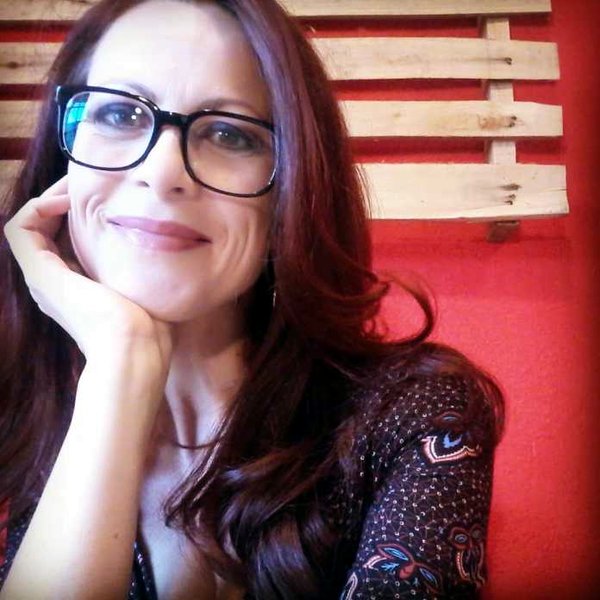

BA
Discover Italian Charm with Elisa: Lake Como Born, TV Writer Turned Passionate Italian Tutor & Dialogue Coach!
Personally vetted · Strommen’s note
A former TV writer, Elisa now coaches Italian dialogue with the same instinct for what actually lands on screen.
Specialties
BA
Discover Italian Charm with Elisa: Lake Como Born, TV Writer Turned Passionate Italian Tutor & Dialogue Coach!
Specialties
Personally vetted · Strommen’s note
A former TV writer, Elisa now coaches Italian dialogue with the same instinct for what actually lands on screen.
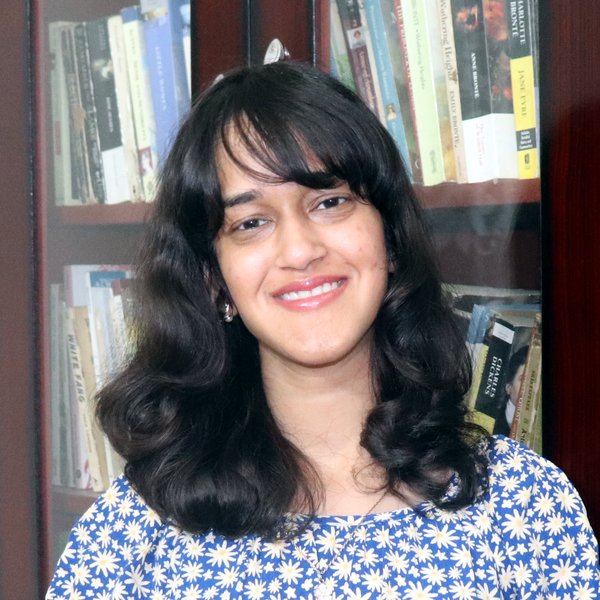


Bachelor of Business Administration (specialized in International Relations) · DELF Examiner, DALF C2, Goethe Zertifikat C1/B2, DELE B1
Join me on your language learning adventure!
Personally vetted · Strommen’s note
Bangalore-based, Yvanka teaches French and German after years at Alliance Française. She started, unusually, as an English teacher in France.
Specialties
Also speaks: English, Italian, Spanish
Bachelor of Business Administration (specialized in International Relations) · DELF Examiner, DALF C2, Goethe Zertifikat C1/B2, DELE B1
Join me on your language learning adventure!
Specialties
I also speak: English, Italian, Spanish
Personally vetted · Strommen’s note
Bangalore-based, Yvanka teaches French and German after years at Alliance Française. She started, unusually, as an English teacher in France.
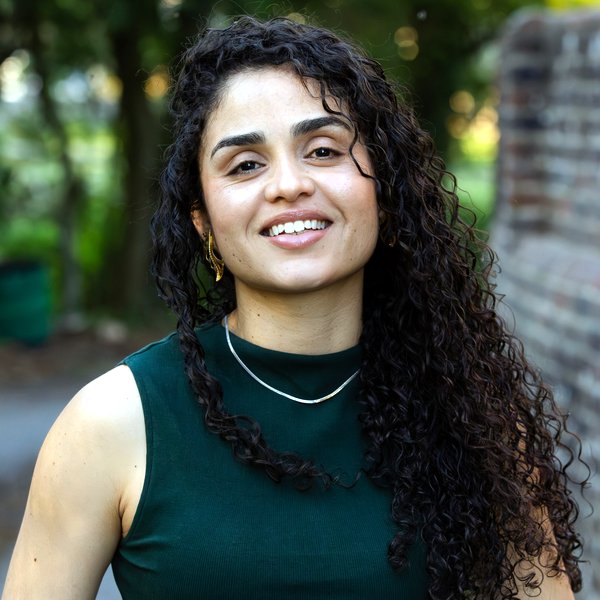
BS Agricultural Engineering, Profesora de Español ELE (Español como Lengua Extranjera) · Certificado Profesor ELE (Español como Lengua Extranjera)
Certified ELE Spanish teacher from Colombia. With 5+ years of diverse teaching experience
Personally vetted · Strommen’s note
Carolina is certified ELE-trained and specializes in Medical Spanish, on top of general instruction, out of Medellín.
Specialties
BS Agricultural Engineering, Profesora de Español ELE (Español como Lengua Extranjera) · Certificado Profesor ELE (Español como Lengua Extranjera)
Certified ELE Spanish teacher from Colombia. With 5+ years of diverse teaching experience
Specialties
Personally vetted · Strommen’s note
Carolina is certified ELE-trained and specializes in Medical Spanish, on top of general instruction, out of Medellín.
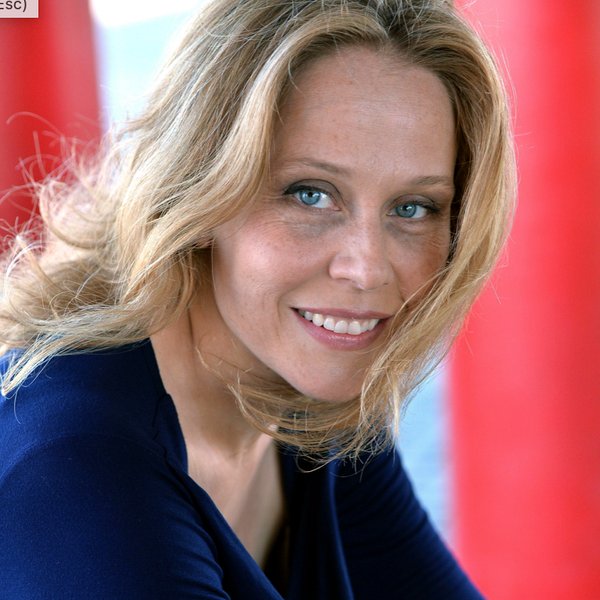
Diplom-Schauspielerin (BA in drama/acting) Germany
Dedicated German language tutor with over 15 years of expertise in teaching students of all ages. Proficient in preparing students for major German language certifications, SAT and AP German
Personally vetted · Strommen’s note
Fifteen-plus years teaching German, SAT and AP German certification prep included, and Patricia still keeps the structure interactive, not rigid.
Specialties
Also speaks: English
Diplom-Schauspielerin (BA in drama/acting) Germany
Dedicated German language tutor with over 15 years of expertise in teaching students of all ages. Proficient in preparing students for major German language certifications, SAT and AP German
Specialties
I also speak: English
Personally vetted · Strommen’s note
Fifteen-plus years teaching German, SAT and AP German certification prep included, and Patricia still keeps the structure interactive, not rigid.
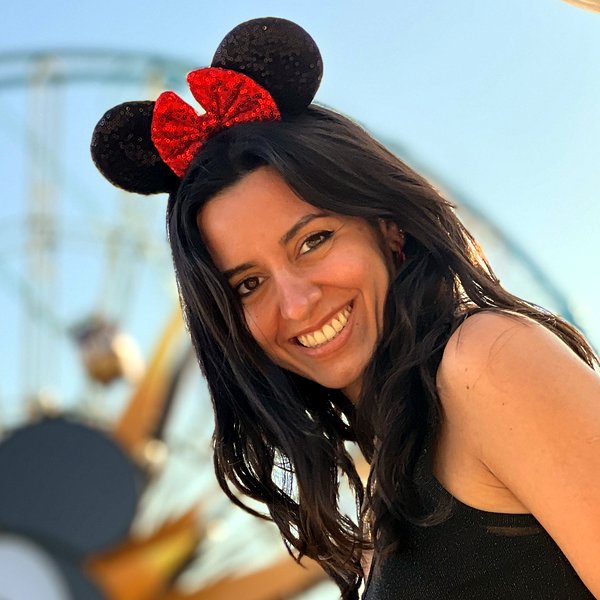
Law · Latin American Spanish Dubbing and VO
Learn Italian & Spanish fast and fun!
Personally vetted · Strommen’s note
Italian and Spanish translation both fall under Ruth's teaching, grammar explained through color-coded tables and games.
Specialties
Law · Latin American Spanish Dubbing and VO
Learn Italian & Spanish fast and fun!
Specialties
Personally vetted · Strommen’s note
Italian and Spanish translation both fall under Ruth's teaching, grammar explained through color-coded tables and games.
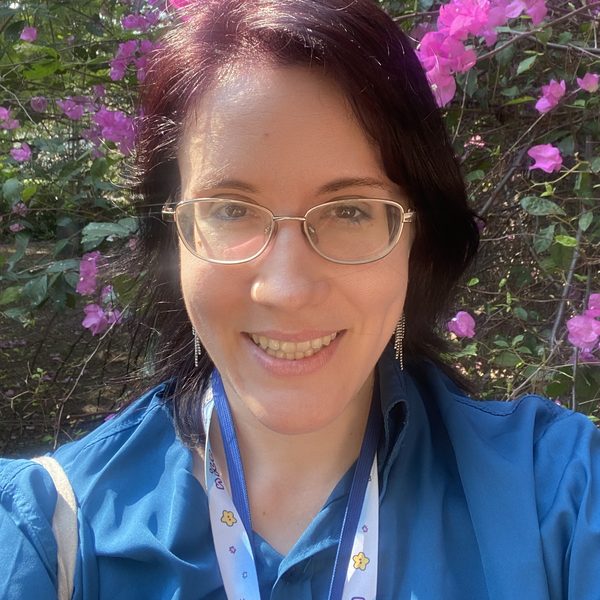
Bachelor of Arts (Teacher certificate from Zurich teachers College) · TESOL, teachers License as a primary educator
Trilingual German, ESL and French teacher with years of experience.
Personally vetted · Strommen’s note
Thirza teaches trilingual German, French, and ESL out of Zurich, with IELTS, TestDaF, and Goethe prep all part of the toolkit.
Specialties
Bachelor of Arts (Teacher certificate from Zurich teachers College) · TESOL, teachers License as a primary educator
Trilingual German, ESL and French teacher with years of experience.
Specialties
Personally vetted · Strommen’s note
Thirza teaches trilingual German, French, and ESL out of Zurich, with IELTS, TestDaF, and Goethe prep all part of the toolkit.
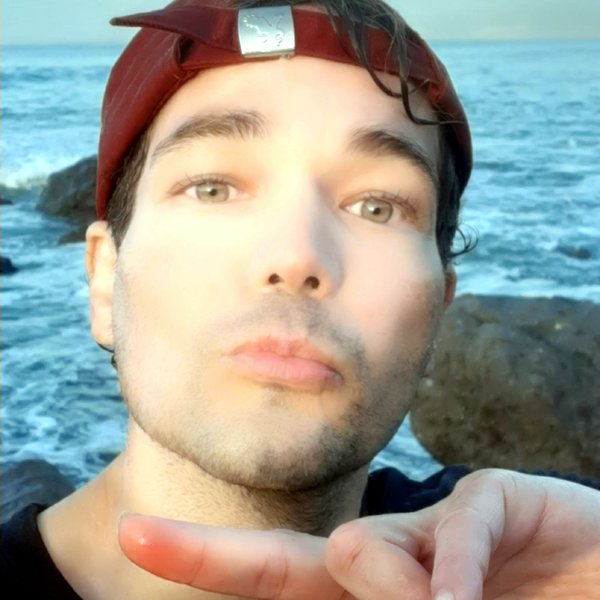

BA in International Relations & Journalism, BA in French, BA in Italian Language Teaching, Master in International Cooperation · Diploma Course in Spanish as a Foreign Language, Seminar on Professional Challenges in Reading, Translating and Editing in Digital Age (Litprax Erasmus European Union and University of Novi Sad, Serbia), Workshop on Translation and Literature, Seminar...
French, Italian, Spanish & German native speaker & expert. Elite Native-Fluent ESL tutor. Graduate of Université Paris-Sorbonne & Università di Bologna.
Personally vetted · Strommen’s note
Serge's specialties run from Wallon to Ukrainian to actor dialect coaching, arguably the widest range of any tutor on our roster.
Specialties
Also speaks: Dutch, Galician, Ukrainian
BA in International Relations & Journalism, BA in French, BA in Italian Language Teaching, Master in International Cooperation · Diploma Course in Spanish as a Foreign Language, Seminar on Professional Challenges in Reading, Translating and Editing in Digital Age (Litprax Erasmus European Union and University of Novi Sad, Serbia), Workshop on Translation and Literature, Seminar...
French, Italian, Spanish & German native speaker & expert. Elite Native-Fluent ESL tutor. Graduate of Université Paris-Sorbonne & Università di Bologna.
Specialties
I also speak: Dutch, Galician, Ukrainian
Personally vetted · Strommen’s note
Serge's specialties run from Wallon to Ukrainian to actor dialect coaching, arguably the widest range of any tutor on our roster.
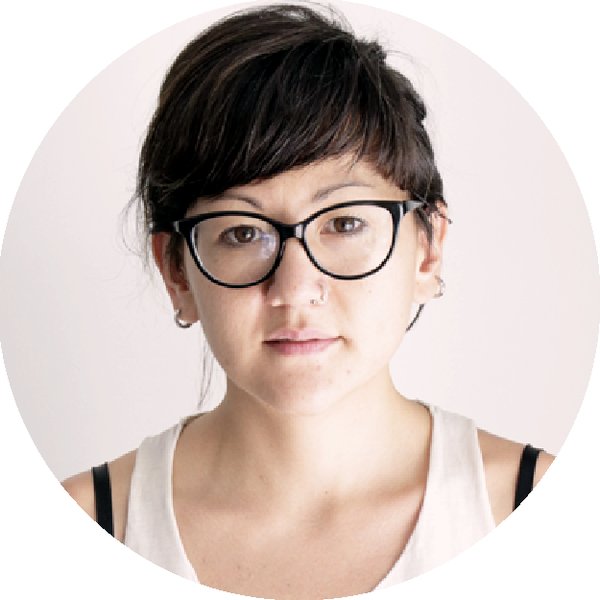
Degree in Literature and Linguistics, Master's degree in Teaching Spanish as a Second Language. · Degree in Literature and Linguistics, Master's degree in Teaching Spanish as a Second Language.
Certified and experienced Spanish teacher. Meaningful classes, desgined just for you.
Personally vetted · Strommen’s note
Natalia spent part of her fifteen years teaching as Academic Director at a private Spanish school. She's taught toddlers straight through embassy staff.
Specialties
Also speaks: English, French
Degree in Literature and Linguistics, Master's degree in Teaching Spanish as a Second Language. · Degree in Literature and Linguistics, Master's degree in Teaching Spanish as a Second Language.
Certified and experienced Spanish teacher. Meaningful classes, desgined just for you.
Specialties
I also speak: English, French
Personally vetted · Strommen’s note
Natalia spent part of her fifteen years teaching as Academic Director at a private Spanish school. She's taught toddlers straight through embassy staff.
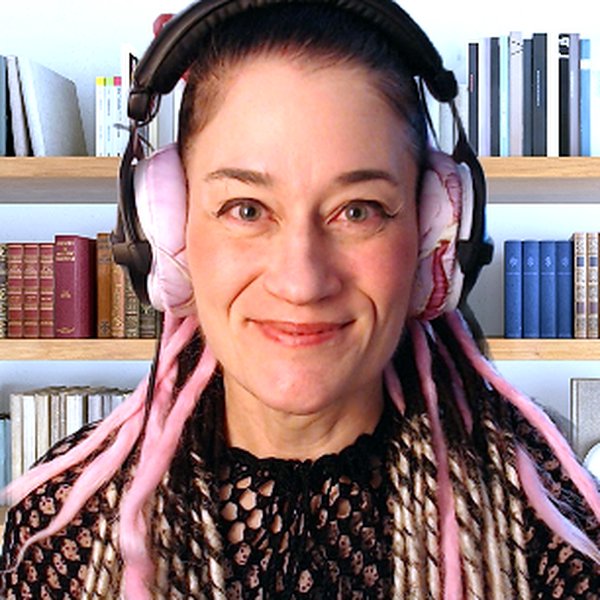
PhD (in progress), Educational Technology – Walden University, Winter 2026PhD, Public Policy & Administration – Walden University, Nov 2019M.S., Education (eLearning & Online Teaching) – University of Wisconsin-Stout, Aug 2019M.A., Political Science &... · • Adult Basic Education (ABE) Certification – Hamline University, 2023• Communication Sciences Disorders – UW-Eau Claire, 2020• Phonetic English as a Second Language (PESL) Certification – Institute of Language and Phonology, 2017• TESOL & Young Learne...
Clear American English, Taught with Insight, Bridging Languages. Building Confidence!
Personally vetted · Strommen’s note
PhD-trained, Marshelle teaches English through psycholinguistics and Multiple Intelligences theory. Aviation English and speech therapy are both on the list.
Specialties
Also speaks: German, Russian
PhD (in progress), Educational Technology – Walden University, Winter 2026PhD, Public Policy & Administration – Walden University, Nov 2019M.S., Education (eLearning & Online Teaching) – University of Wisconsin-Stout, Aug 2019M.A., Political Science &... · • Adult Basic Education (ABE) Certification – Hamline University, 2023• Communication Sciences Disorders – UW-Eau Claire, 2020• Phonetic English as a Second Language (PESL) Certification – Institute of Language and Phonology, 2017• TESOL & Young Learne...
Clear American English, Taught with Insight, Bridging Languages. Building Confidence!
Specialties
I also speak: German, Russian
Personally vetted · Strommen’s note
PhD-trained, Marshelle teaches English through psycholinguistics and Multiple Intelligences theory. Aviation English and speech therapy are both on the list.
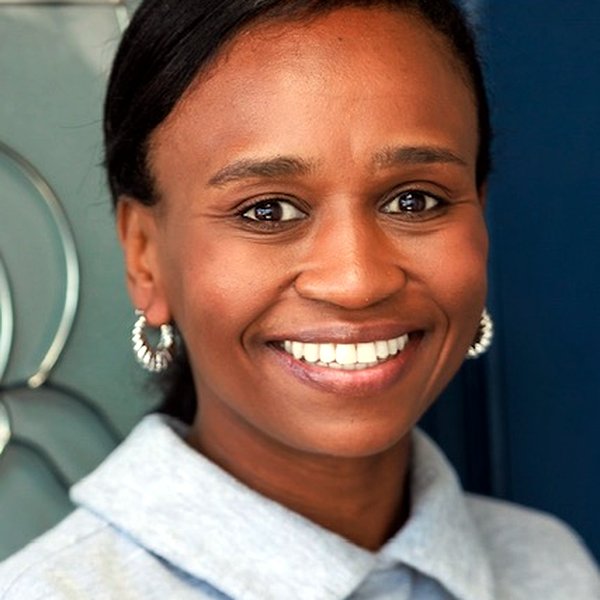

B.A. in IT and Languages
Native Parisian French Teacher
Personally vetted · Strommen’s note
Parisian-born with a background in IT and languages, Sadigatou keeps travel French and business French as cleanly separate tracks.
Specialties
Also speaks: Chinese, English, Spanish
B.A. in IT and Languages
Native Parisian French Teacher
Specialties
I also speak: Chinese, English, Spanish
Personally vetted · Strommen’s note
Parisian-born with a background in IT and languages, Sadigatou keeps travel French and business French as cleanly separate tracks.
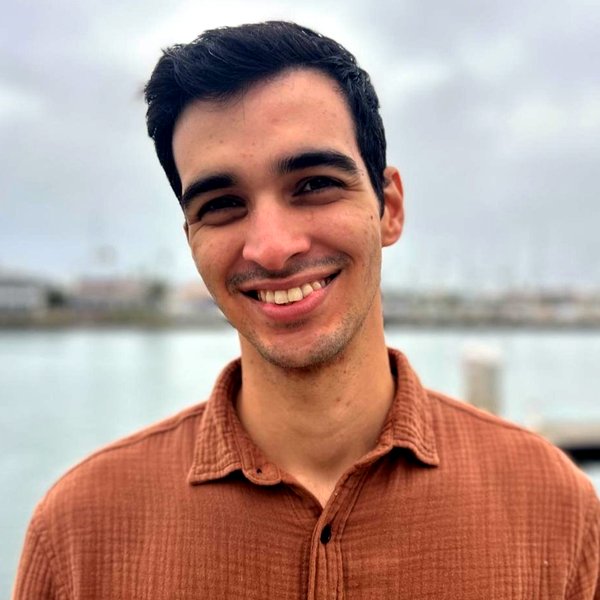

Technical degree in Biotechnology from IFRJ, Rio de Janeiro, Brazil.
From Rio to You: Pedro teaches with roots in Literature, Linguistics, and love of Learning
Personally vetted · Strommen’s note
Rio-rooted, Pedro teaches Portuguese and Spanish with a literature-and-linguistics background, conversational first, grammar rules second.
Specialties
Technical degree in Biotechnology from IFRJ, Rio de Janeiro, Brazil.
From Rio to You: Pedro teaches with roots in Literature, Linguistics, and love of Learning
Specialties
Personally vetted · Strommen’s note
Rio-rooted, Pedro teaches Portuguese and Spanish with a literature-and-linguistics background, conversational first, grammar rules second.


Journalism/Spanish-Language Journalism
Highly Rated Spanish Tutor at Strommen | Born in Argentina, Raised in LA
Specialties
Also speaks: Armenian
Journalism/Spanish-Language Journalism
Highly Rated Spanish Tutor at Strommen | Born in Argentina, Raised in LA
Specialties
I also speak: Armenian