



Personally vetted instructors
Spanish for Kids tutors, lessons & classes
¡Hola! The warm, kid-friendly Spanish greeting children actually hear at home and on the playground.
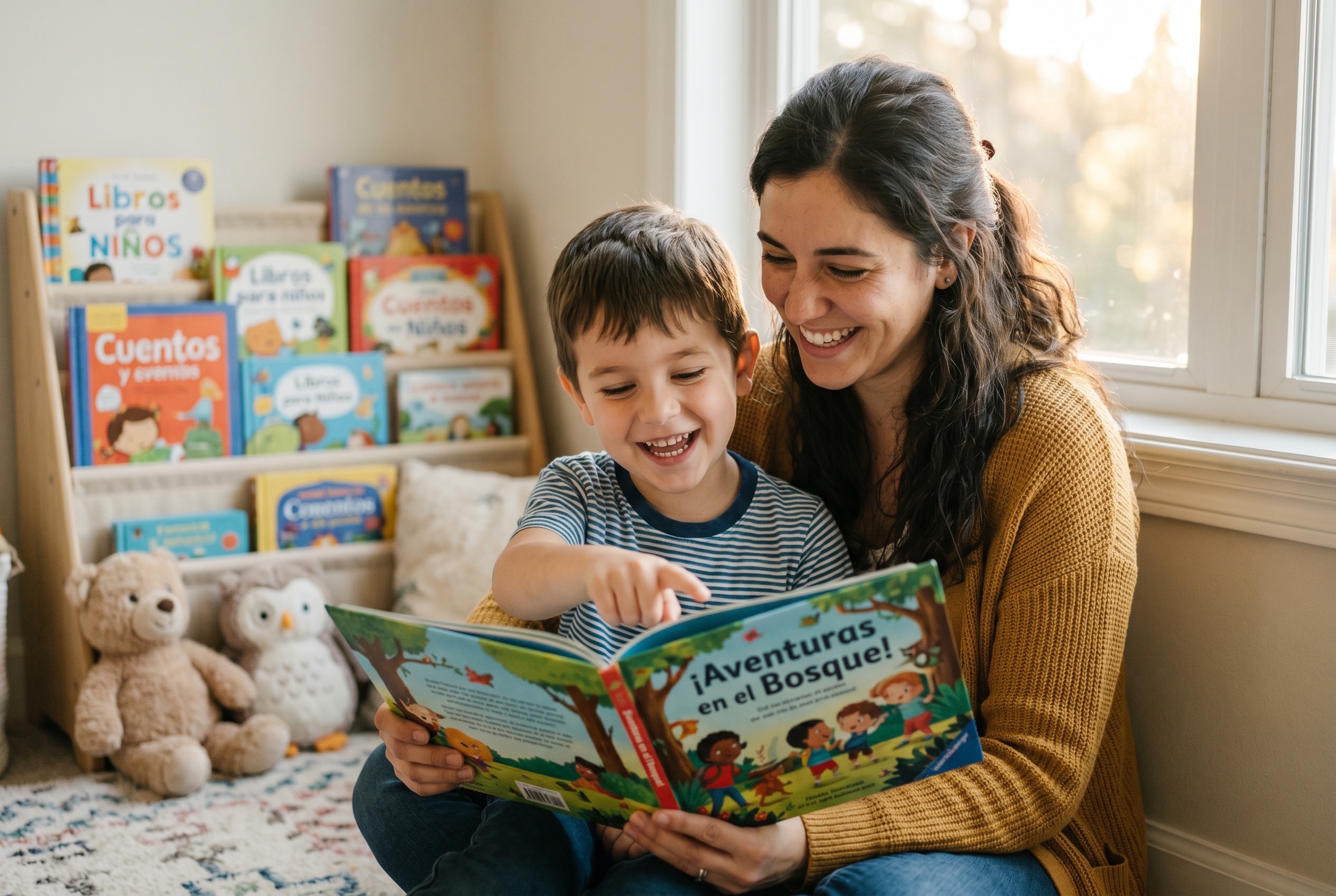
Personally vetted Spanish tutors for kids. Warm, patient, age-appropriate lessons for ages 5-14, calibrated to your child's level, family situation, and pace, whether they're starting fresh, hearing Spanish from abuela, or filling gaps from a dual-language school.
Your instructors
Spanish for Kids tutors for private lessons & classes
Strommen has been teaching Spanish to families since 2006. Spanish for kids is one of the most relationship-driven specialties on our roster. What makes a kids' tutor work isn't just the Spanish, it's the warmth, patience, and ability to make a child look forward to the lesson. Every tutor below was met and vetted by us in person or via thorough video interview, screened specifically for working with children. We're a curated boutique, not a marketplace.
Filter by location, age, or price. Then book a free 30-minute trial, including a parent chat up front about your child's level and goals.
Below are the Strommen tutors who specialize in Spanish for kids. Photos, ratings, and rates are real. Click any card to read their bio and book a free 30-minute trial, including a quick chat with you, the parent, about your child's level and goals.
I want to learn…
Every tutor, personally met. — founder-vetted since 2006, in Los Angeles and online worldwide.
Get a personalized plan
Pick your language — a language advisor will match you with the right tutor and map out your path.


Journalism/Spanish-Language Journalism
Highly Rated Spanish Tutor at Strommen | Born in Argentina, Raised in LA
Specialties
Also speaks: Armenian
Journalism/Spanish-Language Journalism
Highly Rated Spanish Tutor at Strommen | Born in Argentina, Raised in LA
Specialties
I also speak: Armenian


B.A. (MIT)
Native trilingual
Personally vetted · Strommen’s note
Trilingual since age seven and raised between Mexico City and Düsseldorf, Klaus coaches Spanish and German dialects the way he learned them: by talking.
Specialties
B.A. (MIT)
Native trilingual
Specialties
Personally vetted · Strommen’s note
Trilingual since age seven and raised between Mexico City and Düsseldorf, Klaus coaches Spanish and German dialects the way he learned them: by talking.
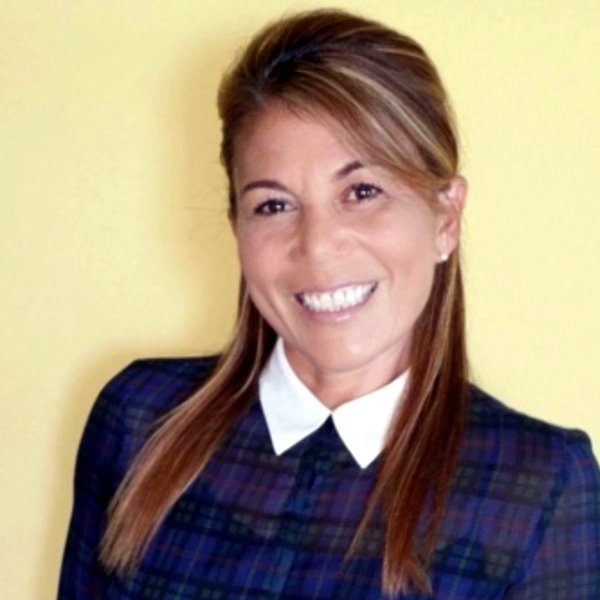
Masters of Arts in Spanish and Linguistics, Currently, a Fourth-year PhD student in Hispanic Studies. · Spanish Interpreter Translator Certificate from Southern California School of Interpretation.
Speak Spanish with Confidence, Step by Step
Personally vetted · Strommen’s note
Elizabeth has taught Spanish for eighteen years, and her whole approach comes down to one rule: let students make mistakes and keep talking anyway.
Specialties
Masters of Arts in Spanish and Linguistics, Currently, a Fourth-year PhD student in Hispanic Studies. · Spanish Interpreter Translator Certificate from Southern California School of Interpretation.
Speak Spanish with Confidence, Step by Step
Specialties
Personally vetted · Strommen’s note
Elizabeth has taught Spanish for eighteen years, and her whole approach comes down to one rule: let students make mistakes and keep talking anyway.


BA in Linguistic Mediation; MA in Translation; MA in Audiovisual Translation · CEDIL
Learn the language that speaks with its hands — and its heart.
Personally vetted · Strommen’s note
Piedmontese, Ligurian, and Emilian, three rare northern Italian dialects, round out Arianna's standard Italian and Spanish lessons.
Specialties
BA in Linguistic Mediation; MA in Translation; MA in Audiovisual Translation · CEDIL
Learn the language that speaks with its hands — and its heart.
Specialties
Personally vetted · Strommen’s note
Piedmontese, Ligurian, and Emilian, three rare northern Italian dialects, round out Arianna's standard Italian and Spanish lessons.


Certified in Teaching English as a Foreign Language, International TEFL and TESOL Training (2021)BA, Honors Theatre Studies, University of Guelph (2021) · Teaching English as a Foreign Language (TEFL)
English, Italian and Spanish teacher, dialect coach and accent reduction coach
Personally vetted · Strommen’s note
Amy coaches Sicilian, Neapolitan, and Calabrese dialects alongside standard Italian and English. She's also taught Italian kids English from age three up.
Specialties
Certified in Teaching English as a Foreign Language, International TEFL and TESOL Training (2021)BA, Honors Theatre Studies, University of Guelph (2021) · Teaching English as a Foreign Language (TEFL)
English, Italian and Spanish teacher, dialect coach and accent reduction coach
Specialties
Personally vetted · Strommen’s note
Amy coaches Sicilian, Neapolitan, and Calabrese dialects alongside standard Italian and English. She's also taught Italian kids English from age three up.
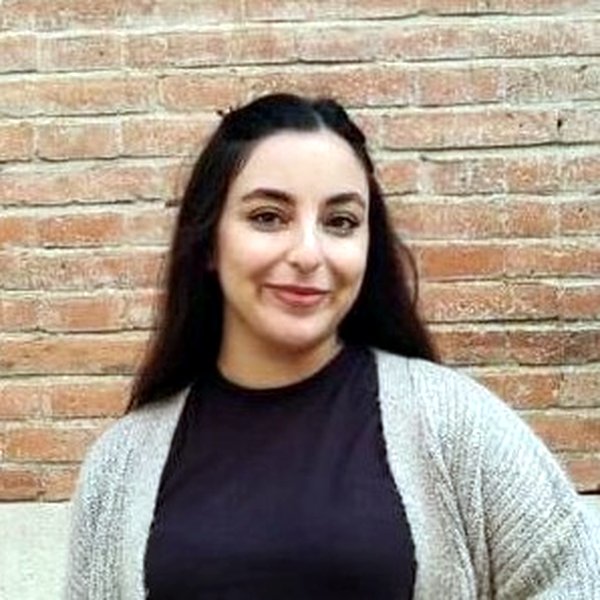

Bachelors degree in business Masters in logistics · TEFL Translation
Certified French & Spanish Language Coach | Business, Exams, & Conversational Mastery
Personally vetted · Strommen’s note
A Berlitz-trained language consultant, marielyne teaches English, French, and Spanish, built for business communication and exam prep specifically.
Specialties
Bachelors degree in business Masters in logistics · TEFL Translation
Certified French & Spanish Language Coach | Business, Exams, & Conversational Mastery
Specialties
Personally vetted · Strommen’s note
A Berlitz-trained language consultant, marielyne teaches English, French, and Spanish, built for business communication and exam prep specifically.

Para los niños — kids' Spanish
5 pieces that make kids' Spanish lessons actually work
Lessons that engage children work on different principles than adult lessons. These are the pieces every great Spanish-for-kids tutor leans on. Screenshot to share with your child's other parent or your child's school.
-
01
Bilingüismo familiar
Family bilingualism: the parents speak one language at home, the broader environment speaks another, and the child grows up with both. Research by Ellen Bialystok, Barbara Pearson, and others has documented for decades that bilingual kids develop typically, often with cognitive advantages, and that maintaining the home language is the single highest-leverage thing a heritage family can do. Tutoring sits alongside the home language, never replacing it.
e.g. En casa hablamos español. En la escuela, inglés. Los dos cuentan.
-
02
El y la
Spanish assigns every noun a gender. El sol the sun, la luna the moon. English-speaking kids find this strange for about two months and then stop noticing. A great tutor color-codes vocabulary (blue cards for el, red for la) so the article and noun fuse in memory and the child uses the right form by association. The Real Academia Española sets the formal norms; six-year-olds learn by repetition.
e.g. El perro corre. La casa es roja.
-
03
Cantajuego y Bartolito
Spanish kids' music is generations deep. Cantajuego has been the household catalog across the Spanish-speaking world since 2005; El Show de Bartolito and El Reino Infantil cover the same ground with a more Argentine register. Plaza Sésamo since 1972, Pocoyó for clear slow Castilian, and the Latin American Spanish dubs of Disney and Bluey. Substituting the Spanish version of content your child already loves is the highest-leverage between-lesson immersion any family can do.
e.g. Otra vez Cantajuego, por favor.
-
04
La rutina de la noche
Bedtime routine vocabulary is the easiest place to anchor Spanish into family life. El baño, los dientes, el pijama, el cuento, la cama, las luces, buenas noches, dulces sueños. Eight words, repeated nightly, become permanent inside two weeks. Many Strommen tutors send heritage and dual-language parents home with a short bedtime script for exactly this reason: thirty seconds of Spanish at lights-out, every night, accumulates faster than any other home-immersion habit.
e.g. Cepíllate los dientes. Ponte el pijama. ¿Qué cuento quieres esta noche?
-
05
La comida
Food vocabulary is the other natural early-entry point. El arroz, los frijoles, las tortillas, el pollo, el queso, el pan, la leche, la fruta, las galletas, la merienda. Regional variants matter: frijoles in Mexico and Central America, habichuelas in the Caribbean, porotos in the Southern Cone. Kids learn dozens of words effortlessly when those words attach to things they actually want to eat, and most kids' Spanish lessons spend real time at the kitchen table.
e.g. Para la merienda quiero pan con queso, por favor.
About Spanish for Kids
Spanish your kid actually wants to speak
Two very different families tend to write to us about Spanish for kids, and the curriculum each one needs barely overlaps even though the tutor roster is shared. One profile is the Spanish-heritage household: parents, grandparents, or great-grandparents who emigrated from Mexico, Central America, South America, Spain, or the Caribbean, where Spanish is still spoken at family gatherings but is slipping in the children. Heritage parents often grew up hearing Spanish without quite acquiring it as a confident speaking language, and now they want their own kids to inherit something durable before the most fluent relative is gone. The other profile is the dual-language or immersion family: a child enrolled in a Spanish-English dual-language public program, a private immersion school, or a Spanish-medium school abroad. Those kids hear Spanish all day at school but their written work lags, their vocabulary is uneven, and their parents (often non-Spanish-speakers themselves) can't help with homework. Same Strommen roster handles both. The trial conversation exists in part to figure out which version of the work your family actually needs.
Teaching Spanish to children works on entirely different principles than teaching adults. Children acquire a second language through play, story, song, and embodied repetition, not through conjugation tables. The Real Academia Española and the Asociación de Academias de la Lengua Española set the formal norms that show up in textbooks, but no Spanish parent has ever taught their toddler with a copy of the Nueva gramática on the table. They sing Pin Pón and Los pollitos dicen. They count fingers in Spanish at bath time. They label food at the kitchen counter. ACTFL's guidelines for teaching world languages to young learners describe this same approach in more clinical language: comprehensible input, high-frequency vocabulary in meaningful contexts, age-appropriate output expectations, and a long tolerance for the silent period before children produce on demand. Every Strommen Spanish-for-Kids tutor has been screened with this in mind: native or near-native Spanish, real classroom or family experience with children, and the patience to keep a six-year-old engaged for 25 focused minutes without resorting to worksheets.
Lessons calibrate by age. Ages 5-7 sessions are short (20-30 minutes), built around picture books, songs, and movement. El monstruo de colores by Anna Llenas and the ¡Choco encuentra una mamá! series are go-to early reads. Cantajuego, the Spanish kids' music franchise that has been a household name across the Spanish-speaking world since 2005, anchors vocabulary through video songs that kids will rewatch at home without being asked. Argentine children's classics like El Show de Bartolito and El Reino Infantil on YouTube cover numbers, colors, animals, and family vocabulary in a register that feels natural rather than school-y. Games like Pato, pato, ganso and Un, dos, tres, pollito inglés (the Spanish version of Red Light, Green Light) work in numbers, action verbs, and the imperative without anyone realizing they're studying grammar. Ages 8-11 sessions stretch to 45-60 minutes and start incorporating reading and writing. El Pequeño Nicolás in Spanish translation, Mafalda for kids ready to laugh at adult absurdity, the Spanish editions of Geronimo Stilton, and the Spanish dubs of Disney, Pixar, and Bluey carry the load between lessons. Vocabulary games on Kahoot and Quizlet keep screen time productive. Light grammar appears here, but never as the lesson's center. Ages 12-14 sessions feel more like adult lessons but stay scaffolded: full conversation, age-appropriate Spanish-language films and series (Coco, Encanto, the Spanish-original Netflix series like La casa de las flores in heavily edited clips, plus regional content the child connects to), light explicit grammar work where the difference between ser and estar finally clicks, and any exam prep the family wants on the horizon.
Gendered nouns deserve their own paragraph because they appear in the first lesson and never really leave. Spanish, like Italian and French, assigns every noun a grammatical gender. El sol is masculine, la luna is feminine. El perro the dog, la casa the house. The article changes, the adjective agrees (la casa roja, el perro rojo), and English-speaking kids without prior exposure to a gendered language find this conceptually strange for a couple of months and then mostly stop thinking about it. A good kids' tutor doesn't drill the rules; she color-codes the vocabulary. Blue index cards for el, red for la, and the child absorbs la with casa and el with perro by association rather than memorization. Researchers like Barbara Pearson, whose Raising a Bilingual Child remains a touchstone for English-speaking families raising bilingual kids, document that this kind of contextual, repetition-heavy acquisition works for children far better than the rule-first approach that secondary-school Spanish curricula default to. Our Spanish gender and articles guide and the deeper el, la, un, una walkthrough cover the same ground for parents who want to follow along.
For heritage families, the curriculum centers on activation rather than introduction. Many heritage kids understand more Spanish than their parents realize, because abuela has been speaking it to them since infancy, but they answer in English. The pattern is called passive bilingualism, and it's the single most common heritage profile we see. Lessons focus on making Spanish the language of response, not just comprehension. Vocabulary the child already uses in family contexts (food, holidays, family in-jokes) gets reinforced first because production starts wherever comprehension is densest. Reading and writing get scaffolded carefully because heritage learners often skip the literacy step entirely; they speak the Spanish they were spoken to, but they've never sat with it on a page. Many heritage families specifically want the child functional with cousins in Mexico, Guatemala, El Salvador, Colombia, or Spain during summer visits, and lessons calibrate toward that very concrete goal in the months leading up. The blog post on family vocabulary in Spanish is a useful early reference for parents who want to know what to reinforce around the dinner table.
For dual-language and immersion families, the work looks different. A child in a Spanish-English dual-language program is hearing Spanish all day from a teacher whose own register is academic and whose attention is split across 25 other students. Their spoken Spanish is often surprisingly strong but their writing lags, their academic vocabulary in subjects like math and science is uneven, and they may be reading below grade level in Spanish even when they're at or above grade level in English. A weekly tutor working on the actual classroom material (the text the class is reading, the writing assignment due next week) closes the gap faster than any general curriculum. For families with kids in Spanish-medium schools abroad (American School in Madrid, Colegio Roosevelt in Lima, Pan American School in Costa Rica, the many private bilingual schools across Latin America), the calibration is similar but the cultural register shifts with the country.
A cultural note on the bilingual-confusion question, because it comes up in almost every first conversation. Will my child get confused growing up with two languages? No. Decades of research, with Ellen Bialystok's three decades of work on bilingual children at York University as the most-cited anchor, shows that bilingual kids develop typically on every measure that matters and frequently display advantages in executive function, attention switching, and metalinguistic awareness. Mixing words from two languages within a sentence (code-switching) is normal, healthy, and not a sign of confusion; bilingual adults do it constantly. Our post on how the brain benefits from being bilingual covers the research in more depth. Should you speak only Spanish at home to accelerate your child's progress? It depends entirely on the household, but the OPOL model (one parent, one language) and the minority-language-at-home model both have strong track records when families commit to them consistently. What does not work is dropping the Spanish entirely under the assumption that English will come faster; the loss of the home language usually arrives within one generation and is almost always regretted later.
For between-lesson immersion, Spanish kids' media has gotten genuinely deep. Cantajuego on YouTube is the foundational catalog for ages 3-8, with hundreds of songs covering colors, animals, body parts, manners, and family vocabulary. El Reino Infantil and El Show de Bartolito carry the same load with a more Argentine accent for families who want exposure to a different regional register. Pocoyó originated in Spain and offers an exceptionally clear, slow Castilian Spanish that early learners find easy to parse. Plaza Sésamo (the Latin American coproduction of Sesame Street) has been running since 1972 and remains one of the best resources for ages 4-7. For older kids, Disney and Pixar films with the Spanish audio track (specifically the Latin American Spanish dub, which is closer to what most US heritage kids hear at home than the Spain dub), Bluey in Spanish, and Encanto and Coco as repeat-viewings build vocabulary effortlessly. The 10 best movies to learn Spanish roundup covers age-appropriate Spanish-language cinema for the family. Music: anything by Cantajuego or Bartolito for younger kids; older kids respond to Bad Bunny, Karol G, and the kid-friendly catalog of Latin pop their cousins are already listening to. The pattern is the same as for any kid's language learning: pick content your child would consume in English anyway, and substitute the Spanish version.
The Strommen Spanish-for-Kids roster includes native Spanish teachers from across Latin America (Mexico, Guatemala, El Salvador, Colombia, Argentina, Chile, Peru, Ecuador, Venezuela, the Caribbean) and Spain, longtime US bilinguals who grew up in heritage households, and credentialed elementary teachers who specifically work with children. Several of our tutors taught in primaria in their home countries before relocating. Each tutor's bio lists ages they teach, teaching philosophy, regional accent, and which student profile fits best (heritage activation, dual-language support, fresh-start enrichment, family-move prep). Pricing reflects experience. You can match to a more structured tutor for an academically-focused kid, a more playful tutor for younger or reluctant learners, or a heritage-specialist tutor whose own family story mirrors yours. For California families with children on IEPs, the state's Self-Determination Program can sometimes fund language tutoring; the SDP guide walks through eligibility. For broader Spanish programs across the family, see our Spanish course page, the Mexican Spanish and Castellano (Spain) regional pages if you want a specific dialect, the conversational Spanish page for working parents who want to learn alongside their child, or the full tutor list to browse beyond the kids' specialty.
Lessons are one-on-one. The tutor builds the curriculum around your child's level, your family's schedule, your child's interests, and your specific goal. The 30-minute trial is free and includes a parent conversation up front so the tutor knows whether the work is heritage activation, dual-language support, or general enrichment before the first 20 minutes with your child even begins. Parents who stick with weekly lessons usually notice something concrete around the eighth or ninth session: the child volunteers a Spanish word at dinner without being prompted, sings along to a Cantajuego song in the car, corrects an older sibling's el / la, or responds to abuela in Spanish for the first time. The hour a week was doing its work the whole time. You just couldn't see it accumulating until it spilled into the rest of the day.
What you'll cover
Lessons & classes tailored to Spanish for Kids
Age-appropriate curriculum design
Lessons for ages 5-7 are short, song- and play-driven, built around Cantajuego, Bartolito, Plaza Sésamo, and picture books like El monstruo de colores. Ages 8-11 incorporate reading and writing through Mafalda, the Spanish Geronimo Stilton, and Spanish-dubbed kids' shows. Ages 12-14 move toward fuller conversation, age-appropriate films and series, and light explicit grammar (ser vs estar, preterite vs imperfect). The tutor builds the curriculum around your child's interests so Spanish becomes a doorway, not an assignment.
Heritage learner activation
For Spanish-heritage families where a child understands abuela but answers in English (passive bilingualism). Lessons focus on activating production: making Spanish the language of response, not just comprehension. Family vocabulary, summer-in-the-home-country prep, and scaffolded reading and writing for kids who can speak some Spanish but have never sat with it on a page. Tutors are often matched to the family's regional Spanish (Mexican, Salvadoran, Colombian, Caribbean, Castilian) so the child hears the same accent at home and in lessons.
Dual-language and immersion school support
Targeted reinforcement for kids in Spanish-English dual-language public programs, private immersion schools, or Spanish-medium schools abroad. Lessons fill the gaps that group instruction can't close: written-Spanish accuracy, subject-area vocabulary in math and science, grade-level reading work, and homework support in subjects parents can't help with because they don't speak Spanish themselves. Tutors coordinate with what the school is covering rather than duplicating it.
Enrichment, family-move prep, conversational maintenance
General Spanish enrichment for parent-driven "we want our kid to have Spanish" intros, especially common in the years before grandchildren spend extended time with grandparents in the home country. Family-move prep for relocations to Mexico, Spain, Costa Rica, or anywhere in Latin America, including school-context vocabulary and cultural orientation. Conversational maintenance for kids between immersion programs or after a summer abroad, so the gains don't dissolve over the school year.
FAQ
About Spanish for Kids lessons & classes
How young is too young for Spanish lessons?
Age 4-5 is the youngest we'd recommend formal lessons, and even then sessions need to be short (15-25 minutes), play-heavy, and built around immediate caregiver presence. Younger than 4 is better served by Spanish-language playgroups, family exposure, or screen time alongside a parent (Cantajuego, Pocoyó, Plaza Sésamo). From age 5 onward, lessons work well. Most of our Spanish-for-Kids lessons are for ages 6-14.
We speak Spanish at home. Our kid understands abuela but answers in English. Can lessons fix that?
Yes, and this is one of the most common profiles we see. The pattern is called passive bilingualism: strong listening comprehension, weak production. A good heritage-focused tutor activates the latent Spanish by making it the language of response, not just understanding. They start with vocabulary the child already uses in family contexts (food, holidays, family in-jokes) and build production from there. Many families specifically want the child speaking with cousins in Mexico, Colombia, El Salvador, or Spain during a summer visit, and lessons calibrate toward that concrete goal.
My kid is in a Spanish dual-language school. Do they still need a tutor?
Many do, especially in the elementary years when written-Spanish expectations ramp up faster than group instruction can keep pace. Dual-language kids often have strong oral Spanish but uneven writing, weak academic vocabulary in math and science, and reading levels in Spanish that lag their English. Lessons aren't to teach Spanish from scratch (your child has plenty) but to fill the specific written-language and subject-area gaps and reinforce material the school is covering too fast. Your tutor can read your child's report cards and writing samples to identify where to focus.
Will my child get confused growing up with two languages?
No. Decades of research, with Ellen Bialystok's work at York University as the most-cited anchor, shows that bilingual kids develop typically on every measure that matters and often display advantages in executive function, attention switching, and metalinguistic awareness. Mixing words from two languages within a sentence (code-switching) is normal, healthy, and not a sign of confusion; bilingual adults do it constantly. Our blog post on how the brain benefits from being bilingual covers the research.
Which regional Spanish should my kid learn?
For heritage families, match the tutor's accent to your family's: a Salvadoran child should learn from a Central American tutor, not a Castilian one, so the Spanish at home and in lessons reinforce each other. For non-heritage families, Mexican or a neutral Latin American Spanish is the most useful starting point in the US because it's the variety your child will hear most often. The differences between regional varieties are real but smaller than English-speaking parents fear: a child who learns Mexican Spanish can comfortably speak with anyone from any Spanish-speaking country. Specific dialects can be added later if needed.
Does video work for kids, or do they need in-person?
Video works well from about age 6 onward, especially after the first session or two where the child and tutor establish rapport. Younger kids (5-6) benefit from a parent's presence in the room for the first few sessions to bridge attention. The advantage of video for kids is the same as for adults: best-fit tutor regardless of location, and consistency week to week. In-person is also available when the tutor and family are geographically aligned.
How do you match the right tutor to my child?
We talk to you first about your child's age, current level, family situation (heritage, dual-language, fresh-start enrichment), regional Spanish preference, interests, personality, and what's worked and not worked with prior teachers if any. Then we propose one or two tutors who fit. The personality match matters as much as the credentials: some kids click with a more structured teacher, others with a goofier or more maternal one, and a heritage child often pairs best with a tutor whose own family story mirrors theirs. We've been matching since 2006 and the fit usually lands on the first try.
What does the trial include?
30 minutes, free, with the tutor you select. The first 5-10 minutes are typically a conversation with you, the parent, about your child's level, family situation, goals, and any specific concerns. The remaining 20 minutes the tutor spends one-on-one with your child to assess their level and find rapport. After the trial you decide whether to continue, and the tutor will share their read on your child's level and a proposed curriculum direction. Most families continue with the trial tutor; if not, swapping is easy.
Ready for Spanish for Kids lessons or classes?
Book a free 30-minute trial with one of our personally vetted tutors. Private lessons or small-group classes — your choice.