



Personally vetted instructors
Cuban Spanish tutors, lessons & classes
¿Qué bola, asere? The way Havana actually says "hi."
Personally vetted Cuban Spanish tutors. Lessons that respect the way Spanish is actually spoken in Havana, Santiago, the Cuban interior, and in the Cuban-American communities of Miami and beyond.
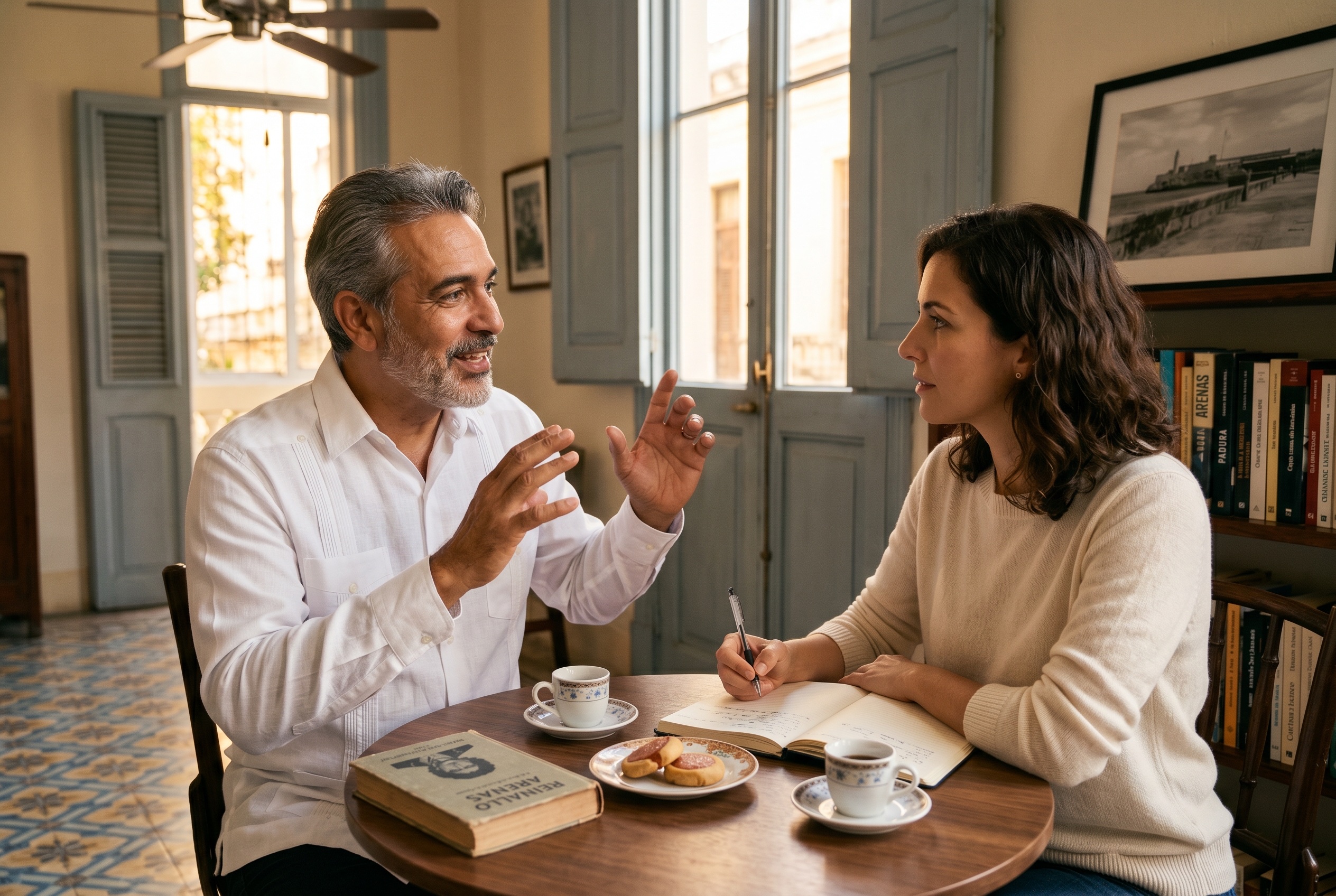
Your instructors
Cuban Spanish tutors for private lessons & classes
Strommen has been teaching Spanish in this city since 2006. Cuban Spanish has always been a real demand here: film and television training, business Spanish for Cuban-American teams, family-connection Spanish for second-generation Cuban-Americans, and travel Spanish for the Havana trip people have been planning for years. Every tutor below was met and vetted by us in person or via thorough video interview. No marketplace. No automated profile-creation. Real teachers with real backgrounds, which you can read about in their bios.
Filter by location, age, or price. Then book a 30-minute free trial.
Below are the Strommen tutors who specialize in Cuban Spanish. Photos, ratings, and rates are real. Click any card to read their bio and book a free 30-minute trial.
I want to learn…
Every tutor, personally met. — founder-vetted since 2006, in Los Angeles and online worldwide.
Get a personalized plan
Pick your language — a language advisor will match you with the right tutor and map out your path.

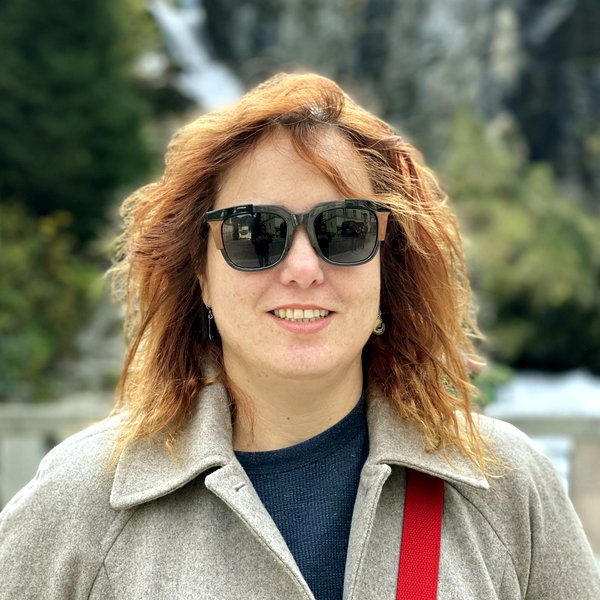

Master in Spanish Teaching · Cervantes Institute Certified Examiner (A1–C2) & Master’s Degree in Teaching Spanish as a Foreign Language (ELE)
Experience the World Through Language: From Havana to Mérida, Let's Learn Together with a Multilingual Master!
Personally vetted · Strommen’s note
Ada holds a Master's in Spanish Teaching and has Cuban roots. She's one of very few tutors anywhere teaching authentic Cuban Spanish.
Specialties
Also speaks: Art, English Literature, Music
Master in Spanish Teaching · Cervantes Institute Certified Examiner (A1–C2) & Master’s Degree in Teaching Spanish as a Foreign Language (ELE)
Experience the World Through Language: From Havana to Mérida, Let's Learn Together with a Multilingual Master!
Specialties
I also speak: Art, English Literature, Music
Personally vetted · Strommen’s note
Ada holds a Master's in Spanish Teaching and has Cuban roots. She's one of very few tutors anywhere teaching authentic Cuban Spanish.

Asere — culture & slang
5 ways to sound like you actually speak Cuban Spanish
These aren't textbook expressions. They're the everyday words that separate tourists from people who've actually spent time in Havana or Hialeah. Screenshot the infographic, then book a tutor to learn the rest.
-
01
¿Qué bola?
The universal Cuban greeting. "What's up?" Used between people on tú terms, with friends, family, or anyone you'd address informally. Don't use with strangers or in formal contexts. Pairs naturally with asere.
e.g. ¿Qué bola, asere? ¿Cómo va todo?
-
02
Asere
Cuban "dude" or "bro." Term of address between friends. Originated in Afro-Cuban Yoruba-inspired vocabulary and migrated into everyday speech. Affectionate among friends, inappropriate with strangers or elders. The most distinctively Cuban filler word.
e.g. ¡Asere, qué sorpresa verte aquí!
-
03
Pinchar
To work, to be employed. Different meaning from Spain Spanish (where it means "to puncture" or "to snack"). In Cuba, your pincha is your job. The word lives across all Cuban registers, from informal to professional.
e.g. Ya termino de pinchar y nos vemos.
-
04
Fula
The US dollar. By extension, "awesome" or "cool" in some contexts. Born of decades of economic adaptation, the word lives at the intersection of Cuban daily life and informal finance. Listen for it in any Cuban conversation about money.
e.g. Eso te va a costar 20 fulas.
-
05
Yuma
An American or, by extension, the United States itself. Comes from the 1957 Western film 3:10 to Yuma that left a mark on Cuban slang. Sometimes affectionate, sometimes pointedly distancing. Context determines tone.
e.g. El yuma vino a visitar a su familia en La Habana.
About Cuban Spanish
More than asere
Cuban Spanish belongs to the Caribbean family of Spanish dialects, spoken by roughly 11 million people on the island and another 2.5 million in the United States, the bulk of US Cuban Spanish concentrated in Miami and Hialeah, with smaller communities in every major American city. Among Spanish dialects, Cuban sits firmly in the Caribbean family alongside Puerto Rican and Dominican Spanish. The three are mutually intelligible and share most of their core features, but each has its own vocabulary, cultural references, and cadence. For students whose goal is Cuba specifically (travel, family, music, literature, business with the Miami exile community), Cuban Spanish is a distinct dialect worth learning on its own terms. Generic Spanish courses don't teach the s-aspiration, the rapid pace, the vocabulary, or the social codes that make Cuban speech recognizable instantly to anyone who's spent time in Havana or Hialeah.
The sound first. Cuban Spanish drops or aspirates final s sounds, a feature shared across the Caribbean. Estás becomes etá, los amigos becomes loh amigoh. Final n's velarize toward the back of the mouth. The pace is fast, often faster than Mexican or Castilian Spanish, with words running together in connected speech that takes practiced ears to parse. Consonants weaken: d between vowels often disappears (cansado sounds like cansao, nada like na). The r and l sometimes swap or merge in eastern Cuba and parts of Havana. Intonation rises and falls in a sing-song pattern that distinguishes Caribbean from any other Spanish region. For students arriving with Mexican or Castilian Spanish, the first month of lessons usually focuses on ear training: learning to parse the rapid connected speech, then learning to produce the s-aspiration without losing intelligibility.
Cuban vocabulary is its own world. ¿Qué bola? is the universal Cuban greeting, used between people on tú terms. Asere means "dude" or "bro," an Afro-Cuban term of address that originated in Yoruba-inspired religious vocabulary and migrated into everyday speech. Jeva means girlfriend, jevito a cool guy. Pinchar means to work (different from its Spain meaning of "to puncture"). Fula is the Cuban word for the US dollar, by extension also "awesome" in some contexts. Yuma refers to Americans or, by extension, the United States itself, a usage that comes from a 1957 American Western film called 3:10 to Yuma that left a mark on Cuban slang. Guagua means bus, shared with Puerto Rican and Canarian Spanish. Jamar means to eat. Candela is hot, intense, or cool depending on context. Salao describes bad luck. None of these are taught in classroom Spanish; all are everywhere in real Cuban speech. For broad Spanish foundations our 1,000 most common Spanish words list is a useful supplement.
Cultural codes shape Cuban Spanish as much as grammar. The musical inheritance of son cubano, the genre that gave the world salsa via the Buena Vista Social Club and Cuban diaspora musicians, informs how Cubans use language: rhythmic, percussive, full of double meaning. Santería terminology, drawn from Yoruba spiritual practice brought to Cuba during the slave trade, appears in everyday vocabulary even among non-practitioners: aché for spiritual energy, orisha for deity, asere itself. The legacy of José Martí and 19th-century Cuban literature shapes the literary register; modern writers like Reinaldo Arenas and Leonardo Padura continue that tradition. Cuban politics, both the 1959 revolution and the resulting diaspora, mean that Cuban Spanish exists in two parallel forms: island Cuban Spanish, which evolved relatively isolated for six decades, and Cuban-American Spanish in Miami, which interacts daily with American English and influences a much broader Cuban-American identity. Both are legitimate Cuban Spanish, but the vocabulary and cultural references diverge.
Miami's Cuban-American Spanish is its own specialty within the dialect. After 1959, waves of Cuban immigration concentrated in South Florida, and by the 1980s Cuban-American Spanish had developed code-switching patterns and English-influenced vocabulary that don't exist on the island. Parquear for to park, el bil for the bill, chopear for to shop, all Miami Spanish constructions absent from Havana speech. The Calle Ocho neighborhood, Versailles restaurant, the Cuban coffee window at every gas station in Hialeah: the cultural infrastructure of Miami Cuban Spanish is real and pulls the language in a different direction than island Cuban Spanish. Our tutors include both island-born Cubans and second-generation Miami Cuban-Americans, so you can match yourself to whichever variant fits your goal. Our blog post on Spanish dialect comparison sketches the broader landscape these dialects sit in.
A few honest tutor observations on what trips up American students with Cuban Spanish. Overpronouncing every s is the most common one. Pronouncing estás with crisp s's makes you sound like a textbook in Havana; the aspirated etá is what sounds Cuban. Rushing the pace before you've internalized the connected-speech patterns is the next trap. Cuban Spanish is fast precisely because of the consonant weakening, and trying to speak fast with full enunciation just makes a mess. Slang gets people too. Saying chido in Havana sounds bizarre; fula in Mexico City sounds bizarre in the other direction. Asere is affectionate between friends but inappropriate with strangers, elders, or in formal contexts, and learners often use it too liberally. There's also the politics of Miami vs island Cuban Spanish: students sometimes treat the Cuban-American Miami variety as a lesser form of "real" Cuban Spanish. It's not. Both are legitimate Cuban Spanish, just different.
Between lessons, immerse with Cuban-made media. Strawberry and Chocolate (Fresa y chocolate), the 1993 Tomás Gutiérrez Alea film, remains the canonical entry point to island Cuban Spanish. Conducta (2014) and 7 días en La Habana are good contemporary alternatives. Buena Vista Social Club is the obvious music recommendation, but the contemporary scene runs through Issac Delgado, Los Van Van, and Cimafunk for more modern Cuban Spanish ears. For Cuban-American Miami Spanish, the Cuban TV networks Univision and Telemundo carry the diaspora variety, and shows like Vivir del Cuento (when accessible) bring island Cuban into the conversation. For reading, Reinaldo Arenas's Before Night Falls and Leonardo Padura's Mario Conde detective novels are the contemporary canon. Cabrera Infante for the playful linguistic genius of Cuban Spanish.
The Strommen Cuban Spanish roster includes native Cubans, second-generation Cuban-Americans, and longtime bilinguals based across the United States and Latin America. The Cuban-American teachers bring the Miami diaspora register and direct knowledge of how Cuban Spanish has evolved in the United States since 1959. The native island Cubans bring the home-country cadence and current slang. Each tutor's bio says where they're from, where they've taught, and which student profile they fit best. You can match yourself to a Cuban-resident teacher for island immersion, a Miami-based teacher for the Cuban-American variety, or an LA-based teacher for in-person lessons at home or in your office. For other dialect comparisons, our Mexican Spanish, Colombian Spanish, and Castellano (Spain) specialty pages cover three other major Spanish varieties.
Lessons calibrate to your actual goal. Travel Spanish for a Havana trip is a different curriculum from family-connection Spanish for second-generation Cuban-Americans, which is different again from learning to read Padura's detective novels in the original or watch Fresa y chocolate without subtitles. We don't run a generic Spanish course. Each lesson is one-on-one, your tutor plans it around your week, and the trial is free. Existing Spanish is a head start, not a liability. The most common adjustments for students arriving with Mexican or Castilian Spanish are ear training for the s-aspiration and rapid connected speech (a few weeks of focused listening), Cuban-specific vocabulary (an ongoing accumulation), and the social register that distinguishes island Cuban from Miami Cuban-American Spanish. For a head-start before lessons begin, our 5 most common embarrassing mistakes in Spanish covers errors learners make across all dialects, and the broader Spanish course page shows the family of related programs. Or just browse the full tutor list and book a trial. Find a voice you want to imitate. Put in the hours. That covers most of what actually works.
What you'll cover
Lessons & classes tailored to Cuban Spanish
Caribbean Spanish sound
S-aspiration (s's softened or dropped at the end of syllables: estás becomes etá), velarized final n's, weakened consonants between vowels, faster connected speech than Mexican or Castilian Spanish. Lessons include ear-training exercises with real Cuban audio (films, music, news) so you can parse rapid speech, plus pronunciation drills so you produce the s-aspiration without losing intelligibility. Cuban Spanish rewards confident speech over careful enunciation.
Cuban vocabulary and slang
¿Qué bola?, asere, jeva, fula, pinchar, jamar, candela, salao, tremendo, yuma. The discourse markers Cubans use that other Spanish speakers don't. Daily-life vocabulary that diverges from other Latin American Spanish: guagua for bus, fula for dollar. We teach when each fits, who you can say it to, and how to read the room.
Cultural codes: son, Santería, exile diaspora
The musical inheritance of son cubano and its influence on Cuban Spanish rhythm. Santería terminology drawn from Yoruba spiritual practice. The political and emotional weight of the 1959 revolution and the resulting Cuban-American diaspora. José Martí as cultural touchstone. The contemporary scene of Padura, Cimafunk, and Cuban television. Lessons cover these directly so you can navigate Cuban contexts like someone who's spent time there.
Island Cuban vs Miami Cuban-American
Six decades of separation have produced two parallel forms of Cuban Spanish. Island Cuban Spanish evolved relatively isolated, preserving older vocabulary and developing new island-specific terminology. Miami Cuban-American Spanish interacts daily with American English and has developed code-switching patterns and Spanglish constructions (parquear, el bil, chopear) that don't exist in Havana. Both are legitimate Cuban Spanish. We teach the differences and let you choose which variety fits your goal.
FAQ
About Cuban Spanish lessons & classes
How is Cuban Spanish different from Mexican / Argentinian / Castilian?
Mutually intelligible with all other Spanish varieties, but the differences are immediate. Cuban Spanish sits in the Caribbean family alongside Puerto Rican and Dominican Spanish: fast, with aspirated s's, weakened consonants, and a distinctive rhythm. Mexican is slower and crisper. Argentinian uses voseo and sheísmo. Castilian uses vosotros and distinción. If you're transitioning from one of those, expect the first few weeks to focus on ear training and Cuban-specific vocabulary like asere, fula, and ¿qué bola?
What about Cuban-American Spanish in Miami? Is it the same as island Cuban?
Same family, but six decades of separation have produced real differences. Island Cuban Spanish preserves older vocabulary and evolved relatively isolated. Miami Cuban-American Spanish interacts daily with English and has developed code-switching patterns and Spanglish constructions absent from Havana: parquear for to park, el bil for the bill, chopear for to shop. Both are legitimate Cuban Spanish. We can match you to a tutor in either tradition depending on your goal.
Are your tutors native Cubans?
Some are. Our Cuban Spanish roster includes native island-born Cubans, second-generation Cuban-Americans raised in Miami or other diaspora cities, and longtime bilinguals fluent in both varieties. Each tutor's bio specifies where they're from and where they've taught. You can match yourself to an island-Cuban tutor for cultural immersion, a Miami-based Cuban-American for the diaspora variety, or anyone in between.
Can I take Cuban Spanish lessons online or only in person?
Both. Most of our Cuban Spanish tutors teach online via Zoom or Jitsi, available globally. Several also teach in person around Los Angeles. The booking widget on each tutor's profile shows their available formats and locations.
I already speak some Spanish. Should I start over?
No. Existing Spanish is a head start. Most students begin with a 30-minute free trial where the tutor calibrates to where you actually are. From there you build toward the Cuban register: ear training for rapid speech and s-aspiration, Cuban-specific vocabulary, and the cultural context that distinguishes island Cuban from Miami Cuban-American Spanish.
What does a Cuban Spanish lesson actually look like?
Lessons are one-on-one and built around your goals. A typical hour might include 15 minutes of conversation in Spanish on a topic you chose, 15 minutes targeted on a Caribbean pronunciation pattern or Cuban slang phrase that came up, 15 minutes on Cuba-specific vocabulary or cultural context, and 15 minutes of practice using what you learned. Your tutor plans around you. No two students get the same lesson.
How fast can I expect to progress?
Honest answer: depends on the time you put in between lessons, your starting level, and your specific goal. For students arriving with intermediate Mexican or Castilian Spanish, transitioning to Cuban Spanish takes most students 6 to 10 weeks at one or two lessons a week. From-scratch beginners reach travel-conversational comfort in three to six months at the same pace. Comfort watching Fresa y chocolate or reading Padura without a dictionary takes longer (twelve months and up).
Ready for Cuban Spanish lessons or classes?
Book a free 30-minute trial with one of our personally vetted tutors. Private lessons or small-group classes — your choice.