



Personally vetted instructors
Arabic for Beginners tutors, lessons & classes
مرحبا Marḥaba, the safest "hello" in Arabic, usable anywhere.
Personally vetted Arabic tutors who teach beginners from the first letter. Lessons that start with the alphabet, the sounds, and the early survival phrases, then build toward real conversation.
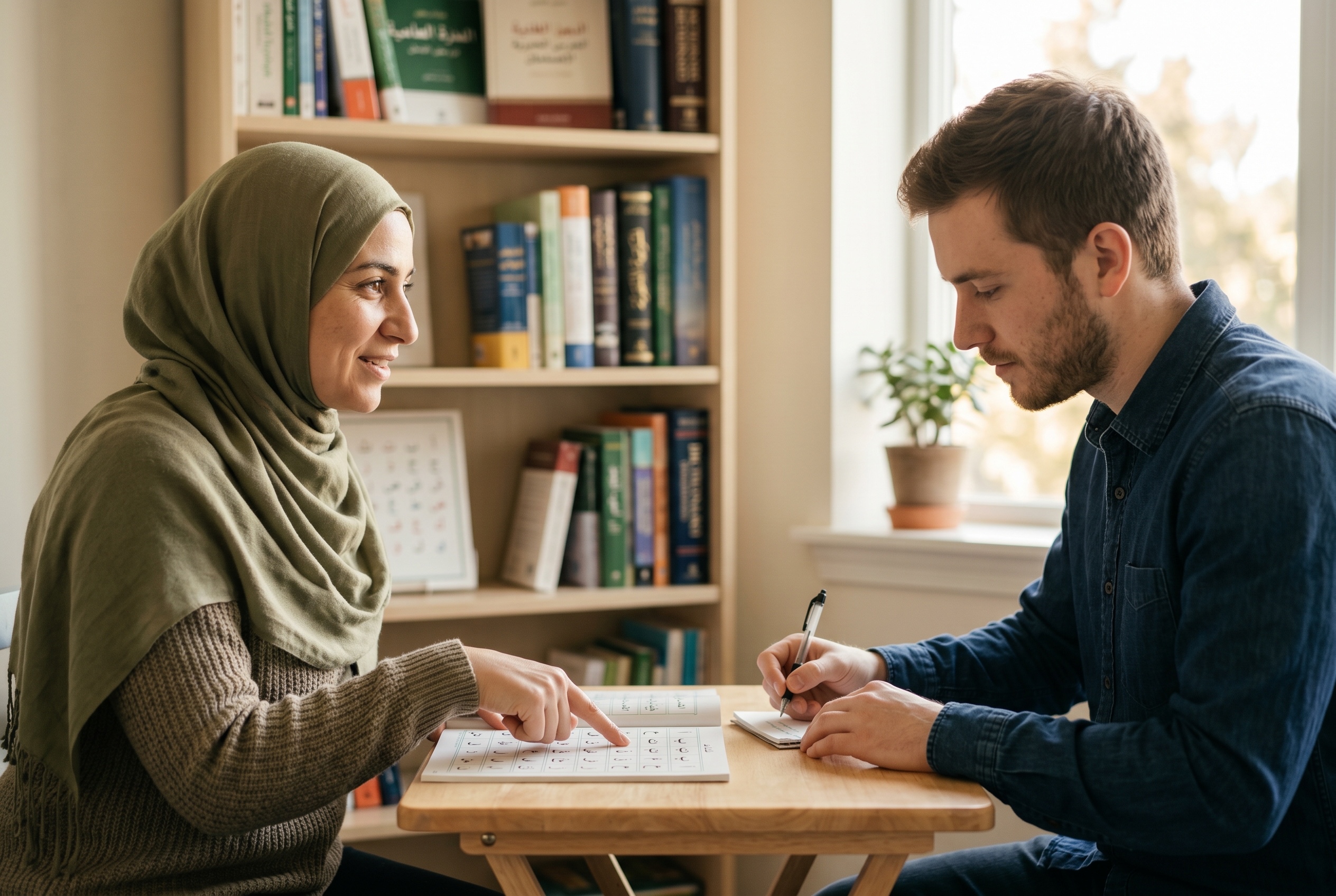
Your instructors
Arabic for Beginners tutors for private lessons & classes
Strommen is a curated boutique language school, not a marketplace. Every tutor below was met and vetted by us before they ever taught a lesson. There is no automated profile-creation here, no anonymous listings, just teachers we chose because they are good with absolute beginners, a stage of Arabic that needs real patience and a clear plan.
Filter by location, age, or price, read the bios, then book a 30-minute free trial with whoever feels right.
Below are the Strommen tutors who specialize in teaching Arabic to beginners. Photos, ratings, and rates are real. Click any card to read their bio and book a free 30-minute trial.
I want to learn…
Every tutor, personally met. — founder-vetted since 2006, in Los Angeles and online worldwide.
Get a personalized plan
Pick your language — a language advisor will match you with the right tutor and map out your path.

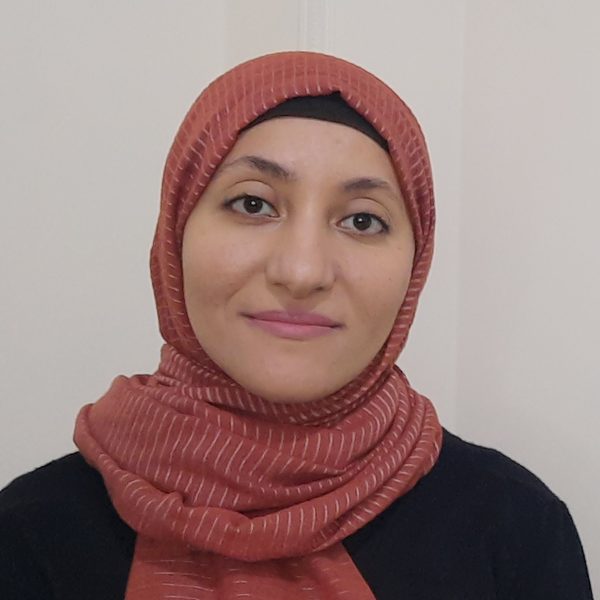
A master degree in Education in Teaching Arabic language to non Arabic speakers
Arabic language teacher (Modern standard, and Egyptian Arabic)
Personally vetted · Strommen’s note
Somaia teaches both Modern Standard and Egyptian Arabic, useful if you need the textbook version and the way people actually talk.
Specialties
A master degree in Education in Teaching Arabic language to non Arabic speakers
Arabic language teacher (Modern standard, and Egyptian Arabic)
Specialties
Personally vetted · Strommen’s note
Somaia teaches both Modern Standard and Egyptian Arabic, useful if you need the textbook version and the way people actually talk.
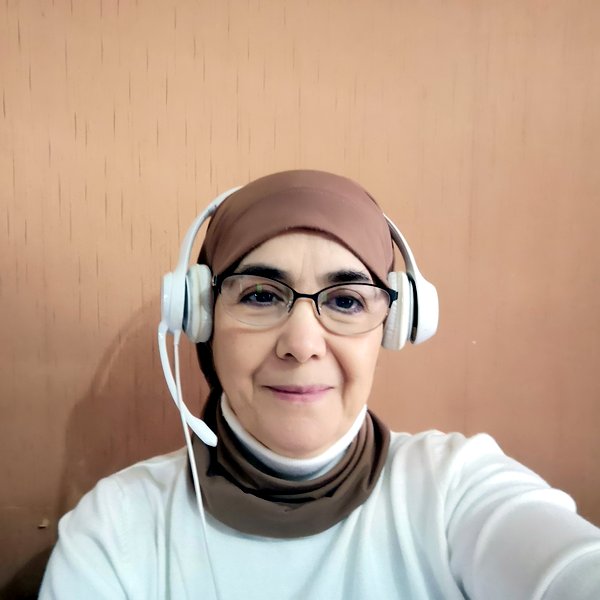


University Degree
Helping students learn with clarity, confidence, and motivation
Personally vetted · Strommen’s note
Quebec-based, Rahma teaches Arabic and French together, four Maghreb dialects covered, Algerian through Libyan.
Specialties
Also speaks: English
University Degree
Helping students learn with clarity, confidence, and motivation
Specialties
I also speak: English
Personally vetted · Strommen’s note
Quebec-based, Rahma teaches Arabic and French together, four Maghreb dialects covered, Algerian through Libyan.


Master’s Degree in Translation and Conference Interpreting (Arabic–French–English), University of Algiers 2, 2026.Bachelor’s Degree in Translation and Interpretation (Arabic–French–English), University of Algiers 2, 2024. · No formal professional teaching certifications. I hold a Master’s degree in Translation and Conference Interpreting and have professional teaching experience.
Learn to speak Arabic just like a native.
Specialties
Also speaks: French, Spanish
Master’s Degree in Translation and Conference Interpreting (Arabic–French–English), University of Algiers 2, 2026.Bachelor’s Degree in Translation and Interpretation (Arabic–French–English), University of Algiers 2, 2024. · No formal professional teaching certifications. I hold a Master’s degree in Translation and Conference Interpreting and have professional teaching experience.
Learn to speak Arabic just like a native.
Specialties
I also speak: French, Spanish

Bachelor degree in french studiesMaster's degree in french studies · DALF C2
Online certified french tutor delf/DALF/ TEF/TCF Preparation
Personally vetted · Strommen’s note
Hela has taught French and Arabic for thirteen years, DELF, DALF, TEF, and TCF certification prep included, plus four different Maghreb Arabic dialects.
Specialties
Bachelor degree in french studiesMaster's degree in french studies · DALF C2
Online certified french tutor delf/DALF/ TEF/TCF Preparation
Specialties
Personally vetted · Strommen’s note
Hela has taught French and Arabic for thirteen years, DELF, DALF, TEF, and TCF certification prep included, plus four different Maghreb Arabic dialects.
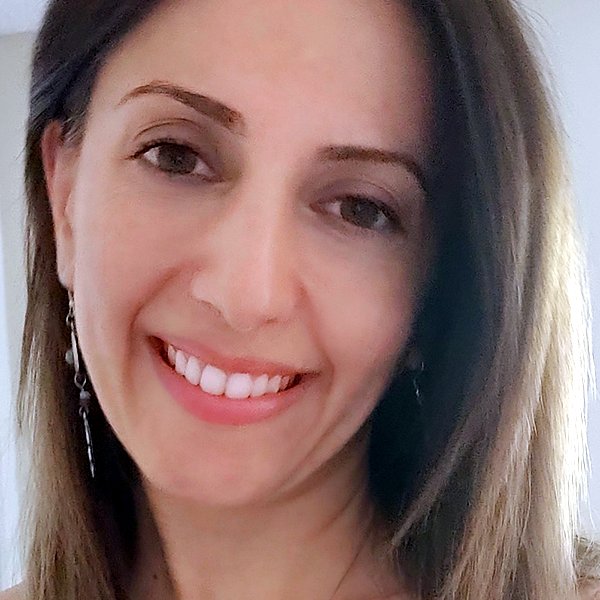

BA and MA in Arabic Studies, PhD in Philology (Arabic & Hebrew Studies)
Polyglot tutor with 15 years’ experience in Armenian, Arabic, Hebrew, and Russian
Personally vetted · Strommen’s note
Alvina holds a BA and MA in Arabic Studies and has spent fifteen years teaching Arabic, Hebrew, Russian, and Armenian, genuinely rare range in one tutor.
Specialties
BA and MA in Arabic Studies, PhD in Philology (Arabic & Hebrew Studies)
Polyglot tutor with 15 years’ experience in Armenian, Arabic, Hebrew, and Russian
Specialties
Personally vetted · Strommen’s note
Alvina holds a BA and MA in Arabic Studies and has spent fifteen years teaching Arabic, Hebrew, Russian, and Armenian, genuinely rare range in one tutor.
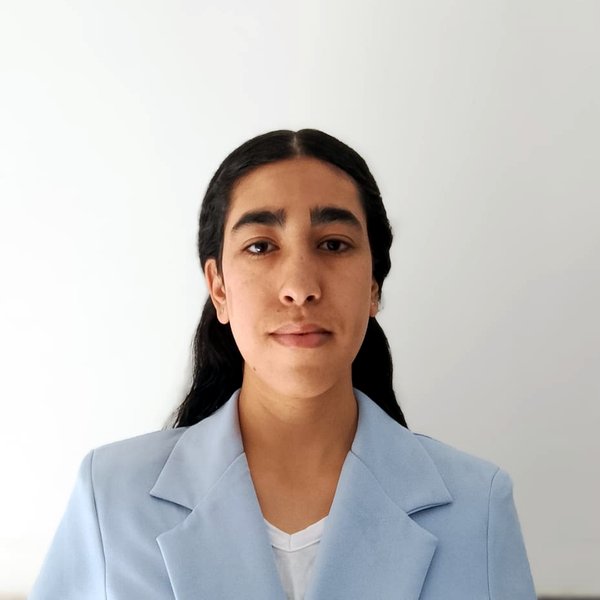
Degree in biology · Certificate in biology
#Moroccan #Arabic #Darija
Specialties
Degree in biology · Certificate in biology
#Moroccan #Arabic #Darija
Specialties
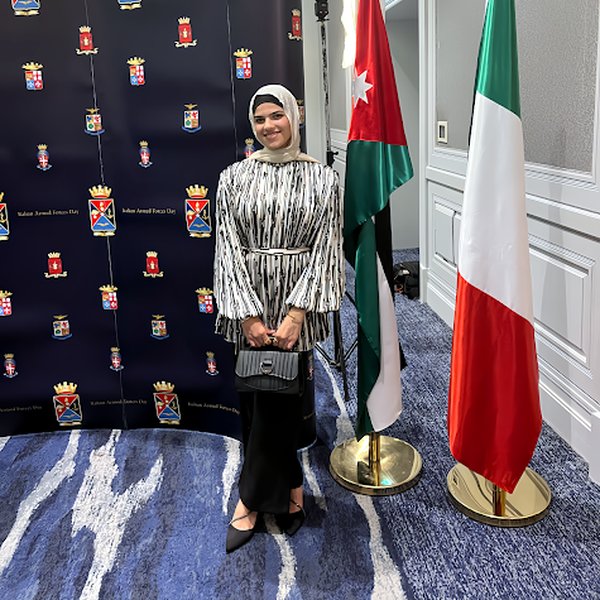
Bachelor’s Degree in Arabic Language and Literature, University of Jordan · Certificate in Teaching Arabic to Children – Jannah Way Canadian Institute.Certificate of Teaching Excellence (5+ Years of Experience) – Intensive Arabic Language Center for Foreigners, Amman.
Your Gateway to Fluent Arabic: Fusha and Jordanian Dialect for All Levels
Specialties
Also speaks: English
Bachelor’s Degree in Arabic Language and Literature, University of Jordan · Certificate in Teaching Arabic to Children – Jannah Way Canadian Institute.Certificate of Teaching Excellence (5+ Years of Experience) – Intensive Arabic Language Center for Foreigners, Amman.
Your Gateway to Fluent Arabic: Fusha and Jordanian Dialect for All Levels
Specialties
I also speak: English

الفصحى vs العامية — culture & first phrases
5 first phrases every Arabic beginner should learn
These are survival phrases, the ones a good tutor hands you in week one. Where the spoken dialects part ways with the written standard, we have given you both. Screenshot it, then book a tutor to learn the rest.
-
01
مرحبا marḥaba
"Hello." The most flexible greeting in Arabic: not religiously marked, understood everywhere, fine across every register. The written-standard form is مرحبا (marḥaban), and Egyptians often reach for أهلا (ahlan) instead, which works just as well.
e.g. مرحبا، كيف حالك؟ marḥaba, kayfa ḥāluk? ("Hello, how are you?")
-
02
شكراً shukran
"Thanks." One word, identical in the written standard and in every spoken dialect, which makes it the safest first word of gratitude to learn. The reply you will hear is عفواً (ʿafwan) in formal Arabic, العفو (al-ʿafw) in Egyptian.
e.g. شكراً جزيلاً shukran jazīlan ("thank you very much")
-
03
من فضلك min faḍlak
"Please." Min faḍlak to a man, min faḍlik to a woman: Arabic marks gender on the word "you," and a beginner needs that distinction from the start. Egyptians also use لو سمحت (law samaḥt) for the same purpose.
e.g. قهوة من فضلك qahwa min faḍlak ("coffee, please")
-
04
لا أفهم lā afhamu
"I don't understand." The single most useful phrase a beginner can carry, and a clean example of register-switching: لا أفهم (lā afhamu) is the written standard, ما فهمت (mā fhimt) is Levantine, مش فاهم (mish fāhim) is Egyptian. Hearing all three teaches you that Arabic is a register-switching language.
e.g. آسف، لا أفهم āsif, lā afhamu ("sorry, I don't understand")
-
05
إن شاء الله in shāʾ Allāh
"God willing." Said about any future plan, and pan-Arab across every dialect and formality level. It is religious in origin but used freely by speakers of any faith or none. Declining to say it about a future commitment can read as oddly arrogant, so beginners should learn it early.
e.g. نشوفك بكرة إن شاء الله nshūfak bukra in shāʾ Allāh ("see you tomorrow, God willing")
About Arabic for Beginners
Where a beginner actually starts
Most people who set out to learn Arabic stall in the first month, and it is almost never because Arabic is too hard. It is because they were never told what they were signing up for. Arabic is not one language. It is a written standard plus a family of spoken varieties, and a beginner who does not understand that distinction tends to study the wrong thing first and lose heart.
Here is the orientation a good tutor gives in the first lesson. Modern Standard Arabic, الفصحى (al-fuṣḥā), is the pan-Arab written and formal register. It is what newspapers, broadcast news, government, and books use. No one speaks it at home. The everyday spoken varieties, العامية (al-ʿāmmiyya), are regional: Egyptian, Levantine, Gulf, Maghrebi, and others. They are how people actually talk. A learner who studies only MSA can read a newspaper but will sound stilted ordering coffee in Cairo or Beirut, the way a phrase lifted straight from a legal document would sound shouted across a noisy market. A learner who studies only a dialect can chat with people in one region but cannot read most written material. Strommen's posture, and the posture of the tutors below, is that beginners do best learning MSA fundamentals (the alphabet, the sound system, the root system, basic grammar) alongside one chosen spoken dialect, treated as two registers of the same language rather than two separate subjects.
The early weeks of a beginner course are concrete and physical. You learn the 28 letters of the Arabic script, each of which changes shape depending on where it sits in a word: isolated, initial, medial, or final. You learn that six of those letters refuse to connect to whatever follows them, which is why beginners keep writing a word and wondering why the next letter "broke off." You learn that Arabic reads right to left, but that numbers inside an Arabic sentence still run left to right. None of this is difficult. It just has to be taught in the right order, by someone watching your hand and your mouth.
The sounds are where a tutor earns their keep. Arabic has a cluster of consonants with no English equivalent: ع (ʿayn), a voiced sound made deep in the throat; ح (ḥāʾ), its unvoiced partner; خ (khāʾ), the sound in Scottish "loch"; غ (ghayn), a back-of-the-mouth fricative; ق (qāf), a uvular stop. These are not optional polish. Several Arabic words are told apart only by these sounds. علم (ʿilm) means "knowledge"; ألم (alam) means "pain." Get the throat sound wrong and you have said a different word. The fix is months of drilling, not days, and it works far better with a tutor isolating the sound and correcting you in real time than with an app.
Then there is the root system, which is the single idea that makes Arabic click. Arabic words are built from roots, usually three consonants carrying a core meaning, with vowel patterns layered on top. The root ك-ت-ب (k-t-b) carries the idea of writing: كتب (kataba) "he wrote," كاتب (kātib) "writer," مكتب (maktab) "office," مكتبة (maktaba) "library," كتاب (kitāb) "book." A beginner who learns vocabulary as random word-strings struggles. A beginner who learns the root system sees Arabic as the patterned, almost architectural language it is. Good tutors signpost this early so the pattern is visible long before it is fully usable.
Who actually wants Arabic from zero is a varied group. Some students are heading to the region for work or study. Some have family on the other side of a language gap they want to close. Some are drawn in by Arabic music, film, or the written word. Some need it for academic or professional reasons and want a serious grammatical foundation. The tutors below teach all of those starting points, and they calibrate the very first lesson to yours. If you want to read more before you book, our guide to Arabic dialects, explained covers the MSA-versus-dialect question in depth, and there is also a piece on how our group Arabic classes work if you would rather learn alongside other beginners. Anyone weighing private lessons against a class can compare both on the main Arabic page.
What you'll cover
Lessons & classes tailored to Arabic for Beginners
The Arabic script, from the first letter
The 28 letters of the Arabic alphabet, each with up to four shapes depending on its position in a word, plus the six non-connecting letters that trip up nearly every beginner. Lessons cover right-to-left writing, the hamza (the glottal stop that sits on a "seat"), and the sun-and-moon-letter rule that changes how the definite article ال is pronounced. Tutors watch your handwriting and correct it as it forms, which is the part an app cannot do.
The sounds that have no English equivalent
Direct, patient drilling on the consonants English speakers do not have: ع (ʿayn) and ح (ḥāʾ) deep in the throat, خ (khāʾ) and غ (ghayn) at the back of the mouth, and the emphatic letters. These sounds carry meaning, so tutors isolate them early and do not let students paper over them, because words like ʿilm ("knowledge") and alam ("pain") are told apart by nothing else.
The root system and basic grammar
Arabic vocabulary is built from three-consonant roots that carry a core meaning, with patterns layered on top. Lessons make that system visible early, so vocabulary compounds instead of piling up as unrelated words. Alongside it: gendered verb forms, the present and past tense, and enough sentence structure to start saying real things rather than reciting lists.
First survival conversation in a chosen dialect
Greetings, introductions, numbers, asking prices and directions, and the everyday phrases that let you function. Beginners pick a spoken dialect to pair with their written-standard foundation, usually Egyptian or Levantine since both are well-resourced for adult learners. The written standard gives you reading and formal listening; the dialect gives you the coffee shop. Tutors teach both as two registers of one language.
FAQ
About Arabic for Beginners lessons & classes
Should I learn Modern Standard Arabic or a dialect first?
This is the first real question for any beginner, and the honest answer is both, in parallel. Modern Standard Arabic gives you reading access to all written Arabic and listening access to broadcast news and formal speech. It also teaches the alphabet, the sound system, and the grammar that every dialect derives from. But no one speaks it at home, so MSA-only students can read a newspaper yet sound stilted ordering coffee. A spoken dialect, usually Egyptian or Levantine for adult learners, gives you the conversational side. Strommen tutors start beginners on MSA fundamentals and a chosen dialect together, treated as two registers of the same language. Our guide to Arabic dialects walks through this in full.
Do I need to learn the Arabic alphabet, or can I use transliteration?
You need the alphabet, and starting it is part of the first lessons. Transliteration (Arabic words written in Latin letters) is a useful crutch for the first few weeks, but it is inconsistent, it cannot represent some Arabic sounds accurately, and leaning on it past the early stage slows everything down. The script is only 28 letters and most beginners can read simple words within a few weeks of lessons. Tutors teach the letters in a sensible order and watch your handwriting form, which is why this goes faster with a teacher than alone.
Is Arabic really as hard as people say?
Arabic has a reputation for difficulty, and parts of it are genuinely demanding: a few throat sounds with no English equivalent, a script that reads right to left, and grammar that gets intricate at the intermediate stage. But the early weeks are very learnable, and the root system actually makes Arabic more orderly than learners expect once it clicks. Most people who quit early do so because they were studying the wrong variety, not because the language defeated them. A tutor who orients you correctly in the first lesson removes most of that risk.
Are your tutors native Arabic speakers?
Most are native speakers, and the rest are longtime fluent teachers of the language. Each tutor's bio specifies where they are from and which dialect they speak natively, since that shapes the spoken variety they will pair with your written-standard foundation. Strommen is a curated school, so every tutor was met and vetted by us before teaching a single lesson. You can read each bio before deciding.
Can I take Arabic lessons online, or only in person?
Both. Many of our Arabic tutors teach online via Zoom or Jitsi and are available to students anywhere. Several also teach in person. The booking widget on each tutor's profile shows their available formats, and you can sort the list to find what fits you.
How long until I can hold a basic conversation in Arabic?
It depends on your hours, your starting point, and the regularity of practice between lessons. With one or two lessons a week plus consistent self-study, most beginners reach simple, functional conversation in a chosen dialect in roughly 4 to 8 months: greetings, introductions, prices, directions, getting around. Solid reading comfort with unvocalized text takes longer, often a year or more. Your tutor sets concrete weekly goals at the trial and adjusts as you go. The numbers above assume regular practice; skip the between-lesson work and they stretch.
I tried learning Arabic before and stopped. Will this be different?
It often is, and the reason is usually structural. Many people who stall did so because they picked up MSA from an app and never learned a dialect, or learned phrases with no grasp of the script or the root system, so nothing compounded. A tutor diagnoses where the earlier attempt went sideways and rebuilds from there. The 30-minute trial is largely about that diagnosis, so come ready to say what you tried before and where it stopped working.
What does a beginner Arabic lesson actually look like?
Lessons are one-on-one and built around you. An early-stage hour might mix script practice, drilling on the throat sounds, a small grammar point, and survival phrases in your chosen dialect, with the balance shifting as you progress. Tutors plan each lesson rather than running a fixed curriculum, so two beginners with different goals get different lessons. Many students supplement with our 1,000 most common Arabic words list between sessions.
Ready for Arabic for Beginners lessons or classes?
Book a free 30-minute trial with one of our personally vetted tutors. Private lessons or small-group classes — your choice.