



Personally vetted instructors
Business Italian tutors, lessons & classes
Buondì Slightly warmer than Buongiorno, the Northern Italian opener you hear in Milan and Veneto offices.
Personally vetted Business Italian tutors. Lessons calibrated to how Italian professionals actually negotiate, present, write contracts, run meetings, and conduct business across Milan finance, the manufacturing North, the luxury and wine-export economy, and the family-business culture that still anchors Italian commerce.

Your instructors
Business Italian tutors for private lessons & classes
Strommen has been teaching Italian since 2006. Business Italian has always been a real demand here: pre-deal preparation for executives heading to Milan or Rome negotiations, contract reading for attorneys and finance professionals working Italian and cross-border M&A files, presentation prep for designers and architects pitching Italian firms, wine and luxury vocabulary for US importers and retailers, family-business protocol for American operators working multi-generation deals, and long-running monthly maintenance for executives whose Italian counterparts insist on conducting business in Italian. Every tutor below was met and vetted by us in person or via thorough video interview. No marketplace. No automated profile-creation. Real teachers with real backgrounds in Italian business culture and language.
Filter by location, age, or price. Then book a 30-minute free trial.
Below are the Strommen tutors who specialize in Business Italian. Photos, ratings, and rates are real. Click any card to read their bio and book a free 30-minute trial.
I want to learn…
Every tutor, personally met. — founder-vetted since 2006, in Los Angeles and online worldwide.
Get a personalized plan
Pick your language — a language advisor will match you with the right tutor and map out your path.


BA
Discover Italian Charm with Elisa: Lake Como Born, TV Writer Turned Passionate Italian Tutor & Dialogue Coach!
Personally vetted · Strommen’s note
A former TV writer, Elisa now coaches Italian dialogue with the same instinct for what actually lands on screen.
Specialties
BA
Discover Italian Charm with Elisa: Lake Como Born, TV Writer Turned Passionate Italian Tutor & Dialogue Coach!
Specialties
Personally vetted · Strommen’s note
A former TV writer, Elisa now coaches Italian dialogue with the same instinct for what actually lands on screen.



UCLA Bachelor degree
Roman Native Italian Tutor with 20 years Experience, lets speak Italian!
Personally vetted · Strommen’s note
A Rome native who has taught Italian for twenty years, Garrett still takes on a handful of students personally when his schedule allows.
Specialties
Also speaks: French, Japanese, Spanish
UCLA Bachelor degree
Roman Native Italian Tutor with 20 years Experience, lets speak Italian!
Specialties
I also speak: French, Japanese, Spanish
Personally vetted · Strommen’s note
A Rome native who has taught Italian for twenty years, Garrett still takes on a handful of students personally when his schedule allows.
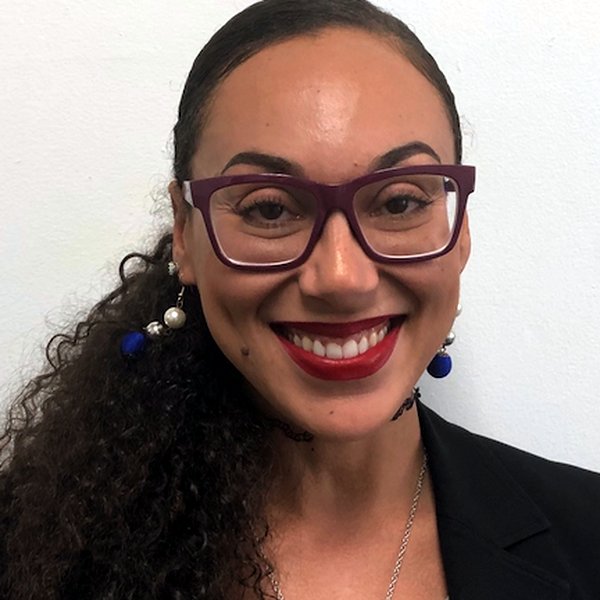


MBA and AS in Recording Arts · DALI, DELF, First Cert, SIZ Computer Science, Pro Tools, Dante
Multi-Culti Polyglot Linguist and Sound Engineer
Personally vetted · Strommen’s note
Vanessa speaks seven languages, has a sound-engineering background, and has spent two decades teaching. Her lessons range from accent coaching to art for kids.
Specialties
Also speaks: ASL American Sign Language, Chinese, Physics
MBA and AS in Recording Arts · DALI, DELF, First Cert, SIZ Computer Science, Pro Tools, Dante
Multi-Culti Polyglot Linguist and Sound Engineer
Specialties
I also speak: ASL American Sign Language, Chinese, Physics
Personally vetted · Strommen’s note
Vanessa speaks seven languages, has a sound-engineering background, and has spent two decades teaching. Her lessons range from accent coaching to art for kids.

University
Master Italian with a Milan Native: 13+ Years Teaching Experience, Customized Lessons for All Levels & Needs
Personally vetted · Strommen’s note
Milan-trained and sixteen years into teaching Italian, Sara keeps formal grammar sounding like conversation instead of a lecture.
Specialties
University
Master Italian with a Milan Native: 13+ Years Teaching Experience, Customized Lessons for All Levels & Needs
Specialties
Personally vetted · Strommen’s note
Milan-trained and sixteen years into teaching Italian, Sara keeps formal grammar sounding like conversation instead of a lecture.

Lingue e culture straniere and insegnamento dell italiano agli stranieri L2 · Teaching Certificate
Masters Degree in Teaching Italian - Local Roman Italian Teacher - Currently living in Rome - Roma3 graduate
Personally vetted · Strommen’s note
Simona holds a Master's in Teaching Italian from Roma Tre and is based in Rome itself. She rebuilds her lesson plan for literally every new student.
Specialties
Lingue e culture straniere and insegnamento dell italiano agli stranieri L2 · Teaching Certificate
Masters Degree in Teaching Italian - Local Roman Italian Teacher - Currently living in Rome - Roma3 graduate
Specialties
Personally vetted · Strommen’s note
Simona holds a Master's in Teaching Italian from Roma Tre and is based in Rome itself. She rebuilds her lesson plan for literally every new student.

Master's Degree in Modern Philology · Post-graduate course in Teaching Italian L2/LS
La grande bellezza dell'italiano
Personally vetted · Strommen’s note
Giuseppe teaches four rare southern Italian dialects, Napoletano, Dialetto Campano, Sabino, and Barese, alongside standard Italian and academic writing.
Specialties
Also speaks: English, French, Spanish
Master's Degree in Modern Philology · Post-graduate course in Teaching Italian L2/LS
La grande bellezza dell'italiano
Specialties
I also speak: English, French, Spanish
Personally vetted · Strommen’s note
Giuseppe teaches four rare southern Italian dialects, Napoletano, Dialetto Campano, Sabino, and Barese, alongside standard Italian and academic writing.

Law Master's degree · Cedils - teaching Italian as a foreign language
Italian Language Teacher with Law Degree
Personally vetted · Strommen’s note
Law degree behind her, Monica teaches Italian, Arbreshe dialect included, with a deliberately solid, structured approach.
Specialties
Law Master's degree · Cedils - teaching Italian as a foreign language
Italian Language Teacher with Law Degree
Specialties
Personally vetted · Strommen’s note
Law degree behind her, Monica teaches Italian, Arbreshe dialect included, with a deliberately solid, structured approach.

TESOL · CILS, CELI
Where every mistake becomes a step toward fluency
Personally vetted · Strommen’s note
Cynthia has taught Italian for twenty-five years, including a semester at the University of South Florida. Her tagline: every mistake is a step toward fluency.
Specialties
TESOL · CILS, CELI
Where every mistake becomes a step toward fluency
Specialties
Personally vetted · Strommen’s note
Cynthia has taught Italian for twenty-five years, including a semester at the University of South Florida. Her tagline: every mistake is a step toward fluency.

Professor of Italian Language and Literature at the Juraj Dobrila University of Pula. · Degree in Italian Language and Literature.
Professor of Italian language, several years of experience
Personally vetted · Strommen’s note
Every lesson with Romeo starts with a level check, then a plan built entirely around the student's own goals. He teaches Italian and Croatian both, out of Pula.
Specialties
Professor of Italian Language and Literature at the Juraj Dobrila University of Pula. · Degree in Italian Language and Literature.
Professor of Italian language, several years of experience
Specialties
Personally vetted · Strommen’s note
Every lesson with Romeo starts with a level check, then a plan built entirely around the student's own goals. He teaches Italian and Croatian both, out of Pula.

Bachelor and Master in Language and History of art · Ditals
Italian teacher - Learn Napoletano with me!
Personally vetted · Strommen’s note
Vincenzo teaches three southern Italian dialects out of Salerno, Napoletano, Abruzzese, and Salentino, alongside standard Italian.
Specialties
Bachelor and Master in Language and History of art · Ditals
Italian teacher - Learn Napoletano with me!
Specialties
Personally vetted · Strommen’s note
Vincenzo teaches three southern Italian dialects out of Salerno, Napoletano, Abruzzese, and Salentino, alongside standard Italian.

Modern languages · Ditals and a master
Certified with 5 years of experience in teaching Italian. I like to organize my Italian lessons according to each student's learning goals. I will be happy to be your Italian teacher and help you to achieve your goal.
Specialties
Modern languages · Ditals and a master
Certified with 5 years of experience in teaching Italian. I like to organize my Italian lessons according to each student's learning goals. I will be happy to be your Italian teacher and help you to achieve your goal.
Specialties


Psychology · N/A
Expert Native Italian Tutor | Personalized Lessons | Learn Italian with confidence, clarity, and authentic conversation
Specialties
Also speaks: French, Japanese, Russian, Welsh
Psychology · N/A
Expert Native Italian Tutor | Personalized Lessons | Learn Italian with confidence, clarity, and authentic conversation
Specialties
I also speak: French, Japanese, Russian, Welsh

Gergo aziendale — register & culture
5 daily rituals that mark you as someone who actually does business in Italy
These aren't textbook phrases. They are the everyday habits that distinguish an executive who has worked inside an Italian company from one who has only studied Italian. Screenshot the infographic, then book a tutor to learn the rest.
-
01
La pausa pranzo
The midday lunch break, still observed seriously in Italian offices outside the most Anglo-influenced Milan firms. Working through lunch at your desk reads as either anxious or junior; stepping out for a real meal with colleagues is part of how the team gets built. The duration varies (45 minutes in Milan finance, 90 in Rome or Veneto), but the ritual is the same: leave the office, eat with people, return.
e.g. Ne parliamo dopo la pausa pranzo, ho prenotato alle 13.
-
02
Il caffè con il capo
The coffee with the boss, the informal one-on-one ten minutes at the espresso bar where actual decisions get sketched, feedback gets delivered, and the relationship gets maintained. Italian managers run more business at the bar than in scheduled one-on-ones, and asking for un caffè veloce to surface something important is a competence signal rather than an imposition.
e.g. Ho un dubbio sul piano, mi prendo un caffè con il capo dopo pranzo.
-
03
La riunione settimanale
The weekly team meeting, scheduled, formal, and a real ratification ritual in Italian companies. Often the venue where direction gets confirmed publicly after being decided privately among senior people. Speaking up matters and is expected, but reading the room is critical: an Italian weekly meeting is rarely the place for fresh disagreement with the AD; il caffè is.
e.g. Vediamoci in riunione settimanale, poi se serve un punto a parte lo facciamo.
-
04
L'apericena di networking
The Italian evening hybrid of aperitivo and light dinner, the standard format for industry networking and post-conference contact-building. Held between 18 and 21, drinks plus stuzzichini that turn into a meal. Skipping it because you are tired reads as not interested in the relationship layer; staying for the full arc, even when you are tired, is part of how Italian B2B trust gets built.
e.g. Stasera c'è un'apericena di networking del settore, ti consiglio di passare.
-
05
Il colloquio in azienda
The in-person company interview, still the dominant Italian hiring format even for roles that elsewhere would be screened over video. Carries more weight than American HR interviews and tends to be more conversational, with significant time on personal background, family, and cultural fit. The colloquio at a family-owned Italian firm often includes meeting one of the principals; preparing for it as a personal evaluation, not just a technical screen, is the right frame.
e.g. Ho il colloquio in azienda venerdì, conosco anche il presidente.
About Business Italian
Lei, la famiglia, e il fatturato
Business Italian is its own register, and the gap between conversational Italian and the working language of an Italian boardroom is wider than American executives expect. Italy is the world's eighth-largest economy, the European Union's third, and the cultural anchor of an industrial geography that runs from Milan finance through the manufacturing belt of Lombardy, Piedmont, Veneto, and Emilia-Romagna to the luxury and design houses of Florence and Como, the wine and food exporters across the country, and the family-controlled mid-cap businesses that account for a far larger share of Italian commerce than American observers usually realize. For executives, attorneys, designers, and operators working with Italian counterparts, the cost of misreading the register is paid in trust and access, not in grammar marks. Lessons in this specialty focus on the register you need to read a contract, present in front of an Italian leadership team, write professional emails that do not sound translated, and navigate the relationship-driven side of business that Italians take more seriously than nearly any other European market.
The formal pronoun first. Italian business runs on Lei as the default, often for years between colleagues who know each other well. The shift to tu is a real social event, almost always invited explicitly (diamoci del tu), and initiating it yourself in a senior or first-contact context reads as American-presumptuous in the same way it does in French or Spanish business cultures. Titles are forms of address, not optional ornaments: Dottore and Dottoressa apply to anyone with a university degree (not just medical doctors), Ingegnere, Avvocato, Architetto, Ragioniere, Geometra, Maestro. Greeting a Milan CFO as Dottoressa Bianchi at a first meeting is normal and expected; jumping to Mariana reads as warm-but-foreign. The written register is more elaborate than English business writing on every axis. What an American writes as thanks, looking forward appears in Italian as Resto a Sua disposizione per qualsiasi chiarimento. Cordiali saluti. Conditional and subjunctive moods (vorrei, potrebbe, che possa, sarebbe opportuno) carry the politeness load that English handles with could and would, and using indicative everywhere sounds blunt or junior.
Family-business culture is the layer Americans most often miss. The Italian economy is dominated structurally by mid-cap and small firms (piccole e medie imprese, the famous PMI), most of them family-controlled, many of them in the second or third generation, and almost all of them operating with a decision flow that does not match the American org chart. The amministratore delegato (AD, roughly CEO) may or may not be the actual decision-maker; the family principals often are, and they may not be visible in the meeting you are in. The consiglio di amministrazione (the board) often includes family members alongside outside professionals. Long-term relationships matter more than quarterly results, and the same family business that just took three months to return your first proposal will turn around a complex follow-up in 48 hours once trust is established. Reading that ecosystem accurately is half the work of operating in Italian B2B; the language is the other half.
Vocabulary is built on Italian legal and accounting tradition, which means it does not map cleanly onto American MBA-speak. Fatturato is revenue. Bilancio is the balance sheet and also the annual financial report. Utile is net profit; perdita is loss; EBITDA is borrowed wholesale from English. Cassa integrazione is the Italian state-funded furlough scheme that has no clean English equivalent and that any HR conversation with Italian employees has to account for. Partita IVA is the VAT number every freelancer and business holds. Codice fiscale is the personal tax code every adult Italian carries. Procura is the power of attorney; delega is delegation of authority. Notaio is the notary, a regulated profession that handles transactions Americans would close with a signature. Sindaco means both mayor and statutory auditor depending on context. Sciopero is a strike, which matters because Italian labor culture treats them as a normal part of negotiation. Riunione di lavoro is a business meeting; tavola rotonda is a roundtable; la pausa pranzo is the lunch break that real Italian offices still observe. None of this vocabulary appears in tourist or conversational Italian; all of it shows up in your first week of Italian professional work.
The regional layer is real and shapes business culture as much as language. Milan finance and Turin manufacturing run on time, with German-style punctuality and a tight calendar; meetings start when they say they will, agendas are followed, decisions get made. The luxury houses of Florence and Como operate on relationship pace, with longer opening pleasantries and a different reading of how much credibility you have based on who introduced you. Rome and the South run on more elastic schedules and treat the relationship layer as load-bearing in a way Northern Italian and American business culture often does not. The Veneto and Emilia-Romagna industrial belts (Treviso, Vicenza, Bologna, Modena, Parma) are their own ecosystem, family-business-dense and built on long-term supplier relationships that outsiders rarely break into in one quarter. The wine export economy from Piedmont, Tuscany, Veneto, and Sicily carries a separate vocabulary and a tighter calendar around the harvest. Lessons calibrate to the region you actually do business in; a Milan-trained tutor will get you fluent in Milan finance, and a Florence-trained tutor will get you fluent in luxury, and neither one will fully prepare you for the other.
A few specific habits trip up American executives more often than any others when they cross into Business Italian. The email salutation matters: Egregio Dottor Rossi or Gentile Dottoressa Bianchi is the first-contact standard, and dropping it for a generic Salve reads as cold. Closings carry weight: Cordiali saluti, Distinti saluti, Resto a disposizione are not interchangeable, and the right one signals where you are in the relationship. The pausa pranzo is real working time; refusing a lunch invitation early in a relationship reads as antisocial in a way Italians remember. The North-South gradient on punctuality is real, and arriving on time in Rome can read as anxious in the same way arriving five minutes late in Milan reads as unprofessional. August is not a working month. Chiusura estiva closes much of Italian manufacturing, finance, and government for the second half of August, and American executives scheduling July or August projects in Italy routinely lose two to three weeks they did not account for. Heated debate in an Italian meeting is professional engagement, not personal attack, and not engaging back is the misstep. And the family-business decision flow is its own skill: the person doing the talking is often not the person making the decision, and learning to read the room for who actually holds authority is the difference between closing and stalling.
Between lessons, immerse with Italian business media. Il Sole 24 Ore is the canonical business daily, the equivalent of the Wall Street Journal or Les Échos, and its register is the formal-but-readable Italian you will be expected to read and write. Corriere della Sera, La Repubblica, and La Stampa cover business inside broader news. Class CNBC Italia carries daily market coverage in Italian. For podcasts, Storie di Brand, Will Italia, Tienimi Bordone, Globo (Il Post), and the Sole 24 Ore daily briefings are widely consumed across the Italian professional class. Authors worth reading in the original: Federico Rampini on international business, Beppe Severgnini on cultural observations and Italian-American differences, Alessandro Baricco for prose that builds vocabulary breadth and rhetorical fluency. For the broader Italian-language ecosystem, our curated Italian podcast list and the guide to Italian regional dialects are useful starting points. Pronunciation work for presentations sits in our Italian pronunciation primer.
The Strommen Business Italian roster covers the regional ecosystems our students actually work in. Milan-based teachers familiar with capital-markets register, banking, and the Italian luxury industry's Milan offices. Rome-based teachers covering contract Italian, public sector, and the relationship-pace South-Center register. Florence and Como tutors who know the luxury and design world. Veneto and Emilia-Romagna tutors familiar with the family-business industrial belt. Several of our Business Italian tutors come from non-teaching professional backgrounds: corporate finance, Italian contract law, the design and fashion industry, the wine export economy. Each tutor's bio names where they are from, their professional background, and which student profile they fit best (executive coaching, contract reading, presentation prep, family-business protocol, certification, CILS or CELI). Pricing reflects experience. For students whose work spans Milan and Rome, or finance and luxury, we can pair you with two tutors on alternating weeks. Our Italian literature, Italian dialect coach, Italian academic writing, and Italian classes specialty pages cover related programs, and you can also browse the full tutor list to filter by location, price, and availability.
Lessons calibrate to your actual goal. Pre-deal Italian for an upcoming negotiation with Milan counterparts is a different curriculum from monthly maintenance for an executive whose Italian colleagues insist on Italian at meetings, which is different again from CILS or CELI certification preparation for HR-required proficiency proof, and different again from family-business protocol for an American operator working a multi-generation acquisition. We do not run a generic Business Italian course. Each lesson is one-on-one, your tutor plans it around your week and your region, and the trial is free. Existing Italian is a head start. The most common adjustments for fluent speakers are register elevation (consistent Lei, fluent conditional and subjunctive, formal closings), regional vocabulary calibration (Milan finance versus Florence luxury versus Veneto manufacturing), industry deepening from real source documents, and cultural calibration around hierarchy, family-business decision flow, and the relationship layer. Tell us the Italian business you actually need to navigate. The curriculum follows from there.
What you'll cover
Lessons & classes tailored to Business Italian
Formal register, Lei, and the Italian email
The Lei form as default, conditional and subjunctive moods for politeness, formal email salutations (Egregio, Gentile) and closings (Cordiali saluti, Distinti saluti, Resto a disposizione), and the elaborate written register that distinguishes Business Italian from conversational Italian. Drills include real Italian business correspondence (first contact, follow-up, negotiation, escalation, internal team) read and rewritten until the register sounds like a native Italian professional. Common gaps we close: indicative-everywhere blunt phrasing, missing the Lei/tu switch, weak closings, and translated American idioms.
Finance, legal, contract vocabulary, and Italian labor culture
Fatturato, bilancio, utile, perdita, cassa integrazione, partita IVA, codice fiscale, procura, consiglio di amministrazione, amministratore delegato, notaio. Industry-specific vocabulary calibrated to your sector (corporate finance, contract law, M&A, marketing, fashion and design, manufacturing, wine and food export) with real Italian source documents. Italian labor law vocabulary for anyone managing Italian staff: contratto a tempo indeterminato, collettivo nazionale, delegato sindacale, licenziamento.
Meeting dynamics, family-business protocol, and presentation prep
How Italian business meetings actually run: extended opening pleasantries, hierarchical decision flow, the family-business reality of decisions made privately before the meeting, and the espresso ritual that often closes a conversation. Presentation Italian: slide language, transition phrases, fielding Q&A, handling interruption with grace. Family-business protocol for American operators working multi-generation deals: reading who actually holds decision authority, the role of the family principal, the long arc of trust-building.
Regional register, certifications, and deal Italian
The Milan and Turin North versus the Rome and South business divide and what it means for meeting punctuality, decision pace, and the relationship layer. Luxury and design Italian (Florence, Como, Milan), manufacturing Italian (Veneto and Emilia-Romagna belt), wine and food export Italian (Piedmont, Tuscany, Sicily). CILS DUE B2 and C1, CELI 3 and 4 certification preparation for HR-required proof of proficiency, with mock exams and module-specific strategy. Pre-deal Italian for upcoming negotiations: sector vocabulary, counterpart-specific prep, cultural calibration for the team you will face.
FAQ
About Business Italian lessons & classes
Should I learn Milan or Roman business register?
Whichever matches the Italian business you actually need to navigate. Milan business Italian runs on Northern-European-aligned punctuality, tighter calendars, and a slightly more direct register; Roman and Center-South business Italian runs on more elastic schedules, longer opening pleasantries, and a heavier relationship layer. The grammar is the same. The cultural reading is meaningfully different. If your counterparts span both (often the case for finance teams covering Italy broadly), we can pair you with a tutor for the primary region and a second on alternating weeks. The trial conversation surfaces which calibration is right for your specific role.
Can you help with Italian B2B email etiquette (Egregio vs Gentile)?
Yes, and this is one of the highest-impact things we work on early. Egregio opens a formal email to a man (Egregio Dottor Rossi); Gentile opens a formal email to a woman (Gentile Dottoressa Bianchi). Spettabile opens an email to a company or institution (Spettabile Ufficio). Closings ladder from Distinti saluti (most formal, often legal) through Cordiali saluti (the safe professional default) to Cordialità (warmer, after the relationship is established). Adding Resto a Sua disposizione per qualsiasi chiarimento before the closing is the standard professional move. We rewrite your real Italian emails against the native register so the same fixes carry over to future writing.
How does family-business communication differ in Italy?
More than American operators usually expect. Italian PMI (small and mid-cap firms) account for a far larger share of the economy than American mid-caps do, most are family-controlled across two or three generations, and the decision flow does not map to the visible org chart. The amministratore delegato may or may not be the actual decision-maker; the family principal often is, and may not be in the room you are in. Long-term relationships matter more than quarterly metrics. Trust is built slowly and then converts to fast execution once established. The same firm that took three months to return your first proposal will turn around a complex follow-up in 48 hours after that. We rehearse the protocol explicitly with tutors who have worked inside family businesses.
I already speak conversational Italian. How quickly can I cover Business Italian?
If you are solid at B1+ conversational level, expect 8 to 12 weeks of focused weekly lessons (60 to 90 minutes each) to feel competent reading Italian business correspondence, presenting in front of an Italian team, and handling a first negotiation in Italian. Faster if your goal is narrow (just contract reading, one upcoming deal), slower if you are starting closer to A2. Plateau-level conversational Italian speakers tend to gain the most. The language is already in place; what is missing is register, regional calibration, vocabulary depth, and the cultural codes that turn fluent Italian into convincing Business Italian.
Do you teach Italian certifications like CILS or CELI?
Yes. Several of our tutors prep students for CILS DUE B2 and C1 (Università per Stranieri di Siena, the certification most Italian companies and universities recognize) and CELI 3 and 4 (Università per Stranieri di Perugia, the parallel credential). HR departments at Italian-headquartered firms operating in the US sometimes require these certifications. Sessions cover the four exam modules (listening, reading, writing, speaking) plus the strategy specific to each test. Mock exams included.
Can lessons be calibrated to my specific industry?
Yes, and they should be. Business Italian varies meaningfully by sector. Corporate finance Italian draws heavily on Il Sole 24 Ore and English loanwords. Legal Italian is grounded in Roman civil law tradition and carries its own vocabulary distinct from common-law English. Luxury and fashion Italian (Milan, Florence, Como) carries brand-specific terminology and a particular register. Manufacturing Italian (Turin automotive, Veneto and Emilia-Romagna industrial) overlaps with engineering vocabulary. Wine and food export Italian (Piedmont, Tuscany, Veneto, Sicily) carries its own calendar and lexicon around the harvest and the regulatory side. Tell your tutor your industry in the first lesson and they build the curriculum from real Italian source documents in your field.
Are tutors based in Italy or in the United States?
Both. Our roster includes native Italian teachers based in Milan, Rome, Florence, Turin, Bologna, and Venice, teaching via video, plus longtime Italian-American bilinguals based in the US who can teach in person across Los Angeles, New York, San Francisco, or wherever you are. Time-zone-wise, Italy-based tutors typically have morning and early-afternoon availability that maps to Italian late afternoon and evening, the same hours Italian counterparts are typically reachable. US-based tutors offer flexibility for end-of-business-day US lessons.
What does the trial actually cover?
30 minutes, free, with the tutor you select. Bring your real goal: "I have a negotiation in Milan in eight weeks," "I am reading Italian contracts and want to feel less lost," "I am preparing for a family-business acquisition in the Veneto," "my Milan colleague switched to Italian last week and I need to keep up." The tutor assesses your current level, maps a curriculum focused on the three to five highest-impact areas for your specific situation, and you decide whether to continue. Most students continue with the trial tutor. Switching is easy if not, and we will match you to a better fit.
Ready for Business Italian lessons or classes?
Book a free 30-minute trial with one of our personally vetted tutors. Private lessons or small-group classes — your choice.