


Personally vetted instructors
Italian Literature tutors, lessons & classes
Salve The formal-neutral greeting that opens a seven-hundred-year canon.
Personally vetted tutors who read Italian literature as part of how they live and teach students to read it with them. Lessons that move from accessible modern prose toward the Trecento canon at a pace that fits your level.

Your instructors
Italian Literature tutors for private lessons & classes
Some of the tutors below studied Italian literature at university; some are writers and translators working in Italian; all of them read the canon for their own pleasure, not only for work. That tends to show up in how they teach a text. Filter by location, age, or price, then book a free 30-minute trial to talk through what you want to read.
Below are the Strommen tutors who teach Italian Literature. Photos, ratings, and rates are real. Click any card to read a tutor's background and book a free 30-minute trial.
I want to learn…
Every tutor, personally met. — founder-vetted since 2006, in Los Angeles and online worldwide.
Get a personalized plan
Pick your language — a language advisor will match you with the right tutor and map out your path.

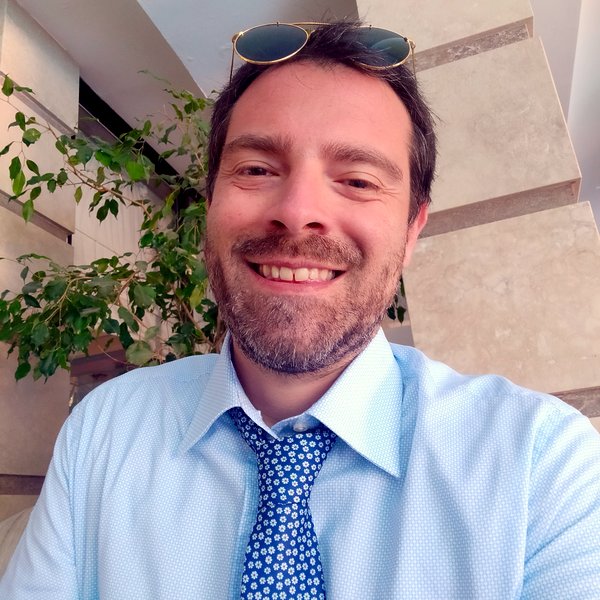


Master's Degree in Modern Philology · Post-graduate course in Teaching Italian L2/LS
La grande bellezza dell'italiano
Personally vetted · Strommen’s note
Giuseppe teaches four rare southern Italian dialects, Napoletano, Dialetto Campano, Sabino, and Barese, alongside standard Italian and academic writing.
Specialties
Also speaks: English, French, Spanish
Master's Degree in Modern Philology · Post-graduate course in Teaching Italian L2/LS
La grande bellezza dell'italiano
Specialties
I also speak: English, French, Spanish
Personally vetted · Strommen’s note
Giuseppe teaches four rare southern Italian dialects, Napoletano, Dialetto Campano, Sabino, and Barese, alongside standard Italian and academic writing.

Professor of Italian Language and Literature at the Juraj Dobrila University of Pula. · Degree in Italian Language and Literature.
Professor of Italian language, several years of experience
Personally vetted · Strommen’s note
Every lesson with Romeo starts with a level check, then a plan built entirely around the student's own goals. He teaches Italian and Croatian both, out of Pula.
Specialties
Professor of Italian Language and Literature at the Juraj Dobrila University of Pula. · Degree in Italian Language and Literature.
Professor of Italian language, several years of experience
Specialties
Personally vetted · Strommen’s note
Every lesson with Romeo starts with a level check, then a plan built entirely around the student's own goals. He teaches Italian and Croatian both, out of Pula.
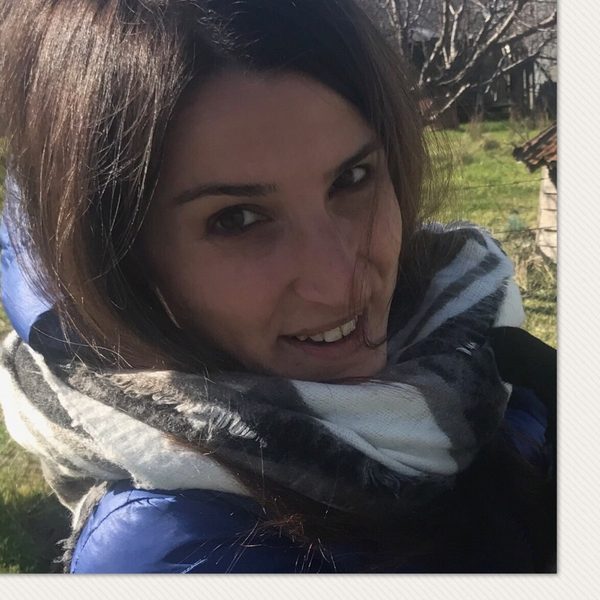
University Master Degree of teaching Italian to ForeignersUniversity bacherloo degree in Foreign Languages and cultures · Master University of Italian teaching
Creative Italian Teacher with Masters in Teaching Italian as a foreign language, from the Tuscan countryside. Turn your Italian journey into a story worth telling!
Specialties
University Master Degree of teaching Italian to ForeignersUniversity bacherloo degree in Foreign Languages and cultures · Master University of Italian teaching
Creative Italian Teacher with Masters in Teaching Italian as a foreign language, from the Tuscan countryside. Turn your Italian journey into a story worth telling!
Specialties

Modern languages · Ditals and a master
Certified with 5 years of experience in teaching Italian. I like to organize my Italian lessons according to each student's learning goals. I will be happy to be your Italian teacher and help you to achieve your goal.
Specialties
Modern languages · Ditals and a master
Certified with 5 years of experience in teaching Italian. I like to organize my Italian lessons according to each student's learning goals. I will be happy to be your Italian teacher and help you to achieve your goal.
Specialties


Psychology · N/A
Expert Native Italian Tutor | Personalized Lessons | Learn Italian with confidence, clarity, and authentic conversation
Specialties
Also speaks: French, Japanese, Russian, Welsh
Psychology · N/A
Expert Native Italian Tutor | Personalized Lessons | Learn Italian with confidence, clarity, and authentic conversation
Specialties
I also speak: French, Japanese, Russian, Welsh
I have a degree in "Media and Journalism" from the Faculty of Political Science in Florence.I have obtained several certificates of suitability for teaching the Italian language L2/Ls to foreigners, and as administrator of the CILS exams (of all levels... · The certificate of suitability for teaching the Italian language L2/Ls to foreigners was issued by DILIT International House in Rome after being admitted through an initial test and passing the various stages of the training.
Learn Italian with confidence, clarity, and real-world results.
Personally vetted · Strommen’s note
Federica covers every CILS certification level from A2 to C2 in her Italian lessons, out of Barcelona, with Sicilian dialect and opera-singer coaching too.
Specialties
Also speaks: English, Spanish
I have a degree in "Media and Journalism" from the Faculty of Political Science in Florence.I have obtained several certificates of suitability for teaching the Italian language L2/Ls to foreigners, and as administrator of the CILS exams (of all levels... · The certificate of suitability for teaching the Italian language L2/Ls to foreigners was issued by DILIT International House in Rome after being admitted through an initial test and passing the various stages of the training.
Learn Italian with confidence, clarity, and real-world results.
Specialties
I also speak: English, Spanish
Personally vetted · Strommen’s note
Federica covers every CILS certification level from A2 to C2 in her Italian lessons, out of Barcelona, with Sicilian dialect and opera-singer coaching too.
degree in tourism
Just do it
Personally vetted · Strommen’s note
Edgar teaches Venetian dialect and Italiano Antico Volgare, old vernacular Italian, genuinely unusual specialties alongside standard conversational Italian.
Specialties
Also speaks: English, French, Spanish
degree in tourism
Just do it
Specialties
I also speak: English, French, Spanish
Personally vetted · Strommen’s note
Edgar teaches Venetian dialect and Italiano Antico Volgare, old vernacular Italian, genuinely unusual specialties alongside standard conversational Italian.
EDUCATION * MA in Global Economy, Cooperation, and Innovation | University of Calabria | 110/110 Cum Laude * MA in Sociology and Social Research | University of Calabria (Ongoing) * University Master (Level 1) in Labor Consulting & Corporate Law | Pega... · * Languages: Italian (Native), English (b2 level trinity collage), Arabic (Learner),
Native italian coach high level : italian language, business, sociology and cultural mastery
Personally vetted · Strommen’s note
A licensed labor consultant with degrees in economics and law, Maria teaches high-level business Italian plus four rare southern dialects.
Specialties
Also speaks: English
EDUCATION * MA in Global Economy, Cooperation, and Innovation | University of Calabria | 110/110 Cum Laude * MA in Sociology and Social Research | University of Calabria (Ongoing) * University Master (Level 1) in Labor Consulting & Corporate Law | Pega... · * Languages: Italian (Native), English (b2 level trinity collage), Arabic (Learner),
Native italian coach high level : italian language, business, sociology and cultural mastery
Specialties
I also speak: English
Personally vetted · Strommen’s note
A licensed labor consultant with degrees in economics and law, Maria teaches high-level business Italian plus four rare southern dialects.

International Relations · Master's degree in Teaching the Italian language to foreign students, CEDILS ( Certificate of teaching the Italian language to foreigners) and CELI (examiner for the Italian language official exam).
Learning is the most memorable journey of our lives
Specialties
Also speaks: English
International Relations · Master's degree in Teaching the Italian language to foreign students, CEDILS ( Certificate of teaching the Italian language to foreigners) and CELI (examiner for the Italian language official exam).
Learning is the most memorable journey of our lives
Specialties
I also speak: English
La letteratura — canon & cultural touchstones
5 touchstones of the Italian literary canon
These are the works and writers that anchor a literature student's first years of reading. Knowing what each one is, and where it sits, helps you talk with a tutor about where to start.
-
01
Commedia · Dante Alighieri
The hundred-canto poem of Inferno, Purgatorio, and Paradiso, finished around 1321 in a Florentine vernacular that would become standard Italian. The text against which the entire later tradition measures itself; Treccani groups Dante with Petrarca and Boccaccio as the tre corone fiorentine.
e.g. The standard scholarly Italian edition is Giorgio Petrocchi; Hollander is the parallel English.
-
02
Canzoniere · Francesco Petrarca
The 366-poem sequence in praise of Laura, the source code of the European love lyric. The Petrarchan sonnet ran across four centuries of European verse from Garcilaso to Shakespeare. The sonnet form itself reached Tuscan from the earlier Sicilian School at the court of Frederick II in Palermo.
e.g. Voi ch'ascoltate in rime sparse il suono opens the sequence and the tradition.
-
03
I Promessi Sposi · Alessandro Manzoni
The 1840 historical novel of seventeenth-century Lombardy that became the most-read Italian novel of the nineteenth century and the text generations of Italian students read in school. Manzoni's quarantana rewrite, in educated Florentine, settled in practice the questione della lingua that Bembo had argued in theory.
e.g. Manzoni's own phrase for the rewrite: <em>sciacquare i panni in Arno</em>.
-
04
Scuola siciliana
The court poets writing at the court of Frederick II in Palermo a generation before Dante. They invented the sonnet form Petrarca would later perfect, and Italianistica scholarship from Contini onward treats them as the precursor without which the Petrarchan tradition does not happen.
e.g. Giacomo da Lentini is usually credited as the inventor of the sonnet.
-
05
Modern voices · Calvino, Eco, Ferrante
The twentieth- and twenty-first-century writers most read outside Italy. Italo Calvino is the standard upper-intermediate entry into modern Italian prose. Umberto Eco's Il nome della rosa reads as both genre fiction and scholarly puzzle. Elena Ferrante's four Neapolitan novels have been translated into more than fifty languages.
e.g. Le città invisibili, Il nome della rosa, and L'amica geniale are three honest first-novel choices.
About Italian Literature
A canon that built a language
Italian literature is the West's foundational vernacular tradition, and the arc you are learning to read runs roughly seven hundred years. It opens with Dante's Commedia, finished around 1321 in a Florentine vernacular that would become the spine of standard Italian, and it reaches the present through writers translated into more than fifty languages: Italo Calvino, Umberto Eco, the pseudonymous Elena Ferrante. A tutor for this specialty is teaching you to read across that arc, which is not one register but several layered on top of each other. The Trecento masters wrote a Tuscan vernacular that became the standard. The Cinquecento codified that vernacular into a literary language through Pietro Bembo's Prose della volgar lingua, the manifesto that won the questione della lingua. Manzoni then rewrote his own novel in the 1840s to align it with educated Florentine usage, and the modern novel and modern poetry built on that consolidated standard from the late nineteenth century onward. A reader who can hold a conversation in Italian can pick up Calvino and find it surprisingly readable, then open a canto of the Inferno and meet a language that asks for a different kind of attention.
The Trecento is where any serious reading list begins, and not for ceremonial reasons. Treccani, the standard Italian reference encyclopedia, treats the three crowns of fourteenth-century Florence as a unit, the tre corone fiorentine, because each one of them shaped what Italian literature would become and what the Italian language would be. Dante's Commedia, the hundred-canto poem of Inferno, Purgatorio, and Paradiso, is the text against which the rest of the tradition measures itself; the standard scholarly editions are Giorgio Petrocchi for the Italian and the Robert and Jean Hollander parallel translation for English-language students. Petrarca's Canzoniere, the 366-poem sequence in praise of Laura, is the source code of the European love lyric, and the form of the Petrarchan sonnet ran across the next four centuries of European verse from Garcilaso to Shakespeare to the Pléiade. Boccaccio's Decameron, one hundred novelle told over ten days by ten Florentines fleeing the 1348 plague, is the foundational text of European prose fiction and the book Chaucer was reading when he started the Canterbury Tales. The Sicilian School, the court poets writing at the court of Frederick II in Palermo a generation before Dante, are the ones who actually invented the sonnet form Petrarca would perfect, and any reading of the Canzoniere benefits from knowing that the form arrived in Tuscan via Sicilian.
The nineteenth-century novel arrives with Alessandro Manzoni and I Promessi Sposi, the historical romance of two peasants in seventeenth-century Lombardy that became the most-read Italian novel of the nineteenth century and the text generations of Italian students read in school. The 1840 edition, the so-called quarantana, is the one Manzoni himself rewrote in a Florentine-educated Italian after a visit to Florence to, in his own famous phrase, rinse his cloth in the Arno, sciacquare i panni in Arno. The novel matters not only as a book but as the moment the question of what literary Italian should sound like got resolved in practice rather than in theory. Giacomo Leopardi sits in the same century but on a different shelf: his Canti are the great lyric achievement between Petrarca and the twentieth century, and his Operette morali are the great prose work of Italian philosophical pessimism. Reading either of them in the original is its own reward and a real climb, since Leopardi's vocabulary stretches far past the modern usage that most learners build up in conversation.
The twentieth century is where most contemporary readers find their entry point, and the names matter. Italo Svevo's La coscienza di Zeno, the Triestine novel of psychoanalysis and self-deception, is one of the foundational works of European modernism alongside Joyce. Luigi Pirandello, the 1934 Nobel laureate, gave the modern theater the play Sei personaggi in cerca d'autore and the novel Il fu Mattia Pascal. Alberto Moravia's Gli indifferenti opened modern Italian realism in 1929. Primo Levi's Se questo è un uomo is the indispensable Italian text of the Holocaust and reads, in its plain prose, more cleanly than most novels of its era. Italo Calvino is the contemporary household name in English, from Il barone rampante and Le città invisibili to Se una notte d'inverno un viaggiatore, and his prose is famously the best entry point in modern Italian for an upper-intermediate reader. Umberto Eco gave the world Il nome della rosa and Il pendolo di Foucault, novels that read as both genre fiction and scholarly puzzle. The poetry of the same century runs through Giuseppe Ungaretti, Eugenio Montale (1975 Nobel), and Salvatore Quasimodo (1959 Nobel), the three poets the Italianistica tradition groups under the label ermetismo. And the contemporary scene is now dominated outside Italy by Elena Ferrante, whose four-volume Neapolitan novels beginning with L'amica geniale have been translated into more than fifty languages and adapted by HBO and RAI for international television.
Reading any of this in the original is a real skill, separate from conversational fluency, and treating the two as the same project is the reason most literature students stall in their first year. The Italianistica tradition that runs from Gianfranco Contini through Cesare Segre to Alberto Asor Rosa makes a clear case for why: Italian literature is built on a continuous philological awareness of its own history, and a reader who skips that history reads thinner. Contini wrote the foundational essays on Dante's stylistic plurilingualism; Segre wrote the working introductions to medieval Italian narrative; Asor Rosa edited the Letteratura italiana Einaudi, the standard multi-volume reference. A tutor working in this tradition will not march you canto by canto through the Inferno on day one. They will pick the entry text that fits your reading level, talk through the historical context that makes the text legible, and slow down on the passages that earn the slowness. A workable progression might begin with Calvino's short fiction or Ferrante's first Neapolitan novel at solid B2, move to Pirandello or Moravia at C1, take on the Decameron in selected novelle once your reading vocabulary is wider, and approach the Commedia and the Canzoniere when you are ready to read with commentary rather than ahead of it. Classical Latin is its own track and is not assumed.
A few honest tutor observations on where Anglophone readers usually stall in literary Italian, in roughly descending order of how often it comes up. The biggest one is the historical layering of registers. A page of Calvino and a tercet of Dante are the same language only in the loosest sense; the lexicon, the syntax, and the rhythm have moved over six centuries, and a reader who reaches for a modern dictionary on a medieval passage is using the wrong tool. A close cousin: the passato remoto, the simple past tense that has fallen out of spoken northern Italian but lives on as the default narrative tense of literary prose. Conversational classes often skim it; a novel cannot be read without it. Italian word order is freer than English, especially in verse and in older prose, and a reader scanning for strict subject-verb-object will get stranded mid-sentence; tutors fix this by reading aloud together until the cadence carries the meaning. False friends from the Latin layer are quietly the worst, since words that look familiar from English (attualmente, eventualmente, simpatico, libreria) mean something different in Italian and a confident reader misses them precisely because they look easy. And one pleasure rather than a trap: several of these writers reached English first in translation, so comparing the original page against a William Weaver or an Ann Goldstein translation is among the most rewarding things an advanced lesson can do.
Strommen has been teaching Italian since 2006, and the literature track has always drawn a particular kind of student: serious about the language, often already conversational, and impatient to read the real thing rather than a graded reader. It is a small specialized track, which suits it. The tutors who teach it tend to have the deepest reading backgrounds on our Italian roster, several with university training in Italianistica from programs descended from the academic standards set at the Università per Stranieri di Perugia and the Università per Stranieri di Siena, the two state-recognized universities that exist specifically to teach Italian as a foreign language and that calibrate the CILS and CELI certifications. Every tutor below was met and vetted by Strommen in person. There is no marketplace here, and no automated profile building. These are real teachers with real reading lives, and you can read about each of them in their bios before you book. Most students begin with a free 30-minute trial so the tutor can see where your reading actually sits before recommending a first text.
What you'll cover
Lessons & classes tailored to Italian Literature
Reading across the seven-century arc
Literary Italian is not one register. Trecento Tuscan, sixteenth-century literary prose, nineteenth-century Manzonian Italian, and the contemporary novel are the same language only loosely; the lexicon and rhythm have moved across six centuries. Lessons train you to recognize the era a text belongs to and to shift your reading approach accordingly, so a page of Calvino and a tercet of Dante each get the right kind of attention. Our piece on Italian dialects is useful background reading between lessons.
A sequenced reading list
Rather than handing you a syllabus, your tutor builds a reading path around your level and what you actually want to read. A typical track moves from accessible modern prose (Calvino's short fiction, Ferrante's first Neapolitan novel) through denser twentieth-century work (Pirandello, Moravia, Levi, Svevo) toward selected novelle from the Decameron, and ultimately into the Commedia and the Canzoniere with commentary. You read alongside the tutor, not ahead of a checklist. The post on the best Italian books for advanced students is the long-form companion to that conversation.
The passato remoto and literary syntax
Conversational Italian classes often skim the passato remoto, the simple past tense that has fallen out of spoken northern Italian but is the default narrative tense of literary prose. A novel cannot be read without it. Italian word order is also freer than English, especially in verse and in older prose, and a reader scanning strictly left to right gets stranded. Lessons read aloud together until the cadence carries the meaning, and treat the grammar of literary Italian as its own skill rather than a footnote to spoken usage. The best Italian textbooks post is a useful inventory of the reference grammars tutors lean on.
Cultural literacy and Italianistica context
You cannot read Petrarca without some sense of the Sicilian School behind him, or Manzoni without the questione della lingua, or Ferrante without the Naples of the postwar boom. A literature tutor is also, quietly, teaching literary history: who answered whom, which writer broke which form, where the consolidated standard came from. The scholarly tradition behind that context runs from Gianfranco Contini through Cesare Segre to Alberto Asor Rosa's Letteratura italiana Einaudi, and a reading tutor in this lineage will name the references as they come up.
FAQ
About Italian Literature lessons & classes
What level of Italian do I need before studying literature?
Most students come to this track already conversational, roughly a working B1 or B2, or with a heritage background where they grew up hearing Italian at home. You do not need to be advanced. Calvino's short fiction and Ferrante's first Neapolitan novel are readable for a solid B2. Your tutor sets the first text at a free trial after seeing where your reading actually sits. If you are still early in the language, an Italian for beginners tutor is the better starting point, and you can move to literature later.
Will I read modern novels or the medieval canon?
Both are on the table, and the order matters. Modern fiction is the realistic entry point. The medieval canon, the Commedia, the Canzoniere, the Decameron, sits in Trecento Tuscan and benefits from being read with commentary rather than ahead of it. A typical path runs from accessible twentieth- and twenty-first-century prose through denser modern fiction and on to selected novelle of Boccaccio before approaching Dante and Petrarca. Your tutor sequences the path so the harder material arrives when you are ready for it.
Is Trecento Italian a different language from modern Italian?
They are closely related but the gap is real. The Florentine vernacular Dante wrote in around 1321 is the spine of standard Italian, but the lexicon, syntax, and verb usage have shifted across six centuries, and a confident modern reader still meets the Commedia with notes for a reason. Part of what a literature tutor does is bridge that gap deliberately: identifying the era a passage belongs to, naming the constructions that have moved, and walking you through the apparatus of a scholarly edition.
Can a literature track help my spoken Italian too?
Reading deeply builds vocabulary, grammatical instinct, and a feel for register that carries over to everything else, so yes, literature work tends to lift speaking and writing as well. That said, the literature track is reading-centered by design. If your main goal is fluent conversation rather than reading the canon, a conversational Italian tutor is a closer fit, and several students run the two tracks side by side.
Are your Italian Literature tutors native speakers?
Most are native Italian speakers, and the ones who teach this specialty have the deepest reading backgrounds on our Italian roster. Several studied Italianistica at university, several work as writers or translators, and a few are longtime advanced non-native readers with strong literary training. Each tutor's bio describes their background and what they most like to teach, so you can match yourself to someone whose reading interests line up with yours.
Can I take Italian Literature lessons online or only in person?
Both. Many of our Italian Literature tutors teach online via Zoom or Jitsi and work with students worldwide. Several also teach in person around Los Angeles. Reading-focused lessons translate well to a screen, since most of the lesson is spent on a shared text. The booking widget on each tutor's profile shows their available formats, and you can browse the full roster on our tutors page or read more about studying the language on our Italian classes page.
I want to read one specific author. Can lessons focus on just that?
Yes. A focused goal, reading Calvino, or working through Ferrante, or finally finishing the Inferno, is exactly the kind of brief these tutors handle well. The tutor will usually suggest some lead-in reading at the right level first, then build the lessons around the author or work you came for. If you tell us the writer at the trial, we can match you with the tutor who knows that part of the canon best.
How long does it take to read fluently in literary Italian?
It depends on your starting level and how much you read between lessons. A student who is already conversational and reads steadily can be comfortable with accessible modern fiction within several months. Moving into Pirandello, Moravia, and Svevo is a longer arc, often a year of regular work. The Decameron in selected novelle is realistic after that, and the Commedia is a multi-year companion for most readers. Reading speed is the slowest thing to build and the last thing to arrive, so patience does most of the work.
Ready for Italian Literature lessons or classes?
Book a free 30-minute trial with one of our personally vetted tutors. Private lessons or small-group classes — your choice.