



Personally vetted instructors
French for Travel tutors, lessons & classes
Pardon The single most useful French word a traveler can learn — "excuse me" and "sorry," both at once.
Personally vetted French tutors for travelers. Pre-trip prep for Paris, Lyon, Marseille, Bordeaux, the Riviera, Provence, and anywhere else in the francophone world — restaurant, train, café, getting-around register, plus the famous Parisian-formal versus Provençal-warm split.
Your instructors
French for Travel tutors for private lessons & classes
Strommen has French tutors who specialize in pre-trip travel prep — the focused 8-to-12-lesson sprint that turns a first-time visit to Paris, Lyon, Marseille, the Riviera, Provence, or anywhere in francophone Europe into something more than a transactional trip. Every tutor below was met and vetted by us in person or via thorough video interview. No marketplace. No automated profile-creation. Real teachers with real backgrounds in traveler-focused French.
Filter by location, age, or price. Then book a 30-minute free trial.
Below are the Strommen tutors who specialize in travel French. Photos, ratings, and rates are real. Click any card to read their bio and book a free 30-minute trial.
I want to learn…
Every tutor, personally met. — founder-vetted since 2006, in Los Angeles and online worldwide.
Get a personalized plan
Pick your language — a language advisor will match you with the right tutor and map out your path.

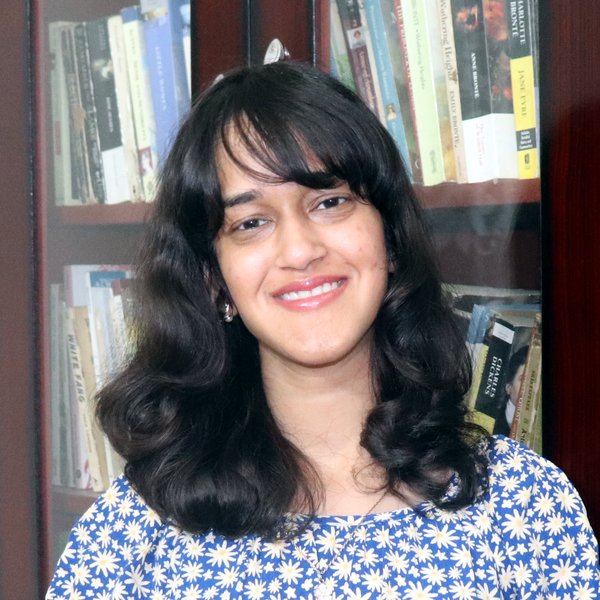


Bachelor of Business Administration (specialized in International Relations) · DELF Examiner, DALF C2, Goethe Zertifikat C1/B2, DELE B1
Join me on your language learning adventure!
Personally vetted · Strommen’s note
Bangalore-based, Yvanka teaches French and German after years at Alliance Française. She started, unusually, as an English teacher in France.
Specialties
Also speaks: English, Italian, Spanish
Bachelor of Business Administration (specialized in International Relations) · DELF Examiner, DALF C2, Goethe Zertifikat C1/B2, DELE B1
Join me on your language learning adventure!
Specialties
I also speak: English, Italian, Spanish
Personally vetted · Strommen’s note
Bangalore-based, Yvanka teaches French and German after years at Alliance Française. She started, unusually, as an English teacher in France.

Bachelor of Arts (Teacher certificate from Zurich teachers College) · TESOL, teachers License as a primary educator
Trilingual German, ESL and French teacher with years of experience.
Personally vetted · Strommen’s note
Thirza teaches trilingual German, French, and ESL out of Zurich, with IELTS, TestDaF, and Goethe prep all part of the toolkit.
Specialties
Bachelor of Arts (Teacher certificate from Zurich teachers College) · TESOL, teachers License as a primary educator
Trilingual German, ESL and French teacher with years of experience.
Specialties
Personally vetted · Strommen’s note
Thirza teaches trilingual German, French, and ESL out of Zurich, with IELTS, TestDaF, and Goethe prep all part of the toolkit.



BA in International Relations & Journalism, BA in French, BA in Italian Language Teaching, Master in International Cooperation · Diploma Course in Spanish as a Foreign Language, Seminar on Professional Challenges in Reading, Translating and Editing in Digital Age (Litprax Erasmus European Union and University of Novi Sad, Serbia), Workshop on Translation and Literature, Seminar...
French, Italian, Spanish & German native speaker & expert. Elite Native-Fluent ESL tutor. Graduate of Université Paris-Sorbonne & Università di Bologna.
Personally vetted · Strommen’s note
Serge's specialties run from Wallon to Ukrainian to actor dialect coaching, arguably the widest range of any tutor on our roster.
Specialties
Also speaks: Dutch, Galician, Ukrainian
BA in International Relations & Journalism, BA in French, BA in Italian Language Teaching, Master in International Cooperation · Diploma Course in Spanish as a Foreign Language, Seminar on Professional Challenges in Reading, Translating and Editing in Digital Age (Litprax Erasmus European Union and University of Novi Sad, Serbia), Workshop on Translation and Literature, Seminar...
French, Italian, Spanish & German native speaker & expert. Elite Native-Fluent ESL tutor. Graduate of Université Paris-Sorbonne & Università di Bologna.
Specialties
I also speak: Dutch, Galician, Ukrainian
Personally vetted · Strommen’s note
Serge's specialties run from Wallon to Ukrainian to actor dialect coaching, arguably the widest range of any tutor on our roster.
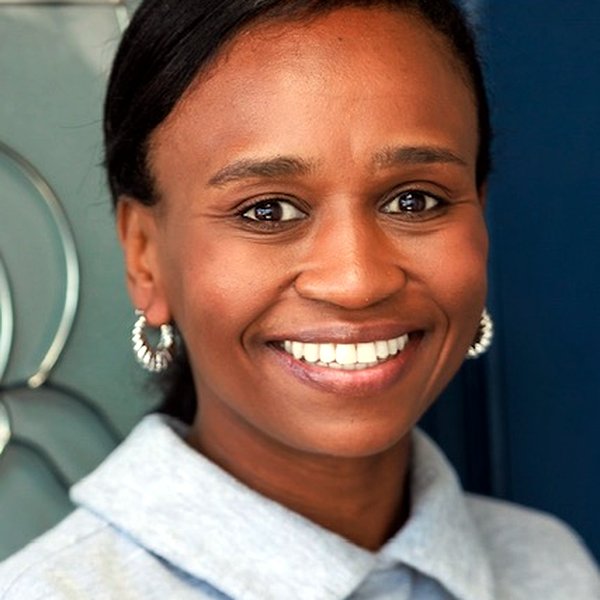

B.A. in IT and Languages
Native Parisian French Teacher
Personally vetted · Strommen’s note
Parisian-born with a background in IT and languages, Sadigatou keeps travel French and business French as cleanly separate tracks.
Specialties
Also speaks: Chinese, English, Spanish
B.A. in IT and Languages
Native Parisian French Teacher
Specialties
I also speak: Chinese, English, Spanish
Personally vetted · Strommen’s note
Parisian-born with a background in IT and languages, Sadigatou keeps travel French and business French as cleanly separate tracks.

Bachelor of Fine Arts, Master of Fine Arts and Research
French and English teacher with University level teaching Experience - Top Rated Instructor
Personally vetted · Strommen’s note
Erin teaches French and English with university-level credentials, and her specialties stretch from accent work to art history to college prep.
Specialties
Bachelor of Fine Arts, Master of Fine Arts and Research
French and English teacher with University level teaching Experience - Top Rated Instructor
Specialties
Personally vetted · Strommen’s note
Erin teaches French and English with university-level credentials, and her specialties stretch from accent work to art history to college prep.
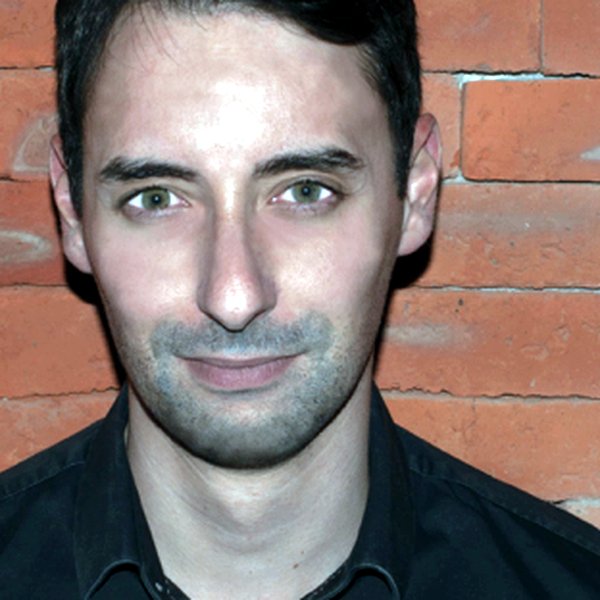
Master's Degree In Business Administration. Private Pilote LicenceI have studied in France/Argentina/Mexico · Master's Degree In Business Administration. Private Pilote LicenceI have studied in France/Argentina/Mexico
Achieve Fluency with a Parisian Tutor: Rigorous Training and Fun Lessons!
Personally vetted · Strommen’s note
MBA-trained, Othman teaches Parisian French with real rigor. Lessons stay structured without losing the fun.
Specialties
Master's Degree In Business Administration. Private Pilote LicenceI have studied in France/Argentina/Mexico · Master's Degree In Business Administration. Private Pilote LicenceI have studied in France/Argentina/Mexico
Achieve Fluency with a Parisian Tutor: Rigorous Training and Fun Lessons!
Specialties
Personally vetted · Strommen’s note
MBA-trained, Othman teaches Parisian French with real rigor. Lessons stay structured without losing the fun.
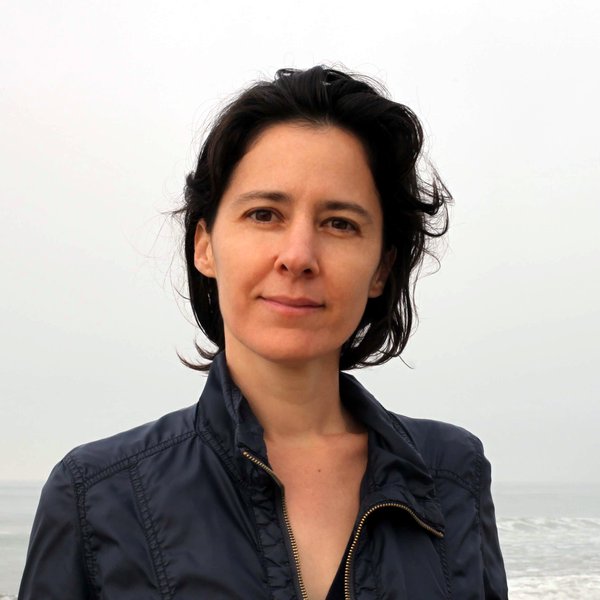
Bachelor of Arts
Master Spanish with Elise: Experienced Tutor Raised in Mexico, Living in LA!
Personally vetted · Strommen’s note
Raised in Mexico and based in LA, Elise teaches Spanish and Parisian French both, resetting her lesson plan for every student's actual level.
Specialties
Bachelor of Arts
Master Spanish with Elise: Experienced Tutor Raised in Mexico, Living in LA!
Specialties
Personally vetted · Strommen’s note
Raised in Mexico and based in LA, Elise teaches Spanish and Parisian French both, resetting her lesson plan for every student's actual level.

Bachelor degree · French literature / philosophy and foreign lanaguages
Bonjour! Experienced French tutor offering dynamic lessons tailored to your needs. Let's unlock French fluency together
Personally vetted · Strommen’s note
Twenty years into teaching French, Stephanie still runs lessons a la carte: fast, simple, built around exactly what you need.
Specialties
Bachelor degree · French literature / philosophy and foreign lanaguages
Bonjour! Experienced French tutor offering dynamic lessons tailored to your needs. Let's unlock French fluency together
Specialties
Personally vetted · Strommen’s note
Twenty years into teaching French, Stephanie still runs lessons a la carte: fast, simple, built around exactly what you need.

Masters of Fine Art, Bachelor in Foreign Language and Literature. · Over 2,000 hours of one‑on‑one teaching experience. Published literary translator, with work reviewed in Kirkus Reviews, Times Literary Supplement, Art Book D.A.P., and multiple international journals.
Master English, French & Italian with a Published Literary Translator
Personally vetted · Strommen’s note
A published literary translator, Colombina teaches English, French, and Italian, plus SAT prep, college essay coaching, and learning-disability support.
Specialties
Masters of Fine Art, Bachelor in Foreign Language and Literature. · Over 2,000 hours of one‑on‑one teaching experience. Published literary translator, with work reviewed in Kirkus Reviews, Times Literary Supplement, Art Book D.A.P., and multiple international journals.
Master English, French & Italian with a Published Literary Translator
Specialties
Personally vetted · Strommen’s note
A published literary translator, Colombina teaches English, French, and Italian, plus SAT prep, college essay coaching, and learning-disability support.
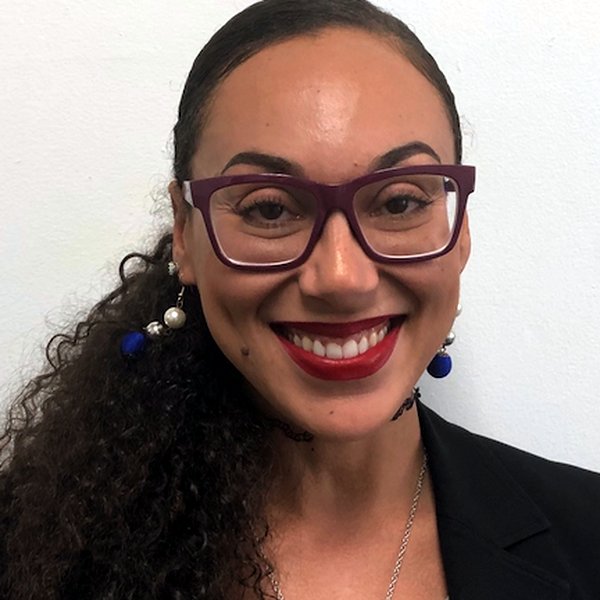

MBA and AS in Recording Arts · DALI, DELF, First Cert, SIZ Computer Science, Pro Tools, Dante
Multi-Culti Polyglot Linguist and Sound Engineer
Personally vetted · Strommen’s note
Vanessa speaks seven languages, has a sound-engineering background, and has spent two decades teaching. Her lessons range from accent coaching to art for kids.
Specialties
Also speaks: ASL American Sign Language, Chinese, Physics
MBA and AS in Recording Arts · DALI, DELF, First Cert, SIZ Computer Science, Pro Tools, Dante
Multi-Culti Polyglot Linguist and Sound Engineer
Specialties
I also speak: ASL American Sign Language, Chinese, Physics
Personally vetted · Strommen’s note
Vanessa speaks seven languages, has a sound-engineering background, and has spent two decades teaching. Her lessons range from accent coaching to art for kids.
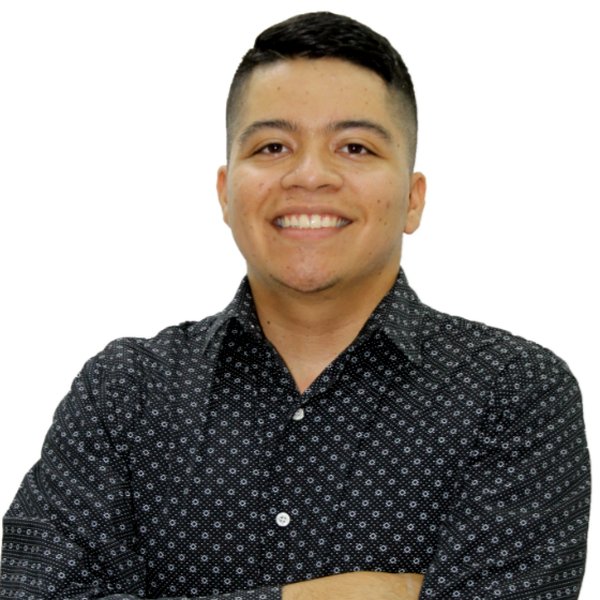
I have a degree in Modern Languages in English and French with a minor in business. · I am an English, French and Spanish tutor with more than seven years of experience both in person and online. I have a degree in Modern Languages in English and French with a minor in business.
Master Languages with Daniel: C2 English, DELF B2 French, and Native Spanish Tutor!
Personally vetted · Strommen’s note
Daniel is C2-certified in English, holds a DELF B2 in French, and is a native Spanish speaker. He teaches all three with real fluency benchmarks behind each one.
Specialties
Also speaks: Business & Management, Dialect Coaching, International Business, Public, Tests, Translation
I have a degree in Modern Languages in English and French with a minor in business. · I am an English, French and Spanish tutor with more than seven years of experience both in person and online. I have a degree in Modern Languages in English and French with a minor in business.
Master Languages with Daniel: C2 English, DELF B2 French, and Native Spanish Tutor!
Specialties
I also speak: Business & Management, Dialect Coaching, International Business, Public, Tests, Translation
Personally vetted · Strommen’s note
Daniel is C2-certified in English, holds a DELF B2 in French, and is a native Spanish speaker. He teaches all three with real fluency benchmarks behind each one.
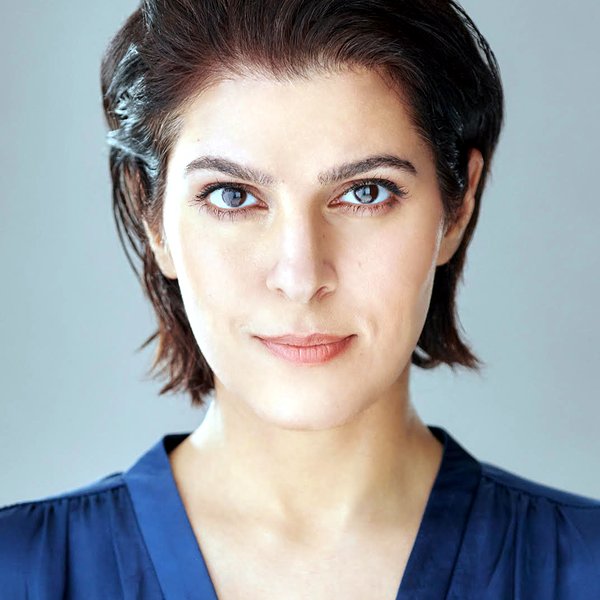

Associates in three different majors
Learn with Me: Where Language Meets Culture, Creativity, and Conversation!
Personally vetted · Strommen’s note
Sheida spent over fifteen years working with kids before she ever tutored one, and she's taught Farsi and French for eleven years since.
Specialties
Associates in three different majors
Learn with Me: Where Language Meets Culture, Creativity, and Conversation!
Specialties
Personally vetted · Strommen’s note
Sheida spent over fifteen years working with kids before she ever tutored one, and she's taught Farsi and French for eleven years since.

En voyage — travel essentials
5 travel-French essentials worth knowing before your trip
These aren't textbook phrases. They're the everyday tools, words, and small cultural cues that separate tourists from travelers across France. Screenshot before you fly.
-
01
La règle du bonjour
The single most important French cultural rule for travelers. Walking into a shop, restaurant, hotel, or any service space and skipping the greeting reads as actively rude in France, in a way that closes doors instantly. Bonjour Madame or Bonjour Monsieur first, then your request. Every cashier, waiter, boulanger, and information clerk deserves it. Five minutes to learn, every interaction better afterward.
e.g. « Bonjour Monsieur ! » « Bonjour ! » « Une baguette, s'il vous plaît. »
-
02
La carte vs. le menu
The classic traveler confusion. La carte is the menu listing items à la carte, what you ask for when you want to choose. Le menu is the fixed-price meal, usually appetizer-main-dessert at a set price. Asking for le menu when you wanted to browse gets you the prix-fixe option. La carte, s'il vous plaît is the safer ask if you want to choose your own dishes.
e.g. « La carte, s'il vous plaît. » ("The menu, please" — the one to choose from)
-
03
Une carafe d'eau
Free tap water at any French restaurant. You don't have to buy bottled. Une carafe d'eau, s'il vous plaît gets you a pitcher of tap water at no charge, which French law actually requires restaurants to provide. Most American travelers don't know this and end up buying expensive bottled water by default. The carafe is the move.
e.g. Et avec ça, une carafe d'eau, s'il vous plaît.
-
04
Paris vs. le Sud
The famous register split. Paris speaks fast, clipped, transactional. The Provençal south speaks slower, warmer, more melodic with longer pleasantries and more eye contact. The brusque Paris waiter is not personal; the chatty Marseille shopkeeper is not flirting. Both are normal for their region. Knowing the cultural code in advance prevents the most common American misread of French service culture.
e.g. Paris: « Bonjour, votre commande ? » — Marseille: « Bonjour, ça va ? Belle journée hein ! Qu'est-ce que je vous sers ? »
-
05
Validez votre billet
French regional trains (SNCF TER, RER, many regional lines) require ticket validation before boarding. Look for the yellow composteur machine on the platform, insert your paper ticket, listen for the punch. Newer contactless systems are replacing the old composteurs in many stations. An unvalidated ticket counts as no ticket and the fine from a contrôleur is steep — typically 50 euros or more.
e.g. N'oubliez pas de valider votre billet avant de monter dans le train.
About French for Travel
French that actually travels with you
Travel French opens with a piece of context most American travelers underestimate: in Paris and the major tourist regions of France, plenty of service workers speak functional English and will switch to it the moment they hear your accent. You can probably get through a week in Paris without a word of French and not get stuck. The catch is that doing so guarantees the kind of trip where every interaction feels transactional and your French hosts read you as a tourist rather than a guest. The whole reason to learn travel French is precisely because you can technically get by without it; the small effort registers as respect in a country where respect is everything.
France is also the most-visited country in the world by international tourist arrivals, and Parisians in particular have decades of practice handling foreigners. They will be polite either way. The difference is in the warmth, the willingness to stay in French with you so you can actually practice, the willingness to recommend the less touristy place around the corner, the willingness to slow down so you can follow. That difference does not come from your grammar being perfect. It comes from you starting in French rather than in English, from you saying bonjour before do you speak English, and from a small handful of cultural codes you can pick up in eight to twelve lessons before the trip.
Lessons in this specialty are practical and tightly focused. Most travel French students come to us four to eight weeks before a trip, often a first-time visit to Paris or a return after a long gap. We don't try to make you fluent. We build out the high-frequency vocabulary and phrases you'll actually use, drill pronunciation enough that French speakers can understand you on the first try, and brief you on the cultural manners that translate respect more efficiently than words do. A typical travel French student reaches a comfortable A1 to high-A1 level in 8 to 12 lessons, which is enough to handle the daily transactions of a trip with grace. If you have a few months of school French in your background, the same eight lessons can carry you closer to A2.
The single most important cultural rule is the bonjour rule. Walking into a French shop, restaurant, hotel, or any service space and starting with do you speak English or just launching into your request is read as actively rude, in a way that closes doors instantly. The greeting comes first: Bonjour Madame or Bonjour Monsieur, and only after the response do you move into your request. The cashier, the waiter, the boulanger, the hotel concierge, the métro information clerk. Every one of them deserves the greeting, and every one of them registers when they don't get it. Merci when you receive something. Au revoir on the way out, even from a shop where you bought nothing. Pardon when you need to interrupt or get past someone. These four words are the structural beams of French daily politeness. They take five minutes to learn and they pay off in every interaction afterward.
The regional register split is the second thing worth knowing. Paris speaks fast, clipped, and verlan-flavored, with shorter pleasantries and a more transactional rhythm in service interactions. The Parisian waiter is not being rude when they don't smile and chat; they are doing their job efficiently, with respect for your time and theirs, and an American expectation of café small-talk warmth often misreads this as coldness. Marseille and the Provençal south speak a noticeably warmer, slower, more melodic French with longer hellos, more eye contact, and an entirely different café rhythm where it is normal to spend an hour at a single coffee. The southwest (Toulouse, Bordeaux) sits somewhere in the middle. Lyon has its own Lyonnaise pride and a more reserved register. Brittany, Normandy, Alsace, and the Basque country each carry regional flavors layered onto standard French. None of this blocks comprehension. But knowing that the brusque Paris waiter is not personal, and that the Marseille shopkeeper is not flirting when they spend ten minutes asking about your trip, saves a lot of cultural confusion.
A few practical specifics worth knowing pre-trip. The SNCF runs France's national train network, including the high-speed TGV between major cities, the slower TER regional trains, and the international Eurostar to London and Thalys to Brussels and Amsterdam. The Île-de-France region around Paris is served by the RER (commuter rail) and the Paris métro. Trains require validation before boarding for most regional and SNCF tickets: look for the yellow composteur machine on the platform, or the new contactless validation systems. Train station vocabulary worth knowing: quai (platform), voie (track), départ (departure), arrivée (arrival), billet (ticket), aller-retour (round trip), aller simple (one way), en correspondance (with a transfer), contrôleur (ticket inspector). The Navigo card is the Paris monthly transit pass for longer stays. For short trips, contactless bank card payment now works at most Paris métro gates.
Restaurant French has its own focused micro-curriculum. The distinction between la carte (the menu, listing items à la carte) and le menu (the fixed-price meal, usually appetizer-main-dessert) catches American travelers regularly. Asking for le menu when you wanted to choose items from the list gets you the prix-fixe option. La carte, s'il vous plaît is what you want to ask for. Une carafe d'eau is a free pitcher of tap water; you do not have to buy bottled. L'addition, s'il vous plaît for the check, which French servers do not bring until asked, ever. Tipping is a soft 5 to 10 percent at most, rounded up; service is included in the menu price by law (service compris) and a small tip is appreciated but never expected. American-style 20 percent tipping is over-tipping by French standards and may confuse the server. The standard café orders: un café is a small espresso, un café allongé is a slightly longer espresso, un café crème is closer to a latte, un café au lait is morning coffee with milk and rarely ordered after breakfast.
Hotel and accommodation French is the other workhorse domain. J'ai une réservation au nom de… for checking in. La chambre is the bedroom; la salle de bain is the bathroom; les toilettes are the toilet (a separate room from the bathroom in many French apartments and small hotels, an arrangement that surprises some travelers). Le petit-déjeuner for breakfast, often charged separately at French hotels. L'ascenseur for elevator. La clé for key. Quelle heure est-ce que je dois rendre la chambre ? for what time is check-out. For short-term rentals, la caution is the security deposit and les charges are utilities, both terms worth knowing in writing if not in conversation. Our blog post on things not to do in France covers the cultural side of travel etiquette in more depth.
The most useful pre-trip phrases beyond restaurant and transit are the small social ones. Pardon for excuse me. Désolé(e) for sorry. Excusez-moi de vous déranger for sorry to bother you (much politer than just excuse me). Je ne comprends pas for I don't understand. Pourriez-vous parler plus lentement, s'il vous plaît ? for could you speak more slowly. Parlez-vous anglais ? if you need to switch (often yes in central Paris, less often in the south). Je voudrais… for I would like (the conditional is politer than the indicative je veux). None of these need much grammar. They just need accurate pronunciation and the confidence to say them first, before the other person switches to English.
For multi-region trips beyond Paris, calibration helps. A Paris-Lyon-Marseille itinerary will give you exposure to three quite different French registers. The TGV makes Lyon a two-hour ride from Paris and Marseille a three-hour ride; both are realistic day trips or long weekends. The Riviera (Nice, Cannes, Monaco) speaks a softer, slower Provençal-influenced French with significant Italian and Mediterranean cultural overlay. Bordeaux and the southwest carry their own slight cadence. The Loire Valley châteaux region speaks a more traditional, slower, almost textbook French that is genuinely easier for learners to follow. Brittany and Normandy speak a register closer to Paris than to Marseille but with their own regional vocabulary and a slower café rhythm. Tell your tutor your itinerary at the trial and they can prep you for the specific regions you'll be in.
The Strommen French for Travel roster includes native French teachers based across France (Paris, Lyon, Marseille, Bordeaux, Lille, the Riviera, the southwest), francophone tutors from Belgium, Switzerland, and Quebec for travelers headed to those francophone destinations, plus longtime French-American bilinguals based across the United States. Several of our travel French tutors have spent years working in the French tourism industry or as guides and bring direct knowledge of what travelers actually need versus what textbooks teach. Each tutor's bio specifies their background and regional knowledge. For longer-term French goals, our Conversational French, Parisian French, and French classes pages cover related programs. Browse the full tutor list, pick a tutor whose regional knowledge fits your itinerary, and book a 30-minute trial. The trial is free. Eight weeks of weekly French lessons before your trip is enough to change how France opens up to you.
What you'll cover
Lessons & classes tailored to French for Travel
Restaurant, café, and bar French
The phrases you'll use multiple times a day: ordering food and drinks, the carte versus menu distinction, asking for tap water (une carafe d'eau), asking for the check (l'addition, s'il vous plaît), French tipping etiquette (5 to 10 percent at most, never expected), and the cultural rhythm of French café service. French servers appreciate effort and stay in French with you if you start in French, even when the language inevitably wobbles.
Trains, transit, and the SNCF
Train station vocabulary (quai, voie, départ, arrivée, billet, aller-retour, en correspondance) so the scrolling announcements stop being noise. Paris métro and RER navigation, the Navigo card, ticket validation (the yellow composteur), TGV high-speed rail bookings, and the practical French you'll need for taxis, Ubers, and the new contactless payment at métro gates.
Hotels, accommodations, and asking directions
J'ai une réservation au nom de… for check-in. The vocabulary around la chambre, la salle de bain, les toilettes, le petit-déjeuner, l'ascenseur, la clé. Asking directions politely (Pardon, où se trouve…?), navigating the famous Paris arrondissement system, and the cultural specifics around French pedestrian and bike-lane norms.
Cultural manners and the regional register split
The bonjour rule, the polite formulas, the tu/vous calibration for travelers (default to vous with everyone), the Paris-versus-Provence register difference, French tipping and service-included norms, the small cultural cues that mark you as a respectful guest rather than a tourist. Region-specific calibration (Paris, Lyon, Marseille, the Riviera) if your itinerary covers multiple destinations.
FAQ
About French for Travel lessons & classes
Do I really need French for a trip to Paris?
Practically, no. Most Paris service workers speak functional English and will switch the moment they hear your accent. You can get through a week in Paris without a word of French and never get stuck. But that's precisely the reason a little French goes such a long way: because you can survive without it, the small effort registers as respect in a culture that values it deeply. A French bonjour at the boulangerie, une carafe d'eau, s'il vous plaît at the café, merci, au revoir at the shop, all change the energy of the interaction in a way that English-only travel cannot. Travel French is about respect, not survival.
What's the difference between French in Paris and French in the south?
The grammar is identical. The pace, the warmth of pleasantries, and the cultural rhythm of service interactions are noticeably different. Paris speaks fast and clipped, with transactional service interactions and shorter hellos. The Provençal south (Marseille, Nice, Aix, the Riviera) speaks slower, warmer, with longer greetings, more eye contact, and a café rhythm where spending an hour at a single coffee is normal. The brusque Paris waiter is not personal; the chatty Marseille shopkeeper is not flirting. Both are normal for their region. Tell your tutor your itinerary and they can calibrate the register you focus on.
Will my high school French come back if I take a few lessons?
Yes, faster than you expect. Latent French from years ago typically comes back inside the first three to four lessons, especially the passive skills (reading, listening). The active skills (speaking, writing) take longer to reactivate but the foundation is still there. Most returning students with even a year of school French in their background find that 8 to 10 pre-trip lessons reach a comfortable A2 traveler level, where they can navigate the daily transactions of a trip with confidence.
How many lessons do I need before a trip?
Most travel French students do 8 to 12 weekly hour-long lessons in the two to three months before their trip. That's enough to reach high-A1 to low-A2 level, which covers the daily transactions of travel: greetings, restaurants, transit, asking directions, basic small talk. If you've never studied French before and have less time, even 4 to 6 lessons covers the essentials. If you want to be more independent and have informal conversations, 16 to 20 lessons gets you closer to a confident A2 level.
Will Parisians switch to English the moment I try French?
Sometimes, especially in central Paris where service workers are practiced at handling foreigners and want to keep the interaction efficient. The way through is to keep going in French, politely insisting with je préfère continuer en français, je suis en train d'apprendre. Most Parisians respect the effort and will switch back, often with genuine warmth. Outside central Paris, in smaller cities, and especially in the south, the English fallback is less reflexive and you'll get more sustained French practice.
What's the trial lesson like for travel French?
30 minutes, free, with the tutor you select. Bring your itinerary and your trip date. The tutor will assess where you are with French (often near-zero or rusty high school French, which is fine), map an 8-to-12-lesson curriculum to your trip dates, and you decide whether to continue. Most travel French students settle into weekly lessons until departure. If you're traveling soon and have only 4 to 6 weeks before your trip, we can run intensive twice-weekly sessions; tell the tutor your timeline at the trial.
Should I tip in France like I would in the US?
No, and over-tipping can come across as awkward. Service is included by law in the menu price (service compris) and a 5 to 10 percent tip rounded up is appreciated for good service but never expected. The standard move at a casual café or bistro is to round up to the next euro or two: an 18-euro bill becomes 20 with a smile. At a sit-down restaurant for a 60-euro dinner, leaving 65 to 70 is generous and noticed. American-style 20 percent tipping is over-tipping by French standards and may confuse the server about your math.
Ready for French for Travel lessons or classes?
Book a free 30-minute trial with one of our personally vetted tutors. Private lessons or small-group classes — your choice.