



Personally vetted instructors
Portuguese for Kids tutors, lessons & classes
Oi, amiguinho! The warm Brazilian "hi, little friend" every kid hears in their first lesson.
Personally vetted Portuguese tutors who specialize in teaching kids. Heritage families, school-supplement learners, and curious first-time speakers, all welcome — and all met where they actually are.
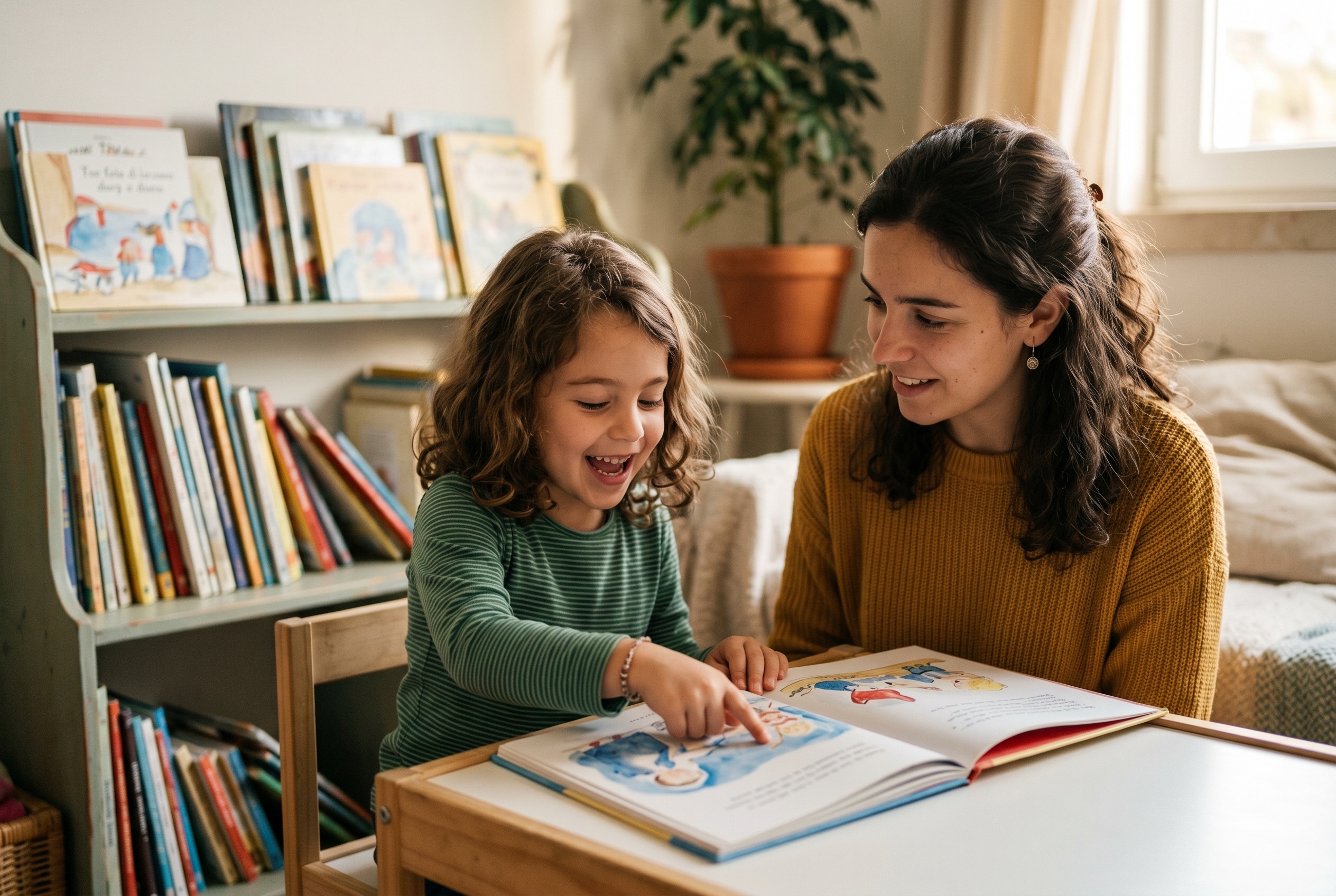
Your instructors
Portuguese for Kids tutors for private lessons & classes
Strommen has Portuguese tutors who specialize in working with children of every age, from preschoolers learning their first songs to teens reading their first Brazilian or Portuguese novels. Every tutor below was met and vetted by us in person or via thorough video interview. No marketplace. No automated profile-creation.
Filter by location, age, or price. Then book a 30-minute free trial.
Below are the Strommen tutors who specialize in teaching Portuguese to children. Photos, ratings, and rates are real. Click any card to read their bio and book a free 30-minute trial.
I want to learn…
Every tutor, personally met. — founder-vetted since 2006, in Los Angeles and online worldwide.
Get a personalized plan
Pick your language — a language advisor will match you with the right tutor and map out your path.

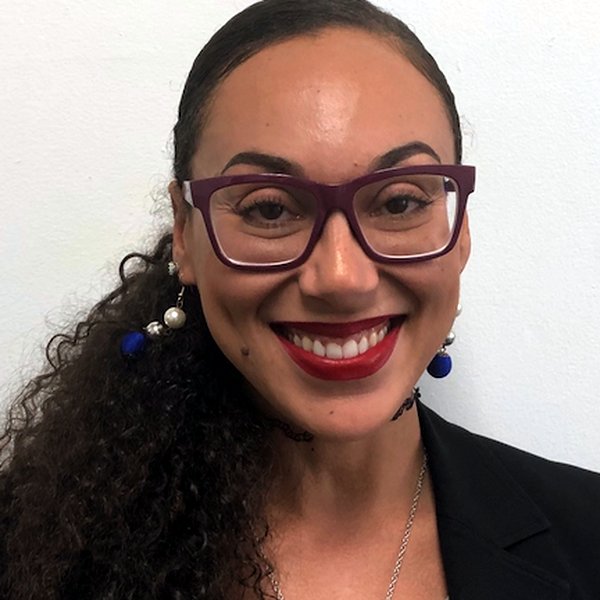


MBA and AS in Recording Arts · DALI, DELF, First Cert, SIZ Computer Science, Pro Tools, Dante
Multi-Culti Polyglot Linguist and Sound Engineer
Personally vetted · Strommen’s note
Vanessa speaks seven languages, has a sound-engineering background, and has spent two decades teaching. Her lessons range from accent coaching to art for kids.
Specialties
Also speaks: ASL American Sign Language, Chinese, Physics
MBA and AS in Recording Arts · DALI, DELF, First Cert, SIZ Computer Science, Pro Tools, Dante
Multi-Culti Polyglot Linguist and Sound Engineer
Specialties
I also speak: ASL American Sign Language, Chinese, Physics
Personally vetted · Strommen’s note
Vanessa speaks seven languages, has a sound-engineering background, and has spent two decades teaching. Her lessons range from accent coaching to art for kids.

Native Brazilian tutor making Portuguese relevant and engaging
Personally vetted · Strommen’s note
A Dubai-based native Brazilian, Gabriella makes Portuguese lessons feel relevant to daily life instead of another grammar drill.
Specialties
Native Brazilian tutor making Portuguese relevant and engaging
Specialties
Personally vetted · Strommen’s note
A Dubai-based native Brazilian, Gabriella makes Portuguese lessons feel relevant to daily life instead of another grammar drill.

Para crianças — kid essentials
5 cornerstones of Portuguese learning for children
These are the elements that make Portuguese stick in a kid's mind rather than slipping away. Save the infographic for the family fridge.
-
01
Borboletinha and the Brazilian nursery rhyme canon
Borboletinha tá na cozinha, Atirei o pau no gato, Ciranda, cirandinha, Marcha soldado, and Se essa rua fosse minha are the songs every Brazilian kid knows. They carry high-frequency vocabulary, rhyme patterns, and cultural reference that makes a kid feel connected to Brazilian childhood. Portuguese kids learn parallels like A loja do mestre André and O Senhor Barba Rija.
e.g. Borboletinha tá na cozinha, fazendo chocolate para a madrinha...
-
02
Monteiro Lobato and Portuguese kids' literature
The Sítio do Picapau Amarelo universe (Emília the rag doll, Pedrinho, Narizinho, Visconde de Sabugosa) is the canonical Brazilian children's literature, written by Monteiro Lobato in the early 1900s and adapted for television multiple times. Portuguese kids' literature anchors on Sophia de Mello Breyner Andresen's A Fada Oriana, Luísa Ducla Soares, and a deep tradition of educational picture books. Both traditions give kids real cultural reference points.
e.g. Tutor reads Emília's story; kid laughs at the rag doll's mischief.
-
03
Festas Juninas (Brazil) and Santos Populares (Portugal)
June festival traditions give every kid an annual cultural anchor. Brazilian Festas Juninas mean square dances (quadrilhas), bonfires (fogueiras), and specific foods like canjica, paçoca, and pé de moleque. Portuguese Festas dos Santos Populares mean grilled sardines, manjericos (basil plants given as gifts), and street parties. Both traditions become vocabulary kids attach emotionally rather than memorize.
e.g. Vou comer pé de moleque na festa junina da escola amanhã!
-
04
Turma da Mônica and Brazilian kid media
Mauricio de Sousa's Turma da Mônica universe (Mônica, Cebolinha, Cascão, Magali) has been the dominant Brazilian children's media franchise since 1959. Comic books, animated series, films, theme parks. For ages 6 to 12, the Turma da Mônica reading library is one of the most enjoyable ways to build Portuguese reading comfort. Portuguese kids have the Anita series and the broader RTP children's programming archive.
e.g. Cebolinha trades his Rs and Ls; teaching kids to catch the pattern teaches them about Brazilian speech.
-
05
Diminutives carry the warmth
Brazilian Portuguese kids' speech runs heavily on diminutives. Amiguinho (little friend), filhinho, bonitinho, doidinho, obrigadinho all carry an affection that the non-diminutive forms don't. Heritage parents often use them constantly; tutors lean into the same register so lessons feel emotionally consistent with home. Portuguese kids hear slightly fewer diminutives but the affectionate register works the same way.
e.g. Vem cá, amiguinho, vamos cantar a musiquinha de novo.
About Portuguese for Kids
Real Portuguese, taught the way kids actually learn
Teaching Portuguese to kids works completely differently from teaching it to adults. The grammar-first, vocabulary-list, structured-progression model that works for a 35-year-old executive heading to São Paulo does almost nothing for a six-year-old whose Brazilian grandmother just moved in upstairs. Kids learn through song, story, repetition, play, picture books, and the implicit pattern recognition that's already running in the background of their language development. A good Portuguese-for-kids tutor uses all of these and almost never reaches for a textbook.
The student population on this track usually falls into one of three groups. First, heritage families where one or both parents are Brazilian or Portuguese and the kids are growing up in an English-dominant US home. These families want lessons that complement the Portuguese the kids are already absorbing at home, often by deepening literacy, expanding vocabulary, and giving the kids someone who isn't a parent to speak Portuguese with regularly. Second, families with no Portuguese heritage who've made the strategic choice to give their kids a head start on a second language. Often these are dual-language families considering Brazilian or Portuguese immigration in their future, or families whose kids attend a dual-language immersion school and need supplementary one-on-one support. Third, families adopting from Brazil or Portuguese-speaking countries, where the urgency is real and the curriculum is built around the specific situation. Each group's lessons look different, and tutors calibrate accordingly.
The variety question matters in a different way for kids. Brazilian Portuguese carries the broader cultural footprint in the US, with a much larger heritage population, a vastly larger media library, and the cultural recognition that lets a Brazilian-trained kid feel rewarded by their language outside lessons. European Portuguese is the right choice for kids in heritage families from Portugal, the Azores, Madeira, Cape Verde, or anywhere else in the European Portuguese world. For non-heritage families, Brazilian Portuguese is almost always the default unless there's a specific Portugal-related reason to choose European. Tutors are matched to the variety the family needs, and lessons stay variety-specific so the kid doesn't end up with a confused hybrid.
What a Portuguese-for-kids lesson actually looks like depends entirely on the age of the kid. For ages 4 to 7, lessons are 30 minutes, almost entirely play-based, and built around songs, picture books, simple games, and physical movement (Simon Says in Portuguese is a remarkable amount of structured vocabulary practice in disguise). The Brazilian children's classics like Borboletinha tá na cozinha, Atirei o pau no gato, and Ciranda, cirandinha are the same songs Brazilian parents sing to their own kids, and they teach rhyme, rhythm, and high-frequency vocabulary simultaneously. Portuguese kids' songs from the other side of the Atlantic include A loja do mestre André, O Senhor Barba Rija, and the popular Atirei o pau ao gato (with the local European phrasing). Picture books from both traditions get pulled in: Brazilian classics like the Monteiro Lobato Sítio do Picapau Amarelo series for older kids, Ziraldo's O Menino Maluquinho, Ana Maria Machado's books, and Ruth Rocha's stories; Portuguese classics like Sophia de Mello Breyner Andresen's A Fada Oriana, Luísa Ducla Soares, and the rich tradition of European Portuguese children's literature.
For ages 8 to 12, lessons stretch to 45 or 60 minutes and add reading practice, simple writing, more structured vocabulary building, and topic-based conversation about things kids actually care about (school, sports, video games, music, pets, their week). The Monteiro Lobato Sítio do Picapau Amarelo books work beautifully here, since they're written for exactly this age range and carry the cultural references that anchor Brazilian childhood. Ziraldo's O Menino Maluquinho and its illustrated chapter-book format pairs visual cues with text in ways that scaffold reading. The Brazilian Cosmo Galaxia comic-book tradition, the Mauricio de Sousa Turma da Mônica universe (Mônica, Cebolinha, Cascão, Magali), and the long-running Brazilian children's TV programs all become legitimate cultural reference points lessons can build on. Portuguese kids in this age range often connect with the Anita series of books and the long Portuguese tradition of educational television.
For ages 13 and up, lessons start to look more like adult conversational Portuguese with adolescent-specific topics: music (Anitta, Liniker, Emicida on the Brazilian side; Salvador Sobral, Carolina Deslandes on the Portuguese side), film (Brazilian films and Globo telenovelas for teens, Portuguese films from directors like Pedro Costa), social media trends, school subjects, sports. Teenagers respond well to being taken seriously, so tutors at this age range deliberately avoid the kid-friendly play register and treat the lesson as a real conversation between Portuguese speakers.
The diminutive tradition that runs through Brazilian Portuguese is especially important in kids' lessons because it shapes how affection moves through the language. Amiguinho (little friend), filhinho (little child, used affectionately by adults to kids), bonitinho (cute), doidinho (silly, in an endearing way), obrigadinho (a softer thank-you) all carry warmth that the non-diminutive forms don't. Heritage parents often use these constantly with their kids, and tutors lean into the same register so the lessons feel emotionally consistent with home. Portuguese kids hear slightly fewer diminutives but the same affectionate vocabulary applies. The June festivals tradition (Festas Juninas in Brazil, Festas dos Santos Populares in Portugal) gives every kid an annual cultural anchor: square dances (quadrilhas), bonfires (fogueiras), specific foods (canjica, paçoca, pé de moleque in Brazil; sardines and chouriço in Portugal), and a vocabulary set that's specifically tied to childhood memory in both countries.
A few honest tutor observations on teaching Portuguese to kids. The single biggest predictor of success isn't the lesson plan; it's whether the family has built a real reason for the kid to use Portuguese outside lessons. Heritage kids who Skype with grandparents weekly progress fast; kids whose only Portuguese exposure is the lesson itself progress slowly no matter how good the tutor is. The fix isn't to push the tutor harder; it's to add weekly Portuguese-language reasons in the kid's life. Cartoon shows in Portuguese on streaming services, music playlists with Portuguese songs, Brazilian or Portuguese cookbooks the family cooks from, video calls with extended family. The second observation is that kids hate being corrected publicly. Tutors who work well with kids correct gently, sparingly, and through modeling rather than through direct rule-explanation. The third observation, useful to parents: progress in kids' language learning is non-linear. A kid will seem to plateau for months and then suddenly produce full sentences. Trust the process and don't panic during the plateaus. The fourth, and the most practical first-month win for any heritage family: speak only Portuguese at home for one designated meal per week. Sunday breakfast in Portuguese. Wednesday dinner in Portuguese. The structured exposure compounds.
For between-lesson Portuguese exposure, kid-friendly options include Brazilian children's shows like Cocoricó, Mundo Bita, Galinha Pintadinha, and the Portuguese dubbed versions of Disney, Pixar, and Studio Ghibli films. Portuguese kids' shows from Portugal include Noddy dubs, Sítio do Picapau Amarelo adaptations, and the broader RTP Memória archive. The Mauricio de Sousa Turma da Mônica universe has its own streaming series and a vast comic-book library, much of it available digitally. The Spotify children's Portuguese playlists collect the canonical nursery rhymes and modern kids' music in one place. Picture books are still the single best language input for kids 4 to 10; building a small Portuguese picture-book shelf at home transforms casual bedtime reading into ongoing language exposure.
The Strommen Portuguese for Kids roster includes native Brazilian and Portuguese teachers with formal early-childhood education backgrounds, plus longtime bilinguals based in the US who teach Portuguese to American kids. Several tutors have classroom experience in Brazilian and Portuguese international schools. Each tutor's bio specifies their age-range specialty (4-7, 8-12, 13+), their accent variety, and their teaching approach. For complementary tracks, our Portuguese for Beginners roster works for older kids and teens who'd respond to a more adult-style curriculum, Conversational Portuguese handles general spoken practice, and the Portuguese course page shows the full family. Tell your tutor your child's age, your family's Portuguese context, and what you hope a year of lessons would produce. Book a 30-minute trial and watch your kid's reaction; it tells you everything you need to know about whether this specific tutor will click. Browse the full tutor list for the broader Strommen roster.
What you'll cover
Lessons & classes tailored to Portuguese for Kids
Age-appropriate lesson formats
Ages 4 to 7 get 30-minute play-based lessons built around songs, picture books, games, and movement. Ages 8 to 12 get 45- or 60-minute lessons with reading, light writing, topic-based conversation, and structured vocabulary. Ages 13 and up get adolescent-respectful lessons closer to adult conversational Portuguese, with topics calibrated to teen interests. Each format matches how kids at that age actually learn.
Heritage family support
For Brazilian or Portuguese heritage families, lessons complement the Portuguese kids are already absorbing at home. The tutor deepens literacy, expands vocabulary beyond the family register, and gives the kid someone besides parents to speak Portuguese with regularly. Heritage kids who video-call grandparents weekly or attend Portuguese school on Saturdays progress fastest; tutors fold in supporting strategies for parents.
Brazilian or European, matched to your family
We default toward Brazilian Portuguese for non-heritage families given the broader cultural footprint, but European Portuguese is fully available for families with roots in Portugal, the Azores, Madeira, Cape Verde, or anywhere else in the European Portuguese world. Tutors are matched to the variety the family needs, and lessons stay variety-specific so the kid doesn't develop a confused hybrid accent.
Cultural fluency, not just vocabulary
Songs, picture books, kids' shows, comic books, festival traditions, the cultural references that make a kid feel connected rather than just educated. Borboletinha, Sítio do Picapau Amarelo, Turma da Mônica, Festas Juninas, the diminutive tradition, the Portuguese fairy tales from Sophia de Mello Breyner Andresen. Kids who connect to the culture stay engaged with the language; kids who only memorize vocabulary drift away.
FAQ
About Portuguese for Kids lessons & classes
What's the youngest age you'll teach?
Most tutors take students starting at age 4. Below age 4, lessons in any structured format rarely produce results that justify the parent's investment; pre-K kids learn languages better through immersive exposure at home (music, picture books, video calls with Portuguese-speaking relatives) than through scheduled lessons. From age 4 upward, lessons work well when they're age-appropriate. Tell us your child's age and we'll match a tutor whose specialty range fits.
My kids are bilingual already. Do they still need lessons?
Often yes. Heritage kids growing up in English-dominant US households typically develop strong conversational Portuguese with family but weaker literacy, narrower vocabulary, and limited exposure to formal registers. Lessons complement the home Portuguese by deepening reading and writing, expanding cultural knowledge, and giving kids a non-parent adult to speak Portuguese with regularly. Most heritage families who add weekly lessons see meaningful improvements within 3 to 6 months.
How long is a typical kids' lesson?
Ages 4 to 7: 30 minutes, almost entirely play-based. Ages 8 to 12: 45 to 60 minutes with reading and structured conversation. Ages 13 and up: 60 minutes in a format closer to adult conversational lessons. The shorter format for younger kids reflects attention span, not lesson quality; 30 focused minutes with a great tutor produces more than an hour of distracted half-engagement.
What if my kid is shy or resists in the trial?
Common, and usually resolves within the first three lessons as the kid gets comfortable with the tutor. Some kids click immediately; others take a few sessions to relax. If after three lessons the chemistry still isn't there, we'll swap tutors at no cost. Different teaching styles fit different kids, and finding the right match matters more than any specific curriculum.
Brazilian or European Portuguese for my kid?
Default to whichever variety matches your family's heritage or context. Brazilian heritage families learn Brazilian Portuguese; Portuguese, Azorean, or Cape Verdean heritage families learn European Portuguese. For non-heritage families with no specific country tie, Brazilian Portuguese is almost always the right choice given the broader cultural footprint in the US, the much larger media library available to kids, and the demographic weight. Don't try to teach both at once; pick one and stick with it through at least the first year.
What can parents do between lessons to help?
More than they often realize. Build a small Portuguese picture-book shelf and use it at bedtime. Play Brazilian or Portuguese kids' music in the car. Watch Portuguese-dubbed Disney or Pixar films on streaming. Cook from a Brazilian or Portuguese cookbook with the kid translating ingredients. Designate one meal a week as Portuguese-only. Schedule weekly video calls with Portuguese-speaking relatives if the family has them. The combined exposure is what moves the needle; lessons alone, without home reinforcement, plateau quickly.
What does the trial lesson look like for a kid?
30 minutes, free, with the tutor you select. For younger kids the tutor will play a simple game in Portuguese, sing a song, read part of a picture book, and gauge engagement and prior exposure. For older kids and teens the trial includes more conversation, age-appropriate topics, and a sense of the lesson format that would follow. Parents are welcome to sit in or step out depending on what helps the kid relax. You'll know within the 30 minutes whether this tutor is the right fit.
Ready for Portuguese for Kids lessons or classes?
Book a free 30-minute trial with one of our personally vetted tutors. Private lessons or small-group classes — your choice.