



Personally vetted instructors
Honduran Spanish tutors, lessons & classes
Buenas What Hondurans actually say when they walk into a room.
Personally vetted Honduran Spanish tutors. Lessons that respect the way Spanish is actually spoken in Tegucigalpa, San Pedro Sula, La Ceiba, and the Honduran-American communities of Houston, New Orleans, Miami, and Long Island.
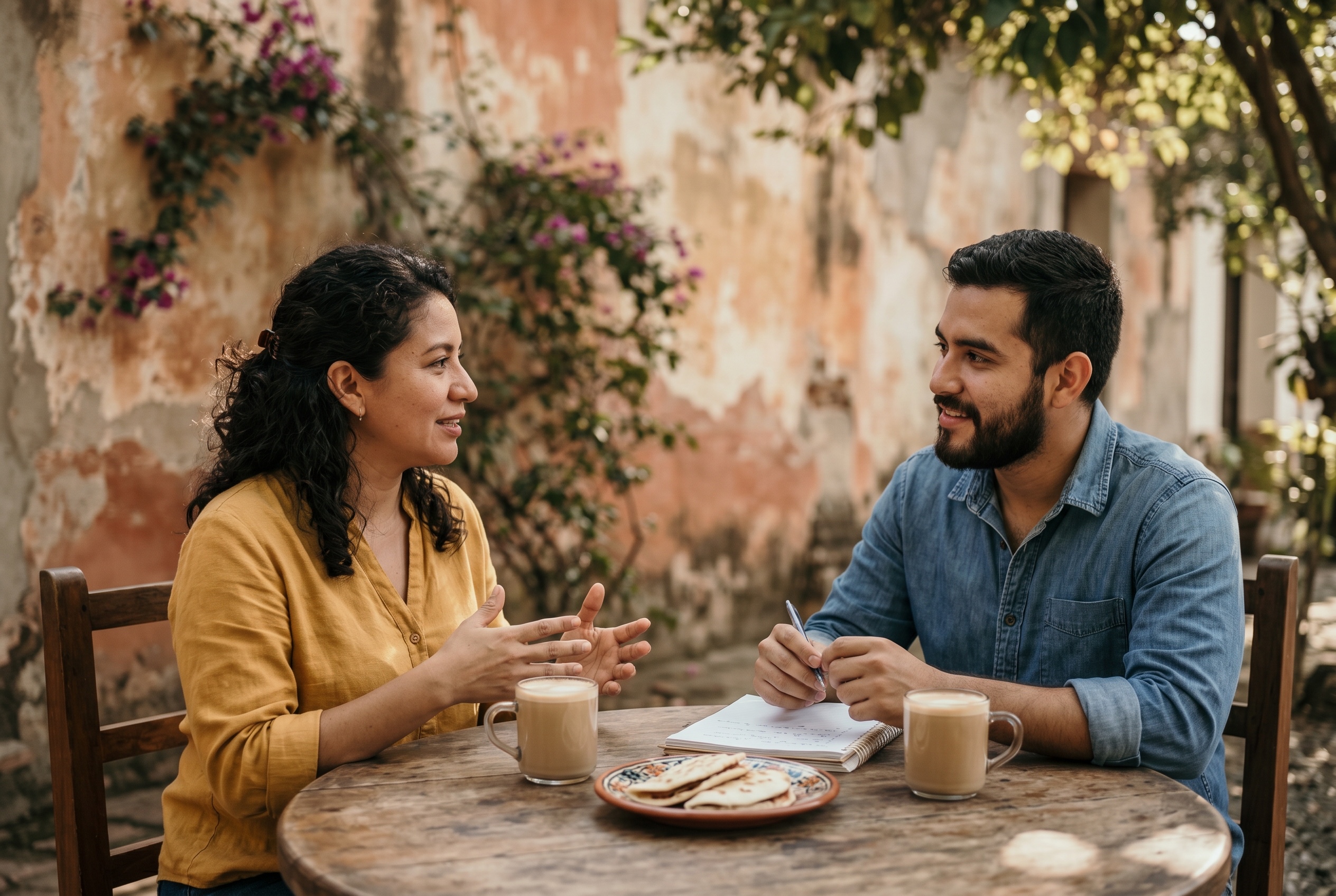
Your instructors
Honduran Spanish tutors for private lessons & classes
Strommen has been teaching Spanish in this city since 2006. Honduran Spanish demand comes mostly from heritage students reconnecting with family in Tegucigalpa, San Pedro Sula, or the Caribbean coast, plus a steady stream of NGO workers, missionaries, and travelers heading to Copán, Roatán, and the cloud forests of the west. Every tutor below was met and vetted by us in person or via thorough video interview. No marketplace. No automated profile-creation. Real teachers with real backgrounds, which you can read about in their bios.
Filter by location, age, or price. Then book a 30-minute free trial.
Below are the Strommen tutors who specialize in Honduran Spanish. Photos, ratings, and rates are real. Click any card to read their bio and book a free 30-minute trial.
I want to learn…
Every tutor, personally met. — founder-vetted since 2006, in Los Angeles and online worldwide.
Get a personalized plan
Pick your language — a language advisor will match you with the right tutor and map out your path.

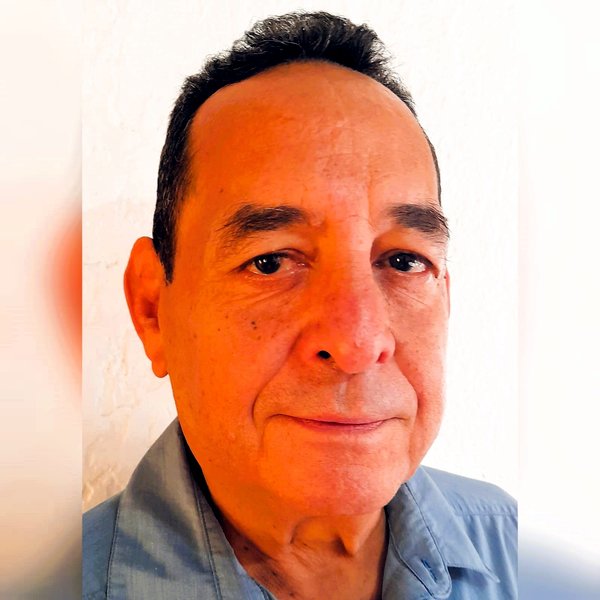
Bachelor in Commerce and Business Administration
Spanish teacher online
Personally vetted · Strommen’s note
Manuel has taught Spanish for thirty-four years, with regional range covering Honduras, El Salvador, Guatemala, Nicaragua, Costa Rica, and Panama specifically.
Specialties
Bachelor in Commerce and Business Administration
Spanish teacher online
Specialties
Personally vetted · Strommen’s note
Manuel has taught Spanish for thirty-four years, with regional range covering Honduras, El Salvador, Guatemala, Nicaragua, Costa Rica, and Panama specifically.

Vaya pues — culture & slang
5 ways to sound like you actually speak Honduran Spanish
These are the everyday phrases that mark a speaker as someone who has spent time in Honduras, not just studied Spanish. Screenshot the infographic, then book a tutor for the rest.
-
01
Buenas
The standard Honduran casual greeting. Short for buenas tardes or buenos días, but used as a complete greeting on its own at any time of day. Works walking into a pulpería, passing neighbors, or opening a phone call. The default Central American casual greeting, deployed with particular consistency in Honduras.
e.g. Buenas, ¿me da una baleada con todo?
-
02
Catracho / catracha
The Honduran self-referential national identity word. From a 19th-century reference to general Florencio Xatruch, whose troops became "catrachos." Functions as both noun (a Honduran person) and adjective (Honduran-style). Worn with pride. The most identifiably Honduran term in the lexicon.
e.g. Soy catracha de pura cepa, de Tegucigalpa.
-
03
Baleada
The Honduran national dish. Thick flour tortilla folded over refried beans, crumbled cheese, and crema, with optional egg, avocado, or meat. Anchors Honduran daily life from street stalls to upscale restaurants. "¿Vamos por una baleada?" is a complete plan in Honduras.
e.g. Las baleadas del Norte son las mejores del país.
-
04
Cipote / pisto / pulpería
Three Honduran everyday words generic Spanish courses skip. Cipote means kid or child. Pisto means money, used constantly in informal contexts. Pulpería is the corner store, the small neighborhood shop that anchors Honduran daily life. Heard in any Honduran conversation within fifteen minutes.
e.g. El cipote fue a la pulpería con el pisto que le di.
-
05
Vaya pues
All-purpose Honduran sign-off and discourse closer. "Alright then," "okay," "sure." Closes plans, ends conversations, transitions between topics. Shared with Salvadoran Spanish but deployed with subtle Honduran rhythm. Heard several times in any Honduran conversation.
e.g. Nos vemos el lunes entonces, vaya pues.
About Honduran Spanish
More than another Central American dialect
There is a regional Spanish that lives between the Caribbean coast and the Pacific highlands, between Mayan-substrate vocabulary and Garifuna-coast English influence, between the dense Tegucigalpa highland speech and the faster, more Caribbean rhythm of San Pedro Sula. That dialect is Honduran Spanish. Roughly 10 million speakers in the country, around 1.3 million Honduran-Americans concentrated in Houston, New Orleans, Miami, Long Island, and the Washington DC area. Mutually intelligible with every other Spanish variety, but distinctive enough that a Honduran speaker is identifiable within a sentence to anyone who knows what to listen for.
Honduras pronounces voseo the way most of Central America does. Vos replaces tú in informal speech across nearly all registers. Vos sos catracho for "you are Honduran." Vos tenés tiempo for "you have time." Commands stress the final syllable: vení, mirá, contame. The conjugation pattern matches Nicaragua and El Salvador rather than Argentina. Tú is recognized but rarely used, and learners arriving from Mexican Spanish backgrounds typically need a few weeks to retrain. Usted holds for formal contexts and, in some rural northern usage, for respectful family address even between siblings, a register that can surprise outsiders.
The accent split between Tegucigalpa and San Pedro Sula is the country's most-discussed dialect feature. Tegucigalpa, the capital, sits in the central highlands at about 3,200 feet, and the local Spanish carries a slower, denser, more conservative phonology with crisper consonants. San Pedro Sula, the commercial capital on the northern coastal plain, speaks faster, aspirates s more freely, and pulls toward the Caribbean register shared with the Bay Islands, the Garifuna coast, and Belize. La Ceiba, Tela, and Trujillo on the Caribbean coast go further in that direction. The Bay Islands (Roatán, Utila, Guanaja), where English-based Creole has been spoken alongside Spanish for centuries, carry yet another variety influenced by Caribbean Anglophone history. A learner whose goal is the Tegucigalpa professional class needs a different curriculum from a learner whose family is from La Ceiba. We tag tutor backgrounds accordingly.
National identity in Honduras runs through the word catracho, a self-referential term Hondurans use for themselves with affection and pride. The origin is a 19th-century reference to the Honduran general Florencio Xatruch, whose troops became known as "Xatruches" and eventually "catrachos." The word now functions both as a noun (a Honduran person) and as an adjective (Honduran-style anything). The national dish is the baleada, a thick flour tortilla folded over refried beans, crumbled cheese, and crema, with optional egg, avocado, or meat. The baleada is everywhere in Honduras, from street stalls to upscale restaurants, and it functions as a cultural anchor in conversation the way pupusas do for El Salvador or gallo pinto does for Nicaragua and Costa Rica. Learners who travel to Honduras and skip the baleada are missing the most-discussed food in the country.
Honduran vocabulary carries its own fingerprint. Cipote means kid or child, a word also used in El Salvador with slightly different connotations. Pisto means money, used constantly in informal contexts. Pija appears in casual northern speech as an intensifier ("que pija de frío" for "how cold it is"), one of those words that classroom Spanish never warns you about and that varies wildly in register depending on company. Pulpería is the corner store, the small neighborhood shop that anchors Honduran daily life. Macanudo means cool or great, a word with continental reach but particular currency in Honduras. Platica works as the casual word for chat or conversation, an everyday verb (platicar) used where Mexicans might use chismear or Argentinians charlar. Vaya pues functions as a Honduran sign-off and discourse closer, shared with Salvadoran Spanish but with subtle differences in deployment. Our 1,000 most common Spanish words list covers the foundation; Honduran vocabulary sits on top of that.
The Garifuna and Mayan substrate adds layers most learners miss. The Garifuna communities along the Caribbean coast, descendants of African and indigenous Caribbean peoples deported from St. Vincent in 1797, speak Garifuna alongside Spanish and contribute vocabulary and cultural references to coastal Honduran Spanish. In the western highlands near the Guatemalan border, Maya Chortí and Lenca speakers add indigenous substrate vocabulary, especially for plants, animals, food, and place names. Copán, the major Mayan archaeological site, gives its name to a whole department and signals the country's pre-Columbian heritage in everyday geography. Lessons cover the Garifuna and Mayan substrate vocabulary so you can read the cultural map of Honduras rather than just the Spanish vocabulary list.
Migration has shaped Honduran Spanish in the United States deeply over the past four decades, especially after Hurricane Mitch in 1998 displaced hundreds of thousands of Hondurans north. The Honduran-American communities in Houston, New Orleans, and Long Island developed code-switching patterns and English-influenced vocabulary that diverge from island Honduran Spanish. Apartamento stays standard; parquear for to park is widespread in diaspora speech. Heritage-speaker Spanish, the variety spoken by second-generation Honduran-Americans who grew up bilingual, is its own register and one of the most common starting points for lessons. Treating diaspora Honduran Spanish as a deficient version of island Honduran Spanish misses the point: both are legitimate, just calibrated to different daily lives.
The Strommen Honduran Spanish roster includes native speakers from both the Tegucigalpa and San Pedro Sula traditions, plus longtime US-based Honduran-Americans who teach the diaspora register. Each tutor's bio specifies background and which student profiles fit best. For broader Central American context, our Nicaraguan Spanish, Salvadoran Spanish, and Guatemalan Spanish specialty pages cover the immediate neighbors. The conversational Spanish roster handles pan-regional goals where dialect specificity matters less.
A few honest tutor observations on what trips up learners with Honduran Spanish. Voseo retraining is the most universal hurdle for students coming from Mexican Spanish; the conjugation feels backwards until it suddenly clicks, usually around week three. The Tegucigalpa-vs-San Pedro Sula accent split surprises learners who assumed Honduras would have one accent the way they assumed Mexico would have one accent. Coastal Caribbean Spanish in La Ceiba and the Bay Islands feels like a different country to ears trained on highland speech. Register on words like pija is delicate; the same word can be casual among male friends in San Pedro and inappropriate in mixed-company professional contexts elsewhere. And there is the question of when usted overrides voseo for family respect in some rural northern households, which classroom Spanish never prepares you for. None of these are obstacles. They are the texture that makes Honduran Spanish its own thing.
Between lessons, immerse with Honduran-made media. The literary canon runs through Ramón Amaya Amador's Prisión Verde for the banana-plantation novel, Roberto Sosa for poetry, and Roberto Castillo for contemporary fiction. The country's cinema is small but real; Anita la cazadora de insectos and Café con sabor a mi tierra are entry points. Music from Aurelio Martínez carries the Garifuna coastal register; punta and reggaeton from the north coast capture the contemporary urban sound. For news, El Heraldo and La Prensa cover the political register. Listening to Honduran sports broadcasts, especially fútbol, gets you the rapid casual register fastest.
Lessons calibrate to your goal. Travel Spanish for a Copán trip is one curriculum, heritage-speaker reconnection with grandparents in San Pedro is another, and professional Spanish for NGO work in Tegucigalpa is a third. Existing Spanish counts. Most students arrive with school, family, or travel Spanish; lessons rebuild voseo, drill the regional pronunciation you care about most, and load up the country-specific vocabulary. Each lesson is one-on-one, the trial is free, and the goal is to get you sounding like someone who knows Honduras rather than someone who studied generic Spanish. For a head-start before lessons begin, our 5 most common embarrassing mistakes in Spanish covers errors learners make across all dialects, and the broader Spanish course page shows the family of related programs. Or just browse the full tutor list and book a trial.
What you'll cover
Lessons & classes tailored to Honduran Spanish
Central American voseo conjugation
Vos rather than tú for informal second-person singular, with the Central American conjugation pattern: vos sos, vos tenés, vos querés, vos sabés. Commands stress the final syllable: vení, decí, mirá. Lessons drill voseo across present, command, and subjunctive forms until production sounds natural. Usted register for formal and respectful family contexts gets covered separately.
Tegucigalpa highland vs San Pedro Sula coastal accent
The country's most-discussed dialect split. Tegucigalpa Spanish runs slower, denser, more conservative phonology with crisper consonants. San Pedro Sula Spanish runs faster, aspirates s more freely, pulls toward the Caribbean register shared with the Bay Islands and the Garifuna coast. Lessons calibrate to whichever variety your goal requires, with ear-training drills using real audio from each tradition.
Honduran vocabulary and cultural anchors
Catracho, baleada, cipote, pisto, pulpería, macanudo, platica, vaya pues, buenas. The everyday Honduran lexicon plus the cultural references it carries: the baleada-as-national-dish, catracho-as-national-identity, the Copán Mayan heritage, the Garifuna coastal communities, the literary tradition from Amaya Amador through Roberto Castillo. Vocabulary works in cultural context, not isolation.
Caribbean coast, Bay Islands, and Mayan substrate
The Caribbean coast (La Ceiba, Tela, Trujillo) carries a faster Caribbean-leaning register. The Bay Islands (Roatán, Utila, Guanaja) have spoken English-based Creole alongside Spanish for centuries, producing yet another variety. The western highlands near the Guatemalan border carry Maya Chortí and Lenca substrate vocabulary, especially in plant, animal, food, and place-name terms. Lessons cover whichever region your goal centers on.
FAQ
About Honduran Spanish lessons & classes
How is Honduran Spanish different from Nicaraguan, Salvadoran, or Guatemalan?
All four are Central American Spanish, mutually intelligible, sharing voseo and certain vocabulary. The differences sit in vocabulary fingerprints and rhythm. Honduran is anchored by catracho, baleada, and the Tegucigalpa-vs-San Pedro Sula accent split. Nicaraguan carries dale pues and idiay. Salvadoran uses vaya pues and cipote in its own register. Guatemalan has deeper Mayan substrate vocabulary and a more conservative phonology.
What is the accent difference between Tegucigalpa and San Pedro Sula?
The most-discussed accent split in Honduras. Tegucigalpa, the capital in the central highlands, speaks slower, denser, with crisper consonants. San Pedro Sula, the commercial capital on the northern coastal plain, speaks faster, aspirates s more freely, and pulls toward the Caribbean register shared with the Garifuna coast and Bay Islands. Neither is more "correct." The right one depends on which Hondurans you're talking to.
I already speak Mexican Spanish. How long does it take to switch?
Most students transitioning from Mexican Spanish need six to ten weeks at one or two lessons a week to feel at home with Honduran voseo and the country-specific vocabulary. Voseo retraining is the biggest mechanical adjustment. Vocabulary like baleada, cipote, pisto, and vaya pues accumulates over the longer term as you encounter new contexts.
What about the Bay Islands? Do people speak Spanish or English there?
Both, plus Bay Islands Creole English. Roatán, Utila, and Guanaja have been Anglophone for centuries, with English-based Creole as a community language alongside Spanish. Tourism and migration have shifted the balance toward more Spanish in recent decades, but English remains widely spoken. If your goal is the Bay Islands specifically, lessons should include the Caribbean-coast Spanish register that bridges the islands and the mainland coast.
Are your tutors native Hondurans?
Most are. Our roster includes native speakers from Tegucigalpa, San Pedro Sula, and the Caribbean coast, plus longtime US-based Honduran-Americans who teach the diaspora register. Each tutor's bio specifies background and which student profiles fit best.
Can I take lessons online or only in person?
Both. Most of our Honduran Spanish tutors teach online via Zoom or Jitsi, available globally. Some teach in person around Los Angeles. The booking widget on each tutor's profile shows formats and locations.
I'm a heritage speaker. My family is from Honduras. Where do I start?
Heritage-speaker Spanish is one of the most common starting points. You arrive with passive comprehension, embedded vocabulary, pronunciation instincts, and a specific reason to be here. The first lesson maps what you already have, identifies gaps (often: voseo conjugation, written Spanish, formal register, vocabulary outside the home domain), and builds from there. Your existing Spanish is a head start.
Ready for Honduran Spanish lessons or classes?
Book a free 30-minute trial with one of our personally vetted tutors. Private lessons or small-group classes — your choice.