



Personally vetted instructors
Advanced Korean tutors, lessons & classes
잘 지내세요? The polite "how have you been," asked when someone actually means it.
Personally vetted tutors for advanced Korean. Lessons built for learners past the intermediate plateau who want register control, real-speed listening, and the slang that textbooks leave out.

Your instructors
Advanced Korean tutors for private lessons & classes
Strommen has been teaching Korean since well before the current global wave of interest, and advanced Korean has always drawn a particular kind of student: people who already speak well and know exactly what is still missing. Strommen is a curated practice, not an open marketplace, so no profile here was auto-listed. Every teacher below was chosen and vetted by us, and each bio is the tutor's own account of their background.
Filter by location, age, or price. Then book a 30-minute free trial.
Below are the Strommen tutors who specialize in advanced Korean. Photos, ratings, and rates are real. Click any card to read a tutor's bio and book a free 30-minute trial.
I want to learn…
Every tutor, personally met. — founder-vetted since 2006, in Los Angeles and online worldwide.
Get a personalized plan
Pick your language — a language advisor will match you with the right tutor and map out your path.

N/A
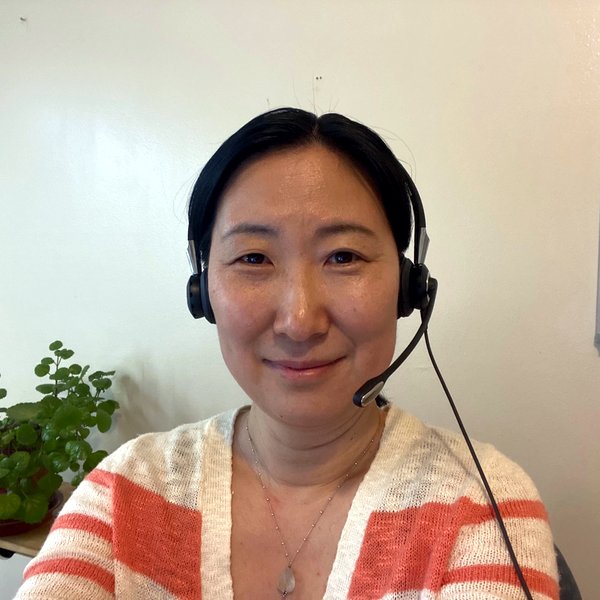
15 Years of Teaching Experience, Passionate about Language, Culture, and Education
Personally vetted · Strommen’s note
Yunhee has taught Korean for fifteen years. She reads what a student actually needs fast, then adjusts the lesson on the spot.
Specialties
N/A
15 Years of Teaching Experience, Passionate about Language, Culture, and Education
Specialties
Personally vetted · Strommen’s note
Yunhee has taught Korean for fifteen years. She reads what a student actually needs fast, then adjusts the lesson on the spot.
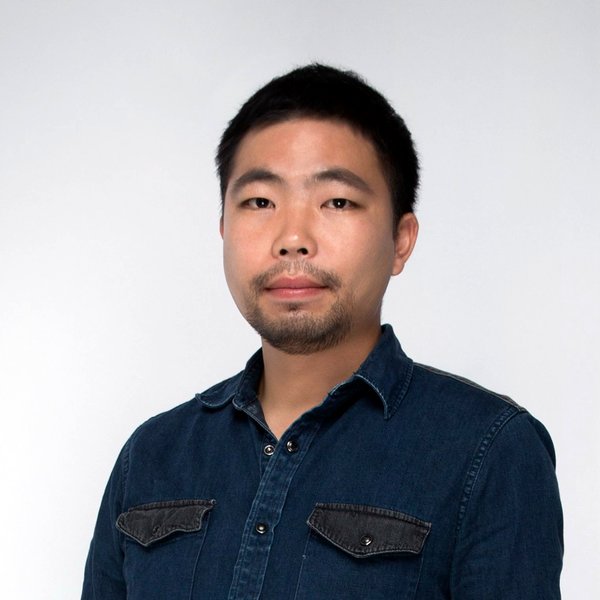


Master of Arts (M.A.) in Education from the University of the People (US)Bachelor of Arts (BA) in Teaching Korean as a Second Language from the Korean Education Bank (Korea)Bachelor of Arts (BA) in International Commerce and Logistics from Seoul Cyber... · Level 2 Certificate of Korean Language Teaching
Multilingualism, Specialized Education, Extensive Experience, Target Audience, Practical Skills
Personally vetted · Strommen’s note
Sanghoon teaches Chinese, English, and Korean out of Hangzhou, pulling material from work with students across very different backgrounds.
Specialties
Master of Arts (M.A.) in Education from the University of the People (US)Bachelor of Arts (BA) in Teaching Korean as a Second Language from the Korean Education Bank (Korea)Bachelor of Arts (BA) in International Commerce and Logistics from Seoul Cyber... · Level 2 Certificate of Korean Language Teaching
Multilingualism, Specialized Education, Extensive Experience, Target Audience, Practical Skills
Specialties
Personally vetted · Strommen’s note
Sanghoon teaches Chinese, English, and Korean out of Hangzhou, pulling material from work with students across very different backgrounds.
Master of Fine Arts · Korean language certificate
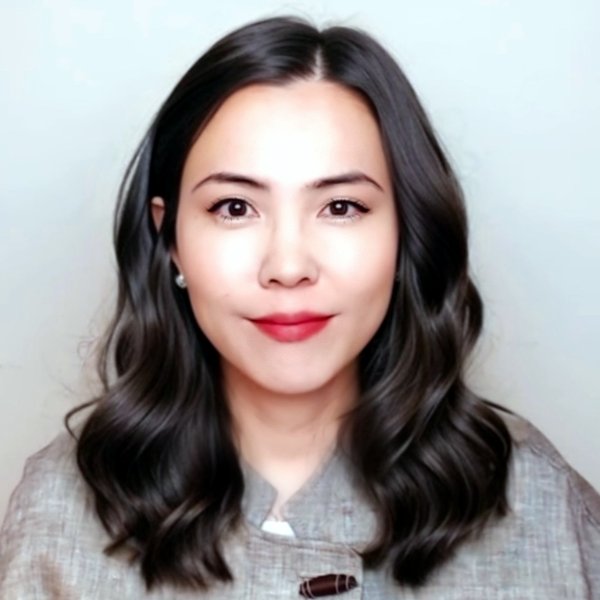
Experienced Korean Language Teacher
Personally vetted · Strommen’s note
Thirteen years teaching Korean out of San Gabriel, and Jihye still tailors lessons strictly to whatever level and need walks in the door.
Specialties
Master of Fine Arts · Korean language certificate
Experienced Korean Language Teacher
Specialties
Personally vetted · Strommen’s note
Thirteen years teaching Korean out of San Gabriel, and Jihye still tailors lessons strictly to whatever level and need walks in the door.
Bachlor of Arts in Korean Ligustics
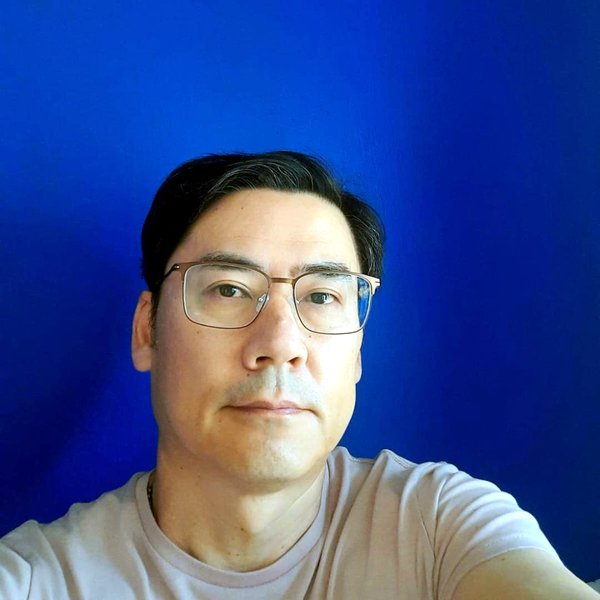
I'm an experienced teacher with a BA in Korean Language also fluent in Spanish
Specialties
Bachlor of Arts in Korean Ligustics
I'm an experienced teacher with a BA in Korean Language also fluent in Spanish
Specialties
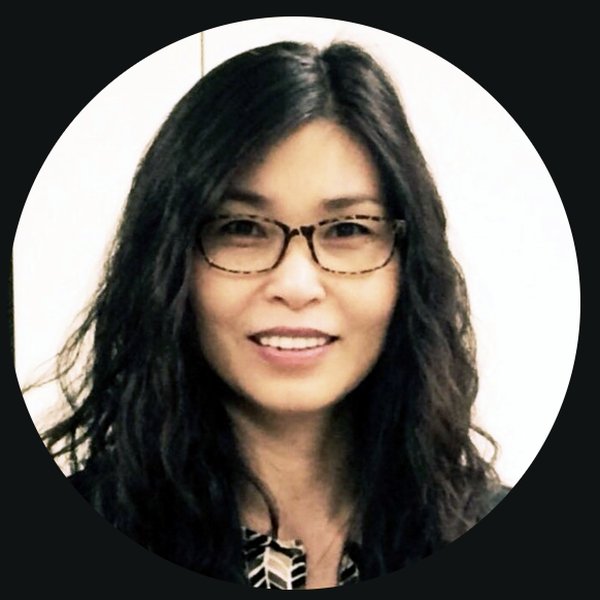
Masters' degree in Adult Education · New York State Professional teaching Korean language for K7-12
Learn Korean language from a cerfitied teacher!
Personally vetted · Strommen’s note
Twenty years teaching Korean, NYC-based and certified, and Nari still builds lessons around whatever culture-embedded material actually fits the student.
Specialties
Also speaks: English
Masters' degree in Adult Education · New York State Professional teaching Korean language for K7-12
Learn Korean language from a cerfitied teacher!
Specialties
I also speak: English
Personally vetted · Strommen’s note
Twenty years teaching Korean, NYC-based and certified, and Nari still builds lessons around whatever culture-embedded material actually fits the student.
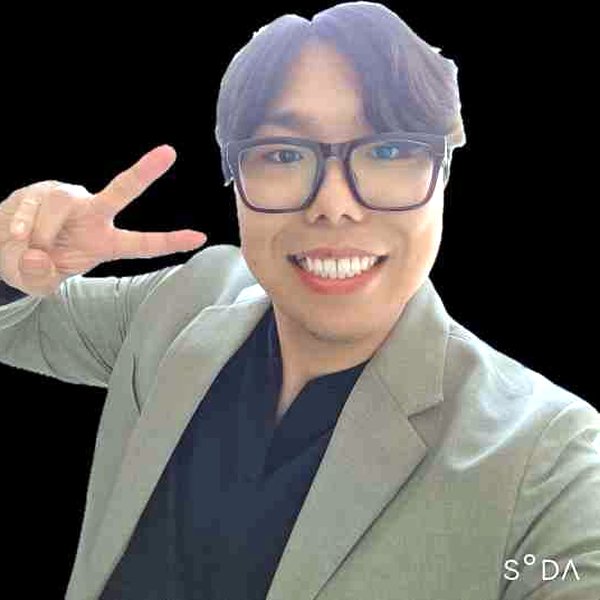

Bachelor's degree · Chinese learning, Certified Korean language teacher
Light, Learning, Growth your languages.
Personally vetted · Strommen’s note
Jihoon starts with pronunciation basics, tongue position included, before moving into grammar. He teaches Chinese and Korean both, out of Bogotá.
Specialties
Also speaks: Japanese
Bachelor's degree · Chinese learning, Certified Korean language teacher
Light, Learning, Growth your languages.
Specialties
I also speak: Japanese
Personally vetted · Strommen’s note
Jihoon starts with pronunciation basics, tongue position included, before moving into grammar. He teaches Chinese and Korean both, out of Bogotá.
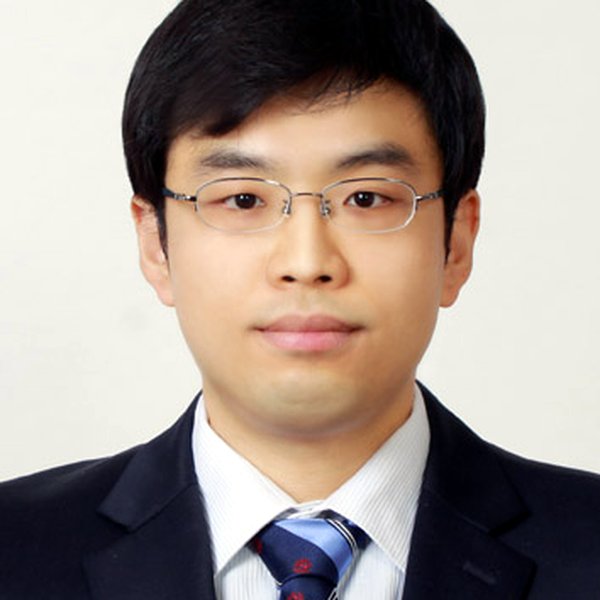
bachelor
Korean teacher fluent in Chinese and English
Specialties
bachelor
Korean teacher fluent in Chinese and English
Specialties

은어 / 신조어 — culture & slang
5 ways to sound like you actually live in the language
These aren't textbook expressions. They're the everyday slang and neologisms that separate fluent Korean from studied Korean. Screenshot away, then book a tutor to learn the register rules behind them.
-
01
솔까말
Solkkamal. An acronym of 솔직히 까놓고 말해서, roughly "honestly, laying it bare and speaking." It marks a candid disclosure, the Korean equivalent of "TBH." Casual register, current. Worth recognizing, though for advanced learners the real lesson is when you can drop it into speech and when you can't.
e.g. 솔까말, 별로였어. ("TBH, it wasn't great.")
-
02
갑분싸
Gapbunssa, from 갑자기 분위기 싸해진다, "suddenly the mood goes cold." It names the exact moment a room goes quiet after someone says something off. Casual, very current, and a good test of advanced listening, because you have to catch the social beat it is describing.
e.g. 갑분싸였어, 그 말 듣고. ("Things got awkward after he said that.")
-
03
어이없다
Eoieopda. "Speechless, unbelievable, lost for words," used when something is so absurd you can't react to it. Not new slang at all; it is timeless standard Korean with renewed currency through K-dramas. Advanced learners conjugate the ending to fit the register, which is the whole skill.
e.g. 진짜 어이없어. ("I'm honestly speechless.")
-
04
인싸 / 아싸
Inssa and assa, from "insider" and "outsider" plus a slang particle. Young people use the pair to classify social standing in a friend group: 인싸 is the popular one, 아싸 the loner, often said about oneself, half self-deprecating and half proud.
e.g. 나는 그냥 아싸야. ("I'm just an outsider type.")
-
05
존맛탱 / JMT
Jonmattaeng, the food slang for "tastes incredibly good." The full form carries a vulgar intensifier and stays in close-friend register; the acronym JMT is the version that survives a text to a coworker. Knowing which to use where is exactly the advanced-register judgment a tutor drills.
e.g. 이 떡볶이 존맛탱이야. ("This tteokbokki is incredible.")
About Advanced Korean
Where the textbook stops
Most Korean courses end where advanced Korean begins. A textbook will hand you the three speech levels in a tidy table: 합쇼체 (hapsyoche, formal-polite), 해요체 (haeyoche, polite), and 해체 / 반말 (haeche / banmal, casual). Then it moves on, as if knowing the chart were the same as controlling the register. It isn't. In real Korean, the gap between what you learned and what you hear is mostly a gap in calibration. The skill is knowing not just which ending is grammatically correct, but which one a native speaker would actually choose with this listener, in this room, after this much shared history.
That calibration is what advanced lessons are for. A tutor who works with advanced students spends very little time on conjugation paradigms and a great deal on the things that separate fluent-sounding Korean from textbook Korean. The sentence-final particles are a clear example. A learner can produce grammatically perfect sentences for years and still sound flat, because nobody taught them 거든, 잖아, 네, 군, and 지: the endings that carry the speaker's epistemic stance. They mark the difference between stating a fact, stating a fact you assume your listener already accepts, and stating a fact you've just discovered with mild surprise. None of that lives in the beginner syllabus. All of it lives in everyday speech, and without it otherwise excellent Korean sounds correct but lifeless.
Then there is the honorific system at full depth. Beginners learn the 시- infix and the polite -요 ending, and that carries them a long way. Advanced learners have to manage much more: subject honorifics, object honorifics with their own separate verb stems (주다 becomes 드리다 when you give something to an elder, 만나다 becomes 뵙다 when you meet one), honorific nouns where 밥 shifts to 진지, 나이 to 연세, 이름 to 성함, 집 to 댁, and the pronoun-avoidance habit that makes Korean reach for a title rather than the word "you." A single sentence can stack three or four honorific layers at once. Getting one of them wrong does not read as a small slip. It reads as a misjudgment of the relationship, which is a heavier thing. Our tutors drill this with real scenarios rather than charts, because the chart is the part you already know.
There is also the matter of what register communicates that grammar does not. American learners often arrive with an instinct carried over from English: warmth equals informality, so getting closer to someone means relaxing the speech. Korean does not work that way. Warmth is expressed inside the polite register, not by abandoning it, and the move from 존댓말 to 반말 between adults is something one party explicitly invites with the phrase 말 놓으세요, "please lower your speech." Until that invitation, both people stay in the polite forms no matter how friendly they feel. Advanced students who understand this stop sounding either cold or presumptuous, and start sounding like adults who can read a relationship.
Ask an advanced tutor where students lose ground and the first answer is usually not a grammar rule but a reflex. Pro-drop is the clearest case: Korean drops the subject constantly, yet advanced learners keep supplying 저는 and 나는 out of an English habit, and the surplus pronouns are exactly what makes otherwise strong Korean sound stilted. The 은/는 versus 이/가 choice causes a slower kind of trouble, staying unsettled long after a learner can recite the rule, because the contexts overlap and the nuance is felt rather than parsed. Listening is the other place the plateau shows, an ear that handles a lesson fine and then cannot keep pace with unscripted, full-speed Korean on the news or in a variety show. Two smaller things round it out. Negative questions answer the question as asked rather than the underlying fact, so "You didn't eat?" gets a 네 meaning "correct, I didn't." And Korean slang dates fast enough that a phrase current five years ago can already sound off, which is why a working tutor teaches from what people say now, not from a list compiled a decade ago.
Most students who reach out for advanced Korean have a concrete reason. Some are preparing for academic study in Korean or for the upper bands of TOPIK II, where Level 6 sits roughly at CEFR C1 and above and the writing section is the most common score limiter. Many strong candidates plateau at Level 5 purely because of 쓰기. Some need Korean for a workplace, where the honorific system is enforced most rigorously and the cost of a register mistake is highest, because corporate Korean reads hierarchy in every sentence. Some have simply hit the wall that comes after conversational Korean and want to push from comfortable to genuinely fluent. A few are working through our broader Korean classes and want one-on-one advanced coaching alongside group study. Whatever the goal, an advanced tutor calibrates the lessons to it. The path to a TOPIK 6 writing score looks nothing like the path to following 무한도전 (Infinity Challenge) without subtitles, and a good tutor will not pretend otherwise.
Our advanced Korean tutors include native speakers from Seoul and elsewhere in Korea, along with longtime bilingual teachers who have guided many students through the intermediate-to-advanced transition. They work in real Korean: news at broadcast speed, films and dramas without subtitles, literary prose from writers like 한강 (Han Kang), whose work won the Nobel Prize in Literature in 2024, and 김애란 (Kim Ae-ran), and the slang and neologisms (은어 / 신조어) that mark the difference between someone who studied Korean and someone who lives in it. You can read each tutor's background, training, and teaching history in their bio, and book a free 30-minute trial directly from the profile. If you would rather see the full Strommen tutor directory first, every Korean teacher's profile is listed there as well.
What you'll cover
Lessons & classes tailored to Advanced Korean
Register control at full depth
Beginners learn the speech-level chart; advanced learners have to use it under pressure. Lessons work the honorific system at full stack: subject honorifics, object honorifics like 드리다 and 뵙다, honorific nouns such as 진지, 연세, 성함, and 댁, and the pronoun-avoidance habit that reaches for a title instead of the word "you." The goal is calibration, choosing the register a native speaker would actually choose rather than one that merely parses as correct. For learners heading into a workplace, our business Korean tutors push this furthest, since corporate Korean is where register mistakes carry the highest cost.
Sentence-final particles and natural cadence
The late-intermediate plateau is largely a particle problem. Grammatically perfect Korean still sounds flat without 거든, 잖아, 네, 군, and 지, the endings that encode whether you are sharing news, justifying yourself, expecting agreement, or noting something you assume the listener already knows. Lessons drill these in real dialogue rather than from a list, because their meaning lives in context. We also work the 은/는 versus 이/가 distinction, which most learners feel long before they can explain it, and the pro-drop habit that keeps advanced Korean from sounding stilted.
Real-speed listening and unscripted Korean
The clearest sign of the plateau is listening that cannot keep pace with full-speed, unscripted Korean. Lessons build that pace with real material: KBS 9시 뉴스 at broadcast register, variety shows like 무한도전 (Infinity Challenge) for high-density slang and wordplay, and dramas such as 비밀의 숲 (Stranger) for formal prosecutorial Korean at speed. The work includes shadowing, gap-fill listening, and direct feedback on the sounds American learners systematically miss, among them the three-way plain, aspirated, and tense consonant contrast, and the ㅓ vowel that English speakers tend to round.
TOPIK II upper bands and academic reading
For students aiming at the top of TOPIK II, lessons target the actual score limiter. Levels 5 and 6 reward writing more than anything else, and the 쓰기 section is where most otherwise-strong candidates plateau, since Level 6 sits roughly at CEFR C1 and above. Tutors work the 논문-style written register, the plain declarative endings of formal prose, the Hanja-heavy vocabulary density of academic Korean, and the hedging system that academic writing depends on. Students continuing into degree work can move on to our academic Korean tutors for thesis-level support.
FAQ
About Advanced Korean lessons & classes
What counts as "advanced" Korean, and how do I know I'm ready?
There is no single line, but a few signs are reliable. You can hold a conversation in the polite register without thinking about each ending, you read everyday text comfortably, and your main frustration is no longer grammar but speed and naturalness. Native Korean at full pace outruns you, and your own Korean sounds correct but textbook-flat. Roughly, this maps to TOPIK Level 4 and up, or CEFR B2 toward C1. If that sounds like you, an advanced tutor is the right fit. If you are not sure, the free trial sorts it out quickly.
Are your advanced Korean tutors native speakers?
Most are native speakers, the majority from Seoul, raised in the standard 표준어 register. A few are longtime bilingual teachers who have guided many students through the intermediate-to-advanced transition. Each tutor's bio specifies background and teaching experience. For advanced work the relevant question is less native or not, and more whether the tutor can explain why a native speaker chose one register over another. That is a teaching skill in its own right.
Can I take advanced Korean lessons online, or only in person?
Both. Many of our advanced Korean tutors teach online via Zoom or Jitsi and are available worldwide. Several also teach in person. The booking widget on each tutor's profile shows their available formats. Advanced lessons work well online, since much of the material is listening practice, register coaching, and discussion of real Korean text and video.
I keep hitting a plateau. Can advanced lessons actually break it?
Usually, yes, once you treat the plateau as what it is. It is rarely a grammar gap. It is most often listening that cannot keep pace with unscripted Korean, plus a missing layer of sentence-final particles and register calibration that no beginner course teaches. A tutor diagnoses which of those is holding you back and builds lessons around it. The progress feels slower than the early stages because the gains are subtler, but they are real and they compound.
Can a tutor help me prepare for TOPIK II Levels 5 and 6?
Yes. TOPIK II covers Levels 3 through 6, and the upper bands are where the writing section decides the outcome. Many strong candidates plateau at Level 5 because of 쓰기. Tutors target the written 논문 register, the plain declarative endings of formal prose, academic Hanja-heavy vocabulary, and the hedging patterns graders look for. Realistic timelines vary. Level 4 to Level 5 tends to take six to nine months of steady work, and Level 5 to Level 6 nine to twelve months or more. Your tutor sets concrete targets at the trial.
Will I learn current slang, or just formal Korean?
Both, and the point is knowing which is which. Advanced fluency is largely register judgment: when 존맛탱 is fine and when JMT in text is the safer call, when 솔까말 fits a moment and when it does not. Korean slang also dates fast, so tutors stay close to what people are actually saying now rather than teaching phrases that already sound dated. They also flag Konglish, the Korean-coined English-looking words such as 핸드폰 and 스킨십 that are not standard English at all.
What does an advanced Korean lesson actually look like?
Lessons are one-on-one and built around your goals. A typical hour might pair real listening practice with a news clip or drama scene, targeted work on whatever register or particle issue surfaced, discussion of an article or text in Korean, and feedback on your own output. There is very little conjugation drilling at this level. The work is calibration, naturalness, and closing the gap between correct Korean and Korean that sounds like you live in it. No two students get the same lesson.
How long until I sound genuinely fluent rather than just correct?
It depends on where you start, how much you practice between lessons, and what fluent means for your goal. The honest version: register control and natural cadence come from exposure plus correction over months, not weeks. Students who pair one or two lessons a week with steady contact with real Korean, through films, news, reading, and conversation, tend to notice a clear shift within four to six months. Your tutor sets concrete weekly goals at the trial and adjusts based on what is working. Expect the shift to feel gradual; advanced gains rarely announce themselves.
Ready for Advanced Korean lessons or classes?
Book a free 30-minute trial with one of our personally vetted tutors. Private lessons or small-group classes — your choice.