



Personally vetted instructors
Arabic for Kids tutors, lessons & classes
مرحبا يا أصدقاء marḥaba yā aṣdiqāʾ The friendly "hello, friends" a kid-warm Arabic teacher reaches for at the start of a lesson.
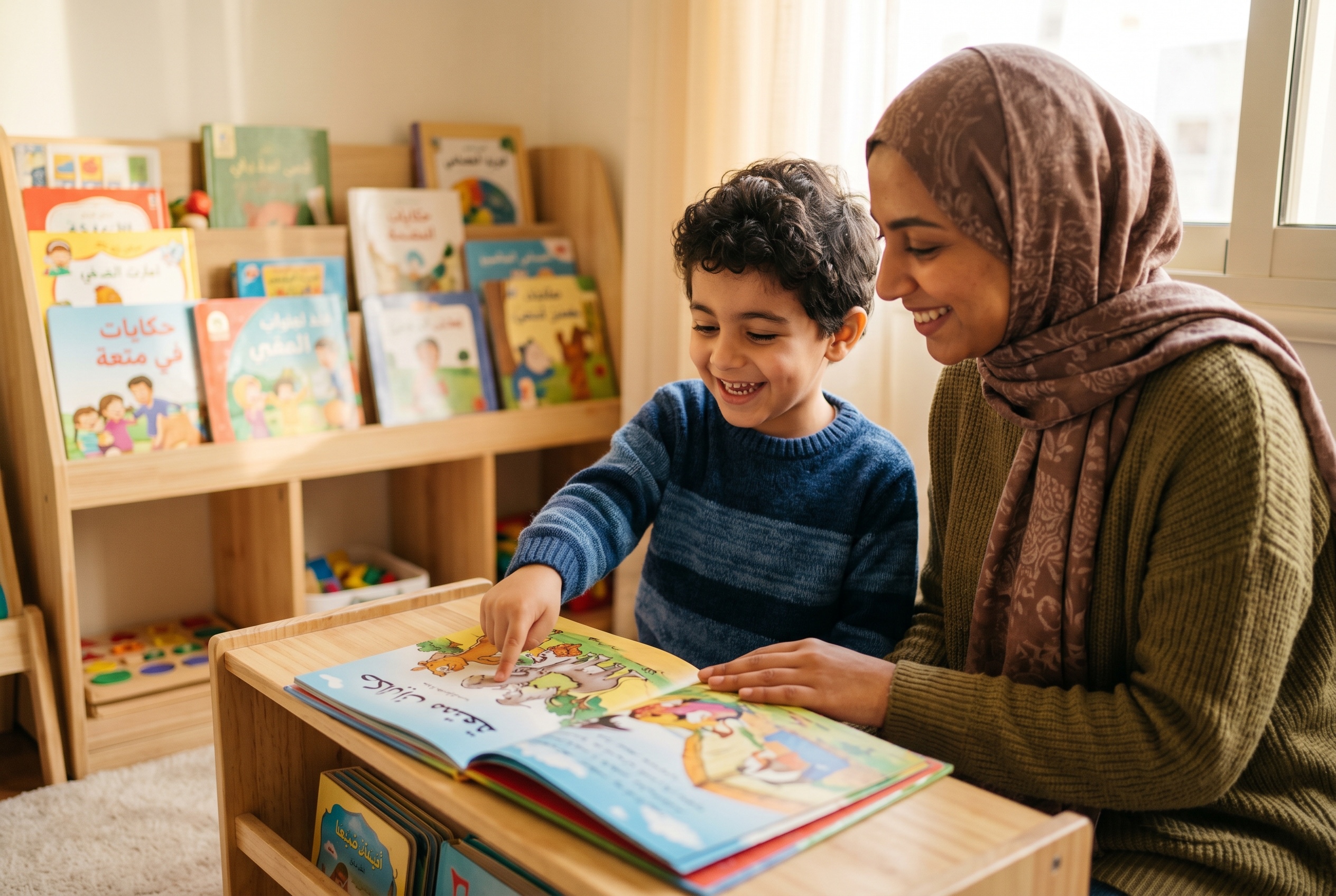
Personally vetted Arabic tutors who teach children. Lessons built on the alif-baa-taa alphabet song, picture books, family vocabulary, and the right-to-left handwriting practice that turns Arabic into a language a kid actually wants to keep coming back to.
Your instructors
Arabic for Kids tutors for private lessons & classes
Strommen is a curated boutique school. We vet every tutor in person before they teach a single Strommen lesson, and the bar goes up for tutors who work with children: rapport with kids, patience under five-year-old attention spans, and an instinct for turning a lesson into a story, a song, or a game. The tutors below cleared that bar.
Read the bios, then book a 30-minute free trial. Parents are welcome on the trial call and often sit in on the first few lessons.
Below are the Strommen tutors who specialize in teaching Arabic to children. Photos, ratings, and rates are real. Click any card to read the bio and book a free 30-minute trial.
I want to learn…
Every tutor, personally met. — founder-vetted since 2006, in Los Angeles and online worldwide.
Get a personalized plan
Pick your language — a language advisor will match you with the right tutor and map out your path.

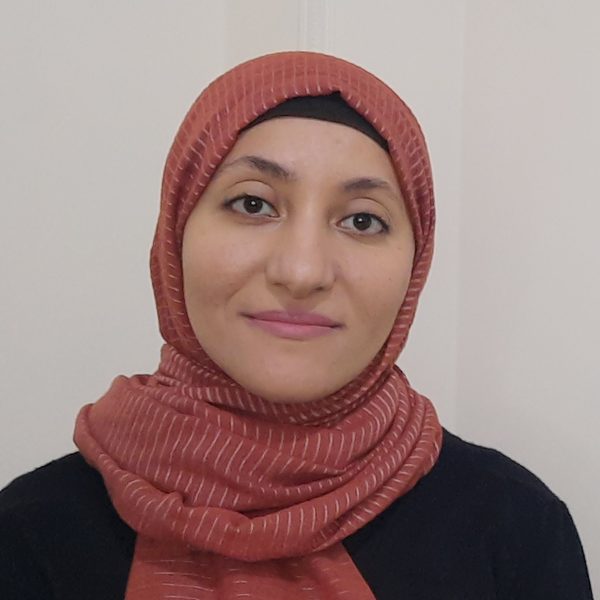
A master degree in Education in Teaching Arabic language to non Arabic speakers
Arabic language teacher (Modern standard, and Egyptian Arabic)
Personally vetted · Strommen’s note
Somaia teaches both Modern Standard and Egyptian Arabic, useful if you need the textbook version and the way people actually talk.
Specialties
A master degree in Education in Teaching Arabic language to non Arabic speakers
Arabic language teacher (Modern standard, and Egyptian Arabic)
Specialties
Personally vetted · Strommen’s note
Somaia teaches both Modern Standard and Egyptian Arabic, useful if you need the textbook version and the way people actually talk.
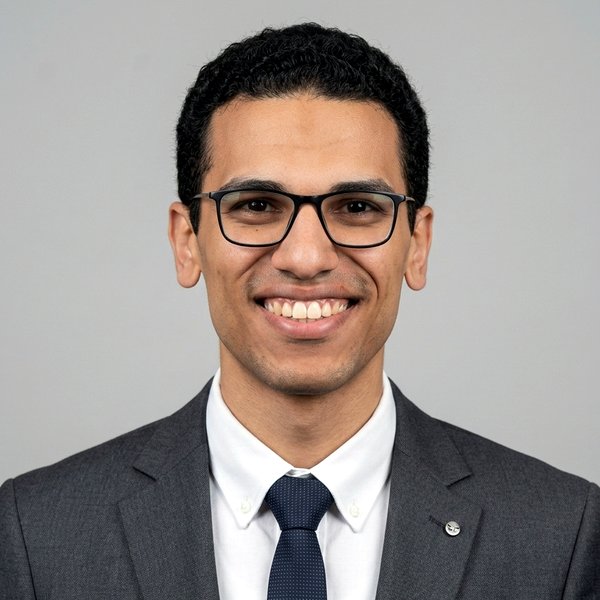


Bachelor of Education (B.Ed.) and pursuing a degree in Aerospace Engineering. · I have a TEFL certification | Certifications in Adobe Graphic Design (Level 1 & 2) for interactive presentations and educational materials.
English, German, and Arabic classes
Personally vetted · Strommen’s note
Arabic, English, and German sit alongside AP Calculus and AP Physics on Omar's schedule, a genuinely rare tutor who crosses from language straight into STEM.
Specialties
Also speaks: French, Italian, Spanish
Bachelor of Education (B.Ed.) and pursuing a degree in Aerospace Engineering. · I have a TEFL certification | Certifications in Adobe Graphic Design (Level 1 & 2) for interactive presentations and educational materials.
English, German, and Arabic classes
Specialties
I also speak: French, Italian, Spanish
Personally vetted · Strommen’s note
Arabic, English, and German sit alongside AP Calculus and AP Physics on Omar's schedule, a genuinely rare tutor who crosses from language straight into STEM.
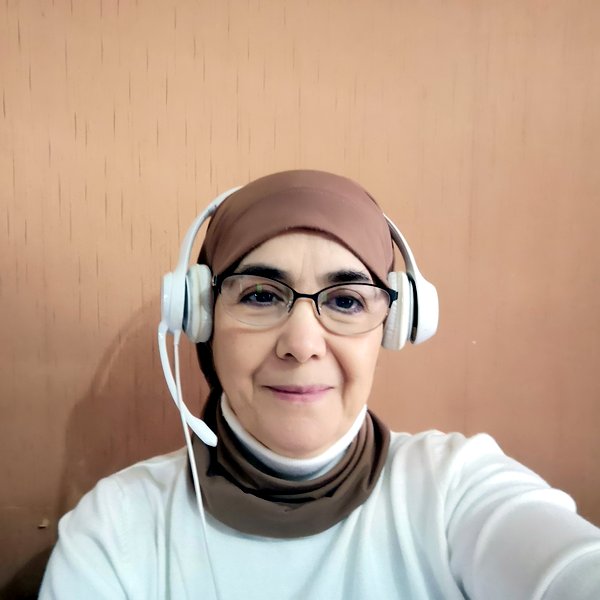
University Degree
Helping students learn with clarity, confidence, and motivation
Personally vetted · Strommen’s note
Quebec-based, Rahma teaches Arabic and French together, four Maghreb dialects covered, Algerian through Libyan.
Specialties
Also speaks: English
University Degree
Helping students learn with clarity, confidence, and motivation
Specialties
I also speak: English
Personally vetted · Strommen’s note
Quebec-based, Rahma teaches Arabic and French together, four Maghreb dialects covered, Algerian through Libyan.
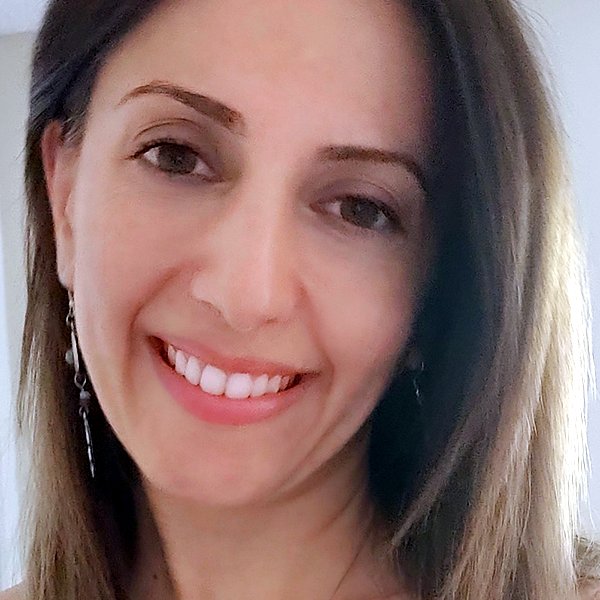

BA and MA in Arabic Studies, PhD in Philology (Arabic & Hebrew Studies)
Polyglot tutor with 15 years’ experience in Armenian, Arabic, Hebrew, and Russian
Personally vetted · Strommen’s note
Alvina holds a BA and MA in Arabic Studies and has spent fifteen years teaching Arabic, Hebrew, Russian, and Armenian, genuinely rare range in one tutor.
Specialties
BA and MA in Arabic Studies, PhD in Philology (Arabic & Hebrew Studies)
Polyglot tutor with 15 years’ experience in Armenian, Arabic, Hebrew, and Russian
Specialties
Personally vetted · Strommen’s note
Alvina holds a BA and MA in Arabic Studies and has spent fifteen years teaching Arabic, Hebrew, Russian, and Armenian, genuinely rare range in one tutor.

Bachelor degree in french studiesMaster's degree in french studies · DALF C2
Online certified french tutor delf/DALF/ TEF/TCF Preparation
Personally vetted · Strommen’s note
Hela has taught French and Arabic for thirteen years, DELF, DALF, TEF, and TCF certification prep included, plus four different Maghreb Arabic dialects.
Specialties
Bachelor degree in french studiesMaster's degree in french studies · DALF C2
Online certified french tutor delf/DALF/ TEF/TCF Preparation
Specialties
Personally vetted · Strommen’s note
Hela has taught French and Arabic for thirteen years, DELF, DALF, TEF, and TCF certification prep included, plus four different Maghreb Arabic dialects.
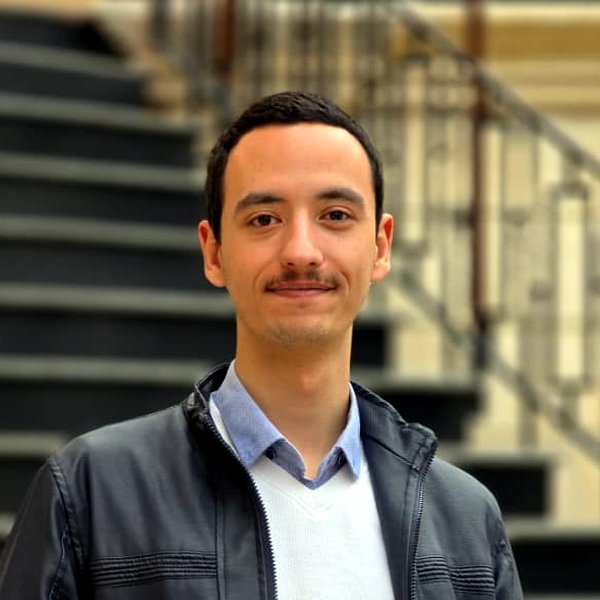
BA in English Literature · TOT , ITM Interactive teaching methodology. BA in English Literature
Step by step to English mastery.
Personally vetted · Strommen’s note
Emad's Arabic dialect range is genuinely enormous: Syrian, Gulf, Levantine, Emirati, Saudi, Moroccan. English is taught step by step alongside it.
Specialties
Also speaks: Copywriting, Spanish, Translation
BA in English Literature · TOT , ITM Interactive teaching methodology. BA in English Literature
Step by step to English mastery.
Specialties
I also speak: Copywriting, Spanish, Translation
Personally vetted · Strommen’s note
Emad's Arabic dialect range is genuinely enormous: Syrian, Gulf, Levantine, Emirati, Saudi, Moroccan. English is taught step by step alongside it.

أطفال — songs, stories & first words
5 Arabic things every kid loves learning first
These are the pieces a good Arabic-for-kids tutor reaches for in the early lessons. They turn a class into a song, a story, or a game that a child will repeat at home all week. Screenshot the list, then book a tutor to learn the rest.
-
01
أ ب ت alif bāʾ tāʾ
The opening of the Arabic alphabet song, the Arab world's equivalent of the ABC chant. Kids who learn the 28 letters as a melody remember the order in a way flashcards cannot match. The fuller song runs through every letter with the connected form, and most Arabic-speaking children sing it by age five.
e.g. أ ب ت ث ج ح خ (alif bāʾ tāʾ thāʾ jīm ḥāʾ khāʾ)
-
02
ماما / بابا māmā / bābā
The universal everyday words for mom and dad across the Arab world, used by children whether the family speaks Egyptian, Levantine, Gulf, or Maghrebi Arabic at home. The more formal أمي ummī and أبي abī come in later for written contexts and respectful address.
e.g. ماما، أين بابا؟ (māmā, ayna bābā?): "mom, where's dad?"
-
03
عيد مبارك ʿīd mubārak
"Blessed Eid." The greeting Arab children learn early because they say it to grandparents, aunts, uncles, and neighbors at ʿĪd al-Fiṭr and ʿĪd al-ʾAḍḥā. A heritage kid who can say this clearly in Arabic to a grandparent gets a smile and often a small Eid gift in return.
e.g. عيد مبارك يا جدو (ʿīd mubārak yā jiddo): "happy Eid, grandpa."
-
04
جدو / تيتا jiddo / tēta
The warm Levantine words for grandpa and grandma that kids in Lebanese, Syrian, Palestinian, and Jordanian families grow up calling their grandparents. Egyptian families often say جدو and تيتا too. Other dialects use سيدي seedi and ستي sittī. For heritage kids, getting the family's specific form right matters more than the textbook one would.
e.g. تيتا، احكي لي قصة (tēta, iḥkī lī qiṣṣa): "grandma, tell me a story."
-
05
جحا Juḥā
The clever-fool folk-tale figure who appears in stories across the Arab world, similar to Nasreddin in Turkish tradition. His short tales teach moral lessons through humor and are part of every Arab childhood. Simplified Juḥā picture books are a staple of Arabic-for-kids lessons because the stories are short, funny, and memorable.
e.g. قصة جحا والحمار (qiṣṣat Juḥā wa-l-ḥimār): "the story of Juḥā and the donkey."
About Arabic for Kids
Arabic a child will keep coming back to
Children come to an Arabic lesson for one of three reasons, and a good tutor figures out which one applies in the trial conversation rather than guessing. The first child is from a heritage household with parents or grandparents who speak Arabic at home, often a specific dialect: Egyptian, Levantine, Gulf, Moroccan. The child usually understands more than they can produce and tends to answer in English even when addressed in Arabic. The second child is from a Muslim family without Arabic as a household language but with the Quran central to weekly life. The parents want the child to read the Arabic of the Quran with comprehension rather than as memorized sounds. The third child is from a family with no Arabic background at all, learning the language fresh for cultural curiosity, future study or work, or because the parents see the long-term value of an Afro-Asiatic language in an English-Spanish-Mandarin curriculum world. Each of these three starting points calls for a different first six months, and a tutor who runs one curriculum across all three will lose two of them by Diwali, by Ramadan, or by spring.
The heritage child's work is almost always activation plus the alphabet. The receptive Arabic vocabulary is already there from the kitchen, the holiday phone calls, and the older relatives who never switched into English. What is missing is the willingness to answer in Arabic rather than in English when a parent asks something, the school-and-friends vocabulary that household talk never needed, and the Arabic script, which Arabic-speaking parents in the diaspora rarely manage to teach their kids at home because reading lessons take a patience the parent-child dynamic does not always sustain. A tutor working with a heritage kid spends the early months on the alif-baa-taa, on the connected vs disconnected letter forms, and on activating output through simple games and back-and-forth conversation in the family's home dialect. The dialect choice matters more than parents sometimes realize; a heritage Lebanese child taught Egyptian dialect for years will feel a small displacement that an attentive tutor avoids by matching the home variety.
The Quran-track child's work is different. Here the goal is reading comprehension of Classical Arabic with the help of harakat (the short-vowel marks that appear in the muṣḥaf but not in everyday Arabic text). Lessons begin with the alphabet, move into the tajwīd-relevant articulation points so the child reads with at least basic accuracy, and gradually layer in vocabulary so the child understands what they are reciting rather than only voicing the sounds. Most Quran-track families also want the child to be able to follow surahs they have already memorized in childhood, especially the short surahs from Juz ʿAmma. This work pairs naturally with whatever Quran-school program the family is already running. A Strommen tutor is rarely the only Arabic input in the child's week; the lesson supplements rather than replaces the masjid or the weekend program.
The new-learner child's lessons look more like a new-language picture-book curriculum. The script and the spoken language go in together, anchored in song, image, and movement. A young child does not respond to grammar drills. A young child responds to a tutor who turns each lesson into a story, a guessing game, a song, or a craft, and who threads the new vocabulary through all of those forms until it sticks. Arabic has a rich children's literature to draw on for this. Simplified picture-book editions of folk tales, modern publishers like Asala and Dar al-Shorouk that produce age-graded readers, kid-friendly versions of stories like Juḥā the clever-fool figure who appears across the Arab world. The famous alif-baa-taa song operates the same way for the alphabet that a Devanagari chant does for Hindi: a child who has sung the script ten times will remember the letters in a way that no flashcard sequence can produce.
Right-to-left handwriting is its own small obstacle and its own quiet delight for kids. Writing in the opposite direction feels strange for a few weeks, especially for a child who has already learned to write in English at school. The tutor sets up the workbook from the back, mirrors the line that the pencil should trace, and lets the child get the kinaesthetic memory of the script in their hand. Most children find the mirror-writing experience fun rather than frustrating once a teacher frames it that way. Within two or three months the directionality stops feeling backward and starts feeling like its own way of using a page.
Family vocabulary is the center of Arabic-for-kids lessons partly because Arab cultures are built so heavily around family identity and partly because the words themselves are emotionally weighty for a heritage child. Arabic distinguishes paternal and maternal aunt and uncle (ʿamm and khāl, ʿamma and khāla), uses warm address forms for parents (māmā and bābā in everyday speech, ummī and abī more formally), and has affectionate forms for grandparents that vary by region (jiddo and tēta in the Levant, ʿumi and seedi elsewhere). For heritage kids, getting these right is a small act with a large emotional payoff at the next family gathering or video call.
Festival vocabulary keeps lessons feeling alive rather than academic. ʿĪd al-Fiṭr at the end of Ramadan, ʿĪd al-ʾAḍḥā around the Hajj season, the entire month of Ramadan with its iftar and suhūr vocabulary and the rhythm of the daily fast, the Christmas celebrated by Christian Arab families in Lebanon, Syria, Egypt, and Palestine, Mawlid celebrations marking the Prophet's birth, regional New Year traditions. Each one carries its own vocabulary, its own foods, its own greetings (ʿīd mubārak, Ramaḍān karīm). A tutor who builds a unit around the next festival on the calendar gives the lesson stakes and gives the kid something to share with grandparents on the next family call. The greeting ʿīd mubārak said in clear Arabic to a grandparent is a small thing that produces a large smile.
A practical note on age. Most Strommen Arabic-for-kids students are between five and twelve. Below five the productive vocabulary is not large enough yet for formal lessons to be fully effective and family-led immersion with shared songs is usually the better use of time. Above twelve, the child is usually ready for a more grammar- or conversation-focused track and may sit in on adult-curriculum lessons or move into the Arabic for Beginners roster. Lesson length calibrates to age too: 30-minute weekly sessions for younger kids, 45 to 60 minutes for older ones. Cadence beats length almost every time; a child who sees their tutor every week for a year picks up more than a child who has long lessons every two weeks for the same total minutes.
The tutors below teach children Arabic as a heritage language, as a Quran-reading skill, or as a new language anchored in song and story. Adult beginners belong on the Arabic for Beginners page. The broader program runs on the main Arabic page. Every Strommen tutor across languages is on the full tutor directory.
What you'll cover
Lessons & classes tailored to Arabic for Kids
Heritage, Quran-track, and new-learner Arabic
Three different lesson tracks under one roster. Heritage kids work on activation in the family's home dialect plus the alphabet that parents rarely manage to teach at home. Quran-track kids learn the Classical Arabic of the muṣḥaf with comprehension rather than as memorized sound, paired with the tajwīd-relevant articulation points. New-learner kids build from zero with songs, picture books, and image-anchored vocabulary. Tutors diagnose which track fits at the trial.
Alif-baa-taa, handwriting, and right-to-left
The 28-letter alphabet song that kids absorb the way English-speaking children absorb the ABC chant. The connected and disconnected letter forms practiced in handwriting workbooks set up from the back rather than the front. The kinaesthetic strangeness of writing right-to-left, framed as a fun mirror challenge rather than a backward inconvenience. Most kids stop noticing the directionality within two or three months.
Family vocabulary and festival units
Arabic family words carry emotional weight, especially for heritage kids: paternal vs maternal aunt and uncle, the regional grandparent forms, the warm everyday māmā and bābā. Festival units around Ramadan, ʿĪd al-Fiṭr, ʿĪd al-ʾAḍḥā, Mawlid, and the Christian Arab Christmas give lessons stakes and give kids something to share with grandparents on the next video call.
Stories, songs, and the Juḥā tradition
Simplified picture-book editions of Juḥā folk tales, kid-friendly readers from Asala and Dar al-Shorouk, classic nursery rhymes that every Arab child grows up on. A child who learns Arabic alongside these stories gets a literary foundation that adult-curriculum lessons could never replace. For heritage kids, this restores stories the family may not have had time to tell.
FAQ
About Arabic for Kids lessons & classes
What age range is Arabic for Kids suitable for?
Most of our Arabic-for-kids students are between five and twelve. Below five, the productive vocabulary is not yet large enough to make formal lessons fully effective, and family-led immersion plus shared songs and books is usually a better use of the time. Above twelve, kids are typically ready for a more grammar- or conversation-focused track and may benefit from sitting in on adult-curriculum lessons or moving into the Arabic for Beginners roster. The tutor assesses your child at the trial and proposes the right approach.
My child is heritage but refuses to speak Arabic at home. Can a tutor help?
This is the most common starting point for heritage-kid lessons, and it is solvable. The work is activation: building the willingness to answer in Arabic rather than English, widening the vocabulary into topics the household never needed in Arabic (school subjects, friends, hobbies), and giving the child a trusted non-parent adult to practice with. Heritage kids often surprise themselves with how quickly the productive Arabic comes back once an outside tutor is in the picture, because the dynamic is different from a parent-child interaction. Typical timeline: noticeable shift in 3 to 6 months.
Which dialect should I pick for my heritage child?
Match the family's home variety. A Lebanese child should learn Levantine, a Cairo-rooted child should learn Egyptian, a Gulf-family child should learn Khaleeji. Teaching a heritage child a different dialect than the family's home variety creates a small but real social displacement that a careful tutor avoids. For Quran-track and new-learner kids, the question shifts; Classical Arabic for Quran work, often Egyptian or Levantine for new learners because those have the richest age-appropriate media.
My child needs to read the Quran. Is this the right track?
Yes. The Quran-reading track teaches the Classical Arabic of the muṣḥaf with vocabulary comprehension rather than as memorized sound, builds the tajwīd-relevant articulation points so the child reads with at least basic accuracy, and folds in vocabulary so the child understands what they are reciting. The lesson typically supplements whatever Quran school or weekend program the family already runs, rather than replacing it.
How long should each lesson be, and how often?
30 minutes weekly works well for kids under eight. 45 to 60 minutes weekly is the sweet spot for ages eight through twelve. Cadence beats length: a child who sees the tutor every week for a year picks up more than a child who has hour-long lessons every two weeks for the same total time, because language acquisition in children operates on frequency more than duration. Skipping weeks for travel or holidays is fine; long gaps (a month or more) tend to undo progress and require partial restart.
Should I sit in on the lessons?
For the trial and the first few lessons, often yes, especially for younger children. After that it depends on the child and the tutor's read on it. Some kids do better with a parent in the room as moral support; others perform more freely with the parent out of sight, treating the lesson as their own space. The tutor will give you an honest assessment after a few sessions. For heritage families, occasional parent presence can also help align home reinforcement with what the tutor is covering.
What can I do as a parent between lessons, even if I do not speak Arabic?
Quite a lot. Counting in Arabic at bath time, naming colors in Arabic during play, the occasional bedtime story read in Arabic from a book the tutor recommends (Asala and Dar al-Shorouk publish bilingual picture books that work for non-Arabic-reading parents). Watching age-appropriate Arabic-language content together (Iftah Ya Simsim, the Arabic Sesame Street, plus YouTube channels for Arabic-learning children). The tutor will give specific suggestions matched to your child's level and interests, calibrated to be sustainable rather than ambitious.
Ready for Arabic for Kids lessons or classes?
Book a free 30-minute trial with one of our personally vetted tutors. Private lessons or small-group classes — your choice.