



Personally vetted instructors
Arabic for Travel tutors, lessons & classes
السلام عليكم as-salāmu ʿalaykum The universal Islamic greeting, understood and warmly received in every Arab country regardless of region or religion.
Personally vetted Arabic tutors for travelers. Lessons built on the phrases you will actually use in souks, taxis, restaurants, mosques, and homestays across the Arab world, plus the cultural cues that turn a confused tourist into a welcome guest.
Your instructors
Arabic for Travel tutors for private lessons & classes
Strommen is a curated boutique school. Arabic for Travel is one of our most time-bounded specialties: most students take 8 to 16 lessons over the weeks before a trip, with a clear endpoint and a clear set of phrases to walk away with. The tutors below were met and vetted by us in person and have the patient, scenario-driven teaching style that travel-Arabic students need.
Read the bios, then book a 30-minute free trial and tell us about your trip.
Below are the Strommen tutors who teach Arabic for travelers. Photos, ratings, and rates are real. Click any card to read the bio and book a free 30-minute trial.
I want to learn…
Every tutor, personally met. — founder-vetted since 2006, in Los Angeles and online worldwide.
Get a personalized plan
Pick your language — a language advisor will match you with the right tutor and map out your path.

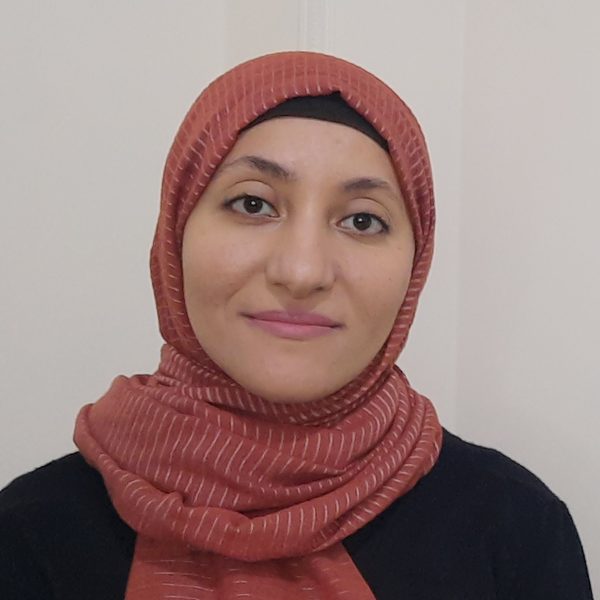
A master degree in Education in Teaching Arabic language to non Arabic speakers
Arabic language teacher (Modern standard, and Egyptian Arabic)
Personally vetted · Strommen’s note
Somaia teaches both Modern Standard and Egyptian Arabic, useful if you need the textbook version and the way people actually talk.
Specialties
A master degree in Education in Teaching Arabic language to non Arabic speakers
Arabic language teacher (Modern standard, and Egyptian Arabic)
Specialties
Personally vetted · Strommen’s note
Somaia teaches both Modern Standard and Egyptian Arabic, useful if you need the textbook version and the way people actually talk.
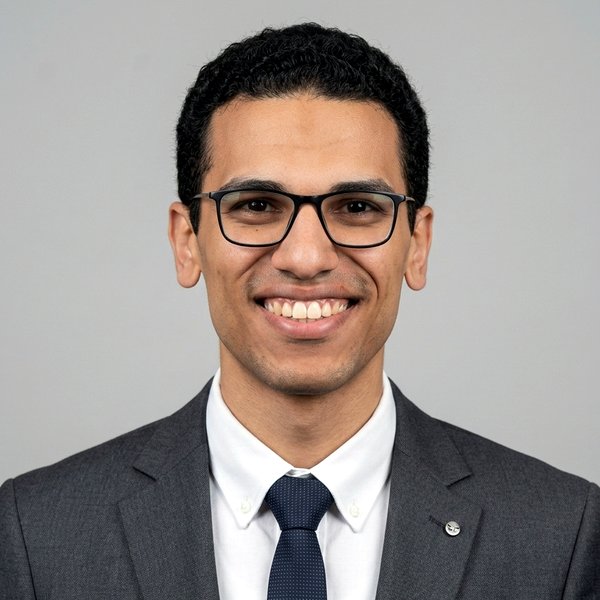


Bachelor of Education (B.Ed.) and pursuing a degree in Aerospace Engineering. · I have a TEFL certification | Certifications in Adobe Graphic Design (Level 1 & 2) for interactive presentations and educational materials.
English, German, and Arabic classes
Personally vetted · Strommen’s note
Arabic, English, and German sit alongside AP Calculus and AP Physics on Omar's schedule, a genuinely rare tutor who crosses from language straight into STEM.
Specialties
Also speaks: French, Italian, Spanish
Bachelor of Education (B.Ed.) and pursuing a degree in Aerospace Engineering. · I have a TEFL certification | Certifications in Adobe Graphic Design (Level 1 & 2) for interactive presentations and educational materials.
English, German, and Arabic classes
Specialties
I also speak: French, Italian, Spanish
Personally vetted · Strommen’s note
Arabic, English, and German sit alongside AP Calculus and AP Physics on Omar's schedule, a genuinely rare tutor who crosses from language straight into STEM.
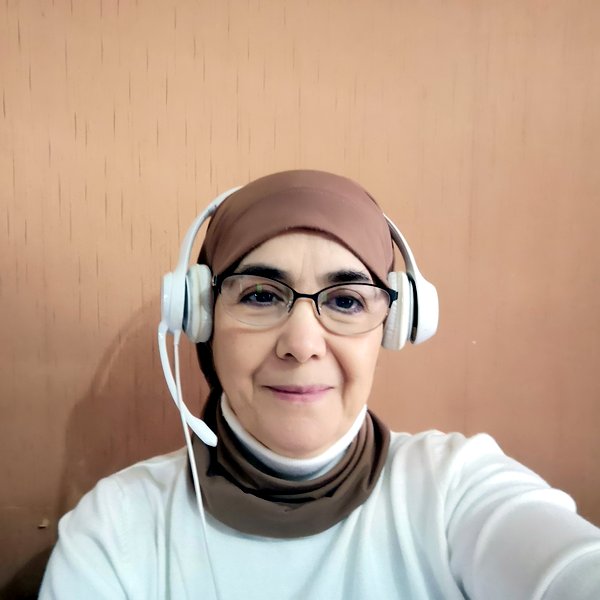
University Degree
Helping students learn with clarity, confidence, and motivation
Personally vetted · Strommen’s note
Quebec-based, Rahma teaches Arabic and French together, four Maghreb dialects covered, Algerian through Libyan.
Specialties
Also speaks: English
University Degree
Helping students learn with clarity, confidence, and motivation
Specialties
I also speak: English
Personally vetted · Strommen’s note
Quebec-based, Rahma teaches Arabic and French together, four Maghreb dialects covered, Algerian through Libyan.
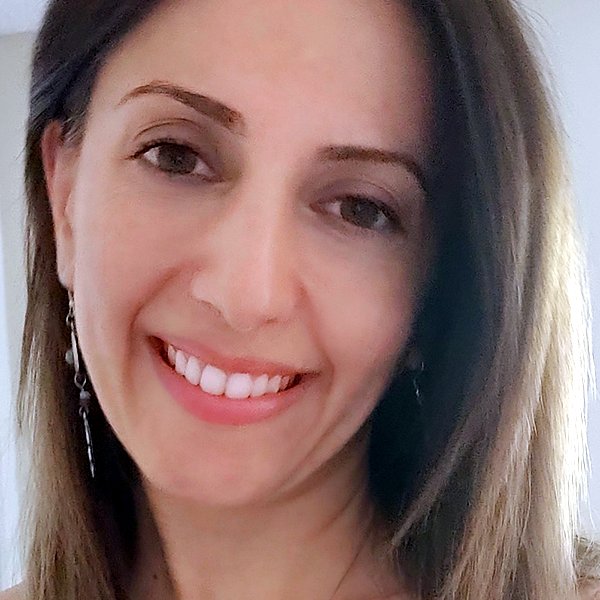

BA and MA in Arabic Studies, PhD in Philology (Arabic & Hebrew Studies)
Polyglot tutor with 15 years’ experience in Armenian, Arabic, Hebrew, and Russian
Personally vetted · Strommen’s note
Alvina holds a BA and MA in Arabic Studies and has spent fifteen years teaching Arabic, Hebrew, Russian, and Armenian, genuinely rare range in one tutor.
Specialties
BA and MA in Arabic Studies, PhD in Philology (Arabic & Hebrew Studies)
Polyglot tutor with 15 years’ experience in Armenian, Arabic, Hebrew, and Russian
Specialties
Personally vetted · Strommen’s note
Alvina holds a BA and MA in Arabic Studies and has spent fifteen years teaching Arabic, Hebrew, Russian, and Armenian, genuinely rare range in one tutor.

Master’s Degree in Translation and Conference Interpreting (Arabic–French–English), University of Algiers 2, 2026.Bachelor’s Degree in Translation and Interpretation (Arabic–French–English), University of Algiers 2, 2024. · No formal professional teaching certifications. I hold a Master’s degree in Translation and Conference Interpreting and have professional teaching experience.
Learn to speak Arabic just like a native.
Specialties
Also speaks: French, Spanish
Master’s Degree in Translation and Conference Interpreting (Arabic–French–English), University of Algiers 2, 2026.Bachelor’s Degree in Translation and Interpretation (Arabic–French–English), University of Algiers 2, 2024. · No formal professional teaching certifications. I hold a Master’s degree in Translation and Conference Interpreting and have professional teaching experience.
Learn to speak Arabic just like a native.
Specialties
I also speak: French, Spanish

Bachelor degree in french studiesMaster's degree in french studies · DALF C2
Online certified french tutor delf/DALF/ TEF/TCF Preparation
Personally vetted · Strommen’s note
Hela has taught French and Arabic for thirteen years, DELF, DALF, TEF, and TCF certification prep included, plus four different Maghreb Arabic dialects.
Specialties
Bachelor degree in french studiesMaster's degree in french studies · DALF C2
Online certified french tutor delf/DALF/ TEF/TCF Preparation
Specialties
Personally vetted · Strommen’s note
Hela has taught French and Arabic for thirteen years, DELF, DALF, TEF, and TCF certification prep included, plus four different Maghreb Arabic dialects.
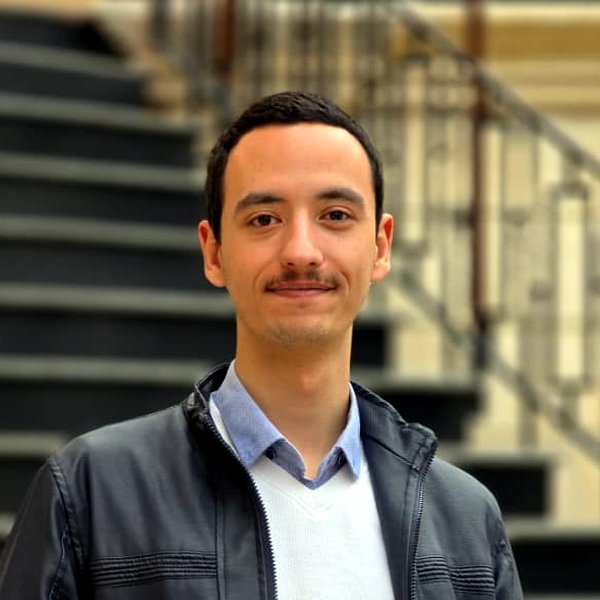
BA in English Literature · TOT , ITM Interactive teaching methodology. BA in English Literature
Step by step to English mastery.
Personally vetted · Strommen’s note
Emad's Arabic dialect range is genuinely enormous: Syrian, Gulf, Levantine, Emirati, Saudi, Moroccan. English is taught step by step alongside it.
Specialties
Also speaks: Copywriting, Spanish, Translation
BA in English Literature · TOT , ITM Interactive teaching methodology. BA in English Literature
Step by step to English mastery.
Specialties
I also speak: Copywriting, Spanish, Translation
Personally vetted · Strommen’s note
Emad's Arabic dialect range is genuinely enormous: Syrian, Gulf, Levantine, Emirati, Saudi, Moroccan. English is taught step by step alongside it.

سفر — phrases for the trip
5 Arabic moves that change your trip
These are the small Arabic phrases and cultural cues that mark you as a respectful traveler rather than a default tourist. Screenshot the list, then book a tutor to learn the rest.
-
01
السلام عليكم as-salāmu ʿalaykum
"Peace be upon you." The universal Islamic greeting used across every Arab country, by Muslims and non-Muslims, religious and secular speakers. The response is وعليكم السلام wa-ʿalaykum as-salām ("and peace upon you"). Opening any first contact with this phrase, said warmly, is the single most reliable way for a traveler to shift the social register up.
e.g. السلام عليكم، كيف الحال؟ (as-salāmu ʿalaykum, kayf al-ḥāl?): "peace be upon you, how are you?"
-
02
شكراً shukran
"Thank you." The universal Arabic thank-you, understood and warmly received in every dialect. The fuller شكراً جزيلاً (shukran jazīlan) means "thank you very much." The response عفواً (ʿafwan) means "you're welcome." Many travelers default to English thank-yous; an Arabic one noticeably warms every exchange.
e.g. شكراً جزيلاً، كان لذيذاً (shukran jazīlan, kān ladhīdhan): "thank you very much, it was delicious."
-
03
بكم؟ bi-kam?
"How much?" The single most useful traveler phrase in any Arab market or taxi exchange. Egyptian uses بكام bi-kām, Levantine uses قديش addēsh. All three are understood across the Arab world. Pair with the polite ممكن خصم؟ (mumkin khaṣm?, "can I get a discount?") to enter the bargaining register where prices in souks are expected to be negotiated.
e.g. هذا بكم؟ (hādhā bi-kam?): "how much is this?"
-
04
إن شاء الله in shāʾ Allāh
"If God wills." Used constantly in everyday Arab speech regardless of how religious the speaker is, to mark any future plan as contingent and to soften any commitment. Used by Muslims and Christian Arabs alike. Leaving it out when you commit to something can read as overconfident; including it warmly is the conversational baseline.
e.g. نلتقي غداً إن شاء الله (naltaqī ghadan in shāʾ Allāh): "see you tomorrow, God willing."
-
05
الحمد لله al-ḥamdu lillāh
"Thanks be to God." The default warm response to almost any positive news, including "how are you?" answered as "good, thanks be to God." Used by religious and non-religious speakers alike across every Arab country. A traveler who reaches for this response instead of a bare "good" sounds calibrated to the cultural register rather than translated from English.
e.g. كيف الحال؟ الحمد لله (kayf al-ḥāl? al-ḥamdu lillāh): "how are you? thanks be to God."
About Arabic for Travel
Arabic for the trip you are actually taking
There is a particular pleasure in arriving in Cairo or Marrakech or Amman with enough Arabic to manage your own day. The taxi exchange that does not require a hotel intermediary. The souk haggle where the price comes down because the merchant can see you are not the default tourist. The restaurant meal where you order in Arabic and the waiter smiles before the food arrives. The mosque visit where you understand the polite instruction about shoes and dress without needing a translator. The desert-camp evening where your host's children teach you a phrase and you can teach one back. Arabic for travel is built around precisely those moments. The goal is not literary fluency. The goal is functional confidence in the situations a tourist actually faces, plus enough cultural grounding that the interactions feel warm rather than transactional.
The first decision a travel-Arabic tutor walks you through is the one most travelers do not realize they need to make: Modern Standard Arabic, a regional dialect, or a deliberate blend of both. The honest framing is that most travelers benefit most from a small amount of MSA for the formal greetings, the written signs, the numbers, and the polite stock phrases, paired with a touch of the regional dialect for wherever the trip is actually going. MSA is the register that holds the 22 Arab countries together on the page and on news broadcasts. No one speaks pure MSA at home, but everyone understands it. A traveler who learns the MSA greeting السلام عليكم and the response وعليكم السلام, plus a polite شكراً, لو سمحت, and عفواً, has the conversational baseline that opens doors in every Arab country. Layered on top of that, the dialect of the destination handles the everyday warmth that makes interactions feel like real exchanges rather than rehearsed transactions. For Egypt the dialect is Egyptian and the tutor will add يلا, خلاص, إزيك, معلش, and a few key food phrases. For the Levant (Jordan, Lebanon, Syria, Palestine) the dialect is Levantine and the tutor will add كيفك, شو الأخبار, تمام, and the polite forms a guest is expected to use. For Morocco the dialect is Darija, which feels meaningfully different from the eastern dialects, and a tutor will adjust the curriculum accordingly. For the Gulf the dialect is Khaleeji and the warm hospitality vocabulary takes center stage.
The cultural-cue layer is what separates travelers who get treated as guests from travelers who get treated as tourists. Arab hospitality is famous for a reason. The host who insists you eat more, the second glass of tea pressed on you, the question about your family before any business is discussed, the warm extended greeting before any transaction begins. A traveler who understands the rhythm of these moments and participates in them with even a few Arabic phrases finds the interactions warmer and the prices fairer than a traveler who races through them on the way to a transaction. The phrase إن شاء الله, in shāʾ Allāh, "if God wills," appears constantly in everyday Arab speech regardless of how religious the speaker is, used to mark any future plan as contingent and to soften any commitment. A traveler who learns when to use it (and when leaving it out reads as overconfident) has crossed an important line. Similarly الحمد لله, al-ḥamdu lillāh, "thanks be to God," used in response to almost any positive news, including "how are you" answered as "good, thanks be to God," is the warm baseline of conversational Arabic.
A practical cultural-cue paragraph on prayer-time pauses, which surprise travelers who have not encountered them before. In most Arab countries the call to prayer (الأذان, al-adhān) sounds five times a day from mosque loudspeakers across the city. In Saudi Arabia and a few other Gulf countries, many shops close for ten to fifteen minutes during each prayer time; in Egypt, Jordan, and most of the Levant, businesses stay open and the call is more an ambient soundtrack than a stop-everything signal. Knowing the rhythm helps a traveler plan their day around shop closures during Friday's Jumuʿa prayer, the longer Maghrib prayer at sunset, and the early Fajr prayer before dawn. Ramadan adds a different layer: during the fasting month, daytime restaurant hours shift, public eating in front of fasting people is impolite, and the evening iftar meal becomes the day's social center. A travel-Arabic tutor briefs students on this rhythm if the trip falls during Ramadan.
The right-hand rule is the cultural micro-detail that most travelers wish they had known earlier. In traditional Arab eating and gesture culture, the right hand is used for eating, for handing things to people, for shaking hands, for waving. The left hand is reserved for hygiene tasks and is considered impolite for eating or for handing food or money. This is much less strict than it used to be in younger urban contexts where many people are visibly left-handed and no one objects, but in more traditional settings (especially in the Gulf, in older generations, in shared communal meals) the right-hand convention still matters. A traveler who eats with the right hand and hands money to a vendor with the right hand will not stand out as awkward.
The phrasebook-vs-tutor question deserves a direct answer. Travel-Arabic apps and phrasebooks have their place for emergency lookups and for keeping vocabulary fresh on the plane, but they are not adequate substitutes for tutor-led lessons. The reason is the same reason that Google Translate often produces odd phrasings: Arabic requires register choices (MSA vs dialect, formal vs casual, religious-formal vs secular-formal) that an app cannot make for you, and the polite-request constructions that get help offered rather than withheld do not translate word-for-word from English. A tutor calibrates each phrase to the country you are visiting and makes sure the politeness layer is intact. Most travel-Arabic students take 8 to 16 hour-long lessons before a trip, with the pacing front-loaded so the core survival phrases land first and the country-specific vocabulary layers in over subsequent sessions.
One reassurance for travelers anxious about pronunciation. Arabic has sounds that English does not have, including the pharyngeal ع ʿayn and ح ḥāʾ, the emphatic consonants, and the rolled ر. Travelers do not need any of these to be perfect. You will be understood through context even when the consonants are approximate, and Arab listeners are extraordinarily generous with foreigners attempting their language. The single biggest thing a tutor will help you get right is the politeness register and the rhythm of greeting exchanges, because those are the parts that shape how you are received socially.
The tutors below teach Arabic calibrated to your trip: Egypt, the Levant, the Gulf, Morocco, multi-country circuits, family roots trips, religious or spiritual pilgrimage (including ʿumra preparation), food tours. Beginners who want a more thorough grounding in the script and grammar can start with Arabic for Beginners and add travel-specific vocabulary in the final months before the trip. The broader Arabic program lives on the main Arabic page; every Strommen tutor across languages is on the full tutor directory.
What you'll cover
Lessons & classes tailored to Arabic for Travel
MSA baseline plus a touch of regional dialect
A travel-Arabic plan starts with a small amount of MSA for formal greetings, written signs, and the polite stock phrases that work in every Arab country. Then it layers in the dialect of the actual destination: Egyptian for Egypt, Levantine for Jordan and Lebanon, Khaleeji for the Gulf, Darija for Morocco. Tutors calibrate the proportion to the trip; a multi-country circuit gets more MSA, a Cairo-only trip gets more Egyptian dialect.
Greetings, hospitality, and the rhythm of an Arab exchange
Arab hospitality is famous for a reason and a traveler who understands the rhythm of greeting exchanges, the second glass of tea, and the question about family before business gets treated warmly everywhere. Lessons drill the extended greeting register (السلام عليكم and its full response, the inquiries about health and family that open most exchanges) so the traveler can participate naturally rather than awkwardly racing through them.
Souks, taxis, restaurants, and bargaining
The transactional phrases tuned to actual traveler scenarios. Asking prices, polite bargaining in souk register, ordering food with dietary clarifications (vegetarian options are usually framed as نباتي nabātī, no pork is لا خنزير, halal is حلال), taxi negotiations including the polite request to use the meter where they exist. Tutors role-play these scenarios because the negotiation pace is fast and a traveler needs the phrases as reflexes.
Cultural cues: prayer times, the right-hand rule, Ramadan
The cultural micro-details that travelers wish they had known earlier. The five daily prayer times and which countries pause for them. The right-hand convention for eating and gesturing in traditional settings. The Ramadan rhythm if the trip falls during the fasting month. Mosque-visit etiquette around shoes, dress, and the polite Sanskrit-equivalent Arabic phrases for these settings. Tutors brief students on the rhythm of their specific destinations rather than as generic platitudes.
FAQ
About Arabic for Travel lessons & classes
Should I learn Modern Standard Arabic or a dialect for travel?
A blend, with the proportions tuned to your trip. A small amount of MSA covers the formal greetings, written signs, numbers, and polite stock phrases that work in every Arab country. The dialect of your actual destination handles the everyday warmth that makes interactions feel like real exchanges. For Egypt: Egyptian. For Jordan, Lebanon, Syria, Palestine: Levantine. For the Gulf: Khaleeji. For Morocco: Darija, which is meaningfully different from the eastern dialects. A multi-country circuit gets weighted more toward MSA; a single-country trip gets weighted more toward the local dialect.
Do I need to learn the Arabic alphabet for a short trip?
Not strictly required, but genuinely useful for street signs, train and bus station boards, restaurant menus in smaller towns, and the satisfaction of reading the script you see everywhere. The Arabic alphabet has 28 letters and can be learned in roughly 6 to 8 lessons if you want it. Most travel-Arabic students who add the script say they were glad they did, especially in smaller cities where English signage is less common.
How much Arabic do I realistically need for a two-week trip?
Less than most travelers expect, but more than zero. With 8 to 16 hour-long lessons spread over the weeks before the trip, most students walk away with the survival phrases, numbers, food and direction vocabulary, basic hospitality register, and country-specific dialect touches that cover roughly 80 percent of daily traveler situations. The honest framing: a small amount of Arabic changes how you are treated everywhere you go, and the marginal return on the first 200 active words is much higher than the return on the next 1000.
What about the prayer-time pause and Ramadan?
The call to prayer sounds five times a day across most Arab cities. In Saudi Arabia and a few Gulf countries, many shops close for 10 to 15 minutes during each prayer; elsewhere businesses stay open. Friday's noon prayer (Jumuʿa) closes shops more broadly in some countries. If your trip falls during Ramadan, the daytime restaurant rhythm shifts, public eating in front of fasting people is impolite, and the evening iftar meal becomes the day's social center. Your tutor will brief you on the rhythm of the specific country you are visiting.
Tell me about the right-hand rule. Is this still strict?
Less strict than it used to be in younger urban contexts, where many people are visibly left-handed and no one objects. Still relevant in more traditional settings, especially in the Gulf, in older generations, and in shared communal meals. The rule: the right hand is used for eating, handing things to people, shaking hands, and waving. The left is reserved for hygiene and is considered impolite for food or money. A traveler who uses the right hand by default avoids any awkward moment.
Are your tutors native Arabic speakers with travel-context experience?
Most are native speakers from across the Arab world (Egypt, the Levant, the Gulf, Morocco) with experience teaching travelers. Each tutor's bio specifies background, regional expertise, and the dialect they teach. If your itinerary calls for a tutor with specific regional knowledge, mention it at the trial and we will route accordingly within our wider Arabic network.
Can lessons happen online before the trip?
Yes, and this is how most travel-Arabic students take lessons. Online via Zoom or Jitsi works well for the role-play heavy travel-Arabic curriculum, because the tutor can simulate a souk haggle, a taxi exchange, a restaurant order, or a mosque visit through scenario-based practice. In-person lessons in the Los Angeles area are possible by arrangement. The booking widget on each tutor's profile shows available formats.
Ready for Arabic for Travel lessons or classes?
Book a free 30-minute trial with one of our personally vetted tutors. Private lessons or small-group classes — your choice.