



Personally vetted instructors
Conversational Spanish tutors, lessons & classes
¿Qué tal? The everyday Spanish greeting that opens any casual conversation.
Personally vetted conversational Spanish tutors. Real-time speaking practice for adult learners at every level — beginners building first sentences, intermediates breaking through the plateau, advanced speakers refining fluency, and heritage learners activating dormant Spanish.
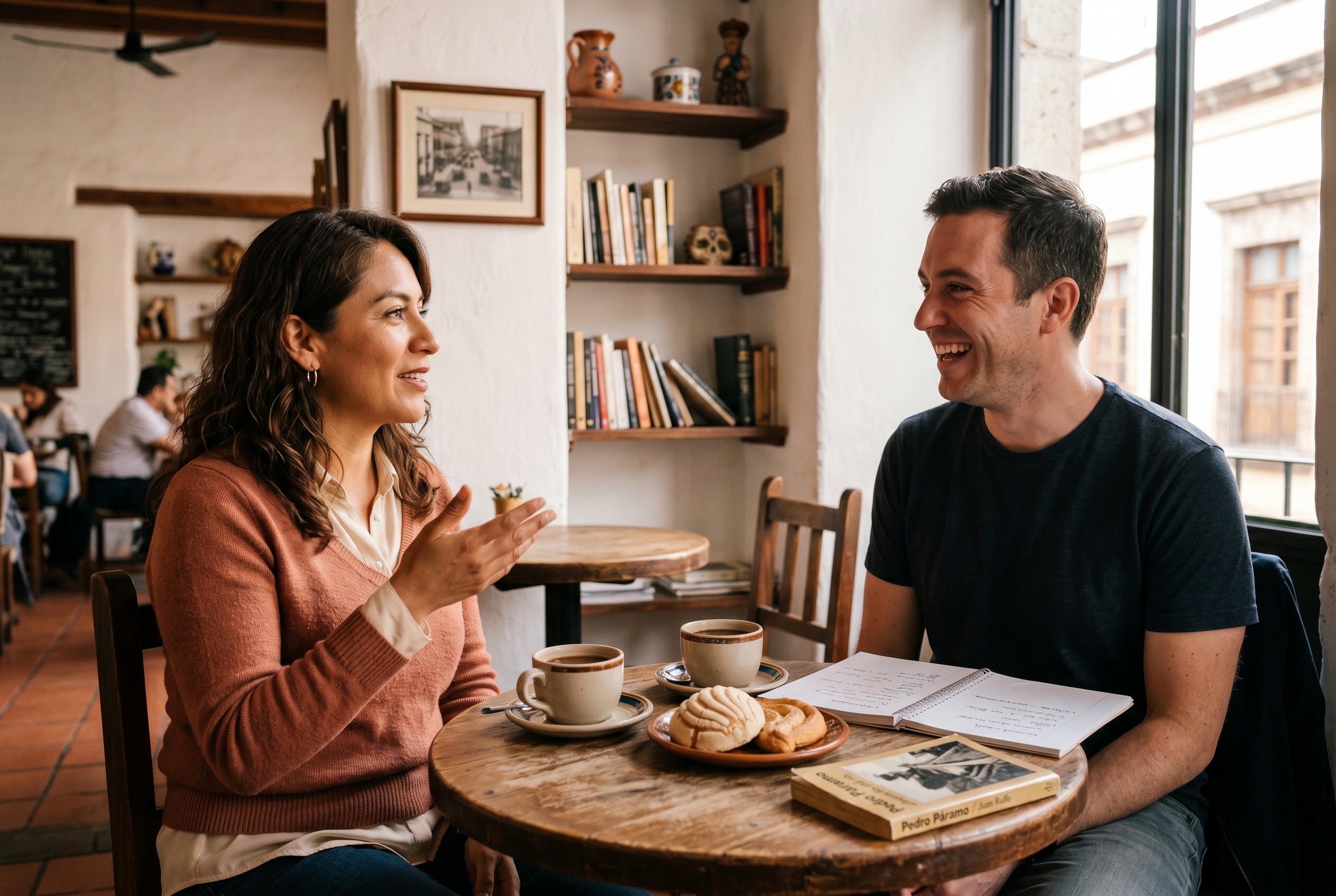
Your instructors
Conversational Spanish tutors for private lessons & classes
Strommen has been teaching conversational Spanish since 2006 — it's the deepest specialty on our roster by tutor count and student volume. We work with adult learners across every level from absolute beginners through C2 polish, plus a steady stream of heritage learners activating dormant Spanish. Every tutor below was met and vetted by us in person or via thorough video interview. No marketplace. No automated profile-creation. Real teachers with real backgrounds in adult Spanish acquisition.
Filter by location, age, or price. Then book a 30-minute free trial.
Below are the Strommen tutors who specialize in conversational Spanish. Photos, ratings, and rates are real. Click any card to read their bio and book a free 30-minute trial.
I want to learn…
Every tutor, personally met. — founder-vetted since 2006, in Los Angeles and online worldwide.
Get a personalized plan
Pick your language — a language advisor will match you with the right tutor and map out your path.

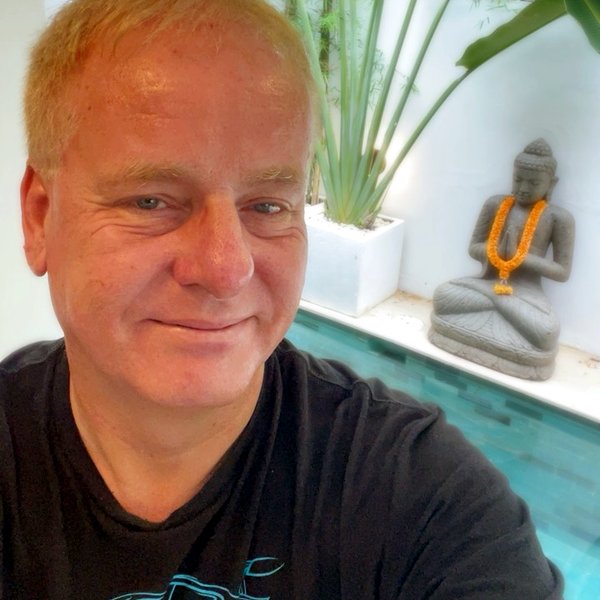

B.A. (MIT)
Native trilingual
Personally vetted · Strommen’s note
Trilingual since age seven and raised between Mexico City and Düsseldorf, Klaus coaches Spanish and German dialects the way he learned them: by talking.
Specialties
B.A. (MIT)
Native trilingual
Specialties
Personally vetted · Strommen’s note
Trilingual since age seven and raised between Mexico City and Düsseldorf, Klaus coaches Spanish and German dialects the way he learned them: by talking.
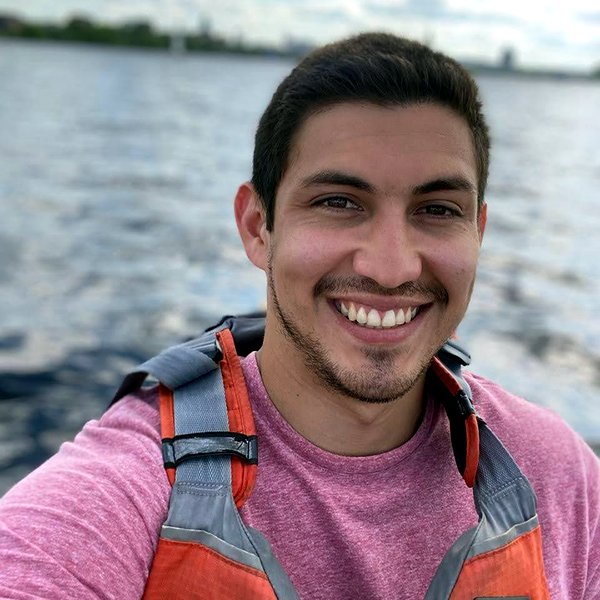
Master’s in Teaching Spanish as a Foreign Language, Master of Science in Marketing, Business Management Engineering
Certified Spanish Tutor | Personalized Online Lessons
Personally vetted · Strommen’s note
Grammar arrives through real use, not worksheets first, in Emilio's task-based approach to Ecuadorian Spanish out of Guayaquil.
Specialties
Master’s in Teaching Spanish as a Foreign Language, Master of Science in Marketing, Business Management Engineering
Certified Spanish Tutor | Personalized Online Lessons
Specialties
Personally vetted · Strommen’s note
Grammar arrives through real use, not worksheets first, in Emilio's task-based approach to Ecuadorian Spanish out of Guayaquil.
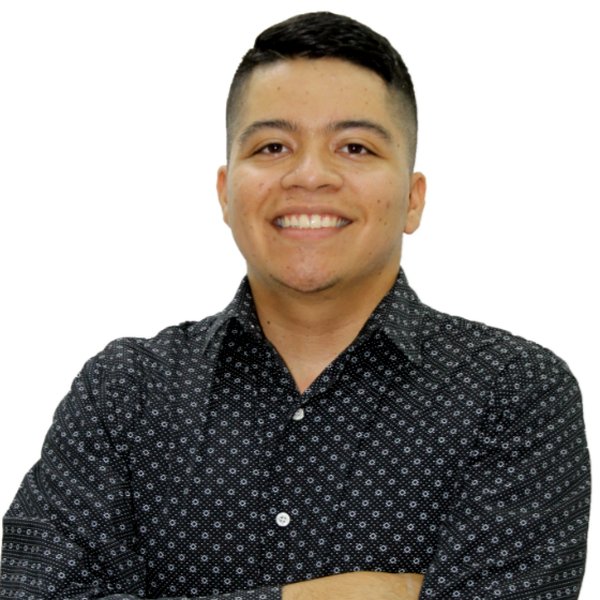


I have a degree in Modern Languages in English and French with a minor in business.
Master Languages with Daniel: C2 English, DELF B2 French, and Native Spanish Tutor!
Personally vetted · Strommen’s note
Daniel is C2-certified in English, holds a DELF B2 in French, and is a native Spanish speaker. He teaches all three with real fluency benchmarks behind each one.
Specialties
Also speaks: Business & Management, Dialect Coaching, International Business, Public, Tests, Translation
I have a degree in Modern Languages in English and French with a minor in business.
Master Languages with Daniel: C2 English, DELF B2 French, and Native Spanish Tutor!
Specialties
I also speak: Business & Management, Dialect Coaching, International Business, Public, Tests, Translation
Personally vetted · Strommen’s note
Daniel is C2-certified in English, holds a DELF B2 in French, and is a native Spanish speaker. He teaches all three with real fluency benchmarks behind each one.
Bachelors degree in business Masters in logistics
Certified French & Spanish Language Coach | Business, Exams, & Conversational Mastery
Personally vetted · Strommen’s note
A Berlitz-trained language consultant, marielyne teaches English, French, and Spanish, built for business communication and exam prep specifically.
Specialties
Bachelors degree in business Masters in logistics
Certified French & Spanish Language Coach | Business, Exams, & Conversational Mastery
Specialties
Personally vetted · Strommen’s note
A Berlitz-trained language consultant, marielyne teaches English, French, and Spanish, built for business communication and exam prep specifically.

Habla cotidiana — everyday speech
5 principles that actually move the needle in conversational Spanish
These aren't grammar rules — they're the working principles every effective conversational Spanish lesson is built around. Screenshot if you've plateaued and want a reset.
-
01
Speak before you're ready
The single most important habit for adult Spanish learners. Most adults wait until they feel confident enough to speak, which means they never speak. Production is what builds fluency, and production has to happen at every level — even badly. Every Strommen conversational Spanish tutor pushes you to talk from session one, with corrections happening naturally rather than blocking the flow.
e.g. Just say it: "Yo quiero comer" — better than waiting for perfect.
-
02
Listen daily, no exceptions
Comprehensible input (Spanish audio at your level or just above, listened to consistently) is the non-negotiable practice between lessons. Podcasts, films, music, news. 20-30 minutes daily builds your ear, vocabulary, and rhythm faster than any other single practice. Recommendations: Radio Ambulante, News in Slow Spanish, El País Audio.
e.g. On the drive home: 20 minutes of Radio Ambulante.
-
03
Think in Spanish, even badly
Adult learners overuse translation as a crutch. Building the habit of thinking directly in Spanish, even haltingly, even with limited vocabulary, develops different neural pathways than translating from English in real time. Start small: narrate your morning in Spanish in your head, describe what you see out the window. The habit compounds.
e.g. Walking into a café, think: "Voy a pedir un café con leche."
-
04
Front-load the top 1,000 words
The 1,000 most-frequent Spanish words cover roughly 80% of everyday conversation. The next 1,000 add only another 10%. Front-loading the high-frequency vocabulary delivers disproportionate returns on study time. Combine flashcard work (Anki, Quizlet) on the top-1,000 list with conversational exposure, and your speaking unlocks much faster than vocabulary-by-theme study.
e.g. Anki deck: 20 cards/day from the top-1,000 list.
-
05
Consistency over intensity
Adult language acquisition rewards consistency far more than intensity. 30 minutes daily across six months builds dramatically more Spanish than three-hour cram sessions sporadically. The same principle applies to lesson cadence: weekly is the sweet spot, less than weekly loses momentum, more than weekly compounds well for serious learners.
e.g. Daily 20 minutes > weekly 2 hours.
About Conversational Spanish
Speak Spanish, really speak it
Conversational Spanish is the most-requested specialty on the Strommen roster, and the most misunderstood. Most adult learners arrive saying they want to "speak Spanish". What they actually mean varies enormously. For some, it's basic survival travel Spanish for an upcoming trip. For others, it's plateau-breaking work to push from intermediate-comfortable to genuinely fluent. For heritage learners (Spanish at home but English-dominant in life), it's activation work, turning passive comprehension into active production. For executives with Spanish-speaking colleagues, it's professional conversational ease. The first lesson in this specialty is mostly diagnostic: what does "conversational" actually mean for you, and what's the shortest path there?
Beginners (CEFR A1-A2) need different lessons than intermediates or advanced speakers. Beginner conversational Spanish builds the working core: the present tense across all six conjugations (regular and irregular), the basic past (preterite for actions, imperfect for backgrounds), gender and number agreement, the most useful 1,000 words, and the courage to speak before the grammar feels solid. The goal in the first 3-6 months is not perfect grammar but functional conversation: ordering food, getting directions, holding small talk with a Spanish-speaking colleague, navigating an immigration line. Speaking time should dominate over explanation time; the right tutor pushes you to talk from session one, even badly, because production is what builds fluency. Grammar gets explained as it comes up in conversation, not pre-taught in isolation. For broader Spanish foundations our 1,000 most common Spanish words list is essential supplementary work.
Intermediate conversational Spanish (B1-B2) is where most learners plateau, and where the right tutor makes the biggest difference. The intermediate plateau looks like this: you can hold conversations, but with significant hesitation. You understand most of what you read but miss nuance. You know the past tenses but mix preterite and imperfect inconsistently. The subjunctive mood feels foreign even though you've studied it. Your vocabulary covers everyday life but runs out the moment topics get specific. Breaking through the plateau requires three things: massive volume of speaking practice, targeted work on the subjunctive in context (not from a chart), and vocabulary expansion driven by your actual interests. Lessons at this level often look like extended conversation with subtle correction, plus targeted drilling on the 2-3 weak spots the tutor identifies. Most plateau-stuck learners can reach genuine B2 fluency in 4-6 months of weekly committed work, but not in 4-6 months of casual study.
Advanced conversational Spanish (C1-C2) is fine-tuning. The big grammar is in place; the vocabulary is broad; the comprehension is strong. What advanced learners typically want is accent refinement, idiomatic naturalness, regional adaptation, register precision, and the cultural fluency that distinguishes "fluent in Spanish" from "comfortable in Spanish across multiple Spanish-speaking cultures." Lessons at this level are conversation-heavy with specific corrections and recommendations, often paired with substantial reading and media work between sessions. Many advanced learners have a specific goal, like maintaining ease before a six-month posting in Mexico City, preparing to lecture in Spanish at a Madrid conference, polishing the Spanish needed for citizenship interview prep. The lessons calibrate to that goal.
Heritage learners are their own category. The pattern is well-defined: parents or grandparents spoke Spanish at home; the child grew up understanding but answering in English; as an adult they realize their Spanish is more passive than active and want to activate it. Heritage learners typically have excellent listening comprehension, native or near-native accent when they do speak, and significant vocabulary in family-related domains (food, holidays, family in-jokes) but gaps in grammar, formal register, and adult-life vocabulary (work, finance, healthcare, politics). The work for heritage learners is fundamentally activation, making Spanish the language of response rather than just comprehension. Lessons feel different from beginner/intermediate work; the tutor pushes you toward speaking even though you'd prefer English, fills in formal-register grammar gaps you skipped, and builds adult vocabulary for the domains your family didn't use Spanish for. Many heritage learners surprise themselves with how quickly they reach genuine fluency once the activation work is done. The foundation was there all along.
A few honest observations on what adult conversational learners miss. Comprehensible input matters as much as speaking practice. Listening to native Spanish daily — podcasts, films, news, music with lyrics — at your level or just above is non-negotiable for fluency. Consistency beats intensity by a wide margin too. 30 minutes daily across six months builds far more Spanish than three-hour cram sessions sporadically. Dialect choice matters more than learners expect. Mexican Spanish is the most-exposed variety for US learners and works as a solid neutral default, but you'll meet Castilian, Argentinian, Caribbean, and Andean Spanish in any real-world Spanish-speaking environment, and learning to parse multiple dialects takes deliberate work. Vocabulary acquisition follows the 80/20 rule heavily: knowing the 1,000 most-frequent Spanish words covers 80% of everyday conversation, while the next 1,000 add only another 10%. Front-load the high-frequency vocabulary. And the trap that catches almost every adult learner: overusing translation as a crutch. Pushing yourself to think in Spanish, even haltingly, builds different neural pathways than translating from English in real time. Lessons should weight the in-Spanish-thinking exercises heavily.
Between lessons, the Spanish-language media landscape has never been richer. For Mexican Spanish: any Mexican film or telenovela; podcasts like Radio Ambulante (slower-paced, journalistic, NPR-affiliated), Las Raras, El hilo. For Spain Castilian: El Ministerio del Tiempo, La casa de papel, El Hormiguero. For Argentina: El secreto de sus ojos, contemporary porteño-set series like El Marginal. For broad Latin American Spanish, the Mexican prestige TV scene (Roma, the Cuarón canon, Una mujer fantástica) and the Spanish-language Netflix originals work well. For news, BBC Mundo and El País run the most accessible journalistic Spanish. For music with lyrics that build vocabulary: Jorge Drexler (Uruguay), Natalia Lafourcade (Mexico), C. Tangana (Spain), Rosalía. The pattern is the same as for any conversational language work: pick content you'd consume anyway and substitute the Spanish version.
The Strommen Conversational Spanish roster includes native Spanish teachers from Mexico, Spain, Argentina, Colombia, Peru, Cuba, Venezuela, and elsewhere, plus longtime Spanish-American bilinguals based in the US. Each tutor's bio specifies where they're from (the regional accent they bring), their teaching philosophy, and which student profile they fit best (beginners, plateau-breakers, advanced refinement, heritage activation, professional ease). Pricing reflects experience. You can match yourself to a Mexico-City Spanish teacher for the neutral default most US learners need, a Madrid-Castilian teacher for Spain-focused goals, a Buenos Aires Spanish teacher for Argentinian Spanish, or a heritage-specialist teacher who knows the activation work specifically. For other Spanish specialties, our Mexican Spanish, Business Spanish, and Castellano (Spain) specialty pages cover related programs.
Lessons calibrate to your actual goal. Survival travel Spanish for an upcoming trip is a different curriculum from plateau-breaking work to reach genuine B2 fluency, which is different again from heritage activation, which is different from professional conversational maintenance for an executive whose colleagues speak Spanish. We don't run a generic conversational Spanish course. Each lesson is one-on-one, your tutor plans it around your week and your goal, and the trial is free. The most common adjustments across all levels are massive speaking volume, targeted grammar work in context (not from a chart), vocabulary expansion driven by your interests, and the comprehensible-input habit between lessons. For a head-start before lessons begin, our Spanish course page shows the family of related programs. Or just browse the full tutor list and book a trial. Speak before you're ready. Listen daily. Stay consistent. That's how this actually works.
What you'll cover
Lessons & classes tailored to Conversational Spanish
Beginner foundations (A1-A2)
The working core of Spanish — present tense, basic past tenses, gender and number agreement, the most useful 1,000 words, and the courage to speak from session one. Lessons weight speaking time heavily over explanation time; grammar comes up as it appears in conversation rather than pre-taught from charts. Target: functional conversation within 3-6 months of weekly committed lessons plus daily exposure.
Plateau-breaking (B1-B2)
The intermediate plateau is the most common reason adult learners come back to lessons. Coaching targets the specific blocks: the subjunctive mood in context, preterite vs imperfect calibration, vocabulary expansion into your interest areas, and massive volume of speaking practice with subtle correction. Target: genuine B2 fluency in 4-6 months of weekly committed work for plateau-stuck learners.
Heritage learner activation
For adults who grew up understanding Spanish but answering in English — the classic passive bilingual. Lessons focus on activation: making Spanish the language of response rather than just comprehension. Formal-register grammar gaps your family skipped, adult-life vocabulary (work, finance, healthcare, politics) your family didn't use Spanish for, and confidence-building practice. Many heritage learners reach genuine fluency surprisingly quickly once the activation is underway.
Advanced refinement (C1-C2), professional maintenance
Accent refinement, idiomatic naturalness, regional adaptation, register precision, cultural fluency. For executives with Spanish-speaking colleagues: weekly conversational maintenance to keep professional ease. For pre-move prep: targeted curriculum for a specific destination (Mexico City, Madrid, Buenos Aires). For DELE or CILE certification preparation: exam-specific strategy plus maintenance of the underlying fluency.
FAQ
About Conversational Spanish lessons & classes
How fast can I get to conversational Spanish?
Honest answer: depends on your starting point and your weekly commitment. From zero, expect 6-12 months of weekly 60-minute lessons plus 30 minutes daily exposure (podcasts, media, app practice) to reach functional conversational Spanish (A2-B1): comfortable holding small talk, ordering food, getting around in a Spanish-speaking environment. Genuine fluency (B2-C1) typically takes 18-24 months at the same pace. Intensive timelines (2-3 lessons per week plus 60+ minutes daily) compress these. Anyone promising 3-month fluency from zero is selling you something; Spanish is approachable but not magic.
I've been stuck at intermediate for years. Can you actually help?
Yes. The intermediate plateau is the most common reason learners come to us, and the work to break through is well-understood. Three things matter: speaking volume (most plateau-stuck learners aren't talking enough), targeted subjunctive work in context (most intermediate learners have it explained but not internalized), and vocabulary expansion driven by your interests rather than textbook chapters. Plateau-stuck learners often surprise themselves with how quickly they progress once these three are in place. Typical timeline: 4-6 months of weekly committed work.
I'm a heritage learner. Will the same tutor work for me as for beginners?
Probably not. Heritage activation work is different from beginner work. You don't need vocabulary or pronunciation from scratch, you need to activate dormant skills and fill specific gaps (formal grammar, adult-life vocabulary). Several of our tutors specialize in heritage learners specifically. Tell us in the trial that you grew up understanding Spanish, and we'll match you to a heritage-aware tutor. The pace and curriculum will feel different from generic Spanish lessons.
Which Spanish dialect should I learn?
For most US learners with no strong directional preference, Mexican Spanish is the practical neutral default. It's the most-exposed variety in the US, the largest source of Spanish-language media in North America, and a solid foundation for any Spanish-speaking context. If your goal is Spain, Castilian; if Argentina, porteño; if you're going to Colombia, the Bogotá rolo accent or Medellín paisa depending on city. We have tutors from across the Spanish-speaking world; tell us your goal and we'll match the right regional accent.
How long should each lesson be?
60 minutes is the sweet spot for adult conversational Spanish. 30-minute sessions don't allow enough sustained speaking practice; 90-minute sessions are useful for committed learners but exhaust most adults. For beginners, 45 minutes can work. Cadence matters more than length: weekly 60-minute lessons beat every-other-week 90-minute lessons by a significant margin.
Are lessons via video, in-person, or both?
Both, depending on the tutor and where you are. Video lessons work well for adult conversational Spanish. The audio quality is fine, screen sharing for vocabulary review is useful, and you can do lessons from wherever. In-person works for LA-based students who prefer face-to-face. Most students choose video for the flexibility; some choose in-person for the energy. Either format produces equivalent results.
What does the trial cover?
30 minutes, free, with the tutor you select. Bring your actual goal: survival travel Spanish for an upcoming trip, plateau-breaking after years of intermediate frustration, heritage activation, professional maintenance, whatever it is. The tutor will assess your current level by holding a brief conversation, identify the highest-impact areas to work on first, propose a study plan, and you decide whether to continue. Most students settle into a weekly rhythm with their trial tutor; if not, swap is easy.
Ready for Conversational Spanish lessons or classes?
Book a free 30-minute trial with one of our personally vetted tutors. Private lessons or small-group classes — your choice.