



Personally vetted instructors
English for Travel tutors, lessons & classes
Excuse me The travel English phrase that opens almost every useful interaction with a stranger, anywhere in the English-speaking world.
Personally vetted English tutors who specialize in travel prep. Pre-trip lessons calibrated to your destination, your itinerary, and the moments where survival English actually decides whether the day works in the US, the UK, Canada, Australia, or any other English-speaking country.
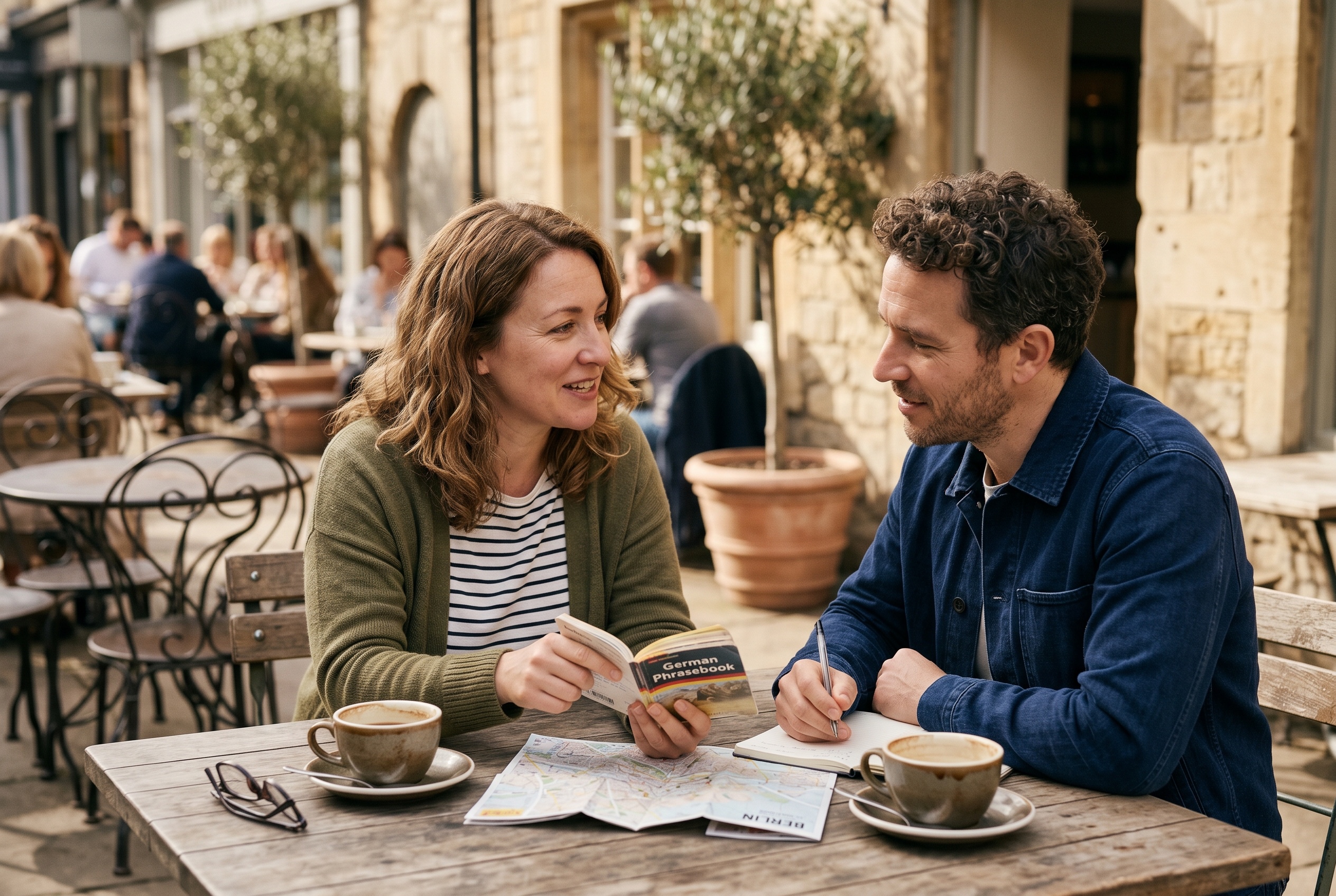
Your instructors
English for Travel tutors for private lessons & classes
Strommen has been teaching English for travel since 2006. Every tutor below was met and vetted by us in person or by thorough video interview. Real teachers, real backgrounds, no profile factory. Tell us your destination and your dates and we'll match you to the right regional accent for the trip.
Filter by location, age, or price. Then book a 30-minute free trial.
Below are the Strommen tutors who specialize in English for travel. Photos, ratings, and rates are real. Click any card to read their bio and book a free 30-minute trial.
I want to learn…
Every tutor, personally met. — founder-vetted since 2006, in Los Angeles and online worldwide.
Get a personalized plan
Pick your language — a language advisor will match you with the right tutor and map out your path.

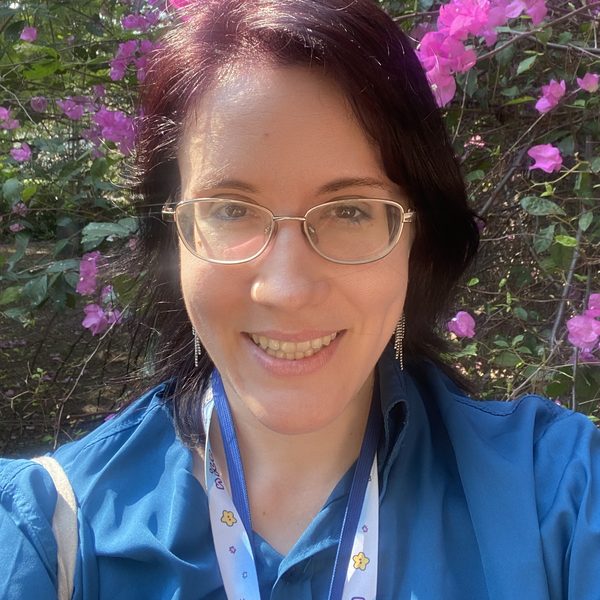


Bachelor of Arts (Teacher certificate from Zurich teachers College) · TESOL, teachers License as a primary educator
Trilingual German, ESL and French teacher with years of experience.
Personally vetted · Strommen’s note
Thirza teaches trilingual German, French, and ESL out of Zurich, with IELTS, TestDaF, and Goethe prep all part of the toolkit.
Specialties
Bachelor of Arts (Teacher certificate from Zurich teachers College) · TESOL, teachers License as a primary educator
Trilingual German, ESL and French teacher with years of experience.
Specialties
Personally vetted · Strommen’s note
Thirza teaches trilingual German, French, and ESL out of Zurich, with IELTS, TestDaF, and Goethe prep all part of the toolkit.
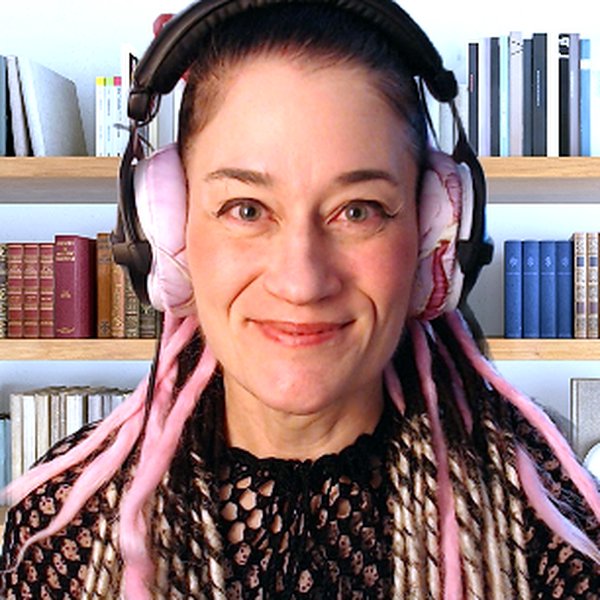

PhD (in progress), Educational Technology – Walden University, Winter 2026PhD, Public Policy & Administration – Walden University, Nov 2019M.S., Education (eLearning & Online Teaching) – University of Wisconsin-Stout, Aug 2019M.A., Political Science &... · • Adult Basic Education (ABE) Certification – Hamline University, 2023• Communication Sciences Disorders – UW-Eau Claire, 2020• Phonetic English as a Second Language (PESL) Certification – Institute of Language and Phonology, 2017• TESOL & Young Learne...
Clear American English, Taught with Insight, Bridging Languages. Building Confidence!
Personally vetted · Strommen’s note
PhD-trained, Marshelle teaches English through psycholinguistics and Multiple Intelligences theory. Aviation English and speech therapy are both on the list.
Specialties
Also speaks: German, Russian
PhD (in progress), Educational Technology – Walden University, Winter 2026PhD, Public Policy & Administration – Walden University, Nov 2019M.S., Education (eLearning & Online Teaching) – University of Wisconsin-Stout, Aug 2019M.A., Political Science &... · • Adult Basic Education (ABE) Certification – Hamline University, 2023• Communication Sciences Disorders – UW-Eau Claire, 2020• Phonetic English as a Second Language (PESL) Certification – Institute of Language and Phonology, 2017• TESOL & Young Learne...
Clear American English, Taught with Insight, Bridging Languages. Building Confidence!
Specialties
I also speak: German, Russian
Personally vetted · Strommen’s note
PhD-trained, Marshelle teaches English through psycholinguistics and Multiple Intelligences theory. Aviation English and speech therapy are both on the list.

Bachelor of Fine Arts, Master of Fine Arts and Research
French and English teacher with University level teaching Experience - Top Rated Instructor
Personally vetted · Strommen’s note
Erin teaches French and English with university-level credentials, and her specialties stretch from accent work to art history to college prep.
Specialties
Bachelor of Fine Arts, Master of Fine Arts and Research
French and English teacher with University level teaching Experience - Top Rated Instructor
Specialties
Personally vetted · Strommen’s note
Erin teaches French and English with university-level credentials, and her specialties stretch from accent work to art history to college prep.


Bachelor's · TEFL 120h (Graded A)
Damon, the ESL teacher
Personally vetted · Strommen’s note
Damon treats every student like someone he's building a long relationship with. He teaches Chinese, English, and Russian out of Bangkok.
Specialties
Bachelor's · TEFL 120h (Graded A)
Damon, the ESL teacher
Specialties
Personally vetted · Strommen’s note
Damon treats every student like someone he's building a long relationship with. He teaches Chinese, English, and Russian out of Bangkok.



Bachelors in Communication and minor in Theatre studies
Friendly Spanish and ESL Teacher Originally from Spain with experience in dialect coaching and public speaking.
Personally vetted · Strommen’s note
Danny treats every English lesson like a scene to build, dialect coaching included, and he's been at it for thirteen years.
Specialties
Also speaks: Catalan
Bachelors in Communication and minor in Theatre studies
Friendly Spanish and ESL Teacher Originally from Spain with experience in dialect coaching and public speaking.
Specialties
I also speak: Catalan
Personally vetted · Strommen’s note
Danny treats every English lesson like a scene to build, dialect coaching included, and he's been at it for thirteen years.
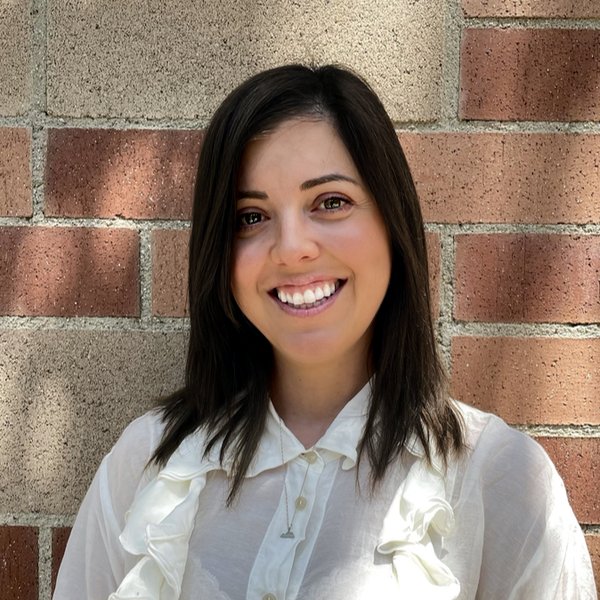
M.A. and Ph.D.
Former UCLA Italian Instructor with 16+ Years of Experience!
Personally vetted · Strommen’s note
A former UCLA Italian instructor with us since 2009, Marianna moves easily between Italian instruction and legal translation.
Specialties
M.A. and Ph.D.
Former UCLA Italian Instructor with 16+ Years of Experience!
Specialties
Personally vetted · Strommen’s note
A former UCLA Italian instructor with us since 2009, Marianna moves easily between Italian instruction and legal translation.

M.A. in TESOL B.A. in Journalism A.A. in Library Science · Community College Credential (lifetime)
Master's Degree in TESOL
Personally vetted · Strommen’s note
Ariel has taught English for thirty-eight years and holds a Master's in TESOL. He's taught in university intensive programs on both sides of the Pacific.
Specialties
M.A. in TESOL B.A. in Journalism A.A. in Library Science · Community College Credential (lifetime)
Master's Degree in TESOL
Specialties
Personally vetted · Strommen’s note
Ariel has taught English for thirty-eight years and holds a Master's in TESOL. He's taught in university intensive programs on both sides of the Pacific.
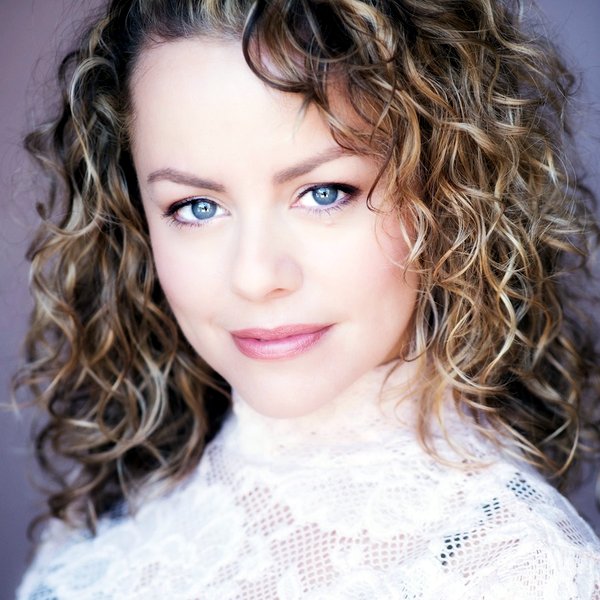
BA in Psychology and English from the University of Connecticut · BA in Psychology and English from the University of Connecticut
Colombian-born, 10+ years experience, offers personalized language instruction with creativity and flair
Personally vetted · Strommen’s note
Berlitz-certified and equally exacting with everyone she teaches, Andrea's client list has run from FBI agents to studio heads to kindergartners.
Specialties
BA in Psychology and English from the University of Connecticut · BA in Psychology and English from the University of Connecticut
Colombian-born, 10+ years experience, offers personalized language instruction with creativity and flair
Specialties
Personally vetted · Strommen’s note
Berlitz-certified and equally exacting with everyone she teaches, Andrea's client list has run from FBI agents to studio heads to kindergartners.

B.A. in Philosophy (Pomona College),MBA (Pepperdine University) · TEFL Certifications in English grammar, online instruction, teaching adults & children
Master American English with a Los Angeles Native: ESL Expert with Global Teaching Experience!
Personally vetted · Strommen’s note
Joanne is an adjunct professor at UWest who also teaches American English and ESL, and she's taught everyone from Japanese housewives to executives.
Specialties
B.A. in Philosophy (Pomona College),MBA (Pepperdine University) · TEFL Certifications in English grammar, online instruction, teaching adults & children
Master American English with a Los Angeles Native: ESL Expert with Global Teaching Experience!
Specialties
Personally vetted · Strommen’s note
Joanne is an adjunct professor at UWest who also teaches American English and ESL, and she's taught everyone from Japanese housewives to executives.

Masters of Fine Art, Bachelor in Foreign Language and Literature. · Over 2,000 hours of one‑on‑one teaching experience. Published literary translator, with work reviewed in Kirkus Reviews, Times Literary Supplement, Art Book D.A.P., and multiple international journals.
Master English, French & Italian with a Published Literary Translator
Personally vetted · Strommen’s note
A published literary translator, Colombina teaches English, French, and Italian, plus SAT prep, college essay coaching, and learning-disability support.
Specialties
Masters of Fine Art, Bachelor in Foreign Language and Literature. · Over 2,000 hours of one‑on‑one teaching experience. Published literary translator, with work reviewed in Kirkus Reviews, Times Literary Supplement, Art Book D.A.P., and multiple international journals.
Master English, French & Italian with a Published Literary Translator
Specialties
Personally vetted · Strommen’s note
A published literary translator, Colombina teaches English, French, and Italian, plus SAT prep, college essay coaching, and learning-disability support.
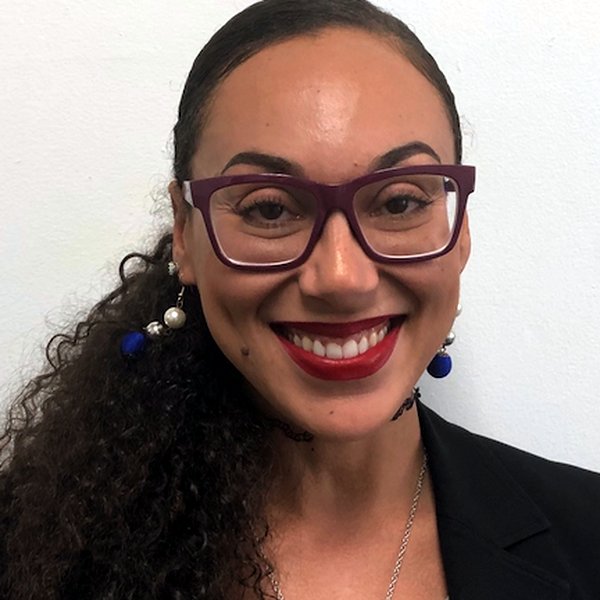

MBA and AS in Recording Arts · DALI, DELF, First Cert, SIZ Computer Science, Pro Tools, Dante
Multi-Culti Polyglot Linguist and Sound Engineer
Personally vetted · Strommen’s note
Vanessa speaks seven languages, has a sound-engineering background, and has spent two decades teaching. Her lessons range from accent coaching to art for kids.
Specialties
Also speaks: ASL American Sign Language, Chinese, Physics
MBA and AS in Recording Arts · DALI, DELF, First Cert, SIZ Computer Science, Pro Tools, Dante
Multi-Culti Polyglot Linguist and Sound Engineer
Specialties
I also speak: ASL American Sign Language, Chinese, Physics
Personally vetted · Strommen’s note
Vanessa speaks seven languages, has a sound-engineering background, and has spent two decades teaching. Her lessons range from accent coaching to art for kids.
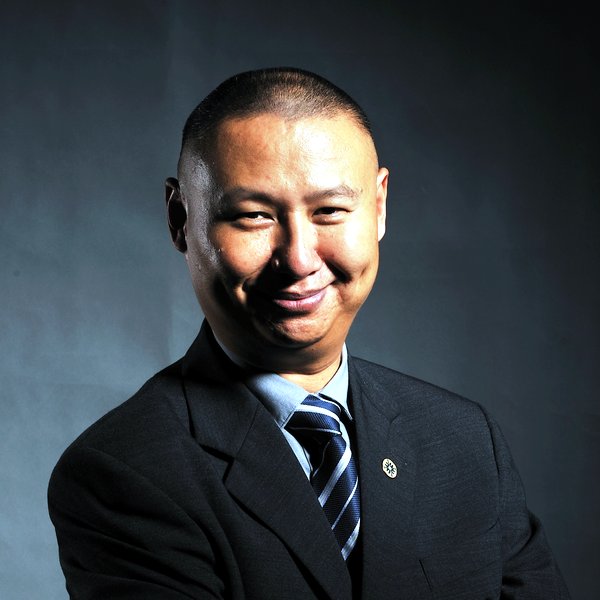
Master of Science · TEFL (120-hour Premier) Certificate
Learn the language, live the culture
Personally vetted · Strommen’s note
Bill's whole premise is that language and culture can't really be separated. His lessons are built around both together.
Specialties
Master of Science · TEFL (120-hour Premier) Certificate
Learn the language, live the culture
Specialties
Personally vetted · Strommen’s note
Bill's whole premise is that language and culture can't really be separated. His lessons are built around both together.

On the road — phrases that travel
5 phrases that carry you through any English-speaking trip
These are the everyday phrases that decide whether the day works. Memorize them as full units, not word by word. Screenshot for the flight.
-
01
Excuse me, could you help me?
The universal opener for asking a stranger anything, anywhere in the English-speaking world. Excuse me gets attention politely; could you softens the request into something a stranger will respond to warmly. Skipping the polite preamble (just walking up and asking where is the train) reads as rude in the UK, abrupt in Australia, and slightly off in the US, even though the literal information request is identical. The polite frame opens doors that the direct question closes.
e.g. Excuse me, could you help me? I'm looking for the nearest pharmacy.
-
02
I'll have the…, please
The standard American and British restaurant ordering pattern. I'll have followed by the dish name, ended with please. Works in fast-casual, sit-down, coffee shops, and bars. Variants: Can I get… (more American casual), I'd like… (slightly more formal), Could I have… (British polite). All of them beat the textbook construction I want, which sounds blunt and slightly childlike to native ears.
e.g. I'll have the cheeseburger and a Diet Coke, please.
-
03
How much is it? / Could I have the check?
The two money phrases every traveler uses every day. How much is it? for shops, markets, and street vendors. Could I have the check? in the US, or Could I have the bill? in the UK and Australia, when you want to leave the restaurant. In the US, the server will not bring the check until you ask. In the UK and Europe, the server may not bring it either, but the cultural expectation is that you can linger longer than in the US, where tables are turned faster.
e.g. How much is it for two coffees? ... Excuse me, could I have the check, please?
-
04
Where's the bathroom? / Where's the toilet?
The single most important phrase a traveler can carry, and the one that varies most by country. In the US, ask for the bathroom or the restroom (asking for the toilet sounds clinical to American ears). In the UK and Australia, ask for the toilet, the loo, or the ladies' / gents' (asking for the bathroom will get you sent to the room with the bath). In Canada it splits both ways. Washroom is the polite Canadian neutral and is also widely understood in the US.
e.g. Excuse me, where's the bathroom? (US) ... Excuse me, where's the loo? (UK casual)
-
05
Sorry, I don't understand. Could you say that again more slowly?
The phrase that keeps a real English conversation alive instead of collapsing it back to your first language. Memorize it as a single chunk and use it without embarrassment. Native speakers respond well to a polite admission of difficulty and almost always slow down for the rest of the conversation. Variants: I'm sorry, could you repeat that?, I didn't catch that, could you speak a bit more slowly please?
e.g. Sorry, I don't understand. Could you say that again more slowly?
About English for Travel
English for the actual trip
Travel English is its own discipline, and it bears almost no resemblance to the English most adults remember from school. Classroom English drills tenses, vocabulary lists, and reading comprehension. Travel English drills how to ask the bus driver whether this is the right line for the airport, how to read the receipt the waiter just handed you in San Francisco, and how to politely tell the customs officer at Heathrow that you are here on holiday for ten days. Different curriculum, different stakes. Most travelers who arrive at our trial have taken some English somewhere (school, an app on the phone for a few months, a corporate course years ago) and discover that what they remember is the wrong vocabulary for what they actually need on the trip.
Destination shapes the curriculum more than students expect. The five major English-speaking destinations differ in vocabulary, pronunciation, and social conventions in ways that catch travelers off guard. The United States runs on Standard American English with regional flavors (a heavy Texas drawl in Houston, the famous Boston accent in Massachusetts, the New York speed in Manhattan), tipping built into the price of everything (15-20% in restaurants is not optional, it is wage replacement under US labor law), and small-talk-with-strangers as a cultural baseline. The United Kingdom uses non-rhotic Received Pronunciation in formal settings and Estuary or regional accents (Cockney in East London, Scouse in Liverpool, Geordie in Newcastle, broad Scottish in Glasgow) everywhere else, and a famously different vocabulary (lift not elevator, queue not line, chips not fries, biscuit not cookie, loo not bathroom). Tipping in the UK is 10-12% in sit-down restaurants only, not on coffee, not on cabs unless you round up. Canada combines American vocabulary with British spelling and a softer accent, and tipping conventions match the US. Australia uses British spelling, distinctive vocabulary (arvo for afternoon, brekkie for breakfast, servo for petrol station), a famously casual register (the bartender will call you mate regardless of who you are), and a tipping culture that sits between US-strict and UK-light. New Zealand is similar to Australia with subtle accent differences and the largest indigenous-language influence (Maori words like kia ora for hello have entered everyday Kiwi English). Your tutor calibrates the lesson to your specific trip, not to a generic English that does not quite exist.
The right pre-trip English curriculum starts with the situations you will actually be in. Restaurant ordering, including how to ask what is in a dish before you commit (and the very different waitstaff scripts in US versus UK restaurants). Asking for and following directions in cities organized on grids (most US cities) versus cities organized around medieval street patterns (London, Edinburgh, Boston's North End). Money: prices, change, asking for a receipt, splitting a check, plus the famous tipping calculator basics that catch every non-American visitor by surprise. Transportation: ride-share (Uber and Lyft in the US, Bolt in the UK), taxis (in London specifically, learning the difference between a black cab and a minicab matters), trains (the Tube in London, the subway in NYC, the streetcar in Toronto), buses, plus the specific vocabulary around airports, customs, and hotels. The polite verbal furniture of being a foreigner in someone else's country (excuse me, sorry, please, thank you, could you) which softens every request and which a polished traveler uses constantly. Medical and pharmacy vocabulary if you have conditions or take medications (US pharmacies are inside grocery stores, UK pharmacies are called chemists, and over-the-counter medication names differ wildly between countries). And the specific phrases for the inevitable problem moments: a missed connection, a wrong charge, a lost bag, a phone that stopped working.
Tipping is the single biggest cross-cultural friction point for travelers visiting the United States, and worth its own paragraph. In the US, restaurant servers are paid a sub-minimum wage (often $2.13/hour federally, higher in some states) on the legal assumption that tips will make up the difference. A 15% tip on a sit-down restaurant bill is the floor, 18-20% is standard, 22-25% for genuinely excellent service. Coffee shops have a tip jar but tipping is optional. Bartenders expect $1-2 per drink or 15-20% of the bar tab. Ride-share drivers get 15-20% in the app. Hotel housekeepers get $2-5 per night left on the pillow. Hotel concierges and bellhops get $1-2 per bag or per request. Tour guides expect $5-10 per person per half-day, more for a full day. The opposite extreme is Japan, where leaving a tip is genuinely rude. The UK sits in the middle: 10-12% at a sit-down restaurant if service is not already included on the bill, nothing on a coffee or a pint at the pub, optional rounding up of a cab fare. Mistaking US tipping conventions for European ones, or vice versa, produces the most common travelers' faux pas in either direction.
A few honest observations from years of pre-trip English coaching. Listening is the bottleneck, not speaking. Most adults can produce more English than they can understand at native speed, which feels counterintuitive until the first day of the trip. Native speakers answer at normal speed regardless of how slowly you have asked the question, and the first week of any trip is mostly about training your ear. Practice with podcasts, films, or YouTube content from your specific destination in the weeks before you leave, ideally with English subtitles (not subtitles in your first language) so your eyes and ears train together. Pronunciation matters more than grammar accuracy for travel. A grammatically imperfect sentence said with clear pronunciation will get you understood; a grammatically perfect sentence said with mangled vowels often will not. English vowels are notoriously difficult (14-15 vowel sounds depending on dialect, where Spanish has 5 and Japanese has 5), so practice the schwa, the two th sounds, and the stress patterns. Memorizing whole phrases beats memorizing isolated words: I'll have the burger, please as a complete unit is more useful than the six words separately, because real conversation runs in chunks. And one more thing: the highest-leverage move before any trip is one specific phrase rehearsed cold, used the moment you do not understand someone: I'm sorry, could you say that again more slowly? That single phrase gets you through more situations than any other piece of vocabulary.
Between lessons, build the ear with destination-specific input. Going to the US: any American sitcom, late-night talk shows, NPR podcasts (This American Life, Planet Money, The Daily), regional YouTube content from the city you will visit. Going to the UK: BBC Radio 4, British panel shows (QI, Would I Lie to You), The Crown, Stephen Merchant's stand-up. Going to Canada: CBC Radio, Schitt's Creek, Canadian YouTubers. Going to Australia: ABC podcasts, Australian comedy (Kath & Kim, the Bluey children's show carries the Brisbane accent surprisingly cleanly). For grammar refresh between sessions our 1,000 most common English words list is the highest-leverage vocabulary base, and our piece on English greetings and when good evening starts covers the social-register layer that classroom English skips.
A word on duration. Two weeks of pre-trip lessons is the minimum that produces a noticeable difference. Four to six weeks at one or two lessons a week is the sweet spot for most adult travelers. Longer trips (sabbaticals, extended family visits, retirement-relocation scouting) warrant 8-12 weeks of pre-departure work plus continuing lessons in-country. Last-minute prep is still worth doing; even one well-targeted lesson the week before a trip moves the needle on the situations you will face first (airport, taxi, hotel check-in, first restaurant). Do not let perfect-prep paralysis stop you from booking one session.
The Strommen English for Travel roster includes native speakers from across the English-speaking world: the US, the UK, Canada, Australia, New Zealand, Ireland, plus longtime ESL specialists who have taught traveler-English for years. Each tutor's bio specifies background and the destinations they know well. If you are heading to an English-speaking region we do not have direct coverage for, a tutor from a nearby variant will still calibrate to your destination. For broader English work beyond traveler-prep, our conversational English, Business English, and British English specialty pages cover related programs, and the English course page shows the full family.
What you'll cover
Lessons & classes tailored to English for Travel
Survival situations, drilled in context
Airports (check-in, customs, baggage claim, ride-share pickup), hotels (check-in, asking for things you need, problems with the room), restaurants and pubs, taxis and ride-share apps, public transit (the New York subway, the London Tube, Toronto streetcar, Sydney trains), pharmacies and walk-in medical clinics, ATMs and banks, the embassy if it comes to that. Lessons walk through each situation as a roleplay: the tutor plays the gate agent, the front-desk clerk, the waiter, the cab driver. We rehearse the predictable script and the unpredictable curveballs that mess it up (the flight is delayed, the room isn't ready, the credit card is declined, the cab driver only takes cash).
Tipping and money conventions across the English-speaking world
The US tipping calculator (15-20% restaurants, $1-2 per drink at bars, 15-20% ride-share, $2-5/night hotel housekeepers, $1-2 per bag for bellhops). The UK lighter convention (10-12% sit-down restaurants only, often included as a service charge, rounding up a cab fare). The Australian middle ground. The famous US convention that menu prices and ticket prices never include sales tax (the price on the menu is not the price on the receipt). Currency comfort with US dollars, British pounds, Canadian dollars, Australian dollars, and the smart-traveler habit of using Wise or Revolut to avoid airport currency-exchange fees.
Listening at native speed in the destination accent
Listening is the bottleneck for most travelers, and the gap between school-English listening and real-destination listening is wider than learners expect. Lessons include destination-specific audio: American sitcoms and NPR for the US, BBC Radio 4 and panel shows for the UK, CBC Radio for Canada, ABC podcasts for Australia. Reduction recognition (gonna, wanna, dunno, lemme in American; innit, cuppa, fancy a pint in British) so the spoken forms register in real time. Shadowing exercises with destination-native audio to train your own rhythm toward the variety you will actually hear on the trip.
Politeness, register, and the cultural backdrop
The polite verbal furniture that softens every request (excuse me, sorry, please, could you, would you mind) and the cultural differences in how that politeness lands. The British performative sorry that doesn't apologize for anything real, the American small-talk-with-strangers default, the Australian casual register that uses mate regardless of who you are. The cultural moments that catch travelers off guard: how restaurants in the US turn tables faster than in Europe, how the British queue is sacred, how Canadians genuinely do say sorry as a discourse marker. Calibrated to your specific destination.
FAQ
About English for Travel lessons & classes
How much English do I need for a two-week trip to the US or the UK?
Less than you think to survive, more than you think to enjoy yourself. A complete beginner with 80-100 hours of pre-trip work can handle the airport, hotel, restaurants, and basic shopping. An intermediate (CEFR B1) can navigate spontaneous conversations, ask follow-up questions, and read most menus and signs without translation. To genuinely enjoy small talk with locals, casual humor, and unscripted situations, you want B2 or higher. The trial lesson will give you an honest read on where you are and what is reachable in your timeline.
Which English variety should I learn for travel?
Whichever matches your destination, with the caveat that American English is the global default for international media and probably your biggest exposure source. If your trip is to the US, default to American. For the UK, learn British (Standard Southern British or RP for formal contexts, Estuary for everyday). For Canada, Australia, or New Zealand, either base works and the destination-specific vocabulary and accent can be layered in over a few sessions. Your tutor calibrates to the trip.
I don't tip in my country. Why is it so important in the US?
Because US labor law allows restaurants and certain service businesses to pay tipped employees a federal sub-minimum wage (often $2.13/hour) on the assumption that tips will make up the difference. A 15% tip is the legal floor in most reasonable services, 18-20% is standard for sit-down restaurants, 20-25% for genuinely good service. Coffee shops, fast food, and counter service have tip jars but tipping is more optional. Bartenders expect $1-2 per drink. Ride-share drivers expect 15-20% in the app. Hotel housekeepers get $2-5/night on the pillow. The UK, Australia, and most of Europe do not work this way, which is exactly why the convention catches non-American travelers off guard. Build tipping into your trip budget before you fly.
What's the difference between British English and American English that actually matters for travel?
Vocabulary differences trip up travelers more than pronunciation. Lift (UK) versus elevator (US), queue versus line, chips versus fries, crisps versus chips, biscuit versus cookie, jumper versus sweater, trainers versus sneakers, petrol versus gas, toilet/loo versus bathroom/restroom. The famous false friend is pants, which means trousers in American but underwear in British. Spelling differs in writing (UK colour, theatre, organise; US color, theater, organize). Tipping conventions differ sharply (US ~20%, UK ~10-12% or built into the bill). Pronunciation differs but is almost always intelligible across the Atlantic.
What do I do if I genuinely don't understand someone?
Memorize one phrase as a single chunk and use it without embarrassment: Sorry, I don't understand. Could you say that again more slowly? Native speakers respond well to a polite admission of difficulty and almost always slow down for the rest of the conversation. Avoid the trap of nodding when you don't understand, because the conversation then continues at full speed and you fall further behind. Asking for repetition is not embarrassing. Pretending to follow when you aren't actually following is the move that creates real problems.
Can I really make a noticeable difference with just 4-6 weeks of pre-trip lessons?
Yes, especially if you focus on the situations you will actually be in. Pre-trip English lessons are unusually efficient because the goal is concrete and the content is finite (airport, hotel, restaurants, taxi, plus your specific itinerary). One or two lessons a week for a month, paired with destination-specific listening (podcasts and YouTube from where you are going) is enough to shift you from anxious to functional for most adult learners. The trip itself then does the rest.
Are your tutors native English speakers from the destinations I'm going to?
Most are. The Strommen English-for-travel roster includes native speakers from the US, the UK, Canada, Australia, New Zealand, and Ireland, plus longtime ESL specialists who have taught traveler-English for years. If you are heading to a region we don't have direct coverage for, a tutor from a nearby variant will still calibrate to your destination accent and vocabulary.
Can lessons continue after I leave?
Yes. Many of our travel-English students take lessons during the trip itself, either to debrief specific situations that came up that day or to add vocabulary they discovered they needed in the field. Video lessons via Zoom or Jitsi work from any timezone where you have a decent internet connection, and tutors will schedule across timezones for the trip duration if it helps.
Ready for English for Travel lessons or classes?
Book a free 30-minute trial with one of our personally vetted tutors. Private lessons or small-group classes — your choice.