



Personally vetted instructors
Levantine Arabic tutors, lessons & classes
كيفك Levantine for "how are you?" — kīfak to a man, kīfik to a woman.
Personally vetted Levantine Arabic tutors. Lessons in the spoken Arabic of Syria, Lebanon, Palestine, and Jordan — the regional koine known as Shami.
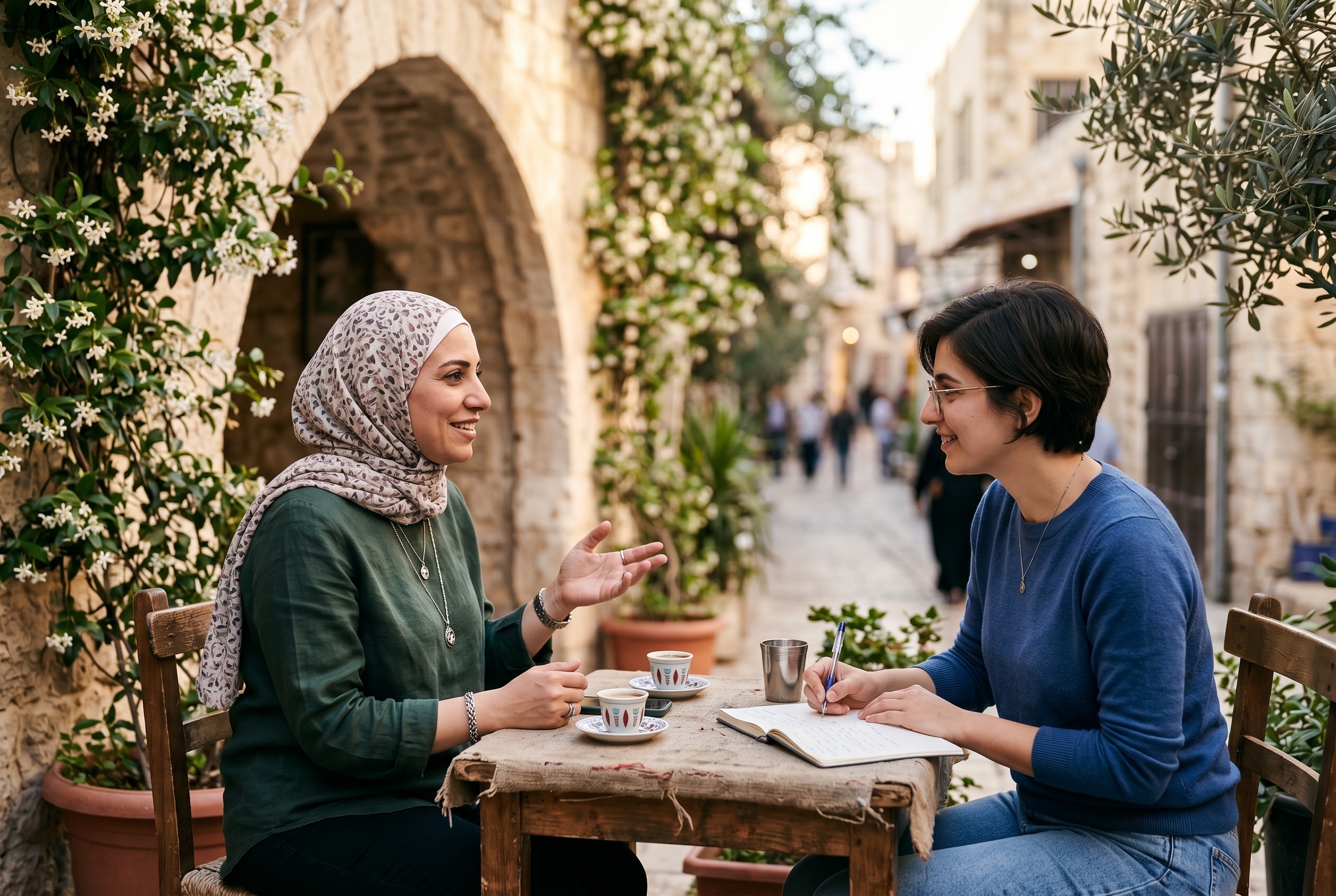
Your instructors
Levantine Arabic tutors for private lessons & classes
Every tutor below was met and vetted by Strommen directly. No marketplace, no automated profiles. Real teachers, native and near-native Levantine speakers, with backgrounds you can read in their bios. Some grew up in the Levant; some teach the dialect to heritage learners and adult beginners alike.
Filter by location, age, or price. Then book a 30-minute free trial.
Below are the Strommen tutors who specialize in Levantine Arabic. Photos, ratings, and rates are real. Click any card to read their bio and book a free 30-minute trial.
I want to learn…
Every tutor, personally met. — founder-vetted since 2006, in Los Angeles and online worldwide.
Get a personalized plan
Pick your language — a language advisor will match you with the right tutor and map out your path.

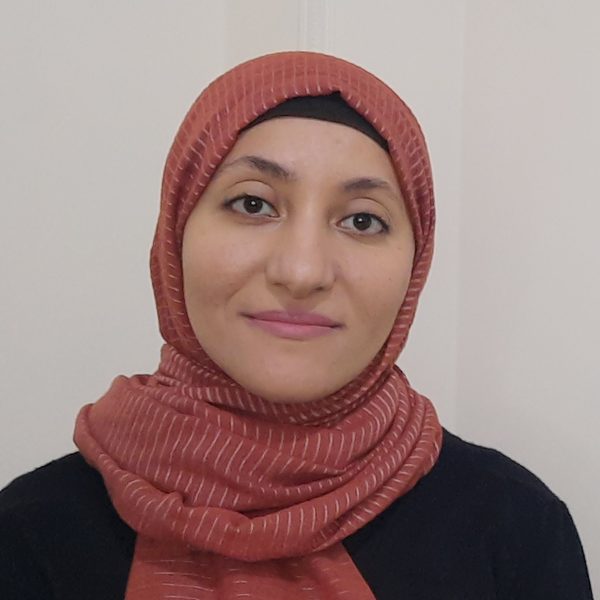
A master degree in Education in Teaching Arabic language to non Arabic speakers
Arabic language teacher (Modern standard, and Egyptian Arabic)
Personally vetted · Strommen’s note
Somaia teaches both Modern Standard and Egyptian Arabic, useful if you need the textbook version and the way people actually talk.
Specialties
A master degree in Education in Teaching Arabic language to non Arabic speakers
Arabic language teacher (Modern standard, and Egyptian Arabic)
Specialties
Personally vetted · Strommen’s note
Somaia teaches both Modern Standard and Egyptian Arabic, useful if you need the textbook version and the way people actually talk.
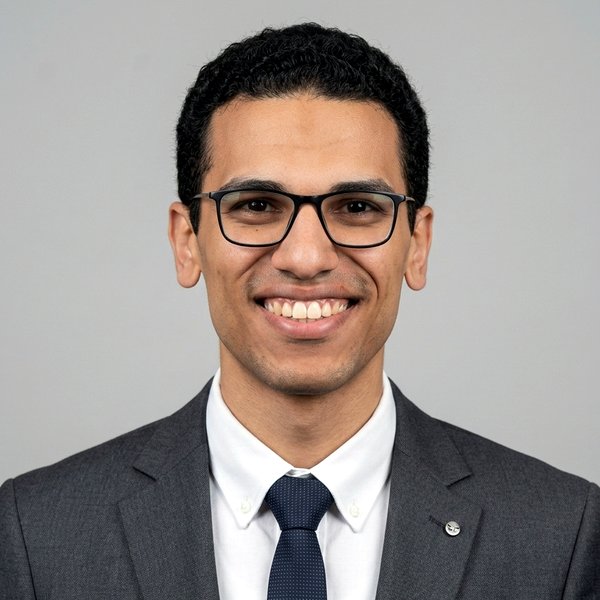


Bachelor of Education (B.Ed.) and pursuing a degree in Aerospace Engineering. · I have a TEFL certification | Certifications in Adobe Graphic Design (Level 1 & 2) for interactive presentations and educational materials.
English, German, and Arabic classes
Personally vetted · Strommen’s note
Arabic, English, and German sit alongside AP Calculus and AP Physics on Omar's schedule, a genuinely rare tutor who crosses from language straight into STEM.
Specialties
Also speaks: French, Italian, Spanish
Bachelor of Education (B.Ed.) and pursuing a degree in Aerospace Engineering. · I have a TEFL certification | Certifications in Adobe Graphic Design (Level 1 & 2) for interactive presentations and educational materials.
English, German, and Arabic classes
Specialties
I also speak: French, Italian, Spanish
Personally vetted · Strommen’s note
Arabic, English, and German sit alongside AP Calculus and AP Physics on Omar's schedule, a genuinely rare tutor who crosses from language straight into STEM.
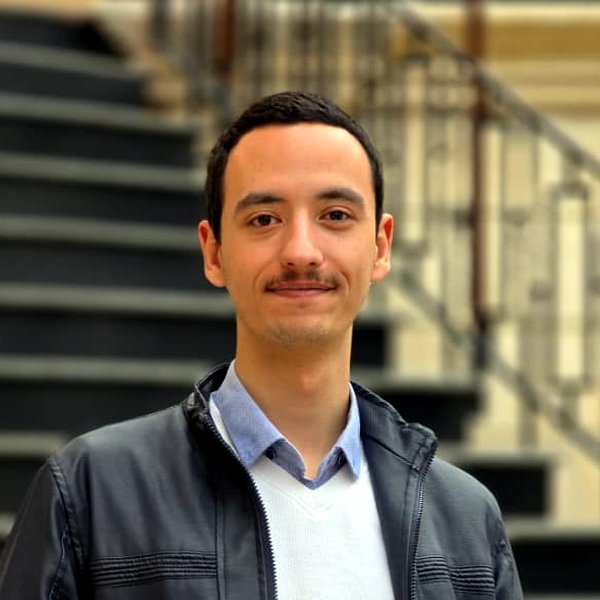
BA in English Literature · TOT , ITM Interactive teaching methodology. BA in English Literature
Step by step to English mastery.
Personally vetted · Strommen’s note
Emad's Arabic dialect range is genuinely enormous: Syrian, Gulf, Levantine, Emirati, Saudi, Moroccan. English is taught step by step alongside it.
Specialties
Also speaks: Copywriting, Spanish, Translation
BA in English Literature · TOT , ITM Interactive teaching methodology. BA in English Literature
Step by step to English mastery.
Specialties
I also speak: Copywriting, Spanish, Translation
Personally vetted · Strommen’s note
Emad's Arabic dialect range is genuinely enormous: Syrian, Gulf, Levantine, Emirati, Saudi, Moroccan. English is taught step by step alongside it.

I have a Bachelor degree in French and English Linguistics · TEFL Certeficate
Exellent French teacher
Specialties
saida a
Personally vettedI have a Bachelor degree in French and English Linguistics · TEFL Certeficate
Exellent French teacher
Specialties
الشامي — Levantine culture & slang
5 everyday Shami expressions worth learning first
These are everyday Shami expressions a tutor will have you using early. Screenshot them, then book a lesson to learn the rest.
-
01
شو الأخبار (shū l-akhbār)
Literally "what's the news." In practice it means "what's up" or "how's everything," and it's a Levantine signature opener between people who know each other.
e.g. شو الأخبار، شو عاملة؟ (shū l-akhbār, shū ʿāmle?) means "what's up, what are you up to?"
-
02
منيح (mnīḥ, m. / mnīḥa, f.)
"Good" or "well." The standard Levantine answer to kīfak, where an Egyptian speaker would reach for a different word entirely.
e.g. Asked كيفك؟ (kīfak?), a Levantine speaker answers منيح، الحمد لله (mnīḥ, al-ḥamdu lillāh): "good, thanks to God."
-
03
ولو (walaw)
Literally "and if," but used as a warm polite protest: "don't mention it," "of course I'd help," "please, don't be silly." It's pan-Levantine social grease, the verbal shrug that smooths a thank-you.
e.g. شكراً كتير، ولو! (shukran ktīr, walaw!) lands as "thank you so much; please, of course!"
-
04
بدي (biddī)
"I want," inflecting as biddak for "you want" and biddo for "he wants." Built from an old phrase meaning "in my desire," it's one of the clearest features that mark speech as Levantine rather than Egyptian or standard Arabic.
e.g. بدي قهوة (biddī ʾahwe) means "I want coffee."
-
05
يخرب بيتك (yikhrib bētak)
Literally "may your house be destroyed," which sounds alarming and is not. It's affectionate, closer to "you scoundrel" or "you crazy thing," said in impressed disbelief. A tutor will flag this register switch early so you read the warmth instead of the words.
e.g. Used the way an English speaker might say "you're unbelievable" to a friend who just pulled off something impressive.
About Levantine Arabic
The spoken Arabic that travels across a region
Levantine Arabic sits in an unusual place on the register map. It is not Modern Standard Arabic, the formal written language of newspapers and official speech. It is ʿāmmiyya, the everyday spoken Arabic of Syria, Lebanon, Palestine, and Jordan, and roughly 35 million people use it as their first language. What makes it worth a page of its own is that it behaves as a regional koine. A Beiruti, a Damascene, a Jerusalemite, and an Ammani can each speak their own sub-variety and still understand one another with no trouble, all hearing it as Shami, الشامي. Learn it and you are not learning one city. You are learning a conversational range that carries from Damascus to Amman to Beirut, which is part of why it is the spoken Arabic students reach for most often when family or work ties them to that part of the world.
It is also, after MSA itself, the most-taught spoken Arabic in Western universities, and the reasons are practical rather than romantic. The Lebanese and Palestinian diaspora are large in the US, the UK, and Australia, which keeps academic and heritage demand steady year after year. Major Arabic programs placed themselves in Beirut and Damascus through the twentieth century, producing generations of Arabists trained in Levantine and a deep shelf of teaching material in the dialect. And the variety is widely considered the most balanced of the major spoken forms: less French-loaded than Maghrebi Arabic, slower-paced than Egyptian, closer in shape to the standard written language than Gulf Arabic. If you are choosing a first dialect with no other constraint pulling you elsewhere, those are real arguments in its favor, and a tutor can walk you through the trade-offs at a trial lesson.
Levantine has its own grammar of the everyday, and the differences from other dialects are not cosmetic. The verb for wanting is biddī, biddak, biddo, built historically from a phrase meaning "in my desire," where an Egyptian would say ʿāyiz and MSA would say urīdu. The word for "now" is halla or hallaʾ, not the Egyptian dilwaʾti. The intensifier is ktīr, the generic "thing" is shī, and negation is a plain mā before the verb rather than the wraparound mā ... sh that Egyptian and Maghrebi speakers use. None of this is exotic, but all of it has to be learned as Levantine specifically. A tutor grounded in the dialect teaches these as the default, not as footnotes to a textbook built on MSA. That single decision, treating the dialect as the main subject rather than a coat of paint over the standard language, is most of what separates a Levantine lesson from a generic Arabic lesson.
The sub-varieties matter too, and a good tutor will tell you which one they speak. Beiruti tends to be lighter and quicker, with English and French words mixed casually into middle-class speech and the qāf usually softened to a glottal stop. Damascene is slower and more melodic, with the well-known Damascene singsong and some classical retentions in its vocabulary; rural Aleppine and northern Syrian speech can keep the qāf as a uvular k instead. Ammani is itself a blend, the koine of a city that grew from a small town into Jordan's capital, layering Palestinian and Jordanian features over a Levantine base. Jerusalem and broader Palestinian speech keep some older features, with the qāf landing as a glottal stop in urban speech or a hard g in rural and Bedouin varieties. If your reason for learning is family in a particular place, or a particular body of music or drama, your tutor leans into that sub-variety rather than flattening it into a generic Levantine that nobody actually speaks at home.
Pronunciation is where most adult learners need the steadiest hand, and Levantine does not let you skip the hard parts. The two pharyngeal consonants, ع (ʿayn) and ح (ḥāʾ), have no English equivalent, and learners routinely flatten the ʿayn into a glottal stop and the ḥāʾ into an ordinary h; the substitutions are audible to every native speaker, and the fix is months of patient drilling, not a quick tip. The qāf is an ongoing decision rather than a single sound, landing as a glottal stop in most urban Levantine, a hard g in Bedouin and some Palestinian speech, and a back-of-the-throat k in MSA. Short vowels are a quieter trap: Arabic writes them rarely, so reading consonant by consonant leaves you vowel-deficient, while over-correcting slides you into a stiff, recitation-style delivery. Habit causes the rest. Heritage and beginning learners reach for MSA vocabulary mid-conversation, where the words are right but the register is wrong; they default verb gender to the masculine, forgetting that Arabic conjugates for the gender of the person addressed; and they treat the root-and-pattern system as a list to memorize rather than the engine that makes new words stop feeling new. A good tutor isolates all of this inside ordinary conversation practice from the first weeks, before any of it calcifies.
Most students arrive at Levantine through a connection, not an abstraction. Family in the region. A partner whose parents speak it at home. Heritage they grew up hearing but never learned to produce. Work in humanitarian, academic, or media fields where the Levant is the posting. Heritage learners are a large share of who books these lessons, and they tend to start from an uneven place: a strong ear and a real cultural anchor, paired with gaps in active speaking or in reading. A good tutor builds on what is already there rather than restarting from the alphabet. The mass-culture routes in are well worn too. The songs of Fairuz, slow and clear and literary, are standard first listening for Levantine ear training, and Syrian period drama such as Bab al-Hara has carried Damascene speech across the Arab world for two decades, which makes both genuinely useful in a lesson rather than just pleasant. Whatever brought you here, the Strommen tutors below teach the dialect as it is actually spoken, calibrated to the register and the sub-variety you need.
What you'll cover
Lessons & classes tailored to Levantine Arabic
The Levantine grammar of the everyday
The features that make spoken Shami its own system: the wanting verb biddī, biddak, biddo; halla and hallaʾ for "now"; ktīr as the all-purpose intensifier; shī for "thing"; and the plain mā negation before a verb. Lessons teach these as the default rather than as departures from a textbook built on Modern Standard Arabic, because that is how a native speaker actually talks.
Sub-variety and accent calibration
Beiruti runs lighter and quicker with casual French and English mixed in. Damascene is slower and melodic, with its well-known singsong. Ammani blends Palestinian and Jordanian features, and Jerusalem speech keeps some older retentions. Tell your tutor which one matters to you, whether for family ties or a particular body of music and drama, and lessons lean into that variety instead of flattening it into a generic Levantine.
Listening with real Levantine audio
Shadowing and comprehension drills built around genuine material: the slow, clear, literary Levantine of Fairuz, useful for ear training, and Syrian period drama such as Bab al-Hara, which carries Damascene speech in long natural stretches. Your tutor picks clips at your level and works on the pitch and rhythm that make Levantine sound Levantine, not just on the words.
MSA alongside the dialect, when you need it
Levantine lives in ʿāmmiyya, the spoken register, but most learners eventually want to read signs, news, and messages. Lessons can run the dialect for conversation while keeping an MSA thread for literacy, treating the two as registers of one language rather than separate subjects. Students who want the formal written variety on its own can also look at Modern Standard Arabic tutors.
FAQ
About Levantine Arabic lessons & classes
What exactly is Levantine Arabic?
It is the everyday spoken Arabic of Syria, Lebanon, Palestine, and Jordan, used by around 35 million people as a first language. Linguists call it Levantine or Shami, الشامي. It is a spoken variety, distinct from Modern Standard Arabic, which is the formal written language. The useful thing about Levantine is that it works as a regional koine: speakers from Beirut, Damascus, Amman, and Jerusalem each use their own sub-variety and still understand one another easily.
How is Levantine Arabic different from Egyptian Arabic?
They are both spoken dialects and they overlap a great deal, but the differences are constant once you listen for them. Levantine says biddī for "I want" where Egyptian says ʿāyiz. Levantine says halla for "now" where Egyptian says dilwaʾti. The Levantine intensifier is ktīr, the Egyptian one is qawi. Levantine negates with a plain mā before the verb, while Egyptian wraps the verb in mā and sh. If your connection is to the Levant, learning Levantine directly is the efficient path. If you want the most widely understood spoken Arabic for travel across the region, our conversational Arabic tutors can help you weigh the trade-off.
Should I learn Modern Standard Arabic first, or start with Levantine?
It depends on your goal, and the two are not in competition. Modern Standard Arabic is what you read and what you hear in formal settings, but it is nobody's first spoken language. Many students run both in parallel: MSA for the alphabet, the root system, and literacy, and Levantine for actual conversation, treating them as two registers of one language. Your tutor will help you set the balance based on whether you are learning mainly to talk with family or also to read and write.
Are your tutors native Levantine speakers?
Most are native speakers from across the Levant, and each tutor's bio specifies where they are from and which sub-variety they speak. A few are near-native bilinguals who teach the dialect to heritage learners and adult beginners. Because Beiruti, Damascene, Ammani, and Palestinian speech differ in audible ways, you can match yourself to the accent that fits your reason for learning.
Can I take Levantine Arabic lessons online or only in person?
Both. Many of our Levantine Arabic tutors teach online via Zoom or Jitsi and are available worldwide. Several also teach in person. The booking widget on each tutor's profile shows their available formats, so you can filter to what works for you.
I am a heritage learner who understands Levantine but cannot speak it well. Can a tutor help?
Yes, and this is one of the most common situations we see. Heritage learners usually have a strong ear and a real cultural anchor, but gaps in active speaking, vocabulary, or reading. A tutor builds on what you already have rather than starting you over, focusing lessons on the production skills and the literacy you want to add. Most students begin with a 30-minute free trial so the tutor can hear where you actually are.
What does a Levantine Arabic lesson actually look like?
Lessons are one-on-one and shaped around your goals. A typical hour might mix conversation in Levantine on a topic you chose, targeted work on a grammar or pronunciation point that came up, listening practice with real audio such as a Fairuz song or a drama clip, and vocabulary or cultural context. No two students get the same plan. Tutors set concrete weekly goals at the trial lesson and adjust from there.
How long does it take to hold a real conversation in Levantine Arabic?
Honestly it depends on your starting point, the hours you put in between lessons, and your specific goal. A complete beginner aiming for everyday conversation usually needs several months of consistent weekly lessons with self-study in between. Heritage learners with a strong passive ear often move faster, since the comprehension is already there. Reading comfort with Modern Standard Arabic is a separate, longer track. Your tutor will give you a realistic timeline at the trial rather than a marketing one.
Ready for Levantine Arabic lessons or classes?
Book a free 30-minute trial with one of our personally vetted tutors. Private lessons or small-group classes — your choice.