



Personally vetted instructors
Conversational Arabic tutors, lessons & classes
إزيك izzayyak The casual Egyptian way to ask "how are you."
Personally vetted Conversational Arabic tutors. Lessons built around the spoken Arabic people actually use day to day, not the formal register textbooks open with.
Your instructors
Conversational Arabic tutors for private lessons & classes
Strommen has taught Arabic since well before the current programmatic pages existed, and conversational, dialect-grounded Arabic has always been what most students actually ask for. Strommen is a curated practice, not an open marketplace, so no profile here was auto-listed. Every teacher below was chosen and vetted by us, and each bio is the tutor's own account of their background. You can also browse the full Strommen tutor directory if you want to see who else teaches across our languages.
Filter by location, age, or price, then book a free 30-minute trial to find the right fit.
Below are the Strommen tutors who specialize in Conversational Arabic. Photos, ratings, and rates are real. Click any card to read a tutor's bio and book a free 30-minute trial.
I want to learn…
Every tutor, personally met. — founder-vetted since 2006, in Los Angeles and online worldwide.
Get a personalized plan
Pick your language — a language advisor will match you with the right tutor and map out your path.

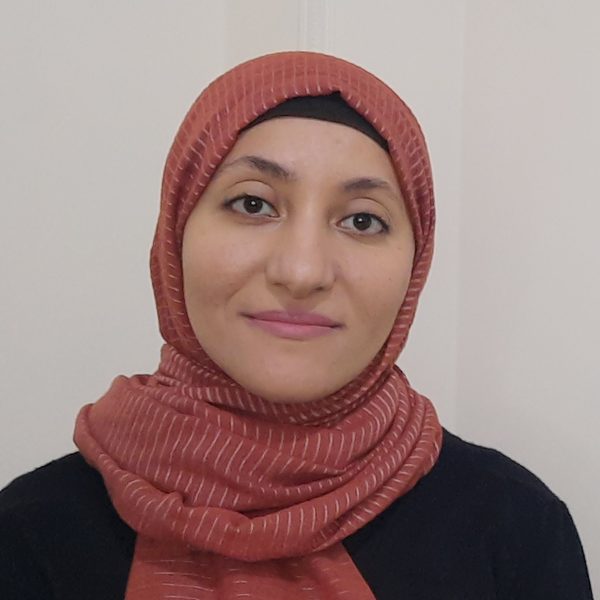
A master degree in Education in Teaching Arabic language to non Arabic speakers
Arabic language teacher (Modern standard, and Egyptian Arabic)
Personally vetted · Strommen’s note
Somaia teaches both Modern Standard and Egyptian Arabic, useful if you need the textbook version and the way people actually talk.
Specialties
A master degree in Education in Teaching Arabic language to non Arabic speakers
Arabic language teacher (Modern standard, and Egyptian Arabic)
Specialties
Personally vetted · Strommen’s note
Somaia teaches both Modern Standard and Egyptian Arabic, useful if you need the textbook version and the way people actually talk.
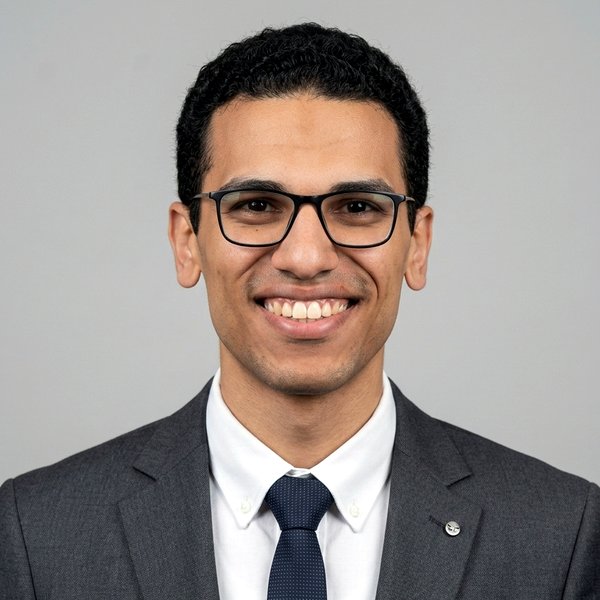


Bachelor of Education (B.Ed.) and pursuing a degree in Aerospace Engineering. · I have a TEFL certification | Certifications in Adobe Graphic Design (Level 1 & 2) for interactive presentations and educational materials.
English, German, and Arabic classes
Personally vetted · Strommen’s note
Arabic, English, and German sit alongside AP Calculus and AP Physics on Omar's schedule, a genuinely rare tutor who crosses from language straight into STEM.
Specialties
Also speaks: French, Italian, Spanish
Bachelor of Education (B.Ed.) and pursuing a degree in Aerospace Engineering. · I have a TEFL certification | Certifications in Adobe Graphic Design (Level 1 & 2) for interactive presentations and educational materials.
English, German, and Arabic classes
Specialties
I also speak: French, Italian, Spanish
Personally vetted · Strommen’s note
Arabic, English, and German sit alongside AP Calculus and AP Physics on Omar's schedule, a genuinely rare tutor who crosses from language straight into STEM.
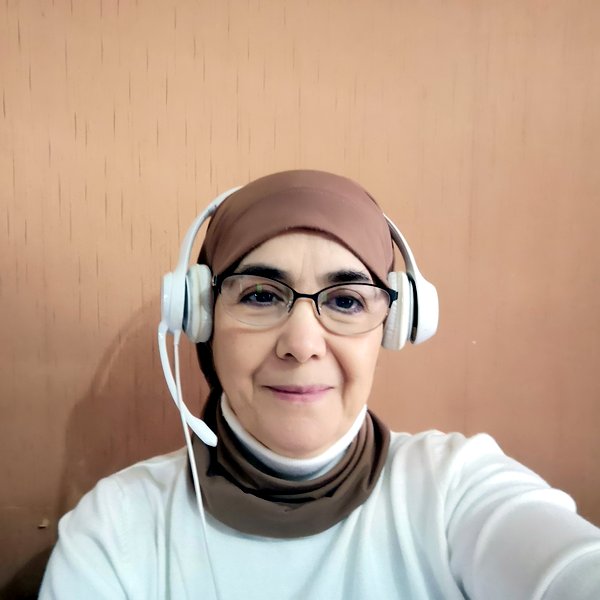
University Degree
Helping students learn with clarity, confidence, and motivation
Personally vetted · Strommen’s note
Quebec-based, Rahma teaches Arabic and French together, four Maghreb dialects covered, Algerian through Libyan.
Specialties
Also speaks: English
University Degree
Helping students learn with clarity, confidence, and motivation
Specialties
I also speak: English
Personally vetted · Strommen’s note
Quebec-based, Rahma teaches Arabic and French together, four Maghreb dialects covered, Algerian through Libyan.
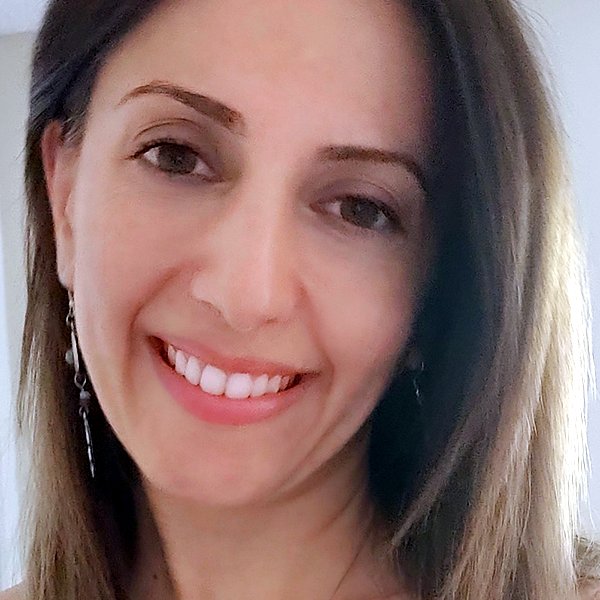

BA and MA in Arabic Studies, PhD in Philology (Arabic & Hebrew Studies)
Polyglot tutor with 15 years’ experience in Armenian, Arabic, Hebrew, and Russian
Personally vetted · Strommen’s note
Alvina holds a BA and MA in Arabic Studies and has spent fifteen years teaching Arabic, Hebrew, Russian, and Armenian, genuinely rare range in one tutor.
Specialties
BA and MA in Arabic Studies, PhD in Philology (Arabic & Hebrew Studies)
Polyglot tutor with 15 years’ experience in Armenian, Arabic, Hebrew, and Russian
Specialties
Personally vetted · Strommen’s note
Alvina holds a BA and MA in Arabic Studies and has spent fifteen years teaching Arabic, Hebrew, Russian, and Armenian, genuinely rare range in one tutor.

Bachelor degree in french studiesMaster's degree in french studies · DALF C2
Online certified french tutor delf/DALF/ TEF/TCF Preparation
Personally vetted · Strommen’s note
Hela has taught French and Arabic for thirteen years, DELF, DALF, TEF, and TCF certification prep included, plus four different Maghreb Arabic dialects.
Specialties
Bachelor degree in french studiesMaster's degree in french studies · DALF C2
Online certified french tutor delf/DALF/ TEF/TCF Preparation
Specialties
Personally vetted · Strommen’s note
Hela has taught French and Arabic for thirteen years, DELF, DALF, TEF, and TCF certification prep included, plus four different Maghreb Arabic dialects.
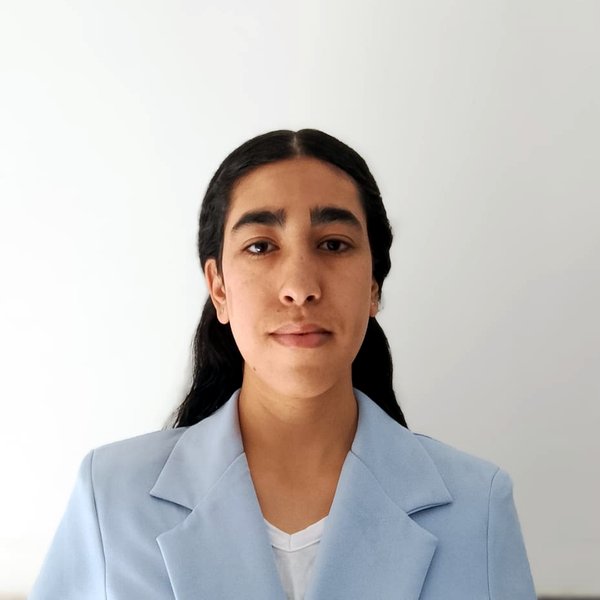
Degree in biology · Certificate in biology
#Moroccan #Arabic #Darija
Specialties
Degree in biology · Certificate in biology
#Moroccan #Arabic #Darija
Specialties
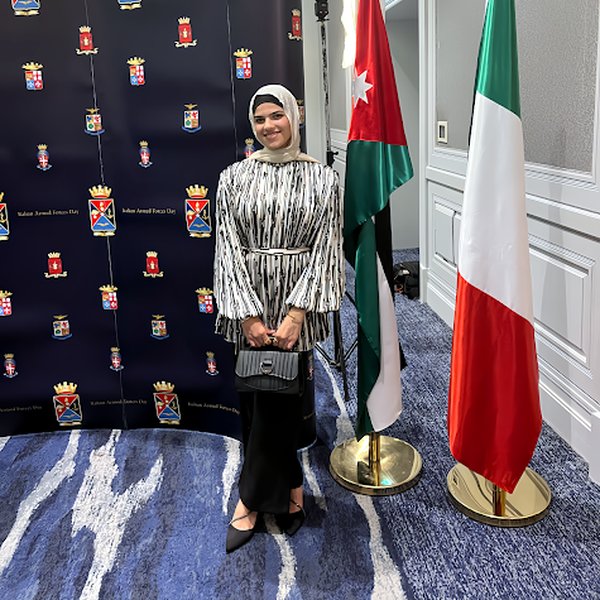
Bachelor’s Degree in Arabic Language and Literature, University of Jordan · Certificate in Teaching Arabic to Children – Jannah Way Canadian Institute.Certificate of Teaching Excellence (5+ Years of Experience) – Intensive Arabic Language Center for Foreigners, Amman.
Your Gateway to Fluent Arabic: Fusha and Jordanian Dialect for All Levels
Specialties
Also speaks: English
Bachelor’s Degree in Arabic Language and Literature, University of Jordan · Certificate in Teaching Arabic to Children – Jannah Way Canadian Institute.Certificate of Teaching Excellence (5+ Years of Experience) – Intensive Arabic Language Center for Foreigners, Amman.
Your Gateway to Fluent Arabic: Fusha and Jordanian Dialect for All Levels
Specialties
I also speak: English

العامية — culture & slang
5 Egyptian phrases that make spoken Arabic click
These are everyday Egyptian expressions, the ones that carry across the Arab world thanks to Egyptian film and music. Screenshot them, then book a tutor for the conversation that uses them.
-
01
يلا yalla
Contracted from yā Allāh, "O God." In daily use it means "let's go," "come on," or "hurry up." Egyptian in origin and now borrowed so widely into Levantine and Gulf speech that it is close to universal spoken Arabic.
e.g. يلا بينا، تأخرنا (yalla bīna, itʾakhkharna): "let's go, we're running late."
-
02
خلاص khalāṣ
Literally "end" or "finished." As a one-word conversational close it means "okay then," "enough," "done." The phrase spread Arabic-wide, but the punctuating Egyptian habit of dropping it to seal a point is the signature use.
e.g. خلاص، فهمت (khalāṣ, fihimt): "okay, I get it."
-
03
معلش maʿlēsh
Contracted from mā ʿalayhi shayʾ. It softens almost anything: "never mind," "sorry," "it's fine," "no worries." One of the most-used Egyptian conversational fillers, and a quick way to sound at ease rather than rehearsed.
e.g. معلش، مش مهم (maʿlēsh, mish muhimm): "never mind, it's not important."
-
04
إن شاء الله in shāʾ Allāh
"If God wills," commonly written inshallah. It marks any future plan as contingent and is used by religious and non-religious speakers alike across every dialect. Worth knowing early: leaving it out when you commit to something can read as overconfident.
e.g. هنشوفك بكرة إن شاء الله (hanshūfak bukra in shāʾ Allāh): "see you tomorrow, God willing."
-
05
حلو ḥilw
Literally "sweet," used for "nice," "cool," "good," "pretty." It works in both Egyptian and Levantine, which makes it a safe, friendly word to reach for while a learner is still settling on one dialect.
e.g. المكان ده حلو (al-makān da ḥilw): "this place is nice."
About Conversational Arabic
The gap between textbook Arabic and spoken Arabic
Open almost any first-year Arabic textbook and you start with al-fuṣḥā, Modern Standard Arabic. It is the written standard: newspapers, news broadcasts, government, formal speeches, and the register that holds the 22 Arab countries together on the page. It is also a register no one speaks at home. A learner who studies only MSA can read al-Jazeera and write a professional email, but ordering coffee in Cairo or Beirut with MSA sounds like answering a friend's text in the language of a government memo. Understood, and unmistakably foreign.
That gap is the whole reason a Conversational Arabic page exists. Spoken Arabic is a family of regional varieties: Egyptian, Levantine across Syria and Lebanon and Palestine and Jordan, Gulf or Khaleeji, Maghrebi across North Africa, Iraqi, and more. They share a grammatical core and a written standard, but they are not interchangeable in the mouth. The first thing a serious learner has to settle is not a verb conjugation. It is which spoken Arabic to aim at.
For most students who want to be understood by the widest possible audience, the answer is Egyptian. A century of Egyptian cinema, television, and music made Cairo's dialect the one Arabs everywhere can follow, whether or not they speak it themselves. A Moroccan and an Iraqi who struggle with each other's home dialects will both follow an Egyptian film. That reach is why so many of our conversational lessons start there, and why our greeting on this page is the Egyptian إزيك izzayyak rather than the textbook كيف حالك. Pronouncing the qāf as a glottal stop and saying izzayyak instead of kayfa ḥāluk is, on its own, the fastest way to be heard as someone trained in real spoken Arabic.
None of this means MSA is wasted effort. Strommen's posture, the one our tutors hold to, is that the two registers work best in parallel rather than in sequence. The alphabet, the three-consonant root system, and the formal grammar are best learned through MSA, because every dialect derives from that scaffolding. Spoken dialect is best learned alongside it, from the first month, for everything you do with your voice. Treat them as two registers of one language, not two languages, and the conversational side stops feeling like a separate climb.
What a conversational lesson actually trains is the part textbooks tend to skip: the rhythm of a real exchange. The discourse fillers that hold a sentence together. The endearments and the politeness moves. When to use والله wallāhi as a casual "honestly" rather than a literal oath. How يخرب بيتك, which translates to something alarming, is in fact an affectionate tease. Knowing that a phrase is grammatically correct is not the same as knowing it lands warmly, and the second kind of knowledge is what gets drilled here.
Our Conversational Arabic tutors are native and heritage speakers, most of them Egyptian-trained or fluent across more than one spoken variety. Cairo-grounded tutors bring the dialect with the widest reach. Tutors fluent across Egyptian and Levantine can show a student where the two diverge. One habit you will notice in these lessons is that good Arabic tutors keep narrating which register a word belongs to as they go, tagging a phrase as fuṣḥā or as ʿāmmiyya the moment it comes up. They build that labeling reflex on purpose, because a student who can hear the seam between the two stops mixing them by accident and starts switching them on purpose.
What you'll cover
Lessons & classes tailored to Conversational Arabic
Choosing your spoken dialect
The first conversation in a conversational track is rarely grammar. It is which spoken Arabic to aim at, and why. Egyptian carries the widest comprehension thanks to a century of film and music. Levantine is the most-taught spoken variety in Western universities after MSA and the choice for many heritage learners with Syrian, Lebanese, Palestinian, or Jordanian ties. Gulf and Maghrebi serve specific family, work, or regional goals. Your tutor helps you pick on purpose rather than by accident, and explains what each choice does and does not get you.
MSA and dialect in parallel
Strommen's recommendation is not MSA first and dialect later. It is both at once. The alphabet, the root-and-pattern morphology, and the formal grammar are learned through MSA because every dialect derives from that scaffolding. The chosen spoken dialect runs alongside it from the start for everything you do out loud. Lessons keep the two registers clearly labeled so you always know which one a given word belongs to, and you build the register-switching reflex that native speakers use without thinking.
Discourse fillers, politeness, and warmth
Fluent conversation runs on the connective tissue textbooks skim past: yalla and khalāṣ to move and to close a thought, maʿlēsh to soften, wallāhi as a casual "honestly" rather than a literal oath. It also runs on calibrated warmth, including endearments and the polite protest moves that grease a Levantine or Egyptian exchange. Lessons drill the counter-intuitive cases too, like an affectionate phrase whose literal translation sounds alarming, so you read tone correctly instead of just decoding words.
Listening and shadowing with real audio
Conversational comfort is built on input. Lessons use real spoken Arabic, including Egyptian film and television, music, and podcast audio such as Sowt episodes, with shadowing exercises so your cadence sounds lived-in rather than read aloud. For students working toward Levantine, Lebanese music and Syrian drama serve the same purpose. Between lessons, our blog post on how the Arabic dialects relate to one another is a useful map of the territory.
FAQ
About Conversational Arabic lessons & classes
Which dialect of Arabic should I learn for conversation?
For the widest reach, most students start with Egyptian. A century of Egyptian cinema, television, and music made it the spoken variety Arabs everywhere can follow, even when they speak something else at home. Levantine is the next most common choice, especially for learners with Syrian, Lebanese, Palestinian, or Jordanian family ties, and it is the most-taught spoken Arabic in Western universities after MSA. Gulf and Maghrebi make sense for specific family, work, or regional reasons. Your tutor helps you choose on the trial lesson based on who you actually want to talk to.
Do I need Modern Standard Arabic to speak conversationally?
You do not need to finish MSA before you start speaking, but ignoring it entirely is a mistake. MSA carries the alphabet, the three-consonant root system, and the formal grammar that every spoken dialect is built on. Strommen's recommendation is to study MSA and a chosen spoken dialect in parallel from the first month. Treat them as two registers of one language. The MSA side gives you reading and the structural backbone. The dialect side gives you everyday conversation.
Will Egyptian Arabic be understood outside Egypt?
Largely yes. Decades of Egyptian media exposure mean speakers across the Levant, the Gulf, and North Africa understand Egyptian even when they do not speak it. You will be understood widely. Outside Egypt you will also be recognizable as someone trained in Egyptian Arabic, which is sometimes exactly the right impression and sometimes not. If your goal is firmly tied to one other region, your tutor can point you toward that dialect instead.
Are your Conversational Arabic tutors native speakers?
Most are native speakers, and several are heritage speakers who grew up bilingual and fully fluent in a spoken dialect. Many are Egyptian-trained or fluent across more than one variety, which means a tutor can show you exactly where Egyptian and Levantine diverge. Each tutor's bio specifies where they are from and which dialects they teach, so you can match yourself to the spoken Arabic you want.
What does a Conversational Arabic lesson actually look like?
Lessons are one-on-one and built around your goals. A typical hour mixes real conversation in your target dialect, focused work on a pronunciation or grammar point that surfaced, time on everyday vocabulary and the discourse fillers that hold speech together, and listening practice with authentic audio. No two students get the same plan. A learner preparing to visit family and a learner who wants to follow a series without subtitles get genuinely different lessons.
Can I take Conversational Arabic lessons online or only in person?
Both. Many of our Conversational Arabic tutors teach online via Zoom or Jitsi and are available globally. Several also teach in person, and our broader Arabic classes cover group formats alongside one-on-one lessons. The booking widget on each tutor's profile shows their available formats and live availability, so you can pick what fits your schedule.
I already know some Arabic. Should I start over?
No. Existing Arabic is a head start, not a liability, even if it leans heavily toward MSA. Most students begin with a free 30-minute trial where the tutor calibrates to where you actually are, then shifts the work toward spoken fluency: dialect vocabulary, pronunciation habits like the glottal-stop qāf in Egyptian, and the conversational rhythm that formal study tends to leave underdeveloped.
How long does it take to hold a real conversation in Arabic?
It depends honestly on three things: the hours you put in between lessons, your starting point, and how specific your goal is. Comfortable everyday conversation in one dialect takes most committed students several months at one or two lessons a week with self-study in between. Following film and television without subtitles, and code-switching naturally, takes longer. Your tutor sets concrete weekly goals at the trial and adjusts as you go. Comprehension usually outpaces production for a while, which is normal and not a sign you are behind.
Ready for Conversational Arabic lessons or classes?
Book a free 30-minute trial with one of our personally vetted tutors. Private lessons or small-group classes — your choice.