



Personally vetted instructors
Neutral South American Spanish tutors, lessons & classes
Buenos días The unmarked greeting that lands cleanly in any Spanish-speaking country.
Personally vetted tutors who teach the accent-stripped broadcast register used in Latin American film dubbing, voiceover, and pan-regional corporate work.
Your instructors
Neutral South American Spanish tutors for private lessons & classes
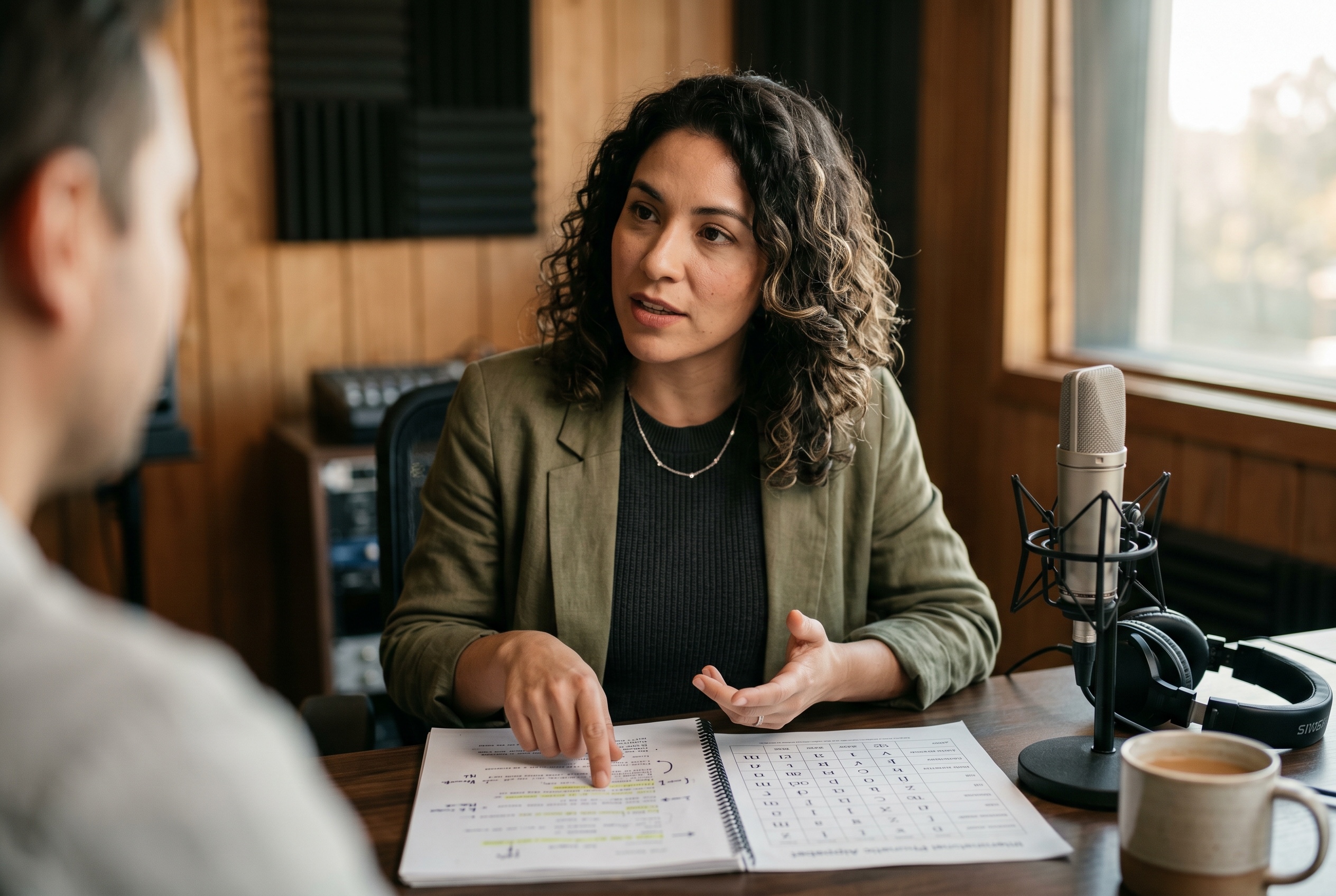
Strommen has been teaching Spanish since 2006. The Neutral South American specialty has always been a professional ask: voice actors training for dubbing or pan-regional voiceover, broadcast journalists working at international Spanish-language outlets, corporate narrators producing content for multinationals across Latin America, and actors working accent-neutralization for film and television roles. Every tutor below was met and vetted by us, in person or via thorough video interview. No marketplace. No automated profile-creation. Real teachers with real industry backgrounds, which you can read about in their bios.
Filter by location, age, or price. Then book a 30-minute free trial.
Below are the Strommen tutors who specialize in Neutral South American Spanish — the dubbing, voiceover, and broadcast register. Photos, ratings, and rates are real. Click any card to read their bio and book a free 30-minute trial.
I want to learn…
Every tutor, personally met. — founder-vetted since 2006, in Los Angeles and online worldwide.
Get a personalized plan
Pick your language — a language advisor will match you with the right tutor and map out your path.

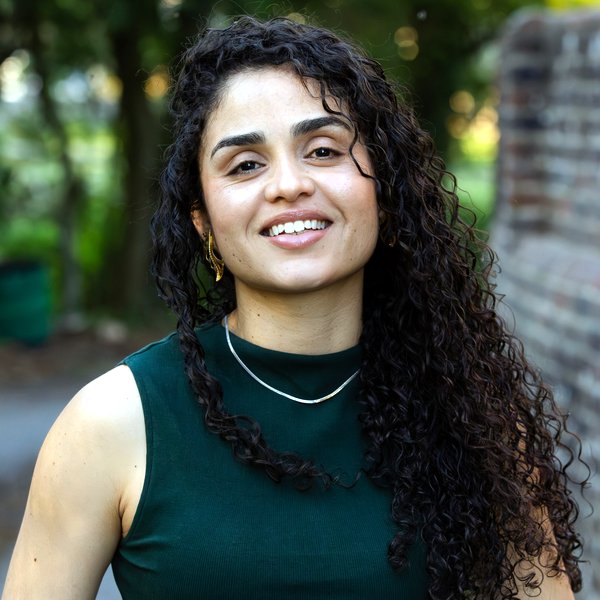
BS Agricultural Engineering, Profesora de Español ELE (Español como Lengua Extranjera) · Certificado Profesor ELE (Español como Lengua Extranjera)
Certified ELE Spanish teacher from Colombia. With 5+ years of diverse teaching experience
Personally vetted · Strommen’s note
Carolina is certified ELE-trained and specializes in Medical Spanish, on top of general instruction, out of Medellín.
Specialties
BS Agricultural Engineering, Profesora de Español ELE (Español como Lengua Extranjera) · Certificado Profesor ELE (Español como Lengua Extranjera)
Certified ELE Spanish teacher from Colombia. With 5+ years of diverse teaching experience
Specialties
Personally vetted · Strommen’s note
Carolina is certified ELE-trained and specializes in Medical Spanish, on top of general instruction, out of Medellín.


Journalism/Spanish-Language Journalism
Highly Rated Spanish Tutor at Strommen | Born in Argentina, Raised in LA
Specialties
Also speaks: Armenian
Journalism/Spanish-Language Journalism
Highly Rated Spanish Tutor at Strommen | Born in Argentina, Raised in LA
Specialties
I also speak: Armenian
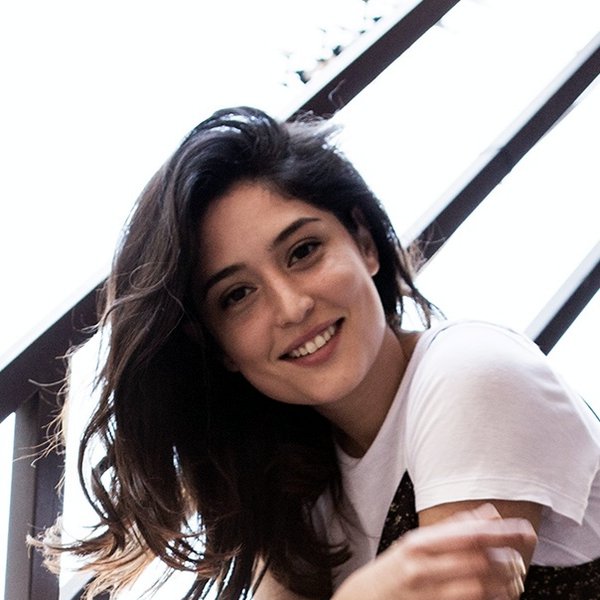
Masters Degree in Cognitive Science, specializing in Linguisitcs
Learn Spanish through the subjects that inspire imagination, awe and wonder to you
Personally vetted · Strommen’s note
Barcelona-based, Valeria teaches Spanish through whatever genuinely fascinates a student. The subject leads, the language follows.
Specialties
Masters Degree in Cognitive Science, specializing in Linguisitcs
Learn Spanish through the subjects that inspire imagination, awe and wonder to you
Specialties
Personally vetted · Strommen’s note
Barcelona-based, Valeria teaches Spanish through whatever genuinely fascinates a student. The subject leads, the language follows.


Bachelors in Communication and minor in Theatre studies
Friendly Spanish and ESL Teacher Originally from Spain with experience in dialect coaching and public speaking.
Personally vetted · Strommen’s note
Danny treats every English lesson like a scene to build, dialect coaching included, and he's been at it for thirteen years.
Specialties
Also speaks: Catalan
Bachelors in Communication and minor in Theatre studies
Friendly Spanish and ESL Teacher Originally from Spain with experience in dialect coaching and public speaking.
Specialties
I also speak: Catalan
Personally vetted · Strommen’s note
Danny treats every English lesson like a scene to build, dialect coaching included, and he's been at it for thirteen years.
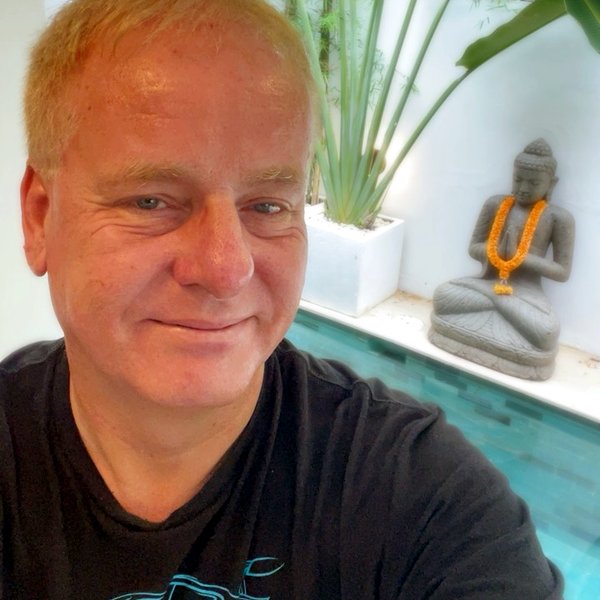

B.A. (MIT)
Native trilingual
Personally vetted · Strommen’s note
Trilingual since age seven and raised between Mexico City and Düsseldorf, Klaus coaches Spanish and German dialects the way he learned them: by talking.
Specialties
B.A. (MIT)
Native trilingual
Specialties
Personally vetted · Strommen’s note
Trilingual since age seven and raised between Mexico City and Düsseldorf, Klaus coaches Spanish and German dialects the way he learned them: by talking.
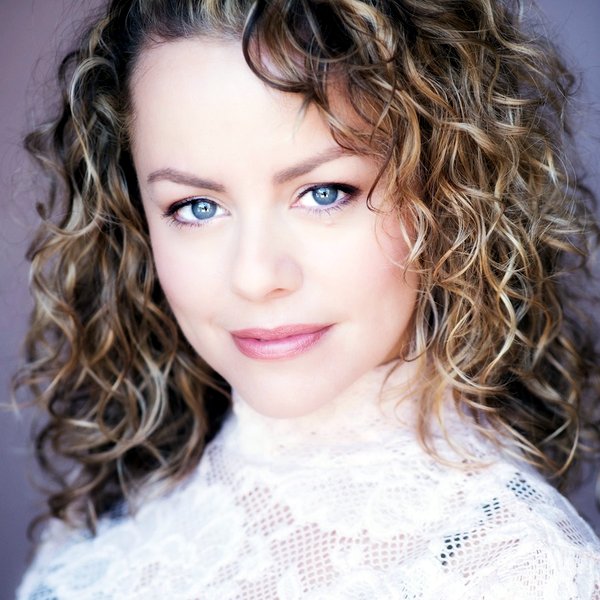
BA in Psychology and English from the University of Connecticut · BA in Psychology and English from the University of Connecticut
Colombian-born, 10+ years experience, offers personalized language instruction with creativity and flair
Personally vetted · Strommen’s note
Berlitz-certified and equally exacting with everyone she teaches, Andrea's client list has run from FBI agents to studio heads to kindergartners.
Specialties
BA in Psychology and English from the University of Connecticut · BA in Psychology and English from the University of Connecticut
Colombian-born, 10+ years experience, offers personalized language instruction with creativity and flair
Specialties
Personally vetted · Strommen’s note
Berlitz-certified and equally exacting with everyone she teaches, Andrea's client list has run from FBI agents to studio heads to kindergartners.
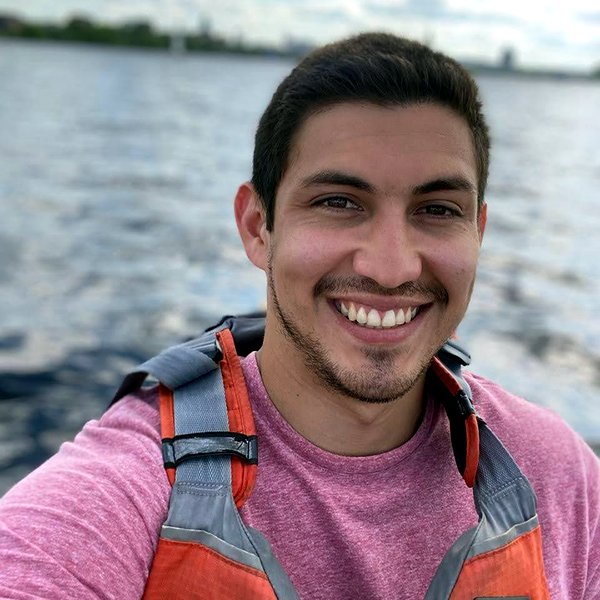
Master’s in Teaching Spanish as a Foreign Language, Master of Science in Marketing, Business Management Engineering · Certificate in Teaching Spanish as a Foreign Language
Certified Spanish Tutor | Personalized Online Lessons
Personally vetted · Strommen’s note
Grammar arrives through real use, not worksheets first, in Emilio's task-based approach to Ecuadorian Spanish out of Guayaquil.
Specialties
Master’s in Teaching Spanish as a Foreign Language, Master of Science in Marketing, Business Management Engineering · Certificate in Teaching Spanish as a Foreign Language
Certified Spanish Tutor | Personalized Online Lessons
Specialties
Personally vetted · Strommen’s note
Grammar arrives through real use, not worksheets first, in Emilio's task-based approach to Ecuadorian Spanish out of Guayaquil.
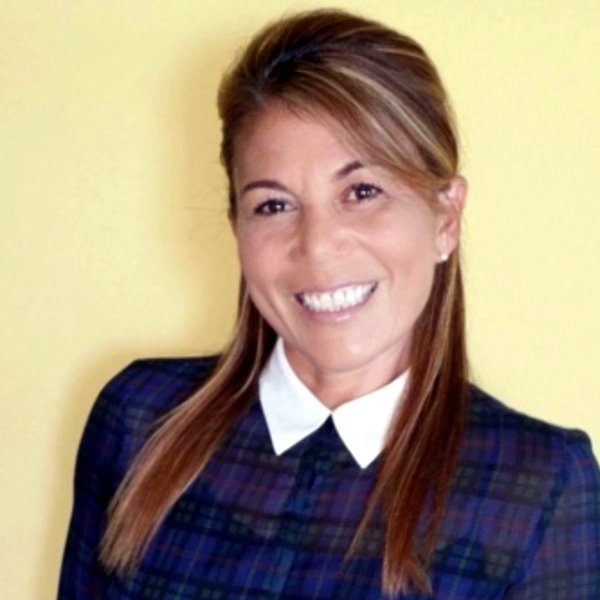
Masters of Arts in Spanish and Linguistics, Currently, a Fourth-year PhD student in Hispanic Studies. · Spanish Interpreter Translator Certificate from Southern California School of Interpretation.
Speak Spanish with Confidence, Step by Step
Personally vetted · Strommen’s note
Elizabeth has taught Spanish for eighteen years, and her whole approach comes down to one rule: let students make mistakes and keep talking anyway.
Specialties
Masters of Arts in Spanish and Linguistics, Currently, a Fourth-year PhD student in Hispanic Studies. · Spanish Interpreter Translator Certificate from Southern California School of Interpretation.
Speak Spanish with Confidence, Step by Step
Specialties
Personally vetted · Strommen’s note
Elizabeth has taught Spanish for eighteen years, and her whole approach comes down to one rule: let students make mistakes and keep talking anyway.
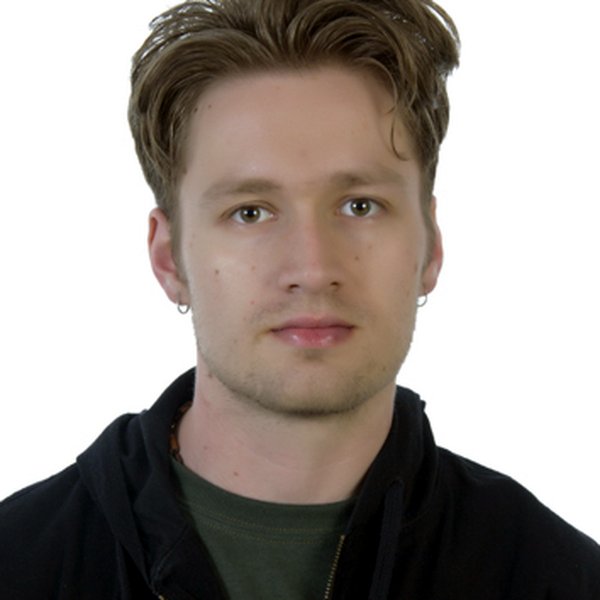

Master in Intercultural CommunicationMaster in Applied Linguistics: Spanish as a foreign languageBachelor of Music · Test DaF (German): HV: 5, LV: 5, SA: 4, MA: 4, 2017Test DALF (French) : Level C1, 78.50/100, 2017
Spanish, English, French, and German teacher with eight years of experience
Personally vetted · Strommen’s note
Eight years in, Leonardo starts every course by pinning down why the student wants it. He teaches Spanish, English, French, and German out of Bogotá.
Specialties
Master in Intercultural CommunicationMaster in Applied Linguistics: Spanish as a foreign languageBachelor of Music · Test DaF (German): HV: 5, LV: 5, SA: 4, MA: 4, 2017Test DALF (French) : Level C1, 78.50/100, 2017
Spanish, English, French, and German teacher with eight years of experience
Specialties
Personally vetted · Strommen’s note
Eight years in, Leonardo starts every course by pinning down why the student wants it. He teaches Spanish, English, French, and German out of Bogotá.

Certified in Teaching English as a Foreign Language, International TEFL and TESOL Training (2021)BA, Honors Theatre Studies, University of Guelph (2021) · Teaching English as a Foreign Language (TEFL)
English, Italian and Spanish teacher, dialect coach and accent reduction coach
Personally vetted · Strommen’s note
Amy coaches Sicilian, Neapolitan, and Calabrese dialects alongside standard Italian and English. She's also taught Italian kids English from age three up.
Specialties
Certified in Teaching English as a Foreign Language, International TEFL and TESOL Training (2021)BA, Honors Theatre Studies, University of Guelph (2021) · Teaching English as a Foreign Language (TEFL)
English, Italian and Spanish teacher, dialect coach and accent reduction coach
Specialties
Personally vetted · Strommen’s note
Amy coaches Sicilian, Neapolitan, and Calabrese dialects alongside standard Italian and English. She's also taught Italian kids English from age three up.
Advertising - San Ignacio de Loyola Institute - ISIL -(Technique):- Creative Direction and Management - ISIL - (Certification)- Advertising Direction and Digital Media - ISIL - (Certification)- Direction and Graphic Management - ISIL - (Certificatio
Your Spanish Tutor from Lima, Peru, with a Passion for Languages, Sports, and Cultural Exploration!
Specialties
Advertising - San Ignacio de Loyola Institute - ISIL -(Technique):- Creative Direction and Management - ISIL - (Certification)- Advertising Direction and Digital Media - ISIL - (Certification)- Direction and Graphic Management - ISIL - (Certificatio
Your Spanish Tutor from Lima, Peru, with a Passion for Languages, Sports, and Cultural Exploration!
Specialties
Translator degree (Spanish-English), English-Spanish), Bachelor's degree in linguistics, ELE diploma (Spanish as a Second or Foreign Language) · ELE diploma (Spanish as a Second or Foreign Language), Translator degree (Spanish-English)
Learn Spanish with an Experienced Chilean Spanish Tutor Passionate About Language and Culture!
Specialties
Translator degree (Spanish-English), English-Spanish), Bachelor's degree in linguistics, ELE diploma (Spanish as a Second or Foreign Language) · ELE diploma (Spanish as a Second or Foreign Language), Translator degree (Spanish-English)
Learn Spanish with an Experienced Chilean Spanish Tutor Passionate About Language and Culture!
Specialties

Broadcast — craft & register
5 rules of the Neutral South American register
These aren't tourist phrases. They're the technical rules a working voice actor or broadcast professional follows to keep the register clean across the region. Screenshot the infographic, then book a tutor for the rest.
-
01
Tuteo, not voseo
Informal singular "you" runs as tú eres, tú tienes, tú haces. Never vos sos. Voseo would mark the speaker as Argentine, Uruguayan, Paraguayan, or Central American within a sentence and break the regional neutrality the register is designed to project. Tuteo is the universal Latin American default outside the voseo zone, so it lands cleanly everywhere.
e.g. <em>¿Tú quieres venir?</em> instead of any voseo alternative.
-
02
Soft /j/ yeísmo
Ll and y realized as a soft /j/ (close to English y in "yes"), never the /ʃ/ or /ʒ/ that marks Rioplatense Spanish or the harder /j/ that drifts toward /dʒ/ in some regional speech. The cleanest neutral realization. The single fastest signal that a speaker is staying inside the register rather than slipping into porteño or Caribbean drift.
e.g. <em>Yo me llamo</em> as "yo me yamo," never "sho me shamo" or "zho me zhamo."
-
03
Vocabulary discipline
Defaulting to lexical items recognized across the region and avoiding country-marked words. Trabajar not chamba/laburar. Carro, computadora, celular, jugo, manejar. Avoid chévere, padre, bacán, copado, ahorita, guagua, and slang that marks regional belonging. Maintained by working voice actors through personal vocabulary lists and industry style guides.
e.g. <em>Este trabajo es excelente</em> instead of <em>Este chamba está chido</em> or <em>Este laburo está copado</em>.
-
04
Clear consonants, full final-s
Full preservation of intervocalic d (cansado, not "cansao"). Full preservation of final-s (los amigos están, with every s intact, not the Caribbean aspiration that would render it "loh amigoh ehtán"). Clear consonant articulation throughout, modeled on Bogotá and Lima conservative phonology rather than any of the more lenient regional norms.
e.g. <em>Los estudiantes están cansados</em> with every consonant intact, no dropping or softening.
-
05
Even broadcast tempo
Moderate, even pacing throughout. Neither the rapid syllable density of Chilean or Caribbean speech nor the elongated final vowels of Rioplatense. Flat-to-slightly-rising intonation at sentence ends, modeled on broadcast-news prosody. Acquired through shadowing of pan-regional news anchors and trained voice actors, not through grammar drills.
e.g. Compare a Telemundo international anchor with the same anchor speaking casual home Spanish; the tempo and pitch range differ markedly.
About Neutral South American Spanish
The Spanish built for broadcast
Neutral South American Spanish, often shortened to español neutro or just "neutral Spanish," is not a dialect any community speaks at home. It is a deliberately constructed broadcast register: a stripped-back form of Spanish engineered to avoid sounding specifically Argentine, Mexican, Caribbean, Andean, or Chilean, so that one audio track can serve audiences across all of Latin America without one country's accent annoying the others. The register emerged in the mid-twentieth century, primarily out of Mexico City's dubbing industry, and was refined over decades through the work of studios in Mexico, Miami, Colombia, Venezuela, and Argentina dubbing American film, television, and animation for pan-regional release. Today it is the language of every Disney and Pixar release in Latin America, every major streaming-platform dub, most multinational corporate voiceover, the United Nations Spanish-language news service, and a substantial slice of the international Spanish-language audiobook market. About 425 million Spanish speakers across Latin America are the target audience. A trained voice actor, news anchor, or corporate narrator working in español neutro is producing speech that lands as legible and uncontroversial in Mexico City, Bogotá, Lima, Santiago, and Buenos Aires alike.
The label "South American" in our naming reflects what the register specifically excludes from Mexican broadcast Spanish. Mexico has its own pan-Latin dubbing register, anchored by Mexico City studios and shaped by the country's outsized share of historical Latin American film production. Mexican neutral is heard on most Disney releases of the 1990s and 2000s, and many Latin American audiences perceive it as the default "dubbing voice." Neutral South American is the alternative register favored when productions specifically want to avoid Mexican accent markers, for clients in Colombia, Argentina, Chile, Peru, or Venezuela who want their content to sound regionally agnostic without sounding identifiably Chilango. The two neutrals overlap heavily on the broadcast rules below; what differs is the phonological starting point. Mexican neutral starts from Mexico City Spanish and strips its more local features. Neutral South American draws from Bogotá's famously clear consonant articulation, from Andean Spanish's conservative phonology, and from accent-stripped Rioplatense voiceover practice, then strips each of its identifying regional markers. The result is a register that nobody speaks naturally and that trained voice actors and narrators learn explicitly as a professional skill.
The technical rules of the register are reasonably explicit. Seseo throughout: no Castilian /θ/, every c before e/i and every z pronounced /s/. Ustedes for plural "you," never vosotros; this is the universal Latin American norm anyway. Tuteo for informal singular tú, with tú eres, tú tienes, tú haces conjugations. Never voseo, because vos sos would mark the speaker as Argentine, Uruguayan, or Central American within a sentence. Yeísmo with the soft /j/ realization of ll and y (close to the English y in "yes"), never the /ʃ/ or /ʒ/ that marks Rioplatense Spanish. Final-s preserved fully, never aspirated or dropped in the way Caribbean speakers do. Clear consonant articulation throughout, with attention to the d between vowels that Andalusian and some Latin American speakers soften (cansado pronounced fully, not as "cansao"). Moderate, even tempo, neither the rapid syllable density of Chilean or Caribbean speech nor the elongated final vowels of Rioplatense. A flat-to-slightly-rising intonation at sentence ends, modeled on broadcast-news prosody rather than any conversational regional norm.
Vocabulary discipline is the other half of the craft. The professional rule is to default to lexical items recognized across the region and avoid words that mark a specific country. Carro for car (recognized everywhere, though Spain uses coche). Computadora for computer (universal in Latin America, where Spain uses ordenador). Celular for cell phone (universal in Latin America). Jugo for juice. Manejar for to drive (not conducir, which is Spain). On the country-marked side, avoid chamba (Mexican) for work, laburar (Rioplatense) for work, currar (Spain) for work, in favor of the neutral trabajar. Avoid chévere (Caribbean and Andean), padre (Mexican), guay (Spain), bacán (Chilean/Andean), copado (Rioplatense) for "cool," defaulting instead to the more neutral excelente, muy bueno, or context-appropriate descriptors. Avoid ahorita with its specifically Mexican ambiguity. Avoid pibe, chamaco, chaval, guagua (which means different things in different countries: bus in the Caribbean, baby in the Andes), cuate (Mexican specifically), and any of the slang vocabulary that marks regional belonging. The list is long, codified informally across the dubbing and voiceover industry, and is the source of much of the conscious craft training that a voice actor receives. Working voice actors maintain personal vocabulary lists and refer to industry style guides published by major dubbing studios.
The craft itself is taught explicitly. Voice actor training in the Latin American dubbing industry has been formalized for decades, with academies in Mexico City (most prominently), Buenos Aires, Bogotá, Caracas, and Miami running multi-year programs in voiceover technique. Topics covered include accent neutralization (drilling out regional markers from one's own native speech), broadcast diction (clarity at speed, microphone technique, breath control), dubbing-specific skills (lip-sync timing, emotional matching to on-screen performance, the ability to retake a line with identical pacing), and the meta-skill of switching between registers (an Argentine voice actor might be working in Argentine Castellano in the morning and neutral South American in the afternoon, with no audible bleed in either direction). The professional reality is that even highly trained voice actors carry traces of their native accent in casual conversation; the neutral register is a performed register, like a stage accent. Strommen tutors in this specialty are typically working or former voice actors and broadcast professionals, and lessons are accent-coaching sessions as much as language lessons.
Use cases for neutral South American Spanish fall into a small set. Voice actors working in dubbing, animation, audiobook narration, or voiceover for pan-regional content need the register as professional infrastructure. Broadcast journalists at international Spanish-language outlets (CNN en Español, Telemundo international, BBC Mundo, DW Español) use neutralized speech to serve audiences across borders. Corporate narrators producing training videos, e-learning content, or marketing audio for multinational companies operating across Latin America use the register to avoid alienating any single national market. Actors training for film and television roles where the script calls for an unmarked Latin American accent (increasingly common as streaming-platform productions cast across borders) work on neutralization as part of their accent work. Heritage Spanish learners with regionally mixed family backgrounds (a Mexican mother, a Colombian father, a U.S. upbringing) sometimes choose neutral South American as a deliberate landing point because it does not require committing to one side of the family's accent. A small subset of corporate executives and diplomats whose work crosses multiple Spanish-speaking countries train in the register to project regional neutrality. The specialty is unusual in that it is more often a professional credentialing skill than a general-purpose language learning goal.
A few honest tutor observations on what trips up American students approaching this specialty. The most common miss is treating neutral South American as a generic "easy Spanish" or "unaccented Spanish." It is neither. It is a deliberately stripped register that requires conscious work to maintain, and it carries its own technical demands (broadcast diction, lip-sync if dubbing, regional-vocabulary discipline) that exceed the demands of normal conversational Spanish. The second pitfall is underestimating the vocabulary curation. Students often arrive with a working Spanish vocabulary built around a regional dialect (frequently Mexican, less often Castilian) and discover that a substantial fraction of their everyday words are marked as regional and have to be replaced with neutral equivalents. The third pitfall is yeísmo discipline: a learner whose Spanish drifted toward Argentine through media exposure may unconsciously produce /ʃ/ realizations of ll and y that mark them as Rioplatense in seconds. The fourth pitfall is intonation: the broadcast prosody of neutral South American is flatter and more even-paced than most conversational Spanish, and students used to expressive regional intonation initially sound stilted as they neutralize. The fifth, and the one that takes longest to fix, is that the register is performed rather than natural, and students sometimes resist the artificiality. The fix is to accept it as a professional skill (like a stage accent for an actor) and drill it as craft.
Between lessons, immerse with neutral-register media. The cleanest reference points are pan-regional broadcast news: CNN en Español, BBC Mundo, DW Español, Voice of America Spanish service, and the United Nations Spanish-language news. For dubbing reference, watch any major Disney, Pixar, or DreamWorks animation in its Latin American Spanish version; the dubbing teams produce textbook examples of the register at scale. Most professional audiobook narration of major Spanish-language titles (especially translations from English to Spanish for the Latin American market) uses neutral South American or Mexican neutral; both work as listening models. Corporate training videos produced for Latin American multinationals are another resource, usually findable on the corporate sites of major banks, telecoms, and consumer brands operating across the region. For working voice actors, the dubbing industry's own published interviews with practitioners like Mario Castañeda (the Mexican voice of Goku in Dragon Ball), Mario Filio, René García, and Cecilia Gómez are professional reference material. Listening to a voice actor switch between their native regional speech in an interview and their neutral broadcast register in performance is the clearest demonstration of the skill the specialty teaches.
The Strommen Neutral South American Spanish roster includes working and former voice actors, broadcast journalists, and accent coaches who teach the register as professional craft. Tutors are typically based in major dubbing-industry cities (Mexico City, Bogotá, Buenos Aires, Caracas, Miami, Los Angeles) and bring direct industry experience: studio time, agent relationships, current sense of which projects are casting and which clients are demanding the register. Each tutor's bio specifies their professional background, voiceover credits where relevant, and which student profile they fit best. You can match yourself to a voice actor for dubbing-specific coaching, a broadcast professional for news-register training, or an accent coach for general neutralization work. For broader Spanish foundations our 1,000 most common Spanish words list and the Spanish course page are useful supplements, and the Latin American Spanish page covers the broader umbrella for students still picking a target. Or just browse the full tutor list and book a trial.
Worth saying plainly before the trial: this specialty is the most explicitly professional of the Spanish specialties Strommen runs. Most students arrive with a specific working goal (a dubbing audition coming up, a corporate narration contract, an actor's accent work for a Latin American casting), and the lessons are calibrated as professional skill-building rather than general language learning. The trial is the place to clarify the goal and decide whether neutral South American is what you actually need, or whether general Latin American Spanish or one of the country-specific specialties fits better.
What you'll cover
Lessons & classes tailored to Neutral South American Spanish
Accent neutralization as a craft
Drilling out the regional markers of your native or learned Spanish. The specific phonological rules of the register: tuteo, soft /j/ yeísmo, seseo, clear consonants, full final-s, even tempo. Identifying which features of your current speech are country-marked and replacing them with neutral equivalents. Shadowing exercises with pan-regional broadcast audio (CNN en Español, BBC Mundo, Disney dubs, professional audiobook narration). The performed nature of the register and the discipline required to maintain it under pressure.
Vocabulary curation for pan-regional reach
Identifying and replacing country-marked vocabulary with neutral alternatives. The long-term project of building a personal vocabulary list calibrated to the register. Industry style guides published by major dubbing studios. The most common slang and regional words that trained voice actors learn to avoid (chévere, padre, bacán, copado, chamba, laburar, ahorita, guagua). The neutral defaults (trabajar, excelente, muy bueno) that land cleanly across borders.
Dubbing-specific technique
Lip-sync timing for animation and live-action dubbing. Emotional matching to on-screen performance. The ability to retake a line with identical pacing and intonation. Breath control and microphone technique for studio work. Industry-standard session protocols. The professional infrastructure of Latin American dubbing (Mexico City, Buenos Aires, Miami) and how the work is cast and contracted. Practical training that voice actors carry from academies in Mexico City, Buenos Aires, Bogotá, and Caracas.
Use-case-specific calibration
Lessons calibrate to the specific professional goal: dubbing auditions for animation or live-action, broadcast-journalism diction for international news, corporate narration for multinational e-learning and training, actor accent work for unmarked Latin American roles, or heritage-Spanish neutralization for mixed-background speakers. Each path has different drill priorities, different reference media, and different timelines. The trial lesson is where the tutor and student agree on the path.
FAQ
About Neutral South American Spanish lessons & classes
Who actually speaks Neutral South American Spanish?
Nobody speaks it at home. It is a deliberately constructed broadcast register, performed rather than native, used by trained voice actors, broadcast journalists, corporate narrators, and accent-neutralized actors. The register exists to let one audio track serve audiences across all of Latin America without sounding identifiably Mexican, Argentine, Caribbean, Andean, or Chilean. Think of it as a professional craft like a stage accent rather than a regional dialect.
How is Neutral South American different from Mexican neutral or generic Latin American Spanish?
Mexican neutral is the parallel pan-Latin dubbing register anchored in Mexico City studios; it starts from Mexico City Spanish and strips its more local features. Neutral South American draws from Bogotá's clear consonant articulation, Andean conservative phonology, and accent-stripped Rioplatense voiceover practice, then strips each of its identifying markers. The two share most of the rules (seseo, tuteo, soft /j/, full final-s, vocabulary discipline) but differ in their phonological starting point. Latin American Spanish is the broader umbrella for the regional family of dialects; neutral South American is the performed broadcast register that lives inside that family.
Should I learn neutral South American as my general Spanish, or pick a country?
Honest answer: for most learners, pick a country. The neutral register is professional infrastructure rather than a general-purpose conversational Spanish, and learners who train in it without a working country-specific Spanish underneath often sound stilted and disconnected from any actual community. The exception is heritage learners with regionally mixed family backgrounds who choose neutral as a deliberate landing point, and working professionals (voice actors, broadcast journalists, corporate narrators) for whom the register is the job. The trial lesson is where the tutor and student decide which path fits.
Are your tutors actual voice actors and broadcast professionals?
Most are working or former voice actors, broadcast journalists, or accent coaches with industry experience in the Latin American dubbing and broadcast world. Each tutor's bio specifies professional background, voiceover credits where relevant, and which student profile they fit best. Coaching from a practitioner who has been on the studio side of the microphone is structurally different from coaching from a general Spanish teacher.
Can I take lessons online or only in person?
Both. Most Neutral South American Spanish tutors teach online via Jitsi or Zoom and are available globally. A subset teach in person in Los Angeles. For voice actors preparing audition material or working on studio-specific technique, in-person sessions can be useful; for general accent-neutralization work, online sessions function fully.
I already speak Mexican Spanish. How long does it take to neutralize?
Depends on how marked your Mexican Spanish is and how much daily practice you put in. The phonological adjustments (yeísmo discipline, full final-s, intervocalic d preservation) drill out in 4 to 8 weeks of focused work for most students. The vocabulary curation is an ongoing process that runs over months as you build a personal neutral-equivalents list. Intonation and tempo neutralization is the slowest piece; trained voice actors describe it as a multi-year refinement that continues across an entire career.
What does a Neutral South American Spanish lesson actually look like?
Lessons are one-on-one and built around your professional goal. A typical hour for a voice actor might include 15 minutes of warm-up and shadowing of broadcast audio, 15 minutes targeted on a specific phonological feature being neutralized, 15 minutes on vocabulary curation or script work for an upcoming audition, and 15 minutes of recorded practice with playback critique. For broadcast journalists or corporate narrators the structure adjusts toward news-script reading or training-video narration.
How fast can I expect to progress?
Depends on your starting Spanish, your professional goal, and how much daily drilling you can sustain. For students arriving with strong working Spanish in any Latin American variety, audition-ready neutral takes most learners 3 to 6 months of weekly lessons plus daily shadowing. For students whose Spanish is still developing, the neutral register is realistically a second-stage goal after a solid country-specific foundation. Working voice actors describe the register as a craft that improves continuously across years rather than something "finished" at a fixed point.
Ready for Neutral South American Spanish lessons or classes?
Book a free 30-minute trial with one of our personally vetted tutors. Private lessons or small-group classes — your choice.