



Personally vetted instructors
Spanish Grammar tutors, lessons & classes
Vamos a ver What a Spanish grammar tutor says as a new structure goes up on the shared screen.
Personally vetted Spanish grammar tutors. Targeted work on gendered nouns, ser versus estar, the subjunctive system, the preterite-versus-imperfect distinction, and every other piece of Spanish structure that adult English speakers consistently struggle to internalize.

Your instructors
Spanish Grammar tutors for private lessons & classes
Strommen has been teaching Spanish grammar to heritage speakers, intermediate adult learners, DELE candidates, and curious students since 2006. Most grammar-focused students arrive with a specific gap they have already named: the subjunctive that they recognize but cannot produce on demand, the preterite-imperfect choice that goes wrong half the time, the ser-estar distinction that they thought they had finally fixed. Every tutor below was met and vetted by us in person or by thorough video interview. No marketplace. No automated profiles.
Filter by location, age, or price. Then book a 30-minute free trial.
Below are the Strommen tutors who specialize in Spanish grammar. Photos, ratings, and rates are real. Click any card to read their bio and book a free 30-minute trial.
I want to learn…
Every tutor, personally met. — founder-vetted since 2006, in Los Angeles and online worldwide.
Get a personalized plan
Pick your language — a language advisor will match you with the right tutor and map out your path.


Masters Degree in Cognitive Science, specializing in Linguisitcs
Learn Spanish through the subjects that inspire imagination, awe and wonder to you
Personally vetted · Strommen’s note
Barcelona-based, Valeria teaches Spanish through whatever genuinely fascinates a student. The subject leads, the language follows.
Specialties
Masters Degree in Cognitive Science, specializing in Linguisitcs
Learn Spanish through the subjects that inspire imagination, awe and wonder to you
Specialties
Personally vetted · Strommen’s note
Barcelona-based, Valeria teaches Spanish through whatever genuinely fascinates a student. The subject leads, the language follows.

BS Agricultural Engineering, Profesora de Español ELE (Español como Lengua Extranjera) · Certificado Profesor ELE (Español como Lengua Extranjera)
Certified ELE Spanish teacher from Colombia. With 5+ years of diverse teaching experience
Personally vetted · Strommen’s note
Carolina is certified ELE-trained and specializes in Medical Spanish, on top of general instruction, out of Medellín.
Specialties
BS Agricultural Engineering, Profesora de Español ELE (Español como Lengua Extranjera) · Certificado Profesor ELE (Español como Lengua Extranjera)
Certified ELE Spanish teacher from Colombia. With 5+ years of diverse teaching experience
Specialties
Personally vetted · Strommen’s note
Carolina is certified ELE-trained and specializes in Medical Spanish, on top of general instruction, out of Medellín.



Degree in Literature and Linguistics, Master's degree in Teaching Spanish as a Second Language. · Degree in Literature and Linguistics, Master's degree in Teaching Spanish as a Second Language.
Certified and experienced Spanish teacher. Meaningful classes, desgined just for you.
Personally vetted · Strommen’s note
Natalia spent part of her fifteen years teaching as Academic Director at a private Spanish school. She's taught toddlers straight through embassy staff.
Specialties
Also speaks: English, French
Degree in Literature and Linguistics, Master's degree in Teaching Spanish as a Second Language. · Degree in Literature and Linguistics, Master's degree in Teaching Spanish as a Second Language.
Certified and experienced Spanish teacher. Meaningful classes, desgined just for you.
Specialties
I also speak: English, French
Personally vetted · Strommen’s note
Natalia spent part of her fifteen years teaching as Academic Director at a private Spanish school. She's taught toddlers straight through embassy staff.

Journalism · Photographer
Res non verba
Personally vetted · Strommen’s note
Fernando has spent seventeen years teaching Spanish to law firms, film productions, and hospital staff alike. His specialty is field-specific Spanish that's actually usable.
Specialties
Journalism · Photographer
Res non verba
Specialties
Personally vetted · Strommen’s note
Fernando has spent seventeen years teaching Spanish to law firms, film productions, and hospital staff alike. His specialty is field-specific Spanish that's actually usable.


Law · Latin American Spanish Dubbing and VO
Learn Italian & Spanish fast and fun!
Personally vetted · Strommen’s note
Italian and Spanish translation both fall under Ruth's teaching, grammar explained through color-coded tables and games.
Specialties
Law · Latin American Spanish Dubbing and VO
Learn Italian & Spanish fast and fun!
Specialties
Personally vetted · Strommen’s note
Italian and Spanish translation both fall under Ruth's teaching, grammar explained through color-coded tables and games.

Bachelors Audio Engineering · Vocal Teaching Certificate
Learn Authentic Spanish from Guatemala: Dive into the language and culture with a native tutor!
Personally vetted · Strommen’s note
Melany has an audio-engineering degree and a past life teaching Chinese students 3D animation. She brings that same range to her Spanish lessons now.
Specialties
Bachelors Audio Engineering · Vocal Teaching Certificate
Learn Authentic Spanish from Guatemala: Dive into the language and culture with a native tutor!
Specialties
Personally vetted · Strommen’s note
Melany has an audio-engineering degree and a past life teaching Chinese students 3D animation. She brings that same range to her Spanish lessons now.


Bachelors in Communication and minor in Theatre studies
Friendly Spanish and ESL Teacher Originally from Spain with experience in dialect coaching and public speaking.
Personally vetted · Strommen’s note
Danny treats every English lesson like a scene to build, dialect coaching included, and he's been at it for thirteen years.
Specialties
Also speaks: Catalan
Bachelors in Communication and minor in Theatre studies
Friendly Spanish and ESL Teacher Originally from Spain with experience in dialect coaching and public speaking.
Specialties
I also speak: Catalan
Personally vetted · Strommen’s note
Danny treats every English lesson like a scene to build, dialect coaching included, and he's been at it for thirteen years.


B.A. (MIT)
Native trilingual
Personally vetted · Strommen’s note
Trilingual since age seven and raised between Mexico City and Düsseldorf, Klaus coaches Spanish and German dialects the way he learned them: by talking.
Specialties
B.A. (MIT)
Native trilingual
Specialties
Personally vetted · Strommen’s note
Trilingual since age seven and raised between Mexico City and Düsseldorf, Klaus coaches Spanish and German dialects the way he learned them: by talking.
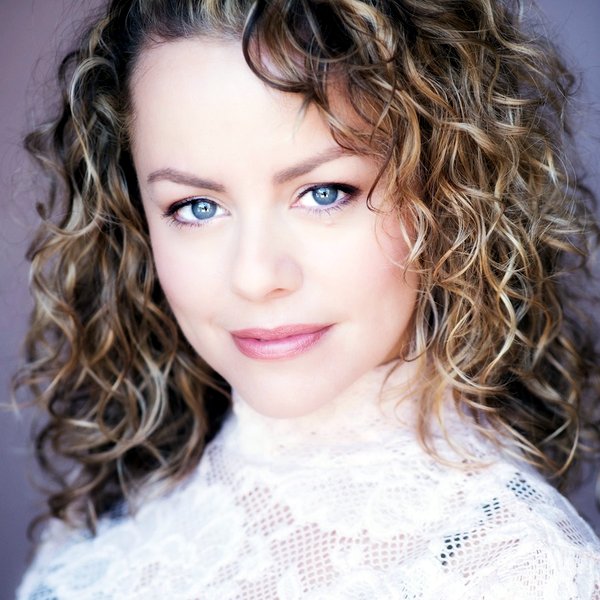
BA in Psychology and English from the University of Connecticut · BA in Psychology and English from the University of Connecticut
Colombian-born, 10+ years experience, offers personalized language instruction with creativity and flair
Personally vetted · Strommen’s note
Berlitz-certified and equally exacting with everyone she teaches, Andrea's client list has run from FBI agents to studio heads to kindergartners.
Specialties
BA in Psychology and English from the University of Connecticut · BA in Psychology and English from the University of Connecticut
Colombian-born, 10+ years experience, offers personalized language instruction with creativity and flair
Specialties
Personally vetted · Strommen’s note
Berlitz-certified and equally exacting with everyone she teaches, Andrea's client list has run from FBI agents to studio heads to kindergartners.

Master’s in Teaching Spanish as a Foreign Language, Master of Science in Marketing, Business Management Engineering · Certificate in Teaching Spanish as a Foreign Language
Certified Spanish Tutor | Personalized Online Lessons
Personally vetted · Strommen’s note
Grammar arrives through real use, not worksheets first, in Emilio's task-based approach to Ecuadorian Spanish out of Guayaquil.
Specialties
Master’s in Teaching Spanish as a Foreign Language, Master of Science in Marketing, Business Management Engineering · Certificate in Teaching Spanish as a Foreign Language
Certified Spanish Tutor | Personalized Online Lessons
Specialties
Personally vetted · Strommen’s note
Grammar arrives through real use, not worksheets first, in Emilio's task-based approach to Ecuadorian Spanish out of Guayaquil.

BFA in Film - Directing and Minor in Creative Writing · International Baccalaureate
A trilingual Spanish tutor and translator. Let's just have fun!
Personally vetted · Strommen’s note
Regina describes her teaching style as a well-balanced taco: a little structure, plenty of substance, just the right amount of fun.
Specialties
BFA in Film - Directing and Minor in Creative Writing · International Baccalaureate
A trilingual Spanish tutor and translator. Let's just have fun!
Specialties
Personally vetted · Strommen’s note
Regina describes her teaching style as a well-balanced taco: a little structure, plenty of substance, just the right amount of fun.
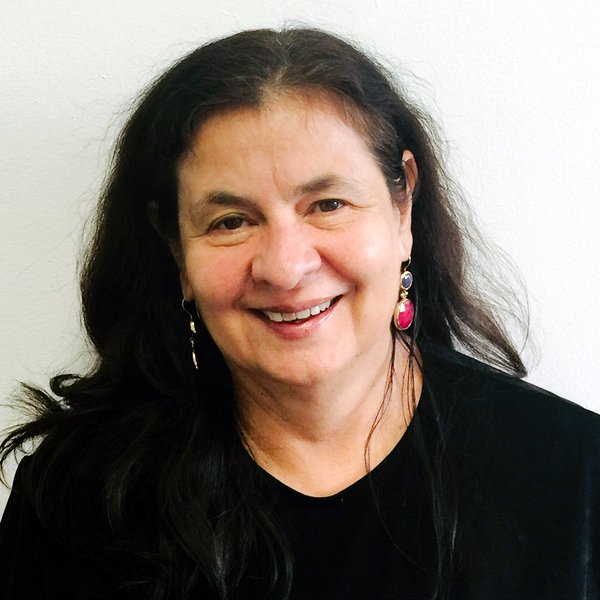
languages English and French
Colombian Native and Multicultural Tutor with Extensive Teaching Experience!
Personally vetted · Strommen’s note
Colombian-born and eleven years into teaching Spanish, Patricia builds every lesson around grammar first. Everything else stands on that foundation.
Specialties
languages English and French
Colombian Native and Multicultural Tutor with Extensive Teaching Experience!
Specialties
Personally vetted · Strommen’s note
Colombian-born and eleven years into teaching Spanish, Patricia builds every lesson around grammar first. Everything else stands on that foundation.

Gramática esencial — rules & errors
5 Spanish grammar topics that produce the most adult-learner errors
These aren't trivia. They are the structures that produce the most errors in adult learner Spanish at the intermediate and upper-intermediate levels, and the ones a serious grammar tutor returns to repeatedly. Screenshot to save.
-
01
El, la, los, las (gendered nouns)
Every Spanish noun is masculine or feminine. The article changes, the adjective agrees, and the demonstrative agrees. El sol the sun, la luna the moon, el coche rojo the red car, la casa roja the red house. Rule of thumb: -o endings tend masculine, -a endings tend feminine, -ción and -dad tend feminine, -ma of Greek origin tend masculine despite the -a. The exceptions (el día, la mano, el problema, la foto) live as memorized pairs. Learn nouns with their articles from day one.
e.g. El día está bonito. La mano duele. El mapa está aquí. La foto es bonita.
-
02
Ser vs estar (the two-verbs-for-to-be problem)
English uses one verb for "to be." Spanish uses two, and the choice carries meaning. Ser for inherent qualities, identity, origin, time, possession, occupation, material. Estar for location, temporary states, conditions, results of change. Es aburrido = he is boring; está aburrido = he is bored. Es bueno = he is a good person; está bueno = it tastes good (or, in some regions, he looks attractive). The textbook contrasts exist for a reason: they catch the most common errors.
e.g. Soy de Los Angeles. (Origin, permanent — ser.) Estoy en Los Angeles. (Location, temporary — estar.)
-
03
The subjunctive (querer que, esperar que, sentir que)
Spanish subjunctive gets triggered by specific verb phrases (querer que, esperar que, sentir que, dudar que, recomendar que, pedir que), by certain conjunctions (para que, antes de que, a menos que, sin que), by expressions of doubt (es posible que, tal vez, quizás), and by impersonal expressions of value (es importante que, es necesario que). Each trigger has its own logic, and the trigger list resists pure memorization.
e.g. Quiero que vengas. (I want you to come, present subjunctive.) Esperaba que vinieras. (I was hoping you would come, imperfect subjunctive.)
-
04
Preterite vs imperfect (the two past tenses)
Spanish marks past time with two tenses where English uses one. The preterite (comí, fui, hablé) for completed past actions with a defined start and end. The imperfect (comía, iba, hablaba) for ongoing, habitual, or background past actions. Action vs state, completed event vs ongoing context. The rules are learnable; the deployment in spontaneous past-tense narrative takes months of practice.
e.g. Cuando era niño (imperfect, ongoing past state), comía helado todos los días (imperfect, habitual). Ayer comí helado en el parque (preterite, single completed event).
-
05
Double object pronouns (se lo doy)
Spanish uses direct and indirect object pronouns frequently in the same clause. The famous se lo doy = "I give it to him." Why se instead of le? Because le becomes se when followed by lo, la, los, or las. Both pronouns attach before the conjugated verb (se lo doy), or attach to the end of an infinitive, gerund, or affirmative command with a written accent (quiero dárselo, dáselo).
e.g. ¿La carta? Se la di a Juan ayer. (The letter? I gave it to Juan yesterday.)
About Spanish Grammar
Spanish grammar, where adults actually get stuck
Spanish grammar is the layer where adult English speakers plateau, and where deliberate work earns the most ground per lesson. Spanish is rightly classified by the Foreign Service Institute as a Category I language for English speakers (around 600-750 classroom hours to professional working proficiency), and most adults make swift progress through the first six months on vocabulary and pronunciation alone. The slowdown arrives at the grammar fork, and it stays slow for years if no one targets the specific structures producing the errors. The students who book this specialty fall into a few clear groups: heritage speakers who grew up hearing Spanish at home and now want to fix the conjugation gaps that the home-language environment never drilled; intermediate adult learners who can hold conversations but freeze when the verb form has to be subjunctive; DELE candidates whose writing scores are dragging because grammar accuracy is rubric-scored; teachers and tutors of Spanish needing pedagogical command of structures they speak intuitively; and curious learners working through Spanish as a system. The curriculum calibrates to all five.
Gendered nouns are the first place every English speaker meets Spanish grammar as something genuinely different from English. Every Spanish noun is either masculine or feminine, with no neutral option. El sol is masculine, la luna is feminine. The article changes (el versus la, un versus una), the adjective agrees (la casa roja, el coche rojo), and the demonstrative agrees too (este libro, esta mesa). The Real Academia Española and the Asociación de Academias de la Lengua Española maintain the formal norms across all 23 Spanish-speaking countries; the practical impact for the learner is that gender attaches to a noun the moment you learn the noun, and unlearning the wrong gender later is harder than learning the right one first. The rough rules of thumb (most -o endings are masculine, most -a endings are feminine, most -ción and -dad endings are feminine, most -ma endings of Greek origin are masculine despite the -a) cover maybe 80% of nouns. The remaining 20% (el día, la mano, el mapa, el problema, la foto, la radio, el agua which is feminine despite the masculine article in singular) live as memorized exceptions. Grammar lessons drill nouns with their articles from the first session because the article-noun pair becomes a single memory unit and unlearning a wrong pairing is much harder than learning it correctly the first time.
Ser versus estar is the second great hinge, and the one that produces the most error in even fluent non-native speakers. English uses one verb for "to be." Spanish uses two, and the choice carries meaning. Ser describes inherent or defining qualities, identity, time, origin, possession, occupation, and material. Estar describes location, temporary states, conditions, and the result of changes. The canonical contrasts (ser aburrido = to be boring; estar aburrido = to be bored; ser bueno = to be a good person; estar bueno = to look attractive or to taste good; ser listo = to be clever; estar listo = to be ready) are the textbook examples for a reason. The deeper pattern is that ser answers what something is and estar answers what state or condition it's in. Heritage speakers often have a fluent ear for the distinction but cannot state the rule, while learners who studied Spanish in school often know the rule by heart but pick the wrong one under conversational pressure. Both groups benefit from explicit drill paired with high-volume input.
The subjunctive is where most American Spanish curricula give up and most adult learners plateau permanently. Spanish has two subjunctive tenses in active use (present subjunctive and imperfect subjunctive, plus the rarer present perfect subjunctive and pluperfect subjunctive), where English subjunctive is reduced to a few fossilized forms (if I were you, I insist that she be there). Spanish subjunctive gets triggered by specific verb phrases (querer que, esperar que, sentir que, dudar que, recomendar que, aconsejar que, pedir que, insistir en que), by certain conjunctions (para que, antes de que, a menos que, sin que, con tal de que), by expressions of doubt or possibility (es posible que, tal vez, quizás), and by impersonal expressions of value (es importante que, es necesario que, es bueno que). Each trigger has its own logic, and the list resists pure memorization. Heritage speakers usually feel when the subjunctive is required but cannot always explain why. Classroom learners often know the trigger list but pick the wrong tense (present versus imperfect) or forget the trigger entirely in fast conversation. The fix is the same in both directions: explicit pattern work, then high-volume production with selective correction.
The preterite-versus-imperfect distinction sits alongside subjunctive as the second great verb-tense hurdle. Spanish marks past time with two different tenses where English usually uses one. The preterite (comí, fui, hablé) describes completed past actions with a defined beginning and end. The imperfect (comía, iba, hablaba) describes ongoing, habitual, or background past actions. The canonical distinction is action versus state, or completed-event versus ongoing-context: cuando era niño, comí helado todos los días (when I was [imperfect, ongoing state of childhood] a child, I ate [preterite, but actually wrong here, should be imperfect for habitual] ice cream every day) versus ayer comí helado en el parque (yesterday I ate [preterite, completed event] ice cream in the park). The rules are learnable; the deployment under pressure takes months. Adult learners who never internalize the distinction sound permanently foreign in past-tense narrative, even when their vocabulary and pronunciation are otherwise strong.
The object pronoun system, including the famous double object pronouns, is the fourth high-leverage grammar topic. Spanish has direct object pronouns (me, te, lo/la, nos, os, los/las) and indirect object pronouns (me, te, le, nos, os, les), and Spanish frequently uses both in the same clause. The famous se lo doy ("I give it to him") demonstrates the full machine: the indirect object pronoun le becomes se when followed by the direct object pronoun lo, and both attach in front of the conjugated verb. With infinitives and gerunds and affirmative commands the pronouns attach to the end of the verb (quiero dárselo, dándoselo, dáselo), each requiring a written accent to preserve the original stress pattern. The system is logical and learnable; the deployment in conversation is what takes practice. Many learners who can conjugate every verb in every tense still produce halting sentences because the pronoun system has not become automatic.
The conjugation system itself, across the three regular verb groups (-ar, -er, -ir), needs explicit treatment for any learner aiming above conversational level. Spanish conjugates by person across six forms per tense (yo, tú, él/ella/usted, nosotros, vosotros, ellos/ellas/ustedes), with the vosotros form used in Spain and the ustedes form used everywhere else. The present, the preterite, the imperfect, the present perfect, the past perfect, the future, the conditional, and the present and imperfect subjunctive multiply across the three regular groups plus the irregular high-frequency verbs (ser, estar, tener, haber, ir, hacer, decir, poder, querer, saber, poner, venir, salir, traer). Adult learners who reach upper-intermediate often have command of the present, the preterite, the imperfect, the present perfect, and the future, but stall on the conditional, the subjunctive tenses, and the rarer compound tenses. Targeted lessons fill those gaps with timed exercises and free-production prompts.
A few honest tutor observations on the patterns we see in adult grammar learners. Heritage speakers and classroom learners need different lessons even when they're working on the same grammar topic, because the gap profile is opposite: heritage speakers have the ear but lack the explicit rule, while classroom learners have the rule but lack the ear. A heritage speaker working on subjunctive may simply need pattern-naming for what she already feels. A classroom learner working on the same topic needs hundreds of repetitions in low-stakes input until her ear catches up to her brain. Closely related: many adults plateau at upper-intermediate because they have stopped learning grammar consciously and started relying on whatever sounds right. That instinct is mostly correct, which is what makes the residual errors so durable. Targeted grammar work at this level surfaces the specific patterns the ear no longer flags. Our DELE prep page covers the test-rubric angle for students whose grammar goal is tied to a certification, and our conversational Spanish and Spanish for beginners pages cover the broader registers grammar sits inside.
Lessons calibrate to your level, your goal, and your specific gaps. A B1 student building toward B2 needs work on the preterite-imperfect distinction and the early subjunctive triggers. A heritage speaker fixing conjugation gaps needs the explicit verb-form practice that home Spanish never required. A DELE candidate at B2 or C1 needs the rubric-aware writing drills that score grammatical range and accuracy. We do not run a generic grammar course. The trial starts with you naming the goal, the tutor running a short diagnostic to find the actual gaps, and a written plan for the next four weeks. The Strommen Spanish grammar roster includes native speakers from across the Spanish-speaking world (Mexico, Spain, Argentina, Colombia, Peru), several with linguistics or formal teaching backgrounds, plus longtime US bilinguals who have taught grammar-focused Spanish for years. Browse the tutor list, find a bio that matches your situation, and book a free trial.
What you'll cover
Lessons & classes tailored to Spanish Grammar
The conjugation system, with depth at the irregular verbs
All major Spanish tenses across the three regular verb groups (-ar, -er, -ir) and across the six person forms (yo, tú, él/ella/usted, nosotros, vosotros, ellos/ellas/ustedes), with the regional vosotros-versus-ustedes split addressed explicitly. Particular weight on the high-frequency irregular verbs (ser, estar, tener, haber, ir, hacer, decir, poder, querer, saber, poner, venir) that appear in nearly every sentence and have to be conjugated cold. Drill with timed exercises, free-production prompts, and the kind of cumulative review that moves a tense from rule to instinct.
Ser vs estar, gendered nouns, and articles
The ser-estar distinction revisited until it's no longer a coin flip under conversational pressure, with focused work on the cases where the choice changes meaning (aburrido, bueno, listo, rico, orgulloso, cansado, vivo, muerto). Gendered nouns drilled with their articles as memory units, with explicit time on the irregular gender exceptions and the agreement chain (article + noun + adjective + demonstrative). Article use across the contexts where Spanish and English diverge (Spanish uses definite article with abstract nouns and body parts where English uses zero article: el amor, me duele la cabeza).
The subjunctive system (present, imperfect, and the triggers)
Present subjunctive forms across regular and irregular verbs. The trigger lists (verbs of will and emotion, expressions of doubt, impersonal value expressions, certain conjunctions) drilled with practice. Imperfect subjunctive (both -ra and -se forms) for past-time subjunctive contexts and for hypothetical or polite uses. The famous "if I were you" hypothetical (si yo fuera tú) and the second-conditional structures (si tuviera dinero, viajaría). The rarer present perfect subjunctive and pluperfect subjunctive for advanced learners aiming at C1 or above.
Preterite/imperfect, object pronouns, and the conditional
The preterite-imperfect distinction drilled in narrative writing and storytelling contexts, where the choice carries real meaning and gets noticed by native readers. The full object pronoun system (direct, indirect, reflexive, double pronouns, pronoun placement with conjugated verbs, infinitives, gerunds, and commands) with the written-accent rules for the attached forms. The conditional tense (comería, iría, haría) for hypothetical statements, polite requests, and the famous conditional perfect (habría comido) for past unreal contexts. Reported speech with the backshifting rules that govern indirect quotation.
FAQ
About Spanish Grammar lessons & classes
I'm a heritage speaker. I understand my abuela perfectly but my conjugation is a mess. Can grammar lessons help?
Yes, and heritage speakers are one of our most common grammar-tutoring profiles. The heritage gap is opposite to the classroom-learner gap: you have the ear, the vocabulary, and the cultural fluency, but the home environment never drilled explicit conjugation. The fix is targeted pattern work on the forms you already recognize but cannot reliably produce. Most heritage students see real progress within 6-8 weeks of weekly lessons because the underlying input is already there; we are just naming the patterns and giving you the production reps. The trial conversation places you accurately and a heritage-specialist tutor takes it from there.
Why does ser-versus-estar keep tripping me up after years of study?
Because English has one verb for "to be" and Spanish has two, with the choice carrying meaning that English does not grammaticalize at all. Ser describes inherent or defining qualities; estar describes location, temporary states, and conditions. The textbook contrasts (es aburrido = he is boring; está aburrido = he is bored) are real and produce real meaning differences. Most advanced learners can state the rule and still pick the wrong one under conversational pressure, because the choice has to be made every single time you say "is" or "are" or "am." The fix is high-volume drill paired with input, until the choice becomes automatic instead of deliberate.
When do I actually need to use the subjunctive?
More often than English would suggest. Spanish subjunctive gets triggered by verbs of will, emotion, and doubt followed by que (quiero que vengas, espero que estés bien, dudo que sea verdad), by certain conjunctions (para que, antes de que, a menos que, sin que), and by impersonal value expressions (es importante que, es necesario que). The good news is that the trigger list is finite. The harder news is that the trigger has to be recognized in real time, and the verb form (present subjunctive versus imperfect subjunctive) has to match the time frame. Lessons drill both.
How do I tell preterite from imperfect when describing the past?
The deepest rule: preterite for completed events with a defined beginning and end, imperfect for ongoing, habitual, or background past states. Ayer comí en ese restaurante (yesterday I ate [single completed event] at that restaurant). Cuando era niño, comía allí todos los domingos (when I was a child, I used to eat [habitual past] there every Sunday). In narrative writing the two tenses alternate constantly: the imperfect sets the scene (era una noche oscura, llovía, no había nadie en la calle) and the preterite delivers the events (entonces apareció un hombre, sacó un sobre, me lo dio, y desapareció). The deployment takes months of practice; the rules can be named in one lesson.
Do I need grammar tutoring if I'm preparing for the DELE?
Often yes, especially if your target is B2 or higher. The DELE writing and grammar sections score grammatical range and accuracy explicitly, and candidates who plateau just under the passing band on those sections are almost always being held back by the same recurring structural gaps (subjunctive, preterite-imperfect, gender agreement, object pronoun placement). Drilling those gaps under timed conditions, with rewrites graded against the DELE rubric, is one of the highest-leverage forms of test prep. Our DELE prep page covers the test-strategy work; grammar tutoring is the underlying structural fix.
How is Spanish grammar different from English grammar?
Several places. Spanish marks gender on every noun (English does not). Spanish conjugates verbs across six person forms per tense (English conjugates almost nothing). Spanish uses two verbs for "to be" (English uses one). Spanish marks past time with two tenses where English uses one. Spanish has an active subjunctive system (English subjunctive is reduced to a few fossils). Spanish uses double object pronouns frequently (English uses noun objects more often). Spanish places adjectives after nouns by default (English places them before). Spanish drops subject pronouns when context is clear (English requires them). The two languages share the Latin alphabet and a substantial vocabulary overlap, but the structural divergence is real and explains why adult learners need targeted work.
Can grammar lessons help me pass a Spanish teaching credential exam?
Yes. Several of our Spanish grammar tutors hold formal linguistics or teaching credentials and have prepped teachers in training for the grammar-knowledge component of certification exams (CSET Spanish in California, ACTFL OPI assessments, DELE for non-native Spanish teachers). The skill set is different from speaking Spanish correctly: teaching Spanish grammar requires being able to name the rule, sequence it for adult learners, anticipate common errors by first-language background, and demonstrate the structure with clean examples. Sessions for credential candidates cover the meta-language alongside the structures themselves.
Which regional Spanish should the grammar match?
The grammar is largely shared across the Spanish-speaking world; the major exception is the vosotros form (used in Spain, replaced by ustedes in Latin America) and the vos form (used in Argentina, Uruguay, parts of Central America, and Colombian regional speech, replacing tú). Your tutor will match the conjugation system to the variety you actually need. Most North American students default to Latin American grammar (ustedes only, no vosotros) unless they have specific Spain ties. Argentine-heading students drill the vos conjugations. Heritage students match the variety their family speaks. The trial conversation places you and your goal accurately.
Ready for Spanish Grammar lessons or classes?
Book a free 30-minute trial with one of our personally vetted tutors. Private lessons or small-group classes — your choice.