



Personally vetted instructors
Calabrese tutors, lessons & classes
Salutamu! Calabrese for "we greet you" — the southern-Italian first-person plural that's used as a one-word "hello" across the region.
Personally vetted Calabrese tutors. Lessons in the regional language of Calabria — northern Cosentino, southern Reggino, and the Greek-substrate vocabulary that distinguishes the deep south from standard Italian.
Your instructors
Calabrese tutors for private lessons & classes
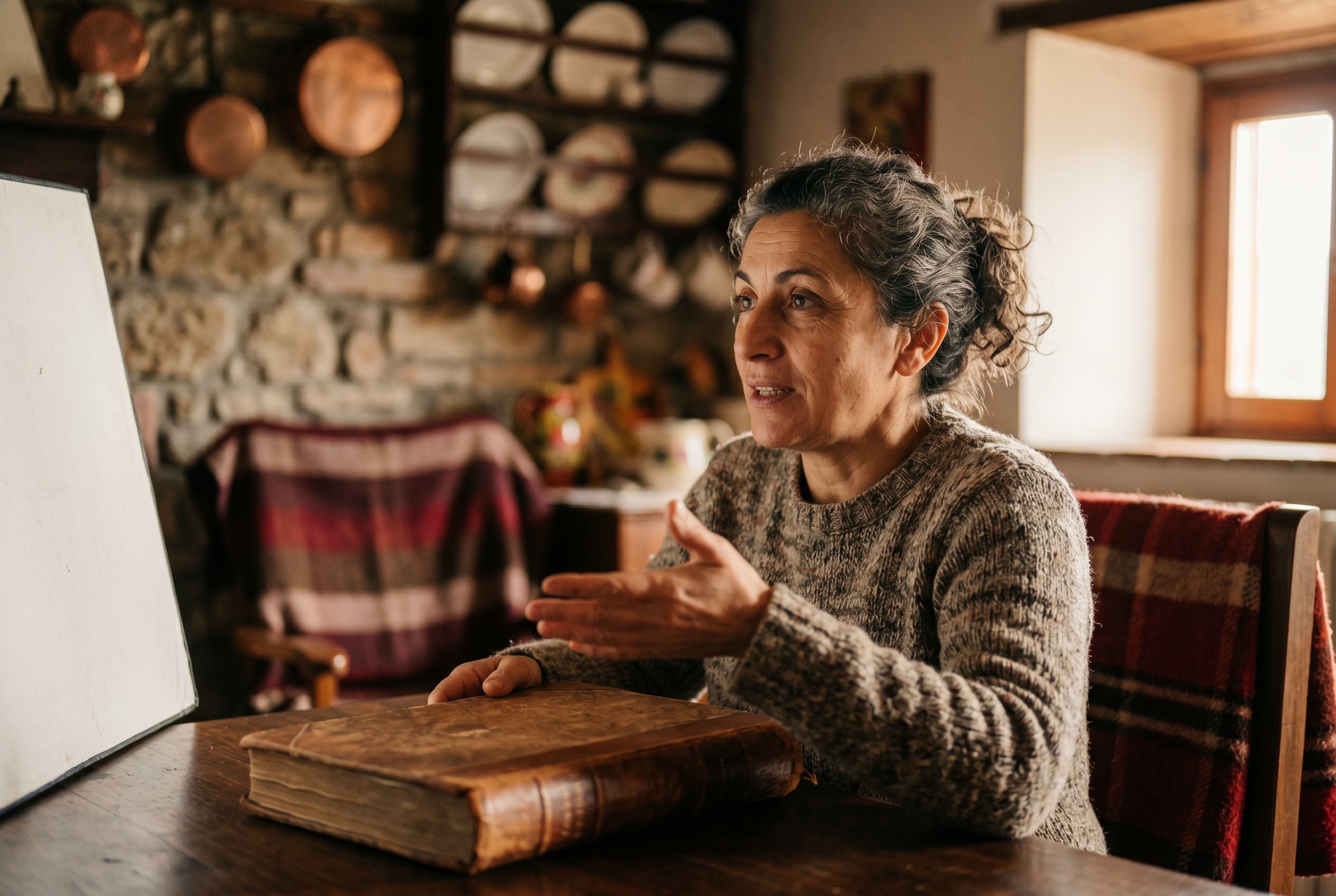
Strommen has been teaching Italian since 2006, and Calabrese specifically for the subset of heritage learners and dialect-curious students who arrive asking for the actual language of their family rather than the standard. Every tutor below was met and vetted by us in person or via thorough video interview. No marketplace. No automated profiles. Real teachers with real regional roots, which you can read about in their bios.
Filter by location, age, or price. Then book a 30-minute free trial.
Below are the Strommen tutors who specialize in Calabrese. Photos, ratings, and rates are real. Click any card to read their bio and book a free 30-minute trial.
I want to learn…
Every tutor, personally met. — founder-vetted since 2006, in Los Angeles and online worldwide.
Get a personalized plan
Pick your language — a language advisor will match you with the right tutor and map out your path.


Certified in Teaching English as a Foreign Language, International TEFL and TESOL Training (2021)BA, Honors Theatre Studies, University of Guelph (2021)
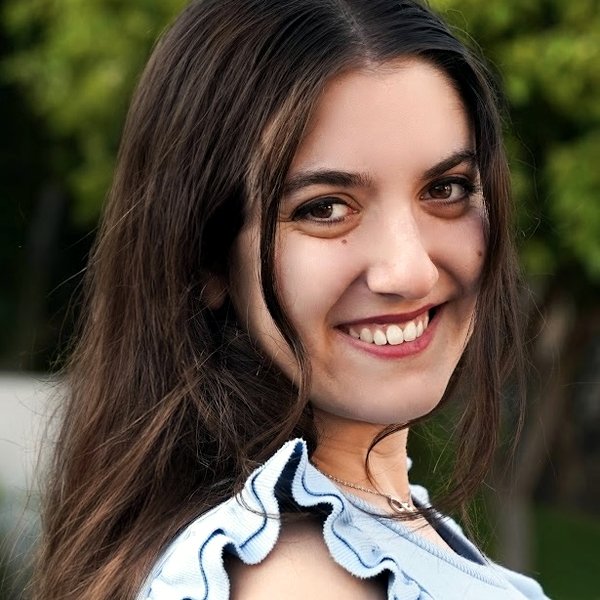
English, Italian and Spanish teacher, dialect coach and accent reduction coach
Personally vetted · Strommen’s note
Amy coaches Sicilian, Neapolitan, and Calabrese dialects alongside standard Italian and English. She's also taught Italian kids English from age three up.
Specialties
Certified in Teaching English as a Foreign Language, International TEFL and TESOL Training (2021)BA, Honors Theatre Studies, University of Guelph (2021)
English, Italian and Spanish teacher, dialect coach and accent reduction coach
Specialties
Personally vetted · Strommen’s note
Amy coaches Sicilian, Neapolitan, and Calabrese dialects alongside standard Italian and English. She's also taught Italian kids English from age three up.
EDUCATION * MA in Global Economy, Cooperation, and Innovation | University of Calabria | 110/110 Cum Laude * MA in Sociology and Social Research | University of Calabria (Ongoing) * University Master (Level 1) in Labor Consulting & Corporate Law | Pega...
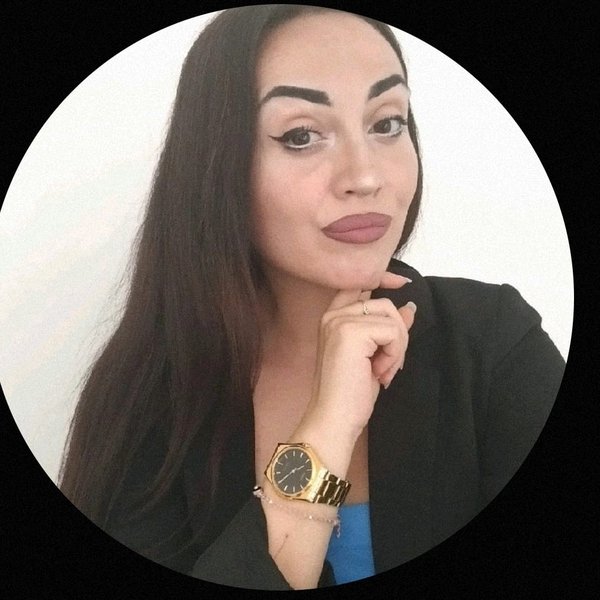
Native italian coach high level : italian language, business, sociology and cultural mastery
Personally vetted · Strommen’s note
A licensed labor consultant with degrees in economics and law, Maria teaches high-level business Italian plus four rare southern dialects.
Specialties
Also speaks: English
EDUCATION * MA in Global Economy, Cooperation, and Innovation | University of Calabria | 110/110 Cum Laude * MA in Sociology and Social Research | University of Calabria (Ongoing) * University Master (Level 1) in Labor Consulting & Corporate Law | Pega...
Native italian coach high level : italian language, business, sociology and cultural mastery
Specialties
I also speak: English
Personally vetted · Strommen’s note
A licensed labor consultant with degrees in economics and law, Maria teaches high-level business Italian plus four rare southern dialects.

Pi capirinni — culture & dialect
5 things to know before you start Calabrese
Five details that explain why Calabrese sounds and behaves the way it does, and what a tutor will calibrate to in your first session. Screenshot to share.
-
01
Cosenza ≠ Reggio
Calabria is split linguistically. The northern third (Cosenza, the Pollino, the Sila) belongs to the Neapolitan-affiliated family. The central-southern two-thirds (Catanzaro down through Reggio) belongs to italiano meridionale estremo, the same group as Sicilian. The boundary, called the Lausberg area, runs across the isthmus at Squillace and is one of the sharpest dialect borders in Romance Europe.
e.g. <em>Frate</em> (Cosenza, "brother") vs <em>frati</em> (Reggio): same family, different language.
-
02
Greek substrate
The Magna Graecia colonies left a Greek-substrate vocabulary in Calabrese that no Italian-only speaker will recognize. In the Bovesia villages at the southern tip of Aspromonte, Calabrian Greek (Greko or Grecanico) is still spoken by a small community and is classified by UNESCO as severely endangered. A Reggino-zone tutor brings vocabulary a northern Italian tutor literally doesn't know.
e.g. <em>Pithari</em> (clay jar), <em>spitale</em> (hospital): Greek-derived everyday words still in use.
-
03
Retroflex tr and dd
Southern Calabrese shares with Sicilian the retroflex consonants that mark the deep south. The /tr/ in tri ("three") is pronounced with the tongue curled back, closer to American English tr- than to standard Italian. The dd in beddu (standard Italian bello, "beautiful") is a single retroflex stop, not the geminate /ll/ of the rest of Italy. Coaches drill the curl explicitly.
e.g. <em>Beddu picciriddu</em> ("beautiful little one"): the <em>dd</em> sounds engage the tongue tip backward.
-
04
Passato remoto every day
Northern Italians treat the passato remoto as literary and reach for the passato prossimo for anything in the last decade. Calabrese keeps the passato remoto alive in everyday speech: yesterday, last Tuesday, last month all take the older tense. For a learner this is a grammar shift, not a stylistic flourish; the textbook tense charts apply differently down south.
e.g. <em>Mangiai</em> ("I ate," yesterday, in Calabrese) where a northerner would say <em>ho mangiato</em>.
-
05
Calabrian-American is its own register
The Calabrese diaspora is huge. Marisa Tomei, Mark Ruffalo, Stanley Tucci, Tony Bennett, and Frank Sinatra all carry Calabrian roots. For a heritage learner, the language of a grandparent from Catanzaro or Reggio is Calabrese, not standard Italian. The variety matters; a Cosentino tutor and a Reggino tutor teach noticeably different speech, and matching to the family region is the first conversation in the trial.
e.g. A grandmother's kitchen vocabulary is almost never the Italian you'd learn in a classroom.
About Calabrese
Calabrese isn't broken Italian
A student arrives in Cosenza expecting their textbook Italian to carry them through the cab ride from the train station. The driver says something that sounds like nothing they studied. They ask him to repeat. He repeats, slightly faster. By the time the cab reaches the hotel, both parties have settled into a friendly impasse of half-Italian, half-shrug. This is the moment most learners discover that Calabrese isn't a regional accent of Italian; it's its own thing, with its own grammar, its own vocabulary, and a history that runs through Greek colonies and Norman conquests long before the Italian state existed.
Calabria sits at the toe of the Italian boot, and linguistically it sits across a line that linguists have been drawing since the early 20th century. The northern third of the region (Cosenza and its hinterland, the Pollino mountains, the Sila plateau north of Catanzaro) speaks dialects that belong to the same broad family as Neapolitan and Lucano. The central-southern two-thirds, from Catanzaro down through Vibo Valentia, Reggio Calabria, and the Aspromonte massif, speaks varieties that are classified as italiano meridionale estremo, the same group as Sicilian. A native of Cosenza and a native of Reggio Calabria, both speaking their local Calabrese, will hear each other as speakers of recognizably different languages. The boundary between the two, often called the Lausberg line or the Lausberg area after the German Romance philologist who first mapped it, runs roughly along the isthmus between the gulfs of Sant'Eufemia and Squillace and is one of the more striking dialect borders in Romance Europe.
The Greek substrate runs deeper here than anywhere else in Italy. The colonies of Magna Graecia (Sybaris, Croton, Locri, Rhegion) were Greek-speaking centuries before Rome reached the south, and a Greek-speaking community survived continuously in pockets of Calabria into the modern era. UNESCO classifies the remaining variety, Greko (also written Grecanico or Calabrian Greek), as severely endangered. It is still spoken, with a few hundred active speakers and a couple of thousand who recognize it, in a cluster of nine villages in the Bovesia region at the southern tip of Aspromonte: Bova Superiore, Bova Marina, Roghudi, Chorìo di Roghudi, Gallicianò, and their neighbors. Calabrese in the surrounding area carries Greek-substrate vocabulary that an Italian-only speaker won't recognize: words for tools, plants, food, fishing, family relationships, weather. This is why a coach with roots in the Reggino south can teach a working vocabulary that a northern-Italian tutor literally does not know.
The phonology is the other place Calabrese diverges sharply from standard Italian. Southern Calabrese shares with Sicilian the retroflex consonants that English-speaking linguists find easier to identify than to describe: the /tr/ cluster in tri ("three") is pronounced with the tongue curled back, closer to an American English tr- than to a standard-Italian /tr/, and the dd in words like beddu ("beautiful," Italian bello) is a single retroflex stop, not the geminate /ll/ of the rest of Italy. The vowel system collapses the standard Italian seven-vowel inventory to a five-vowel system in much of the south, with characteristic substitutions that immediately mark a speaker as Calabrese. Final unstressed vowels weaken to schwa, the way they do in much of southern Italy. The result, to a standard-Italian ear, is a tighter, more clipped, more consonant-forward sound than the open singing vowels northerners associate with Italian.
For learners with Calabrian family roots in North America, Calabrese is often the actual language of the grandparents' kitchen. Italian as a category was something the second generation learned in adulthood, if at all. The Calabrese diaspora is huge. Heritage roots run through Marisa Tomei, Mark Ruffalo (paternal grandfather from Girifalco, near Catanzaro), Stanley Tucci, Tony Bennett (whose parents were both from poor farming families in Calabria), and Frank Sinatra, who often spoke about his Calabrian roots in interviews. For a heritage learner trying to reconnect with the speech of an actual grandparent from Catanzaro, Vibo, or Reggio, standard Italian is not the answer. Calabrese is. And the variety matters: a tutor from the northern Cosentino zone teaches something noticeably different from a tutor from Reggio or the Locride.
A few honest observations on what trips up learners coming to Calabrese from standard Italian. The pronoun system is shifted: object pronouns attach to verbs differently, and certain reflexive constructions look unfamiliar even when the lexicon is recognizable. The future tense as standard Italian uses it (with the -ò ending) is rare in spoken Calabrese; the periphrastic haju a fari construction does the same job. The passato remoto is alive and well in everyday speech in a way northerners forget it ever was, so a sentence about something that happened last Tuesday uses a tense most Italian textbooks treat as literary. Vocabulary is where the daily friction lives: nun aju for "I don't have," chi voi for "what do you want," chiossài for "more," the Greek-substrate words you won't find in a Treccani dictionary unless you go looking. And one more thing: the word for "yes" varies. In much of central-southern Calabria it's sì; in northern Calabrese influenced by Neapolitan, you'll hear an unaccented vowel that to a foreigner sounds nothing like agreement until context lands.
Between lessons, the immersion landscape is good if you know where to look. Calabrian-language YouTube has grown in the last decade: regional folk-music channels, Cosenza-based and Reggio-based vloggers, the Pietro Marongiu and Mimmo Cavallaro music traditions, and the Greko-language preservation projects out of Bova and Gallicianò all maintain audio archives. Documentary cinema on Magna Graecia and the Greko community is accessible through Italian public broadcasting (RAI). For texts, Gerhard Rohlfs's Nuovo dizionario dialettale della Calabria remains the standard reference work, and the Atlante Linguistico Italiano (ALI) has Calabria coverage for the more academically inclined. Treccani's regional-language entries are a reasonable starting point in Italian for the linguistic background. Your tutor will recommend audio sources matched to your home region of interest. For broader Italian foundations, our 1,000 most common Italian words list is a useful supplement for learners who want the Calabrese layer to sit on top of a working standard-Italian base.
The Strommen Calabrese roster is small and specifically regional. Each tutor's bio specifies their home province (Cosenza, Catanzaro, Crotone, Vibo Valentia, or Reggio Calabria) and the variety they teach. Pair yourself to a Cosentino-zone tutor if your family is from the Pollino or the Sila, or to a Reggino-zone tutor if your roots run to the Aspromonte coast and the Locride. For learners working on a film, theater, or oral-history project that calls for Calabrese specifically, our Italian dialect coaching for actors page is the right entry point. For broader Italian study, our Italian course page shows the family of related programs. Or just browse the full tutor list and book a trial. Bring a recording of your grandmother if you have one. Tell us the village. We'll go from there.
What you'll cover
Lessons & classes tailored to Calabrese
Regional variety calibration: Cosentino, Catanzarese, Reggino
The first lesson identifies which Calabrese you actually want. Northern Cosentino for the Pollino and Sila zones (closer to Neapolitan/Lucano); central Catanzarese as the transitional middle; southern Reggino for the Aspromonte coast and the Locride (closer to Sicilian). Heritage learners match to family origin; researchers and performers match to project.
Phonology and the retroflex layer
Targeted work on the southern-Calabrese consonant system: the retroflex /tr/ and dd, the five-vowel collapse, the schwa-ing of unstressed finals, the consonant gemination patterns. Listening drills paired with shadow-practice using audio from the relevant zone of Calabria. For learners arriving from standard Italian, this is the layer that does most of the work toward sounding regional rather than imitative.
Greek-substrate vocabulary and Greko context
Working vocabulary that carries Greek substrate (tools, plants, food, weather, family) pulled from the Reggino and Bovesia lexicon. For learners interested in the Greko (Calabrian Greek) community itself, lessons can include cultural and historical context on the Bovesia villages, the UNESCO endangered-language status, and the preservation projects underway.
Heritage-learner work: grandparent language, oral history, family vocabulary
For learners with Calabrian family roots in North America or elsewhere, lessons can center on the specific village or zone of family origin. Bring recordings or transcripts of older relatives' speech and the coach will identify which features are regional, which are generational, and which words don't appear in any dictionary because they're hyperlocal. This is the most common reason students come to Calabrese specifically rather than standard Italian.
FAQ
About Calabrese lessons & classes
Is Calabrese a dialect of Italian or a separate language?
Linguistically, it's a separate Romance variety, or rather a cluster of them. Northern Calabrese belongs to the broader Neapolitan family; central-southern Calabrese belongs to italiano meridionale estremo, the same group as Sicilian. UNESCO and most modern Romance linguists treat them as distinct from standard Italian. Politically and culturally inside Italy, they're often called dialects. For a learner the practical answer is that they have their own grammar, their own vocabulary, and their own phonology, and you can't reach them just by adding a regional accent to your Italian.
Which Calabrese should I learn?
Match it to your reason for learning. Heritage learners pair to the family's region of origin: Cosenza or the Pollino zones for northern Calabrese, Catanzaro for the transitional middle, Reggio Calabria or the Locride for southern Calabrese. Performers and researchers pair to the project's setting. Travelers heading to a specific town pair to that town. The trial conversation is where the right variety gets matched to your goal.
Do I need to know standard Italian first?
It helps but isn't required. Most learners come with some standard Italian and layer Calabrese on top, because nearly everyone in Calabria today is bilingual in standard Italian and the local variety, and learners benefit from being able to fall back to standard when needed. For pure heritage work focused on a specific family register, the coach can sometimes start directly in Calabrese, but for working travel or general fluency the standard-Italian foundation is the more practical entry point. Our Business Italian and Italian academic writing specialty pages cover the standard-Italian register if that's the layer you want to build first.
Is Greko (Calabrian Greek) covered, or is that a separate thing?
Greko is a separate language (a Greek variety, not a Romance one) spoken in a cluster of villages in the Bovesia region at the southern tip of Aspromonte. The Calabrese taught here is the Romance variety of the surrounding area, which carries Greek-substrate vocabulary from centuries of contact. For learners specifically interested in Greko itself, lessons can include cultural and historical context, but full-immersion Greko study would need a coach from that small surviving community; tell us in the trial and we'll be candid about what we can and can't deliver.
I have Calabrian grandparents and recordings of them. Can lessons work from those?
Yes, and that's often the most useful starting point. Bring the recordings (or transcripts, or written letters) and the coach will work through them with you, identifying which features are regional, which are generational, which words are hyperlocal to your family's specific village. Heritage learners often discover that the speech they grew up around blends standard Italian, regional Calabrese, and family-specific vocabulary in proportions no textbook will capture. The coach's job is to help you map it.
Are these online lessons or in person?
Both, depending on the tutor. Most Calabrese-specialty tutors teach online via Zoom or Jitsi, available globally. That matters because the active community of Calabrese speakers willing and able to teach is geographically scattered between Italy, the US, Canada, Argentina, and Australia. A few teach in person around Los Angeles. Each tutor's profile shows their available formats.
What does a Calabrese lesson actually look like?
Lessons are one-on-one and built around your specific goal. A typical hour for a heritage learner might include 15 minutes of conversational warm-up in Italian or Calabrese, 15 minutes working on a piece of audio or text tied to your family region, 15 minutes on a grammar or vocabulary point that came up, and 15 minutes of practice. For a performer or researcher the balance shifts toward script work or fieldwork prep. No two students get the same lesson plan.
Ready for Calabrese lessons or classes?
Book a free 30-minute trial with one of our personally vetted tutors. Private lessons or small-group classes — your choice.