



Personally vetted instructors
English for Beginners tutors, lessons & classes
Hello The first English word every beginner learns, and the one that still works in every situation worldwide.
Personally vetted English tutors who teach the language from zero. ESL foundations built one careful step at a time, calibrated to adult learners who need real progress without being thrown into the deep end.

Your instructors
English for Beginners tutors for private lessons & classes
Strommen has been teaching English from zero to international adults since 2006. Most beginners arrive after one of three things: a relocation that arrived faster than the English did, a new job that quietly requires more English than the contract suggested, or a personal goal that has been waiting for the right tutor. Every teacher below was met and vetted by us in person or by thorough video interview. No marketplace. No automated profiles.
For a beginner the choice of tutor matters more than people realize, because the first tutor installs the habits, good or bad, that you carry for years. Filter by location, age, or price, then book a 30-minute free trial with whoever feels right. The full Strommen tutor directory is one click away if you want to browse beyond the English list.
Below are the Strommen tutors who specialize in teaching English to absolute beginners. Photos, ratings, and rates are real. Click any card to read a bio and book a free 30-minute trial.
I want to learn…
Every tutor, personally met. — founder-vetted since 2006, in Los Angeles and online worldwide.
Get a personalized plan
Pick your language — a language advisor will match you with the right tutor and map out your path.


Bachelor of Fine Arts, Master of Fine Arts and Research
French and English teacher with University level teaching Experience - Top Rated Instructor
Personally vetted · Strommen’s note
Erin teaches French and English with university-level credentials, and her specialties stretch from accent work to art history to college prep.
Specialties
Bachelor of Fine Arts, Master of Fine Arts and Research
French and English teacher with University level teaching Experience - Top Rated Instructor
Specialties
Personally vetted · Strommen’s note
Erin teaches French and English with university-level credentials, and her specialties stretch from accent work to art history to college prep.


Bachelors in Communication and minor in Theatre studies
Friendly Spanish and ESL Teacher Originally from Spain with experience in dialect coaching and public speaking.
Personally vetted · Strommen’s note
Danny treats every English lesson like a scene to build, dialect coaching included, and he's been at it for thirteen years.
Specialties
Also speaks: Catalan
Bachelors in Communication and minor in Theatre studies
Friendly Spanish and ESL Teacher Originally from Spain with experience in dialect coaching and public speaking.
Specialties
I also speak: Catalan
Personally vetted · Strommen’s note
Danny treats every English lesson like a scene to build, dialect coaching included, and he's been at it for thirteen years.


Bachelor's · TEFL 120h (Graded A)
Damon, the ESL teacher
Personally vetted · Strommen’s note
Damon treats every student like someone he's building a long relationship with. He teaches Chinese, English, and Russian out of Bangkok.
Specialties
Bachelor's · TEFL 120h (Graded A)
Damon, the ESL teacher
Specialties
Personally vetted · Strommen’s note
Damon treats every student like someone he's building a long relationship with. He teaches Chinese, English, and Russian out of Bangkok.
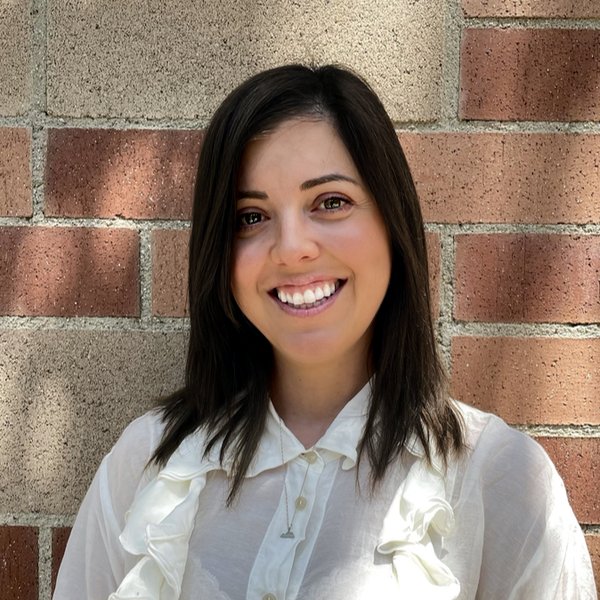
M.A. and Ph.D.
Former UCLA Italian Instructor with 16+ Years of Experience!
Personally vetted · Strommen’s note
A former UCLA Italian instructor with us since 2009, Marianna moves easily between Italian instruction and legal translation.
Specialties
M.A. and Ph.D.
Former UCLA Italian Instructor with 16+ Years of Experience!
Specialties
Personally vetted · Strommen’s note
A former UCLA Italian instructor with us since 2009, Marianna moves easily between Italian instruction and legal translation.

M.A. in TESOL B.A. in Journalism A.A. in Library Science · Community College Credential (lifetime)
Master's Degree in TESOL
Personally vetted · Strommen’s note
Ariel has taught English for thirty-eight years and holds a Master's in TESOL. He's taught in university intensive programs on both sides of the Pacific.
Specialties
M.A. in TESOL B.A. in Journalism A.A. in Library Science · Community College Credential (lifetime)
Master's Degree in TESOL
Specialties
Personally vetted · Strommen’s note
Ariel has taught English for thirty-eight years and holds a Master's in TESOL. He's taught in university intensive programs on both sides of the Pacific.
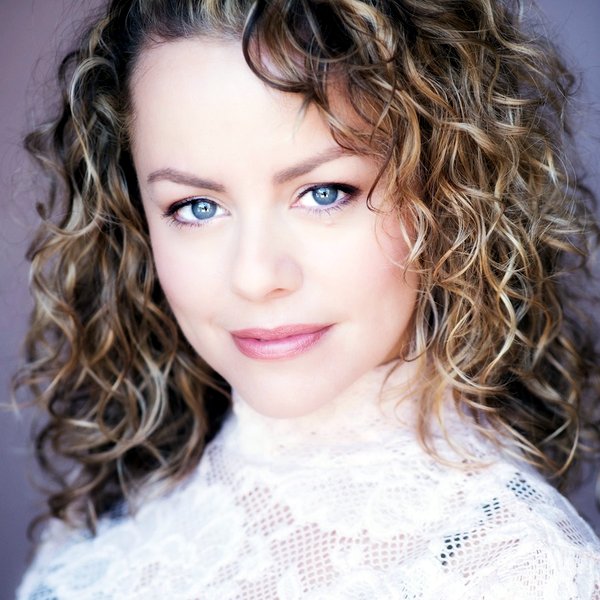
BA in Psychology and English from the University of Connecticut · BA in Psychology and English from the University of Connecticut
Colombian-born, 10+ years experience, offers personalized language instruction with creativity and flair
Personally vetted · Strommen’s note
Berlitz-certified and equally exacting with everyone she teaches, Andrea's client list has run from FBI agents to studio heads to kindergartners.
Specialties
BA in Psychology and English from the University of Connecticut · BA in Psychology and English from the University of Connecticut
Colombian-born, 10+ years experience, offers personalized language instruction with creativity and flair
Specialties
Personally vetted · Strommen’s note
Berlitz-certified and equally exacting with everyone she teaches, Andrea's client list has run from FBI agents to studio heads to kindergartners.

Masters of Fine Art, Bachelor in Foreign Language and Literature. · Over 2,000 hours of one‑on‑one teaching experience. Published literary translator, with work reviewed in Kirkus Reviews, Times Literary Supplement, Art Book D.A.P., and multiple international journals.
Master English, French & Italian with a Published Literary Translator
Personally vetted · Strommen’s note
A published literary translator, Colombina teaches English, French, and Italian, plus SAT prep, college essay coaching, and learning-disability support.
Specialties
Masters of Fine Art, Bachelor in Foreign Language and Literature. · Over 2,000 hours of one‑on‑one teaching experience. Published literary translator, with work reviewed in Kirkus Reviews, Times Literary Supplement, Art Book D.A.P., and multiple international journals.
Master English, French & Italian with a Published Literary Translator
Specialties
Personally vetted · Strommen’s note
A published literary translator, Colombina teaches English, French, and Italian, plus SAT prep, college essay coaching, and learning-disability support.
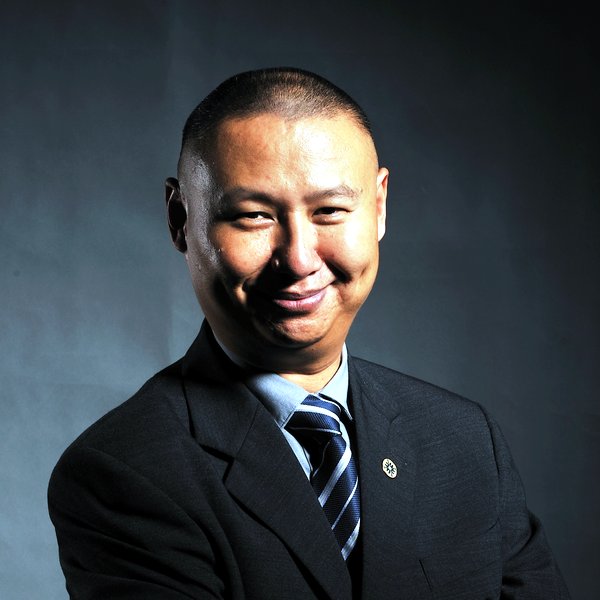
Master of Science · TEFL (120-hour Premier) Certificate
Learn the language, live the culture
Personally vetted · Strommen’s note
Bill's whole premise is that language and culture can't really be separated. His lessons are built around both together.
Specialties
Master of Science · TEFL (120-hour Premier) Certificate
Learn the language, live the culture
Specialties
Personally vetted · Strommen’s note
Bill's whole premise is that language and culture can't really be separated. His lessons are built around both together.
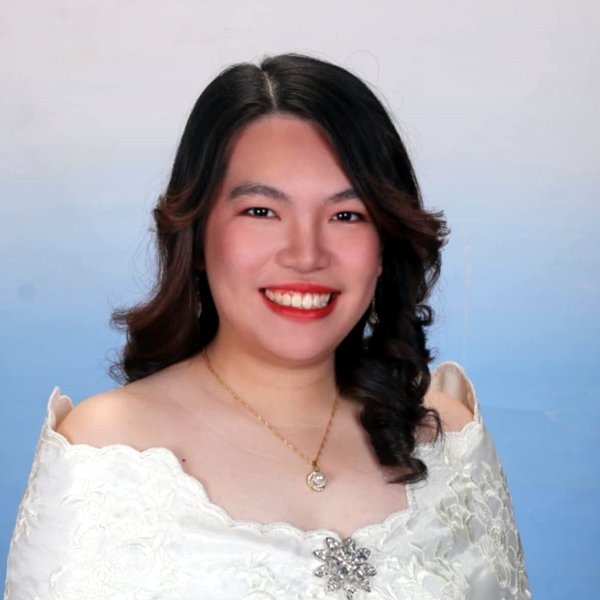
Bachelor's degree in secondary education, majoring in English. Masters degree in English language teaching. · multilingual classroom and TEFL
English and Tagalog Certified Teacher with Masters Degree in English
Personally vetted · Strommen’s note
Princess is a licensed secondary teacher with a Master's in English. She also teaches Tagalog, a genuinely rare pairing on our roster.
Specialties
Also speaks: Spanish
Bachelor's degree in secondary education, majoring in English. Masters degree in English language teaching. · multilingual classroom and TEFL
English and Tagalog Certified Teacher with Masters Degree in English
Specialties
I also speak: Spanish
Personally vetted · Strommen’s note
Princess is a licensed secondary teacher with a Master's in English. She also teaches Tagalog, a genuinely rare pairing on our roster.

B.A. in Spanish, California State University NorthridgeM.A. in Spanish, Middlebury College School in Spain · California Single Subject Teaching Credential in Spanish, California State University NorthridgeCertified in Extensive Processing Instruction (EPI) Language Teaching Approach
Discover your voice and build self-confidence in a new language like you never imagined
Personally vetted · Strommen’s note
Jonathan is trained in over 100 different listening-and-speaking activities, and his English lessons lean on meaningful play with language, not rote drills.
Specialties
B.A. in Spanish, California State University NorthridgeM.A. in Spanish, Middlebury College School in Spain · California Single Subject Teaching Credential in Spanish, California State University NorthridgeCertified in Extensive Processing Instruction (EPI) Language Teaching Approach
Discover your voice and build self-confidence in a new language like you never imagined
Specialties
Personally vetted · Strommen’s note
Jonathan is trained in over 100 different listening-and-speaking activities, and his English lessons lean on meaningful play with language, not rote drills.


Master of Arts (M.A.) in Education from the University of the People (US)Bachelor of Arts (BA) in Teaching Korean as a Second Language from the Korean Education Bank (Korea)Bachelor of Arts (BA) in International Commerce and Logistics from Seoul Cyber... · Level 2 Certificate of Korean Language Teaching
Multilingualism, Specialized Education, Extensive Experience, Target Audience, Practical Skills
Personally vetted · Strommen’s note
Sanghoon teaches Chinese, English, and Korean out of Hangzhou, pulling material from work with students across very different backgrounds.
Specialties
Master of Arts (M.A.) in Education from the University of the People (US)Bachelor of Arts (BA) in Teaching Korean as a Second Language from the Korean Education Bank (Korea)Bachelor of Arts (BA) in International Commerce and Logistics from Seoul Cyber... · Level 2 Certificate of Korean Language Teaching
Multilingualism, Specialized Education, Extensive Experience, Target Audience, Practical Skills
Specialties
Personally vetted · Strommen’s note
Sanghoon teaches Chinese, English, and Korean out of Hangzhou, pulling material from work with students across very different backgrounds.

Teaching Degree in Intermediate Phase Education · ESL certification
Profesional and friendly
Specialties
Teaching Degree in Intermediate Phase Education · ESL certification
Profesional and friendly
Specialties

First steps — beginner essentials
5 things a true English beginner should know up front
These aren't grammar rules. They are the foundational realities about English that most ESL textbooks rush past, and that an honest first tutor names out loud. Screenshot to save, then book a tutor to start the work.
-
01
The 26-letter Latin alphabet
English uses the same 26-letter Latin alphabet as Spanish, Italian, French, German, and most of Europe. A head-start if your first language uses this script; a real piece of work if it doesn't (Mandarin, Arabic, Russian, Hindi, Korean, Japanese, Thai). Letter names, letter sounds, and the difference between the two get drilled until they're automatic in week one.
e.g. A, B, C, D, E... a as in apple, b as in book, c as in cat.
-
02
12 tenses, simplified to 4 for now
Textbooks list 12 English tenses across four time frames and three aspects. Don't panic. A beginner only needs four in the first six months: present simple (I work), present continuous (I am working), past simple (I worked), and the going-to future (I am going to work). The other eight arrive later, gradually, when they're actually useful.
e.g. Present: I work in LA. Past: I worked in Madrid last year. Future: I am going to work tomorrow.
-
03
a, an, the — the famous article rule
English requires an article in front of almost every singular noun. A book, an apple, the answer. Languages without articles (Mandarin, Korean, Japanese, Russian, Polish) make this the single most error-prone area of beginner English. The rule of thumb: a/an for one of many, the for the specific one both speakers know about, and a famous habit of using the with superlatives (the best, the fastest, the most expensive).
e.g. I read a book yesterday. The book was great. Now I want to read an article.
-
04
The irregular verb burden
English regular verbs add -ed in the past tense (worked, walked, started). Easy. But the 200 most common verbs include around 200 irregulars, and the most-used ones are the worst offenders: be → was/were, have → had, go → went, do → did, see → saw, say → said, get → got, make → made, know → knew, think → thought. The first 50 are non-negotiable for any beginner who wants to talk about yesterday.
e.g. I went to the store. (Not 'I goed.') I saw my friend. (Not 'I seed.')
-
05
Pronunciation traps: /θ/, /ð/, and the schwa
The two th sounds, voiced /ð/ in this and unvoiced /θ/ in think, exist in very few world languages. Speakers of Spanish, French, German, Russian, Hindi, and most Asian languages routinely replace them with /s/, /z/, /t/, /d/, or /f/, which is intelligible but immediately marks a non-native speaker. The schwa /ə/, the unstressed catch-all vowel in about, banana, support, is the most common vowel in English and the one most beginners overpronounce.
e.g. Think (not 'sink' or 'tink'). This (not 'dis' or 'zis'). About → /əBOUT/, not /AY-bout/.
About English for Beginners
Where an English beginner actually starts
English has a reputation for being deceptively hard, and the reputation is fair. The Foreign Service Institute classifies English alongside the major European languages for ease of acquisition by speakers of related languages, but for adults coming from Mandarin, Korean, Japanese, Arabic, Russian, Vietnamese, or Thai, the FSI map flips the other direction: the gap is wide, the writing system uses an unfamiliar alphabet, and the sound system contains phonemes (the /θ/ in think, the /ð/ in this, the schwa /ə/ that absorbs roughly a third of all unstressed syllables) that many world languages never produce. A motivated adult can hold simple conversation within a few months. None of that is propaganda. What the reputation hides is the famous English-irregularity problem that arrives the moment a learner moves past the present tense.
A good beginner curriculum walks you through the foundation in a deliberate order. The 26-letter Latin alphabet comes first, which is a head-start for anyone whose first language already uses it (Spanish, Italian, French, German, Portuguese, Indonesian, Vietnamese, Turkish) and a real piece of work for anyone whose first language doesn't (Mandarin hanzi, Arabic abjad, Cyrillic, Devanagari, Korean Hangul, Japanese hiragana and kanji). Letter names, letter sounds, and the relationship between the two get drilled until they're automatic. The fact that English spelling does not consistently map to pronunciation, the famous mess that produces through, though, thought, tough, cough, bough all spelled with -ough and pronounced six different ways, gets introduced gently and revisited for years.
Then come the essential phrases: greetings, courtesies, asking names and prices and directions, the small pieces that let you survive a first conversation or a first week in an English-speaking country. Our blog post on English greetings and when good evening starts covers the territory most beginners learn in week one. This is also where a tutor introduces the famous article problem (a, an, the, or none) that quietly tortures adult learners coming from languages without articles, and the basic pronoun system (I, you, he, she, it, we, they) that English requires in every sentence where Spanish, Italian, Russian, Japanese, and Korean routinely drop them.
Vocabulary in the first months should be high-frequency, not exotic. Roughly 200 words make up half of everyday spoken English. Our 1,000 most common English words list is the single highest-leverage thing to drill in this stretch, because mastering the first 1,000 frequency-ranked words gives a learner working comprehension of the bulk of casual conversation. Pair the vocabulary with the function words (and, but, so, with, for, from, by, at, on, in) and a basic verb system, and a beginner can communicate functionally long before they can communicate elegantly.
Verbs are where adult English gets interesting. English conjugates lightly compared to Spanish or Italian, just two forms in the present tense (I work, he works), and the regular past tense adds -ed (worked, walked, started). The catch is the irregular-verb burden. The most-used verbs in English are also the most irregular: be, have, do, go, say, get, make, know, think, see, come, take, find, give, tell. Each of these has its own past tense and past participle that simply have to be memorized. There are around 200 irregular verbs in common use, and the first 50 or so are non-negotiable for any beginner who wants to speak about anything that happened yesterday. Beginner lessons drill these in the order of frequency rather than alphabetically.
The big intermediate hinge, the one that separates beginners from early-intermediates, is the tense system. English has 12 tenses in the conventional accounting (four time frames, three aspects each), but a beginner only needs four in the first six months: present simple, present continuous, past simple, and the going-to future. Past continuous, present perfect, and the conditional arrive later. The textbook list of 12 is the eventual horizon, not the starting line, and a beginner who is told otherwise in lesson three usually quits by lesson eight.
Pronunciation deserves real time in the first month. The English vowel system has roughly 14-15 distinct vowel sounds depending on dialect, where Spanish has 5 and Japanese has 5. The schwa /ə/, the unstressed catch-all vowel that appears in about, banana, support, and dozens of high-frequency words, is the single most common vowel in English and the one most adult learners overpronounce. The two th sounds (voiced /ð/ in this, unvoiced /θ/ in think) are difficult for speakers of languages without dental fricatives and routinely get replaced with /s/, /z/, /t/, /d/, or /f/, which is intelligible but immediately marks a learner as non-native. None of this needs to be fixed in week one. All of it benefits from being introduced early so the habits form correctly the first time.
A practical note on certifications. The Common European Framework of Reference (CEFR) sets the standard against which English proficiency is measured worldwide: A1 (beginner), A2 (elementary), B1 (intermediate), B2 (upper-intermediate), C1 (advanced), C2 (near-native). The Cambridge English exams (A2 Key, B1 Preliminary, B2 First, C1 Advanced, C2 Proficiency) and the IELTS, TOEFL, and TOEIC tests all map onto this scale. A complete beginner reaching A1 is a real milestone, typically 80-100 classroom hours plus self-study. A1 to A2 is another similar block. A1 certification is not required for most life situations, but it is a clean way to measure where you actually are. If you eventually need a credential, our Cambridge English, IELTS, and TOEFL prep pages cover the test-specific work.
The research on adult second-language acquisition, especially Stephen Krashen's input hypothesis and Bill VanPatten's later work on input processing, points to the same conclusion for English beginners: comprehensible input, language you hear and read at just past your current level, is what actually moves a learner forward. Grammar drills and vocabulary lists have their place, but the hours that compound are the ones spent hearing and reading English you can almost understand. For early beginners, that means slow-spoken podcasts, children's picture books, English-with-subtitles in your first language and then in English, and short conversations with a tutor who calibrates the input to where you actually are.
Our English-for-beginners tutors include native speakers from the US, the UK, Canada, and Australia, alongside longtime ESL specialists with CELTA or TESOL credentials who have taught the language from zero for years. The free 30-minute trial is the concrete starting point. The tutor logs into Zoom or Jitsi at the scheduled time, holds a short conversation in whatever English you already have, diagnoses the gaps that matter (sounds, alphabet, the first verb forms, the article problem), and writes a weekly plan for the next month including how many hours of self-study to pair with each lesson. If it clicks, you book the first paid lesson. If it doesn't, no charge.
What you'll cover
Lessons & classes tailored to English for Beginners
Alphabet, sounds, and the first words
Lessons drill the 26-letter Latin alphabet, the relationship between letters and sounds (and the famous gap between them), the first 200 high-frequency words that carry most of casual conversation, and the survival phrases that get a beginner through a first week in an English-speaking country. Sound work starts immediately on the schwa, the two th sounds, the English vowel system (14-15 vowels versus 5 in Spanish or Japanese), and basic word stress. Our 1,000 most common English words list is the highest-leverage vocabulary base for this stretch.
Articles, pronouns, and the first verb forms
The famous article problem (a, an, the, or none) gets introduced gently and revisited in nearly every lesson, because languages without articles (Mandarin, Korean, Japanese, Russian, Polish, Thai) leave learners with no native intuition. Pronouns get drilled because English requires them in every sentence. Present-tense verbs come next: the regular pattern with the deceptively important -s on third-person singular, plus the high-frequency irregular workhorses be, have, do, go, that show up in every other sentence.
Past tense, irregular verbs, and basic future
Past simple arrives in month two or three, with the regular -ed pattern and the first wave of irregular verbs (went, saw, said, did, got, made, knew, thought). The going-to future (I am going to study tomorrow) arrives at the same time because it's structurally simple and immediately useful. The will-future and the modal verbs (can, will, should, could) layer in soon after. By month four most beginners can speak about yesterday, today, and tomorrow without grammatical stalls.
Listening, register, and a realistic timeline
Listening at native speed is the bottleneck no one warns beginners about. Lessons include slow-spoken audio (graded ESL podcasts), then real podcasts and unscripted YouTube as the ear catches up. Register awareness gets introduced early: Hi versus Hello versus Good morning, contractions in speech (I'm, you're, don't, can't), the gap between textbook English and the way Americans actually talk. Your tutor sets concrete weekly goals and adjusts as your real pace emerges. If you later want to move to conversational fluency or certification, your tutor can point you toward conversational English or Cambridge English certification.
FAQ
About English for Beginners lessons & classes
Is English really one of the harder languages to learn?
It depends on your first language. For speakers of Spanish, Italian, French, German, Dutch, or any other Indo-European language, English is in the FSI's easier categories, roughly 600-750 hours to professional working proficiency. For speakers of Mandarin, Cantonese, Japanese, Korean, Arabic, Vietnamese, or Thai, the gap is wider and the timeline longer, often 1,000-1,500 hours. The writing system, the sound system, and the article and tense systems all sit further from those first languages than from European ones. Either way, a good tutor sets honest expectations at the trial and breaks the work into weekly goals that compound.
Which variety of English should I learn first?
For most absolute beginners, the answer is whichever neutral English your tutor speaks natively, usually American or British. The differences (vocabulary, spelling, pronunciation) are real but mostly do not matter at the beginner stage, because both varieties share the same core grammar and the same high-frequency vocabulary. Pick your variety later, once you can hold a basic conversation, based on where you live or work, where you plan to relocate, or which media you consume. Our British English and American accent streams take it from there.
Why are English articles (a, an, the) so hard for me?
Because your first language probably does not use them. Spanish, Italian, French, and German all have articles, so speakers of those languages adjust quickly. Mandarin, Korean, Japanese, Russian, Polish, Hindi, Thai, Vietnamese, and many others do not, and their speakers have no native intuition for when English requires a, an, the, or no article at all. The rule of thumb is straightforward (a/an for one of many, the for the specific one both speakers know about), but the exceptions are constant and only stop feeling foreign after months of input. Beginner lessons revisit articles in nearly every session for a reason.
How long until I can hold a basic conversation in English?
Honestly depends on your hours, your starting point, your first language, and what you do between lessons. A motivated adult studying five to seven hours a week, lessons plus self-study, can usually handle simple everyday exchanges within three to four months and reach roughly CEFR A2 within six months. Comfortable, flowing conversation (B1 to B2) typically takes 12-18 months from absolute zero. Your tutor sets concrete goals at the trial and adjusts from there. Consistency between lessons matters more than the lesson length itself.
I studied English in school years ago. Should I start over?
Almost never. Whatever you retained from school English, even if it feels rusty, is scaffolding rather than dead weight. Most students who come back to English after years away find that the first few lessons reactivate a surprising amount, and the trial lesson is largely about diagnosing what you still have. From there your tutor builds forward, fixing the specific gaps the school version left rather than relearning the alphabet.
Are your tutors native English speakers?
Most are native speakers from the US, the UK, Canada, and Australia. Several are longtime ESL specialists with formal CELTA or TESOL credentials and decades of beginner-classroom experience. A few are highly proficient near-native bilinguals who have taught beginner English from scratch for years. Each tutor's bio specifies background and target accent. For a beginner the tutor's own pronunciation matters a great deal, since you absorb whatever model you hear, so we screen the accent closely.
Can I take beginner English lessons online, or only in person?
Both. Many of our English tutors teach online via Zoom or Jitsi and are available worldwide. Several also teach in person around Los Angeles. The booking widget on each tutor's profile shows formats and times. Many beginners start online and add occasional in-person sessions later.
Do I need to know any English to start lessons?
No. Many of our English-for-beginners students arrive with zero functional English, sometimes not even the alphabet if they come from a non-Latin writing system. The tutor handles instruction in English from day one with patient scaffolding (gesture, pictures, slow speech, repetition, and the occasional translation into your first language when a tutor speaks it). The pace is slow at first, and that is correct. Real beginner English work cannot be rushed without producing the bad habits that take years to undo.
Ready for English for Beginners lessons or classes?
Book a free 30-minute trial with one of our personally vetted tutors. Private lessons or small-group classes — your choice.