



Personally vetted instructors
DELF test preparation tutors, lessons & classes
Bon courage ! What French teachers tell candidates on the morning of the exam.
Personally vetted DELF prep tutors. Lessons calibrated to the four-skill rubric France Éducation international actually scores against, from A1 through B2 — plus DALF prep for C1 and C2.

Your instructors
DELF test preparation tutors for private lessons & classes
Strommen has prepped DELF candidates since the diploma started showing up on American university applications in serious numbers. Most students arrive with a target exam date, a target level (usually B2 for university or A2/B1 for immigration), and an honest sense of one weak skill. Every tutor below was met and vetted by us in person or via thorough video interview. No marketplace. No automated profile-creation. Real teachers with real DELF rubric experience.
Filter by location, age, or price. Then book a 30-minute free trial.
Below are the Strommen tutors who prep students for the DELF. Photos, ratings, and rates are real. Click any card to read their bio and book a free 30-minute trial.
I want to learn…
Every tutor, personally met. — founder-vetted since 2006, in Los Angeles and online worldwide.
Get a personalized plan
Pick your language — a language advisor will match you with the right tutor and map out your path.

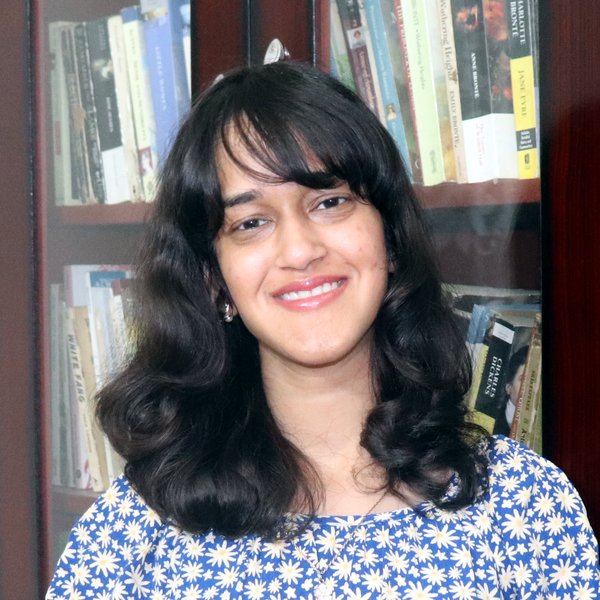


Bachelor of Business Administration (specialized in International Relations) · DELF Examiner, DALF C2, Goethe Zertifikat C1/B2, DELE B1
Join me on your language learning adventure!
Personally vetted · Strommen’s note
Bangalore-based, Yvanka teaches French and German after years at Alliance Française. She started, unusually, as an English teacher in France.
Specialties
Also speaks: English, Italian, Spanish
Bachelor of Business Administration (specialized in International Relations) · DELF Examiner, DALF C2, Goethe Zertifikat C1/B2, DELE B1
Join me on your language learning adventure!
Specialties
I also speak: English, Italian, Spanish
Personally vetted · Strommen’s note
Bangalore-based, Yvanka teaches French and German after years at Alliance Française. She started, unusually, as an English teacher in France.
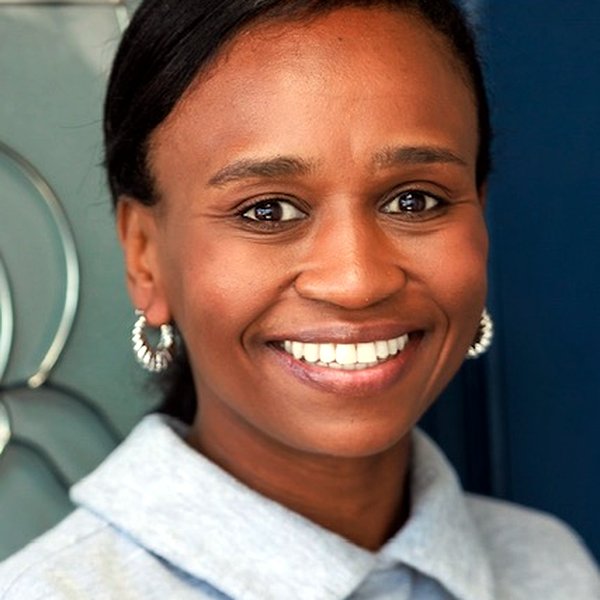

B.A. in IT and Languages
Native Parisian French Teacher
Personally vetted · Strommen’s note
Parisian-born with a background in IT and languages, Sadigatou keeps travel French and business French as cleanly separate tracks.
Specialties
Also speaks: Chinese, English, Spanish
B.A. in IT and Languages
Native Parisian French Teacher
Specialties
I also speak: Chinese, English, Spanish
Personally vetted · Strommen’s note
Parisian-born with a background in IT and languages, Sadigatou keeps travel French and business French as cleanly separate tracks.
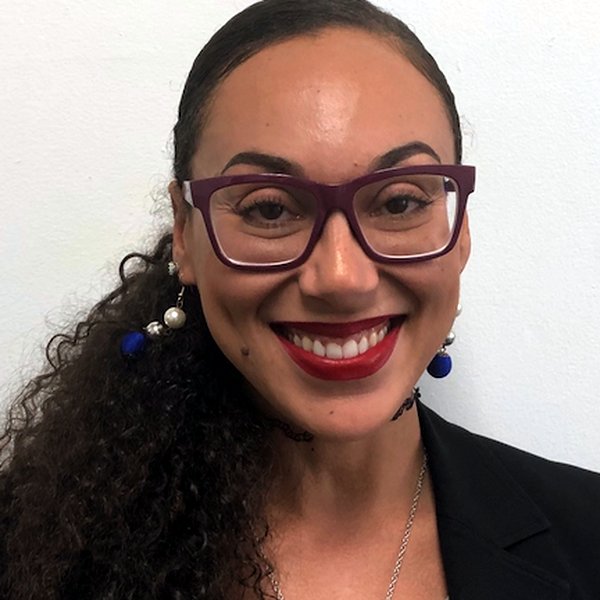
MBA and AS in Recording Arts · DALI, DELF, First Cert, SIZ Computer Science, Pro Tools, Dante
Multi-Culti Polyglot Linguist and Sound Engineer
Personally vetted · Strommen’s note
Vanessa speaks seven languages, has a sound-engineering background, and has spent two decades teaching. Her lessons range from accent coaching to art for kids.
Specialties
Also speaks: ASL American Sign Language, Chinese, Physics
MBA and AS in Recording Arts · DALI, DELF, First Cert, SIZ Computer Science, Pro Tools, Dante
Multi-Culti Polyglot Linguist and Sound Engineer
Specialties
I also speak: ASL American Sign Language, Chinese, Physics
Personally vetted · Strommen’s note
Vanessa speaks seven languages, has a sound-engineering background, and has spent two decades teaching. Her lessons range from accent coaching to art for kids.

I have a degree in Modern Languages in English and French with a minor in business. · I am an English, French and Spanish tutor with more than seven years of experience both in person and online. I have a degree in Modern Languages in English and French with a minor in business.
Master Languages with Daniel: C2 English, DELF B2 French, and Native Spanish Tutor!
Personally vetted · Strommen’s note
Daniel is C2-certified in English, holds a DELF B2 in French, and is a native Spanish speaker. He teaches all three with real fluency benchmarks behind each one.
Specialties
Also speaks: Business & Management, Dialect Coaching, International Business, Public, Tests, Translation
I have a degree in Modern Languages in English and French with a minor in business. · I am an English, French and Spanish tutor with more than seven years of experience both in person and online. I have a degree in Modern Languages in English and French with a minor in business.
Master Languages with Daniel: C2 English, DELF B2 French, and Native Spanish Tutor!
Specialties
I also speak: Business & Management, Dialect Coaching, International Business, Public, Tests, Translation
Personally vetted · Strommen’s note
Daniel is C2-certified in English, holds a DELF B2 in French, and is a native Spanish speaker. He teaches all three with real fluency benchmarks behind each one.
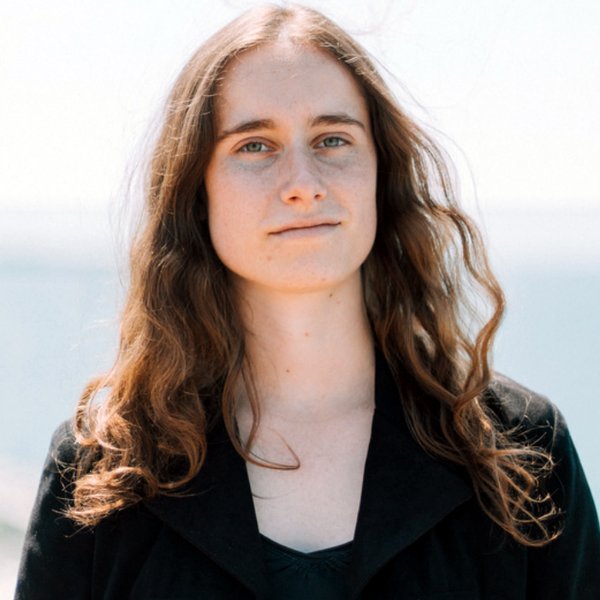
A Master's degree in French language and literature + A Screenwriter degree
Native French teacher
Personally vetted · Strommen’s note
A native French teacher who also teaches drawing, Marie balances precise grammar work with lessons loose enough to never get boring.
Specialties
A Master's degree in French language and literature + A Screenwriter degree
Native French teacher
Specialties
Personally vetted · Strommen’s note
A native French teacher who also teaches drawing, Marie balances precise grammar work with lessons loose enough to never get boring.
Master
"Practice makes perfect".
Personally vetted · Strommen’s note
Jeremy opens every French course with a level diagnostic, then builds around all four skills: reading, writing, listening, and speaking.
Specialties
Also speaks: Spanish
Master
"Practice makes perfect".
Specialties
I also speak: Spanish
Personally vetted · Strommen’s note
Jeremy opens every French course with a level diagnostic, then builds around all four skills: reading, writing, listening, and speaking.
Bachelors degree in business Masters in logistics · TEFL Translation
Certified French & Spanish Language Coach | Business, Exams, & Conversational Mastery
Personally vetted · Strommen’s note
A Berlitz-trained language consultant, marielyne teaches English, French, and Spanish, built for business communication and exam prep specifically.
Specialties
Bachelors degree in business Masters in logistics · TEFL Translation
Certified French & Spanish Language Coach | Business, Exams, & Conversational Mastery
Specialties
Personally vetted · Strommen’s note
A Berlitz-trained language consultant, marielyne teaches English, French, and Spanish, built for business communication and exam prep specifically.

Bachelor of Arts in FrenchLicence en FLE- Ongoing · Pro FLEDALF C1TEF/TCF/DELF-DALF examiner certifications
French language expert I DELF/DALF/TCF/TEF Examiner I FOS/FLE
Personally vetted · Strommen’s note
Paul is a certified DELF/DALF/TCF/TEF examiner, not just a prep tutor. He teaches French and Swahili out of Nairobi, thirteen years in.
Specialties
Bachelor of Arts in FrenchLicence en FLE- Ongoing · Pro FLEDALF C1TEF/TCF/DELF-DALF examiner certifications
French language expert I DELF/DALF/TCF/TEF Examiner I FOS/FLE
Specialties
Personally vetted · Strommen’s note
Paul is a certified DELF/DALF/TCF/TEF examiner, not just a prep tutor. He teaches French and Swahili out of Nairobi, thirteen years in.
Master in Communication and ManagementBritish Bachelor in Journalism · English testing exams (IELTS, TOEIC)
Learn French with me and it will be a piece of cake !
Personally vetted · Strommen’s note
Babbel-trained, Farah teaches French out of Nantes with a specialty in opera-singer diction and accent work. Her tagline promises: 'piece of cake.'
Specialties
Master in Communication and ManagementBritish Bachelor in Journalism · English testing exams (IELTS, TOEIC)
Learn French with me and it will be a piece of cake !
Specialties
Personally vetted · Strommen’s note
Babbel-trained, Farah teaches French out of Nantes with a specialty in opera-singer diction and accent work. Her tagline promises: 'piece of cake.'
Master · bachelor's degree
Pédagogie personnalisée
Personally vetted · Strommen’s note
Seven years teaching French sit behind Boubacar's practice out of Settat: TEF, TCF, and DELF exam coaching, Belgian French included as a specialty.
Specialties
Also speaks: English
Master · bachelor's degree
Pédagogie personnalisée
Specialties
I also speak: English
Personally vetted · Strommen’s note
Seven years teaching French sit behind Boubacar's practice out of Settat: TEF, TCF, and DELF exam coaching, Belgian French included as a specialty.


I have a Bachelor degree in French and English Linguistics · TEFL Certeficate
Exellent French teacher
Specialties
saida a
Personally vettedI have a Bachelor degree in French and English Linguistics · TEFL Certeficate
Exellent French teacher
Specialties
Stratégie DELF — exam playbook
5 DELF moves American candidates wish they'd learned earlier
These aren't textbook tips. They're the rubric-aware habits that separate candidates who pass on the first sitting from those who retake. Screenshot the infographic, then book a tutor to drill the rest.
-
01
Thèse / antithèse / synthèse
The argumentative structure French lycéens learn from age 15: position, counter-position, synthesis. The B2 production écrite rubric grades this structure explicitly. American writers trained on the five-paragraph thesis-first essay tend to skip the counter-position; French examiners read that as a one-sided argument and score down.
e.g. Certes [thèse]... cependant [antithèse]... en définitive [synthèse]...
-
02
Connectors carry points
Par ailleurs, en effet, cependant, quant à, néanmoins, en revanche, de surcroît. These argumentative connectors are graded under cohérence on the rubric. A 250-word B2 essay without three or four of them reads as a list of points, not a structured argument. Drill them until they come automatically.
e.g. Par ailleurs, l'argument économique n'est pas le seul à considérer.
-
03
Monologue suivi vs. interaction
The B1/B2 production orale has two parts. First a structured monologue from prep notes, a position defended in front of the examiner. Then a dialogue where the examiner pushes back. Candidates who don't know about the second part get blindsided. Practice the transition specifically: deliver the monologue, then absorb the counter-question without losing register.
e.g. Aucune source de média ne saurait être vraiment objective. Mais alors, comment s'informer ?
-
04
Faux amis cost essay points
Actuellement means currently, not actually. Réaliser means to carry out, not to realize. Supporté means endured, not supported. Éventuellement means possibly, not eventually. American candidates lose vocabulary points on these in every B1 and B2 essay we grade. Build a personal list and review it before exam day.
e.g. Actuellement, je travaille sur ce projet (= currently, not actually).
-
05
Drill the real timer from week one
Every past DELF paper with audio is free on france-education-international.fr. Don't save them for the final month. Sit one full mock under real exam-clock conditions in your second week of prep so you feel the time pressure on the listening and reading sections. Repeat monthly. The single biggest difference between first-sit passers and retakers is timer-aware practice.
e.g. Aujourd'hui je passe un blanc : vraies conditions, vraie horloge, vrai stress.
About DELF test preparation
DELF, level by level
The DELF (Diplôme d'études en langue française) is France's official French-as-a-foreign-language proficiency exam. It's administered worldwide by France Éducation international, the operating arm of the French Ministry of National Education (formerly known as the CIEP). One DELF diploma equals one CEFR level, the diploma is permanent for life, and it's the credential francophone universities, employers, and immigration services actually recognize. A B2 DELF is the standard threshold for admission to a French university, for naturalization in France, and for many francophone-Canadian programs that prefer it alongside or instead of the TEF/TCF. If you're aiming for a French-speaking degree, a French job, or French citizenship, the DELF is the test you sit. Students looking for the broader French program our tutors teach can start at our main French page.
The exam comes in four CEFR-aligned levels (A1, A2, B1, B2), each a separate diploma with its own exam fee, its own registration, and its own four-skill battery. Above B2 sits the DALF (Diplôme approfondi de langue française) for C1 and C2, run by the same body, structured the same way. Three audience tracks exist within the DELF family. DELF Tous publics is the adult version most readers of this page will sit. DELF Junior targets school-age candidates (typically 12-17) and uses age-appropriate topics; the diploma you walk away with is identical. DELF Pro is a working-adult version with workplace-themed prompts (CV, professional email, meetings, client interactions) but the same level rubric. Pick the track that matches your context, not the one with the lowest stress, because the rubric doesn't change.
Each DELF level tests the same four skills: compréhension orale (listening), compréhension écrite (reading), production écrite (writing), and production orale (speaking). Each skill is scored out of 25 for a total of 100. The pass threshold is 50/100 overall, with a minimum of 5/25 in every single skill — meaning a 24/25 in three skills can't rescue a 4/25 in the fourth. That floor catches more candidates than the overall threshold does, and it's the reason serious prep starts with a diagnostic of your weakest skill rather than a uniform sweep across all four.
What each level actually asks for. A1 confirms survival-level French: introduce yourself, fill out a simple form, understand short announcements, write a postcard, hold a guided face-to-face exchange. A2 raises the bar to everyday transactions: read a short article, write a personal letter or message, hold a roleplay (asking for directions, ordering food, negotiating a return). B1 is where most students plateau and the prep curve steepens. The candidate listens to two audio documents and answers questions, reads two written documents, writes a 160-180 word personal opinion piece, and in the speaking section delivers a structured monologue followed by a roleplay-debate with the examiner. B2, the university-entry level, assesses argumentative competence directly. The production écrite at B2 is a 250-word argumentative essay (often a formal letter or contribution to a debate). The production orale is a 30-minute prep then a defended position in front of the examiner, complete with counter-arguments. The B2 production tasks are where American candidates most often underestimate the gap: arguing in French follows the thèse/antithèse/synthèse structure that French lycée students drill for years, and stitching arguments together with the right connectors (par ailleurs, en effet, cependant, quant à, néanmoins, en revanche) is graded explicitly. Mastering French connectors is a topic our blog covers at French transition words. Read it before your first B2 essay drill.
Time limits matter and most candidates underprep them. At A1 the whole exam is roughly 1h20 plus a 10-minute speaking interview. A2 is around 1h40 plus a 6-12 minute speaking section. B1 is 1h45 written plus a 15-minute speaking section after 10 minutes of prep. B2 stretches to 2h30 written plus a 20-minute defended monologue after 30 minutes of prep. The listening sections are non-stoppable: recordings play once or twice depending on level, and candidates write while listening. Reading sections are deceptively timed; B2 candidates routinely run out of time on the reading because they've never practiced under exam clock. Practice with the real timer is non-negotiable.
How our tutors prep candidates. Most lessons start with a placement diagnostic: a tutor administers a previous DELF sample paper from france-education-international.fr at the level you're aiming for (or one level below, if you're not sure). The diagnostic produces a per-skill score and surfaces the weakest skill, almost always one of the two production sections for American candidates, occasionally the listening for students whose French was textbook-only. From there, lessons rebalance toward the weak skill while keeping the strong ones sharp. Production écrite is drilled with real timed essays graded against the official rubric (organisation, lexique, morphosyntaxe, cohérence). Production orale is rehearsed as full mock interviews recorded and reviewed: argument structure, register, pacing, recovery from a stumbled phrase. Listening practice uses authentic French radio (France Inter, RFI) at exam pace. Reading practice uses real exam-style documents (press articles, op-eds, advertising, administrative forms) with the same question types the rubric uses. The closer to your real exam date, the more lessons shift to full timed mock papers. A reasonable prep arc is 3-4 months for an A2-to-B1 jump at one or two lessons per week with consistent self-study; B1-to-B2 typically asks for 5-6 months because the argumentative production skills genuinely take longer to build. Faster timelines are possible with intensive daily lessons, but the writing development is the gating step. There is no shortcut around writing a lot of argumentative French and getting it graded.
American learners share a fairly predictable set of stumble points on the DELF. Anglicisms slip into the production écrite: réaliser used to mean "realize" (it means "to carry out"), supporté used to mean "supported" (it means "endured/put up with"), actuellement used to mean "actually" (it means "currently"). The connector layer is thinner than examiners expect — essays read as a list of points rather than a structured argument because the candidate writes 250 words without ever using par ailleurs, en effet, or quant à. Register slides too informally on the speaking section, with j'sais pas and du coup creeping in where the rubric expects educated standard French. The monologue suivi / interaction distinction at B1/B2 trips candidates who haven't been told the speaking section actually has two parts with two different demands: a structured monologue first, then a defended dialogue with the examiner. And the thèse/antithèse/synthèse essay structure feels artificial to American writers trained on the five-paragraph thesis-first essay. French argumentation expects a position, a credible counter-position, and then a synthesis that resolves the tension. The structure is graded; getting it right is worth concrete points. Our post on casual French is useful for general fluency, but for the exam, register is the opposite axis: lessons drill formal and standard register because that's what the speaking and writing rubrics reward.
What to read and listen to between lessons. For listening at any level, France Inter (news and culture, slower pace than RFI), RFI Journal en français facile (a 10-minute daily news bulletin at deliberately slower pace, free at rfi.fr/fr/podcasts), and France Info for harder audio at native pace. The official compréhension orale archive at france-education-international.fr has every past exam's audio with transcripts; drill these directly. For reading at B1 and B2, Le Monde, Libération, and Courrier International for argumentative writing; the magazine Le 1 Hebdo for short structured essays that mirror the B2 reading prompts almost exactly. For writing, the best practice is to write timed essays on the topic prompts in real DELF papers, then have a tutor grade them against the rubric. Our 1,000 most common French words list is a vocabulary floor for A2/B1 candidates; B2 candidates will need a bigger bank, especially of argumentative connectors and academic register. If you're unsure which CEFR level matches your current French, our CEFR levels explained post walks through what each level means in practice.
The Strommen DELF roster includes native French teachers who've sat the DELF themselves as examiners or test administrators, France-based teachers familiar with the France Éducation international rubric from inside the system, and longtime LA-based teachers with classroom DELF prep experience drilling American candidates specifically. Several of our DELF tutors have graded mock papers for years and can tell within a paragraph which rubric category is dragging your score. Each tutor's bio says where they're from, what levels they prep, and what kind of candidate they fit best (school-age DELF Junior, working adult DELF Pro, university-track B2/C1, or older adult learners studying for the satisfaction of the diploma). Match yourself to a France-resident tutor for immersive audio exposure and rubric expertise, or to an LA-based tutor for in-person weekly lessons and the experience of someone who's watched hundreds of American mouths build French production skills from zero. For broader French foundations alongside DELF prep, our Parisian French, Business French, and general French specialty pages cover the related programs.
Lessons are one-on-one and calibrated to your actual exam date, target level, and weak skill. A DELF B2 candidate four months out is on a different curriculum from a DELF A2 candidate two months out, and both are different again from a DALF C1 candidate building toward a French master's program. The trial is free, the tutor diagnoses where you actually stand, and from there you decide whether to continue. Students who pass on the first sitting share two habits: they drill the official sample papers under real timer pressure from week one rather than waiting until the final month, and they get their writing and speaking graded by someone who knows the rubric, not just by themselves. Book a free 30-minute trial with whichever tutor's bio fits your situation best. Bring your exam date, your target level, and your best guess at your weakest skill. You'll leave the trial with a per-skill diagnostic, an honest read on your timeline, and a draft prep plan against the actual France Éducation international rubric.
What you'll cover
Lessons & classes tailored to DELF test preparation
Diagnostic + rubric-aligned prep
Your first lesson is usually a diagnostic against a past DELF sample paper at your target level. The tutor scores all four skills (compréhension orale, compréhension écrite, production écrite, production orale) on the real France Éducation international rubric (organisation, lexique, morphosyntaxe, cohérence) and identifies your weakest skill. Subsequent lessons rebalance toward that weak spot while keeping the strong skills sharp.
Production écrite drills (the gating step)
Writing is where most American B1 and B2 candidates lose points. Lessons drill argumentative structure (thèse/antithèse/synthèse), the connector layer (par ailleurs, en effet, cependant, néanmoins), formal register, and the morphosyntax errors faux amis introduce. Real timed essays each week, graded against the rubric, with rewrite cycles. Our blog on French transition words supports this work between lessons.
Production orale (monologue + interaction)
B1 and B2 speaking sections combine a structured monologue with a defended dialogue. Lessons rehearse both halves under real prep-time constraints: 10 minutes (B1) or 30 minutes (B2) to organise notes, then full delivery and counter-argument handling. Recorded and reviewed for register, pacing, and recovery from stumbles. Pronunciation refinement runs in parallel; see our French pronunciation guide for the foundations.
Listening, reading, and full mock exams
Authentic French audio (France Inter, RFI Journal en français facile, France Info) at level-appropriate pace. Real exam-style reading documents (press, op-eds, administrative texts) with the same question patterns the rubric uses. Close to exam date, lessons shift to full timed mock papers using past DELF/DALF papers from the official archive. The single biggest predictor of first-sit pass: timer-aware practice from week one.
FAQ
About DELF test preparation lessons & classes
Which DELF level should I sit?
Match the level to your goal, not your comfort. For French university admission, B2 is the standard threshold. For French naturalization, the minimum was raised to B2 on January 1, 2026 (previously B1); the 10-year resident card now requires B1 (previously A2). Verify the current rule on service-public.fr before registering, since the thresholds were raised in stages. For the Canadian francophone immigration programs that accept DELF alongside TEF/TCF, check each program's specific requirement. For personal satisfaction without an external requirement, sit the level that feels honestly achievable in 3-6 months of weekly lessons plus self-study. Passing one level above where you currently sit is realistic; two levels above is rarely worth the stress. The free trial includes a placement diagnostic so the tutor can recommend the right level for your timeline.
What's the difference between DELF and DALF?
Same exam family, same body (France Éducation international), same four-skill structure. DELF covers A1, A2, B1, and B2. DALF covers C1 and C2. DALF C1 is the level for francophone master's programs in many disciplines; DALF C2 is near-native and typically only sought by interpreters, translators, or candidates pursuing French academic careers. The rubric and format are continuous across both diplomas, so a B2 passer continuing to DALF C1 isn't switching to a different exam family.
Which DELF version: Tous publics, Junior, or Pro?
All three award the same diploma. DELF Tous publics is the standard adult version with general-interest topics. DELF Junior uses age-appropriate prompts (school, family, hobbies) for candidates roughly 12-17. DELF Pro uses workplace prompts (professional emails, CV, meetings, client interactions), useful if your French use is primarily professional. Difficulty equivalence is maintained across versions, so the choice is about topic familiarity rather than easier vs. harder.
How long does DELF prep take?
Depends on your starting level and target level. An A2-to-B1 jump typically takes 3-4 months at one or two weekly lessons plus consistent self-study. B1-to-B2 usually takes 5-6 months because the argumentative production skills genuinely take longer to build. There's no shortcut around writing a lot of structured French essays and getting them graded. B2-to-C1 (DALF) is 6-9 months for most candidates. Intensive daily lessons can compress these but the writing development is the gating factor.
What's the pass threshold?
50/100 overall, with a minimum of 5/25 in every single skill. The per-skill minimum catches more candidates than the overall threshold does: a 24/25 in three skills can't compensate for a 4/25 in the fourth. That's why serious prep starts with a diagnostic of your weakest skill rather than a uniform sweep. The diploma is permanent for life once earned, and there's no expiration date.
Where do I actually sit the DELF?
France Éducation international runs the exam through a global network of authorized centers. In the United States, the Alliance Française network is the most common test center: Alliance Française de Los Angeles, San Francisco, New York, Chicago, Washington DC, and many other cities all run sessions. Sessions typically run two to four times per year per center. Registration deadlines are usually 4-6 weeks before each session. Check the France Éducation international site for the full center list and your local Alliance Française for the next session dates near you.
Can I take DELF prep lessons online?
Yes, and most candidates do. Most of our DELF tutors prep students entirely online via Zoom or Jitsi, which works because the exam-prep workflow is well-suited to video: timed essay drills, recorded speaking practice with playback, shared screen for sample paper review. Several tutors also offer in-person lessons around Los Angeles for candidates who prefer face-to-face work. The booking widget on each tutor's profile shows available formats and locations.
Should I take DELF or TEF/TCF for Canadian immigration?
TEF and TCF are the two most commonly accepted French proficiency exams for Canadian francophone immigration streams (Express Entry Francophone, Quebec immigration programs). DELF is also accepted by some streams, but verify the specific requirement for your target program. Immigration, Refugees and Citizenship Canada and Québec's MIFI each publish current accepted-exam lists. For French university admission inside France, DELF B2 is the standard. For most non-Canadian francophone contexts, DELF is the default. If your goal is Canadian immigration specifically, default to TEF or TCF; our tutors prep both, just tell the tutor in your first lesson.
Ready for DELF test preparation lessons or classes?
Book a free 30-minute trial with one of our personally vetted tutors. Private lessons or small-group classes — your choice.