



Personally vetted instructors
Intensive Arabic tutors, lessons & classes
شلونك shlōnak The Gulf way to ask "how are you."
Personally vetted Arabic tutors who build accelerated tracks. Lessons designed for learners working against a real deadline, with a clear plan and weekly milestones.
Your instructors
Intensive Arabic tutors for private lessons & classes
Strommen has been teaching languages since 2006, and intensive students get matched carefully, because pace and accountability matter more here than in a relaxed track. We do not run a marketplace and we do not auto-generate listings. Each tutor below was met and vetted by us in person, and the bio you read is their own description of how they teach.
Filter by location, age, or price, then book a 30-minute free trial so the tutor can map a plan around your deadline.
Below are the Strommen tutors who build intensive Arabic tracks. Photos, ratings, and rates are real. Click any card to read their bio and book a free 30-minute trial.
I want to learn…
Every tutor, personally met. — founder-vetted since 2006, in Los Angeles and online worldwide.
Get a personalized plan
Pick your language — a language advisor will match you with the right tutor and map out your path.

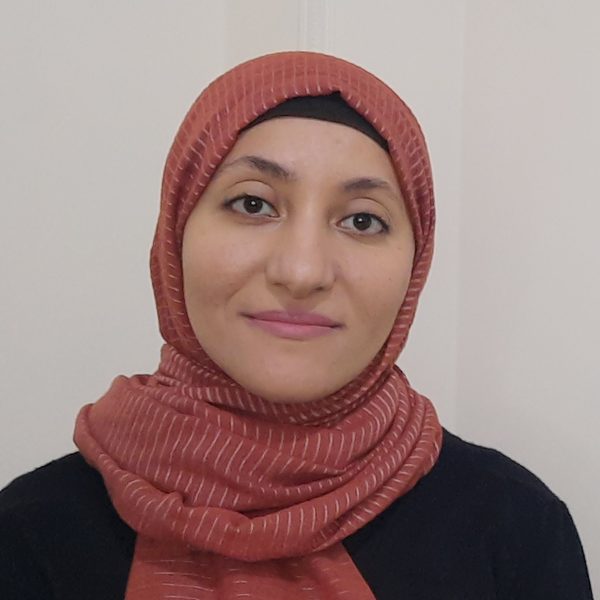
A master degree in Education in Teaching Arabic language to non Arabic speakers
Arabic language teacher (Modern standard, and Egyptian Arabic)
Personally vetted · Strommen’s note
Somaia teaches both Modern Standard and Egyptian Arabic, useful if you need the textbook version and the way people actually talk.
Specialties
A master degree in Education in Teaching Arabic language to non Arabic speakers
Arabic language teacher (Modern standard, and Egyptian Arabic)
Specialties
Personally vetted · Strommen’s note
Somaia teaches both Modern Standard and Egyptian Arabic, useful if you need the textbook version and the way people actually talk.
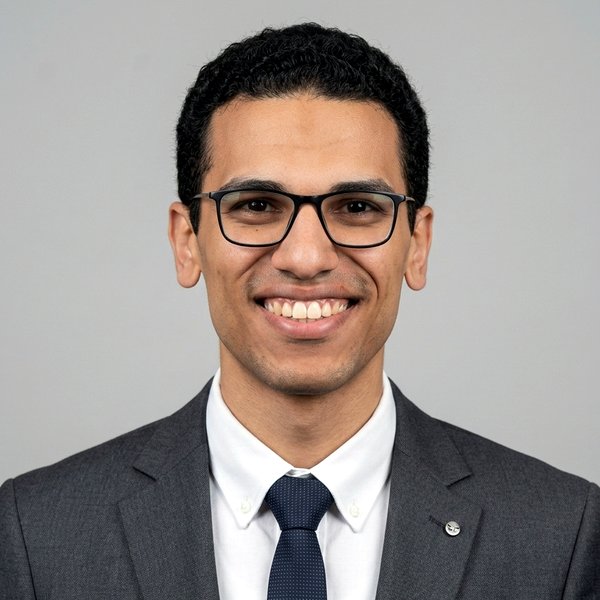


Bachelor of Education (B.Ed.) and pursuing a degree in Aerospace Engineering. · I have a TEFL certification | Certifications in Adobe Graphic Design (Level 1 & 2) for interactive presentations and educational materials.
English, German, and Arabic classes
Personally vetted · Strommen’s note
Arabic, English, and German sit alongside AP Calculus and AP Physics on Omar's schedule, a genuinely rare tutor who crosses from language straight into STEM.
Specialties
Also speaks: French, Italian, Spanish
Bachelor of Education (B.Ed.) and pursuing a degree in Aerospace Engineering. · I have a TEFL certification | Certifications in Adobe Graphic Design (Level 1 & 2) for interactive presentations and educational materials.
English, German, and Arabic classes
Specialties
I also speak: French, Italian, Spanish
Personally vetted · Strommen’s note
Arabic, English, and German sit alongside AP Calculus and AP Physics on Omar's schedule, a genuinely rare tutor who crosses from language straight into STEM.
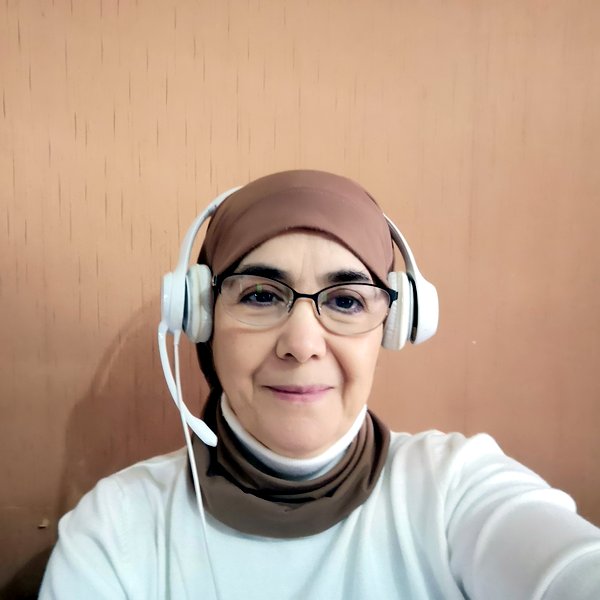
University Degree
Helping students learn with clarity, confidence, and motivation
Personally vetted · Strommen’s note
Quebec-based, Rahma teaches Arabic and French together, four Maghreb dialects covered, Algerian through Libyan.
Specialties
Also speaks: English
University Degree
Helping students learn with clarity, confidence, and motivation
Specialties
I also speak: English
Personally vetted · Strommen’s note
Quebec-based, Rahma teaches Arabic and French together, four Maghreb dialects covered, Algerian through Libyan.

Bachelor degree in french studiesMaster's degree in french studies · DALF C2
Online certified french tutor delf/DALF/ TEF/TCF Preparation
Personally vetted · Strommen’s note
Hela has taught French and Arabic for thirteen years, DELF, DALF, TEF, and TCF certification prep included, plus four different Maghreb Arabic dialects.
Specialties
Bachelor degree in french studiesMaster's degree in french studies · DALF C2
Online certified french tutor delf/DALF/ TEF/TCF Preparation
Specialties
Personally vetted · Strommen’s note
Hela has taught French and Arabic for thirteen years, DELF, DALF, TEF, and TCF certification prep included, plus four different Maghreb Arabic dialects.
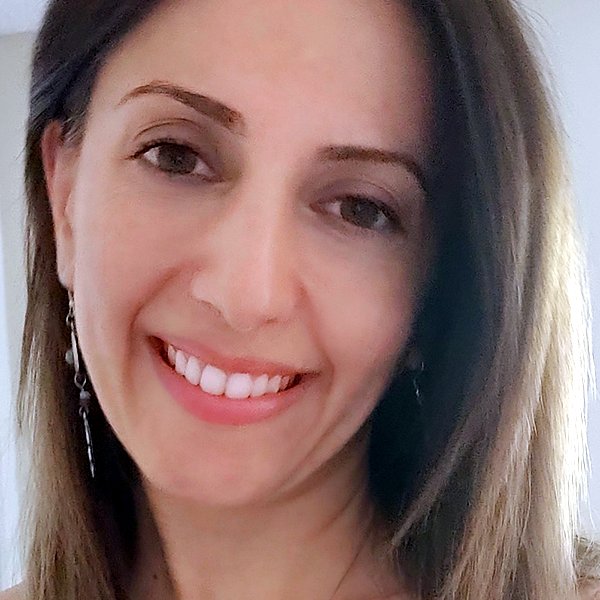

BA and MA in Arabic Studies, PhD in Philology (Arabic & Hebrew Studies)
Polyglot tutor with 15 years’ experience in Armenian, Arabic, Hebrew, and Russian
Personally vetted · Strommen’s note
Alvina holds a BA and MA in Arabic Studies and has spent fifteen years teaching Arabic, Hebrew, Russian, and Armenian, genuinely rare range in one tutor.
Specialties
BA and MA in Arabic Studies, PhD in Philology (Arabic & Hebrew Studies)
Polyglot tutor with 15 years’ experience in Armenian, Arabic, Hebrew, and Russian
Specialties
Personally vetted · Strommen’s note
Alvina holds a BA and MA in Arabic Studies and has spent fifteen years teaching Arabic, Hebrew, Russian, and Armenian, genuinely rare range in one tutor.
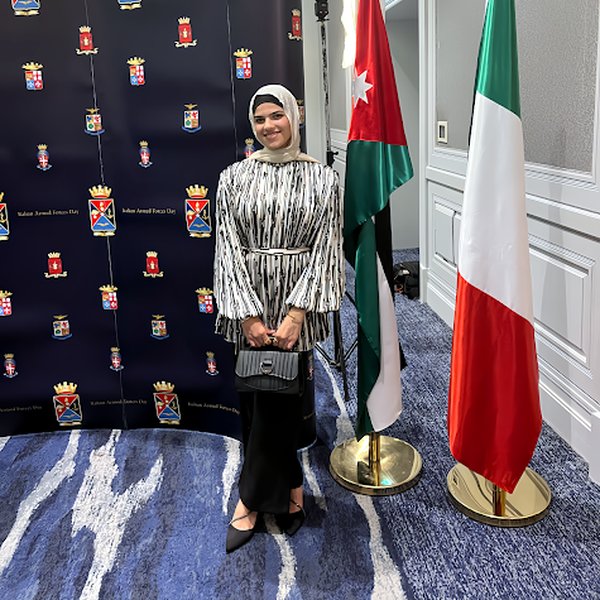
Bachelor’s Degree in Arabic Language and Literature, University of Jordan · Certificate in Teaching Arabic to Children – Jannah Way Canadian Institute.Certificate of Teaching Excellence (5+ Years of Experience) – Intensive Arabic Language Center for Foreigners, Amman.
Your Gateway to Fluent Arabic: Fusha and Jordanian Dialect for All Levels
Specialties
Also speaks: English
Bachelor’s Degree in Arabic Language and Literature, University of Jordan · Certificate in Teaching Arabic to Children – Jannah Way Canadian Institute.Certificate of Teaching Excellence (5+ Years of Experience) – Intensive Arabic Language Center for Foreigners, Amman.
Your Gateway to Fluent Arabic: Fusha and Jordanian Dialect for All Levels
Specialties
I also speak: English

الخليجي — Gulf culture & slang
5 Gulf Arabic expressions worth knowing early
If your deadline points at the Gulf, these are the everyday words a textbook tends to skip. Screenshot away, then book a tutor to learn the rest in context.
-
01
زين zēn
"Good," "well," "fine," and also "pretty." The default Gulf answer when someone asks how you are, and a constant in casual speech. Often paired with مشكور mashkūr ("thanks") in a quick exchange.
e.g. زين، مشكور / zēn, mashkūr ("good, thanks").
-
02
وايد wājid
"A lot," "much," "very." The Gulf intensifier. Where a Levantine speaker says ktīr and an Egyptian says awī, the Gulf says wājid. Hearing which intensifier a speaker reaches for tells you their region instantly.
e.g. شكراً وايد / shukran wājid ("thanks a lot").
-
03
مرة marra
Literally "one time," but in everyday Gulf speech it means "very" or "really." A second intensifier alongside wājid, used the way English drops "so" in front of an adjective.
e.g. مرة حلو / marra ḥilw ("very nice").
-
04
يا هلا yā halā
"Welcome." A Gulf hospitality marker, warmer than a plain hello, common with Saudi and Kuwaiti speakers. The fuller form يا هلا والله yā halā wallāh means something like "really, you are most welcome."
e.g. يا هلا والله / yā halā wallāh (greeting a guest at the door).
-
05
حلال / حرام ḥalāl / ḥarām
"Permitted" and "forbidden" in Islamic legal terms, but in daily Gulf speech they stretch well past religion. Ḥarām can simply mean "what a pity" or "that's not right" about a wasted meal or an unfairness. A useful register slip to recognize.
e.g. حرام عليك / ḥarām ʿalayk ("shame on you," said lightly).
About Intensive Arabic
Arabic on a deadline
Most people who reach out about intensive Arabic have a date on the calendar. A posting to Riyadh or Abu Dhabi that starts in four months. A Foreign Service or military language requirement with a fixed test window. A relocation for work, a wedding into an Arabic-speaking family, a film role that needs a credible accent by the first table read. The honest first thing a Strommen tutor will tell you is that Arabic does not collapse neatly into a short timeline. The US Foreign Service Institute classes it among its hardest languages, the Category IV tier, with roughly 2,200 classroom hours estimated for general professional proficiency. An intensive schedule does not erase that number. What it does is change how you spend the hours, and which results arrive first.
This page is not a promise that you will be fluent by summer. It is for the learner who can commit real weekly time and wants a tutor who will plan backward from the deadline rather than work through a textbook at a fixed pace. Listening and speaking respond well to a heavy schedule. Drill the pharyngeals daily, sit in conversation three or four times a week, and the spoken register moves faster than most people expect. Reading and writing build more slowly, because the Arabic script and the unwritten short vowels need exposure that compounds over months, not weeks. A good intensive tutor sets that expectation at the trial lesson so the plan is built on what is actually achievable.
There is one decision that shapes an intensive track more than any other, and a tutor will raise it early: Modern Standard Arabic, a spoken dialect, or both. Strommen's posture is that most learners on a deadline still benefit from both in parallel, not in sequence. Modern Standard Arabic, الفصحى, carries the alphabet, the root system, and the formal grammar that every dialect derives from. It gives you reading access to news and documents and a register understood across all 22 Arabic-speaking countries. But no one speaks الفصحى at home, so a learner who studies it alone can read a newspaper and still struggle to order coffee in a way that sounds normal. A chosen spoken dialect handles the daily, conversational half. If your deadline points at the Gulf, Khaleeji Arabic is the dialect to pair with it; if it points at Cairo or Beirut, Egyptian or Levantine. Treating MSA and a dialect as two registers of one language, rather than two separate courses, is what keeps an intensive plan from doubling its own workload.
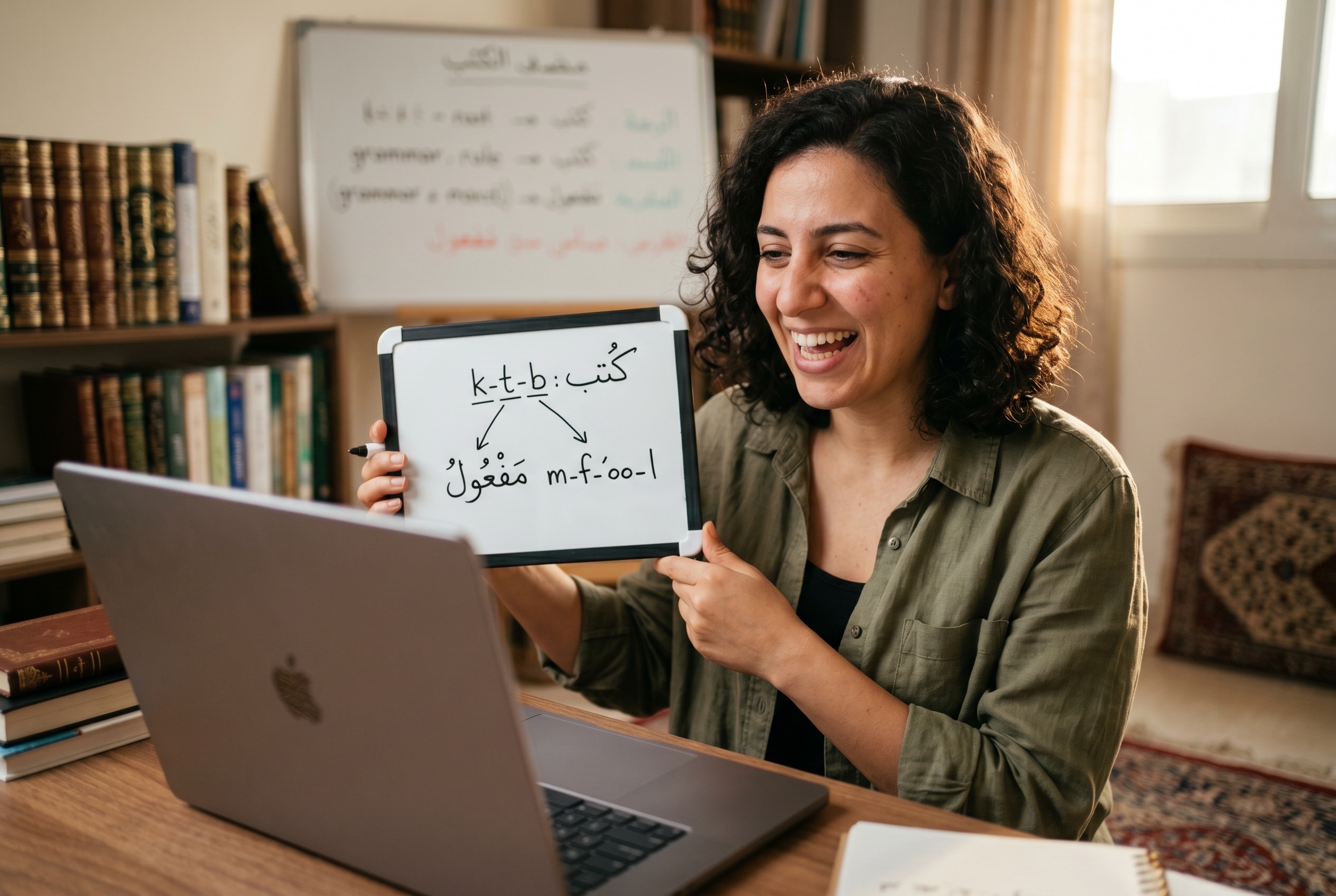
The parts of Arabic that resist shortcuts are worth naming, because an intensive plan front-loads them on purpose. The script comes first, including the six non-connecting letters that trip up beginners and the sun-and-moon-letter rule that changes how the definite article is pronounced. The pharyngeal consonants come next: ع ʿayn and ح ḥāʾ have no English equivalent, and they are not optional polish. Several words are distinguished only by them, so علم ʿilm "knowledge" and ألم alam "pain" are not interchangeable. The root-and-pattern system, where a three-consonant core like ك-ت-ب generates كتاب "book," مكتب "office," and مكتبة "library," is the single highest-leverage idea in the language. A tutor who signposts it early turns vocabulary from a list to memorize into a pattern to recognize, which is exactly the leverage a compressed timeline needs.
Time pressure is what makes Arabic's known trouble spots dangerous, so an intensive tutor flags them before they harden. Two are about sound. Under a deadline, learners wave the pharyngeals through, swapping a glottal stop for ʿayn or an English h for ḥāʼ, and short vowels get guessed at rather than learned, since Arabic text omits them; both habits set into an accent that is slow to undo. Two more are about grammar that English does not have: number-and-noun agreement, which tends to ambush learners around the six-month mark, and gender agreement on verbs, which intensive learners skim and then relearn. Naming these in week one is cheaper than fixing them in month three.
The accountability is a real part of what an intensive track buys. A relaxed learner who misses a week loses a week. An intensive learner who misses a week against a fixed date loses ground that has to be made up somewhere, and a good tutor builds that reality into the plan: a weekly check on what landed and what did not, an honest conversation when the pace needs to change, and a willingness to tell a student that the deadline and the available hours are not in agreement. That last conversation is uncomfortable, and it is also the most useful thing a tutor can offer, because a plan built on wishful arithmetic fails quietly in month three rather than loudly in week one. Strommen tutors would rather adjust the milestones early than let a student discover the gap at the worst possible time.
Our intensive Arabic tutors include native speakers from across the Arab world along with longtime non-native teachers who learned the language the way you are about to and know where the hard weeks fall. They calibrate to the deadline in front of you. A test sitting, a Gulf relocation, a heritage learner trying to talk with grandparents, an actor who needs a credible accent for a role: these are different plans, different paces, different definitions of done. The trial lesson exists to figure out which one is yours before the clock starts.
What you'll cover
Lessons & classes tailored to Intensive Arabic
A plan built backward from your date
An intensive track starts with the deadline and works in reverse. Your tutor sets the milestone for the test, the relocation, or the role, then sets the weekly targets that get you there and the realistic stretch goals beyond. Sessions run more often than a standard track, usually two to four a week, with structured self-study between them so the contact hours compound instead of resetting. The plan gets reviewed and adjusted as your real pace becomes clear, because a schedule built on guesswork in week one rarely survives month two.
Front-loaded fundamentals
The parts of Arabic that resist shortcuts get taught first, on purpose. The script, including the six non-connecting letters and the sun-and-moon-letter rule. The pharyngeal sounds ع ʿayn and ح ḥāʾ, drilled from week one because several words depend on them and the fix takes months. The root-and-pattern system, the three-consonant core that turns vocabulary into a recognizable pattern. Get these solid early and the later weeks accelerate. Skip them to feel faster now, and the plan stalls.
MSA and a dialect in parallel
Most intensive students learn Modern Standard Arabic and a chosen spoken dialect together, treated as two registers of one language. MSA carries reading, formal grammar, and the pan-Arab register understood everywhere. The dialect, often Gulf, Egyptian, or Levantine depending on your deadline, carries everyday conversation. Our blog post on Arabic dialects is a useful primer for choosing, and a tutor will help you weight the two so the workload stays manageable.
Speaking and listening under pressure
An accelerated schedule moves listening and speaking faster than most learners expect, so intensive lessons lean heavily on them. Conversation drills, shadowing real audio, and high-frequency vocabulary built around your specific situation, whether that is a workplace, a family, or a test format. Our 1,000 most common Arabic words list gives you a structured base to drill between sessions, and your tutor sequences it against your deadline rather than handing you the whole list at once.
FAQ
About Intensive Arabic lessons & classes
How fast can I actually learn Arabic with an intensive schedule?
It depends on your starting level, the hours you can commit, and what you mean by learned. Arabic sits in the hardest tier of the US Foreign Service Institute's rankings, with roughly 2,200 classroom hours estimated for general professional proficiency. An intensive track does not erase that figure. It changes how the hours are spent and which skills arrive first. Conversational comfort for travel or daily life moves faster than reading fluency. Your tutor sets honest, concrete milestones at the trial lesson and adjusts as your real pace shows.
What does intensive actually mean here?
It means a plan built backward from a deadline rather than a textbook worked through at a fixed pace. In practice that is usually two to four lessons a week instead of one, structured self-study between sessions, and weekly milestones tied to your specific goal. It is not a different curriculum so much as a different intensity and a different accountability structure. The trial lesson is where the tutor decides whether your timeline and your available hours actually fit.
Should I learn Modern Standard Arabic or a dialect if I'm short on time?
Most learners on a deadline still benefit from both in parallel. Modern Standard Arabic gives you the alphabet, the root system, formal grammar, and reading access to news and documents across all 22 Arabic-speaking countries. A spoken dialect handles everyday conversation, since no one speaks Modern Standard Arabic at home. Studying only Modern Standard Arabic leaves you able to read a newspaper but unable to order coffee naturally. Your tutor helps you pick the dialect that matches your deadline and weights the two so the load stays workable.
Which dialect should I pair with my intensive track?
It depends on where the deadline points. A relocation to Saudi Arabia, the UAE, Kuwait, or Qatar pairs naturally with Gulf, also called Khaleeji, Arabic. A move to Cairo points at Egyptian, the most widely understood spoken Arabic thanks to a century of film and television. The Levant, Syria, Lebanon, Palestine, and Jordan, points at Levantine. If you have no fixed region, Egyptian or Levantine are the most resourced for adult learners. Strommen also has dedicated pages for conversational Arabic and Levantine Arabic if you want to focus there.
Are your intensive Arabic tutors native speakers?
Most are native speakers from across the Arab world, including the Gulf, Egypt, the Levant, and the Maghreb. Some are longtime non-native teachers who learned Arabic as adults and know exactly where the hard weeks fall, which is its own advantage on an intensive track. Each tutor's bio lists where they are from and where they have taught, so you can match yourself to the dialect and the teaching style your deadline calls for.
Can I take intensive Arabic lessons online or only in person?
Both. Many of our Arabic tutors teach online via Zoom or Jitsi and are available globally, which suits an intensive schedule well since frequent sessions are easier to keep when there is no commute. Several also teach in person. The booking widget on each tutor's profile shows their available formats. An intensive plan often mixes the two.
I'm a complete beginner. Is an intensive track realistic for me?
Yes, with honest expectations. A beginner on an intensive schedule spends the first stretch on the script, the pharyngeal sounds, and the root system, the fundamentals that resist shortcuts. That groundwork can feel slow, but it is what makes the later weeks accelerate. If you are starting from zero with no fixed deadline, our Arabic for beginners tutors may be a better fit. If the deadline is real and the hours are there, an intensive beginner track works.
What does an intensive Arabic lesson look like?
Lessons are one-on-one and built around your goal. A session might open with conversation in Arabic on a topic tied to your situation, move to a targeted grammar or pronunciation point, spend time on the script or the root system, and close with high-frequency vocabulary drilled against your deadline. Between sessions you get structured self-study so the contact hours compound. No two intensive students get the same plan, because no two deadlines are the same. You can also explore Arabic classes if a small-group format suits part of your track better.
Ready for Intensive Arabic lessons or classes?
Book a free 30-minute trial with one of our personally vetted tutors. Private lessons or small-group classes — your choice.