



Personally vetted instructors
Intensive Chinese tutors, lessons & classes
最近怎么样? Zuìjìn zěnmeyàng — the friend-level "how have you been" that most students reach far too late.
Personally vetted Intensive Chinese tutors for learners on a deadline. Accelerated Mandarin lessons built around a date that is already fixed: a posting abroad, an exam window, a start at a new job.
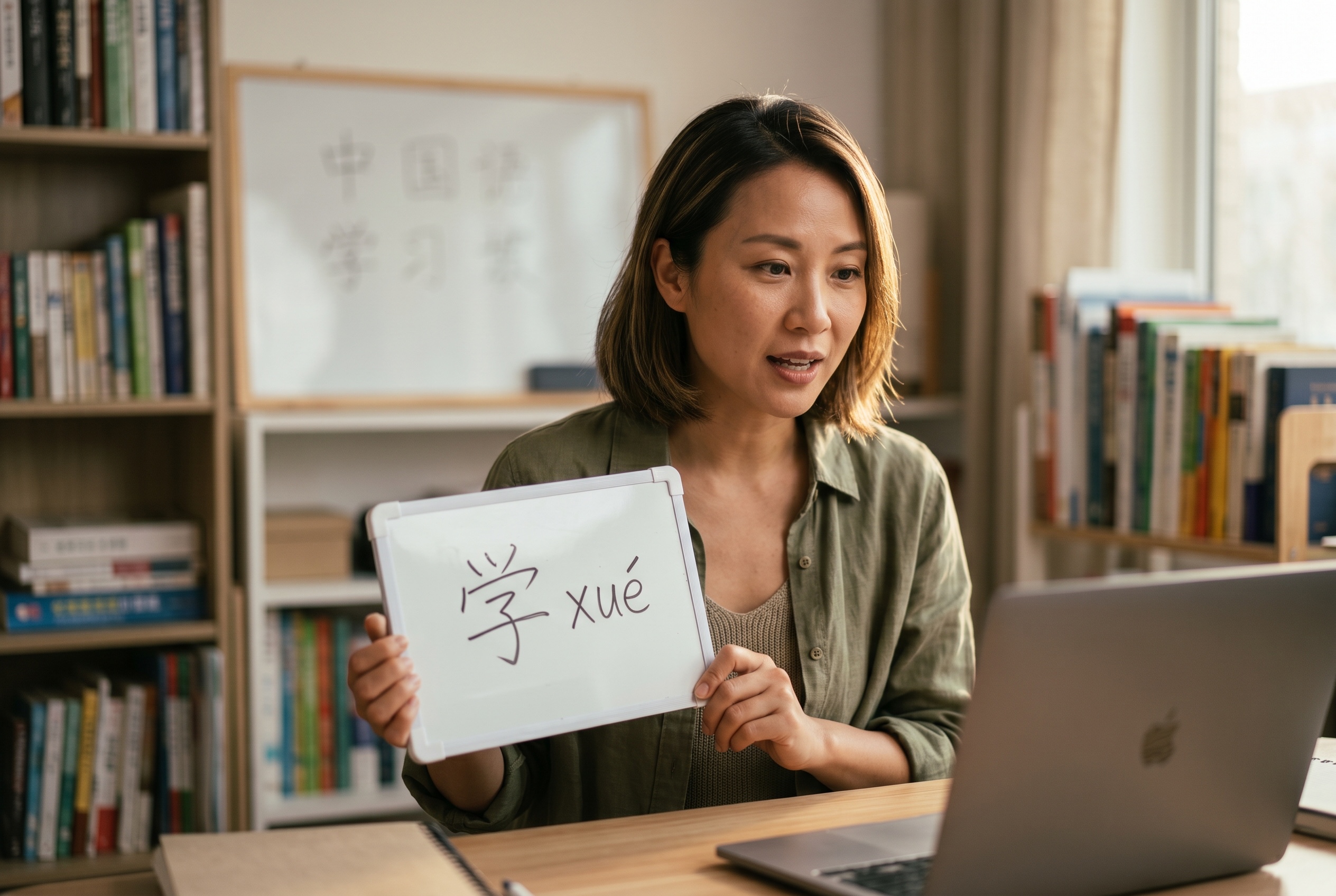
Your instructors
Intensive Chinese tutors for private lessons & classes
Strommen has been teaching Chinese in LA since 2006, and intensive students have always been part of the mix: people with a posting, an exam, or a job offer and not enough runway. There is no marketplace model behind this page and no profiles assembled by software. The tutors below were vetted by Strommen in person, and many have run compressed timelines before, so they know how to pace a plan that holds up under pressure.
Filter by location, age, or price. Then book a 30-minute free trial, and bring the date with you.
Below are the Strommen tutors who specialize in Intensive Chinese. Photos, ratings, and rates are real. Click any card to read their bio and book a free 30-minute trial.
I want to learn…
Every tutor, personally met. — founder-vetted since 2006, in Los Angeles and online worldwide.
Get a personalized plan
Pick your language — a language advisor will match you with the right tutor and map out your path.

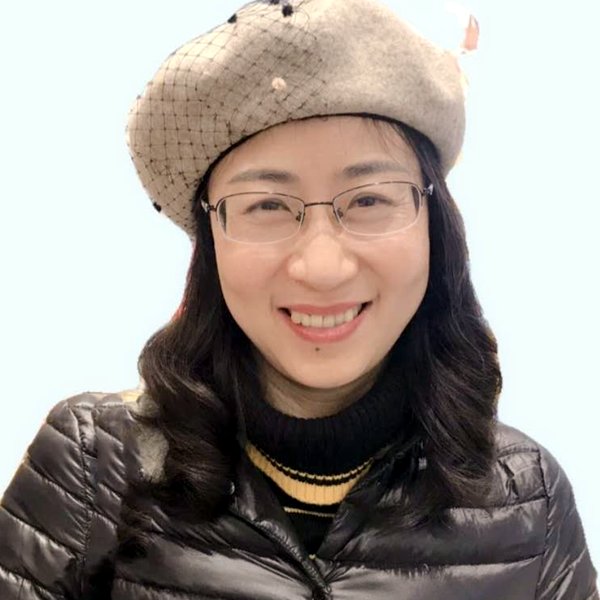
Masters degree
Expert University Teaching with a Friendly Touch: Professional, Engaging, Effective . #1 Mandarin Tutor at Strommen working with Corporate Clients, Kids + Individuals.
Personally vetted · Strommen’s note
Before joining Strommen, Linna spent twenty-five years teaching Chinese language and literature at a university in China.
Specialties
Masters degree
Expert University Teaching with a Friendly Touch: Professional, Engaging, Effective . #1 Mandarin Tutor at Strommen working with Corporate Clients, Kids + Individuals.
Specialties
Personally vetted · Strommen’s note
Before joining Strommen, Linna spent twenty-five years teaching Chinese language and literature at a university in China.
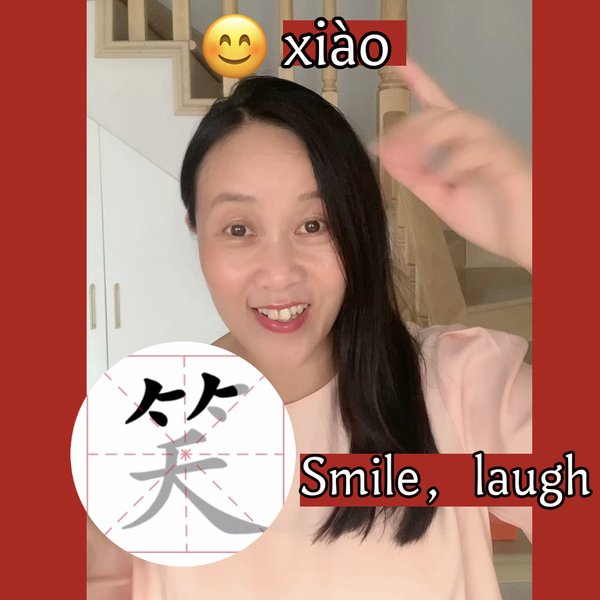
• BA major in History & Cultural comparison • · 1)中国教育部颁发的对外汉语教师资格证 ◐ Certificate for teaching Chinese as a foreign language Issue No. 2003240029 By The Ministry of Education of China ◐ 在线中文教学技能证书 2)Online Chinese Teaching Skills Certificate (No: AP-A003-A0007)
Practical & Interactive Chinese Classes From an Experienced Trainer
Personally vetted · Strommen’s note
Cathy went from Whitman College exchange instructor to Shanghai corporate Chinese trainer, and she teaches practical, business-ready Mandarin now.
Specialties
• BA major in History & Cultural comparison • · 1)中国教育部颁发的对外汉语教师资格证 ◐ Certificate for teaching Chinese as a foreign language Issue No. 2003240029 By The Ministry of Education of China ◐ 在线中文教学技能证书 2)Online Chinese Teaching Skills Certificate (No: AP-A003-A0007)
Practical & Interactive Chinese Classes From an Experienced Trainer
Specialties
Personally vetted · Strommen’s note
Cathy went from Whitman College exchange instructor to Shanghai corporate Chinese trainer, and she teaches practical, business-ready Mandarin now.


Masters in education
Looking forward to sharing Chinese language and culture with you.
Personally vetted · Strommen’s note
Simone's Chinese lessons stay interactive by design, heavy on student practice time, light on lecture.
Specialties
Masters in education
Looking forward to sharing Chinese language and culture with you.
Specialties
Personally vetted · Strommen’s note
Simone's Chinese lessons stay interactive by design, heavy on student practice time, light on lecture.

Bachelor's degree · CELT-P (Certificate in English Language Teaching – Primary)
Native Chinese Tutor in Tianjin with C1 English level
Personally vetted · Strommen’s note
A native Chinese speaker in Tianjin with C1 English herself, Xin opens every lesson by asking flatly what's been giving the student trouble.
Specialties
Bachelor's degree · CELT-P (Certificate in English Language Teaching – Primary)
Native Chinese Tutor in Tianjin with C1 English level
Specialties
Personally vetted · Strommen’s note
A native Chinese speaker in Tianjin with C1 English herself, Xin opens every lesson by asking flatly what's been giving the student trouble.


Master
🏆Certified Pro(10Y+) | 🚀Fix Your Speaking Fast (HSK & Business Expert) | 🗣️Real Life Conversation | 💬Fluency & Pronunciation
Personally vetted · Strommen’s note
Before Strommen, Misty taught Chinese to students from more than thirty countries. Now she curates a plan instead of a textbook.
Specialties
Also speaks: English, Korean
Master
🏆Certified Pro(10Y+) | 🚀Fix Your Speaking Fast (HSK & Business Expert) | 🗣️Real Life Conversation | 💬Fluency & Pronunciation
Specialties
I also speak: English, Korean
Personally vetted · Strommen’s note
Before Strommen, Misty taught Chinese to students from more than thirty countries. Now she curates a plan instead of a textbook.

全力以赴 — immersion & acceleration
5 phrases an intensive student hears in week one
These come up early in an intensive plan, because tutors actually say them, in encouragement and in feedback. Worth keeping a screenshot of before your first lesson.
-
01
加油 (jiā yóu)
Literally "add oil." The all-purpose Mandarin cheer: go, keep going, you can do it. An intensive student hears it a lot, before a timed drill, after a hard listening exercise, the week the schedule gets heavy. It is the most natural thing a tutor says when they want you to push through the next stretch.
e.g. 加油,你一定可以的!(Jiā yóu, nǐ yídìng kěyǐ de!) means "Keep going, you can definitely do this!"
-
02
慢慢来 (màn man lái)
"Take it slow, no rush." The phrase that sounds like a contradiction on an intensive page but is not. A good tutor uses it precisely, on the parts of Mandarin that punish hurry: tones, character recognition, the q-x-j sounds. Speed everywhere is not the goal. Speed where it works, patience where it matters.
e.g. 别紧张,慢慢来。(Bié jǐnzhāng, màn man lái.) means "Don't be nervous, take it slow."
-
03
厉害 (lìhai)
"Impressive, formidable, seriously skilled." The praise has an edge to it: someone who is 厉害 is not just good but a little intimidating in their goodness. When a tutor tells an intensive student 你的中文真厉害, the progress has become visible, which on a compressed timeline is the encouragement that keeps the schedule survivable.
e.g. 你的中文真厉害!(Nǐ de Zhōngwén zhēn lìhai!) means "Your Chinese is really impressive!"
-
04
给力 (gěi lì)
"Powerful, comes through, really delivers." Internet-origin slang from around 2010, now broadly accepted even on state media. It describes something that performs: a study method that works, a teammate who came through, a tutor whose plan actually moves the needle. An intensive student learns fast which resources are 给力 and which only look it.
e.g. 这个方法真给力!(Zhège fāngfǎ zhēn gěilì!) means "This method really works!"
-
05
牛 / 牛逼 (niú / niúbī)
"Awesome, killer, badass." 牛 on its own is clean and fine in everyday speech; the longer 牛逼 is stronger and only for close friends, never in a professional setting. Worth knowing the line early, because intensive students pick up slang from clips and tend to overuse the crude version. A tutor will flag where it is safe to say.
e.g. 这个翻译太牛了!(Zhège fānyì tài niú le!) means "This translation is amazing!"
About Intensive Chinese
When the deadline is the syllabus
Most students arrive at Intensive Chinese with a date already circled. A relocation to Shanghai with a lease that starts in eleven weeks. An HSK sitting booked because a graduate program asked for a score. A new role with a Beijing-facing team and a first trip on the calendar. The date does not move, so the lessons have to do the moving instead. That is the whole brief here, and it is a different brief from a relaxed weekly hour of conversation practice.
It helps to be honest about the size of the task. The US Foreign Service Institute places Mandarin in its Category IV, the hardest group, alongside Arabic, Japanese, and Korean. Working professional proficiency is rated at roughly 2,200 class hours, against something closer to 600 to 750 for French or Spanish. No tutor can repeal that arithmetic. What an intensive track does is spend the available hours well: more contact time per week, tight feedback loops, and a plan reverse-engineered from the date rather than a textbook's table of contents. If your timeline is gentler, our standard Chinese classes and lessons cover the same ground at a steadier pace.
The acceleration is real, but it lands unevenly across the four skills. Listening and speaking tend to respond fastest to a heavy schedule because they reward raw exposure, and an intensive student gets a great deal of exposure. Reading and writing move slower, because characters accumulate at their own pace and there is no shortcut around the hours of recognition practice. A tutor running an intensive plan will say 慢慢来, take it slow, about the parts that genuinely need slow, while pushing hard on the parts that can take the pressure. Knowing which is which is most of the skill.
The foundations are non-negotiable even on a compressed timeline, and especially then. Tones are not accent decoration; they are part of the word, and 妈 (mother) and 马 (horse) are different words built on the same syllable. The pinyin consonants that trip up English speakers, the q, x, j cluster against zh, ch, sh, get drilled early because habits set in the first hundred hours are expensive to undo later. An intensive course that skips this groundwork to feel faster is not faster. It is borrowing speed from week three and paying it back with interest in month four.
Strommen's Intensive Chinese tutors plan backward from your date. The trial lesson is a scoping conversation as much as a teaching sample: what the deadline actually requires, where you are starting, how many hours a week are genuinely available between lessons. A student preparing for an HSK sitting needs section-by-section exam work and timed practice. A student relocating for work needs functional speaking, survival logistics, and enough business register to not start the new job a step behind. Those are different intensive plans, and the tutor builds the one that matches the date in front of you. Every tutor's full background and credentials are on their Strommen profile, so you can match yourself before you book.
One honest caveat. How far an intensive track gets you in eleven weeks varies more than students expect, and it varies for reasons that are mostly outside the tutor's control. Two people on the same schedule, with the same tutor, can finish at noticeably different places. The self-study hours between lessons matter, prior exposure to a tonal language matters, and so does how a particular ear takes to tones. A good tutor will give you a candid read at the trial of what your specific date can realistically hold, and then revise that read as the weeks show what is actually happening. The plan is firm about the deadline and flexible about everything else.
What you'll cover
Lessons & classes tailored to Intensive Chinese
A plan reverse-engineered from your date
Intensive lessons start at the deadline and work backward. The trial is a scoping session: what the date requires, where you are now, how many self-study hours a week are realistic between lessons. From there the tutor sets the contact cadence, often two or more sessions a week, and a weekly milestone schedule. The plan gets reviewed regularly and adjusted when progress runs ahead of or behind where it should be, since a fixed date does not forgive a plan left on autopilot.
Foundations that hold under pressure
Tones and the trickier pinyin consonants get drilled hard and early. Mandarin tones are meaning-bearing, not decoration, and the q, x, j sounds against zh, ch, sh are the cluster most American learners conflate. Habits set in the first hundred hours are slow and costly to fix later, so an intensive plan front-loads this groundwork rather than skipping it to feel quick. Tone sandhi, the rule that turns two third tones into a rising-then-dipping pair, gets the same early attention.
Skill-balanced acceleration
Listening and speaking respond fast to a heavy schedule because they reward exposure, and an intensive student gets plenty of it. Reading and writing move slower, since characters accumulate at their own pace. Lessons push hard where the pressure helps and stay patient where it does not, with measure words, aspect particles like 了 and 过, and topic-comment sentence structure woven in as the spoken work gets more confident. The goal is balanced progress, not a lopsided sprint.
Built around your specific deadline
An HSK sitting calls for section-by-section exam work and timed practice under real conditions. A relocation calls for functional speaking, survival logistics, and enough cultural calibration to land well in the first weeks. A new role calls for business register and meeting language. Each is a different intensive track, and the tutor builds the one that matches your date. Many students keep working with the same tutor afterward, shifting into conversational Chinese once the pressure lifts.
FAQ
About Intensive Chinese lessons & classes
How fast can I actually learn Mandarin on an intensive schedule?
Faster than a relaxed weekly hour, but not magically fast. The US Foreign Service Institute rates Mandarin a Category IV language, its hardest group, at roughly 2,200 class hours for working professional proficiency. An intensive plan does not shrink that total. It uses the hours you have well: more contact time, tighter feedback, a schedule built backward from your date. Honest progress on a heavy schedule is real, just not unlimited.
How many lessons a week does an intensive plan involve?
Most intensive students take two or more sessions a week, sometimes more in the final weeks before a deadline. The right number depends on your date, your starting level, and how many self-study hours you can commit between lessons. Your tutor sets the cadence at the trial and adjusts it as the timeline progresses. Lessons without between-lesson study do not produce intensive results, so the self-study hours matter as much as the contact hours.
Can an intensive course skip tones and characters to go faster?
No, and a course that tries is not actually faster. Tones are part of each word, not accent polish: 妈 and 马 are different words on the same syllable. Skipping characters caps a learner around HSK 2. Habits formed in the first hundred hours are expensive to undo, so an intensive plan front-loads the foundations. Cutting them borrows speed early and pays it back with interest later.
I have a fixed deadline. Can a tutor plan around it?
Yes, that is exactly what Intensive Chinese is for. Bring the date to the free trial, whether it is a relocation, an exam window, or a job start. The tutor scopes what the date requires, measures where you are now, and builds a weekly milestone plan that reverse-engineers from the deadline. The plan gets reviewed often and adjusted when progress runs ahead of or behind schedule.
Are your Intensive Chinese tutors native speakers?
Most are native Mandarin speakers, and several have run compressed timelines before, so they know how to pace a plan that holds up under real pressure. A few are longtime bilinguals, fully fluent and experienced with intensive students. Each tutor's bio specifies their background and where they have taught. You can match yourself to a tutor whose experience fits your particular deadline.
Can I do intensive lessons online, or only in person in LA?
Both. Many Intensive Chinese tutors teach online via Zoom or Jitsi and are available globally, which matters when a deadline does not wait for travel. Several also teach in person, and our Chinese classes in Los Angeles page covers the in-person options. The booking widget on each tutor's profile shows their available formats, and an intensive schedule can mix the two.
I already speak some Mandarin. Does intensive still make sense?
Yes, and existing Mandarin is a real head start. The trial lesson calibrates to where you actually are, so an intensive plan builds forward from your current level rather than restarting. Students with a foundation often accelerate well, since the plan can concentrate hours on the specific gaps the deadline exposes instead of covering ground you already hold.
What does an intensive Mandarin lesson look like?
Lessons are one-on-one and tied to your milestone plan. A session might pair targeted drilling on a weak point, tones, a grammar pattern, exam timing, with conversation practice that applies what you have built. Between sessions the tutor assigns focused self-study so contact time is spent on feedback rather than first exposure. Many students supplement with our top 100 basic Chinese words list to keep momentum between lessons.
Ready for Intensive Chinese lessons or classes?
Book a free 30-minute trial with one of our personally vetted tutors. Private lessons or small-group classes — your choice.