



Personally vetted instructors
Italian for Kids tutors, lessons & classes
Ciao! The greeting Italian families actually use with kids, all day long.
Personally vetted Italian tutors for kids. Warm, patient, age-appropriate lessons for ages 5-14, calibrated to your child's level, interests, and pace, whether they're starting from zero, hearing Italian from nonna, or prepping for a family summer in Puglia.
Your instructors
Italian for Kids tutors for private lessons & classes
Strommen has been teaching Italian to families since 2006. Italian for kids is one of the most relationship-driven specialties on our roster. What makes a kids' tutor work isn't just the Italian, it's the warmth, patience, and ability to make a child look forward to the lesson. Every tutor below was met and vetted by us in person or via thorough video interview, screened specifically for working with children. We're a curated boutique, not a marketplace.
Filter by location, age, or price. Then book a free 30-minute trial, including a parent chat up front about your child's level and goals.
Below are the Strommen tutors who specialize in Italian for kids. Photos, ratings, and rates are real. Click any card to read their bio and book a free 30-minute trial, including a quick chat with you, the parent, about your child's level and goals.
I want to learn…
Every tutor, personally met. — founder-vetted since 2006, in Los Angeles and online worldwide.
Get a personalized plan
Pick your language — a language advisor will match you with the right tutor and map out your path.




UCLA Bachelor degree
Roman Native Italian Tutor with 20 years Experience, lets speak Italian!
Personally vetted · Strommen’s note
A Rome native who has taught Italian for twenty years, Garrett still takes on a handful of students personally when his schedule allows.
Specialties
Also speaks: French, Spanish
UCLA Bachelor degree
Roman Native Italian Tutor with 20 years Experience, lets speak Italian!
Specialties
I also speak: French, Spanish
Personally vetted · Strommen’s note
A Rome native who has taught Italian for twenty years, Garrett still takes on a handful of students personally when his schedule allows.
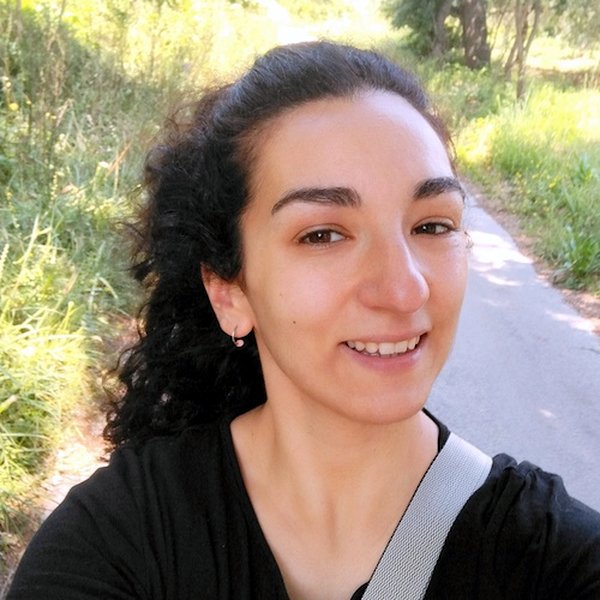
Lingue e culture straniere and insegnamento dell italiano agli stranieri L2 · Teaching Certificate
Masters Degree in Teaching Italian - Local Roman Italian Teacher - Currently living in Rome - Roma3 graduate
Personally vetted · Strommen’s note
Simona holds a Master's in Teaching Italian from Roma Tre and is based in Rome itself. She rebuilds her lesson plan for literally every new student.
Specialties
Lingue e culture straniere and insegnamento dell italiano agli stranieri L2 · Teaching Certificate
Masters Degree in Teaching Italian - Local Roman Italian Teacher - Currently living in Rome - Roma3 graduate
Specialties
Personally vetted · Strommen’s note
Simona holds a Master's in Teaching Italian from Roma Tre and is based in Rome itself. She rebuilds her lesson plan for literally every new student.

Professor of Italian Language and Literature at the Juraj Dobrila University of Pula. · Degree in Italian Language and Literature.
Professor of Italian language, several years of experience
Personally vetted · Strommen’s note
Every lesson with Romeo starts with a level check, then a plan built entirely around the student's own goals. He teaches Italian and Croatian both, out of Pula.
Specialties
Professor of Italian Language and Literature at the Juraj Dobrila University of Pula. · Degree in Italian Language and Literature.
Professor of Italian language, several years of experience
Specialties
Personally vetted · Strommen’s note
Every lesson with Romeo starts with a level check, then a plan built entirely around the student's own goals. He teaches Italian and Croatian both, out of Pula.

BA in Linguistic Mediation; MA in Translation; MA in Audiovisual Translation · CEDIL
Learn the language that speaks with its hands — and its heart.
Personally vetted · Strommen’s note
Piedmontese, Ligurian, and Emilian, three rare northern Italian dialects, round out Arianna's standard Italian and Spanish lessons.
Specialties
BA in Linguistic Mediation; MA in Translation; MA in Audiovisual Translation · CEDIL
Learn the language that speaks with its hands — and its heart.
Specialties
Personally vetted · Strommen’s note
Piedmontese, Ligurian, and Emilian, three rare northern Italian dialects, round out Arianna's standard Italian and Spanish lessons.

Certified in Teaching English as a Foreign Language, International TEFL and TESOL Training (2021)BA, Honors Theatre Studies, University of Guelph (2021) · Teaching English as a Foreign Language (TEFL)
English, Italian and Spanish teacher, dialect coach and accent reduction coach
Personally vetted · Strommen’s note
Amy coaches Sicilian, Neapolitan, and Calabrese dialects alongside standard Italian and English. She's also taught Italian kids English from age three up.
Specialties
Certified in Teaching English as a Foreign Language, International TEFL and TESOL Training (2021)BA, Honors Theatre Studies, University of Guelph (2021) · Teaching English as a Foreign Language (TEFL)
English, Italian and Spanish teacher, dialect coach and accent reduction coach
Specialties
Personally vetted · Strommen’s note
Amy coaches Sicilian, Neapolitan, and Calabrese dialects alongside standard Italian and English. She's also taught Italian kids English from age three up.

Modern languages · Ditals and a master
Certified with 5 years of experience in teaching Italian. I like to organize my Italian lessons according to each student's learning goals. I will be happy to be your Italian teacher and help you to achieve your goal.
Specialties
Modern languages · Ditals and a master
Certified with 5 years of experience in teaching Italian. I like to organize my Italian lessons according to each student's learning goals. I will be happy to be your Italian teacher and help you to achieve your goal.
Specialties


Psychology · N/A
Expert Native Italian Tutor | Personalized Lessons | Learn Italian with confidence, clarity, and authentic conversation
Specialties
Also speaks: French, Japanese, Russian, Welsh
Psychology · N/A
Expert Native Italian Tutor | Personalized Lessons | Learn Italian with confidence, clarity, and authentic conversation
Specialties
I also speak: French, Japanese, Russian, Welsh
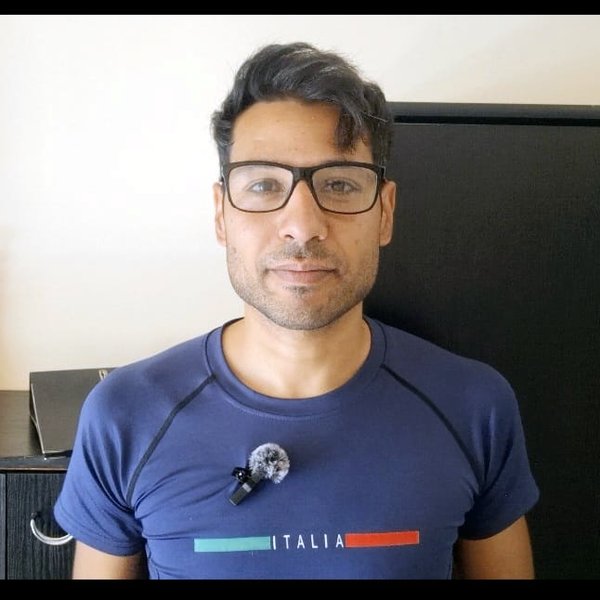
degree in tourism
Just do it
Personally vetted · Strommen’s note
Edgar teaches Venetian dialect and Italiano Antico Volgare, old vernacular Italian, genuinely unusual specialties alongside standard conversational Italian.
Specialties
Also speaks: English, French, Spanish
degree in tourism
Just do it
Specialties
I also speak: English, French, Spanish
Personally vetted · Strommen’s note
Edgar teaches Venetian dialect and Italiano Antico Volgare, old vernacular Italian, genuinely unusual specialties alongside standard conversational Italian.

Per i bambini — kids' Italian
5 things that make kids' Italian lessons actually work
Lessons that engage children work on different principles than adult lessons. These are the pieces every great Italian-for-kids tutor leans on. Screenshot to share with your child's other parent.
-
01
Ciao!
The warm, kid-friendly Italian greeting. Adults open with buongiorno; families open with ciao. Hearing it from a tutor in the first lesson signals to a child that this is going to feel different from school: softer, friendlier, more like a family interaction. The same word covers "hi" and "bye," which kids find delightfully efficient.
e.g. Ciao Luca! Come stai oggi?
-
02
Il and la
Italian assigns every noun a gender. Il sole the sun (masculine), la luna the moon (feminine). English-speaking kids find this strange for about two months and then stop noticing. A great tutor color-codes vocabulary (blue cards for il, red for la) so the article and noun fuse in memory and the child uses the right form by association, not by rule.
e.g. Il cane corre. La macchina è rossa.
-
03
Pimpa, Topolino, e Cocomelon
Italian kids' media is generations deep. Pimpa, the polka-dotted dog by Altan, and Topolino, the Italian Mickey Mouse weekly comic since 1932, are inherited reading material. Cocomelon, Bluey, and most Disney and Pixar films have full Italian dubs that pitch right for ages 4-10. Substituting the Italian version of content your child already loves is the highest-leverage between-lesson immersion any family can do.
e.g. Stasera guardiamo Pimpa in italiano.
-
04
La pasta, la pizza, il gelato
Food vocabulary is the easiest doorway into Italian for kids. La pasta al pomodoro, la pizza margherita, la merenda, la nutella, regional sweets from whichever grandmother. Kids learn dozens of words effortlessly when those words attach to things they actually want to eat. Most kids' Italian lessons spend real time on food because food is where the language stops feeling abstract.
e.g. Per merenda voglio pane e nutella.
-
05
Gesti italiani
Italian hand gestures aren't a cliché; they're a real auxiliary grammar that Italian children acquire alongside spoken words. The mano a borsa (pinched fingertips, "what do you want from me?"), the che vuoi shrug, the cheek-screw for buonissimo. Five or six gestures cover most of what a kid would naturally use, and they make the language physical and memorable in ways pure vocabulary practice never matches.
e.g. Ma che vuoi? (with the classic pinched-fingertips gesture)
About Italian for Kids
Italian your kid actually wants to speak
Two very different families tend to write to us about Italian for kids, and they want different things from the same tutor list. There's the Italian-heritage family, usually in the US, sometimes in Australia or the UK, where a grandparent or great-grandparent emigrated and the language went dormant somewhere in the second generation. The parents grew up hearing Italian at Sunday lunches without ever quite acquiring it; now they want their own kids to carry something forward before the last fluent relative is gone. And there's the international-relocation family: a parent is moving the household to Milan, Rome, or Bologna for work or for a return-to-roots year, and the kids will be dropped into an Italian-medium school in eight months. Same tutor roster, completely different curriculum. The heritage family wants a teacher who handles activation gently, building production from the comprehension that's already there. The relocation family wants a teacher who can sprint a 9-year-old to first-grade-Italian-school readiness in a season. Strommen's Italian-for-Kids roster handles both, and the trial conversation exists in part to figure out which version of the work your family actually needs.
Teaching Italian to children works on entirely different principles than teaching adults. Treccani, Italy's national encyclopedia, and Italian language acquisition researchers like Monica Berretta and Alberto Sobrero have long documented that children acquire a second language through play, story, song, and embodied repetition, not through grammar tables. The Italian school tradition leans into this. Real Italian elementary teachers use chants, rhymes, hand-clapping games, and movement-based vocabulary work because that's what works. The Società Dante Alighieri, Italy's century-old cultural network and the closest Italian equivalent to the Goethe-Institut or Alliance Française, structures its PLIDA Junior certifications around this same play-and-context model rather than around drills. Every Strommen Italian-for-Kids tutor has been screened with this in mind: native or near-native Italian, real classroom or family experience with children, and the warmth and patience to keep a six-year-old engaged for 25 focused minutes.
Lessons calibrate by age. Ages 5-7 sessions are short (20-30 minutes), built around picture books like Bruno Munari's classics, the Pimpa stories by Altan, and Topolino the Italian Mickey Mouse comic that Italian kids have grown up with since 1932. Songs anchor the vocabulary: Tre civette sul comò, Il coccodrillo come fa, and modern Zecchino d'Oro festival songs that Italian kids actually sing. Movement games like Un, due, tre, stella! (the Italian version of Red Light Green Light) cover numbers, action verbs, and the imperative without anyone realizing they're studying grammar. Ages 8-11 sessions stretch to 45-60 minutes and introduce comics (Topolino, Geronimo Stilton in the original Italian, which is much better than the English translation parents grew up assuming was canon), Italian YouTube channels like Balù il cane parlante and Coco e Lallo, and the Italian dub of shows kids already watch (Cocomelon has a robust Italian version, as do Disney films and most Pixar). Reading and writing start scaffolding in this band: easy chapter books like the Geronimo Stilton series, vocabulary games on platforms like Kahoot and Quizlet, and the beginnings of explicit grammar work without making it the lesson's center. Ages 12-14 sessions feel more like adult lessons but stay scaffolded: full conversation, age-appropriate Italian films and series (Skam Italia for older teens, Strappare lungo i bordi, classic Ricomincio da tre, the Studio Ghibli Italian dubs that even reluctant kids love), Italian YouTubers and TikTokers the child would actually subscribe to. Light grammar fits at this age, the difference between passato prossimo and imperfetto finally clicks, but the lesson still revolves around content the kid cares about.
Gendered nouns deserve their own paragraph because they show up in the first lesson and never really stop showing up. Italian, like French and Spanish, assigns every noun a grammatical gender. Il sole is masculine, la luna is feminine. Il gatto the cat, la macchina the car. The article changes (il, lo, la, l', i, gli, le), the adjective agrees (la macchina rossa, il gatto rosso), and English-speaking kids without exposure to a gendered language find this conceptually strange for about two months and then stop thinking about it. A great kids' tutor doesn't drill the rules; she color-codes the vocabulary. Blue index cards for masculine, red for feminine, and the child absorbs la with casa and il with cane through association, not memorization. By month three the child uses the right article more often than not, just like Italian children do at the same age. This is also why early exposure matters: a 6-year-old absorbs gendered articles the way they absorb plurals in English, with almost no friction. A 14-year-old has to reason through them.
For heritage families, the curriculum centers on activation rather than introduction. These kids often understand more Italian than their parents realize, because nonna has been talking to them since infancy, but they answer in English. The pattern is called passive bilingualism, and it's the most common heritage profile we see. Lessons focus on making Italian responses automatic rather than effortful: vocabulary the child already uses in family contexts (food, holidays, family in-jokes) gets reinforced first because production starts wherever the comprehension is densest. Reading and writing get scaffolded carefully because heritage learners typically skip the literacy step entirely; they speak the language they were spoken to, but they've never seen it on a page. Many heritage families specifically want the child functional with cousins in Italy during summer visits, and lessons calibrate toward that very concrete goal in the months leading up.
For relocation families, the work looks different. A child who'll be entering an Italian school needs school-context vocabulary that no general curriculum covers: la merenda the mid-morning snack, la maestra the elementary-school teacher, l'intervallo recess, the rhythm of the school day, the social register kids actually use with peers. Italian elementary classrooms are warm and loud and physical in ways that often surprise American or British families used to quieter classrooms; the cultural orientation matters as much as the language work. Our tutors with backgrounds in Italian schools (several of ours taught in scuola primaria before relocating) bring this layer alongside the language. Conversational fluency for an 8-year-old before a September move is realistic with consistent weekly lessons starting in the previous winter; we've watched it happen many times.
A cultural note on hand gestures because parents often ask about it. Italian gestures aren't a cliche, they're a real auxiliary grammar that carries meaning, and Italian children acquire them at the same age they acquire spoken words. Tutors teach the most useful kid-appropriate ones early because they make the language physical and memorable: the mano a borsa (fingertips pinched together, meaning "what do you want from me?"), the che vuoi shrug, the buonissimo cheek-screw for delicious food. Five or six gestures cover most of what an Italian kid would naturally use, and they help the child sound and feel Italian in a way pure vocabulary practice can't. Food vocabulary is the other natural early-entry point. Italian kids' food culture is extensive (la pasta al pomodoro, la pizza margherita, il gelato, la merenda, la nutella, and the regional sweets each grandmother makes), and a child learns dozens of words painlessly when they're attached to things she actually wants to eat.
The Strommen Italian-for-Kids roster includes native Italian teachers based in Italy (Rome, Milan, Florence, Naples, Bologna, plus several Sicilian and Pugliese tutors for families with regional ties), longtime Italian-American bilinguals who grew up in Italian-heritage households in the US, and credentialed elementary-school teachers who specifically work with children. Several have backgrounds in Italian scuola materna or primaria teaching or were teachers in Italy before relocating. Each tutor's bio lists ages they teach, teaching philosophy, and which student profile fits best (heritage activation, relocation prep, fresh-start enrichment, PLIDA Junior exam prep). Pricing reflects experience. You can match to a more structured tutor for an academically-focused kid, a more playful tutor for younger or reluctant learners, or a heritage-specialist tutor whose own family story mirrors yours. For older children eyeing certification down the road, the Società Dante Alighieri's PLIDA Junior covers ages 9-13, and several of our tutors prep students for it. Our blog post on the 12 best Italian cartoons for kids and our Italian lullabies and nursery rhymes roundup give parents a starting point for between-lesson immersion. For broader Italian programs across the family, see our Italian course page, the Business Italian page for working parents who want to learn alongside their child, and the full tutor list if you want to browse beyond the kids' specialty.
Lessons are one-on-one. The tutor builds the curriculum around your child's level, your family's schedule, your child's interests, and your specific goal. The 30-minute trial is free and includes a parent conversation up front so the tutor knows whether they're handling heritage activation, relocation prep, or general enrichment before the first 20 minutes with your child even begins. Stay consistent week to week. Pick a tutor your kid will actually look forward to seeing. The rest accumulates more quietly than parents expect.
What you'll cover
Lessons & classes tailored to Italian for Kids
Age-appropriate curriculum design
Lessons for ages 5-7 are short, song- and play-driven, built around Pimpa, Zecchino d'Oro songs, and movement games. Ages 8-11 incorporate reading and writing through Topolino, Geronimo Stilton, and Italian YouTube. Ages 12-14 move toward fuller conversation, age-appropriate films and series, and light explicit grammar. The tutor builds the curriculum around your child's interests so Italian becomes a doorway, not an assignment.
Heritage learner activation
For Italian-American and Italian-Australian families where a child understands more than they speak (passive bilingualism from a nonna or nonno). Lessons focus on activating production: making Italian the language of response, not just comprehension. Family vocabulary, summer-in-Italy prep, and scaffolded reading and writing for kids who can speak some Italian but have never seen it on a page.
Relocation and Italian-school readiness
For families moving to Italy: targeted curriculum for the months leading up. School vocabulary (la merenda, la maestra, l'intervallo), social register for the child's peer group, cultural orientation to Italian classroom culture, and conversational fluency calibrated to a September entry date. Tutors with experience in scuola primaria bring the classroom layer alongside the language.
Enrichment, PLIDA Junior prep, conversational maintenance
General Italian enrichment for parent-driven "we want our kid to have Italian" intros. PLIDA Junior exam prep for ages 9-13, the Società Dante Alighieri's certification track for younger learners. Conversational maintenance for kids between Italian-immersion programs or after a summer in Italy, so the gains don't dissolve over the school year.
FAQ
About Italian for Kids lessons & classes
How young is too young for Italian lessons?
Age 4-5 is the youngest we'd recommend formal lessons, and even then sessions need to be short (15-25 minutes), play-heavy, and built around an immediate caregiver presence. Younger than 4 is better served by Italian-language playgroups, family exposure, or screen time alongside a parent. From age 5 onward, lessons work well. Most of our Italian-for-Kids lessons are for ages 6-14.
We're an Italian-heritage family. Our kid understands nonna but answers in English. Can lessons fix that?
Yes, and this is one of the most common profiles we see. The pattern is called passive bilingualism: strong listening comprehension, weak production. A good heritage-focused tutor activates the latent Italian by making it the language of response, not just understanding. They start with vocabulary the child already uses in family contexts (food, holidays, family in-jokes) and build production from there. Many families specifically want the child speaking with cousins in Italy during a summer visit, and lessons calibrate toward that concrete goal.
We're moving to Italy in eight months. Can a tutor get our kid ready?
For most ages, yes, if you start now and stay consistent. A child entering Italian school needs school-context vocabulary (la merenda, la maestra, l'intervallo), conversational fluency calibrated to peer-group register, and cultural orientation to Italian classroom culture. Our tutors with backgrounds teaching in Italian scuola primaria bring the school layer alongside the language. Two lessons a week is the typical cadence for relocation prep, scaling up in the final month before the move.
Does video work for kids, or do they need in-person?
Video works well from about age 6 onward, especially after the first session or two where the child and tutor establish rapport. Younger kids (5-6) benefit from a parent's presence in the room for the first few sessions to bridge attention. The advantage of video for kids is the same as for adults: best-fit tutor regardless of location, and consistency week to week. In-person is also available when the tutor and family are geographically aligned.
Will my child get confused growing up with two languages?
No. Decades of research, including Ellen Bialystok's well-known work at York University on bilingual children, shows that bilingual kids develop typically on every measure that matters and often display advantages in executive function and metalinguistic awareness. Mixing words from two languages within a single sentence (code-switching) is normal, healthy, and not a sign of confusion; bilingual adults do it too. Our blog post on how the brain benefits from being bilingual covers the research.
How do you match the right tutor to my child?
We talk to you first about your child's age, current level, family situation (heritage, relocation, fresh-start enrichment), interests, personality, and what's worked and not worked with prior teachers if any. Then we propose one or two tutors who fit. The personality match matters as much as the credentials: some kids click with a more structured teacher, others with a goofier or more maternal one, and a heritage child often pairs best with a tutor whose own family story mirrors theirs. We've been matching since 2006 and the fit usually lands on the first try.
What's the right lesson cadence?
Weekly is the sweet spot for most goals. Twice a week works for kids prepping for a move, an exam, or a specific summer trip. Less than weekly doesn't build momentum in kids; if that's all the budget allows, daily Italian media exposure (Pimpa, Italian Cocomelon, Italian Disney) bridges the gap. Consistency beats intensity: 30 minutes weekly for a year produces dramatically more Italian than four hours sporadically. Holiday and summer schedules can flex around your family's calendar.
What does the trial include?
30 minutes, free, with the tutor you select. The first 5-10 minutes are typically a conversation with you, the parent, about your child's level, family situation, goals, and any specific concerns. The remaining 20 minutes the tutor spends one-on-one with your child to assess their level and find rapport. After the trial you decide whether to continue, and the tutor will share their read on your child's level and a proposed curriculum direction. Most families continue with the trial tutor; if not, swapping is easy.
Ready for Italian for Kids lessons or classes?
Book a free 30-minute trial with one of our personally vetted tutors. Private lessons or small-group classes — your choice.