



Personally vetted instructors
Stotras tutors, lessons & classes
ॐ श्री गणेशाय नमः Om Shri Ganeshaya Namah, the traditional invocation that opens almost any session of recitation.
Personally vetted tutors who teach Hindu devotional hymns. Lessons that work through the Hanuman Chalisa, the Mahishasura Mardini Stotram, the Vishnu Sahasranama, and other major stotras with attention to pronunciation, meter, and meaning.
Your instructors
Stotras tutors for private lessons & classes
The tutors below are the ones on our Sanskrit and Hindu-text roster who have the deepest practice background in chanted recitation. Some trained in temple or family recitation traditions, some hold credentials in Carnatic or devotional vocal music, several teach stotras alongside their broader Sanskrit and Hindu-philosophy work. Every one of them was met and vetted by Strommen directly before being listed.
Filter by location, age, or price, read the bios, then book a 30-minute free trial with whoever feels right.
Below are the Strommen tutors who teach stotras and devotional recitation. Photos, ratings, and rates are real. Click any card to read the tutor's background and book a free 30-minute trial.
I want to learn…
Every tutor, personally met. — founder-vetted since 2006, in Los Angeles and online worldwide.
Get a personalized plan
Pick your language — a language advisor will match you with the right tutor and map out your path.

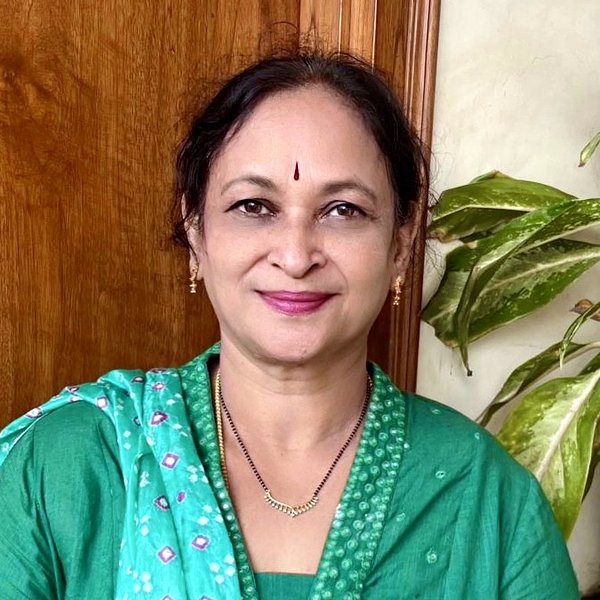
Masters in English Language and Literature, Masters in South Indian Classical Music · Hindi Language Certification.
Knowledge is a journey and Learning never ends—it evolves with every experience.
Personally vetted · Strommen’s note
Sailaja's Hindi lessons come with Sanskrit, the Bhagavad Gita, and traditional stotras built in, a genuinely unusual specialty pairing.
Specialties
Masters in English Language and Literature, Masters in South Indian Classical Music · Hindi Language Certification.
Knowledge is a journey and Learning never ends—it evolves with every experience.
Specialties
Personally vetted · Strommen’s note
Sailaja's Hindi lessons come with Sanskrit, the Bhagavad Gita, and traditional stotras built in, a genuinely unusual specialty pairing.

स्तोत्राणि — hymns & recitation
5 things every stotra student meets early
These are the textual and practice anchors that organize stotra study. Knowing what each one is, and how it fits the practice, makes the first months of recitation feel structured rather than random.
-
01
हनुमान् चालीसा · Hanuman Chalisa
Forty verses in Awadhi (a vernacular north Indian language close to Hindi) composed by the sixteenth-century poet Tulsidas in praise of Hanuman. Recited daily by millions across northern India and the diaspora. Short enough to memorize within a few weeks, devotionally central, and a natural starting point for many students new to recitation practice.
e.g. Many tutors begin a new student here, because the Chalisa is short, melodic, and widely recognized.
-
02
महिषासुर मर्दिनी स्तोत्रम् · Mahishasura Mardini Stotram
A Sanskrit hymn attributed to Adi Shankara, addressed to the goddess Durga as slayer of the buffalo demon. Famous for its galloping rhythm and the sustained intensity of its recitation. Most associated with the Navaratri festival, when it is chanted in temples and homes across India.
e.g. The opening line ayi giri-nandini begins a rhythm that the entire stotra holds.
-
03
विष्णु सहस्रनाम · Vishnu Sahasranama
The thousand names of Vishnu, drawn from the Anushasana Parva of the Mahabharata. One of the longest and most theologically dense devotional recitations, taken on by serious students as a multi-month project. Many Vaishnavas recite it daily; many others undertake it on Ekadashi and major festivals.
e.g. Tutors typically introduce the Vishnu Sahasranama only after a student has built recitation stamina on shorter stotras.
-
04
अनुष्टुप् और छन्द · meter and chant pattern
Sanskrit stotras are written in standardized metric forms (anushtubh at 32 syllables per verse is the most common; the longer compositions use shardulavikridita, vasantatilaka, indravajra, and others), and each meter carries its own chant pattern within the traditional recitation lineages. The meter is what makes the recitation feel inevitable rather than memorized.
e.g. Most beginner stotras are in anushtubh, which is also the meter of the Bhagavad Gita.
-
05
एम्. एस्. सुब्बुलक्ष्मी · M.S. Subbulakshmi
The Carnatic vocalist (1916 to 2004) whose recordings of the Vishnu Sahasranama, the Venkatesha Suprabhatam, and many other devotional works have shaped how two generations of Indian and diaspora practitioners hear the major stotras. Tutors often recommend her recordings as listening references for students developing the chanted rhythm.
e.g. Pairing recitation practice with a Subbulakshmi recording dramatically accelerates rhythm and pronunciation.
About Stotras
Devotional hymns across Hindu tradition
A stotra is a Hindu devotional hymn composed in praise of a deity, a sacred place, a teacher, or a philosophical principle. The genre is enormous. There are short stotras of a single verse, medium ones of a few dozen verses recited as part of daily puja at home, longer ones of a hundred or more verses chanted at major festivals, and the literally thousand-name compositions (the sahasranamas) that enumerate the names of a deity in a single sustained recitation. Most stotras are in Sanskrit, but the broader tradition includes thousands of regional-language hymns (Tamil, Telugu, Kannada, Malayalam, Marathi, Bengali, Hindi, Awadhi, Braj Bhasha) that follow the same devotional logic in vernacular form. The Hanuman Chalisa, perhaps the most widely recited devotional text in India, is in Awadhi rather than Sanskrit, and learning it is a doorway into the broader bhakti tradition that produced it.
The people who come to Strommen for stotra study fall into a few clear groups. Some are practicing Hindus, often from Indian families, who grew up hearing certain stotras at home and at temple and want to be able to chant them themselves with correct pronunciation and understanding of meaning. Some are converts or sincere students of Hindu tradition who have entered the practice through a teacher or a lineage and want to develop a daily recitation practice. Some are yoga students who have moved beyond asana into the broader practice and want to learn the mantras and stotras that accompany puja, fire ceremonies, and major festivals. A small but real group are musicians and singers (especially of South Indian classical and devotional music) who study stotra recitation as part of the broader Carnatic and devotional vocal tradition. Tutors calibrate the first lesson to whichever doorway you came in through.
The most-recited stotras give a useful map of what the tradition holds central. The Hanuman Chalisa, forty verses in Awadhi composed by Tulsidas in the sixteenth century, is recited daily by millions across northern India and in the diaspora; it is short enough to memorize and a natural starting point for many students. The Mahishasura Mardini Stotram, attributed to Adi Shankara, is a powerful and rhythmically intense Sanskrit hymn to the goddess Durga, often recited during Navaratri. The Vishnu Sahasranama, the thousand names of Vishnu drawn from the Mahabharata, is among the longest and most theologically dense devotional recitations and is taken on by serious students as a multi-month project. The Lalita Sahasranama, the thousand names of the goddess Lalita, has a comparable scale within the Shakta and Sri Vidya traditions. The Adityahridayam, used in Rama-centric practice, sits at a medium length. The Lingashtakam, the Bhaja Govindam, the Shiva Tandava Stotram, the Achyutashtakam, and the Madhurashtakam are among the dozens of medium-length compositions that recur across recitation practice. A good tutor will help you choose a stotra appropriate to your level, your tradition, and the time you have for daily practice.
The meter and chant patterns are part of what makes a stotra a stotra rather than just a poem of praise. Sanskrit stotras are written in standardized metric forms (anushtubh at 32 syllables per verse is the most common, but the shardulavikridita, the vasantatilaka, the indravajra, and a half-dozen others appear regularly in the longer compositions), and traditional recitation lineages have set chant patterns for each. The Mahishasura Mardini Stotram, for instance, has a famously galloping rhythm in its source meter; the Bhaja Govindam has a meditative repeating refrain; the longer sahasranamas typically use a stately anushtubh that allows the recitation to proceed for an hour or more without losing the rhythm. Tutors teach the meter as part of teaching the chant, because the rhythm is what carries the recitation forward and what makes memorization possible.
The temple and home recitation context is the natural home of stotra practice, and any serious study takes account of it. Many stotras have specific timing in the calendar: the Mahishasura Mardini at Navaratri, the Adityahridayam at sunrise, certain Krishna stotras at Janmashtami, certain Shiva stotras at Mahashivaratri, the Vishnu Sahasranama on Ekadashi or daily for serious Vaishnavas. The recitation is paired with specific gestures, offerings, and sometimes with accompanying instrumental music. A tutor with practice background can teach the stotra inside its ritual frame rather than as a disembodied text, which makes the recitation feel like part of a living tradition rather than a memorization exercise.
The modern recording tradition is a useful resource for any stotra student. The recordings of M.S. Subbulakshmi (the legendary South Indian Carnatic vocalist, whose Vishnu Sahasranama and Suprabhatam recordings are touchstones for two generations of practitioners), of Pandit Jasraj, of Anuradha Paudwal, of Anup Jalota, and of many others have shaped how the major stotras are heard in contemporary practice. Tutors will often pair the textual study with recommended recordings, because hearing a skilled recitation alongside your own practice accelerates the development of the chanted rhythm enormously.
A practical and honest framing: stotra recitation is not the same as learning Sanskrit. Many students learn to chant the Hanuman Chalisa, the Mahishasura Mardini Stotram, or the Vishnu Sahasranama with full devotion and correct pronunciation without ever studying Sanskrit grammar formally. That is a legitimate path. Other students want both, recitation alongside an understanding of what each line means at the grammatical level, and that is also legitimate. Tutors will calibrate to whichever you want. If you want the language behind the chant in a deeper way, see our main Sanskrit track or the beginner course.
Strommen has been teaching languages in Los Angeles since 2006, and the stotra track sits at the most practice-oriented end of our Sanskrit and Hindu-text offerings. Every tutor below was met and vetted by us in person. There is no marketplace here. Lessons run online for students worldwide and in person for those near Los Angeles. Most students begin with a free 30-minute trial so the tutor can see where your recitation sits and which stotra is the right place to begin.
What you'll cover
Lessons & classes tailored to Stotras
Choosing the right starting stotra
The genre is enormous and the right entry point depends on your goal. Tutors typically start a new student with the Hanuman Chalisa (short, devotionally central, in Awadhi rather than Sanskrit), with a medium-length Sanskrit stotra like the Lingashtakam or the Madhurashtakam, or with whichever hymn the student's tradition or family already centers. A tutor with practice background will help you pick a stotra that matches your level, your time, and your devotional orientation.
Pronunciation and the chanted rhythm
The biggest determinant of whether a stotra recitation feels alive is correct pronunciation paired with the right rhythm. Tutors work on the long-vowel and short-vowel distinctions, the aspirated and retroflex consonants that English speakers tend to flatten, the visarga and anusvara that close so many stotra lines, and the metric rhythm that carries the recitation forward. Listening drills (often paired with classic recordings like Subbulakshmi or Pandit Jasraj) sit at the center of the practice.
Meaning alongside recitation, if you want it
Many stotra students chant without studying the language formally, and that is a legitimate path. Tutors who teach stotras can also unpack the meaning verse by verse, with attention to the deity-specific vocabulary, the philosophical concepts that recur (especially in the Sahasranamas), and the ritual context the stotra was composed for. The grammatical depth is calibrated to your interest; some students want a line-by-line gloss, others want only the broad sense and the chanting.
Ritual frame and festival timing
Many stotras have specific timing in the calendar and specific gestures, offerings, or instrumental accompaniments that go with them. Tutors with practice background can teach the stotra inside its ritual frame rather than as a disembodied text: when each hymn is traditionally recited, what it accompanies, how it sits inside a daily puja or a festival observance. This is what makes the recitation feel like part of a living tradition.
FAQ
About Stotras lessons & classes
Do I need to be Hindu to study stotras?
No. Many of our stotra students are practicing Hindus from Indian families, but plenty come from outside the tradition: yoga practitioners who have moved into the broader practice, students of Indian classical music, comparative-religion researchers, and sincere students of bhakti devotional traditions. Tutors will teach with cultural respect for the tradition the stotra comes from, but you do not need to belong to any specific lineage to study and recite.
How do I learn the correct pronunciation?
Tutors work on pronunciation directly: the long-vowel and short-vowel distinctions, the aspirated and retroflex consonants that English speakers tend to flatten, the visarga and anusvara, and the metric rhythm that carries the recitation forward. Most lessons pair active recitation work with listening to a high-quality reference recording (M.S. Subbulakshmi for Vishnu Sahasranama and Suprabhatam, Pandit Jasraj for many Vaishnava stotras, Anup Jalota for Hanuman Chalisa, and others). Hearing a skilled recitation alongside your own practice accelerates everything.
Can I sing stotras at home, or only at temple?
At home, absolutely. Daily home recitation has been part of the practice for as long as the tradition has existed, and most stotras are designed for both home and temple use. A typical home practice involves a few minutes at a fixed time of day (often early morning or before sleep), often accompanied by a small altar, a lit lamp, or an image of the deity. Tutors can help you set up a practice that fits your time and your space.
Which stotra should I start with?
Depends on your tradition, your interest, and your time. The Hanuman Chalisa is the most common starting point for many students because it is short, devotionally central, and in Awadhi (which is closer to Hindi than Sanskrit and slightly easier to pronounce for beginners). Other natural starting points are the Lingashtakam (Shiva), the Madhurashtakam (Krishna), the Achyutashtakam (Vishnu), or whichever hymn your family or teacher already centers. A tutor will help you choose at the trial.
Do I need to learn Sanskrit to study stotras?
No, but it helps if you want to go deep. Many students chant the Hanuman Chalisa, the Mahishasura Mardini Stotram, or the Vishnu Sahasranama with full devotion and correct pronunciation without ever studying Sanskrit grammar formally. Other students want both, recitation alongside an understanding of what each line means at the grammatical level. Tutors will calibrate to whichever you want, and if you decide you want the language in a deeper way, our beginner Sanskrit course runs in parallel.
How long does it take to memorize the Hanuman Chalisa?
Most students with daily practice can memorize all forty verses within four to eight weeks. The first few weeks focus on pronunciation and rhythm rather than memorization, and the memorization itself comes naturally once the rhythm is internalized. Longer stotras (the Mahishasura Mardini, the Vishnu Sahasranama, the Lalita Sahasranama) are multi-month or multi-year projects, but the Chalisa is genuinely achievable within a couple of months of focused practice.
Are your tutors trained in a specific lineage or tradition?
Tutors come from a range of backgrounds. Some trained in temple or family recitation traditions (Vaishnava, Shaiva, Shakta, Smarta), some hold credentials in Carnatic or devotional vocal music, several teach stotras alongside broader Sanskrit and Hindu-philosophy work. If you want a tutor whose background matches your own tradition, tell us at the trial and we will match accordingly.
Ready for Stotras lessons or classes?
Book a free 30-minute trial with one of our personally vetted tutors. Private lessons or small-group classes — your choice.