



Personally vetted instructors
Panamanian Spanish tutors, lessons & classes
Buenas What Panamanians actually say walking into a room.
Personally vetted Panamanian Spanish tutors. Lessons that respect the way Spanish is actually spoken in Panama City, Colón, David, the Panama Canal Zone communities, and the Panamanian-American populations of Brooklyn, Miami, and Atlanta.
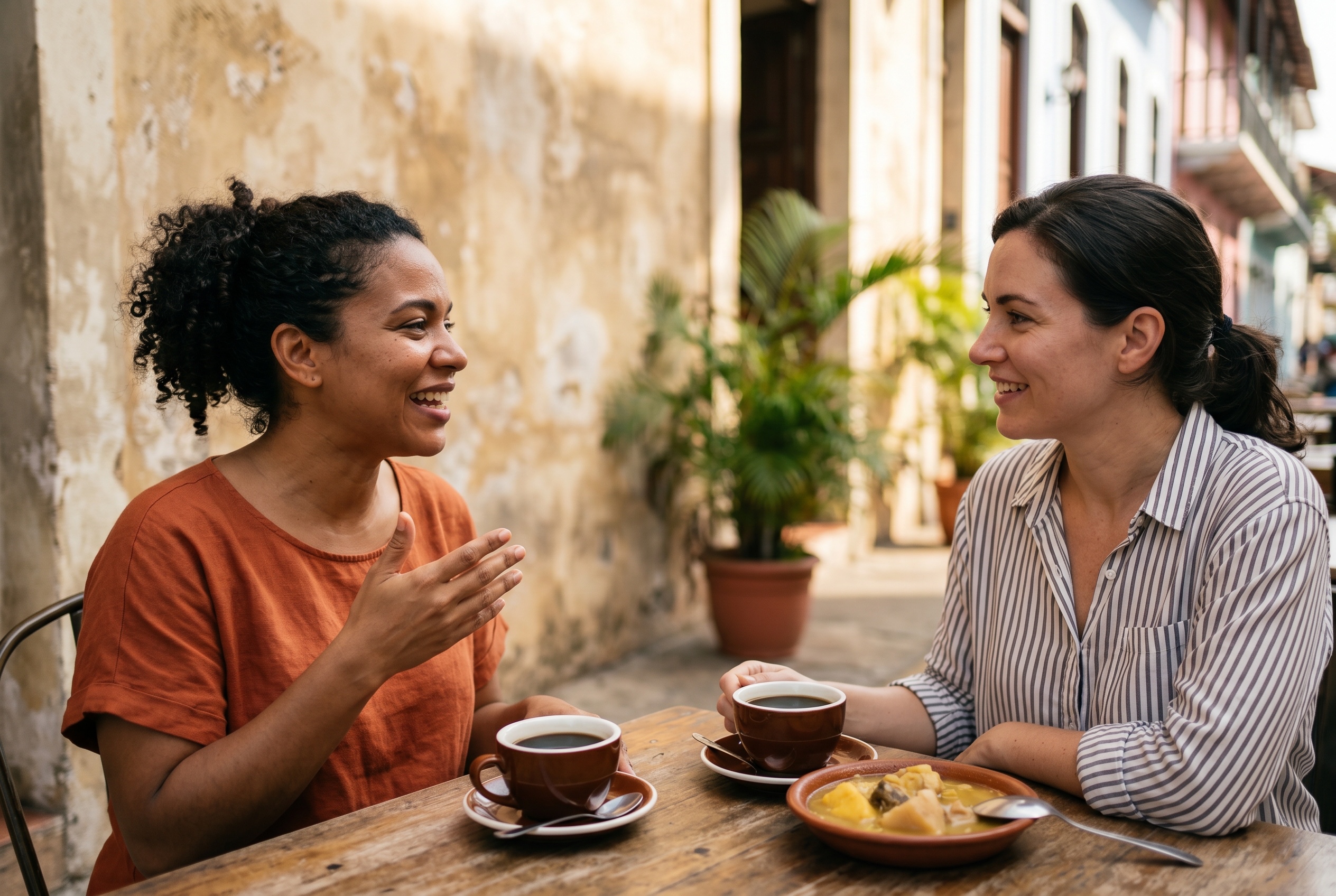
Your instructors
Panamanian Spanish tutors for private lessons & classes
Strommen has been teaching Spanish in this city since 2006. Panamanian Spanish demand has come mostly from heritage students with family ties to Panama City or Colón, business and logistics professionals working with the Canal industry, music fans tracing the reggae-en-español roots of reggaetón, and travelers heading to Bocas del Toro, San Blas, or the interior. Every tutor below was met and vetted by us in person or via thorough video interview. No marketplace. No automated profile-creation. Real teachers with real backgrounds, which you can read about in their bios.
Filter by location, age, or price. Then book a 30-minute free trial.
Below are the Strommen tutors who specialize in Panamanian Spanish. Photos, ratings, and rates are real. Click any card to read their bio and book a free 30-minute trial.
I want to learn…
Every tutor, personally met. — founder-vetted since 2006, in Los Angeles and online worldwide.
Get a personalized plan
Pick your language — a language advisor will match you with the right tutor and map out your path.

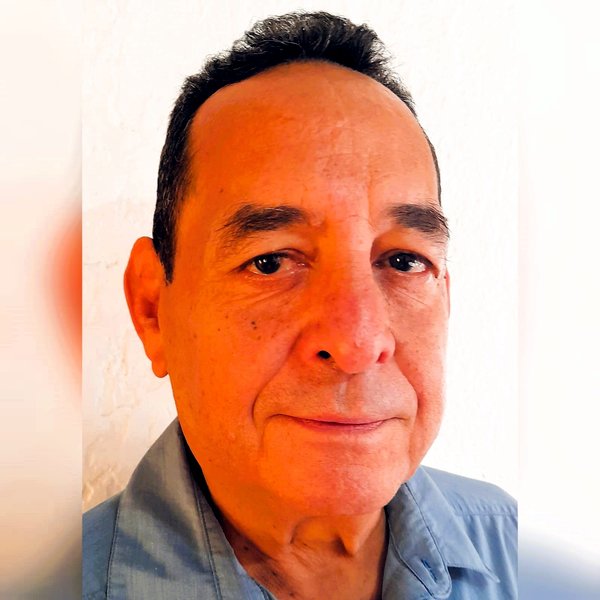
Bachelor in Commerce and Business Administration · YES
Spanish teacher online
Personally vetted · Strommen’s note
Manuel has taught Spanish for thirty-four years, with regional range covering Honduras, El Salvador, Guatemala, Nicaragua, Costa Rica, and Panama specifically.
Specialties
Bachelor in Commerce and Business Administration · YES
Spanish teacher online
Specialties
Personally vetted · Strommen’s note
Manuel has taught Spanish for thirty-four years, with regional range covering Honduras, El Salvador, Guatemala, Nicaragua, Costa Rica, and Panama specifically.

Qué xopá — culture & slang
5 ways to sound like you actually speak Panamanian Spanish
These are the everyday phrases that mark a speaker as someone who has spent time in Panama, not just studied Spanish. Screenshot the infographic, then book a tutor for the rest.
-
01
Qué xopá
Distinctively Panamanian casual greeting. "What's up?" The xopá is pasó read backwards, a Panamanian word-game pattern (sometimes called revesina) that produced this and several other reversed-syllable slang words. Used between friends, never with strangers or in formal contexts. The most identifiably Panamanian greeting in the modern lexicon.
e.g. Qué xopá, fren, ¿todo cool?
-
02
Guachimán
Security guard or watchman, from English "watchman" via Canal-era Spanish-English contact. Used universally across Panamanian Spanish and recognized in dictionaries of Panamanian vocabulary. One of dozens of stable English loanwords that distinguish Panamanian Spanish from other varieties. Not broken Spanish, just Panamanian Spanish.
e.g. El guachimán del edificio me dejó pasar.
-
03
Toy / pa'lante
Two examples of Caribbean Spanish phonological reduction at work. Toy for estoy drops the initial es-. Pa'lante for para adelante elides everything between the consonants. Both are universal in casual Panamanian (and broader Caribbean) speech. The full forms exist in writing and formal register; the reduced forms run the conversation.
e.g. Toy en la oficina, pa'lante con el proyecto.
-
04
Fren / chombo
Two Panamanian terms of address. Fren, from English "friend," works as a casual buddy-term shared between male friends. Chombo, originally a term for Afro-Panamanians of West Indian descent, has complex register depending on who is using it and to whom; in some contexts it's an in-group identity term, in others it carries weight a non-community-member should not deploy. Worth a tutor conversation before using.
e.g. Fren, vamos al partido el sábado.
-
05
Sancocho
The national dish, a chicken-and-vegetable soup with culantro (not cilantro), yuca, and other root vegetables. The Panamanian sancocho is distinct from Dominican, Colombian, or Venezuelan sancochos despite shared name. Cultural anchor in casual conversation. "Vamos a comer sancocho" reads as both a meal plan and an expression of national identity.
e.g. El mejor sancocho del país está en Las Tablas.
About Panamanian Spanish
More than the Canal-zone English influence
Panama is geographically Central American and linguistically Caribbean. The country sits at the southern end of the Central American isthmus, sharing a border with Colombia, but its Spanish belongs to the Caribbean dialect family alongside Cuban, Dominican, and Puerto Rican Spanish. The s aspirates the way it does in Havana. The d weakens between vowels. The pace is fast in the capital, slower in the rural interior, and the entire country carries a layer of English-loanword vocabulary that no other Spanish-speaking country shares in the same density. That layer comes from more than a century of US presence around the Canal Zone, formalized between 1903 and 1979 and informally lingering long after.
Roughly 4.5 million speakers in Panama, plus around 200,000 Panamanian-Americans concentrated in Brooklyn (the largest Panamanian community in the US, anchored in Crown Heights), Miami, Atlanta, and pockets of the Washington DC region. Among Caribbean Spanish dialects, Panamanian is the one that English-speakers may find most accessible at first listen, simply because the loanword density makes more sounds familiar. That accessibility can also be a trap, since the surface familiarity hides the actual Caribbean phonology underneath.
The phonology is the headline feature. Syllable-final s aspirates to a soft h sound or drops entirely in casual speech: estás becomes etá, los amigos becomes loh amigoh or lo amigo. The aspiration is somewhere between Cuban (moderate) and Dominican (aggressive) in its consistency. The d between vowels weakens or disappears: cansado becomes cansao, nada becomes na. Final n velarizes toward the back of the mouth. The Caribbean rhythm, fast and musical, distinguishes Panamanian Spanish from the slower highland Central American Spanish of Guatemala or interior Costa Rica. A common shorthand among linguists places Panamanian Spanish phonologically closer to coastal Colombian Spanish than to interior Central American varieties; that's geographically accurate (Panama and coastal Colombia share a long historical border) and acoustically obvious to anyone who has spent time on both sides.
Canal-era English loanwords are the country's most distinctive vocabulary layer. The US presence in the Panama Canal Zone from 1903 to 1979 produced a sustained Spanish-English contact that left its mark across all registers. Guachimán means security guard or watchman, from English "watchman." Conmute means commute, used as a noun. Bipi means pager, a relic word that older Panamanians still use. Frizar means to freeze (of a computer or a person). Parquear means to park. Clóset means closet, used universally. Chivo in Canal Zone contexts came to mean a small bus or shared taxi, possibly via creative re-purposing of an English term. Bochinche means gossip or commotion, shared with several Caribbean Spanish varieties. None of these are sloppy borrowings; they are stable Panamanian vocabulary, recognized in dictionaries of Panamanian Spanish and used across registers from casual to professional. Our 1,000 most common Spanish words list covers the foundation; Panamanian vocabulary sits on top of that.
Voseo is not a feature of Panamanian Spanish. Unlike Guatemala, Honduras, Nicaragua, El Salvador, and Costa Rica, Panama uses tú for the informal second-person singular, the way Mexico and the Caribbean Spanish-speaking countries do. Usted holds the formal register, sometimes with the warmer informal usage that the broader Caribbean region carries. The vos/tú divide is one of the cleanest dialect-marker tests: a speaker from Panama City and a speaker from San José can be sitting next to each other and you can tell which is which inside a sentence based on whether they say tú tienes or vos tenés.
The Colón register deserves its own paragraph. Colón, the city on the Caribbean entrance to the Canal, has a different demographic and linguistic history from Panama City on the Pacific side. The population is majority Afro-Panamanian, with West Indian roots going back to the railroad and Canal construction eras when Caribbean workers from Jamaica, Barbados, and other British colonies were brought to work the projects. English-Creole and Spanish coexist in Colón to a degree they do not in Panama City, and the Spanish of Colón carries more English-Creole features, faster pace, and a register that locals recognize instantly as distinct from capital Spanish. Films and music coming out of Colón (Rubén Blades's literary-political salsa tradition draws partly on this register) carry the variety into the broader Panamanian cultural conversation. If your goal involves Colón specifically, lessons should include the register.
Reggae en español and the broader Panamanian music tradition matter for understanding the dialect's contemporary cultural footprint. Reggae en español originated in Panama in the 1980s before traveling to Puerto Rico and giving rise to reggaetón. Artists like El General, Nando Boom, and Renato planted the linguistic and musical foundations that Puerto Rican artists later expanded into a global genre. Listening to early reggae en español catches Panamanian Spanish at its peak public cultural moment and shows how the dialect's Caribbean rhythms and English loanwords fed into what became reggaetón. The Rubén Blades catalog, especially the late-1970s and early-1980s salsa-with-literary-lyrics albums, captures another register entirely: Panama City professional-class Spanish with political and literary weight. Lessons can use either as listening material depending on your goal.
The Strommen Panamanian Spanish roster includes native speakers from Panama City, Colón, and the interior provinces (David, Chitré, Penonomé), plus longtime US-based Panamanian-Americans particularly from the Brooklyn community. Each tutor's bio specifies background, regional origin, and which student profiles fit best. For broader Caribbean context, our Cuban Spanish, Dominican Spanish, and Puerto Rican Spanish specialty pages cover the sister dialects. For Central American comparisons, our Costa Rican Spanish page covers the immediate northern neighbor, even though linguistically the two countries belong to different dialect families.
A few honest tutor observations on what trips up learners with Panamanian Spanish. Underestimating the Caribbean phonology is the most common one. Students arrive expecting Central American Spanish (because Panama is geographically Central American) and encounter Caribbean speed and aspiration, and the initial weeks of ear-training feel like learning a new dialect rather than a regional variant. Treating Canal-era English loanwords as broken Spanish is the next trap; guachimán and parquear are real Panamanian Spanish, full stop. The Colón register surprises learners who assumed Panama is monolingual Spanish; the Afro-Panamanian Caribbean-influenced Spanish of Colón is genuinely different. Voseo carry-over from Central American Spanish students is real: learners who came in through Costa Rican or Honduran lessons sometimes try to deploy vos in Panama and find blank looks in response. And there is the question of register on English loanwords; some are universal across Panamanian Spanish, others mark the speaker as older or as Canal-Zone-adjacent in ways worth understanding.
Between lessons, immerse with Panamanian-made media. The Rubén Blades catalog is the obvious starting point and rewards repeated listening for both vocabulary and political-cultural context. Pedro Navaja, Plástico, and the broader Siembra album with Willie Colón remain canonical. Early reggae en español from El General, Nando Boom, and Renato captures the Panamanian Spanish that fed into reggaetón. For contemporary music, Erika Ender (the Panamanian co-writer of "Despacito") and the broader reggaeton scene continue the lineage. Films from Abner Benaim (Ruta de la Luna, Invasión) cover contemporary Panama City life. For literature, Rosa María Britton's novels and the canonical works of Ricardo Miró carry the Panamanian literary register.
Lessons calibrate to your goal. Travel Spanish for a Panama trip is one curriculum, heritage-speaker reconnection with Brooklyn Panamanian-American grandparents is another, business Spanish for the Canal logistics industry is a third, and reggae-en-español listening Spanish for older-school music fans is a fourth. Existing Spanish counts. Most students arrive with school, family, or travel Spanish; lessons calibrate to Caribbean phonology, drill the Panamanian-specific vocabulary including the Canal-era English loanwords, and cover the register distinctions across Panama City, Colón, and the interior. Each lesson is one-on-one, the trial is free. For a head-start before lessons begin, our 5 most common embarrassing mistakes in Spanish covers errors learners make across all dialects, and the broader Spanish course page shows the family of related programs. Or just browse the full tutor list and book a trial.
What you'll cover
Lessons & classes tailored to Panamanian Spanish
Caribbean phonology, Panamanian variety
Syllable-final s aspiration to a soft h sound or full deletion in casual speech (estás → etá), velarized final n's, weakened intervocalic d (cansado → cansao), and the fast Caribbean rhythm shared with Cuban, Dominican, and Puerto Rican Spanish. Lessons include ear-training with real Panamanian audio (Rubén Blades, reggae en español, news broadcasts, films) so you can parse the connected speech, plus production drills so your aspiration sounds natural.
Canal-era English loanwords as stable vocabulary
Guachimán, conmute, parquear, frizar, clóset, bochinche, bipi. The Spanish-English contact in the Canal Zone from 1903 to 1979 produced sustained loanword borrowing that left these words as stable Panamanian Spanish vocabulary across all registers. Lessons cover which loanwords are universal, which mark the speaker as older or Canal-Zone-adjacent, and how the loanwords fit into broader Panamanian speech.
Panama City vs Colón vs interior register
Panama City carries the standard urban register, fast and Caribbean. Colón, the Caribbean-side city built around the Atlantic entrance to the Canal, has a majority Afro-Panamanian population with West Indian roots and a distinct Spanish register that incorporates more English-Creole features and a faster rhythm. The interior provinces (David, Chitré, Penonomé, Las Tablas) speak slower, more conservative Spanish. Lessons calibrate to whichever variety your goal requires.
Reggae en español, salsa, and Panamanian music vocabulary
Panama's contribution to Spanish-language music is foundational: reggae en español originated in Panama in the 1980s before traveling to Puerto Rico and giving rise to reggaetón. Rubén Blades's salsa catalog from the late 1970s onward brought literary and political lyrics into the genre. Lessons can use either tradition as listening material, depending on your goal, and cover the vocabulary that each musical context introduced into broader Panamanian Spanish.
FAQ
About Panamanian Spanish lessons & classes
Is Panamanian Spanish Central American or Caribbean?
Geographically Central American, linguistically Caribbean. Panama sits at the southern end of the Central American isthmus, but its Spanish belongs to the Caribbean dialect family alongside Cuban, Dominican, and Puerto Rican Spanish. The s aspirates, the d weakens between vowels, the pace is fast, and the rhythm is Caribbean. Voseo, the marker of all the other Central American countries, is not used in Panama. Students approaching Panama through Central American context find the Caribbean phonology surprising.
What's with all the English loanwords?
The Panama Canal Zone, formally under US control from 1903 to 1979 and informally connected for decades after, produced sustained Spanish-English contact that left a stable layer of English loanwords across Panamanian Spanish. Guachimán from watchman, parquear from to park, frizar from to freeze, conmute from commute, clóset from closet. These are recognized in dictionaries of Panamanian Spanish and used across registers. They aren't sloppy borrowings; they're Panamanian Spanish.
How is Panamanian Spanish different from Colombian Spanish?
Closer than you might expect. Panama and coastal Colombia share a long historical border and similar Caribbean-coast Spanish features: s-aspiration, fast pace, weakened consonants. Panamanian Spanish carries more English-loanword vocabulary thanks to the Canal Zone history; coastal Colombian Spanish carries different regional vocabulary and connects to interior Colombian Spanish (Bogotá, the highlands) that has nothing to do with Panama. If you're studying Panamanian for a Panama goal but interested in Colombian Spanish for broader reasons, the overlap means transition between the two is comparatively easy.
What about the Colón register?
Colón, the city on the Caribbean entrance to the Canal, has a majority Afro-Panamanian population with West Indian roots going back to the railroad and Canal construction era. English-Creole and Spanish coexist there to a degree they don't in Panama City, and the local Spanish carries more English-Creole features and a distinct rhythm. If your goal involves Colón specifically, lessons should include the register. For Panama City or interior goals, the standard Panamanian curriculum applies.
I already speak Mexican Spanish. How long does it take to switch?
Most students transitioning from Mexican Spanish need six to ten weeks at one or two lessons a week to feel at home with Caribbean Panamanian phonology. The ear-training (parsing the s-aspiration and rapid connected speech) is the biggest mechanical adjustment. Tú/vos is no issue since Panama uses tú like Mexico does. Vocabulary like guachimán, parquear, qué xopá, and sancocho accumulates over the longer term.
Are your tutors native Panamanians?
Most are. Our roster includes native speakers from Panama City, Colón, and the interior provinces, plus longtime US-based Panamanian-Americans particularly from the large Brooklyn community in Crown Heights. Each tutor's bio specifies background and which student profiles fit best.
Can I take lessons online or only in person?
Both. Most of our Panamanian Spanish tutors teach online via Zoom or Jitsi, available globally. Some teach in person around Los Angeles. The booking widget on each tutor's profile shows their available formats and locations.
Ready for Panamanian Spanish lessons or classes?
Book a free 30-minute trial with one of our personally vetted tutors. Private lessons or small-group classes — your choice.