



Personally vetted instructors
Spanish for Travel tutors, lessons & classes
Hola, ¿qué tal? The standard, warm Spanish opener that works from Madrid to Mexico City to Buenos Aires.
Personally vetted Spanish tutors who specialize in travel prep. Pre-trip lessons calibrated to your destination, your itinerary, and the moments where survival Spanish actually decides whether the day works.

Your instructors
Spanish for Travel tutors for private lessons & classes
Strommen has been teaching Spanish for travel since 2006. Every tutor below was met and vetted by us in person or by thorough video interview. Real teachers, real backgrounds, no profile factory. Tell us your destination and your dates and we'll match you to the right regional accent for the trip.
Filter by location, age, or price. Then book a 30-minute free trial.
Below are the Strommen tutors who specialize in Spanish for travel. Photos, ratings, and rates are real. Click any card to read their bio and book a free 30-minute trial.
I want to learn…
Every tutor, personally met. — founder-vetted since 2006, in Los Angeles and online worldwide.
Get a personalized plan
Pick your language — a language advisor will match you with the right tutor and map out your path.


Masters Degree in Cognitive Science, specializing in Linguisitcs
Learn Spanish through the subjects that inspire imagination, awe and wonder to you
Personally vetted · Strommen’s note
Barcelona-based, Valeria teaches Spanish through whatever genuinely fascinates a student. The subject leads, the language follows.
Specialties
Masters Degree in Cognitive Science, specializing in Linguisitcs
Learn Spanish through the subjects that inspire imagination, awe and wonder to you
Specialties
Personally vetted · Strommen’s note
Barcelona-based, Valeria teaches Spanish through whatever genuinely fascinates a student. The subject leads, the language follows.
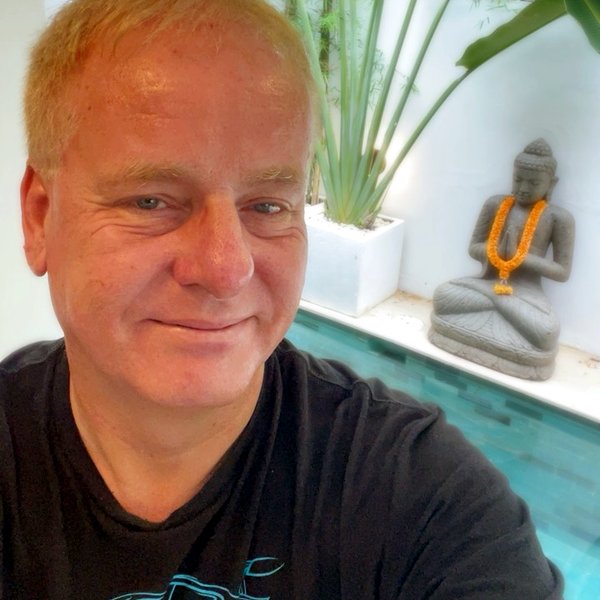

B.A. (MIT)
Native trilingual
Personally vetted · Strommen’s note
Trilingual since age seven and raised between Mexico City and Düsseldorf, Klaus coaches Spanish and German dialects the way he learned them: by talking.
Specialties
B.A. (MIT)
Native trilingual
Specialties
Personally vetted · Strommen’s note
Trilingual since age seven and raised between Mexico City and Düsseldorf, Klaus coaches Spanish and German dialects the way he learned them: by talking.


BA in Psychology and English from the University of Connecticut · BA in Psychology and English from the University of Connecticut
Colombian-born, 10+ years experience, offers personalized language instruction with creativity and flair
Personally vetted · Strommen’s note
Berlitz-certified and equally exacting with everyone she teaches, Andrea's client list has run from FBI agents to studio heads to kindergartners.
Specialties
BA in Psychology and English from the University of Connecticut · BA in Psychology and English from the University of Connecticut
Colombian-born, 10+ years experience, offers personalized language instruction with creativity and flair
Specialties
Personally vetted · Strommen’s note
Berlitz-certified and equally exacting with everyone she teaches, Andrea's client list has run from FBI agents to studio heads to kindergartners.
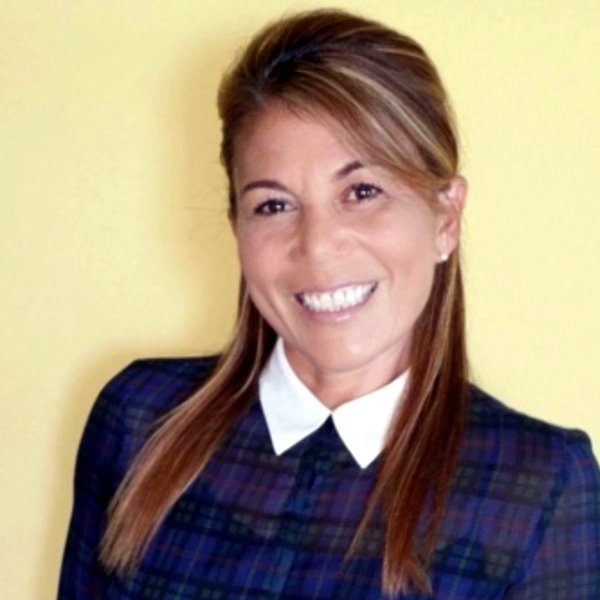
Masters of Arts in Spanish and Linguistics, Currently, a Fourth-year PhD student in Hispanic Studies. · Spanish Interpreter Translator Certificate from Southern California School of Interpretation.
Speak Spanish with Confidence, Step by Step
Personally vetted · Strommen’s note
Elizabeth has taught Spanish for eighteen years, and her whole approach comes down to one rule: let students make mistakes and keep talking anyway.
Specialties
Masters of Arts in Spanish and Linguistics, Currently, a Fourth-year PhD student in Hispanic Studies. · Spanish Interpreter Translator Certificate from Southern California School of Interpretation.
Speak Spanish with Confidence, Step by Step
Specialties
Personally vetted · Strommen’s note
Elizabeth has taught Spanish for eighteen years, and her whole approach comes down to one rule: let students make mistakes and keep talking anyway.
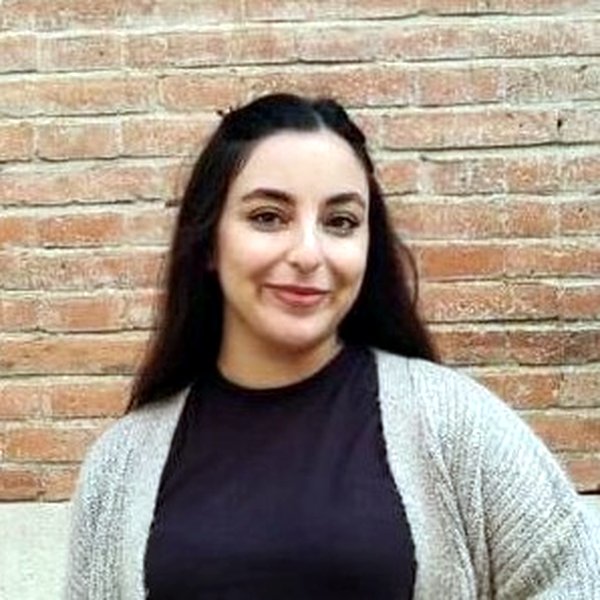

Bachelors degree in business Masters in logistics · TEFL Translation
Certified French & Spanish Language Coach | Business, Exams, & Conversational Mastery
Personally vetted · Strommen’s note
A Berlitz-trained language consultant, marielyne teaches English, French, and Spanish, built for business communication and exam prep specifically.
Specialties
Bachelors degree in business Masters in logistics · TEFL Translation
Certified French & Spanish Language Coach | Business, Exams, & Conversational Mastery
Specialties
Personally vetted · Strommen’s note
A Berlitz-trained language consultant, marielyne teaches English, French, and Spanish, built for business communication and exam prep specifically.

High School Graduation
German Poet available for conversational German classes
Specialties
High School Graduation
German Poet available for conversational German classes
Specialties

I have a Law degree from Buenos Aires university. · Spanish as a Foreign Language certification from International House Buenos Aires
¡Muy buenas! Your Argentinian Spanish sherpa here.
Specialties
I have a Law degree from Buenos Aires university. · Spanish as a Foreign Language certification from International House Buenos Aires
¡Muy buenas! Your Argentinian Spanish sherpa here.
Specialties
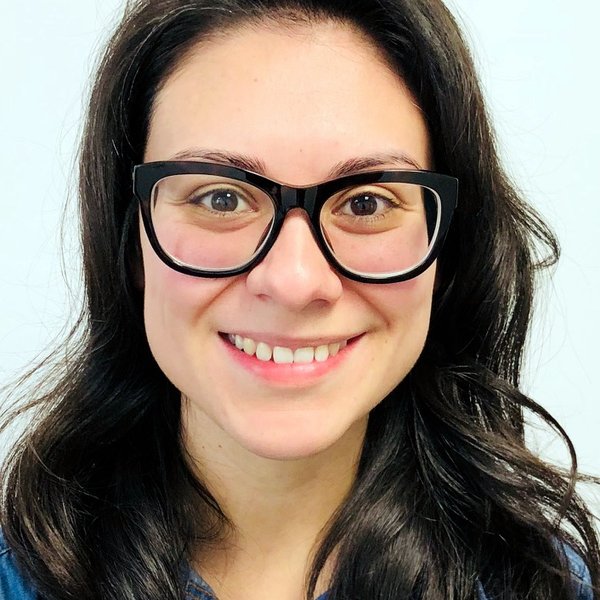
Bac Psychology & Sociology
.
Specialties
Bac Psychology & Sociology
.
Specialties
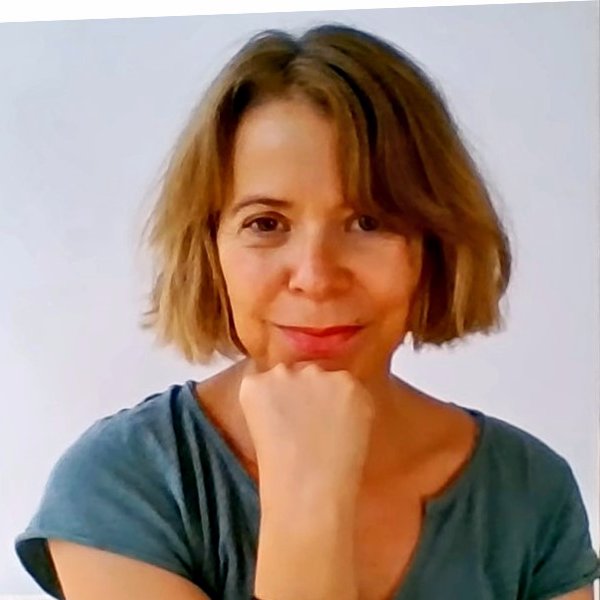

Bachelor’s Degree in Business Science and Finance · Spanish teacher as a second language
Spanish fluency. Speak from day one. Cognitive grammar.
Specialties
Also speaks: English, Swedish
Bachelor’s Degree in Business Science and Finance · Spanish teacher as a second language
Spanish fluency. Speak from day one. Cognitive grammar.
Specialties
I also speak: English, Swedish

En la calle — phrases that travel
5 phrases that carry you through any Spanish-speaking trip
These are the everyday phrases that decide whether the day works. Memorize them as full units, not word by word. Screenshot for the flight.
-
01
Una mesa para dos, por favor
Restaurant entrance phrase: "A table for two, please." Adjust the number as needed (para uno, para cuatro). Works identically in Spain, Mexico, Argentina, and everywhere in between. Pair with eye contact and a small smile. The por favor is doing real work; never skip it.
e.g. Hola, buenas. Una mesa para dos, por favor.
-
02
¿Dónde está…?
"Where is…?" Followed by the noun: ¿Dónde está el baño? / ¿Dónde está la estación? / ¿Dónde está la salida?. The most universally useful question structure in travel Spanish. The harder part is parsing the answer at native speed; listen for a la derecha, a la izquierda, todo recto (Spain) or derecho (Latin America), la esquina, la cuadra.
e.g. Disculpe, ¿dónde está el baño?
-
03
La cuenta, por favor
"The check, please." In most Spanish-speaking countries the waiter will not bring the check until you ask; lingering at the table is the cultural default and being rushed out is considered rude. In Mexico you'll also hear la cuenta requested with the universal squiggly-pen-in-the-air gesture, which works wordlessly. In some Latin American countries la nota is also used.
e.g. Cuando pueda, la cuenta, por favor.
-
04
¿Cuánto cuesta?
"How much does it cost?" The market and street-vendor phrase. Variants: ¿Cuánto es? (more for a total at a register), ¿Cuánto vale? (common in Spain). Listen carefully for the number; native speakers say prices fast and the difference between quince (15) and cincuenta (50) is exactly the mistake travelers make. Ask them to repeat with ¿Me lo puede repetir?, never embarrassing.
e.g. ¿Cuánto cuesta este sombrero?
-
05
Disculpe
"Excuse me", to get someone's attention, to interrupt politely, or to apologize for a small bump. Used with strangers and service staff. Perdón works as a near-synonym, slightly more apologetic in tone. Travelers who lead with disculpe before any question (Disculpe, ¿dónde está…?) sound markedly more polite than travelers who jump straight in. The whole interaction goes better.
e.g. Disculpe, ¿me puede ayudar?
About Spanish for Travel
Spanish for the actual trip
Travel Spanish is its own discipline. Most adults arrive at our trial having taken classroom Spanish at some point (high school, college, an app on the phone for a few months last year) and discover within the first hour of their trip that what they remember is the wrong vocabulary for what they need. They can name colors and animals and conjugate tener in the conditional. They can't ask the taxi driver to wait while they grab cash. They learned biblioteca in week one and never learned baño, and the first urgent question they ask in-country is the bathroom one. Our blog post on how to actually ask where the bathroom is in Spanish exists because that gap is universal.
The right pre-trip Spanish curriculum starts with the situations you'll actually be in. Restaurant ordering, including how to ask what's in a dish before you commit. Asking for and following directions on the street (and learning to listen for derecha, izquierda, la próxima esquina when the answer comes back at native speed). Money: prices, change, asking for a receipt, splitting a check. Transportation: taxis, ride-share, trains, buses, plus the very specific vocabulary around airports, customs, and hotels. The polite verbal furniture of being a foreigner in someone else's country (disculpe, perdón, por favor, quisiera, me podría) which softens every request and which textbook Spanish typically underweights. Medical and pharmacy vocabulary if you have conditions or take medications. And the specific phrases for the inevitable problem moments: a missed connection, a wrong charge, a lost bag, a sketchy neighborhood, needing the embassy. Our travel vocabulary guide covers a useful subset; the lessons build out the rest around your specific destination.
Destination shapes the curriculum more than students expect. Spain and Latin America are mutually intelligible but the everyday vocabulary, the speed, and the social conventions diverge. A traveler going to Madrid needs the lisped c/z, vosotros conjugations, and the dinner-at-10pm social rhythm. A traveler going to Mexico City needs the softer pronunciation, ustedes for any plural, and the diminutive-heavy register (ahorita, tantito, momentito) that signals you've been around. Buenos Aires brings vos and the sh-sounding ll/y plus the porteño cadence that sounds nothing like a Spanish classroom. Colombia (Bogotá especially) is famously clear and slow and a kind gift for beginner travelers. Caribbean Spanish (Cuba, Dominican Republic, Puerto Rico, coastal Colombia and Venezuela) drops final s sounds and runs words together, which catches even intermediate students off guard. Your tutor calibrates the lesson to your specific trip, not to a generic pan-Spanish that doesn't quite exist.
A few honest observations from years of pre-trip Spanish coaching. Listening is the bottleneck, not speaking. Most adults can produce more Spanish than they can understand at native speed, which is the opposite of what feels intuitive. Native speakers respond at normal speed even when you've spoken slowly, and the first week of any trip is mostly about training your ear. Practice with podcasts, films, or YouTube content from your specific destination in the weeks before you leave, ideally with subtitles in Spanish (not English) so your eyes and ears train together. Also: pronunciation matters more than grammar accuracy for travel. A grammatically imperfect sentence said with clear pronunciation gets you understood; a grammatically perfect sentence said with mangled vowels does not. Spanish vowels are pure and short. Practice them. Memorizing whole phrases beats memorizing isolated words. Una mesa para dos, por favor as a unit is more useful than the four words separately, because real conversation runs in chunks. And the highest-leverage move before any trip is one specific phrase rehearsed cold: how to politely admit you don't understand and ask the person to repeat slowly. Perdón, no entendí. ¿Me lo podría repetir más despacio? That phrase gets you through more situations than any other single piece of vocabulary.
Between lessons, build the ear with destination-specific input. Going to Spain: El Hormiguero, La casa de papel, news from RTVE, podcasts like Notas Sin Pauta. Going to Mexico: any Mexican telenovela, Cuarón's films, Radio Ambulante, El hilo. Going to Argentina: El secreto de sus ojos, El Marginal, porteño YouTube channels. Going to Colombia: News in Slow Spanish (Latin American track), the slower Bogotá news anchors. For grammar refresh between sessions our 1,000 most common Spanish words list is the highest-leverage vocabulary base, and our piece on the 5 most common Spanish mistakes covers the false-friend and false-cognate traps that catch most travelers in their first restaurant order. Asking for directions in Spanish and ordering food in a restaurant are useful targeted reads in the week before departure.
A word on duration. Two weeks of pre-trip lessons is the minimum that produces a noticeable difference. Four to six weeks at one or two lessons a week is the sweet spot for most adult travelers. Longer trips (sabbaticals, extended family visits, retirement-relocation scouting) warrant 8-12 weeks of pre-departure work plus continuing lessons in-country. Last-minute prep is still worth doing; even one well-targeted lesson the week before a trip moves the needle on the situations you'll face first (airport, taxi, hotel check-in, first restaurant). Don't let perfect-prep paralysis stop you from booking one session.
The Strommen Spanish for Travel roster includes native speakers from across the Spanish-speaking world: Mexico City, Madrid, Barcelona, Buenos Aires, Bogotá, Lima, Havana, Caracas, plus longtime bilinguals who've taught traveler-Spanish for years. Each tutor's bio specifies where they're from and what regions they know well. If you're heading to a Spanish-speaking country we don't have direct regional coverage for, a tutor from a nearby variant will still calibrate to your destination. For broader Spanish work beyond traveler-prep, our conversational Spanish, Mexican Spanish, and Castellano (Spain) specialty pages cover related programs, and the Spanish course page shows the full family.
What you'll cover
Lessons & classes tailored to Spanish for Travel
Survival situations, drilled in context
Restaurants, taxis, hotels, markets, train and bus stations, airports, pharmacies, the bank, the embassy. Lessons walk through each situation as a roleplay: the tutor plays the waiter, the cab driver, the hotel clerk; you order, you ask for change, you check in, you confirm the train platform. We rehearse the predictable script and the unpredictable curveballs that mess up the script (the waiter recommends something not on the menu, the cab driver only takes cash, the hotel says your reservation isn't in the system). Speaking under realistic pressure is what makes the phrase actually come out in-country.
Listening at native speed
The biggest gap between classroom Spanish and travel Spanish is listening comprehension. Native speakers respond at full speed even when you've spoken slowly. Lessons include listening drills with real audio from your destination region (street interviews, news clips, podcast excerpts), shadowing exercises to train your ear to the rhythm, and explicit practice with the phrases natives use to slow themselves down when you ask them to. Perdón, ¿me lo puede repetir más despacio? is the single highest-leverage phrase a traveler can master.
Region-specific pronunciation and vocabulary
Pre-trip lessons calibrate to your destination. Madrid-bound students learn the lisped c/z, vosotros, and Iberian vocabulary (coche, móvil, zumo, ordenador). Mexico-bound students learn the softer accent, ustedes for all plurals, and Mexican vocabulary (carro, celular, jugo, computadora) plus the diminutive-heavy register. Argentina-bound students learn vos conjugations and the porteño sh-sound. Heading to a region your tutor isn't from? They'll prep the relevant variant alongside their own.
Cultural etiquette and the verbal furniture of politeness
Spanish has more layers of politeness than English does, and travelers often underweight them. When to use usted vs tú by country and context (Mexico and Colombia lean formal; Spain and Argentina lean informal earlier; service settings vary). How to soften any request with quisiera, me podría, sería tan amable. The rhythm of greetings at shops, taxis, and elevators (you say buenos días when you walk in, even to strangers). The difference between perdón and disculpe. These small moves mark the difference between a foreigner and a foreigner who's done the work.
FAQ
About Spanish for Travel lessons & classes
How much pre-trip Spanish do I actually need?
Depends on the trip and your starting point. Two weeks of weekly lessons is the minimum that produces a noticeable difference for total beginners. Four to six weeks of weekly lessons is the sweet spot for most adult travelers going on a one- to three-week trip. Longer trips (sabbaticals, extended family visits, relocation scouting) warrant 8 to 12 weeks of pre-departure work plus continuing lessons in-country. Even one well-targeted lesson the week before departure noticeably improves your airport, taxi, and hotel-check-in experience. Don't skip lessons because the trip is too soon.
I'm going to Spain. Does Latin American Spanish prep work, or do I need Spain-specific lessons?
Latin American Spanish gets you understood in Spain (the two are mutually intelligible) but you'll miss conversational nuance and sound foreign in predictable ways. Going to Spain specifically, you want a Madrid or Barcelona-trained tutor for the lisped c/z, vosotros conjugations, and Iberian vocabulary. Our Castellano (Spain) specialty page covers Spain-focused tutors. The reverse is also true: going to Mexico after learning Spain Spanish, you'll be understood but the vocabulary and rhythm will read as foreign.
What if I'm traveling to multiple Spanish-speaking countries?
Most lessons in this case anchor to your first or longest destination, then add a final session per additional country that covers the specific vocabulary and pronunciation differences you'll face. A two-week trip through Mexico and Guatemala doesn't need separate prep; both use comparable Spanish. A trip through Spain and then Argentina absolutely does; the vocabulary, conjugations, and pronunciation diverge significantly. Tell us your itinerary at the trial and we'll structure the curriculum accordingly.
Is travel Spanish different from regular Spanish lessons?
Yes, in emphasis. Regular conversational Spanish lessons build broad capability across grammar, vocabulary, and registers. Travel Spanish concentrates on the situations you'll actually be in (restaurants, taxis, hotels, markets, transit, problem moments) and on listening comprehension at native speed. We weight roleplay heavily, drill the specific phrases you'll need, and skip the grammar tangents that don't pay off in a trip-length timeframe. If you continue lessons after the trip, the curriculum naturally broadens; pre-trip, it stays focused.
I had Spanish in high school 20 years ago. Will any of it come back?
More than you expect, especially with the right tutor. Most adults with old classroom Spanish reactivate basic vocabulary and present-tense conjugations within the first few lessons. The pieces that don't come back automatically are listening comprehension and the past tenses, both of which we work on directly. Don't try to relearn Spanish from scratch; build on what's there. The trial lesson assesses your actual residual level rather than guessing from when you took it.
Should I take lessons in person, online, or both?
Online video lessons via Zoom or Jitsi work well for travel Spanish; the audio quality is fine and the roleplay translates cleanly. Most students choose online for scheduling flexibility, especially in the busy weeks before a trip. In-person lessons are available with several tutors and have the slight advantage of body language practice (ordering at a restaurant, asking directions, the gestures that go with the phrases). Either format produces equivalent travel-readiness.
What does the trial lesson cover?
30 minutes, free, with the tutor you select. Bring your trip details: destination, dates, who you're traveling with, what you're nervous about. The tutor will hold a short conversation in Spanish to assess your starting level, identify the highest-impact phrases for your specific itinerary, and propose a study plan with a session count and cadence tied to your departure date. You decide whether to continue. Most travelers settle into weekly lessons through the pre-trip window; if the tutor isn't the right fit, swap is easy.
Ready for Spanish for Travel lessons or classes?
Book a free 30-minute trial with one of our personally vetted tutors. Private lessons or small-group classes — your choice.