



Personally vetted instructors
German for Travel tutors, lessons & classes
Entschuldigung The single most useful word for a traveler in any German-speaking country.
Personally vetted German tutors who specialize in pre-trip preparation. Practical, regionally calibrated lessons for travelers heading to Berlin, Munich, Vienna, Zurich, and the rest of the German-speaking world.
Your instructors
German for Travel tutors for private lessons & classes
Strommen has German tutors who specialize in pre-trip travel preparation. The work is specific: itinerary-anchored vocabulary, region-calibrated pronunciation, transit and restaurant scenarios drilled to reflex, and the cultural codes that matter in Germany, Austria, and Switzerland. Every tutor below was met and vetted by us in person or via thorough video interview. No marketplace. No automated profile-creation. Real teachers with real backgrounds in pre-trip instruction.
Filter by location, age, or price. Then book a 30-minute free trial.
Below are the Strommen tutors who specialize in German for travel. Photos, ratings, and rates are real. Click any card to read their bio and book a free 30-minute trial.
I want to learn…
Every tutor, personally met. — founder-vetted since 2006, in Los Angeles and online worldwide.
Get a personalized plan
Pick your language — a language advisor will match you with the right tutor and map out your path.



Bachelor of Business Administration (specialized in International Relations) · DELF Examiner, DALF C2, Goethe Zertifikat C1/B2, DELE B1
Join me on your language learning adventure!
Personally vetted · Strommen’s note
Bangalore-based, Yvanka teaches French and German after years at Alliance Française. She started, unusually, as an English teacher in France.
Specialties
Also speaks: English, Italian, Spanish
Bachelor of Business Administration (specialized in International Relations) · DELF Examiner, DALF C2, Goethe Zertifikat C1/B2, DELE B1
Join me on your language learning adventure!
Specialties
I also speak: English, Italian, Spanish
Personally vetted · Strommen’s note
Bangalore-based, Yvanka teaches French and German after years at Alliance Française. She started, unusually, as an English teacher in France.
Diplom-Schauspielerin (BA in drama/acting) Germany
Dedicated German language tutor with over 15 years of expertise in teaching students of all ages. Proficient in preparing students for major German language certifications, SAT and AP German
Personally vetted · Strommen’s note
Fifteen-plus years teaching German, SAT and AP German certification prep included, and Patricia still keeps the structure interactive, not rigid.
Specialties
Also speaks: English
Diplom-Schauspielerin (BA in drama/acting) Germany
Dedicated German language tutor with over 15 years of expertise in teaching students of all ages. Proficient in preparing students for major German language certifications, SAT and AP German
Specialties
I also speak: English
Personally vetted · Strommen’s note
Fifteen-plus years teaching German, SAT and AP German certification prep included, and Patricia still keeps the structure interactive, not rigid.

Bachelor of Arts (Teacher certificate from Zurich teachers College) · TESOL, teachers License as a primary educator
Trilingual German, ESL and French teacher with years of experience.
Personally vetted · Strommen’s note
Thirza teaches trilingual German, French, and ESL out of Zurich, with IELTS, TestDaF, and Goethe prep all part of the toolkit.
Specialties
Bachelor of Arts (Teacher certificate from Zurich teachers College) · TESOL, teachers License as a primary educator
Trilingual German, ESL and French teacher with years of experience.
Specialties
Personally vetted · Strommen’s note
Thirza teaches trilingual German, French, and ESL out of Zurich, with IELTS, TestDaF, and Goethe prep all part of the toolkit.

MFA (Cal-Arts), Matura B (Literargymnasium Zürich Rämibühl)
Swiss German Tutor from Zurich with a Deep Appreciation for Germanic Literature!
Personally vetted · Strommen’s note
Zurich-trained with seven years of Latin behind him, Cyril splits every German lesson cleanly into two tracks: travel German or Goethe-reading German.
Specialties
MFA (Cal-Arts), Matura B (Literargymnasium Zürich Rämibühl)
Swiss German Tutor from Zurich with a Deep Appreciation for Germanic Literature!
Specialties
Personally vetted · Strommen’s note
Zurich-trained with seven years of Latin behind him, Cyril splits every German lesson cleanly into two tracks: travel German or Goethe-reading German.
Master German with Emanuel: Published Author Fluent in German, French, and English with a Rich Cultural Background
Personally vetted · Strommen’s note
Emanuel is a published author fluent in three languages, and he's been teaching German with us since 2011.
Specialties
Master German with Emanuel: Published Author Fluent in German, French, and English with a Rich Cultural Background
Specialties
Personally vetted · Strommen’s note
Emanuel is a published author fluent in three languages, and he's been teaching German with us since 2011.
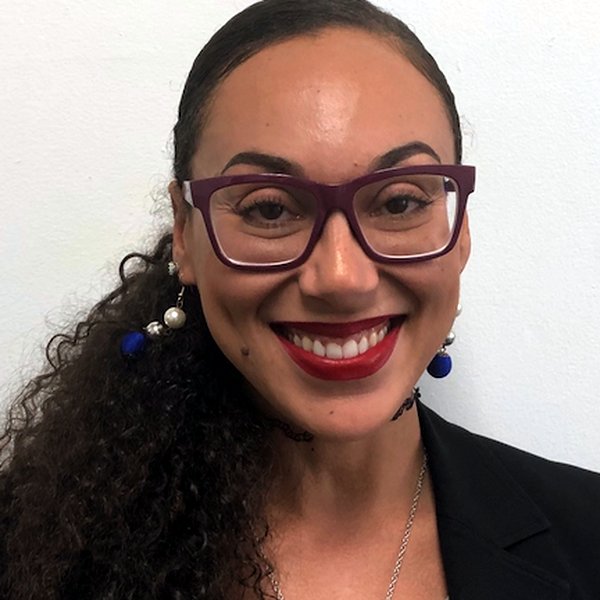

MBA and AS in Recording Arts · DALI, DELF, First Cert, SIZ Computer Science, Pro Tools, Dante
Multi-Culti Polyglot Linguist and Sound Engineer
Personally vetted · Strommen’s note
Vanessa speaks seven languages, has a sound-engineering background, and has spent two decades teaching. Her lessons range from accent coaching to art for kids.
Specialties
Also speaks: ASL American Sign Language, Chinese, Physics
MBA and AS in Recording Arts · DALI, DELF, First Cert, SIZ Computer Science, Pro Tools, Dante
Multi-Culti Polyglot Linguist and Sound Engineer
Specialties
I also speak: ASL American Sign Language, Chinese, Physics
Personally vetted · Strommen’s note
Vanessa speaks seven languages, has a sound-engineering background, and has spent two decades teaching. Her lessons range from accent coaching to art for kids.
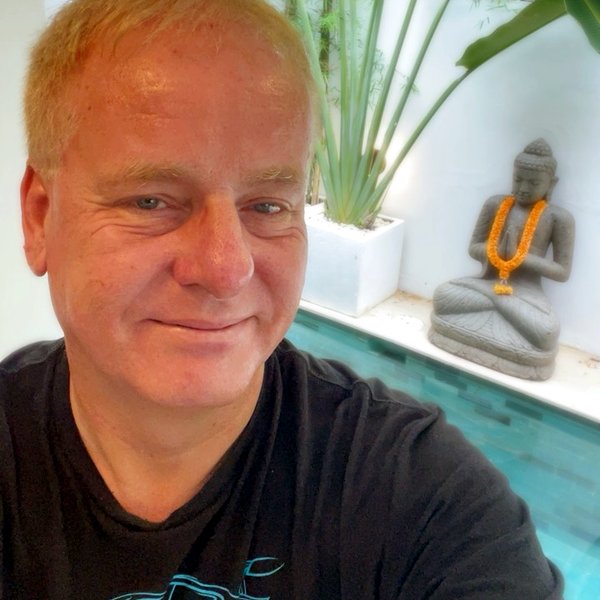
B.A. (MIT)
Native trilingual
Personally vetted · Strommen’s note
Trilingual since age seven and raised between Mexico City and Düsseldorf, Klaus coaches Spanish and German dialects the way he learned them: by talking.
Specialties
B.A. (MIT)
Native trilingual
Specialties
Personally vetted · Strommen’s note
Trilingual since age seven and raised between Mexico City and Düsseldorf, Klaus coaches Spanish and German dialects the way he learned them: by talking.
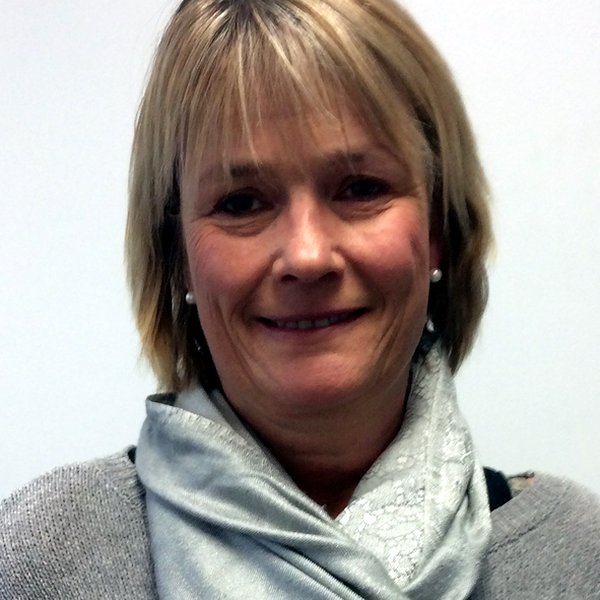
German Fluency with Sabine: Nurse with a Passion for Language, Master's Degree Holder, Offering Tailored Lessons & Authentic Cooking Tips
Personally vetted · Strommen’s note
A nurse by profession with a master's degree, Sabine teaches German fluency with bedside patience and genuinely excellent cooking tips on the side.
Specialties
German Fluency with Sabine: Nurse with a Passion for Language, Master's Degree Holder, Offering Tailored Lessons & Authentic Cooking Tips
Specialties
Personally vetted · Strommen’s note
A nurse by profession with a master's degree, Sabine teaches German fluency with bedside patience and genuinely excellent cooking tips on the side.
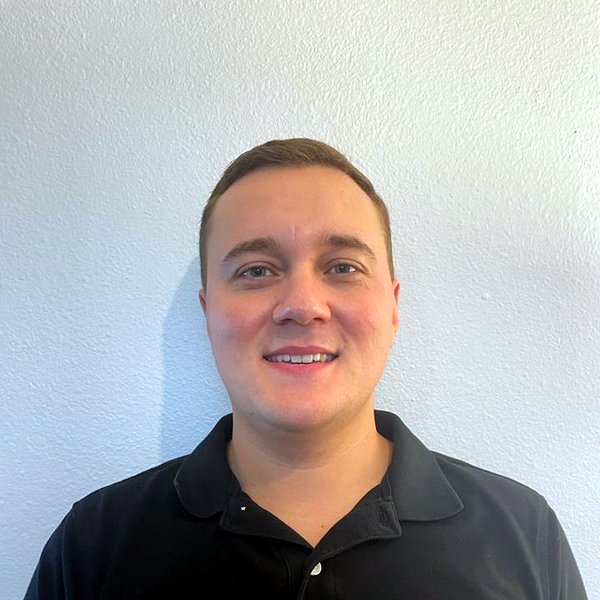
MSc · N/A
Austrian teaching my native language German
Personally vetted · Strommen’s note
Austrian-born, Thomas teaches native German alongside math. Calculus and trigonometry sit right next to German grammar on his schedule.
Specialties
MSc · N/A
Austrian teaching my native language German
Specialties
Personally vetted · Strommen’s note
Austrian-born, Thomas teaches native German alongside math. Calculus and trigonometry sit right next to German grammar on his schedule.
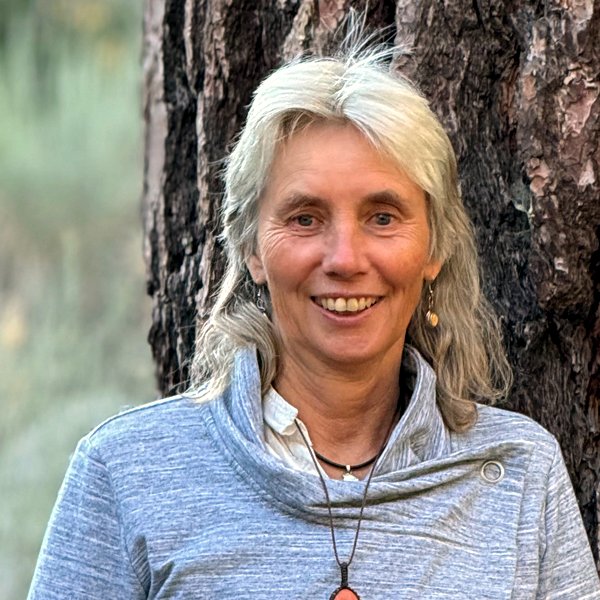
PhD, BSc
PHD with Degree in Swedish and German Linguistics - Arctic researcher, PHD in Biology offering fun and interactive Swedish and German lessons
Personally vetted · Strommen’s note
Carola is a PhD biologist and Arctic researcher with a separate degree in Swedish and German linguistics. She brings that same field rigor into lessons.
Specialties
PhD, BSc
PHD with Degree in Swedish and German Linguistics - Arctic researcher, PHD in Biology offering fun and interactive Swedish and German lessons
Specialties
Personally vetted · Strommen’s note
Carola is a PhD biologist and Arctic researcher with a separate degree in Swedish and German linguistics. She brings that same field rigor into lessons.

I am currently in my sixth semester of my Philosophy & Theater, Film, Media science Bachelor
German and Spanish Native Speaker
Personally vetted · Strommen’s note
A native German and Spanish speaker based in Vienna, Sophie mixes grammar, readings, and conversation deliberately, to keep lessons from repeating.
Specialties
I am currently in my sixth semester of my Philosophy & Theater, Film, Media science Bachelor
German and Spanish Native Speaker
Specialties
Personally vetted · Strommen’s note
A native German and Spanish speaker based in Vienna, Sophie mixes grammar, readings, and conversation deliberately, to keep lessons from repeating.
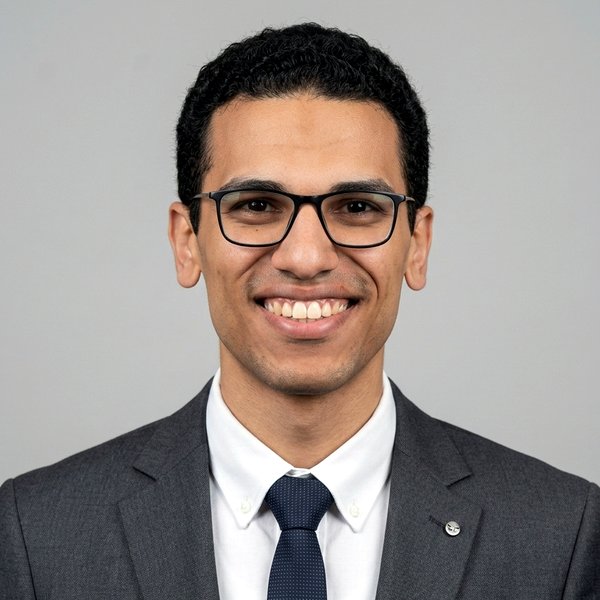

Bachelor of Education (B.Ed.) and pursuing a degree in Aerospace Engineering. · I have a TEFL certification | Certifications in Adobe Graphic Design (Level 1 & 2) for interactive presentations and educational materials.
English, German, and Arabic classes
Personally vetted · Strommen’s note
Arabic, English, and German sit alongside AP Calculus and AP Physics on Omar's schedule, a genuinely rare tutor who crosses from language straight into STEM.
Specialties
Also speaks: French, Italian, Spanish
Bachelor of Education (B.Ed.) and pursuing a degree in Aerospace Engineering. · I have a TEFL certification | Certifications in Adobe Graphic Design (Level 1 & 2) for interactive presentations and educational materials.
English, German, and Arabic classes
Specialties
I also speak: French, Italian, Spanish
Personally vetted · Strommen’s note
Arabic, English, and German sit alongside AP Calculus and AP Physics on Omar's schedule, a genuinely rare tutor who crosses from language straight into STEM.

Unterwegs — travel culture
5 things every traveler needs to know about German-speaking countries
These are the cultural realities that separate a comfortable trip from a confusing one. Screenshot the infographic before you fly.
-
01
S-Bahn versus U-Bahn
Two different transit systems sharing most German cities. The S-Bahn is the suburban commuter rail, usually above ground for longer stretches and reaching outlying neighborhoods. The U-Bahn is the underground metro, dense in the city core. Both use the same ticket in most systems. Trams (Straßenbahn) and buses complete the network. Tickets must be validated before boarding on most systems; inspectors do random checks.
e.g. Ich nehme die U-Bahn ins Zentrum, dann die S-Bahn nach Hause.
-
02
Die Rechnung, bitte
The bill comes only when you ask for it. German and Austrian servers won't bring it preemptively the way American servers do, and bringing it early reads as rushing you out. Die Rechnung, bitte in Germany, Zahlen, bitte in Austria. Tip 5 to 10 percent rounded up, often handed directly to the server with the rounded total when paying. Stimmt so means keep the change.
e.g. Die Rechnung, bitte. Vierundzwanzig Euro fünfzig? Sechsundzwanzig, stimmt so.
-
03
Toilette / WC
Standard everyday terms for the bathroom. Toilette is universal and direct; WC is the abbreviation on signs across the German-speaking world (and most of Europe). Klo is the casual everyday word once you're past the formality threshold. Saying bathroom in English in a German cafe is understandable but reads as American in a way Germans gently notice.
e.g. Entschuldigung, wo ist die Toilette?
-
04
Bargeld bitte
Cash is still strongly preferred in German restaurants, small shops, bakeries, and bars outside the most international establishments. Many smaller venues don't accept cards at all. ATMs (Geldautomat or Bankomat in Austria) are everywhere. Carrying 50 to 100 euros in cash at all times is normal in Germany in a way it isn't in the US.
e.g. Akzeptieren Sie Karte? Nein, leider nur Bargeld.
-
05
Sonntag geschlossen
Almost all retail is closed on Sundays across Germany, Austria, and German Switzerland. Grocery stores, clothing shops, electronics stores, most pharmacies. The exceptions are bakeries (often open Sunday morning), gas station shops, train station shops in major cities, restaurants, and tourist-zone exceptions. Plan your Saturday shopping accordingly.
e.g. Ach, der Supermarkt ist heute zu. Es ist Sonntag.
About German for Travel
German you'll actually use on the trip
German for Travel is its own specialty because the German that helps you on a trip is not the German a typical beginner course teaches. A four-week sprint focused on transit, restaurants, hotels, etiquette, asking-for-help phrases, and the cultural codes that matter in Germany, Austria, and Switzerland will get a traveler farther in real-world usefulness than three months of grammar drilling. This specialty is built for that sprint: you have a trip on the calendar, you want to arrive functional rather than fluent, and you want lessons that prioritize the situations you'll actually find yourself in.
The first practical reality is that English coverage in major German cities is excellent. In Berlin, Munich, Hamburg, Frankfurt, Vienna, and Zurich, most service-industry staff under 40 speak workable English, and you can technically navigate an entire trip without a word of German. But the experience differs noticeably for travelers who attempt the language. Germans, Austrians, and Swiss generally appreciate the effort even when your German is halting, will often soften their own register to help you, and treat the willingness to try as a sign of basic respect. The unspoken contract is that you start in German, they hear your accent, they offer English as needed, and the interaction proceeds bilingually if necessary. Trying first is the move. Defaulting to English without trying reads as rude in a way Americans often miss.
The second practical reality is transit. German-speaking cities run on famously well-organized public transit, but the system has its own vocabulary and unwritten rules. S-Bahn is the suburban commuter rail; U-Bahn is the underground metro; Tram or Straßenbahn is the streetcar; Bus is the bus; RE and RB are regional trains; ICE, IC, and EC are the long-distance high-speed and intercity trains. Tickets are bought at machines (now usually with English interface options), validated before boarding the S-Bahn or tram in most systems, and inspected by plainclothes inspectors at random. Schwarzfahren (riding without a ticket) carries a 60-euro-plus fine and a real social stigma; the system runs on the honor of paying. Knowing the difference between Hauptbahnhof (main station), Bahnhof (station), Haltestelle (stop), Gleis (track), and Bahnsteig (platform) saves a meaningful amount of wandering. The DB Navigator app is the standard transit tool across Germany and integrates with regional systems.
The third practical reality is restaurants and bars. The protocol differs from American norms. You generally seat yourself (servers don't wait at the door except in higher-end places). Tap water is not free and not automatic; you order Wasser mit Kohlensäure (sparkling) or Wasser ohne Kohlensäure (still) and pay for it. The bill comes only when you ask: Die Rechnung, bitte, or in Austria Zahlen, bitte. Cash is still strongly preferred in most German restaurants outside the most international establishments; many smaller restaurants and bars don't accept cards at all. Tipping is lower than the American standard: 5 to 10 percent rounded up, often handed directly to the server when paying (you say the rounded-up total when handing over the cash, you don't leave it on the table). Stimmt so means keep the change. Auf Wiedersehen on the way out, or Tschüss if it's been casual. Bavaria and Austria have their own variants: Servus on the way out works in Munich and Vienna.
The fourth practical reality is etiquette. Germans, Austrians, and Swiss are notably formal with strangers in service contexts. Default to Sie with everyone you don't know, and to formal greetings in shops (Guten Tag entering, Auf Wiedersehen leaving). Bavaria and Austria substitute Grüß Gott for Guten Tag in formal contexts; Servus works casually. Northern Germany uses Moin as an all-day greeting (despite the word meaning morning). Greetings on entering shops are universal and expected; not greeting reads as cold. Punctuality is a real cultural value, especially in Germany and Switzerland. Showing up 15 minutes late to a dinner reservation reads as rude; arriving exactly on time or a couple minutes early is the standard. Personal space is larger than in the US; physical contact with strangers is minimal. Direct eye contact during toasts is mandatory (Prost with eyes locked on the person you're clinking with), and skipping it is genuinely socially awkward.
The fifth practical reality is shopping and Sunday closures. Almost all retail in Germany, Austria, and German Switzerland closes on Sundays. Grocery stores, clothing shops, electronics stores, pharmacies (with limited rotating emergency coverage): all closed. The exceptions are bakeries (which often open Sunday morning), gas station shops, train station shops in major cities, restaurants, and some tourist-zone exceptions. Plan accordingly: stock up on Saturday for the weekend. Pharmacies (Apotheke) are separate from drugstores (Drogerie); the Apotheke handles prescriptions and any actual medication, including over-the-counter pain relievers; the Drogerie handles cosmetics, toiletries, and basic supplies. You ask the pharmacist for what you need rather than browsing the shelves.
A typical pre-trip German curriculum runs 4 to 8 weeks before your departure, with one or two weekly lessons. The first session establishes your trip itinerary, your starting level, and the highest-leverage topics to focus on. Most pre-trip courses cover greetings and politeness across the casual-formal spectrum, the most useful 200 to 300 travel words (transit, restaurant, hotel, shopping, medical, directions), pronunciation drilling for the specific words and place names you'll encounter, region-specific calibration for your destinations, and practice scenarios role-played to the point where common interactions feel automatic. The goal is functional, not fluent: when you check into your hotel, order food, ask for directions, navigate transit, or handle a small problem, you have ready phrases that come out without panic.
A few specific things travelers underestimate. Asking for the bathroom in German varies regionally and matters: Toilette is universal and direct; WC is the abbreviation you'll see on signs; Klo is casual but fine; in Bavaria and Austria, Häusl exists but is local-only. Asking for the check matters: Die Rechnung, bitte in Germany, Zahlen, bitte in Austria; saying Check, please in English in Vienna reads as touristy in a way Vienna remembers. The handshake is standard for introductions; the cheek kiss is not generally German (it's a French and southern European import that some German cities have partially adopted). And the famous German directness in customer service: when a server or shop clerk delivers what sounds like a flat or curt response, it's not personal. German service culture prioritizes efficiency and accuracy over warmth, and the absence of small talk is not the absence of helpfulness.
Between lessons, the most useful pre-trip resources are Deutsche Welle's traveler audio courses, Easy German YouTube clips filmed in your destination city (search Easy German Berlin, Easy German Munich, Easy German Vienna), and the DB Navigator app for transit practice. Reading menus in advance from restaurants you've bookmarked in your destination is one of the highest-leverage exercises: you internalize the vocabulary you'll actually use rather than generic restaurant vocabulary. For broader Germany travel context, our German classes page includes related programs.
The Strommen German for Travel roster includes tutors based in Berlin, Munich, Vienna, Hamburg, and Zurich, plus longtime German-American bilinguals based in the US who specialize in pre-trip work. The tutors who do this work well are the ones who calibrate to your specific destinations and your specific timeline, rather than running a generic German-for-travelers curriculum. Each tutor's bio specifies their home region (which is the regional accent and vocabulary they bring) and their pre-trip teaching experience. Pricing reflects experience. For related German programs, our German for Beginners, Conversational German, and Hochdeutsch specialty pages cover what comes before and after.
Lessons calibrate to your specific trip. A first-time visitor to Berlin needs a different curriculum than a seasoned Vienna repeat traveler who finally wants to handle restaurants in German, or a hiker preparing for a two-week Alpine trip through Bavaria, Austria, and Switzerland. Each lesson is one-on-one, your tutor plans around your itinerary, and the trial is free. Browse the full tutor list, pick someone whose home region matches your destination, and book a 30-minute trial. The earlier you start before your trip, the more functional you arrive.
What you'll cover
Lessons & classes tailored to German for Travel
Transit, navigation, and asking for help
The vocabulary of German public transit: S-Bahn, U-Bahn, Tram, RE, IC, ICE, Hauptbahnhof, Gleis, Bahnsteig, Haltestelle, Umsteigen. Buying and validating tickets at machines and apps. Asking for directions in German: Wo ist...?, Wie komme ich nach...?, Welche Linie fährt nach...? Plus the recovery phrases when you don't understand the answer: Können Sie das wiederholen?, Etwas langsamer, bitte, Können Sie es mir zeigen?
Restaurants, ordering, and tipping
Reading German menus and the food vocabulary that recurs (Vorspeise, Hauptgericht, Nachspeise, Beilagen; the meat words; the regional specialties). The order protocol: greeting the server, ordering drinks and food in sequence, requesting the bill. Tipping conventions across Germany, Austria, and Switzerland. Bavarian and Austrian regional dishes worth knowing about (Knödel, Schnitzel, Spätzle, Tafelspitz). Plus dietary vocabulary for vegetarian, vegan, gluten-free, and allergy needs.
Hotel check-in, shopping, and medical basics
Check-in conversation with hotel reception. Room-related vocabulary (Zimmer, Bett, Bad, Dusche, Klimaanlage, Wlan). Shopping conversation in stores, markets, and bakeries. The Apotheke-versus-Drogerie distinction. Basic medical vocabulary in case something goes wrong: Ich habe Kopfschmerzen, Mir geht es nicht gut, Ich brauche einen Arzt. Emergency numbers and how to summon help in German.
Region-specific calibration for your destinations
Berlin German has its own slang and rhythm. Bavaria and Austria use Grüß Gott and Servus instead of Guten Tag and Tschüss, plus a softer pronunciation and distinct vocabulary (Semmel for bread roll, Jänner for January in Austria, Heuer for this year). Northern Germany uses Moin as an all-day greeting. Swiss German speakers switch to Hochdeutsch when talking to outsiders, so visitors don't need to learn Swiss German itself. Your tutor calibrates pronunciation and vocabulary to where you're actually going.
FAQ
About German for Travel lessons & classes
How much German do I really need for a one-week trip to Berlin or Munich?
Honestly, not much for survival; English coverage in major German cities is excellent and most service staff under 40 speak workable English. But a working vocabulary of 200 to 300 travel words plus a handful of polite phrases changes the trip noticeably. Germans soften their register when you try, treat the effort as a sign of respect, and you have a much smoother experience navigating transit, restaurants, shops, and any small problems that come up. Four to eight weeks of pre-trip lessons typically gets travelers to that functional baseline.
Do I need to learn Austrian or Swiss German if I'm going to Vienna or Zurich?
No. Hochdeutsch (Standard German) is universally understood and is what you'll hear from anyone speaking with a non-local. Vienna uses some distinctly Austrian vocabulary (Jänner, Sackerl, Servus) that's worth knowing but doesn't change the underlying language. Swiss German is functionally a separate spoken language, but Swiss German speakers switch to Hochdeutsch when speaking with outsiders, so visitors don't need to learn Swiss German itself. Your tutor will mention the regional vocabulary worth knowing for your destinations.
What's the tipping convention?
Lower than American norms. 5 to 10 percent rounded up to the nearest convenient number is standard in Germany, Austria, and Switzerland. Tips are typically handed directly to the server when paying, not left on the table. The standard move: when the server states the total, you say the rounded-up amount when handing over cash. Stimmt so means keep the change. Tipping with card is fine in venues that accept cards but cash is preferred. Service workers are paid actual wages, so the tip is appreciated but not the load-bearing part of their income the way it is in the US.
How do I handle the famous German service curtness?
Don't take it personally. German service culture prioritizes efficiency and accuracy over American-style warmth. A flat response or no smile from a server, shop clerk, or transit worker isn't rudeness, it's just the cultural baseline. The corollary: when you ask for something specific and the answer is short and direct, you're getting useful information. Smile and small-talk are not the social currency they are in the US. Greeting on entry (Guten Tag) and farewell on departure (Auf Wiedersehen or Tschüss) are the politeness moves that matter.
Can I get by paying with credit cards everywhere?
Not reliably. Cards are accepted in larger restaurants, hotels, and chain stores, but cash remains strongly preferred in smaller restaurants, bars, bakeries, kiosks, and many traditional shops. Some venues don't take cards at all, especially in Berlin and Munich. Carry 50 to 100 euros in cash at all times. ATMs (Geldautomat) are everywhere and use the standard 4-digit PIN with international debit cards. Notify your bank before traveling to avoid card freezes.
How early should I start lessons before my trip?
Ideally 6 to 8 weeks ahead with one or two weekly sessions, plus 15 to 20 minutes of daily exposure (Easy German YouTube clips for your destination city, podcasts, app reps). That gives you time to build a real working vocabulary and drill key scenarios to reflex. A 2-week sprint helps too, but the curriculum is tighter (we focus on the absolute essentials: greetings, transit, restaurant, asking-for-help). Some students start lessons months ahead and ramp up intensity in the final 4 weeks; that works well for travelers who want to do more than survive.
What's the trial lesson like for a pre-trip student?
30 minutes, free, focused on your itinerary. Bring your dates, your destinations, your hotel area, your interests (food, hiking, museums, business meetings, family visits), and your starting level. The tutor maps a curriculum prioritized by what you'll actually encounter and outlines a weekly plan. You'll leave the trial with a clear sense of what's achievable in your timeframe. Most students continue with the trial tutor; switching is easy if the fit isn't right.
Ready for German for Travel lessons or classes?
Book a free 30-minute trial with one of our personally vetted tutors. Private lessons or small-group classes — your choice.