



Personally vetted instructors
Conversational German tutors, lessons & classes
Hallo The everyday casual opener you hear from Berlin to Vienna once the formal moment passes.
Personally vetted German tutors who specialize in everyday speaking, the casual register, and the Du-versus-Sie navigation that classroom German rarely teaches well.
Your instructors
Conversational German tutors for private lessons & classes
Strommen has been teaching German since 2006. Conversational German is one of our most-requested specialties, and the work is specific: rebuilding spoken fluency after years of textbook study, calibrating to Du or Sie depending on the student's actual environment, training the ear for casual register, and breaking the freeze that hits learners the moment a German conversation moves faster than their preparation. Every tutor below was met and vetted by us in person or via thorough video interview. No marketplace. No automated profile-creation. Real teachers with real backgrounds in spoken German instruction.
Filter by location, age, or price. Then book a 30-minute free trial.
Below are the Strommen tutors who specialize in Conversational German. Photos, ratings, and rates are real. Click any card to read their bio and book a free 30-minute trial.
I want to learn…
Every tutor, personally met. — founder-vetted since 2006, in Los Angeles and online worldwide.
Get a personalized plan
Pick your language — a language advisor will match you with the right tutor and map out your path.

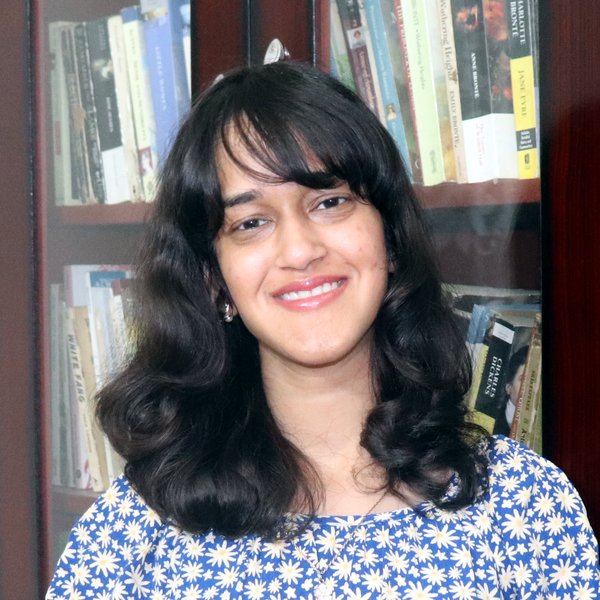


Bachelor of Business Administration (specialized in International Relations) · DELF Examiner, DALF C2, Goethe Zertifikat C1/B2, DELE B1
Join me on your language learning adventure!
Personally vetted · Strommen’s note
Bangalore-based, Yvanka teaches French and German after years at Alliance Française. She started, unusually, as an English teacher in France.
Specialties
Also speaks: English, Italian, Spanish
Bachelor of Business Administration (specialized in International Relations) · DELF Examiner, DALF C2, Goethe Zertifikat C1/B2, DELE B1
Join me on your language learning adventure!
Specialties
I also speak: English, Italian, Spanish
Personally vetted · Strommen’s note
Bangalore-based, Yvanka teaches French and German after years at Alliance Française. She started, unusually, as an English teacher in France.
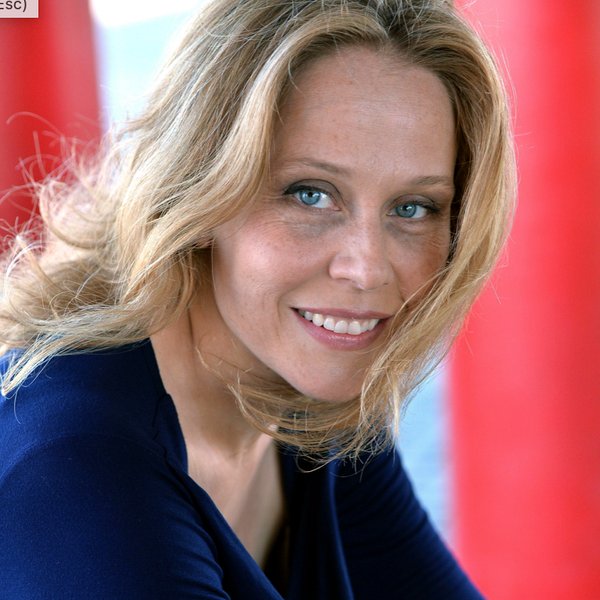
Diplom-Schauspielerin (BA in drama/acting) Germany
Dedicated German language tutor with over 15 years of expertise in teaching students of all ages. Proficient in preparing students for major German language certifications, SAT and AP German
Personally vetted · Strommen’s note
Fifteen-plus years teaching German, SAT and AP German certification prep included, and Patricia still keeps the structure interactive, not rigid.
Specialties
Also speaks: English
Diplom-Schauspielerin (BA in drama/acting) Germany
Dedicated German language tutor with over 15 years of expertise in teaching students of all ages. Proficient in preparing students for major German language certifications, SAT and AP German
Specialties
I also speak: English
Personally vetted · Strommen’s note
Fifteen-plus years teaching German, SAT and AP German certification prep included, and Patricia still keeps the structure interactive, not rigid.
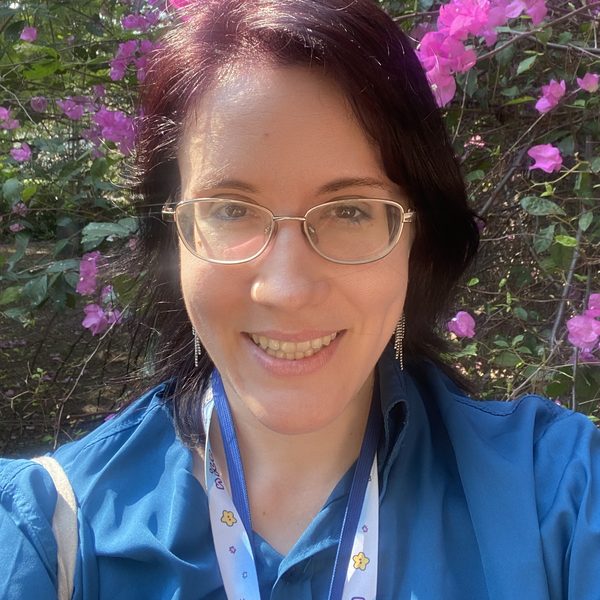
Bachelor of Arts (Teacher certificate from Zurich teachers College) · TESOL, teachers License as a primary educator
Trilingual German, ESL and French teacher with years of experience.
Personally vetted · Strommen’s note
Thirza teaches trilingual German, French, and ESL out of Zurich, with IELTS, TestDaF, and Goethe prep all part of the toolkit.
Specialties
Bachelor of Arts (Teacher certificate from Zurich teachers College) · TESOL, teachers License as a primary educator
Trilingual German, ESL and French teacher with years of experience.
Specialties
Personally vetted · Strommen’s note
Thirza teaches trilingual German, French, and ESL out of Zurich, with IELTS, TestDaF, and Goethe prep all part of the toolkit.

MFA (Cal-Arts), Matura B (Literargymnasium Zürich Rämibühl)
Swiss German Tutor from Zurich with a Deep Appreciation for Germanic Literature!
Personally vetted · Strommen’s note
Zurich-trained with seven years of Latin behind him, Cyril splits every German lesson cleanly into two tracks: travel German or Goethe-reading German.
Specialties
MFA (Cal-Arts), Matura B (Literargymnasium Zürich Rämibühl)
Swiss German Tutor from Zurich with a Deep Appreciation for Germanic Literature!
Specialties
Personally vetted · Strommen’s note
Zurich-trained with seven years of Latin behind him, Cyril splits every German lesson cleanly into two tracks: travel German or Goethe-reading German.
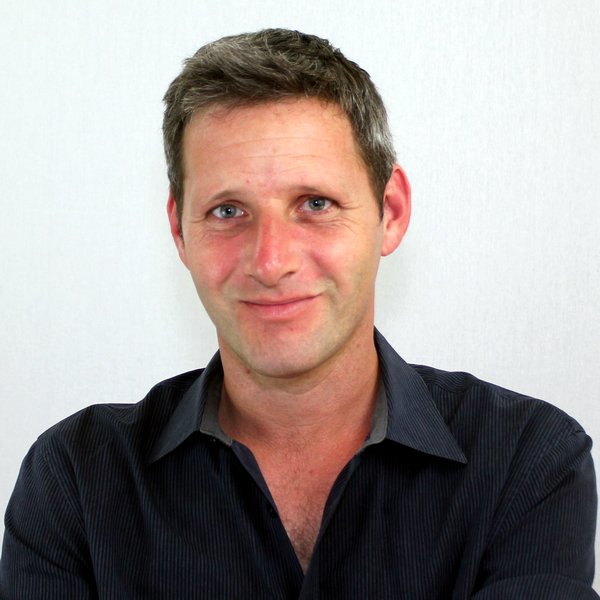
Master German with Emanuel: Published Author Fluent in German, French, and English with a Rich Cultural Background
Personally vetted · Strommen’s note
Emanuel is a published author fluent in three languages, and he's been teaching German with us since 2011.
Specialties
Master German with Emanuel: Published Author Fluent in German, French, and English with a Rich Cultural Background
Specialties
Personally vetted · Strommen’s note
Emanuel is a published author fluent in three languages, and he's been teaching German with us since 2011.
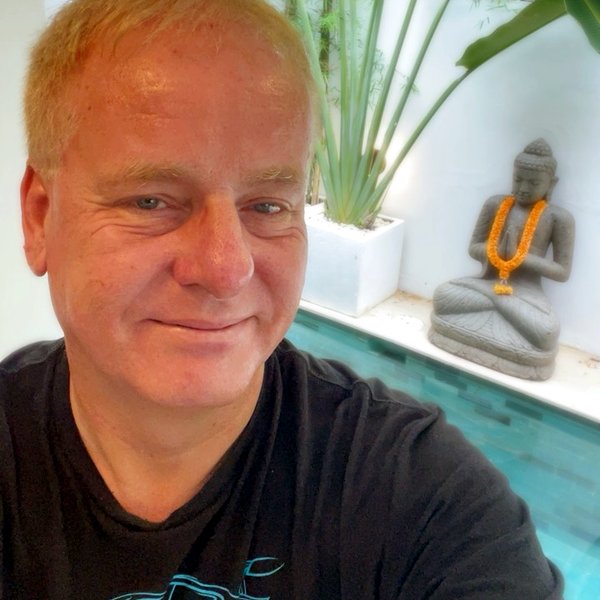
B.A. (MIT)
Native trilingual
Personally vetted · Strommen’s note
Trilingual since age seven and raised between Mexico City and Düsseldorf, Klaus coaches Spanish and German dialects the way he learned them: by talking.
Specialties
B.A. (MIT)
Native trilingual
Specialties
Personally vetted · Strommen’s note
Trilingual since age seven and raised between Mexico City and Düsseldorf, Klaus coaches Spanish and German dialects the way he learned them: by talking.
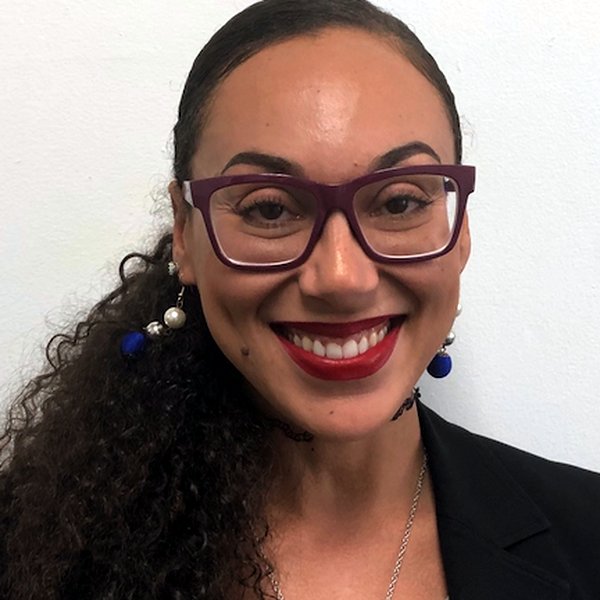

MBA and AS in Recording Arts · DALI, DELF, First Cert, SIZ Computer Science, Pro Tools, Dante
Multi-Culti Polyglot Linguist and Sound Engineer
Personally vetted · Strommen’s note
Vanessa speaks seven languages, has a sound-engineering background, and has spent two decades teaching. Her lessons range from accent coaching to art for kids.
Specialties
Also speaks: ASL American Sign Language, Chinese, Physics
MBA and AS in Recording Arts · DALI, DELF, First Cert, SIZ Computer Science, Pro Tools, Dante
Multi-Culti Polyglot Linguist and Sound Engineer
Specialties
I also speak: ASL American Sign Language, Chinese, Physics
Personally vetted · Strommen’s note
Vanessa speaks seven languages, has a sound-engineering background, and has spent two decades teaching. Her lessons range from accent coaching to art for kids.
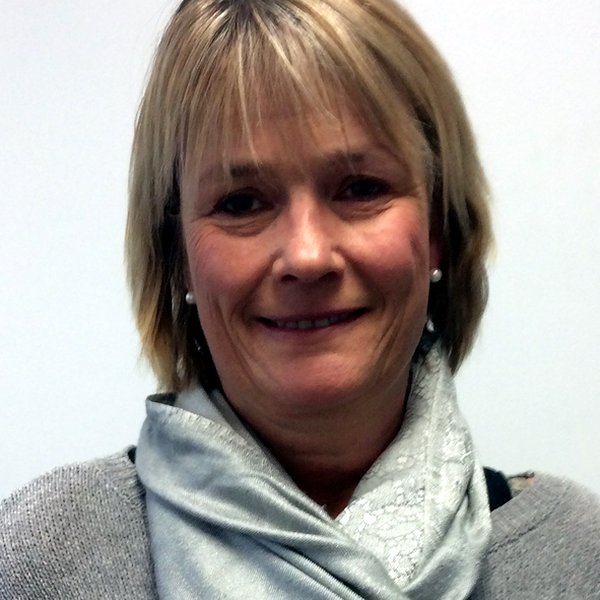
German Fluency with Sabine: Nurse with a Passion for Language, Master's Degree Holder, Offering Tailored Lessons & Authentic Cooking Tips
Personally vetted · Strommen’s note
A nurse by profession with a master's degree, Sabine teaches German fluency with bedside patience and genuinely excellent cooking tips on the side.
Specialties
German Fluency with Sabine: Nurse with a Passion for Language, Master's Degree Holder, Offering Tailored Lessons & Authentic Cooking Tips
Specialties
Personally vetted · Strommen’s note
A nurse by profession with a master's degree, Sabine teaches German fluency with bedside patience and genuinely excellent cooking tips on the side.
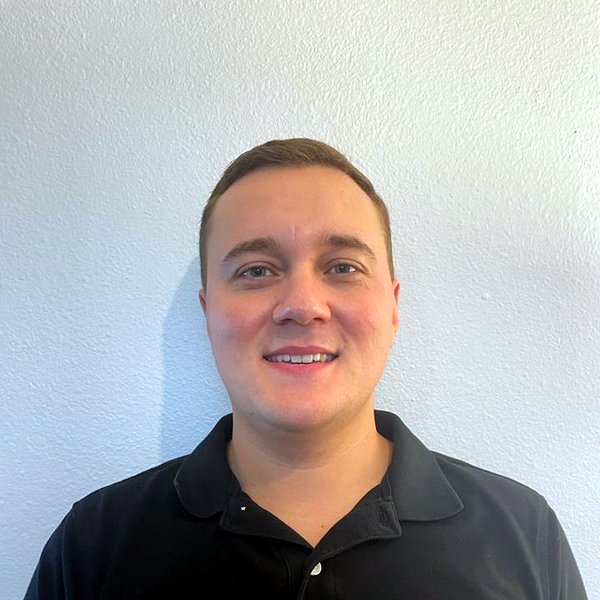
MSc · N/A
Austrian teaching my native language German
Personally vetted · Strommen’s note
Austrian-born, Thomas teaches native German alongside math. Calculus and trigonometry sit right next to German grammar on his schedule.
Specialties
MSc · N/A
Austrian teaching my native language German
Specialties
Personally vetted · Strommen’s note
Austrian-born, Thomas teaches native German alongside math. Calculus and trigonometry sit right next to German grammar on his schedule.
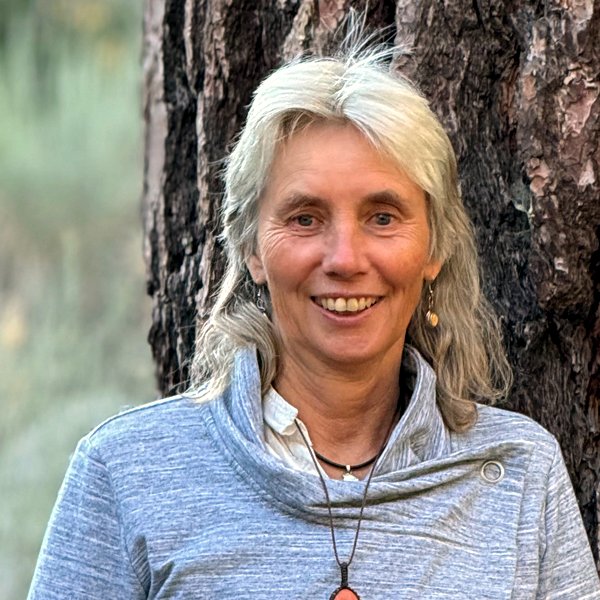
PhD, BSc
PHD with Degree in Swedish and German Linguistics - Arctic researcher, PHD in Biology offering fun and interactive Swedish and German lessons
Personally vetted · Strommen’s note
Carola is a PhD biologist and Arctic researcher with a separate degree in Swedish and German linguistics. She brings that same field rigor into lessons.
Specialties
PhD, BSc
PHD with Degree in Swedish and German Linguistics - Arctic researcher, PHD in Biology offering fun and interactive Swedish and German lessons
Specialties
Personally vetted · Strommen’s note
Carola is a PhD biologist and Arctic researcher with a separate degree in Swedish and German linguistics. She brings that same field rigor into lessons.
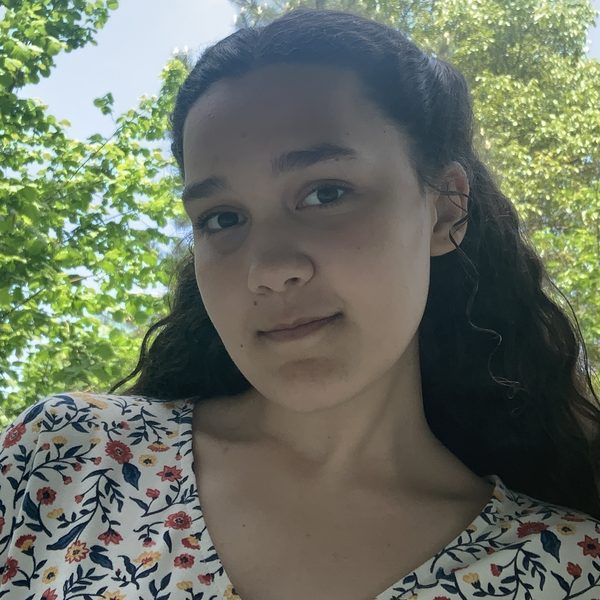
I am currently in my sixth semester of my Philosophy & Theater, Film, Media science Bachelor
German and Spanish Native Speaker
Personally vetted · Strommen’s note
A native German and Spanish speaker based in Vienna, Sophie mixes grammar, readings, and conversation deliberately, to keep lessons from repeating.
Specialties
I am currently in my sixth semester of my Philosophy & Theater, Film, Media science Bachelor
German and Spanish Native Speaker
Specialties
Personally vetted · Strommen’s note
A native German and Spanish speaker based in Vienna, Sophie mixes grammar, readings, and conversation deliberately, to keep lessons from repeating.
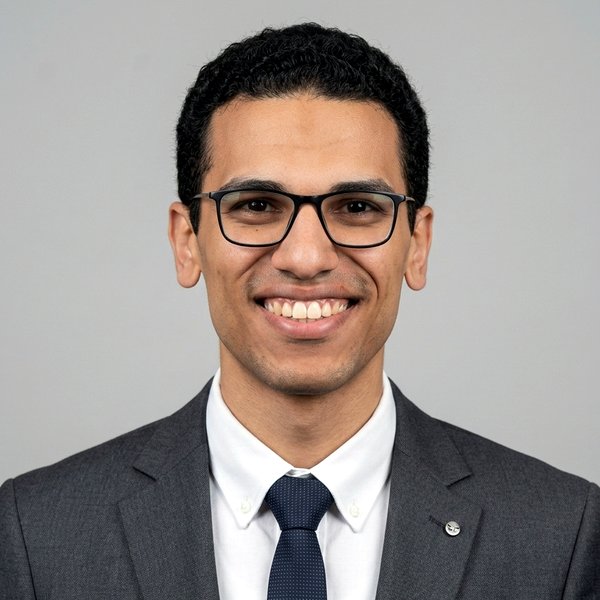

Bachelor of Education (B.Ed.) and pursuing a degree in Aerospace Engineering. · I have a TEFL certification | Certifications in Adobe Graphic Design (Level 1 & 2) for interactive presentations and educational materials.
English, German, and Arabic classes
Personally vetted · Strommen’s note
Arabic, English, and German sit alongside AP Calculus and AP Physics on Omar's schedule, a genuinely rare tutor who crosses from language straight into STEM.
Specialties
Also speaks: French, Italian, Spanish
Bachelor of Education (B.Ed.) and pursuing a degree in Aerospace Engineering. · I have a TEFL certification | Certifications in Adobe Graphic Design (Level 1 & 2) for interactive presentations and educational materials.
English, German, and Arabic classes
Specialties
I also speak: French, Italian, Spanish
Personally vetted · Strommen’s note
Arabic, English, and German sit alongside AP Calculus and AP Physics on Omar's schedule, a genuinely rare tutor who crosses from language straight into STEM.

Alltagssprache — speech & rhythm
5 conversational moves that make your German sound native
These are the everyday speech patterns that separate a learner who's been studying German from one who's actually been speaking it. Screenshot the infographic and try them in your next conversation.
-
01
Du oder Sie
The choice between casual Du and formal Sie carries social weight Germans take seriously. Default to Sie with strangers, in shops, in business, and with anyone over about 50. Du is for friends, family, peers, fellow students, and younger workplace colleagues. The switch from one to the other is a real moment, often marked by an explicit wollen wir uns duzen?
e.g. Wollen wir uns duzen? Ich bin Anna.
-
02
Doch
The famous untranslatable particle. Use it to contradict a negative (du kommst nicht? doch, ich komme), to mean after-all, or as a pure emphasizer mid-sentence. Native speakers use doch constantly. Learners who pick it up sound noticeably more native, even with otherwise textbook grammar.
e.g. Du magst keinen Kaffee? Doch, sehr gern sogar.
-
03
Alles klar
The all-purpose conversational acknowledgment. Means everything's fine, got it, or okay, depending on tone. Works as both a question (alles klar?) and a confirmation (alles klar!). One of those small phrases native Germans say a dozen times a day and learners almost never deploy.
e.g. Wir treffen uns um sieben. Alles klar?
-
04
Halt or eben
The verbal shrug, equivalent to a casual it-just-is or that's-how-it-goes. Halt is more western and southern German; eben is more universal. Sprinkled mid-sentence, both add a tone of resigned acceptance that reads as very native: das ist halt so, er ist eben kein Morgenmensch.
e.g. Das Wetter ist halt im November so. Da kann man nichts machen.
-
05
Tschüss
The universal casual goodbye, used across Germany, Austria, and parts of Switzerland regardless of region. Replaces the more formal Auf Wiedersehen in almost every casual context. Variants: Tschüssi (warmer), Tschö (Rhineland), Servus (Bavarian and Austrian, works both as hello and goodbye), Ciao (borrowed wholesale).
e.g. Okay, dann bis morgen. Tschüss!
About Conversational German
Speaking German, not reciting it
Most people who walk into a Conversational German lesson have already done some German. School German, an app streak that lasted two summers, a year of evening classes that left them able to read a menu and ask for directions but completely stuck the moment a real conversation started moving. The gap between textbook German and the German actually spoken at a kitchen table in Munich, a bar in Berlin, or a family dinner in Vienna is wider than learners expect, and conversational fluency is the work of closing it. This specialty is built for that closing work: the register, the rhythm, the filler words, the casual pronoun choice, the listening reflexes, and the cultural cues that turn correct German into easy German.
Start with register. German has a sharp split between the formal Sie and the casual Du, and the choice carries more social weight than the English you/you-formal distinction does in most other European languages. Sie is the default with strangers, in business, with anyone significantly older, in shops and banks, and at every first contact. Du is the casual form used with family, friends, children, fellow students, peers in casual settings, and increasingly with younger colleagues at hip Berlin tech companies. The switch from Sie to Du in an existing relationship is a real social event, often marked by an explicit invitation (wollen wir uns duzen?) and sometimes a handshake. Misreading the register reads as either too cold or too familiar, both noticeable to native speakers. The good news is that the pattern is learnable. The trick is hearing native speakers calibrate it in real time, then drilling that calibration in lessons until it stops feeling like a decision and starts feeling like instinct.
The second piece is the famous untranslatable particles. German conversation runs on words like doch, halt, eben, schon, mal, ja, wohl, auch, and denn. Most have no clean English equivalent. Doch can mean yes (specifically as a contradiction to a negative), but-actually, after-all, or function as a pure emphasizer. Halt and eben both translate roughly as just-the-way-it-is, a verbal shrug. Mal softens an imperative or a request the way please softens a question in English; komm mal her is warmer than komm her. Ja sprinkled mid-sentence works as an emphasis particle (das ist ja interessant) more than as the word yes. Native speakers use these constantly. Learners who don't use them sound formal and bookish. Learners who use them correctly start to sound like they actually live with the language.
The third piece is greetings and farewells. German varies considerably by region. Guten Tag works everywhere and reads as polite-neutral; Hallo is more casual and works in most contexts under 40; Servus is Bavarian and Austrian and works both as hello and goodbye between people who know each other; Grüß Gott is the formal Bavarian and Austrian greeting still standard in shops, banks, and with strangers in the south; Moin is the all-day greeting in northern Germany (especially Hamburg, Schleswig-Holstein, Lower Saxony) and works any time of day despite literally meaning morning. Farewells stack similarly: Auf Wiedersehen is formal, Tschüss is the universal casual goodbye, Ciao has been borrowed wholesale into casual German, Servus closes a conversation in the south, Tschö and Mach's gut add warmth. A conversational tutor will help you pick which register matches your usual environment instead of teaching them all as equivalents.
The fourth piece is small talk and the conversational rhythm Germans actually use. Stereotypes about German bluntness are partly true and largely misunderstood. Germans value directness in content and warmth in delivery, and the assumption that small talk is wasted time is more an American projection than a German reality. Wie geht's? gets a real answer (ach, ganz gut, du?), not an automatic fine. Weather talk is common, traffic talk is common, sports talk is common. What is less common is the American habit of constant compliments and the automatic how are you as a pure greeting; Germans take the question literally and answer it. Pause patterns are different too. Germans tolerate silence in conversation in a way Americans typically don't. Filling every gap reads as nervous; letting a beat happen reads as comfortable. Conversational lessons spend a real amount of time on these rhythm-and-pause dynamics because they affect how natural your German feels even when every word is grammatically correct.
A few specific moves that conversational students typically work on. Confirming and acknowledging without committing: aha, okay, verstehe, alles klar, genau, stimmt. Soft disagreement: naja, vielleicht, ich weiß nicht so genau, kommt drauf an. Buying time when you need to think mid-sentence: also, tja, moment mal, wie soll ich sagen. Asking for clarification without sounding lost: wie meinst du das?, kannst du das nochmal sagen?, was heißt das auf Englisch?. Closing a conversation gracefully: also dann, ich mach mich mal auf den Weg, schön war's. None of this is in a beginner textbook. All of it is in every German conversation you've ever overheard, and conversational lessons drill it explicitly until you can deploy it without thinking.
Between lessons, German conversational immersion options are abundant. Easy German on YouTube is the single best free resource: street interviews with subtitles in both German and English, slow versions for early learners, regional accents from across the country. Easy German Podcast for audio without the visuals. Coffee Break German for the structured podcast approach. Slow German with Annik Rubens for the metered pace. For higher-level conversational listening, Verbrechen (the Zeit crime podcast), Alles Gesagt (long-form interviews), and Fest und Flauschig (the Jan Böhmermann and Olli Schulz comedy show) are popular across the German-speaking professional class. Reality TV is excellent for casual register: Germany's Next Topmodel for everyday speech, Berlin Tag und Nacht for street-level Berlin German. Movies and TV: Dark (Netflix), How to Sell Drugs Online (Fast), Babylon Berlin for higher prestige. Twenty to thirty minutes of daily German audio exposure outside lessons is the single biggest accelerator for conversational fluency.
The Strommen Conversational German roster covers the regional and register variation our students actually encounter. Berlin-based tutors familiar with the casual urban Berliner register and current youth slang. Munich and Vienna tutors for the southern register and the Bavarian and Austrian variants. Hamburg and northern tutors for the Moin-and-clear-Hochdeutsch register. Longtime German-American bilinguals based in the US who calibrate naturally to the conversational gaps American learners hit. Several have backgrounds in theater, journalism, or improvisational performance, all of which translate well to teaching the speak-without-thinking skill that conversational students are trying to build. Each tutor's bio names where they're from, what their teaching approach is, and which student profile they fit best. For related German programs, our Hochdeutsch (Standard German), German Grammar, and German for Travel specialty pages cover adjacent needs, and the German course page shows the full family.
Lessons calibrate to your actual goal. Casual German for someone whose German partner's family they want to feel relaxed with is a different curriculum from professional small-talk German for someone whose German colleagues just switched to German at lunch, which is different again from comeback-conversational for someone whose university German has rusted for fifteen years and needs reactivation. Each lesson is one-on-one. The trial is free. Your existing German is a starting point, not a problem. Tell the tutor what conversations you want to be able to have. The lessons get built from there. Browse the full tutor list, pick someone whose energy feels right for spoken practice, and try a thirty-minute trial. The fastest way to find out whether conversational German will click for you is to actually try having one with a real teacher.
What you'll cover
Lessons & classes tailored to Conversational German
Du-versus-Sie calibration in your actual contexts
We map your real environments (work, family, social, shops, dating) and drill the register that fits each one. Sessions include real Berlin and Munich audio of native speakers switching between Du and Sie in context, plus role-play exercises where you practice the switch itself, the request to switch (wollen wir uns duzen?), and the recovery when you read someone wrong. Most students reach reliable register instinct within 8 to 10 weeks.
Particles, fillers, and the casual register
Doch, halt, eben, schon, mal, denn, auch, wohl, ja. We drill each one in context until you stop forgetting to use them. Plus the conversational fillers Germans use to buy time mid-sentence (also, tja, na ja) and the soft-acknowledgment particles that keep a conversation flowing (aha, okay, verstehe, genau). These small words are the single highest-leverage upgrade most conversational students make.
Listening reflexes and pause tolerance
Casual German moves faster than textbook German, drops syllables (haben wir becomes ham wir, ich habe becomes ich hab'), and uses rhythm patterns most learners haven't trained for. We work with real German audio (street interviews, podcasts, reality TV) and slow it down progressively so your ear catches up. We also work on pause tolerance: Germans don't fill every silence the way Americans do, and learning to let a beat happen reads as confident rather than nervous.
Region-specific calibration
Berlin German has its own rhythm and slang. Bavarian and Austrian German use Servus, Grüß Gott, and a distinct softer pronunciation. Northern German runs on Moin and a more clipped delivery. Swiss German is functionally a separate language for casual use, with speakers switching to Hochdeutsch when talking to outsiders. Lessons calibrate to the region you actually spend time in, whether that's a Berlin office, a Munich family, a Vienna friend group, or general-purpose pan-German for travel and media.
FAQ
About Conversational German lessons & classes
I had two years of German in college but freeze in real conversations. What do I work on?
This is the most common starting point for conversational students, and the work is specific. The freeze usually comes from three things at once: trying to perfect the case system in real time (drop it; speak with errors and self-correct after), missing the casual particles that keep conversations moving (doch, halt, mal, alles klar), and overestimating how much you have to plan before speaking. Conversational tutors focus on lowering the speaking threshold first, then refining accuracy later. Most students notice real progress within four to six weekly sessions.
When do I use Du and when do I use Sie?
Default to Sie in any first contact, with strangers, in shops, banks, and government offices, in business, and with anyone over about 50. Use Du with family, close friends, peers, fellow students, children, and increasingly with younger colleagues in casual workplaces. The switch from Sie to Du in an existing relationship is almost always invited explicitly. Watch for cues like the other person introducing themselves by first name, lowering their tone, or asking wollen wir uns duzen? If they offer, accept; initiating the offer yourself is fine between same-age peers and risky upward.
What about regional differences? Should I worry about Berlin versus Munich German?
Not in your first six months of conversational work. The regional accent and slang variation in German is real, but Hochdeutsch (Standard German) is universally understood and is what every German learns in school. Once your conversational base is solid, you can layer on regional flavor if your goal is one specific region. Most students just want to function across the German-speaking world, and Hochdeutsch with one or two regional flourishes is exactly the right calibration for that.
How long does it take to get from intermediate textbook German to comfortable conversational German?
From solid B1 textbook foundation, expect 4 to 6 months of weekly one-on-one lessons plus 20 to 30 minutes of daily German listening to reach comfortable conversational B2. Faster if you're in a German-speaking environment (a German partner's family, a Berlin work assignment) and slower if your only German exposure is the lessons themselves. The single biggest accelerator is daily audio input. Easy German on YouTube is the best free option.
Will I learn the actual slang Germans use, or just the textbook stuff?
Yes to the actual slang, calibrated to your environment. Berlin youth slang is different from Vienna casual register is different from Hamburg professional small talk. Your tutor will steer you toward the slang that fits your context, and away from the stuff that would sound off in your environment. We also flag the slang that's worth recognizing but not deploying yet (vulgar register, regional shibboleths) so you understand what you hear without accidentally using it wrong.
Are your tutors based in Germany or in the US?
Both. Our roster includes native German teachers based in Berlin, Munich, Vienna, Hamburg, and Zurich, all teaching via video. Plus longtime German-American bilinguals based in the US for in-person lessons in Los Angeles and other major cities. Time zone planning is easy in either direction: Germany-based tutors offer late-afternoon and evening availability that maps to US mornings, and US-based tutors offer flexibility through the evening.
What does a conversational trial lesson actually look like?
30 minutes, free, mostly in German. The tutor will gauge your current level through casual conversation rather than a formal placement test, identify the two or three highest-leverage conversational gaps to work on first, and outline a curriculum suited to your goals and weekly schedule. You decide whether to continue. Most students continue with the trial tutor. If the fit isn't right, switching is easy and we'll suggest a better match.
Ready for Conversational German lessons or classes?
Book a free 30-minute trial with one of our personally vetted tutors. Private lessons or small-group classes — your choice.