


Personally vetted instructors
Swiss German tutors, lessons & classes
Grüezi mitenand! How Switzerland greets a room of people, formally and warmly at once.
Personally vetted tutors of Swiss German (Schwiizerdütsch), the Alemannic family of dialects spoken in Zurich, Bern, Basel, Lucerne, and the rest of German-speaking Switzerland. Not the same as standard German.
Your instructors
Swiss German tutors for private lessons & classes
Strommen has taught Swiss German to corporate relocations, Swiss spouses, heritage students, and curious linguists for years. Every tutor below was met and vetted by us. No marketplace. No automated profile-creation. Real Swiss speakers with documented backgrounds.
Filter by location, age, or price. Then book a 30-minute free trial.
Below are the Strommen tutors who specialize in Swiss German. Photos, ratings, and rates are real. Click any card to read their bio and book a free 30-minute trial.
I want to learn…
Every tutor, personally met. — founder-vetted since 2006, in Los Angeles and online worldwide.
Get a personalized plan
Pick your language — a language advisor will match you with the right tutor and map out your path.

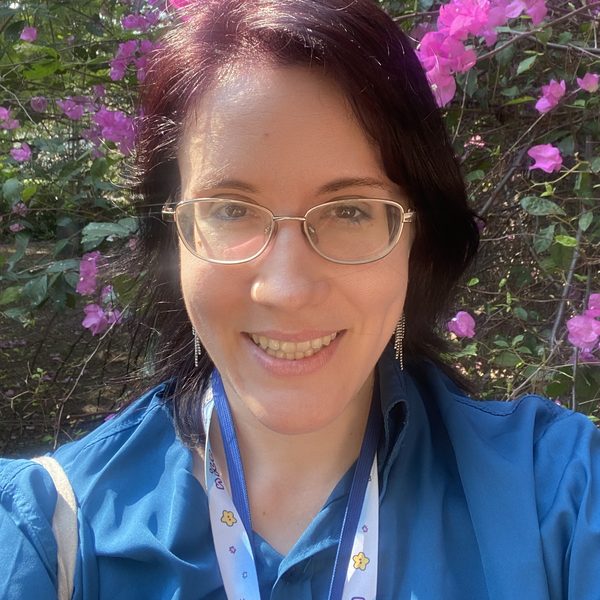


Bachelor of Arts (Teacher certificate from Zurich teachers College) · TESOL, teachers License as a primary educator
Trilingual German, ESL and French teacher with years of experience.
Personally vetted · Strommen’s note
Thirza teaches trilingual German, French, and ESL out of Zurich, with IELTS, TestDaF, and Goethe prep all part of the toolkit.
Specialties
Bachelor of Arts (Teacher certificate from Zurich teachers College) · TESOL, teachers License as a primary educator
Trilingual German, ESL and French teacher with years of experience.
Specialties
Personally vetted · Strommen’s note
Thirza teaches trilingual German, French, and ESL out of Zurich, with IELTS, TestDaF, and Goethe prep all part of the toolkit.
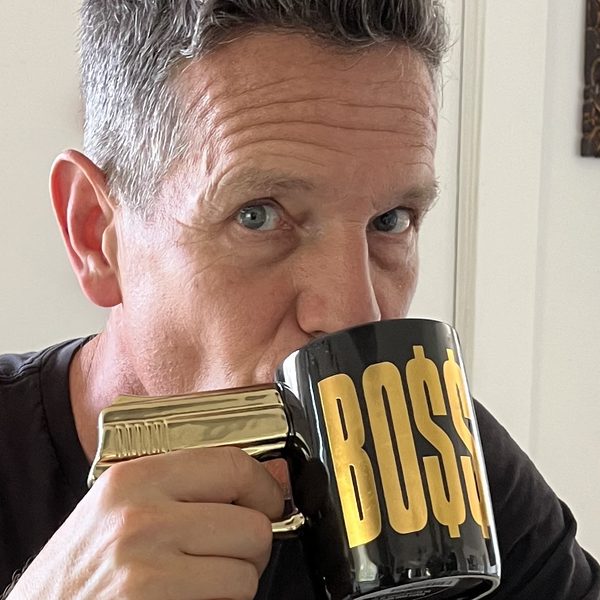
MFA (Cal-Arts), Matura B (Literargymnasium Zürich Rämibühl)
Swiss German Tutor from Zurich with a Deep Appreciation for Germanic Literature!
Personally vetted · Strommen’s note
Zurich-trained with seven years of Latin behind him, Cyril splits every German lesson cleanly into two tracks: travel German or Goethe-reading German.
Specialties
MFA (Cal-Arts), Matura B (Literargymnasium Zürich Rämibühl)
Swiss German Tutor from Zurich with a Deep Appreciation for Germanic Literature!
Specialties
Personally vetted · Strommen’s note
Zurich-trained with seven years of Latin behind him, Cyril splits every German lesson cleanly into two tracks: travel German or Goethe-reading German.
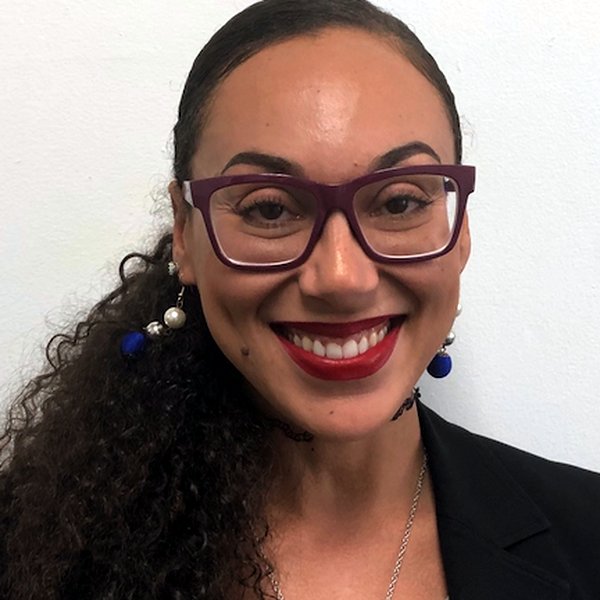

MBA and AS in Recording Arts · DALI, DELF, First Cert, SIZ Computer Science, Pro Tools, Dante
Multi-Culti Polyglot Linguist and Sound Engineer
Personally vetted · Strommen’s note
Vanessa speaks seven languages, has a sound-engineering background, and has spent two decades teaching. Her lessons range from accent coaching to art for kids.
Specialties
Also speaks: ASL American Sign Language, Chinese, Physics
MBA and AS in Recording Arts · DALI, DELF, First Cert, SIZ Computer Science, Pro Tools, Dante
Multi-Culti Polyglot Linguist and Sound Engineer
Specialties
I also speak: ASL American Sign Language, Chinese, Physics
Personally vetted · Strommen’s note
Vanessa speaks seven languages, has a sound-engineering background, and has spent two decades teaching. Her lessons range from accent coaching to art for kids.

Mir lönd nüd lugg — culture & expressions
5 phrases that mark you as someone who actually knows Switzerland
These won't be in your German textbook. They're Swiss, and they're how Swiss Germans recognize an outsider who's done the work. Screenshot them. Then book a tutor for the rest.
-
01
Grüezi
Standard Swiss German greeting, formal but warm. Plural: Grüezi mitenand. Used with strangers, in shops, at the post office, with anyone over the casual line. Not the same as Hoi (which is the informal version).
e.g. Grüezi mitenand, was darf's si?
-
02
Merci vilmal
"Thanks a lot." Swiss German uses merci (from French) as the everyday "thanks," with vilmal (many times) as intensifier. Standard German danke sounds slightly stiff in Swiss context.
e.g. Merci vilmal für d Hilf.
-
03
Tschüss / Tschau / Adieu
Three goodbye options. Tschau is casual. Adieu (pronounced almost like "adee") is the warmer goodbye, common in Bern and Basel. Tschüss is more standard-German and less specifically Swiss.
e.g. Adieu zäme, bis morn!
-
04
Es het glunge
"It worked" or "that went well." A common phrase that uses Swiss German grammar (es het instead of es hat) and a regional past participle. Lands as authentic the moment you say it correctly.
e.g. D Präsentation? Es het glunge.
-
05
Härzlich willkomme
"Warmly welcome." The Swiss pronunciation softens both h sounds and gives the phrase a melodic lilt. You'll hear it at hotels, restaurants, and from in-laws.
e.g. Härzlich willkomme i de Schwiiz!
About Swiss German
Not a dialect of German. Not really.
Swiss German is the everyday spoken language of the roughly 5 million people who live in German-speaking Switzerland. It's not a single dialect but a family of Alemannic varieties, with major regional forms in Zurich (Züritüütsch), Bern (Bärndütsch), Basel (Baseldytsch), Lucerne (Lozärnertüütsch), St. Gallen, Valais, and many more. They share enough structural features that Swiss Germans understand each other across regions, though even they will often pause and clarify with a speaker from a distant valley.
The critical fact for learners: Swiss German and standard German are mutually unintelligible in the natural spoken register. A native German speaker from Hamburg who has never lived in Switzerland will often fail to understand a Zurich conversation. The vocabulary, sound system, and grammar diverge sharply. Swiss German keeps the strong ch and k sounds that standard German softened, has its own diminutive system (the legendary -li ending: Bierli, Brötli, Bahnhöfli), uses different prepositions, has its own past tense (no preterite, only perfect), and treats consonants and vowels in ways that mainland German doesn't.
This creates a unique situation: Swiss Germans use standard German (Schweizerhochdeutsch) for writing, school, parliament, news broadcasts, and conversations with foreigners. They speak Swiss German with each other, in every social context. Diglossia is the official term. In practice it means that a learner has to decide what they actually want: are you trying to follow the news in Switzerland (standard German is fine), or to fit in at a Bern Stammtisch (you need Swiss German)?
Most students who come to us for Swiss German want the second goal. The reasons are often family ties to Switzerland, a move to Zurich or Geneva for work, a Swiss partner, or a need to engage with the spoken culture in a way that standard German won't unlock. Banking, pharma, and tech professionals relocating to Zurich are a common group. So are spouses joining a Swiss family.
Our Swiss German tutors are native speakers from across the Swiss German-speaking regions. We always ask which variety you want to focus on. The most common requests are Züridütsch (because Zurich is where most internationals land) and Bärndütsch (because Bern is the political capital and the dialect is famously melodic). We can also teach Baseldytsch, Walliserdütsch, or a more neutral Swiss German if you don't have a specific regional anchor.
Lessons cover sound system, vocabulary, grammar, and the cultural framework. Expect to spend serious time on listening, since written resources for Swiss German are relatively scarce and most native input is oral. We use recordings, films (Mein Name ist Eugen, Heidi modern adaptations, the Tschugger series), and music (Patent Ochsner, Lo & Leduc, Mani Matter) to give you exposure to the language as it actually sounds. If you already speak standard German, you have a head start with vocabulary and grammar foundations, but expect a real adjustment period for the sound system. If you're starting from zero, we usually recommend a parallel track: standard German for writing and formal use, Swiss German for spoken life.
What you'll cover
Lessons & classes tailored to Swiss German
The Swiss German sound system
Lessons drill the specific phonological features: the hard ch sound (loch, ach, doch are all velar fricatives in their full form), the strong k, the preserved diphthongs that standard German has flattened, the rhythmic pattern that gives Swiss German its singsong quality. Real audio from Swiss speakers across cantons, plus direct feedback so you hear and produce the sounds accurately.
Zurich vs. Bern vs. Basel vs. other variants
Each major Swiss city has its own dialect with distinct vocabulary, pronunciation, and rhythm. Züridütsch is the most-heard because of Zurich's economic weight. Bärndütsch is famously melodic and slower-paced. Baseldytsch has its own distinctive French-influenced vocabulary. Walliserdütsch from the Valais Alps is the most conservative and hardest for outsiders to follow. We match you to a tutor from whatever region matters to you.
Swiss German grammar
Several structural features distinguish Swiss German from standard German: the absence of the preterite tense (Swiss German uses the perfect for all past statements), different prepositions and case usage, the diminutive system with -li, and word-order patterns that surprise speakers of standard German. We teach these as a coherent system, not as exceptions to standard German rules.
The diglossia, and when to use which
Switzerland's spoken/written split is the most important thing to understand about life in the country. We teach the rules: when you must write standard German (work emails, official documents, school assignments), when you must speak Swiss German (with friends, family, in bars, in casual workplace settings), and the gray zones (formal speeches, news media, presentations). Mastering the switch is the social skill that separates a tourist from a resident.
FAQ
About Swiss German lessons & classes
Is Swiss German just an accent or a separate language?
Linguistically it's a group of Alemannic dialects, not a separate language. Functionally it acts like a separate language because it's mutually unintelligible with standard German in its natural spoken form. Most Swiss Germans would say it's their language, distinct from German, even if linguists technically classify it as a dialect family.
I already speak standard German. How long until I'm functional in Swiss German?
Listening comprehension typically reaches a comfortable level in 4 to 6 months at one or two lessons a week with self-study. Active speaking takes longer because the sound system and vocabulary require real practice. Most students hit the point where they can hold casual Swiss German conversations in 9 to 12 months. If you don't speak standard German at all, the path takes longer.
Which Swiss German variety should I learn?
Depends on where you're going. Zurich = Züridütsch. Bern = Bärndütsch. Basel = Baseldytsch. If you don't have a specific city, most students start with Züridütsch because it's the most widely heard variant on Swiss media and in international business contexts. Tell us your situation at the trial lesson.
Can I get by in Switzerland with just standard German?
For most professional contexts, yes. International companies, hotels, restaurants in tourist areas, and most service interactions work in standard German. But for social life, family integration, and full belonging in a Swiss community, you'll hit a ceiling. Most long-term residents end up learning at least passive Swiss German just to follow conversations around them.
Can I take Swiss German lessons online or only in person?
Both. Most of our Swiss German tutors teach online via Zoom or Jitsi, available globally. A few teach in person around Los Angeles. The booking widget on each tutor's profile shows their available formats.
How is Swiss German written?
There's no fully standardized spelling. Swiss Germans write each other in dialect via text messages and informal contexts, with each writer roughly transcribing their own variant. Formal writing (newspapers, books, school) uses standard German. We teach you to read both the standard-German written register and the informal dialect spelling conventions you'll encounter in texts and casual writing.
Are kids being raised in Swiss German or are they shifting to standard German?
Strongly in Swiss German, in fact more strongly than most observers expected a generation ago. Swiss German is the unmarked spoken language at home, in schoolyards, and on Swiss TV programming aimed at Swiss audiences. Standard German is treated almost like a foreign written language that kids learn at school. The dialect is not under threat.
Ready for Swiss German lessons or classes?
Book a free 30-minute trial with one of our personally vetted tutors. Private lessons or small-group classes — your choice.