



Personally vetted instructors
Conversational Bulgarian tutors, lessons & classes
Здрасти Zdrasti Casual Bulgarian "hi," the way friends actually greet each other.
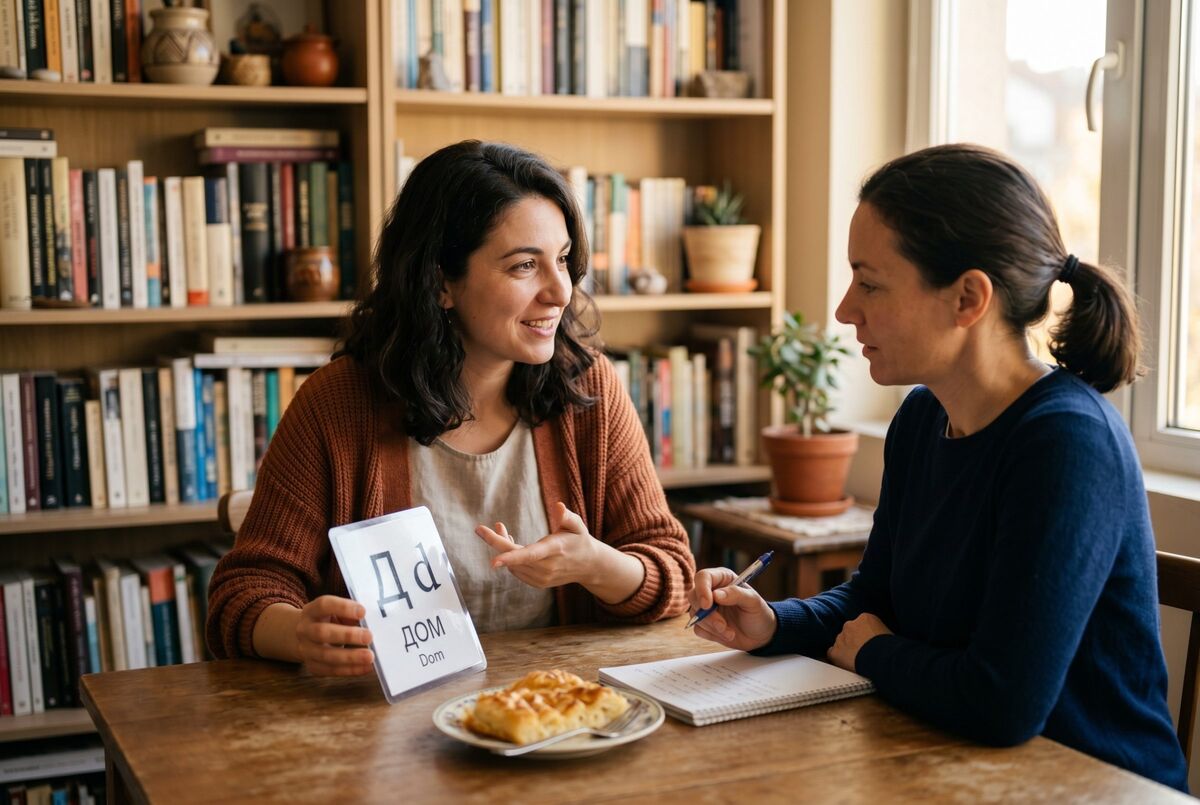
Personally vetted Conversational Bulgarian tutors. Lessons centered on how Bulgarian is actually spoken at a Sofia cafe table or a Plovdiv kitchen, not the formal Cyrillic-textbook register that most courses lead with.
Your instructors
Conversational Bulgarian tutors for private lessons & classes
Strommen has run a small but real Bulgarian practice for years, mostly through heritage families and partners of Bulgarian speakers. The roster is curated rather than crowdsourced, so every teacher here was met and vetted by us. Bios are the tutors' own.
Filter by location, age, or price. Then book a 30-minute free trial.
Below are the Strommen tutors who specialize in Conversational Bulgarian. Photos, ratings, and rates are real. Click any card to read a bio and book a free 30-minute trial.
I want to learn…
Every tutor, personally met. — founder-vetted since 2006, in Los Angeles and online worldwide.
Get a personalized plan
Pick your language — a language advisor will match you with the right tutor and map out your path.

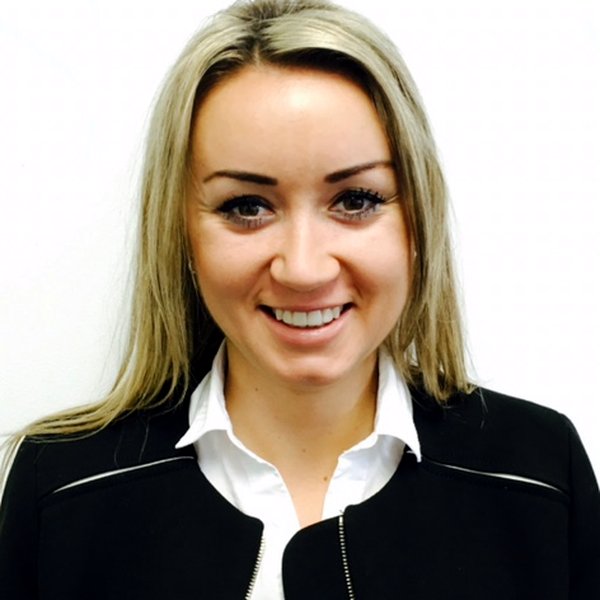
Methodology 1, 2, 3. Diploma in TESOL
Greek and Bulgarian Teacher Bachelor degree from Hellenic American Union
Personally vetted · Strommen’s note
Mariya is bilingual in Greek and Bulgarian with a degree from the Hellenic American Union, one of very few tutors anywhere teaching Bulgarian one-on-one.
Specialties
Methodology 1, 2, 3. Diploma in TESOL
Greek and Bulgarian Teacher Bachelor degree from Hellenic American Union
Specialties
Personally vetted · Strommen’s note
Mariya is bilingual in Greek and Bulgarian with a degree from the Hellenic American Union, one of very few tutors anywhere teaching Bulgarian one-on-one.

Сленг — culture & slang
5 cues that mark Bulgarian you hear, not Bulgarian from the book
These are the small cues that mark a learner who has spent time around spoken Bulgarian from one who has only studied it. Save the list, then book a tutor for the dialogue that uses them.
-
01
Head-shake for yes, nod for no
The famous inversion. Bulgarian speakers often shake their head laterally for yes and tip or rock the head for no. The gesture is in flux among younger urban speakers but is still standard enough that travellers spend their first few days re-training. Watching a speaker say да while moving their head in what an American reads as no is its own small ear-eye training.
e.g. You ask "искаш ли кафе?" and your host shakes their head while saying да. That is a yes.
-
02
Айде Ayde
Borrowed long ago from Turkish, used universally for "let's go," "come on," "alright then." Drops into Bulgarian conversation many times an hour. A learner who can deploy it naturally sounds far more lived-in than one who reaches for textbook expressions of motion or agreement.
e.g. Айде, тръгваме! ("Come on, let's get going!")
-
03
Cyrillic was Bulgarian first
The script was developed in the First Bulgarian Empire in the 9th and 10th centuries and spread from there to Russian, Ukrainian, Serbian, and Macedonian. Reading Bulgarian Cyrillic gives a learner a real head start on the other Cyrillic languages, and the script itself is a one-time investment of a week or two for an adult.
e.g. The same alphabet that reads София in Sofia reads Москва in Moscow. The script is older than either.
-
04
Banitsa, sirene, kiselo mlyako
The everyday food vocabulary that carries Bulgarian conversation. Banitsa is the layered cheese pastry every grandmother has an opinion about. Sirene is the brined white cheese that anchors a Bulgarian table. Kiselo mlyako is the yoghurt Bulgaria claims as a national invention. Knowing the words is one thing. Knowing how to talk about them with the affection Bulgarians do is another.
e.g. Баба прави най-добрата баница. ("Grandma makes the best banitsa.")
-
05
Definite article on the end, evidential mood in the verb
The two grammar features that mark Bulgarian as a different beast from Russian or Polish. Definite articles attach to the end of the noun: котка is cat, котката is the cat. The evidential mood lets the verb itself say whether the speaker witnessed the event or only heard about it. Articles settle quickly. The evidential takes time and is where adult learners spend the most effort.
e.g. Той дойде (I saw him come) vs Той дошъл (I'm told he came). Same verb, different witness status.
About Conversational Bulgarian
Bulgarian is Slavic, but not the way you think
Bulgarian is a Slavic language that does not behave like the other Slavic languages. About nine million speakers, mostly in Bulgaria, with significant communities across Macedonia, Greece, Turkey, Ukraine, Moldova, and the diaspora in Western Europe and the US. It shares vocabulary and a Cyrillic script with its Eastern Slavic cousins, but its grammar took a different road. Bulgarian dropped almost all of its noun cases, the feature that defines Russian, Polish, and Czech, and replaced them with definite articles attached to the end of the noun. Where Russian has six cases drilling learners for years, Bulgarian uses word order and a suffix. Котка is cat. Котката is the cat. A learner moving from Russian to Bulgarian often feels like they have been given a lighter version of a familiar instrument.
The trade is that Bulgarian invested its complexity elsewhere. The verb system is the richest in the Slavic family, with nine tenses, an evidential mood that marks whether the speaker witnessed an event firsthand or only heard about it, and a perfective-imperfective aspect distinction that runs through every verb pair. A Bulgarian speaker can tell you in a single verb form whether they saw the event themselves, were told about it, or are reconstructing it from inference. English needs a whole clause for what Bulgarian does with an ending. The evidential mood is the feature most adult learners spend the longest settling, and the feature most tutors actually enjoy teaching, because once it lands, a learner starts producing Bulgarian with a precision that English does not allow.
The Cyrillic alphabet is the first piece most learners encounter, and it is worth knowing that Cyrillic is a Bulgarian invention. The script was developed in the First Bulgarian Empire in the 9th and 10th centuries by the disciples of Saints Cyril and Methodius, named for Cyril, and spread from there to the rest of the Slavic-Orthodox world. Russian, Ukrainian, Serbian, and Macedonian Cyrillic are all later branches of the script that began in Preslav and Ohrid. For a learner, this means two practical things. Reading Bulgarian Cyrillic gives you a head start on Russian and Ukrainian Cyrillic. And the script itself is a relatively small one-time investment, usually a week or two for an adult, after which it stops being a barrier and becomes ordinary reading.
The famous head-shake-means-yes inversion is the cultural detail every visitor learns within a day of landing in Sofia. A Bulgarian speaker often nods their head laterally (shaking, in the American sense) for yes, and tips their head back or rocks it slightly for no. The gesture is in flux among younger speakers exposed to international media, and most adults will read your American nod correctly, but the inversion still trips up enough conversations that a good tutor brings it up early. Watching a Bulgarian speaker say да while their head moves in what an American would read as no is its own small ear-eye training exercise, and most learners need a week or two of exposure before it stops feeling cinematic.
The spoken language has a register that textbooks underplay. Айде, borrowed long ago from Turkish, is the universal "let's go," "come on," or "alright then," used several times an hour in normal conversation. Сега, literally "now," works as a soft conversational opener the way English uses "so" or "well." The diminutive endings are everywhere. Кафе becomes кафенце, момче becomes момченце, and the diminutive carries affection or politeness more than literal smallness. Banitsa, the layered cheese pastry that runs national-comfort-food deep in Bulgaria, is almost always referred to with an affectionate intonation that signals the speaker grew up with it. None of this lives in a textbook chapter on vocabulary. It lives in the rhythm a tutor can model and a learner can absorb only through speech.
There is also the layer that Bulgarian shares with the Balkan Sprachbund, the linguistic area covering Bulgarian, Greek, Macedonian, Albanian, and Romanian, where centuries of contact produced shared features that cut across language families. The postposed definite article, the loss of the infinitive replaced by да plus a finite verb, and the future tense built with ще plus a finite verb are all Sprachbund features. A learner with any exposure to Modern Greek or Romanian recognizes the patterns immediately, even though the words are unrelated. This is the part of Bulgarian that surprises learners moving in from other Slavic languages and feels familiar to anyone with Balkan exposure.
Who learns Bulgarian conversationally. Strommen sees heritage speakers reconnecting with grandparents, partners of Bulgarian speakers preparing for family visits to Sofia or the seaside, travellers planning longer stays, academics in Slavic studies wanting active production alongside their reading, and an occasional EU professional whose work has shifted toward Bulgaria. Each of these has a different finish line, and a good conversational tutor will calibrate to it rather than running everyone through the same chapter order.
Our Conversational Bulgarian tutors are native speakers from Sofia, Plovdiv, Varna, and elsewhere, alongside longtime bilingual teachers experienced with the specific way English speakers stall. They calibrate to your goal at the trial, build the lesson plan around it, and adjust as you progress. You can read each tutor's background in their bio and book a 30-minute free trial directly from the profile, or browse the wider Strommen tutor directory for our full Slavic-language roster.
What you'll cover
Lessons & classes tailored to Conversational Bulgarian
Cyrillic, fast, and then out of the way
The alphabet is the first hurdle and the smallest. Lessons treat Cyrillic as a one-time investment of about a week or two for an adult, after which it stops being a barrier and becomes ordinary reading. Once the script is in hand, the work shifts to vocabulary, the spoken register, and the verb system that most adult learners spend their actual effort on. Students moving in from Russian or another Cyrillic language often need only a session to adjust to Bulgarian's specific letter values.
The verb system: aspect, tenses, and the evidential mood
Bulgarian has the richest verb system in the Slavic family. Nine tenses, a perfective-imperfective aspect distinction in every verb pair, and an evidential mood that lets the verb itself mark whether the speaker witnessed an event or only heard about it. Lessons drill aspect from the first month because it touches every verb, and introduce the evidential mood through real spoken examples once the basic tenses settle. Most adult learners need months to make the evidential automatic, and the work is genuinely rewarding once it lands.
The spoken register: айде, сега, diminutives, and the rhythm of Bulgarian conversation
Real Bulgarian conversation runs on a layer of fillers and softeners that textbooks skim. Айде to move, сега to open, diminutives to warm up almost any noun, and the politeness moves that govern how Bulgarians greet, request, and disagree. Lessons treat this as core content rather than bonus material, because a learner with textbook grammar and no register sounds correct and stiff. Adding the register is the largest single jump toward sounding natural.
The Balkan Sprachbund, useful for context
Bulgarian shares features with Greek, Macedonian, Albanian, and Romanian thanks to centuries of contact in the same linguistic area. The postposed definite article, the loss of the infinitive, and the future tense with ще are all shared Balkan features. Lessons name this when it matters, so a learner with exposure to Modern Greek or Romanian can use the parallels and a learner without that exposure understands why Bulgarian does not always look like its closer Slavic relatives.
FAQ
About Conversational Bulgarian lessons & classes
Is Bulgarian as hard as Russian?
Different rather than harder. Bulgarian dropped most of the noun case system that Russian kept, which removes a major source of stress for adult learners. In exchange, Bulgarian has a much richer verb system with nine tenses, an evidential mood, and aspect everywhere. A learner moving from Russian to Bulgarian finds the nouns easier and the verbs more demanding. A learner starting fresh usually reports Bulgarian as comparable in difficulty to Russian, just with the effort distributed differently.
How long does it take to learn Cyrillic?
About a week or two of focused practice for an adult, then ordinary use. The Bulgarian alphabet has 30 letters and the spelling-to-sound correspondence is highly regular, which makes it less work than the English spelling system most learners already navigate. Once the script is settled, Cyrillic stops being a barrier. Reading Bulgarian also gives you a real head start on Russian, Ukrainian, Serbian, and Macedonian Cyrillic, which are all later branches of the same script.
Will Bulgarian help me with Russian or other Slavic languages?
Yes for vocabulary and script, less so for grammar. Bulgarian shares a large vocabulary base and the Cyrillic alphabet with Russian, Ukrainian, Belarusian, Serbian, and Macedonian. Bulgarian grammar took its own path, especially with the loss of cases and the verb system, so a learner cannot transfer Bulgarian grammar directly to Russian. The vocabulary overlap alone is significant, and reading any Slavic language is meaningfully easier once you have Bulgarian under your belt.
Is the head-shake-for-yes thing real?
Real and still common, especially with older speakers and outside the larger cities. Younger urban Bulgarians who travel and consume international media have started using the international nod, so you will see both. Most adults read an American nod correctly thanks to context, but the lateral shake for yes still trips up enough conversations that any good tutor brings it up early. A few weeks of exposure usually clears it up.
Are your Bulgarian tutors native speakers?
Most are native speakers from Sofia, Plovdiv, Varna, and elsewhere in Bulgaria, alongside longtime bilingual teachers who grew up between Bulgaria and the diaspora. Each tutor's bio specifies background and teaching experience. For conversational practice, what matters most is a tutor who can hear what is keeping your Bulgarian from sounding natural and diagnose it, and every tutor on the list was chosen for exactly that ability.
Can I take Bulgarian lessons online?
Yes. Most of our Bulgarian tutors teach online via Zoom or Jitsi and work with students worldwide, which fits this specialty well since the lesson is mostly speaking and listening. A few teach in person around Los Angeles when schedules align. The booking widget on each tutor profile shows the available formats and live availability.
I am a heritage speaker who understands but barely speaks. Is this the right specialty?
Yes, and it is the most common Strommen profile for Bulgarian. Heritage learners usually have a strong passive ear from family conversations and very little active production. A conversational tutor builds on the listening you already have rather than starting from zero, which is much faster than a beginner course designed for total newcomers. Many heritage learners are functional in real conversation within a few months once they start producing the language regularly.
What does a typical conversational Bulgarian lesson look like?
Lessons are one-on-one and built around your goals. A typical hour might pair fifteen minutes of guided conversation in Bulgarian on a topic you chose, focused work on whatever verb-aspect or evidential issue surfaced, a short listening segment from Bulgarian audio or video, and feedback on your output. No two students get the same plan. A heritage learner reconnecting with grandparents and a traveller preparing for a summer in Sozopol get genuinely different lessons.
Ready for Conversational Bulgarian lessons or classes?
Book a free 30-minute trial with one of our personally vetted tutors. Private lessons or small-group classes — your choice.