



Personally vetted instructors
Russian Grammar tutors, lessons & classes
Начнём nachnyom "Let's begin." The standard tutor's call to open the lesson, often followed by Откройте учебник, "open the textbook."
Personally vetted Russian tutors who specialize in grammar. Focused work on the six cases, verb aspect, the verbs of motion system, gender and animacy, and the morphological backbone that makes everything else in Russian make sense.
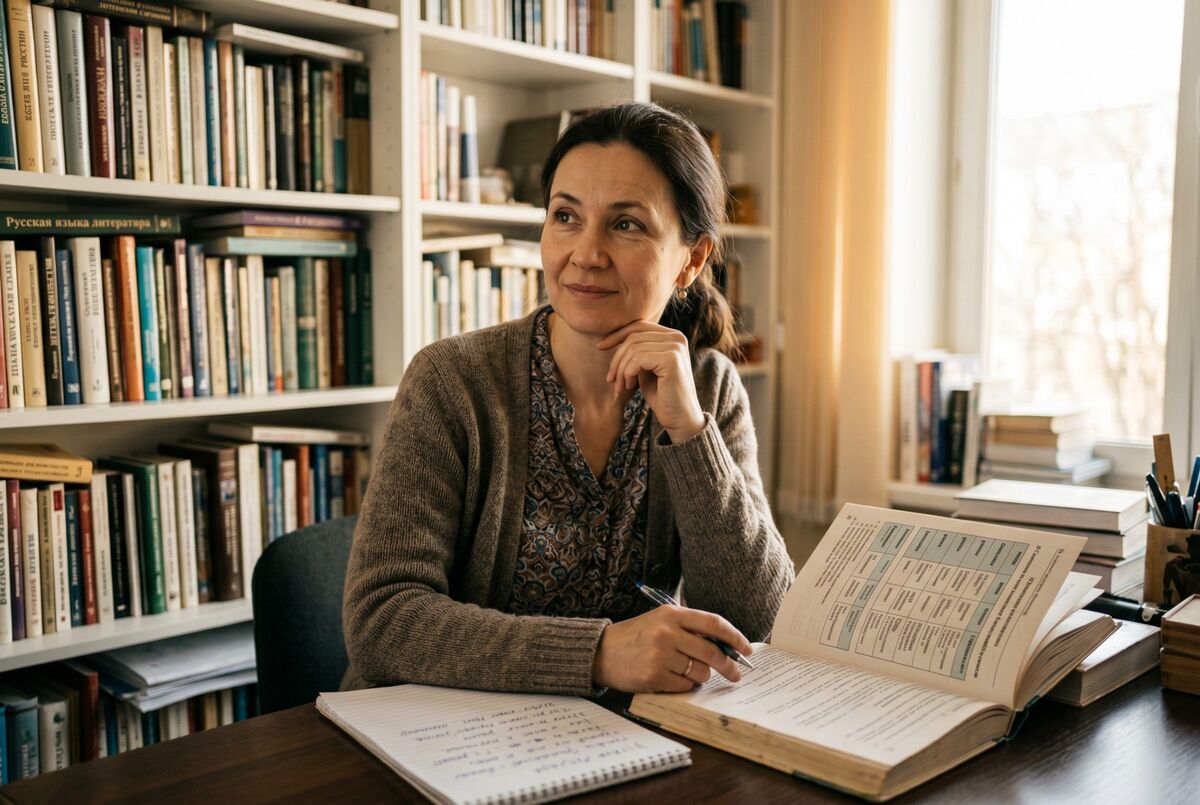
Your instructors
Russian Grammar tutors for private lessons & classes
Strommen is a curated boutique school, and the Russian Grammar roster is the deepest end of structured study within our Russian program. Every tutor below was met and vetted by us, and the bar for the grammar track is higher: formal training in Russian linguistics or pedagogy, comfort running a textbook-anchored curriculum, and the discipline to correct written work week after week.
Filter by location, age, or price, then book a 30-minute free trial. Bring your current textbook or your specific grammar question.
Below are the Strommen tutors who specialize in Russian grammar. Photos, ratings, and rates are real. Click any card to read the bio and book a free 30-minute trial.
I want to learn…
Every tutor, personally met. — founder-vetted since 2006, in Los Angeles and online worldwide.
Get a personalized plan
Pick your language — a language advisor will match you with the right tutor and map out your path.

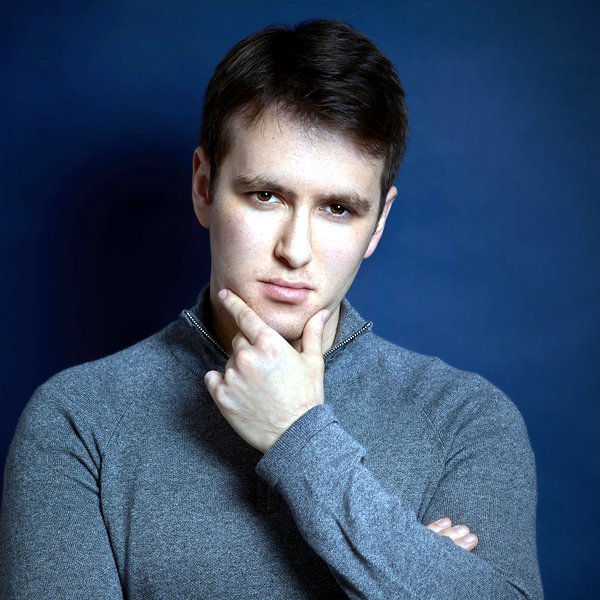


Bachelor's · TEFL 120h (Graded A)
Damon, the ESL teacher
Personally vetted · Strommen’s note
Damon treats every student like someone he's building a long relationship with. He teaches Chinese, English, and Russian out of Bangkok.
Specialties
Bachelor's · TEFL 120h (Graded A)
Damon, the ESL teacher
Specialties
Personally vetted · Strommen’s note
Damon treats every student like someone he's building a long relationship with. He teaches Chinese, English, and Russian out of Bangkok.
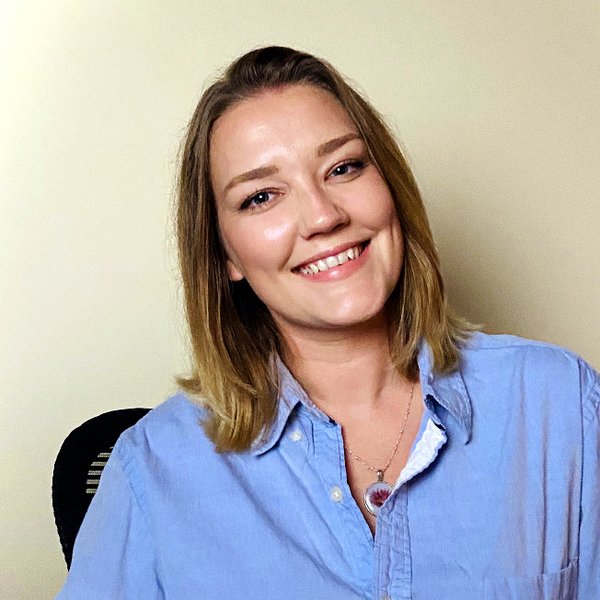
Master’s Degree of Foreign Languages, Concentration in English and French. Minor in Theatre & Choreography. PHD of Linguistics and Literary Criticism & Comparative Linguistics.
Russian Language Teacher, Dialect Coach, Translator, ESL Teacher. 10+ years of experience.
Personally vetted · Strommen’s note
A Russian dialect coach, translator, and teacher rolled into one, Anastasia has ten-plus years in and treats English and Russian as one connected skill set.
Specialties
Master’s Degree of Foreign Languages, Concentration in English and French. Minor in Theatre & Choreography. PHD of Linguistics and Literary Criticism & Comparative Linguistics.
Russian Language Teacher, Dialect Coach, Translator, ESL Teacher. 10+ years of experience.
Specialties
Personally vetted · Strommen’s note
A Russian dialect coach, translator, and teacher rolled into one, Anastasia has ten-plus years in and treats English and Russian as one connected skill set.
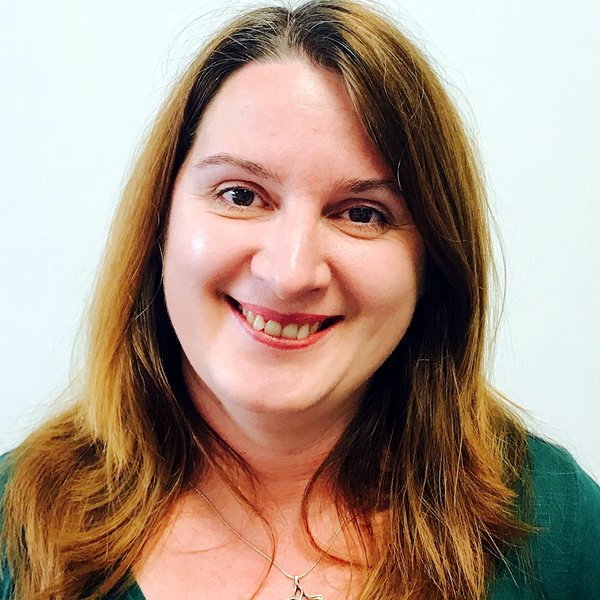
MA in teaching International Culture and History
Russian teacher with MA in teaching International Culture and History - Experienced Russian Tutor in Mar Vista, CA
Personally vetted · Strommen’s note
Maria holds an MA in international culture and history and is based in Mar Vista. She custom-builds Russian curriculum around group dynamics as much as level.
Specialties
MA in teaching International Culture and History
Russian teacher with MA in teaching International Culture and History - Experienced Russian Tutor in Mar Vista, CA
Specialties
Personally vetted · Strommen’s note
Maria holds an MA in international culture and history and is based in Mar Vista. She custom-builds Russian curriculum around group dynamics as much as level.
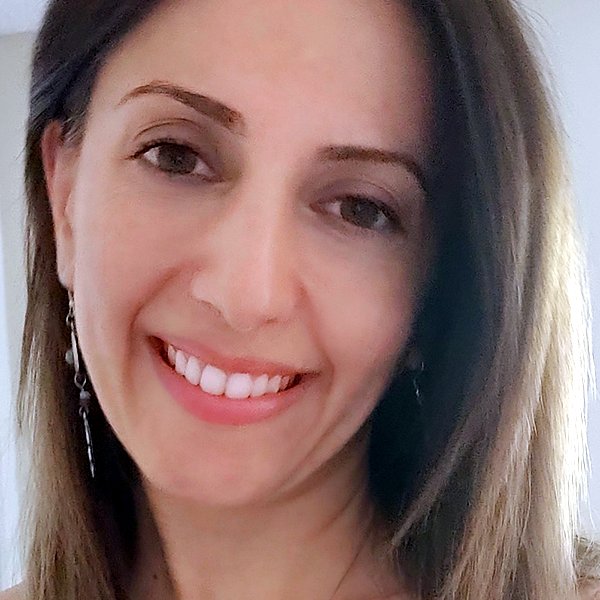


BA and MA in Arabic Studies, PhD in Philology (Arabic & Hebrew Studies)
Polyglot tutor with 15 years’ experience in Armenian, Arabic, Hebrew, and Russian
Personally vetted · Strommen’s note
Alvina holds a BA and MA in Arabic Studies and has spent fifteen years teaching Arabic, Hebrew, Russian, and Armenian, genuinely rare range in one tutor.
Specialties
BA and MA in Arabic Studies, PhD in Philology (Arabic & Hebrew Studies)
Polyglot tutor with 15 years’ experience in Armenian, Arabic, Hebrew, and Russian
Specialties
Personally vetted · Strommen’s note
Alvina holds a BA and MA in Arabic Studies and has spent fifteen years teaching Arabic, Hebrew, Russian, and Armenian, genuinely rare range in one tutor.

University diploma, department of foreign languages, teacher of English and German languages · Cambridge Certificate of Teaching English on-line
Hi there! You're welcome to my entertaining, interactive and productive English lessons on-line!
Specialties
University diploma, department of foreign languages, teacher of English and German languages · Cambridge Certificate of Teaching English on-line
Hi there! You're welcome to my entertaining, interactive and productive English lessons on-line!
Specialties

BA in Russian Language and LiteratureBA in English LiteraturePh.D. in Comparative LiteratureCertificate in Teaching Russian as a Foreign LanguageCertificate in Teaching ESL / EFL to Speakers of Other LanguagesCertificate in Teaching Business ESL
Embark on Your Language Odyssey: Expert Guidance from Tatyana, Your Native Speaker & Ph.D
Specialties
BA in Russian Language and LiteratureBA in English LiteraturePh.D. in Comparative LiteratureCertificate in Teaching Russian as a Foreign LanguageCertificate in Teaching ESL / EFL to Speakers of Other LanguagesCertificate in Teaching Business ESL
Embark on Your Language Odyssey: Expert Guidance from Tatyana, Your Native Speaker & Ph.D
Specialties

Masters degree
Study hard - Get Results
Personally vetted · Strommen’s note
Teaching Russian out of Osogbo, Nigeria, Iyanu starts every lesson by gauging exactly where a student's level actually sits.
Specialties
Also speaks: English
Masters degree
Study hard - Get Results
Specialties
I also speak: English
Personally vetted · Strommen’s note
Teaching Russian out of Osogbo, Nigeria, Iyanu starts every lesson by gauging exactly where a student's level actually sits.
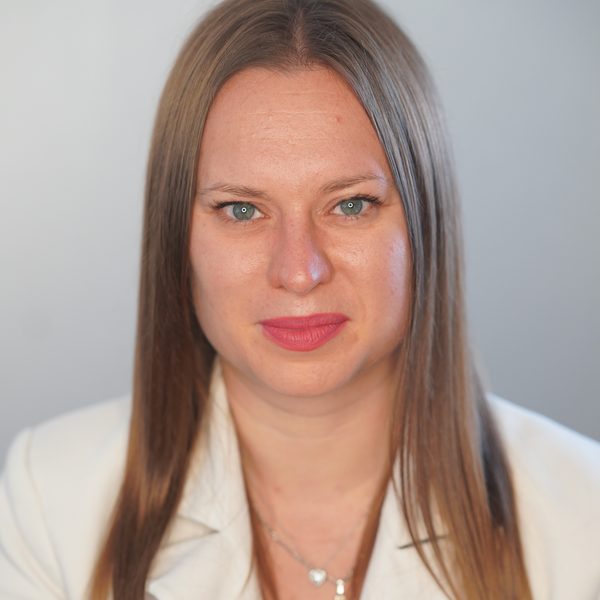
Specialization (5 years) at Blagoveshchensk State Pedagogical University Major - Chinese language teacher with an additional specialty as an English language teacher.Postgraduate studies at the Moscow State University of Management, Faculty of Philoso... · 1) Diploma from Blagoveshchensk State Pedagogical University, majoring in Chinese language teacher with an additional specialty as an English language teacher. 2) Certificate of advanced training issued by Moscow State Linguistic University, awarded f...
Chinese language, Mandarin, Chinese tutor, Mandarin tutor,
Specialties
Specialization (5 years) at Blagoveshchensk State Pedagogical University Major - Chinese language teacher with an additional specialty as an English language teacher.Postgraduate studies at the Moscow State University of Management, Faculty of Philoso... · 1) Diploma from Blagoveshchensk State Pedagogical University, majoring in Chinese language teacher with an additional specialty as an English language teacher. 2) Certificate of advanced training issued by Moscow State Linguistic University, awarded f...
Chinese language, Mandarin, Chinese tutor, Mandarin tutor,
Specialties
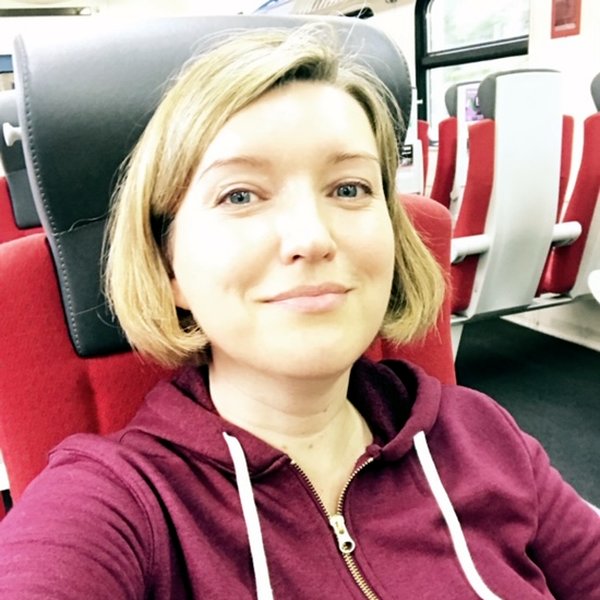

Masters in Linguistics · Masters in Linguistics, PFUR, Moscow, Russia, 2001
Native Russian Tutor with Over 20 Years of Experience
Personally vetted · Strommen’s note
A Russian native with a linguistics master's and more than twenty years teaching, Katya won't rush a student past where they're actually ready.
Specialties
Masters in Linguistics · Masters in Linguistics, PFUR, Moscow, Russia, 2001
Native Russian Tutor with Over 20 Years of Experience
Specialties
Personally vetted · Strommen’s note
A Russian native with a linguistics master's and more than twenty years teaching, Katya won't rush a student past where they're actually ready.

Грамматика — the morphological spine
5 grammar systems that make Russian make sense
These are the structural pieces a grammar-focused tutor walks you through, in sequence, over the months it takes to build a real Russian foundation. Screenshot the list, then book a tutor to start the actual work.
-
01
Шесть падежей shest padezhei
The six grammatical cases: nominative (subject), accusative (direct object), genitive (possession, absence, quantities, negated objects), dative (indirect object, impersonal constructions, certain verbs), instrumental (means, accompaniment, predicates), prepositional (after specific prepositions, location, topic). Every noun, adjective, pronoun, and number in a Russian sentence carries a case ending that signals its role. The structural foundation of the language.
e.g. книга / книгу / книги / книге / книгой / о книге (six forms of "book" across the cases)
-
02
Совершенный и несовершенный вид
Perfective and imperfective verb aspect. Every Russian verb exists as a pair: imperfective for action in progress, repeated, or as a process; perfective for a completed, bounded action with a result. Choosing the right aspect in a given sentence is a separate grammatical decision rather than a vocabulary one. The pillar of Russian verb grammar.
e.g. Я писал письмо (was writing) vs Я написал письмо (finished writing)
-
03
Глаголы движения glagoly dvizheniya
Verbs of motion. The system where every verb of going splits into a unidirectional pair (идти, ехать, лететь) and a multidirectional pair (ходить, ездить, летать), with prefixes layered on top (при-, у-, в-, вы-, пере-, про-, за-, под-, от-) to produce arrival, departure, going in, going out, crossing, passing, dropping in, approaching, leaving. The most distinctive feature of Russian verb morphology.
e.g. Я иду в магазин (going now) vs Я хожу в магазин (go regularly) vs Я пришёл (arrived)
-
04
Род и одушевлённость
Gender and animacy. Three grammatical genders (masculine, feminine, neuter), telegraphed mostly by noun endings, determining declension pattern, adjective agreement, pronoun substitution, and past-tense verb agreement. The animacy rule overlays gender: masculine nouns for living beings take the genitive form in the accusative singular and plural (вижу студента, not the expected accusative form).
e.g. стол (m), книга (f), окно (n), with full agreement: интересный стол, интересная книга, интересное окно
-
05
Мягкий знак myagkiy znak
The soft sign (ь). Does not represent a sound; palatalizes the preceding consonant and carries grammatical information. A soft sign at the end of a feminine noun (тетрадь, ночь, мать) marks third-declension pattern. In verbs, it marks the infinitive (читать) and the second-person singular non-past (ты читаешь). The hard sign (ъ) is rarer and separates prefixes from roots in certain words.
e.g. брат (brother, hard т) vs брать (to take, soft т marked by ь)
About Russian Grammar
The six cases, the two aspects, and the verbs that move
Russian grammar is the part of the language that defeats most adult learners, and it is also the part that, when properly understood, makes everything else click. The reputation Russian carries among English-speaking learners (intimidating, opaque, endlessly complicated) is largely a reputation about the case system, the aspect pairs on every verb, and the verbs of motion. None of those three are actually opaque. They are unfamiliar in the way that no part of English grammar prepares you for them, and they are systematic in a way that rewards focused study with steady progress. A Russian grammar tutor's job is to make the systems visible, walk the student through them in the right order, and provide the kind of structured practice that turns understanding into reflex. This page is for the learner who has decided that the grammar is the thing they want to nail, whether to prepare for a TORFL exam, to read literature properly, to fix a fossilized intermediate plateau, or because the satisfaction of finally seeing how Russian fits together is the reason they took up the language in the first place.
The six cases (nominative, genitive, dative, accusative, instrumental, prepositional) are the structural foundation. Each one has a primary function and a cluster of secondary functions, and the system as a whole rewards being learned as a system rather than as a checklist. Nominative marks the subject of the sentence and is the form found in dictionaries (Москва, книга, студент). Accusative marks the direct object (вижу Москву, читаю книгу, знаю студента, with animate masculine nouns taking a special accusative-like-genitive form because of the animacy rule). Genitive marks possession (книга студента, the student's book), is required by certain prepositions (от, до, из, без, у), is required after most numbers and quantities (пять книг, мало денег), and marks the direct object of negated verbs (не вижу книги). Dative marks the indirect object (даю книгу студенту), is used for impersonal constructions (мне холодно, "I am cold," literally "to me it is cold"), and is required by certain verbs (помогать, нравиться). Instrumental marks the means by which something is done (пишу ручкой, "I write with a pen"), the accompaniment (с другом, "with a friend"), the predicate of constructions like работаю учителем ("I work as a teacher"), and is required by certain prepositions (с, над, под, перед, за). Prepositional is unique in that it only appears after specific prepositions, usually about location or topic (в Москве, на столе, о книге). A grammar tutor introduces these in a sensible learnable order, drills each one in real contexts, and works toward the moment when you stop translating from English and start thinking in case.
Verb aspect is the second great pillar of Russian grammar, and it is the one that quietly defeats students who thought the cases were the hard part. Every Russian verb exists as a pair: an imperfective form, which describes an action in progress, repeated, or considered as a process, and a perfective form, which describes a completed, bounded action with a result. Писать (imperfective, "to write") and написать (perfective, "to write and finish writing") are a typical pair. Читать and прочитать. Делать and сделать. Говорить and сказать (this pair uses different roots, which is common with frequently-used verbs and a particular trap for learners). Choosing the right aspect in a given Russian sentence is closer to a separate grammatical decision than a vocabulary one, and the choice depends on whether the action is being framed as a process, a repeated occurrence, or a single completed event with a result. A grammar tutor walks the student through the aspect pair of every important verb they learn, and drills the choice in real-context exercises across hundreds of sentences until aspect selection becomes a reflex rather than a calculation. Most students need a year or more of focused work before aspect feels intuitive, and the work starts on day one of grammar-focused lessons.
Verbs of motion are the third pillar, and they deserve their own paragraph because they are the most distinctive feature of Russian verb morphology. The basic system: every verb meaning "to go" splits into a unidirectional pair (идти, "to go on foot in one direction now") and a multidirectional pair (ходить, "to go on foot in general / habitually / repeatedly"). The split is repeated across modes of motion: ехать and ездить for going by vehicle, лететь and летать for flying, плыть and плавать for swimming or sailing, нести and носить for carrying, вести and водить for leading, везти and возить for transporting. Each pair then takes prefixes that produce specific meanings: при- (arrival), у- (departure), вы- (going out), в- (going in), пере- (going across), про- (going through or past), за- (dropping in), под- (approaching), от- (going away from). The combinations are systematic and learnable, but they require dedicated study and they reward a tutor who teaches the system as a logical map rather than as a vocabulary list. By the end of focused work on motion verbs (typically a 2-to-3 month dedicated unit at the intermediate level), a student can express any motion-related idea in Russian with precision that English simply cannot match.
Gender and animacy are the fourth piece of the morphological backbone. Russian nouns have three genders (masculine, feminine, neuter), and the gender determines the noun's declension pattern, the adjective agreement, the pronoun substitution, and the past-tense verb agreement. Most nouns telegraph their gender through their ending: most nouns ending in a consonant or -й are masculine, most nouns ending in -а or -я are feminine, most nouns ending in -о or -е are neuter. Exceptions exist (some natural-gender nouns like папа, дядя are grammatically feminine in form but agree as masculine), and the soft-sign-ending nouns can be either masculine or feminine depending on the word and have to be memorized individually. The animacy rule overlays gender: for masculine nouns referring to people or animals, the accusative singular and the accusative plural take the form of the genitive (вижу студента, not the expected accusative form), which is a small grammatical wrinkle that signals the noun refers to something living. Tutors teach gender and animacy from day one and reinforce them constantly because they affect every declension and every agreement.
The soft sign (ь) is a smaller piece but worth a paragraph because it is so easy to miss the morphology it carries. The soft sign at the end of a word does not represent a sound on its own; it palatalizes the preceding consonant, marking it as soft rather than hard. It also carries grammatical information: a soft sign at the end of a feminine noun (тетрадь, ночь, мать) marks the noun as belonging to the third feminine declension, with its own declension pattern. A soft sign in the middle of a verb form often marks the infinitive (читать, писать) or the second-person singular non-past (ты читаешь, with the soft sign in the ending). A tutor will spend real time on the soft sign and the hard sign (ъ, much rarer, used mainly to separate prefixes from roots in certain cases) because these small graphical marks carry serious grammatical weight.
A candid word on what a grammar-focused tutor does differently from a conversation-focused tutor. Grammar lessons are structured around the morphology and syntax of the language; they often use a textbook (the Pulkina classic for older learners, Brown's New Penguin Russian Course for self-study supplement, Live from Russia for an immersive curriculum, the Russian for Everyone series for systematic structure), they include written exercises with corrections, they involve sustained practice on specific topics over weeks (a fortnight on the genitive, three weeks on aspect, two months on verbs of motion), and they assume the student is willing to put in significant homework time between sessions. The lesson hour is for explanation, drilling under correction, and diagnosis of where the homework went wrong; it is not the place where most of the learning happens. Students whose strong preference is conversational practice with minimal homework should consider the Conversational Russian track instead; students who want both should expect to take two complementary tracks rather than one hybrid one.
The Strommen Russian Grammar roster includes tutors with formal training in Russian linguistics, several with experience preparing students for the TORFL exams (Тест по русскому языку как иностранному, the official Russian state proficiency credential), and one with background teaching graduate-level Russian for Slavic studies programs. For absolute beginners ready to enter the grammar work from zero, the Russian for Beginners page covers the foundational lessons that should come before a grammar-only focus makes sense. The broader Russian program is on the main Russian page; the full Strommen roster across languages is on the tutor directory. Free 30-minute trial. Bring your specific grammar question or your current textbook and we will diagnose the right starting point.
What you'll cover
Lessons & classes tailored to Russian Grammar
The six-case system, sequenced and drilled
Nominative and accusative first to build subject-object sentences, prepositional next for location, then genitive (possession, absence, quantities, negated objects), dative (indirect object, impersonal constructions, certain verbs), and instrumental (means, accompaniment, predicates). Each case is taught with its primary function, its secondary functions, the prepositions that govern it, and the verbs that require it. Drilled in real contexts across written and spoken exercises until ending choice becomes reflex.
Verb aspect: the perfective / imperfective pair on every verb
Every Russian verb is learned as a pair, with focused work on the semantic difference between the two forms and the rules for selecting one or the other in context. Lessons cover the regular aspect-pair patterns (writing/writing-finished, doing/doing-finished), the irregular pairs that use different roots (говорить/сказать, брать/взять), the meanings prefixes add to perfective forms, and the contexts where aspect choice is non-obvious.
Verbs of motion: the unidirectional, multidirectional, and prefixed system
The 2-to-3 month focused unit at intermediate level that breaks the verbs-of-motion plateau. The basic pairs (идти/ходить, ехать/ездить, лететь/летать, плыть/плавать, нести/носить, вести/водить, везти/возить), the systematic prefixes (при-, у-, в-, вы-, пере-, про-, за-, под-, от-), and the combinations that produce specific meanings (приехать, уехать, въехать, выехать, переехать). Sequenced as a logical map, not a vocabulary list.
Morphology and orthography: gender, animacy, soft sign, declension patterns
The smaller pieces of Russian grammar that nevertheless affect every sentence. Gender of nouns and the agreement consequences across adjectives, pronouns, and past-tense verbs. The animacy rule and its accusative-equals-genitive effect on masculine nouns for living beings. The soft sign and the hard sign and the morphology they carry. The standard declension patterns and the exceptions worth memorizing as exceptions.
FAQ
About Russian Grammar lessons & classes
Are six cases really as hard as people say?
Difficult but not opaque, and easier when learned as a system rather than as a checklist. The endings are patterned, the primary functions of each case are learnable in a few weeks of focused work, and the harder part is the secondary functions and the reflexive selection of the right ending without calculation. Most students reach case literacy (you see the ending, you understand what it is doing, your output is mostly accurate) within 6 to 12 months of grammar-focused work. Reflex-level case use is a multi-year project, and that is normal for any inflected language.
I am stuck on verb aspect. I cannot tell when to use perfective and when to use imperfective. Can a grammar tutor help?
Yes, and aspect is one of the most common reasons intermediate learners come to the grammar track. The fix is sustained drilling in real-context sentences across hundreds of examples, with a tutor catching every misselection and explaining the reasoning. Most students need 6 to 12 months of focused aspect work before the choice feels intuitive rather than calculated, and the work tends to plateau and then break through rather than progress linearly. The trial conversation establishes where you are and proposes a study plan.
Verbs of motion are killing me. How long does that take to learn properly?
A focused 2-to-3 month unit at the intermediate level is the typical structure. The unit covers the basic unidirectional/multidirectional pairs first, then layers in the prefixes systematically, with continuous real-context drilling. By the end of the unit, students can express any motion-related idea in Russian with precision. Maintenance work continues at lower intensity for some months afterward, because the verbs of motion vocabulary is large and the prefixes interact in ways that take time to fully internalize. Worth the investment: the verbs of motion system is one of Russian's expressive superpowers once you have it.
I am preparing for a TORFL exam. Can a grammar tutor work to a specific level?
Yes. TORFL prep is one of the most common deadlines on the grammar roster. The exam is administered by the Pushkin State Russian Language Institute (Государственный институт русского языка имени А.С. Пушкина) and recognized internationally. Tutors with TORFL experience build the lesson plan around the test date, calibrate the grammar work to match the specific level (A1 through C2), and run practice tests in the final weeks. The trial conversation establishes your starting point and your target level.
What is the difference between Russian Grammar and Russian for Beginners?
Russian for Beginners is a foundational course covering script, pronunciation, core vocabulary, and a basic introduction to the grammar system. Russian Grammar is a specialty for students who already have a foundation (typically equivalent to TORFL A1 or higher) and want to focus on the morphological and syntactic systems in depth. Most students move through Russian for Beginners first and then add the grammar specialty when they hit the intermediate plateau where grammar work becomes the unlock. Some students take both concurrently with different tutors.
Do grammar lessons involve homework?
Yes, substantially. Grammar lessons assume meaningful homework between sessions: written exercises on the topic being studied, drilling on declension patterns or aspect pairs, reading short texts with the grammar focus in mind, and writing short responses for tutor correction. The lesson hour is for explanation, drilling under correction, and diagnosis of where the homework went wrong; it is not the place where most of the learning happens. Students whose preference is for conversational practice with minimal homework should look at the Conversational Russian track instead.
Are your grammar tutors native Russian speakers with formal linguistics training?
The Russian Grammar roster has higher entry standards than the general Russian roster. Tutors on this track have formal training in Russian linguistics, pedagogy, or Slavic studies, with experience running structured curriculum-based lessons. Most are native speakers; the rest are longtime fluent teachers with the relevant academic credentials. Each tutor's bio specifies background and pedagogical focus.
What does the free trial cover?
30 minutes, no cost, with the tutor you select. For grammar-track prospects, the trial functions partly as a diagnostic conversation: where you are in the case system, how you handle aspect selection in a few sample sentences, your familiarity with the verbs of motion system, and any specific topics you have struggled with. The tutor proposes a study plan calibrated to your starting point and your goal (TORFL exam, literature reading, breaking a plateau, satisfying intellectual interest), and you decide whether to continue. Bring your current textbook if you have one, and any specific question you want diagnosed.
Ready for Russian Grammar lessons or classes?
Book a free 30-minute trial with one of our personally vetted tutors. Private lessons or small-group classes — your choice.