



Personally vetted instructors
Russian for Kids tutors, lessons & classes
Привет privet The casual Russian "hi," the friendly opener every kid learns first.
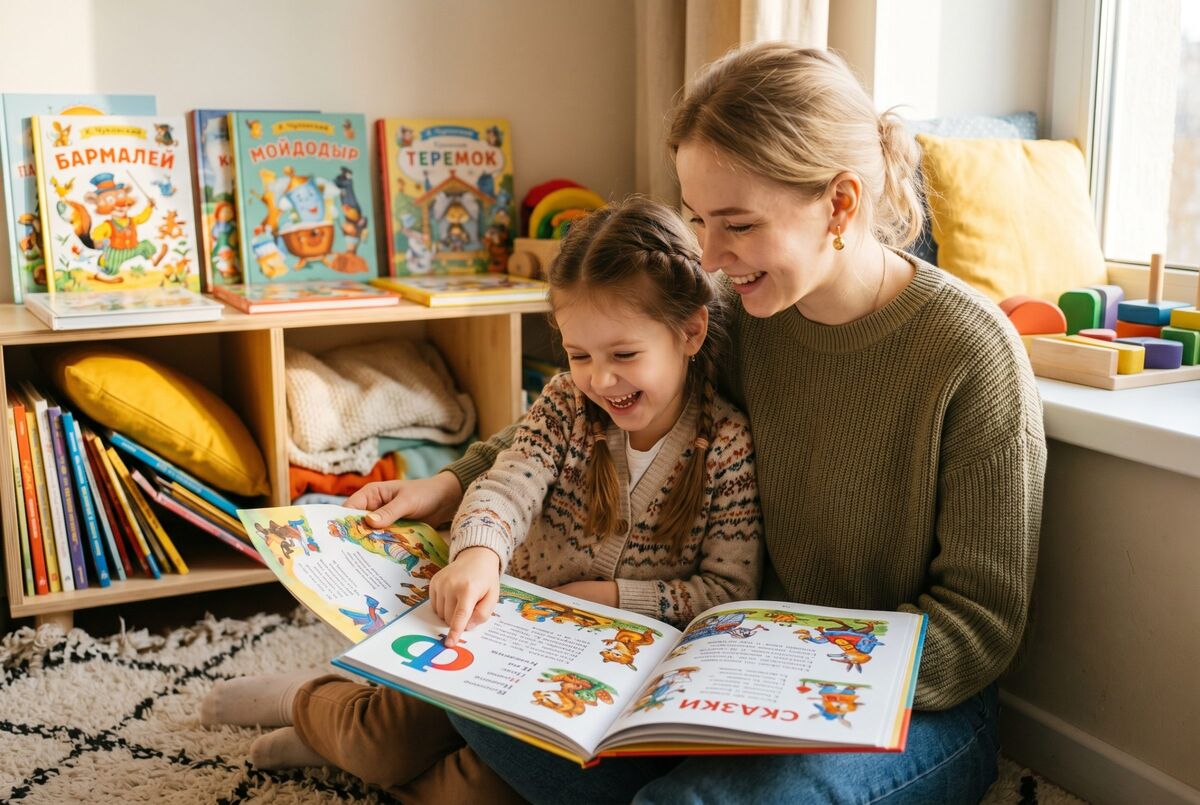
Personally vetted Russian tutors who teach children. Lessons anchored in the children's literature canon (Chukovsky, Marshak, the fairy tales), the warmth of Russian diminutive endings, and the Cyrillic alphabet song that turns the script into something a kid hums on the bus.
Your instructors
Russian for Kids tutors for private lessons & classes
Strommen is a curated boutique school, and the bar for tutors who work with children is higher than for adult tutors. We look for rapport with kids, patience under five-year-old attention spans, and the instinct to turn a lesson into a story, a song, or a game. The teachers below cleared that bar.
Filter by location, age, or price, read the bios, then book a 30-minute free trial. Parents are welcome on the trial call and often sit in on the first few lessons.
Below are the Strommen tutors who specialize in teaching Russian to children. Photos, ratings, and rates are real. Click any card to read the bio and book a free 30-minute trial.
I want to learn…
Every tutor, personally met. — founder-vetted since 2006, in Los Angeles and online worldwide.
Get a personalized plan
Pick your language — a language advisor will match you with the right tutor and map out your path.




Bachelor's · TEFL 120h (Graded A)
Damon, the ESL teacher
Personally vetted · Strommen’s note
Damon treats every student like someone he's building a long relationship with. He teaches Chinese, English, and Russian out of Bangkok.
Specialties
Bachelor's · TEFL 120h (Graded A)
Damon, the ESL teacher
Specialties
Personally vetted · Strommen’s note
Damon treats every student like someone he's building a long relationship with. He teaches Chinese, English, and Russian out of Bangkok.
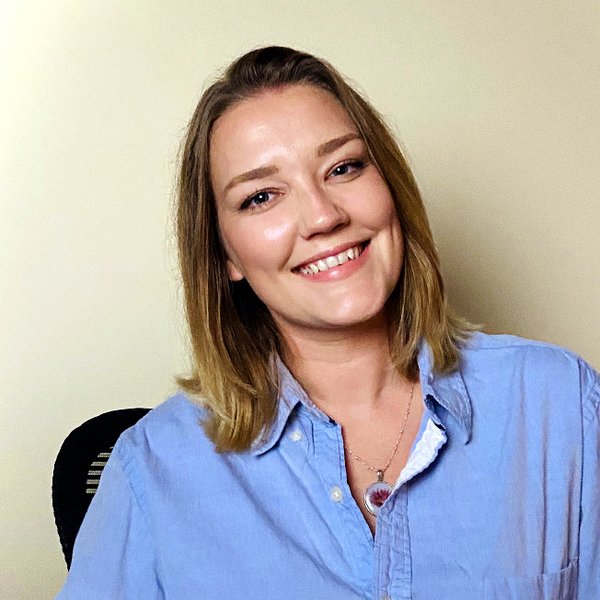
Master’s Degree of Foreign Languages, Concentration in English and French. Minor in Theatre & Choreography. PHD of Linguistics and Literary Criticism & Comparative Linguistics.
Russian Language Teacher, Dialect Coach, Translator, ESL Teacher. 10+ years of experience.
Personally vetted · Strommen’s note
A Russian dialect coach, translator, and teacher rolled into one, Anastasia has ten-plus years in and treats English and Russian as one connected skill set.
Specialties
Master’s Degree of Foreign Languages, Concentration in English and French. Minor in Theatre & Choreography. PHD of Linguistics and Literary Criticism & Comparative Linguistics.
Russian Language Teacher, Dialect Coach, Translator, ESL Teacher. 10+ years of experience.
Specialties
Personally vetted · Strommen’s note
A Russian dialect coach, translator, and teacher rolled into one, Anastasia has ten-plus years in and treats English and Russian as one connected skill set.
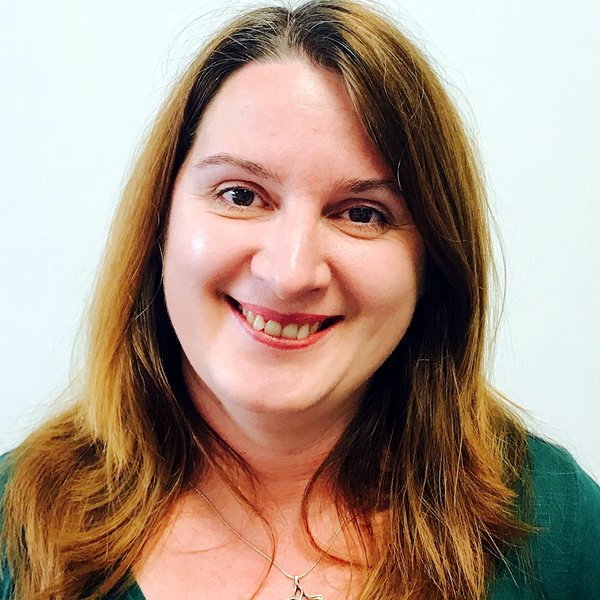
MA in teaching International Culture and History
Russian teacher with MA in teaching International Culture and History - Experienced Russian Tutor in Mar Vista, CA
Personally vetted · Strommen’s note
Maria holds an MA in international culture and history and is based in Mar Vista. She custom-builds Russian curriculum around group dynamics as much as level.
Specialties
MA in teaching International Culture and History
Russian teacher with MA in teaching International Culture and History - Experienced Russian Tutor in Mar Vista, CA
Specialties
Personally vetted · Strommen’s note
Maria holds an MA in international culture and history and is based in Mar Vista. She custom-builds Russian curriculum around group dynamics as much as level.
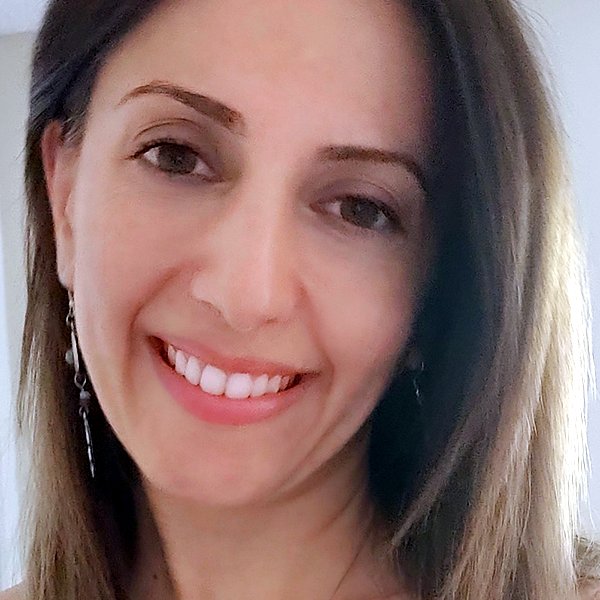


BA and MA in Arabic Studies, PhD in Philology (Arabic & Hebrew Studies)
Polyglot tutor with 15 years’ experience in Armenian, Arabic, Hebrew, and Russian
Personally vetted · Strommen’s note
Alvina holds a BA and MA in Arabic Studies and has spent fifteen years teaching Arabic, Hebrew, Russian, and Armenian, genuinely rare range in one tutor.
Specialties
BA and MA in Arabic Studies, PhD in Philology (Arabic & Hebrew Studies)
Polyglot tutor with 15 years’ experience in Armenian, Arabic, Hebrew, and Russian
Specialties
Personally vetted · Strommen’s note
Alvina holds a BA and MA in Arabic Studies and has spent fifteen years teaching Arabic, Hebrew, Russian, and Armenian, genuinely rare range in one tutor.
University diploma, department of foreign languages, teacher of English and German languages · Cambridge Certificate of Teaching English on-line
Hi there! You're welcome to my entertaining, interactive and productive English lessons on-line!
Specialties
University diploma, department of foreign languages, teacher of English and German languages · Cambridge Certificate of Teaching English on-line
Hi there! You're welcome to my entertaining, interactive and productive English lessons on-line!
Specialties
BA in Russian Language and LiteratureBA in English LiteraturePh.D. in Comparative LiteratureCertificate in Teaching Russian as a Foreign LanguageCertificate in Teaching ESL / EFL to Speakers of Other LanguagesCertificate in Teaching Business ESL
Embark on Your Language Odyssey: Expert Guidance from Tatyana, Your Native Speaker & Ph.D
Specialties
BA in Russian Language and LiteratureBA in English LiteraturePh.D. in Comparative LiteratureCertificate in Teaching Russian as a Foreign LanguageCertificate in Teaching ESL / EFL to Speakers of Other LanguagesCertificate in Teaching Business ESL
Embark on Your Language Odyssey: Expert Guidance from Tatyana, Your Native Speaker & Ph.D
Specialties
Masters degree
Study hard - Get Results
Personally vetted · Strommen’s note
Teaching Russian out of Osogbo, Nigeria, Iyanu starts every lesson by gauging exactly where a student's level actually sits.
Specialties
Also speaks: English
Masters degree
Study hard - Get Results
Specialties
I also speak: English
Personally vetted · Strommen’s note
Teaching Russian out of Osogbo, Nigeria, Iyanu starts every lesson by gauging exactly where a student's level actually sits.
Specialization (5 years) at Blagoveshchensk State Pedagogical University Major - Chinese language teacher with an additional specialty as an English language teacher.Postgraduate studies at the Moscow State University of Management, Faculty of Philoso... · 1) Diploma from Blagoveshchensk State Pedagogical University, majoring in Chinese language teacher with an additional specialty as an English language teacher. 2) Certificate of advanced training issued by Moscow State Linguistic University, awarded f...
Chinese language, Mandarin, Chinese tutor, Mandarin tutor,
Specialties
Specialization (5 years) at Blagoveshchensk State Pedagogical University Major - Chinese language teacher with an additional specialty as an English language teacher.Postgraduate studies at the Moscow State University of Management, Faculty of Philoso... · 1) Diploma from Blagoveshchensk State Pedagogical University, majoring in Chinese language teacher with an additional specialty as an English language teacher. 2) Certificate of advanced training issued by Moscow State Linguistic University, awarded f...
Chinese language, Mandarin, Chinese tutor, Mandarin tutor,
Specialties

Masters in Linguistics · Masters in Linguistics, PFUR, Moscow, Russia, 2001
Native Russian Tutor with Over 20 Years of Experience
Personally vetted · Strommen’s note
A Russian native with a linguistics master's and more than twenty years teaching, Katya won't rush a student past where they're actually ready.
Specialties
Masters in Linguistics · Masters in Linguistics, PFUR, Moscow, Russia, 2001
Native Russian Tutor with Over 20 Years of Experience
Specialties
Personally vetted · Strommen’s note
A Russian native with a linguistics master's and more than twenty years teaching, Katya won't rush a student past where they're actually ready.

Дети — songs, stories, fairy tales
5 things every Russian-learning kid loves
These are the pieces a good Russian-for-kids tutor reaches for in the first lessons. They turn a class into something a child will repeat at home all week. Screenshot the list, then book a tutor to learn the rest.
-
01
А Б В Г Д a b v g d
The opening of the Cyrillic alphabet chant, the Russian version of the alphabet song. Kids who learn the script as a song remember the letter order in a way that flashcards cannot match. The full chant runs through all 33 letters and most Russian-speaking children know it by age six.
e.g. А, Бе, Ве, Ге, Де, Е, Ё, Же, Зе... (the first nine letters with their names)
-
02
Мойдодыр Moidodyr
Korney Chukovsky's classic children's poem about a personified washbasin who teaches a dirty boy to wash. Every Russian-speaking child grows up on this poem; it is the cultural equivalent of "The Cat in the Hat." Short, rhythmic, easy to memorize, and a perfect early-lesson vehicle for verbs, household nouns, and the rhythm of Russian poetry.
e.g. Одеяло убежало, улетела простыня... ("the blanket ran away, the sheet flew off...")
-
03
Баба Яга Baba Yaga
The witch in the chicken-legged hut, central figure of Russian fairy tales. Sometimes terrifying, sometimes helpful, always unpredictable. Tutors introduce her early because the stories are exciting, the vocabulary is rich (избушка на курьих ножках, "the little hut on chicken legs"), and she gives kids a way into a literary tradition that adults will reference for the rest of their Russian lives.
e.g. Избушка, избушка, повернись ко мне передом, к лесу задом ("Little hut, little hut, turn your front to me and your back to the forest")
-
04
Котик / собачка / птичка kotik / sobachka / ptichka
The diminutive endings -ик, -очка, -чка at work: "little cat," "little dog," "little bird." Russian generates affectionate diminutives on nouns with productive suffixes, and tutors lean on these because they make the language feel warm, reflect how Russian actually sounds inside a family, and teach morphology kids absorb through use rather than charts.
e.g. Мой котик любит молочко ("my little cat loves a little milk")
-
05
Бабушка / дедушка babushka / dedushka
"Grandmother / grandfather." The first family words almost every heritage Russian kid knows. For new-learner kids, these are the warm entry-point words for learning the Russian family vocabulary (мама, папа, сестра, брат, тётя, дядя). For heritage kids, mastering the genitive and dative forms of these (бабушки, бабушке) is an early-curriculum win that lets the kid talk to and about grandparents in clean Russian.
e.g. Я люблю мою бабушку ("I love my grandmother")
About Russian for Kids
Russian a child actually wants to keep learning
Russian-for-kids lessons split into two practical worlds, and a tutor who tries to teach both kinds of children the same way loses one of them quickly. The first world is heritage: a child in a Russian-speaking household, often the second or third generation in a North American Russian-Jewish or post-Soviet immigrant family, who hears Russian at home and at the dinner table but reflexively answers in English. The second world is new-learner: a child with no household Russian at all, learning the language because the parents value an Indo-European-but-non-Romance addition to the child's linguistic future, because there is a Russian-speaking community nearby that the family wants the child to participate in, or because the child has shown interest after a music class, a book, or a school project. Both children can become genuinely fluent in Russian and both deserve a real lesson plan. The plans look almost nothing alike.
For the heritage child, the work is activation rather than construction. The receptive vocabulary is usually intact: the child understands when a parent calls them to dinner, understands the grandparents on FaceTime, understands the conversation drifting in from the next room. What is missing is the productive courage to answer in Russian rather than English, the school-and-life vocabulary that household conversation never needed (subjects, friendship dynamics, after-school activities, the texture of an adult-track conversation), and almost universally the Cyrillic script, which Russian-speaking parents in the diaspora rarely manage to teach their kids at home for the same reason any parent struggles to teach reading: the rapport required is different from family rapport. A good tutor for a heritage Russian kid spends the first months on the alphabet (reading and writing), then widens the active vocabulary into the topics the household never used, then opens the lesson into structured conversation, story reading, and writing that nudges the child from passive bilingualism into productive bilingualism. The arc is typically faster than for new learners because the foundation is already in place; many heritage kids show real productive gains within 4 to 6 months of weekly lessons.
For the new-learner child, the work is constructive from the ground up, and the sequencing is different. The Cyrillic script goes in early but slowly, alongside the spoken language rather than as a separate task; kids learn А, М, К, О, Т first because those letters look and sound like their English counterparts, then the false-friend letters (Р is rolled R not P, Н is N not H, В is V not B, С is S not C, У is OO not Y) as a deliberate fascination point rather than a confusion point. The sounds without an English equivalent (rolled Р, hard Х, the soft consonants) come in through song and rhyme and physical demonstration. Survival vocabulary (greetings, family words, colors, numbers, animals, food) builds through picture cards and games. The cases, which terrify adult learners of Russian, are introduced organically through whole phrases rather than as grammar rules; a kid learning "I want apples" picks up the accusative ending on яблоки without ever being told what an accusative is, and that buried-grammar approach is fundamentally easier on a child's brain than the chart-based approach that adult learners endure. By around ages eight to ten, depending on starting point, the new-learner child has enough Russian to read short adapted texts, hold a real if simple conversation, and recognize when the cases shift.
Russian children's literature is one of the richest in the world, and it is one of the largest assets a Russian-for-kids tutor draws on. Корней Чуковский (Korney Chukovsky) wrote the canonical body of Russian children's poetry: Мойдодыр (Moidodyr, the personified washbasin who teaches kids to wash), Тараканище (Tarakanishche, the cockroach who terrorizes the animal kingdom), Айболит (Aibolit, the doctor who travels to Africa to heal sick animals), Муха-Цокотуха (Mukha-Tsokotukha, the fly who throws a party). His poems are short, rhythmic, easy to memorize, and almost every Russian-speaking child knows them by heart. Самуил Маршак (Samuil Marshak) wrote a parallel body of work, including the beloved Двенадцать месяцев (The Twelve Months) and translations of English nursery rhymes into Russian that read as their own originals. Александр Пушкин wrote the fairy tales that bridge children's literature and the adult literary canon, including Сказка о царе Салтане (The Tale of Tsar Saltan), Сказка о золотом петушке (The Golden Cockerel), and Сказка о рыбаке и рыбке (The Fisherman and the Fish). Beyond the named authors, the Russian fairy-tale tradition itself, with Баба Яга (Baba Yaga, the witch in the chicken-legged hut), Василиса Премудрая (Vasilisa the Wise), the trickster fox, and the foolish wolf, is a deep well of stories that tutors lean on for vocabulary, culture, and the kind of sustained narrative attention a child develops by hearing the same story many times.
The diminutive system is another quiet superpower in Russian-for-kids lessons. Russian generates affectionate diminutives on names and nouns with productive suffixes: -чик (-chik, on masculine nouns: котик kotik for "little cat"), -очка (-ochka, on feminine nouns: дочка dochka for "little daughter"), -еньк- (-yenk-, a tenderness marker on adjectives: мaленький mаlenkiy for "small" gets even smaller as "mаlenkenkiy"). Children's names get full diminutive transformations: Александр becomes Саша, then Сашенька, then Сашуля depending on the household's tenderness register. Tutors lean on these because they make the language feel warm, because they reflect how Russian actually sounds inside a family, and because they teach a piece of morphology kids absorb through use rather than through grammar tables.
For heritage kids specifically, the second-and-third-generation diaspora context is worth a paragraph. The Russian-speaking diaspora in the United States is large, multi-generational, and concentrated in Brighton Beach and Sheepshead Bay in New York, in West Hollywood and the Fairfax / Beverly area in Los Angeles, in Bukharian-Jewish communities in Queens, and in college-town pockets across the country. Many heritage kids grow up bilingual but with the Russian gradually losing ground to English as schooling intensifies, and the moment when parents seek out a tutor is often the moment the kid has started answering FaceTime calls from babushka in English. That moment is exactly when intervention is most valuable, because the receptive Russian is still strong and the productive Russian can be revived with the right kind of outside-the-family adult to practice with. Tutors who specialize in heritage kids understand the diaspora-family dynamic and approach the work with the gentleness it requires; the kid is not being asked to learn a new language so much as to keep alive a connection they did not realize they were losing.
The immersion-vs-heritage challenge for parents is a real one. Russian-speaking parents in the diaspora often face an asymmetric choice: speak only Russian at home and risk the child feeling socially apart at school, or relax the rule and watch the Russian fade. There is no perfect answer, and a tutor will not pretend there is. What a tutor can offer is a regular outside-the-family Russian context that keeps the productive Russian alive without putting the whole burden on the household, and a curriculum that lets the parents drop the language-policing role and just be parents. Many families report that adding a weekly tutor reduces friction at home around Russian rather than adding to it.
A practical note on age. Most Strommen Russian-for-kids students are between five and twelve. Below five, the productive vocabulary is too small for formal lessons to be fully effective; the time is better spent on family-led immersion, with occasional shared songs and storybooks. Above twelve, the child is usually ready for a more conversation- or grammar-anchored approach. Lesson length calibrates to age (30 minutes for younger kids, 45 to 60 minutes for older ones), and cadence beats length: a child seen weekly for a year picks up more than one seen biweekly for two hours per session. Most tutors will recommend a parent presence for the trial and the first few lessons, then adjust based on how the kid does with and without a parent in the room.
The tutors below teach Russian to heritage kids, to new-learner kids, and to teenagers transitioning from kid-curriculum to adult-curriculum lessons. Adults starting from zero should look at the Russian for Beginners page; adults with a foundation working on speaking should look at Conversational Russian. The broader Russian program is on the main Russian page; the full Strommen roster across languages is on the tutor directory.
What you'll cover
Lessons & classes tailored to Russian for Kids
Heritage activation: from passive to productive Russian
For kids in Russian-speaking households who understand the language but answer in English. The work is activation: building the courage to respond in Russian, widening vocabulary into school-life and friendship topics the household never needed, and teaching the Cyrillic script that parents rarely manage to teach at home. Heritage kids often show real productive gains within 4 to 6 months of weekly lessons because the foundation is already in place.
New-learner Russian from zero, anchored in song and story
For kids with no household Russian, taught through Cyrillic alphabet songs, rhymes, picture vocabulary, and story-anchored sessions. Cases are introduced organically through whole phrases ("I want apples" buries the accusative on яблоки without ever calling it accusative), which is fundamentally easier on a child's brain than the chart-based approach adult learners endure. The script and the spoken language go in together.
Russian children's literature: Chukovsky, Marshak, Pushkin, fairy tales
Мойдодыр, Айболит, Тараканище, Двенадцать месяцев, Сказка о царе Салтане, the Baba Yaga and Vasilisa cycles. Russian children's literature is one of the richest in the world, and a tutor who reads these with the child gives them a literary foundation that adult-curriculum lessons could never replicate. For heritage kids, this restores stories the family may not have time to tell. For new learners, this is a head start on the cultural canon.
Diminutives and the warm-family register
Russian generates affectionate diminutives with productive suffixes (-чик, -очка, -еньк-). Котик for "little cat," дочка for "little daughter," Сашенька for the affectionate form of Александр. Tutors lean on these because they make the language feel warm, reflect how Russian sounds in a real family, and teach morphology kids absorb through use rather than through grammar charts.
FAQ
About Russian for Kids lessons & classes
What age range is Russian for Kids suitable for?
Most of our Russian-for-kids students are between five and twelve. Below five, the productive vocabulary is too small for formal lessons to be fully effective; we usually recommend family-led immersion, songs, and shared storybooks instead. Above twelve, kids are typically ready for a more conversation- or grammar-anchored approach and may benefit from a teen-track plan or sitting in on adult-curriculum lessons. The tutor assesses your child at the trial and proposes the right approach.
My child understands Russian from family but refuses to speak it. Can a tutor help?
This is one of the most common starting points for heritage-kid lessons, and it is solvable. The work is activation: building productive courage with a trusted non-parent adult, widening vocabulary into school-life topics, and giving the kid a regular Russian context outside the household. Heritage kids often surprise themselves with how quickly the productive Russian comes back, because the dynamic with a tutor is different from a parent-child interaction. Typical timeline: noticeable shift in 3 to 6 months.
My child has no Russian background. Can they still learn?
Yes, and the early lessons look different from heritage lessons. New learners build the language from zero with songs, rhymes, picture vocabulary, and short story-anchored sessions. Cases are introduced organically through whole phrases rather than as grammar rules. Children who start fresh between ages five and ten can reach genuine basic conversational comfort in 18 to 30 months of weekly lessons plus modest parent reinforcement. The Cyrillic script comes in gradually alongside the spoken language.
How long should each lesson be, and how often?
30 minutes weekly works well for kids under eight. 45 to 60 minutes weekly is the sweet spot for ages eight through twelve. Cadence beats length: a child who sees the tutor every week for a year picks up more than a child who has hour-long lessons every two weeks for the same total time. Skipping the occasional week for travel or holidays is fine; long gaps of a month or more tend to undo progress and require partial restart.
Should I sit in on the lessons?
For the trial and the first few lessons, often yes, especially for younger children. After that, it depends on the child and the tutor's read on it. Some kids do better with a parent in the room as moral support; others perform more freely with the parent out of sight, treating the lesson as their own space. The tutor will give you an honest assessment after a few sessions. For heritage families, occasional parent presence helps align home reinforcement with what the tutor is covering.
Are your tutors native Russian speakers?
Most are native speakers and the rest are longtime fluent teachers of the language with formal training. Each tutor's bio specifies background and the regional variety they speak. The standard rises for tutors who work with kids: we look for rapport with children, patience under short attention spans, and the instinct to turn a lesson into a story or song. The teachers on the kids roster have cleared that bar.
Do you teach the Cyrillic script to kids, or just spoken Russian?
Both, with the script introduced gradually alongside the spoken language. The Cyrillic alphabet chant is part of the early lessons because kids absorb in song what flashcards cannot deliver. Formal reading and writing typically build through ages six to ten, with the pace calibrated to the child's school workload and motivation. For heritage kids whose families speak Russian but never taught reading, the script lessons are often the single most valuable piece of the curriculum.
Can lessons happen online, or do they need to be in person?
Both work for kids. Most Russian-for-kids lessons run online via Zoom or Jitsi with screen-sharing for songs, images, and storybooks. Kids focus well online for 30-to-45-minute sessions when the lesson is well-designed. In-person lessons in the Los Angeles area are possible by arrangement. The booking widget on the tutor's profile shows available formats and the trial form is the fastest way to confirm.
Ready for Russian for Kids lessons or classes?
Book a free 30-minute trial with one of our personally vetted tutors. Private lessons or small-group classes — your choice.